On a cold morning when the high will stay below freezing, the tenant in the last bay of a flex building calls about a drip at the dock door, and dispatch asks the next question before the first answer is finished: where does the water from the other bays go? Yakima sees highs below freezing about 19 days a year, and a long industrial roof sheds its meltwater to a few drains that may be frozen shut. Move stock away from the drip, keep the dock door clear and leave the roof alone.
Send the building address, the bay map and the tenants that cannot stop. We sequence the first visit from that list.
Follow the Meltwater Along the Whole Building
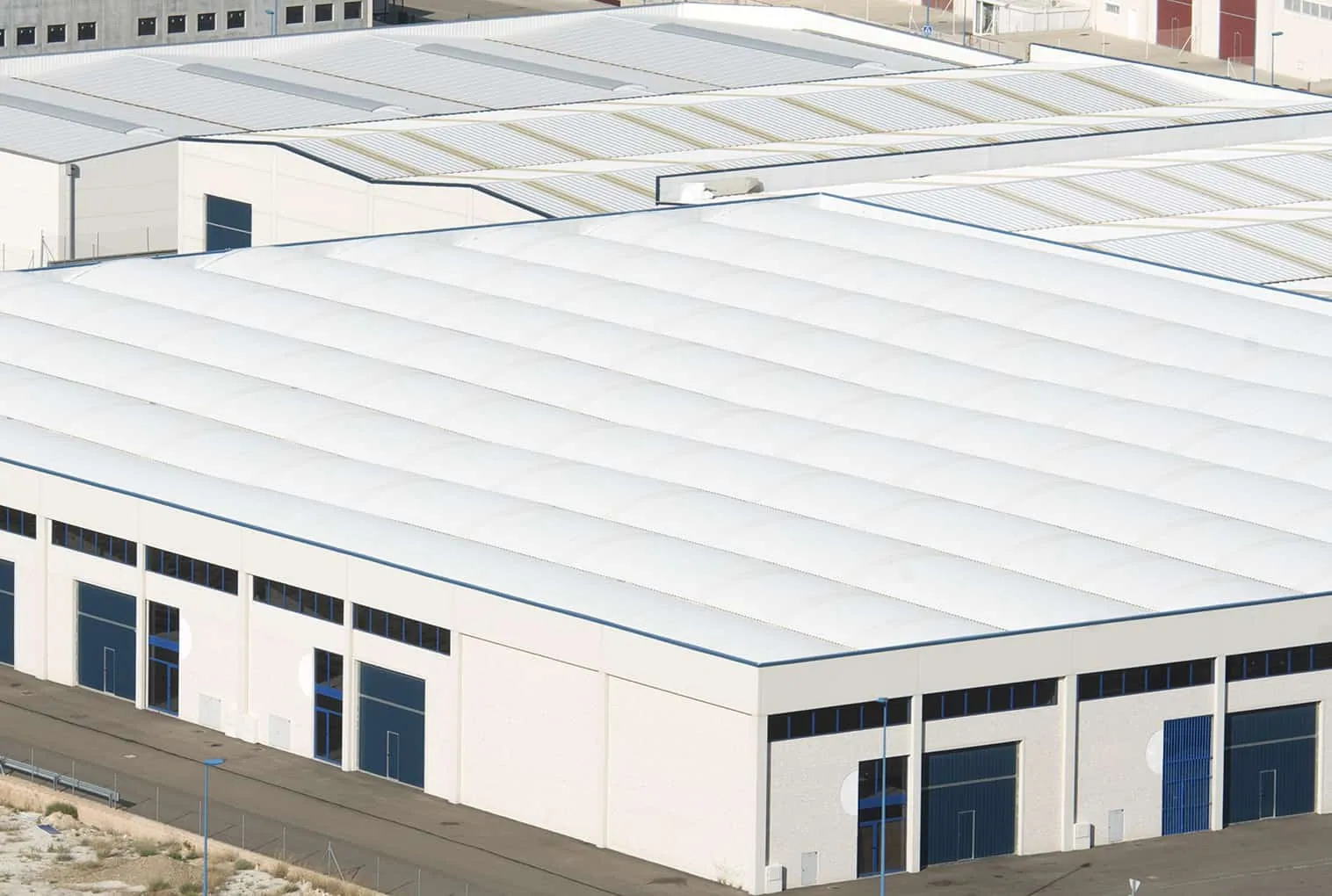
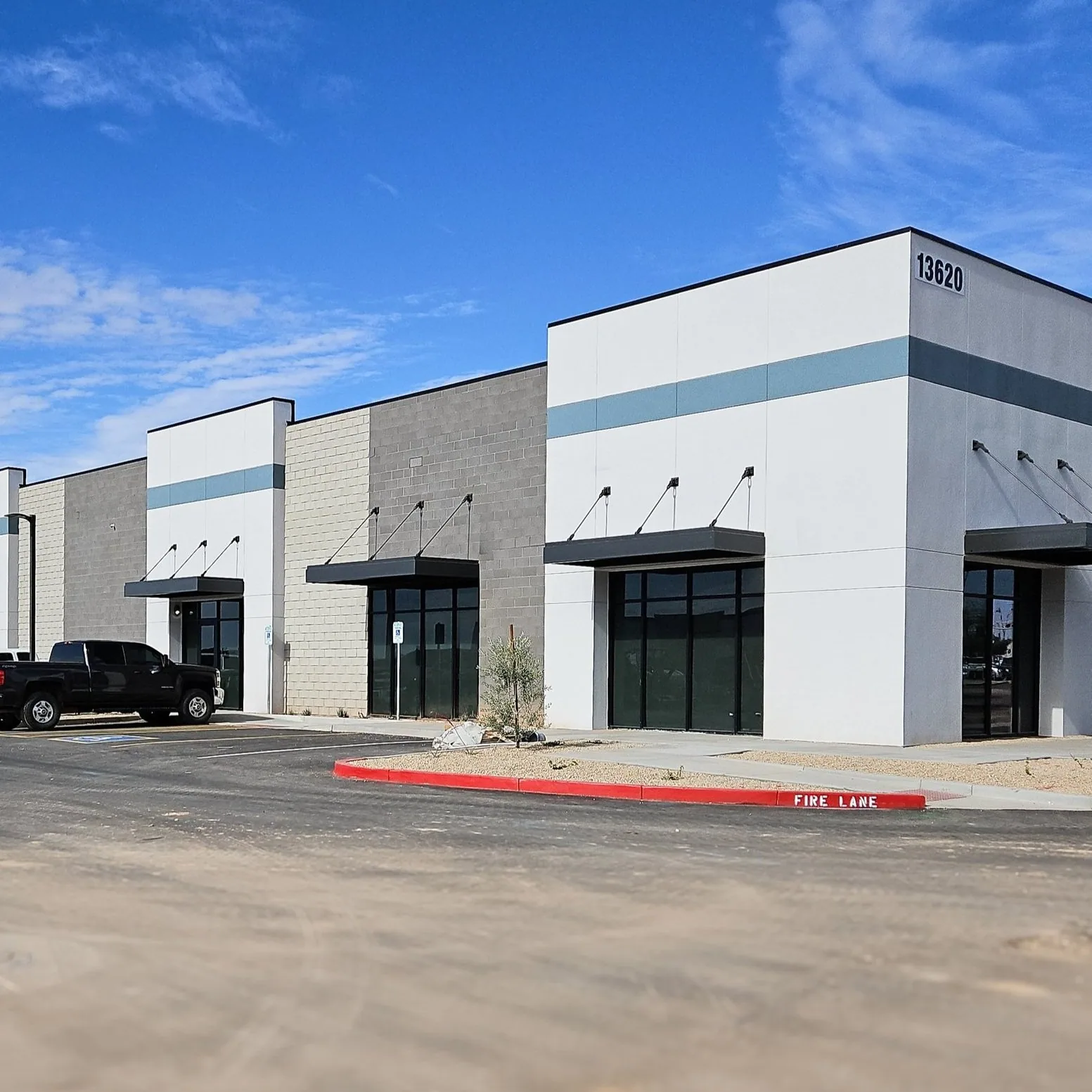
A flex building is a row of bays under one roof, often with a front office section and a rear warehouse or shop section. Water from a thaw runs the length of the roof to a handful of drains and scuppers, and an ice plug at one of them backs water under flashing at another bay.
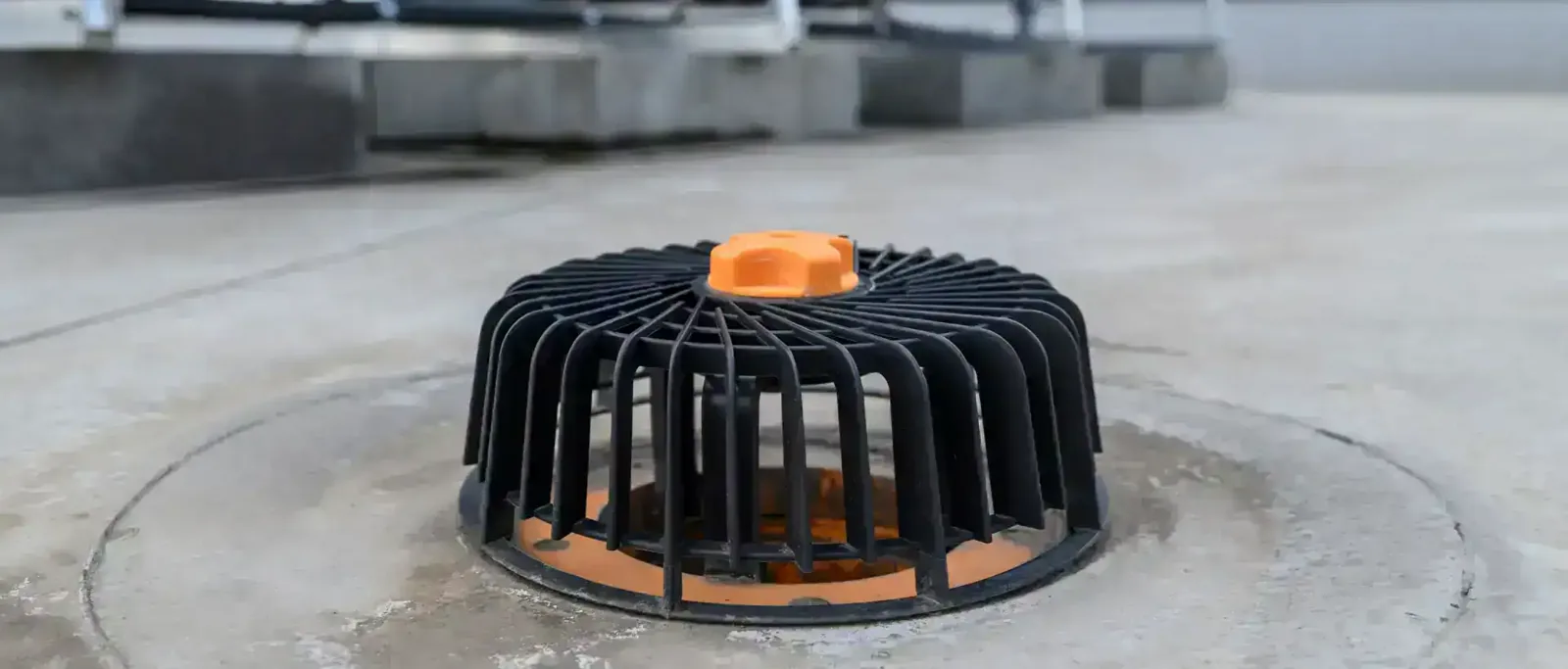
We trace each drain and scupper on the first visit, flush the runs and mark any that freeze. Clearing ice by hand with plastic tools before a cold night is often enough to prevent the next leak. The record of which bay drains where helps the landlord assign a leak to a cause and not to a neighbor. A drain and scupper repair is often the cheapest line on the bid.
Ice returns at night. A thaw that fills a scupper at two in the afternoon becomes a block of ice by six, and the next thaw starts with the drain shut. Facility teams can clear a scupper from a ladder at the eave if they stay off the roof, but only with plastic tools and only in daylight. We offer a short pre-freeze visit in November that clears every drain on the building and marks the ones that freeze first.
Sort the Bays by What Each Tenant Does
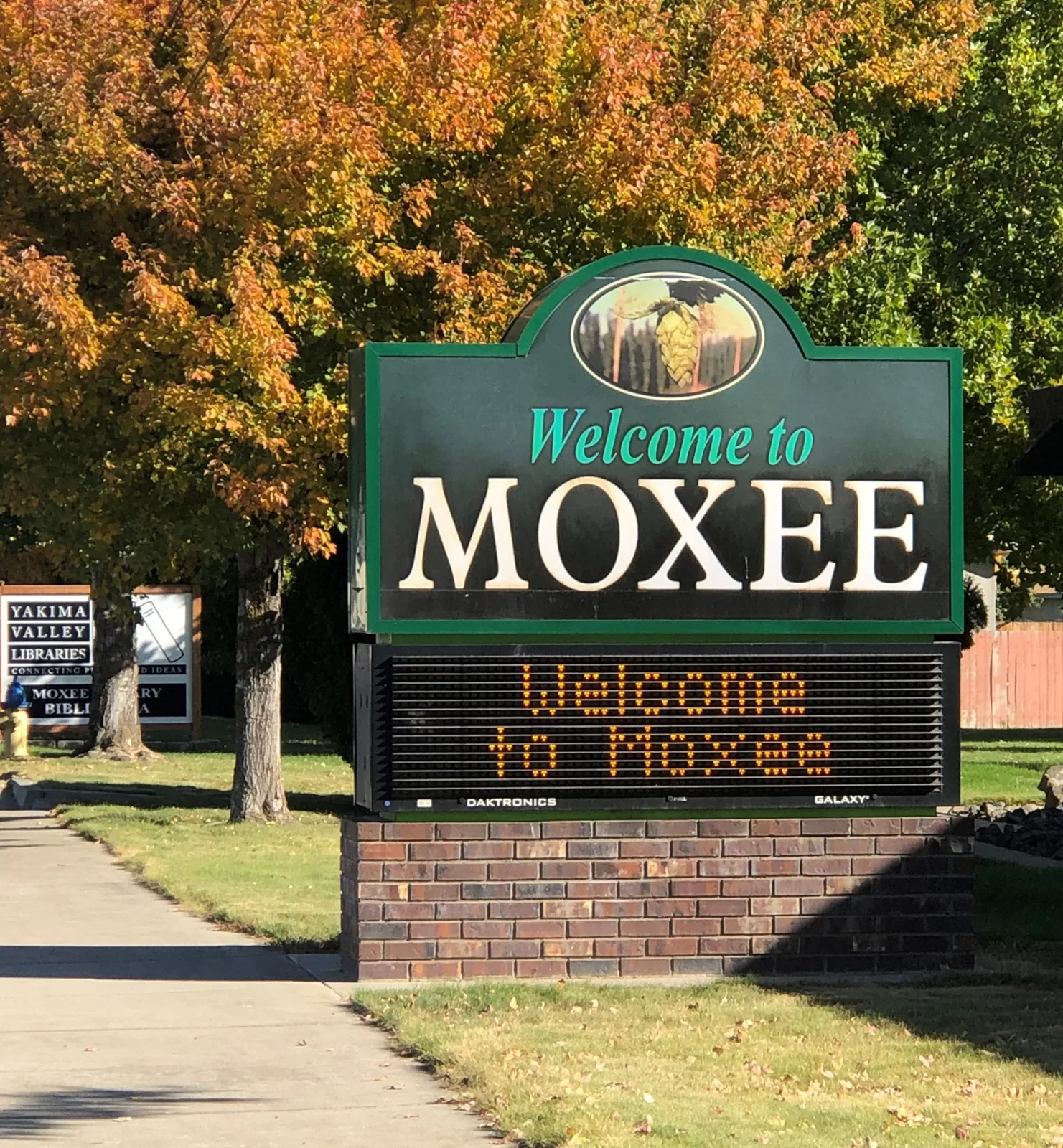
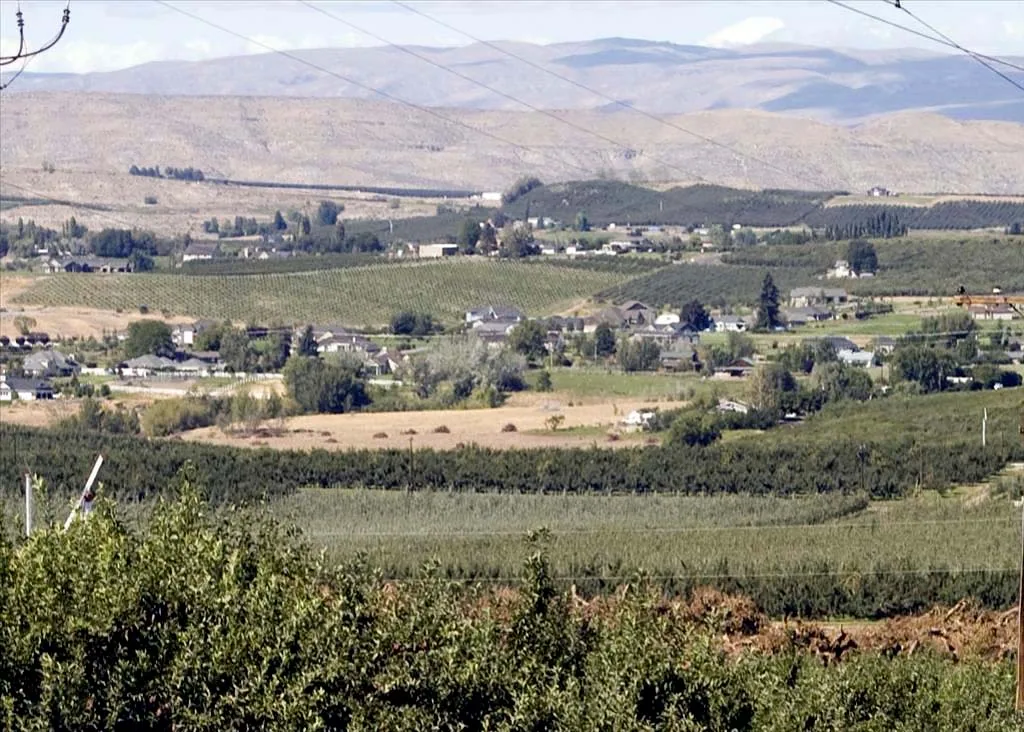
Flex space hosts offices, light assembly, storage and trade shops side by side. Hops are part of this economy: the valley grew about 77 percent of the U.S. crop as of 2011, and Moxee's sandy soil and mild climate suited them, which supports kilns, warehouses and processing buildings. Selah has fruit companies that keep warehouses there, and Liberty Bottleworks runs a water-bottle plant in Union Gap.
Each use asks the roof something different. A shop with exhaust needs a chemical-resistant zone, a cold room needs a vapor plan and an office needs quiet hours. The first walk sorts the bays by use and records the equipment on each. Work in Moxee, Selah and Union Gap follows the same sort.
Rooftop equipment grows with the tenant list. A new tenant may add an exhaust fan, a split system or a conduit run, and each adds a hole. A penetration log, kept with the lease files, shows which holes are new and which flashings are original. We keep the log current on every visit and share it with the property manager.
Check the Step Between the Office and the Warehouse
Many flex buildings step up from a low front office to a taller warehouse, and that step collects drifts. Winter in Yakima brings roughly 21.6 inches of snow, mostly in December and January, onto design loads that change from parcel to parcel. The tall back wall and the unit enclosures also hold snow in lee pockets.
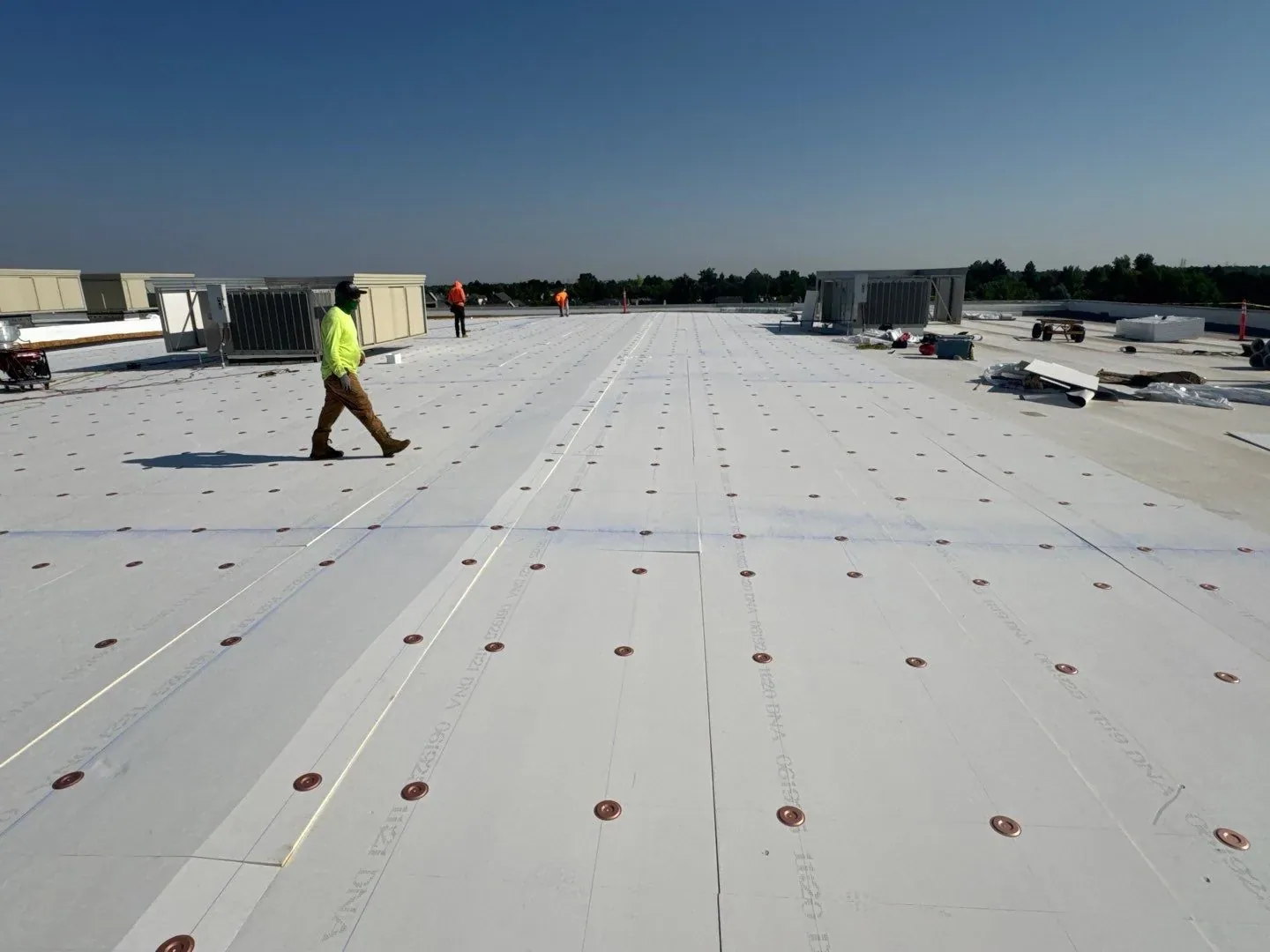
Do not shovel flat membrane roofs, because steel tools cut the sheet. Plastic tools take the drift off, a protective layer stays down and we check dock doors and ceilings for binding or cracks. A dock door that sticks, a crack that opens above a header, a light fixture that sags: each says the roof carries more than its drift should. Tenants who notice any of them should clear the area and call at once.
Plan for the Hot Afternoon and the Cold Night
Yakima sees about 40 afternoons at 90 F, a handful at 100 F, and a record spread from minus 25 F to 113 F. A dark roof over a light assembly shop soaks the heat, and the tenant pays for the cooling. Large daily swings pull on laps and curb flashings, and the sealant at each penetration takes the movement.
Adhesive work starts at first light and pauses in the hottest hours. A white TPO sheet runs cooler under the sun, which is worth pricing when a recover or replacement is on the table.
Skylights over a shop floor add daylight and leaks. The glazing joint ages faster than the glass, and the curb flashing moves with the heat. We probe each skylight line in spring and reseal what has opened, then log the date.
Secure Edges and Dock Canopies After a Gale
The county designs for a wind speed of 110, and the late-November 2019 windstorm was a fair test of it. Dock canopies, roof-edge metal and rooftop screens catch wind first. A lifted edge may not show from the lot.
After a gale, look from the ground at canopies and trim. A crooked line needs a call before the next rain. We pull caps, check fasteners and log the repair by bay. An emergency roof repair crew is available at any hour for a temporary tarp.
Roll-up doors and dock seals sit near the roof edge, and the wall flashing above them takes splash and wind. We test that joint with water after any repair, because a leak there wets the door and the floor below.
Price the Options Bay by Bay and Close With a File
A recover remains possible while the roof is dry and the seams are sound, and a new assembly must meet the energy code Washington adopted in March 2024. When the work is done the seams, caps and drains are tested, and the landlord receives a roof map by bay, photos and a penetration log. A warehouse or a storage facility can use the same format.
Each spring the seams get re-probed, the drains flushed and the photos retaken.
Tenant improvement permits often skip the roof. We ask the property manager to forward any permit that touches rooftop work, so each new cut is flashed the same week and entered in the penetration log.
Commercial Roofing Questions
A bay reports a drip but the roof above it looks fine. What next?
Send the bay number, a photo and the date. Water often enters elsewhere and travels, so we trace the drain runs and flood-test before we call a cause. Move stock away from the ceiling in the meantime.
Who pays when one tenant's equipment causes a leak?
The lease decides. We document which flashing failed, with photos and moisture readings, so the landlord and the tenant can settle responsibility from one record.
Can we stay open during a reroof?
Usually. We phase by bay, protect the interior with a leak watch and keep loud tasks to agreed hours. Tenants with sensitive goods are told in advance.
Do hop or fruit tenants need a different roof plan?
They may. Kilns and drying spaces carry heat and moisture, and cold rooms need a vapor plan. We identify each use on the first walk and match the sheet and details to it.
What does the landlord receive at closeout?
A roof map by bay, photos, moisture readings, a penetration log and a signed punch list. Keep it with the lease files so tenant improvement crews can follow it.