Need a commercial roof looked at?
Send the address and what the roof is doing, and we will set up a time to walk it.
Request a Roof Assessment

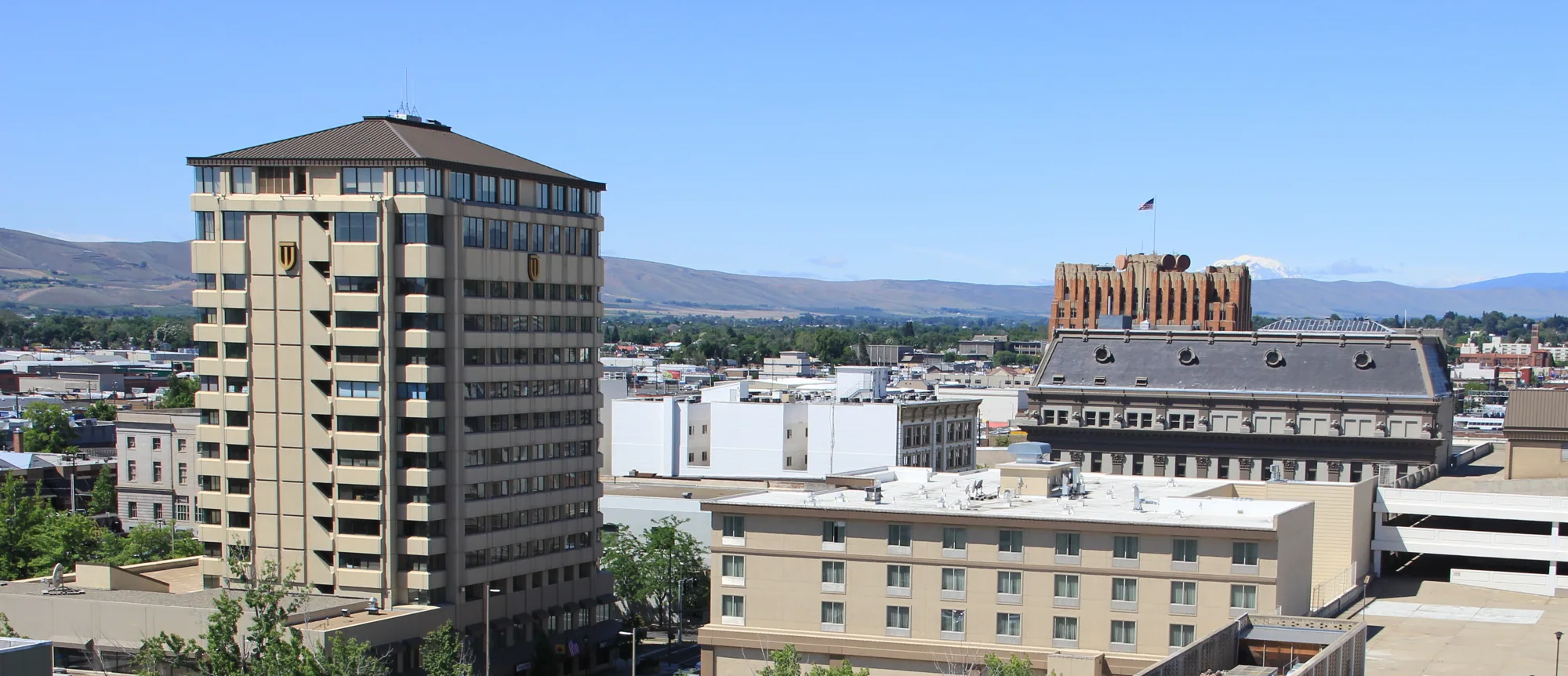
The roof system question usually arrives in a quiet week after a hard winter, when an owner has seen what a season of drifts and thaws did to the old membrane. In Yakima, WA a system has to take record extremes from minus 25 F to 113 F, a long run of 90 F afternoons, and design snow loads that change from parcel to parcel. The right choice depends on the building, the load and the operation below.
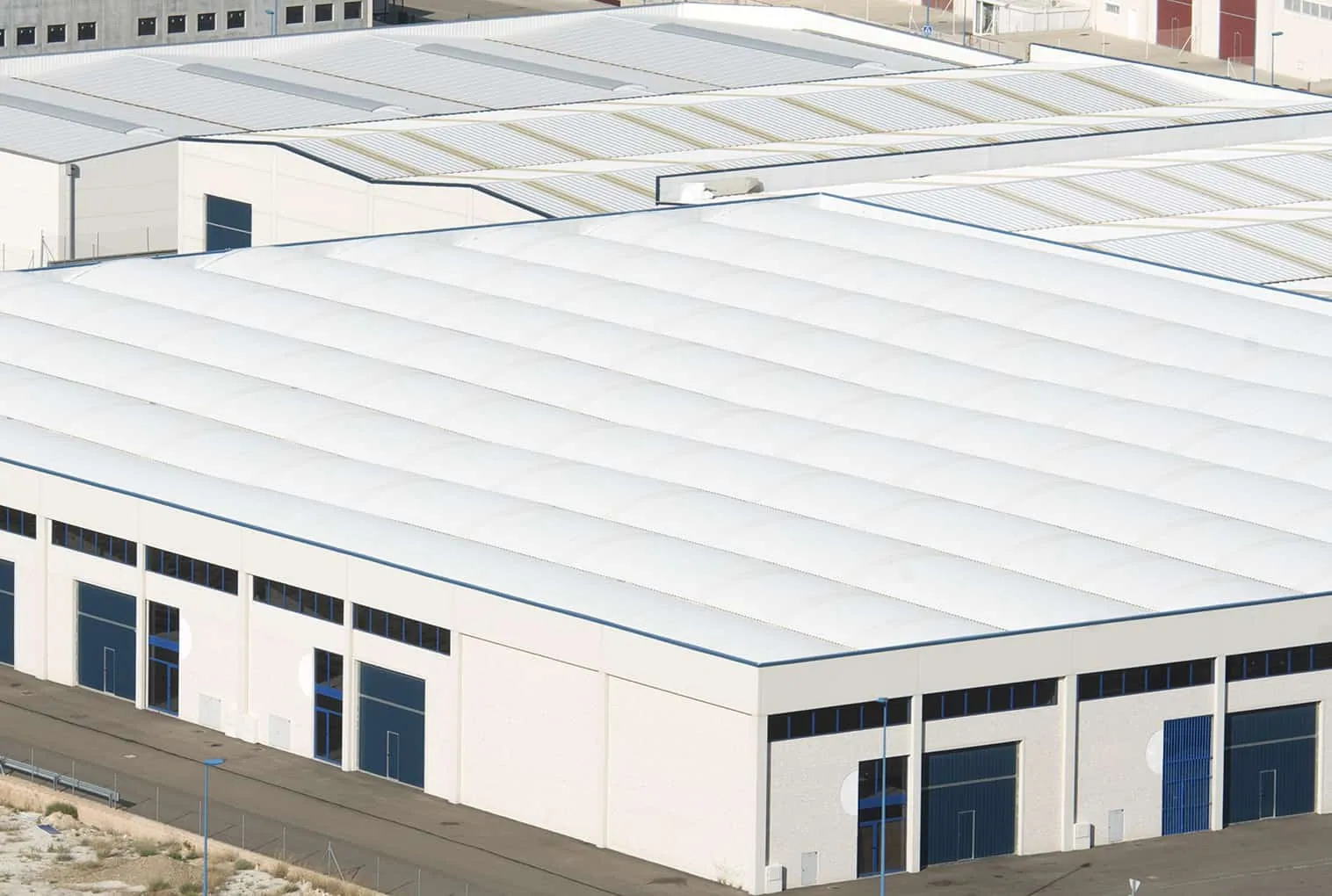
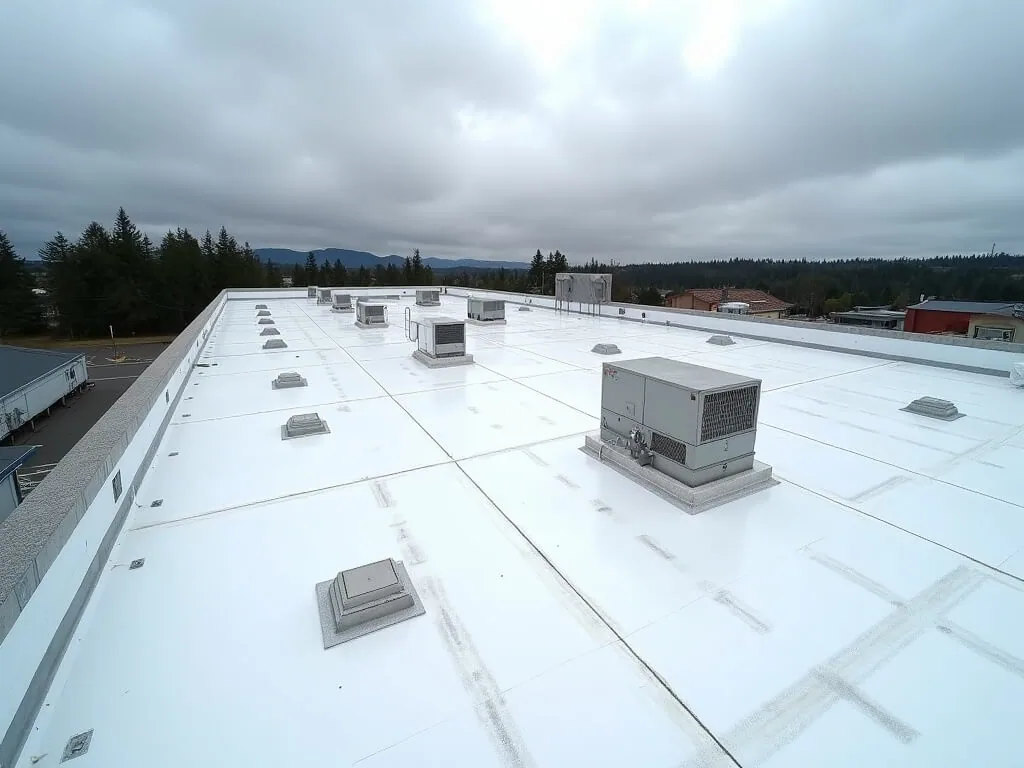
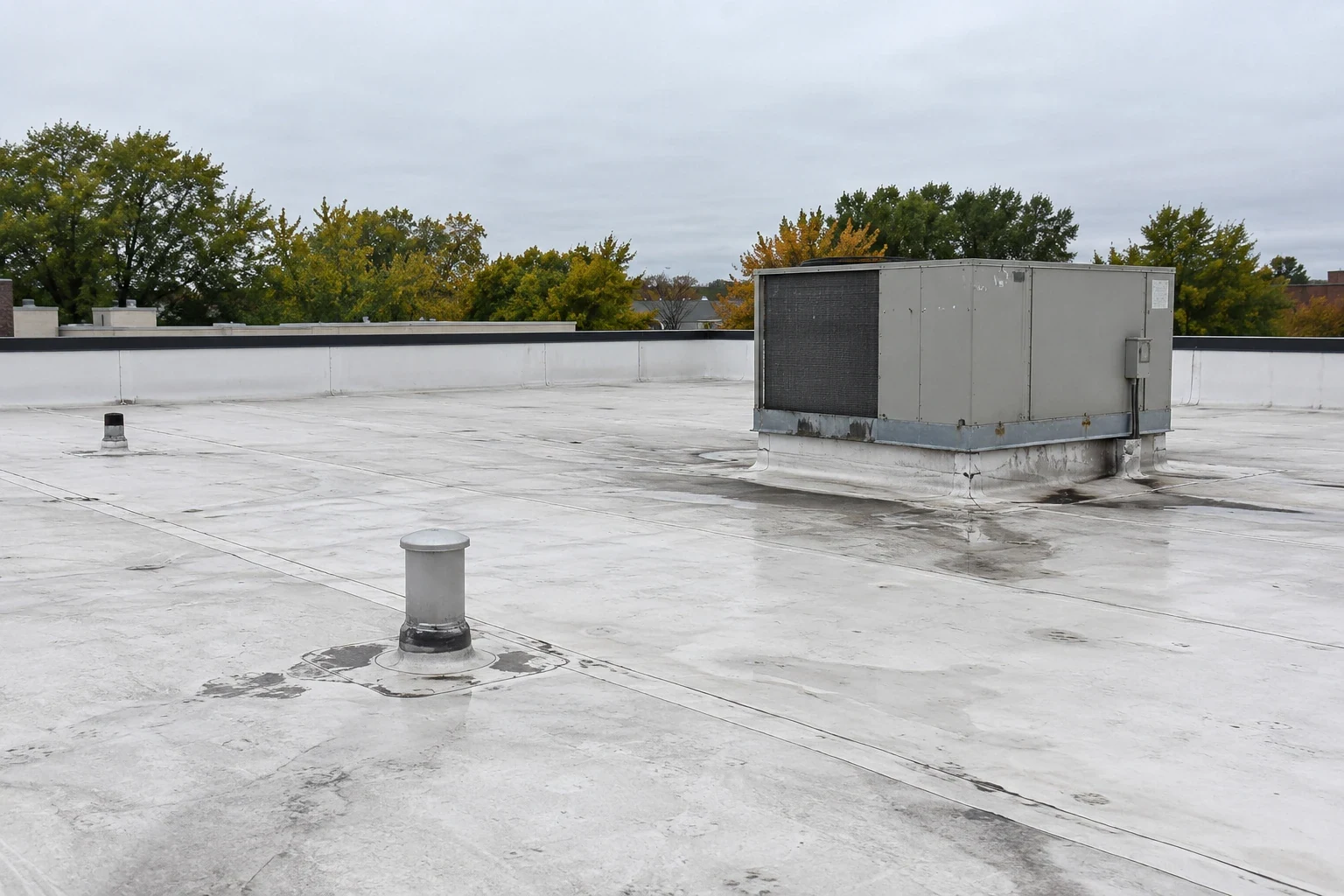
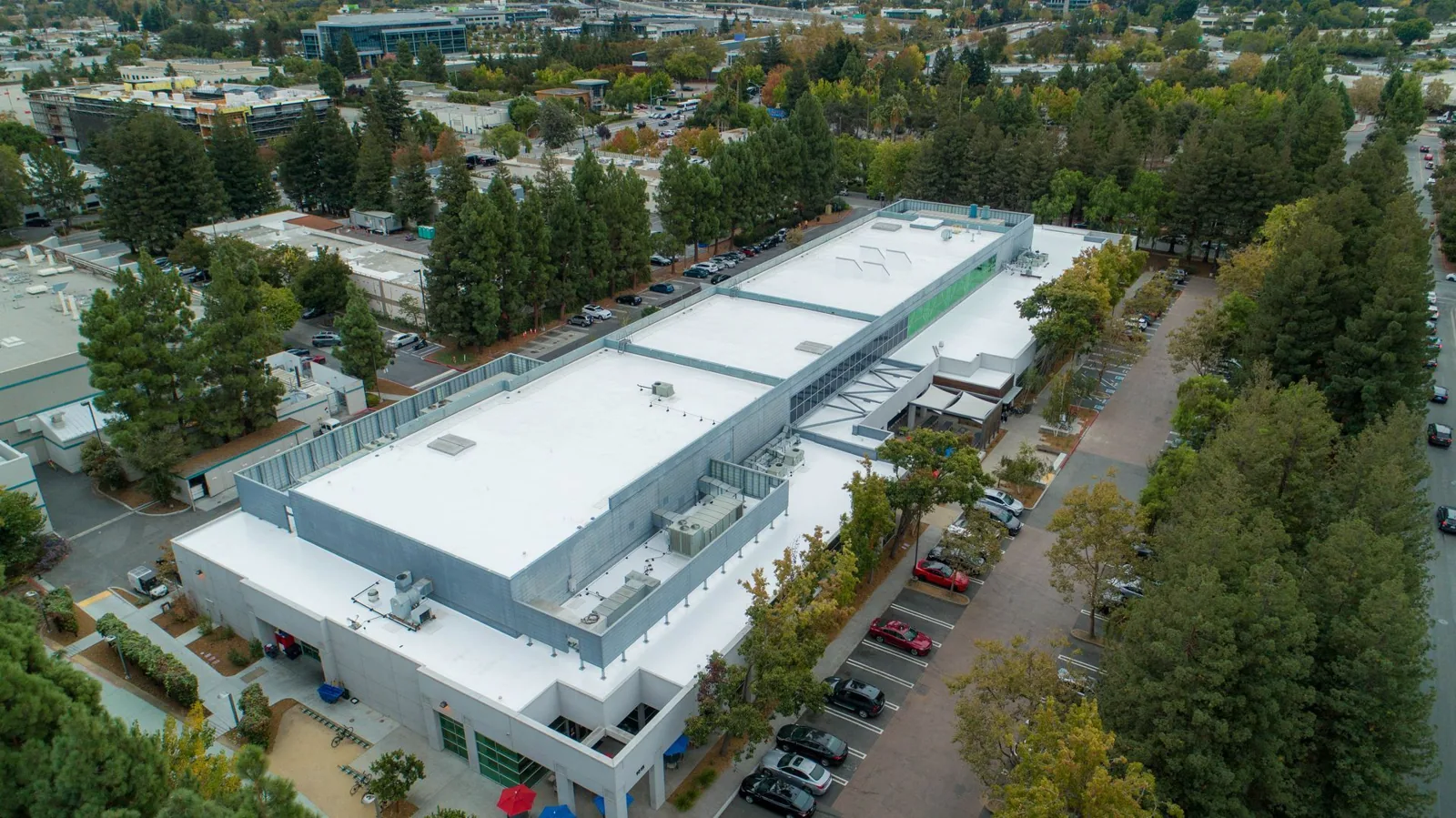
Heat-welded sheets suit a market with large daily temperature swings. TPO offers a reflective surface and welded seams, PVC adds resistance to grease and chemicals near exhaust, EPDM is simple to patch, and KEE is a PVC-based sheet with a ketone ethylene ester modifier for tougher duty.
On a cold storage plant in Selah or a retail roof near Valley Mall in Union Gap, the same question applies: what does the surface see, and what sits under it? Exhaust, equipment traffic and afternoon sun decide which sheet earns the job.
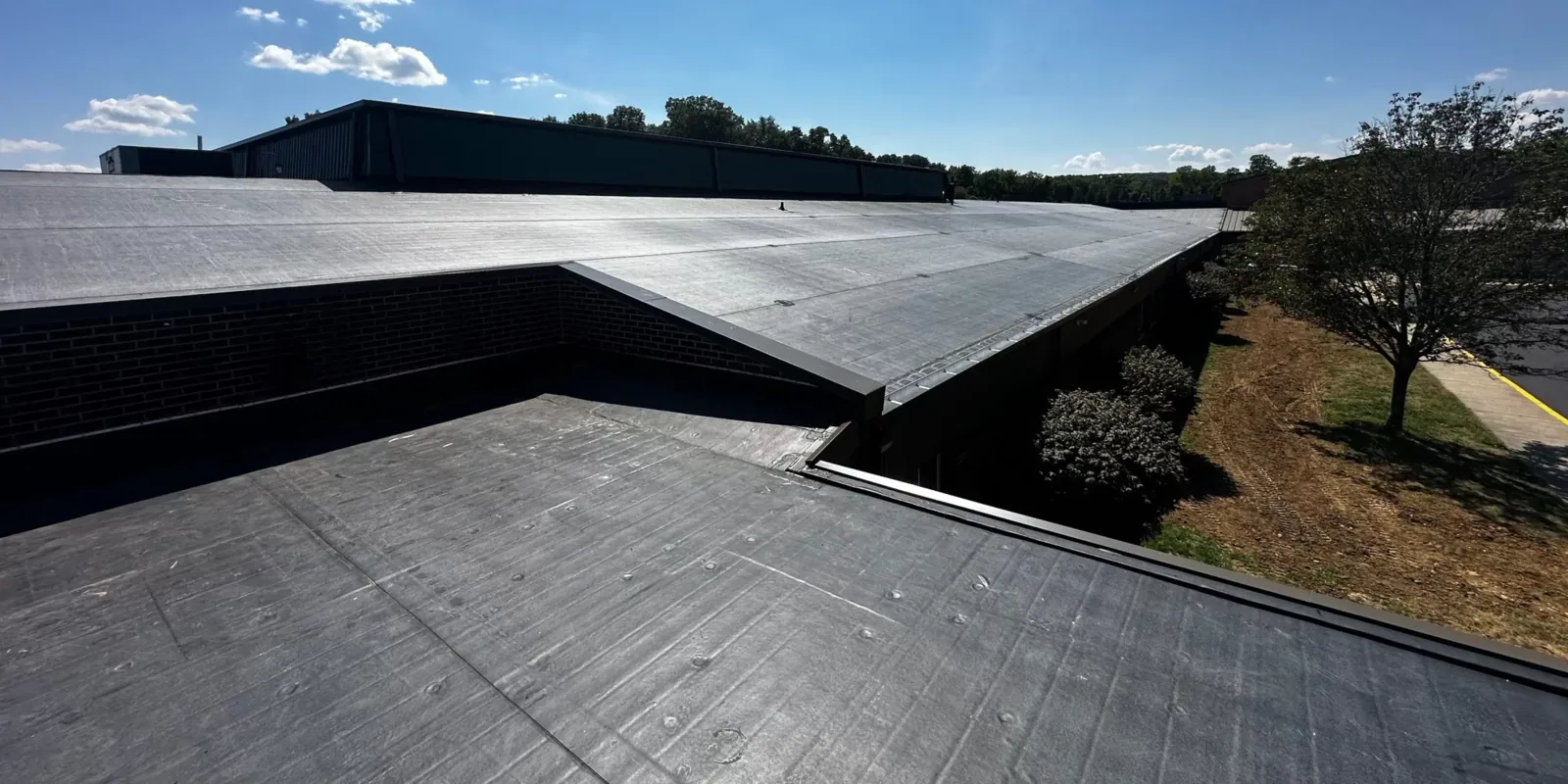
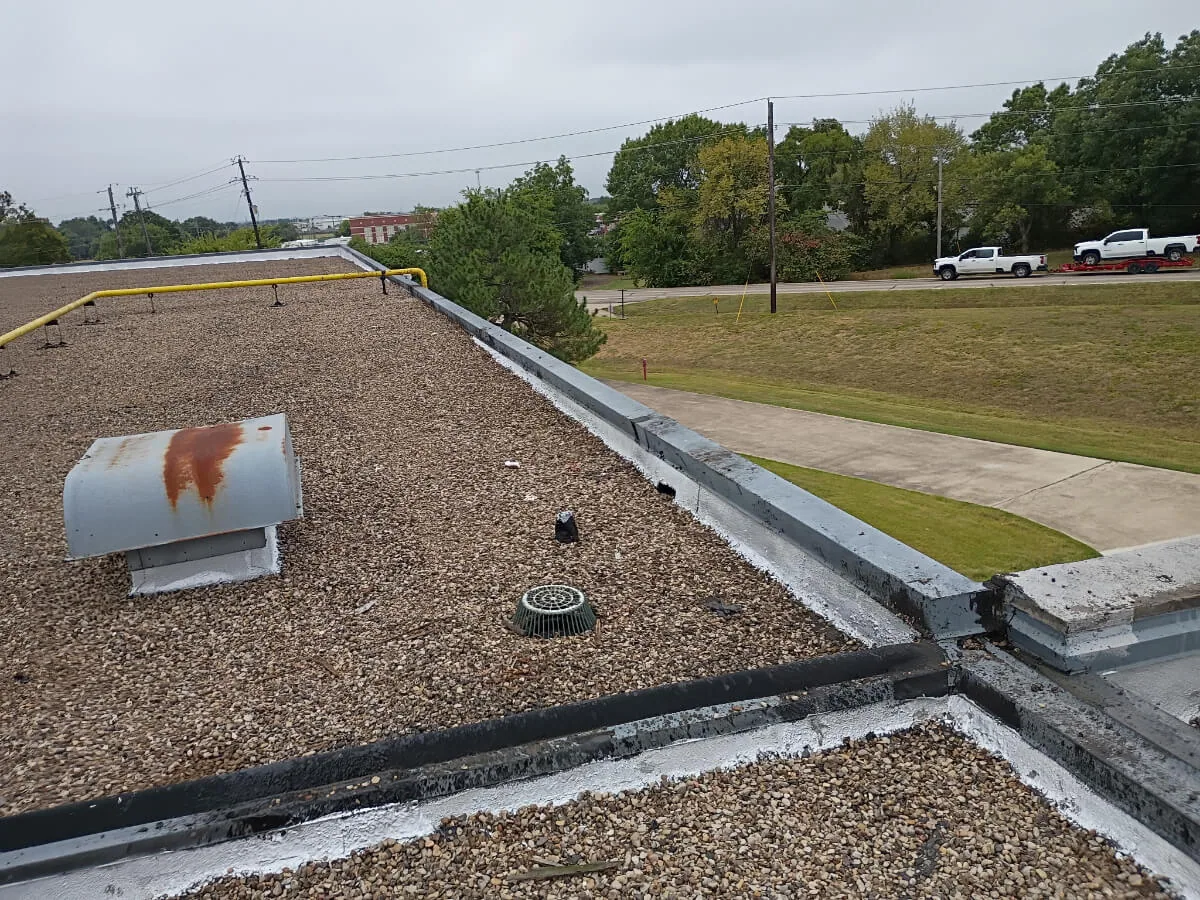
Modified bitumen and built-up roofing build the waterproofing from plies, which gives a thick surface that tolerates traffic around rooftop equipment. They add weight and need careful handling of heat and flame, so the structure and the occupancy set the limits.
Weight is the trade. A layered roof on a building with a small snow margin may call for an engineer's review before it is chosen.
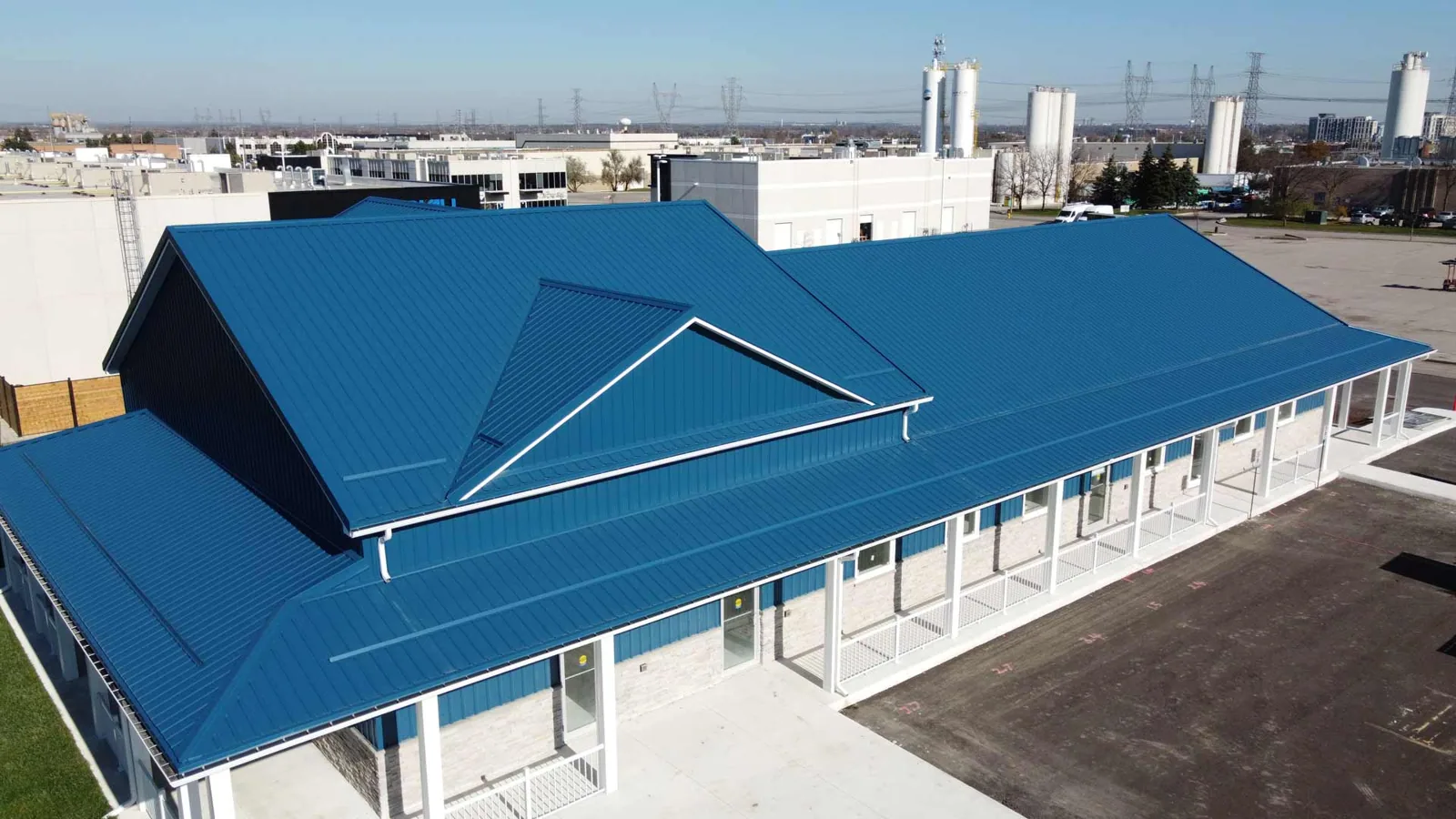
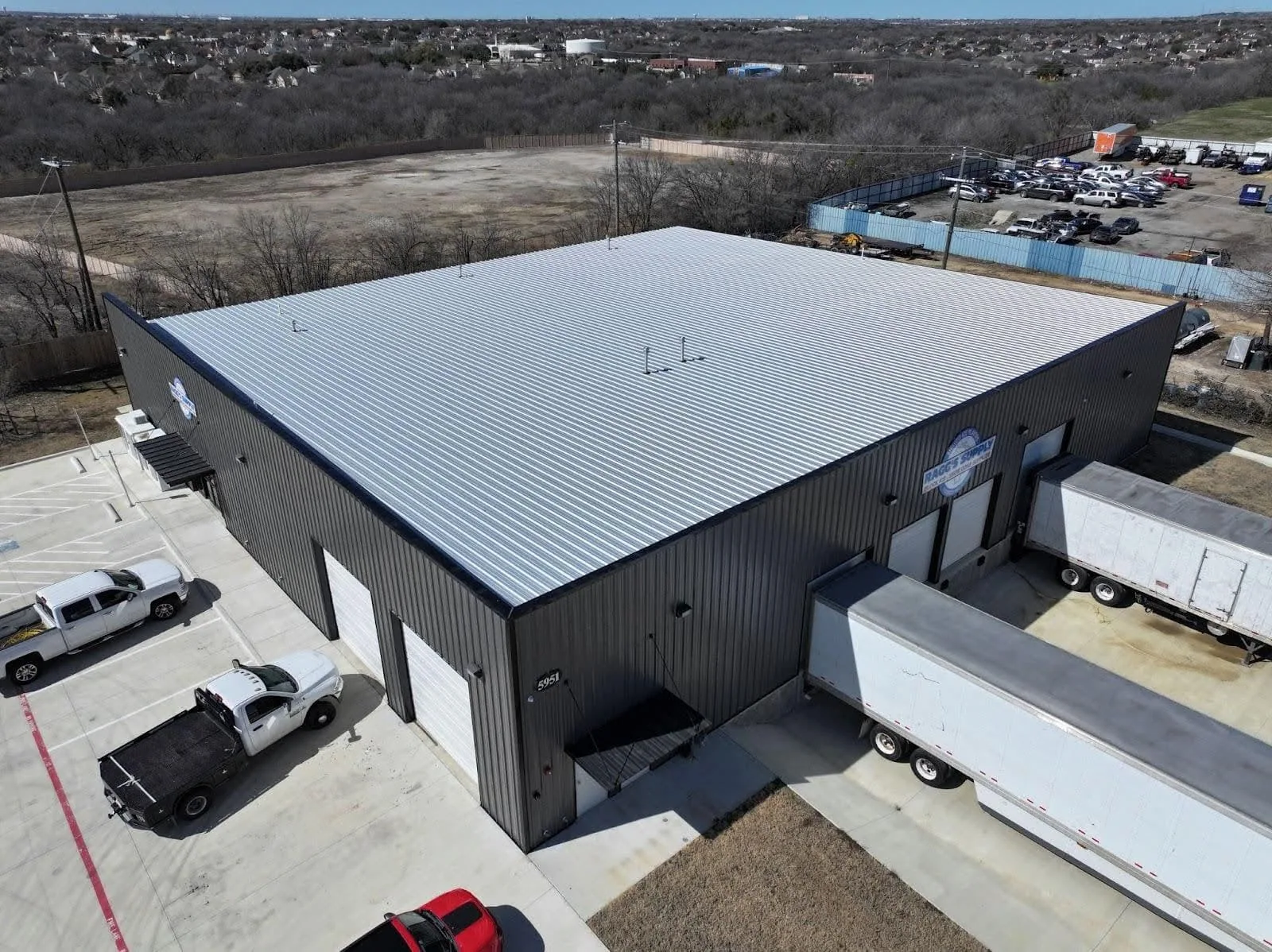
Standing seam metal sheds snow and hides its fasteners, and a metal roof retrofit covers a tired roof without a full tear-off when the structure is sound. Both need snow retention planning where sliding snow could land on doors or equipment.
The late-November 2019 gale tested roofs all over the valley, so fastener patterns and edge details count as much as the panel profile.
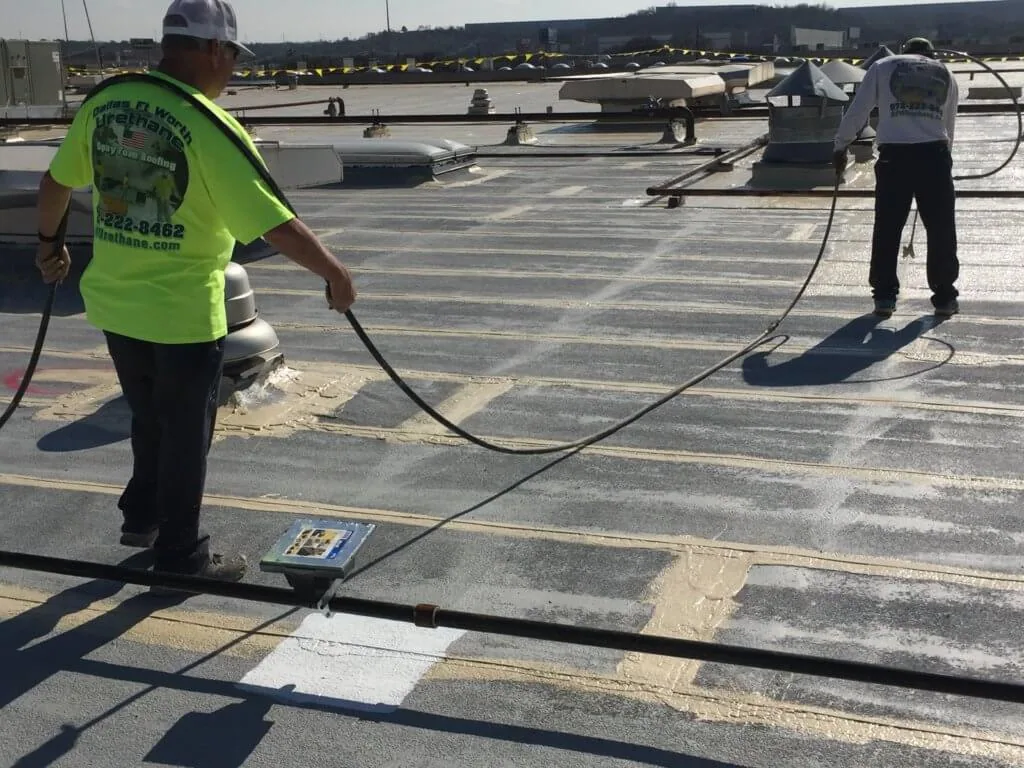
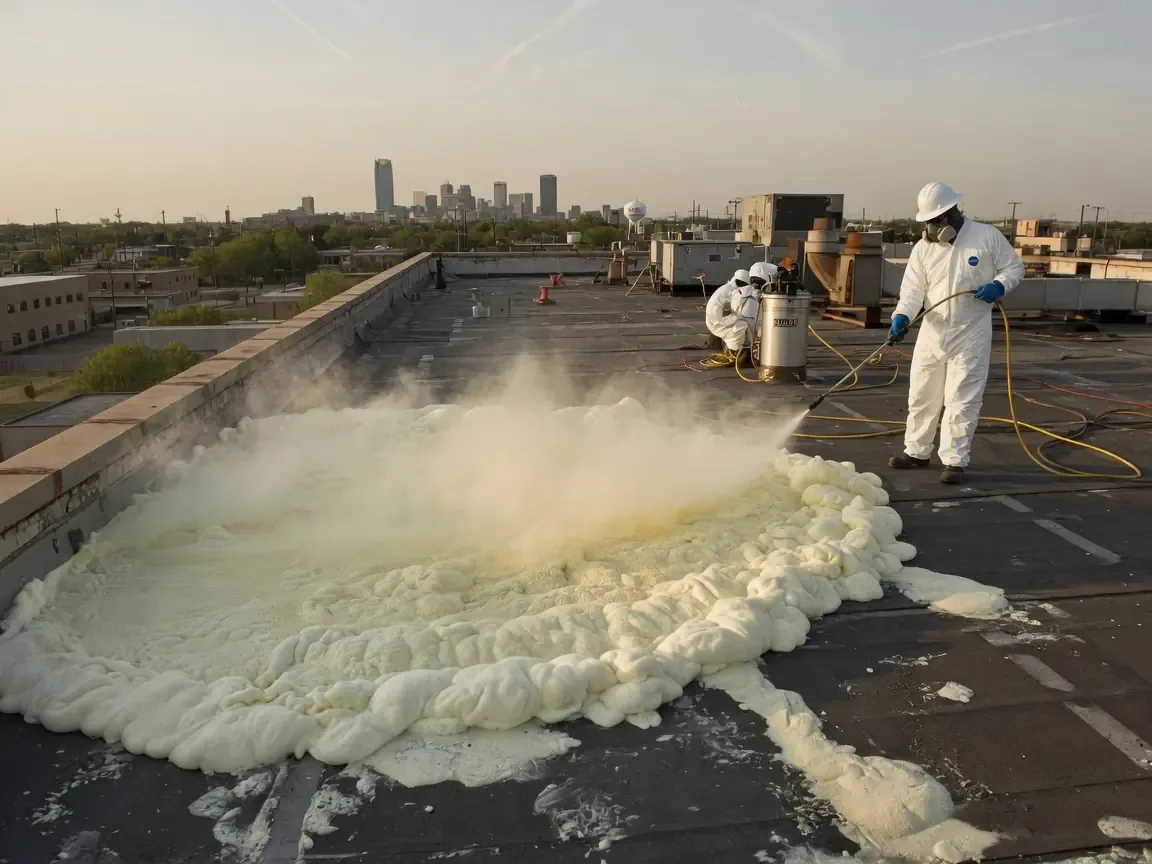
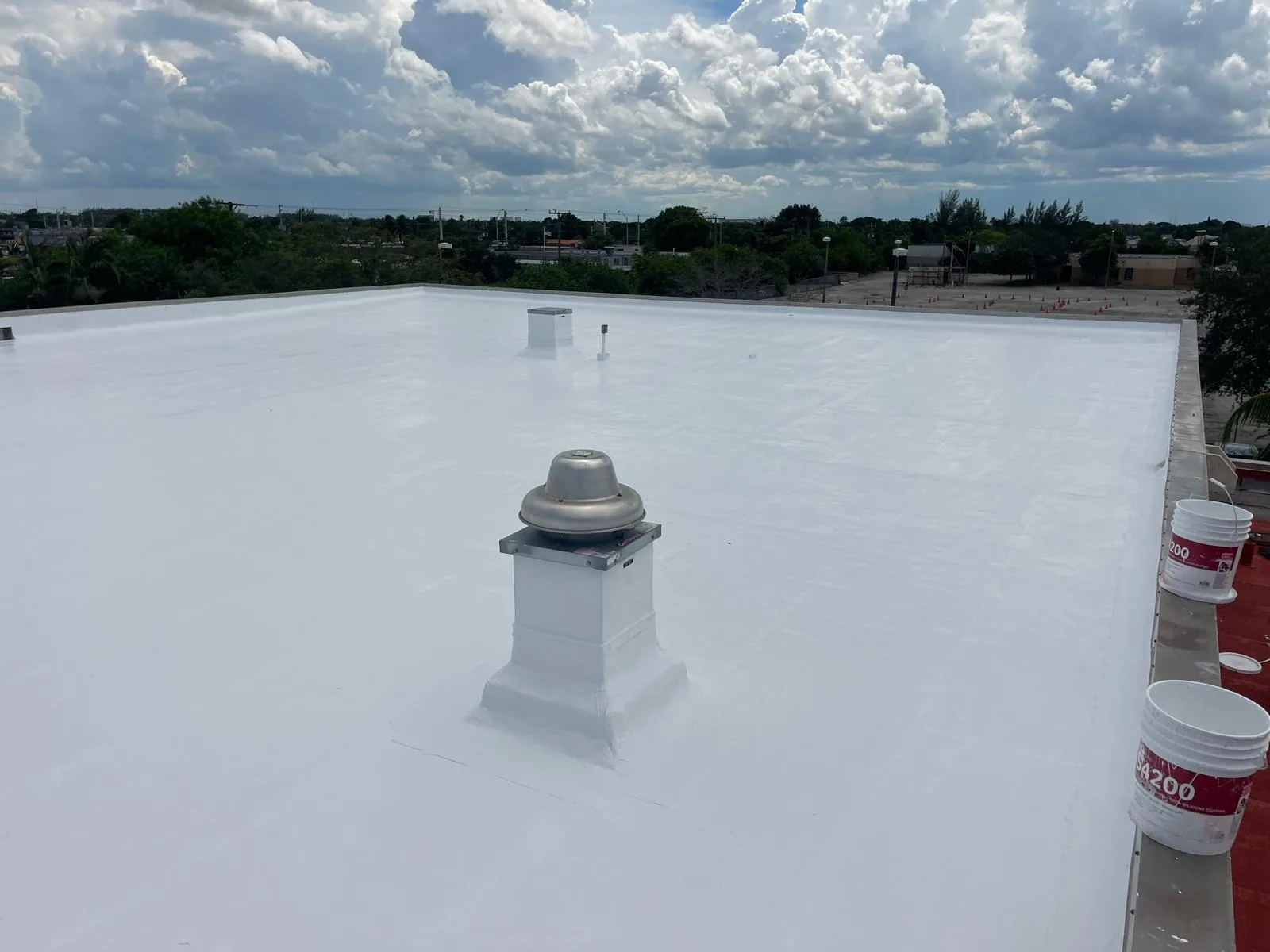
Spray polyurethane foam adds insulation and slope in one pass. Silicone and acrylic coatings restore a dry roof with a reflective surface. A moisture survey comes first, because any liquid system fails over wet insulation.
No single system wins every case. Welded single-ply sheets and standing seam metal both perform well when the details are right. The building's slope, snow load and use below the roof decide the pick, and we compare the options in writing.
It can, particularly over cooled space or conditioned rooms. The valley logs dozens of afternoons past 90 F. Winter heating balance and dust on the surface also matter, so we review both before recommending it.
Yes. A new roof is the best moment to correct slope, drainage and insulation. Changing system type may affect flashing, curbs and attachment, so the scope covers those changes.
The permit or drawings state the design snow load, and added layers count against it. We read that number before proposing a recover or a heavy system and call in an engineer when the margin is small.
Send the address and what the roof is doing, and we will set up a time to walk it.
Request a Roof Assessment