The phone rings at 5:40 on a Sunday morning in December, after a night of snow nobody forecast, and the person on the line is a night supervisor standing under a sagging ceiling. The first-hour call starts with three questions. Is anyone in the area? Is the building still sound? Where is the opening? We answer calls around the clock, every day of the year including holidays, because roofs in Yakima, WA fail on the weather's calendar, not ours. Our job in that first hour is to get a crew moving, keep people clear, and put a dry cover over the damage before the next hour makes it worse.
Answer the First-Hour Call With Facts
Dispatch needs a short list from you: the building address, what you see, where it sits on the roof, and whether anyone is hurt or at risk. If you can safely photograph the damage from inside or from the ground, send it, since a picture of the ceiling and the nearest interior wall tells us what crew and materials to load. We also ask which operations are underneath, because a cold room, a packing line and a patient area each set a different priority for what we cover first.
Do not send staff onto the roof. Snow hides drains, skylight curbs and edges, and a loaded deck can fail without warning. Keep people out of the area under the damage, shut off power to affected circuits if water is near, and move product and equipment if you can do it safely.
Dry In the Building Before Anything Else
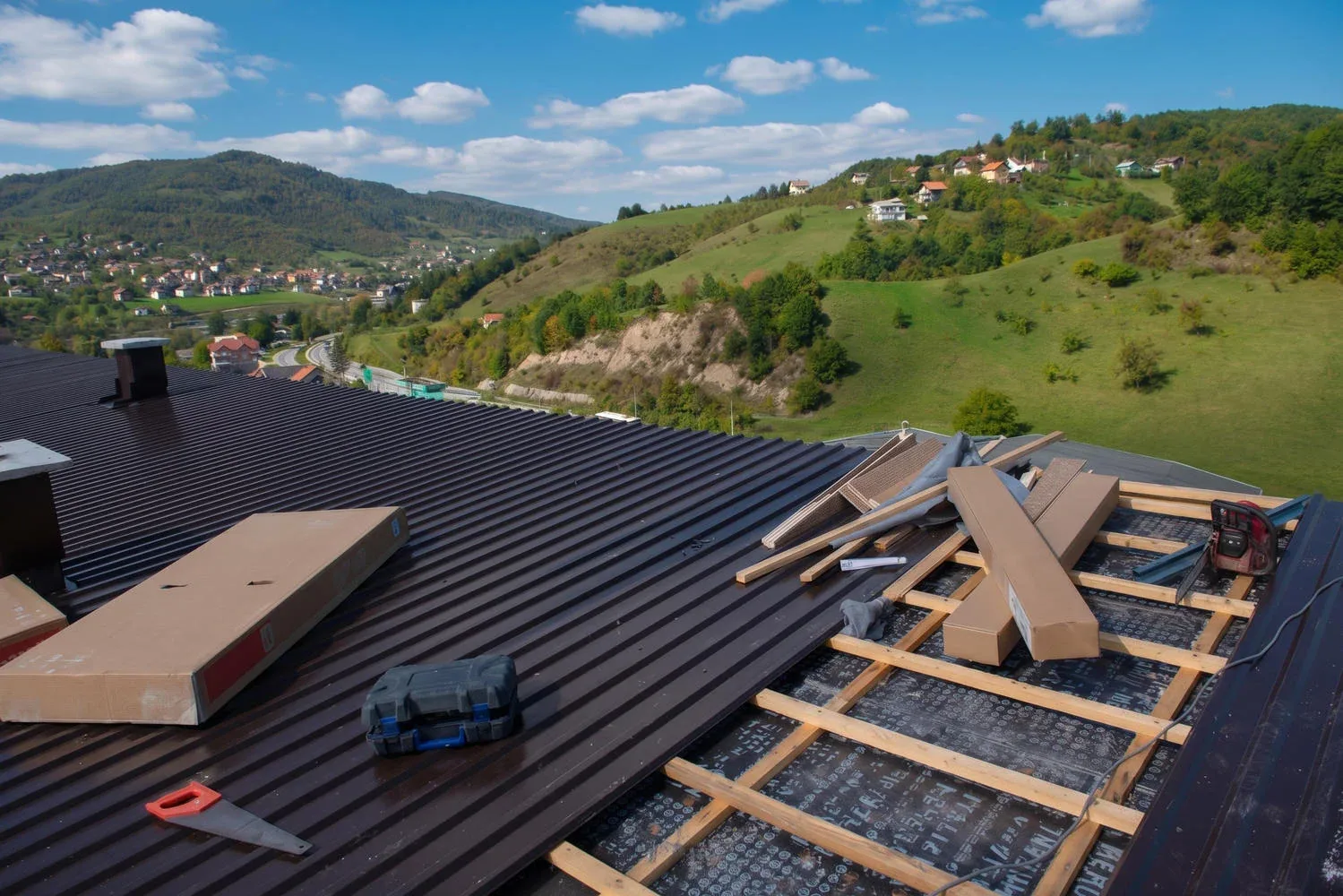
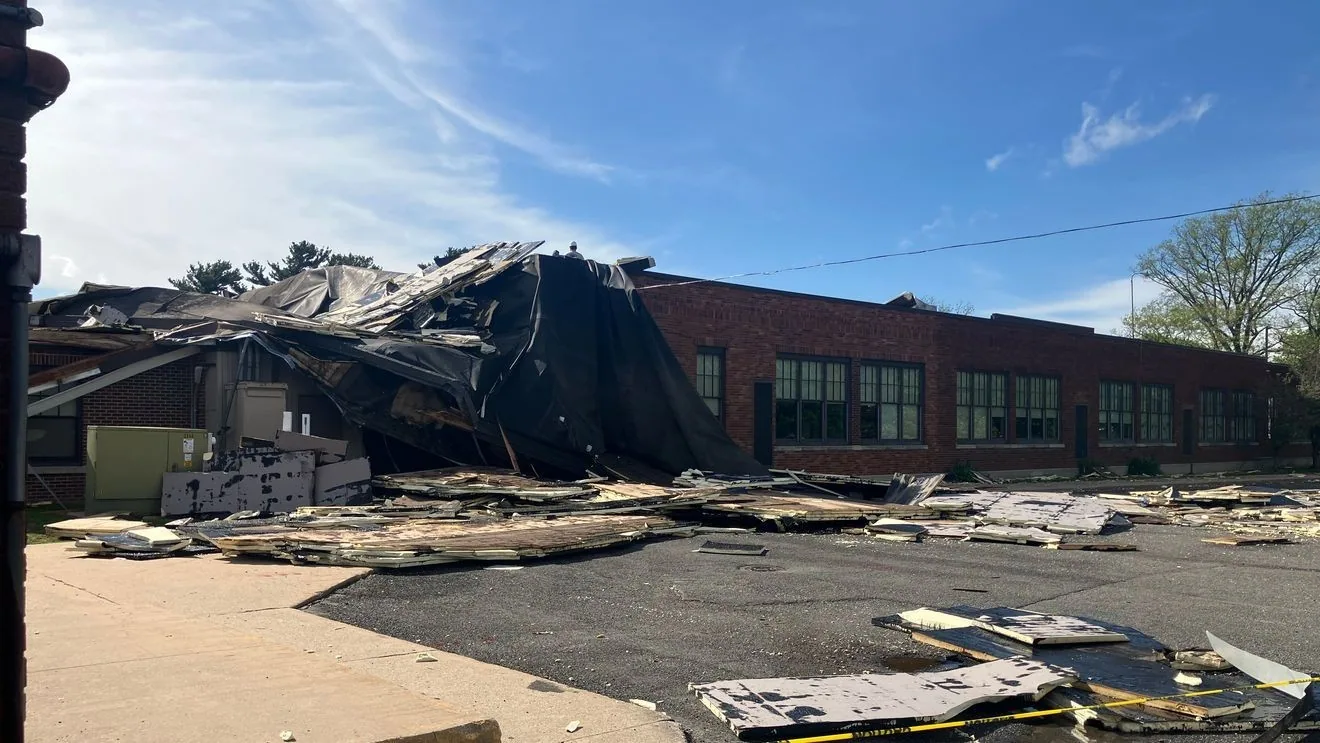
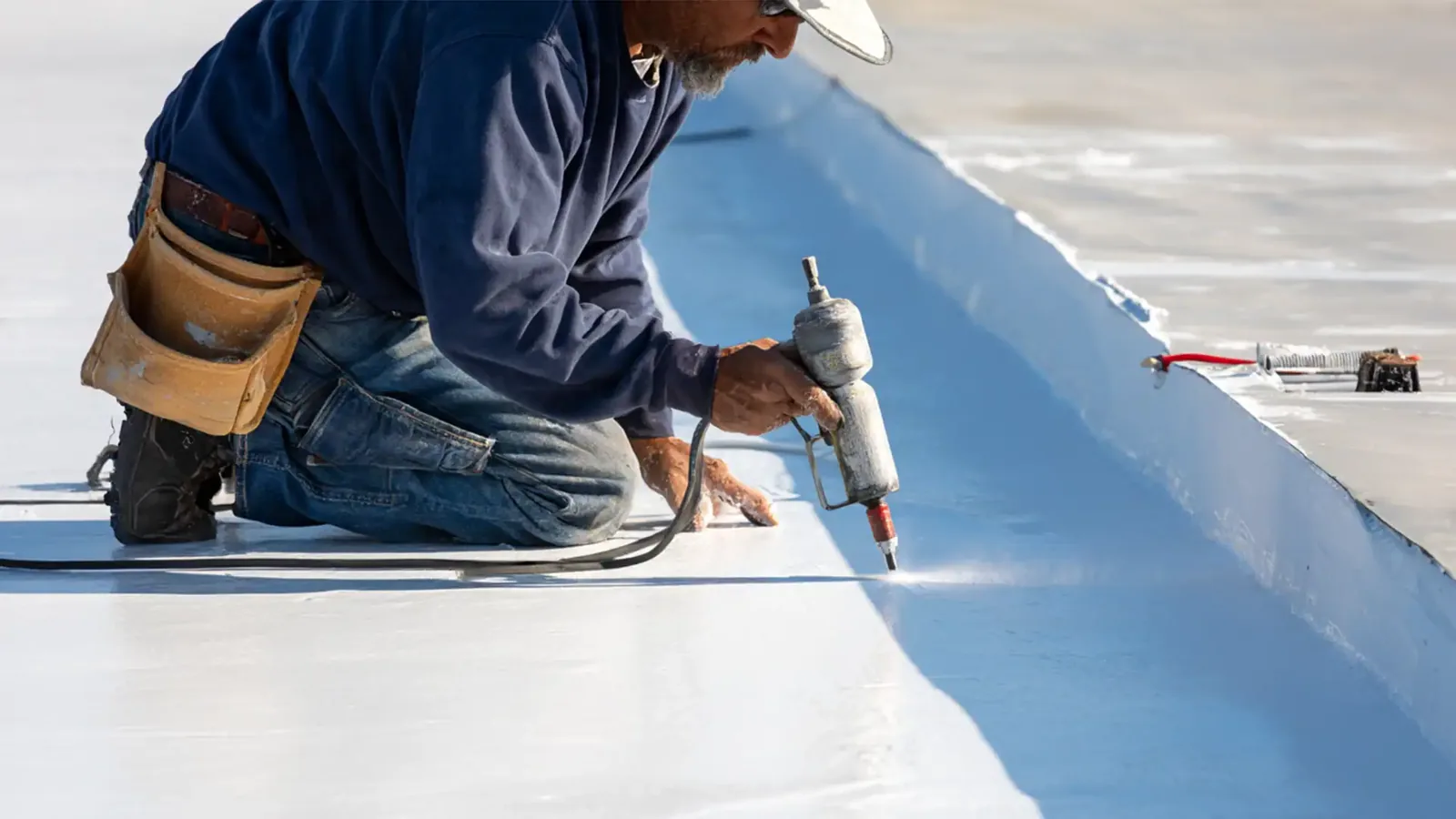
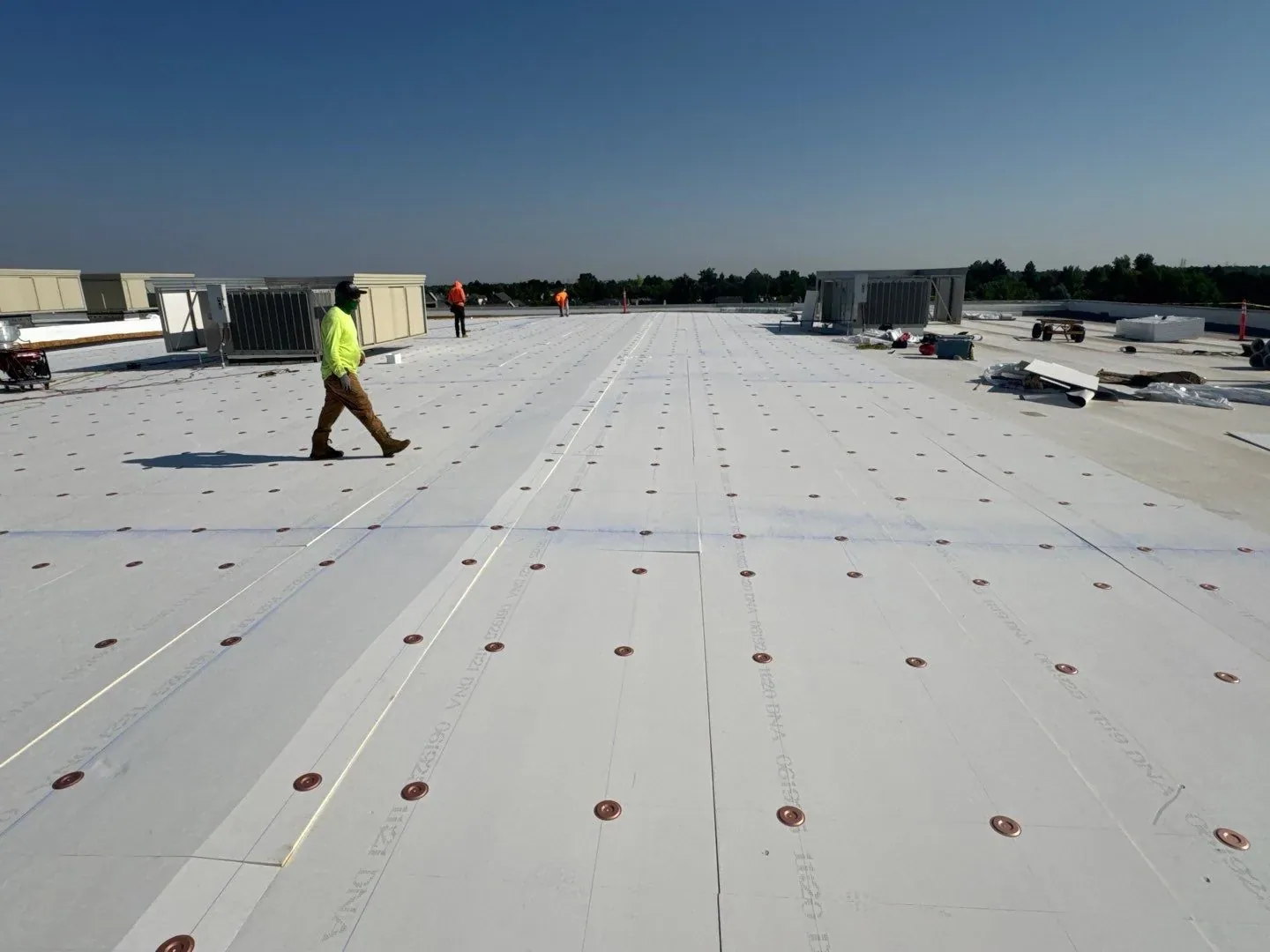
Diagnosis comes second. The first job is to stop water from entering. Depending on the damage, that may be a heavy reinforced tarp mechanically fastened across a torn area, a temporary membrane patch over a punctured field, or a wood and sheet cover over a missing rooftop unit panel. The cover has to outlast the next storm, so we fasten into solid deck or structure, extend the tarp past the damaged area, and weight or lash the edges.
Then we inspect the damage to see if it is local or tied to a larger problem such as saturated insulation, a deck failure or structural distress. Our crew reports what it finds before leaving, with photographs, so the next decision on repair or replacement is made with the facts in front of you.
Tarp for Wind as Well as Water
A tarp that holds against rain can fail in a gale. Yakima's record gust is 69 mph, set in May 1985, and the 2019 pre-Thanksgiving storm pushed Sunnyside to 53 mph. The county designs new buildings to a wind speed of 110. Temporary covers are not designed to that standard, so we fasten them to the structure instead of the loose layers, and we check them the next morning and after any gust that follows.
Loose edge metal and lifted membrane on wind-damaged roofs need immediate attention, because every hour a flap moves it widens the opening. We secure or remove the loose piece first, then seal what the wind exposed.
Clear Snow Load by the Book
When heavy snow is the emergency, the question is load, and the county requires engineering once a parcel's design load passes 70 psf. A bulging wall led to a South Third Avenue commercial building being red-tagged in February 2019, which shows how quickly a loaded roof becomes a safety question. If you see a bulging wall, a door that sticks, a deck that sags or a new crack in drywall, clear the area and call before doing anything else.
We remove snow with plastic tools, working from the drift edge inward and leaving a protective layer on the membrane. Officials warned in 2019 that shoveling flat membrane roofs can cause leaks, and steel blades cause them quickly. We follow a load sequence that takes weight off the deepest drifts first, usually against parapets and penthouses, and we check for deflection as we go.
Keep the Critical Operations Running
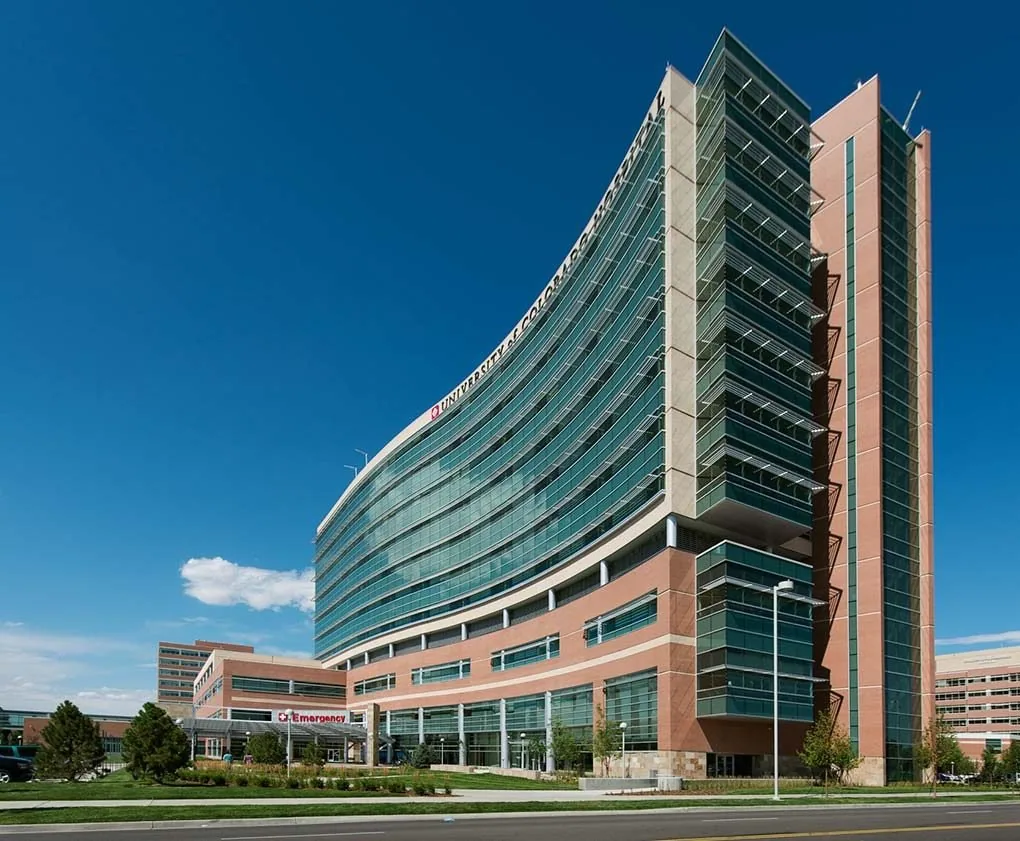
Emergency work happens around the operation, not in place of it. Yakima Valley Memorial Hospital, a 238-bed trauma center with a helipad, is the kind of building where noise and access are managed carefully, and a processing building like the Tree Top plants in Selah has its own operations that cannot sit open to weather. We ask what has to stay running, then cover those areas first. A hospital roof gets a different access plan than a warehouse, and we plan the route, the staging area and the hours before the crew steps onto the deck.
Capture the Damage for the Insurer
Before we tarp, we photograph the damage with a date and a location on the roof plan. We keep a log of what was done, how long it took and what materials went in, since an insurer will ask about reasonable steps to protect the property. Our records stay with the building file and support a later claim on the roof. Whether the damage came from wind, snow, impact or fire, the emergency record helps separate what the event did from what the roof already had.
Schedule the Permanent Fix
A temporary dry-in buys days or weeks, not seasons. Once the roof is stable, we assess the full damage and lay out the permanent options: a storm repair if the roof is sound, or a larger scope if the event exposed deeper problems. The emergency log, together with the details in a follow-up leak investigation, makes the permanent scope quicker to write.
Commercial Roofing Questions
What should my team do in the first ten minutes after we find roof damage?
Clear the area under the damage, shut off power to any circuit near water, and move product or equipment that can be moved safely. Take photographs from the ground or the interior, and then call with the address and what you see. Keep everyone off the roof. Snow can hide edges and drains, and a loaded deck can give way without warning.
Can you respond on a holiday or in the middle of the night?
Yes. Dispatch answers every day of the year, holidays included, and the crew goes out when the roof is safe to reach. If the storm itself is the hazard, such as heavy ice or a gale that makes ladders unsafe, we start with interior protection and move to the roof the moment conditions allow.
How long will a tarp or temporary patch last?
A properly fastened tarp or patch is built to hold through the next storm, and it is a stopgap that buys time to schedule the real repair. How long depends on the weather and on how much movement the roof sees. We inspect it the following morning and after any heavy snow or gust, and we tell you in writing when we expect the permanent repair to be needed.
Will the emergency work affect my insurance claim?
It should help. Insurers expect reasonable steps to protect the property, and our dated photographs, the roof plan and the work log show what was done. We keep the original damage visible in the records before covering it, so the claim has evidence of the event as well as the temporary work.
What if the damage is bigger than a patch?
We report what we find before we leave. A torn membrane over a sound deck is a repair. A sagging deck, a bulging wall or widespread saturation points toward structural review and probably a larger scope. We stabilize the building, tell you plainly what we saw, and bring in an engineer when load or framing is in question.