A warehouse supervisor calls at the first dock opening on a January morning because a drift has built behind the loading wall and water is dripping near door 12. A freight roof in Yakima, WA has to survive the winter drift and the summer heat over docks that move product all day. Dispatch asks what the roof was designed to carry and which doors have trucks scheduled. Keep staff off the roof and do not shovel.
When you call, give us the building address, the design snow load if the permit shows it, where snow or damage sits and which docks and aisles must keep moving. The first visit is planned around the freight schedule.
Know Where the Freight Moves
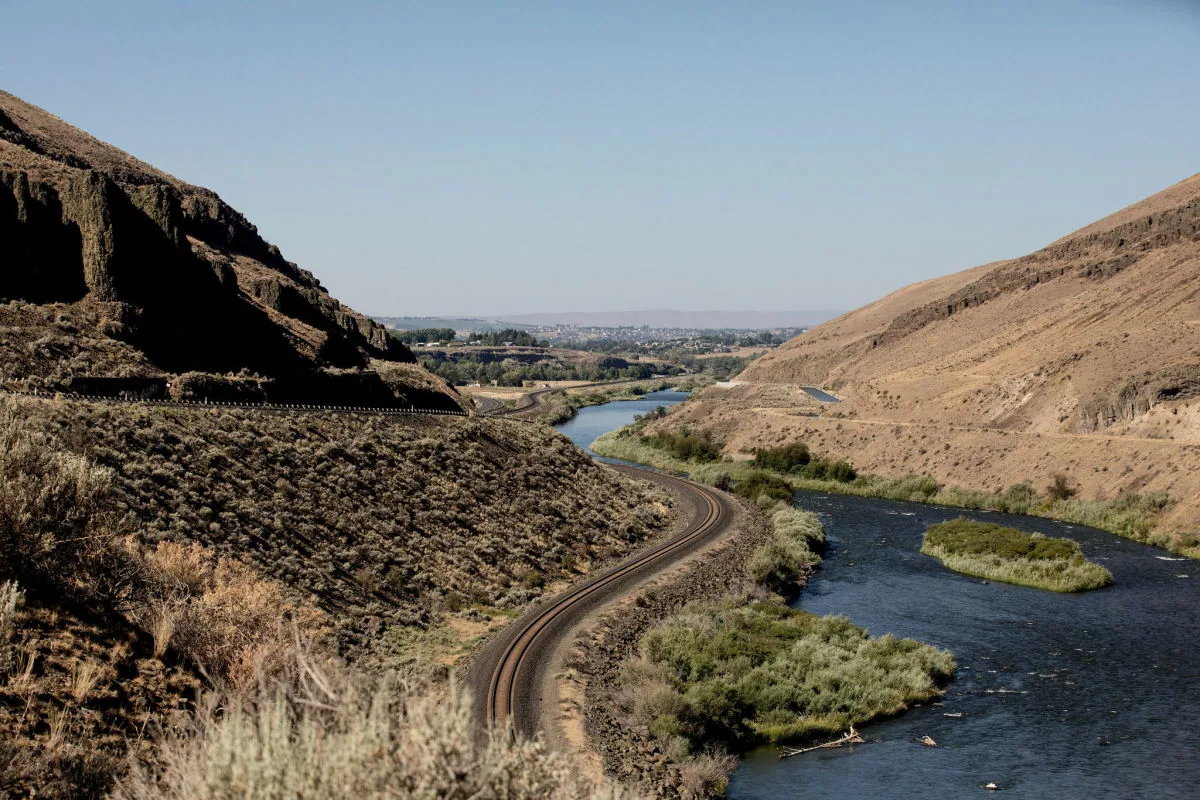
Interstate 82 links Yakima to Ellensburg and the Tri-Cities. In Union Gap, U.S. 97, I-82, Thorp Road and the BNSF line all run through the same opening. Fruit companies keep warehouses in Selah because of rail and road access. Grandview sits about 38 miles from Yakima on I-82, with processing plants and cold storage of its own.
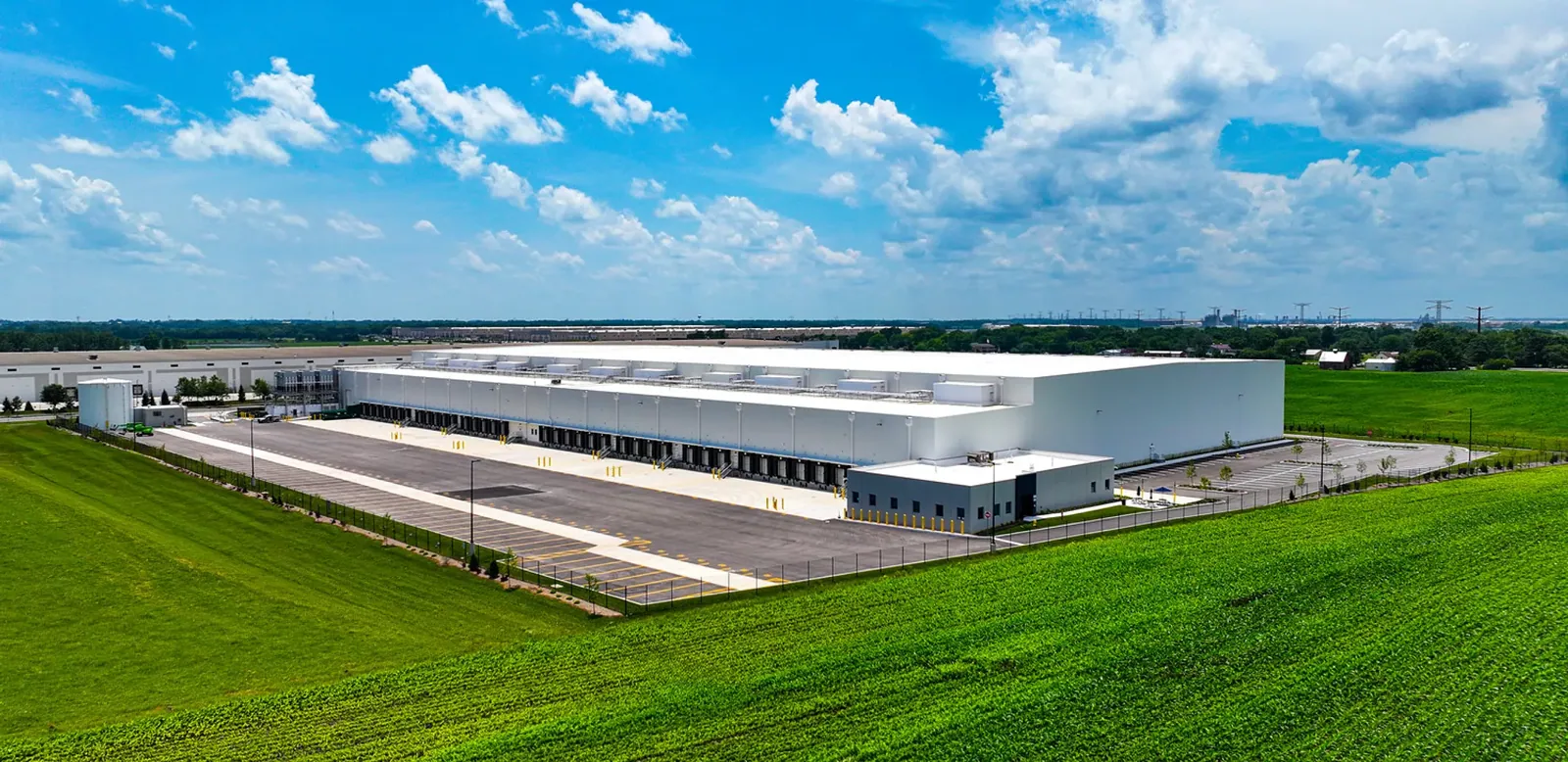
That geography decides the roof list. Buildings near the freeway and the rail line serve trucks and trains, and their roofs share a profile: wide, flat, edged with docks and cut by many penetrations. We do not assume what any one building has, but we know what a roof over a dock wall needs.
A first walk covers the field, the dock edge, the parapets, every drain and every rooftop unit. The result is a ranked list with photos, locations and cost ranges.
Retail distribution has its own rhythm. A building feeding stores in Union Gap and the valley's retail chains ships hardest ahead of holidays, so the quiet months are the roof window. We ask for the peak calendar on the first call and plan work around it.
Fire access and sprinkler connections stay clear on every shift. Staging goes where trucks do not turn, and a spotter watches the roof edge when material moves.
Clear the Drift Behind the Dock Wall
Wide roofs hold a lot of snow, and the freight buildings along I-82 are about as wide as roofs get. The design load follows the parcel, an engineer is required above 70 psf, and drifts form against parapets, penthouses and the step where a dock canopy meets the main wall.
A bulging wall led to the February 2019 red tag on a South Third Avenue commercial building, and the lesson for a warehouse is to read the building before anyone reaches for a shovel. Stuck dock doors, cracked block and sagging tiles in an office are the interior signs we check first. Plastic tools do the clearing, and a protective layer stays on the membrane.
If trucks are inbound, name the doors. The heaviest load comes off first while the docks stay usable.
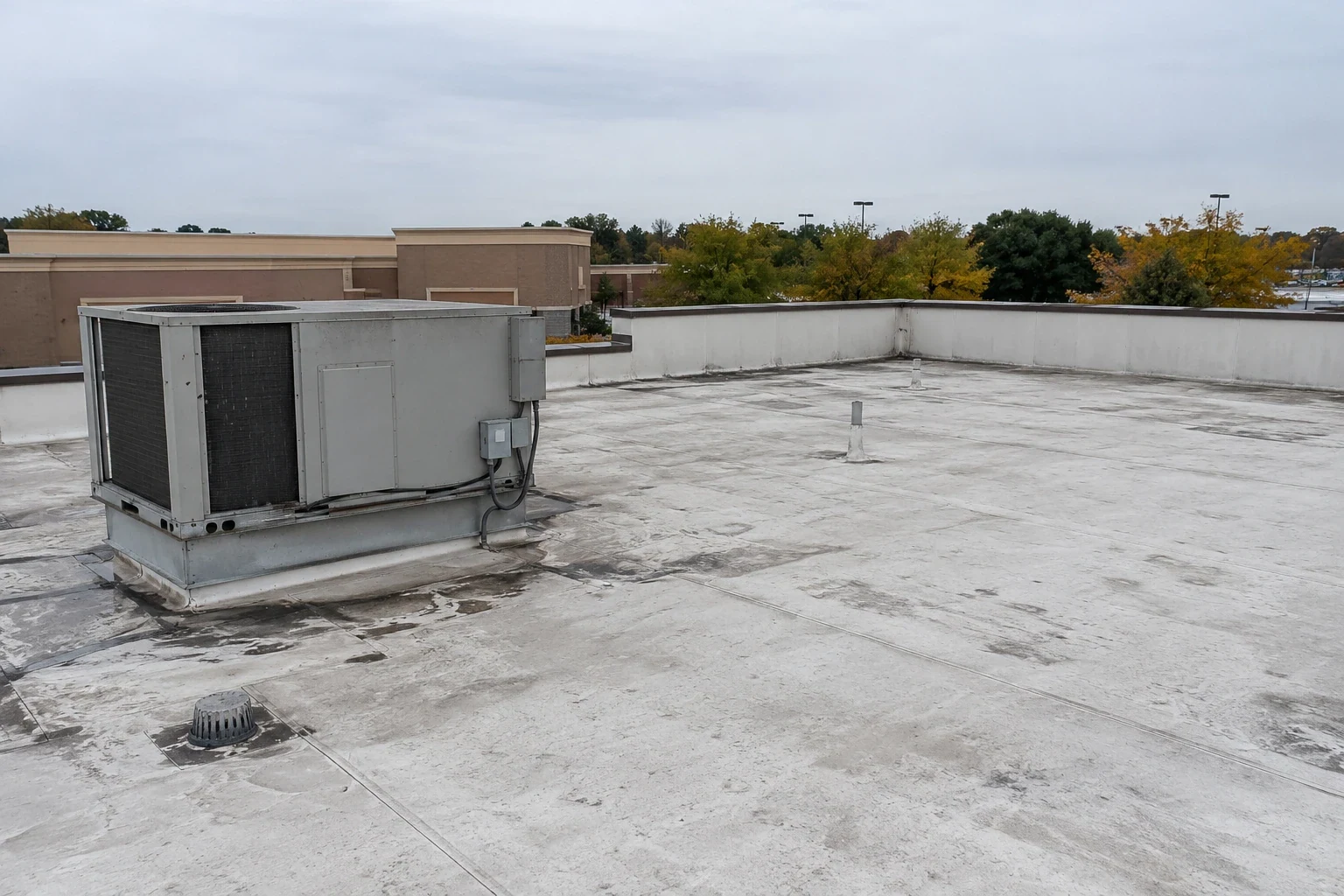
Rooftop units on a wide roof each sit in their own drift. A unit that was added after the original design adds weight and a new drift line. We map each unit against the drawings and note the ones placed later, because those are the spots engineers want to see after a heavy season.
Protect the Dock Edge
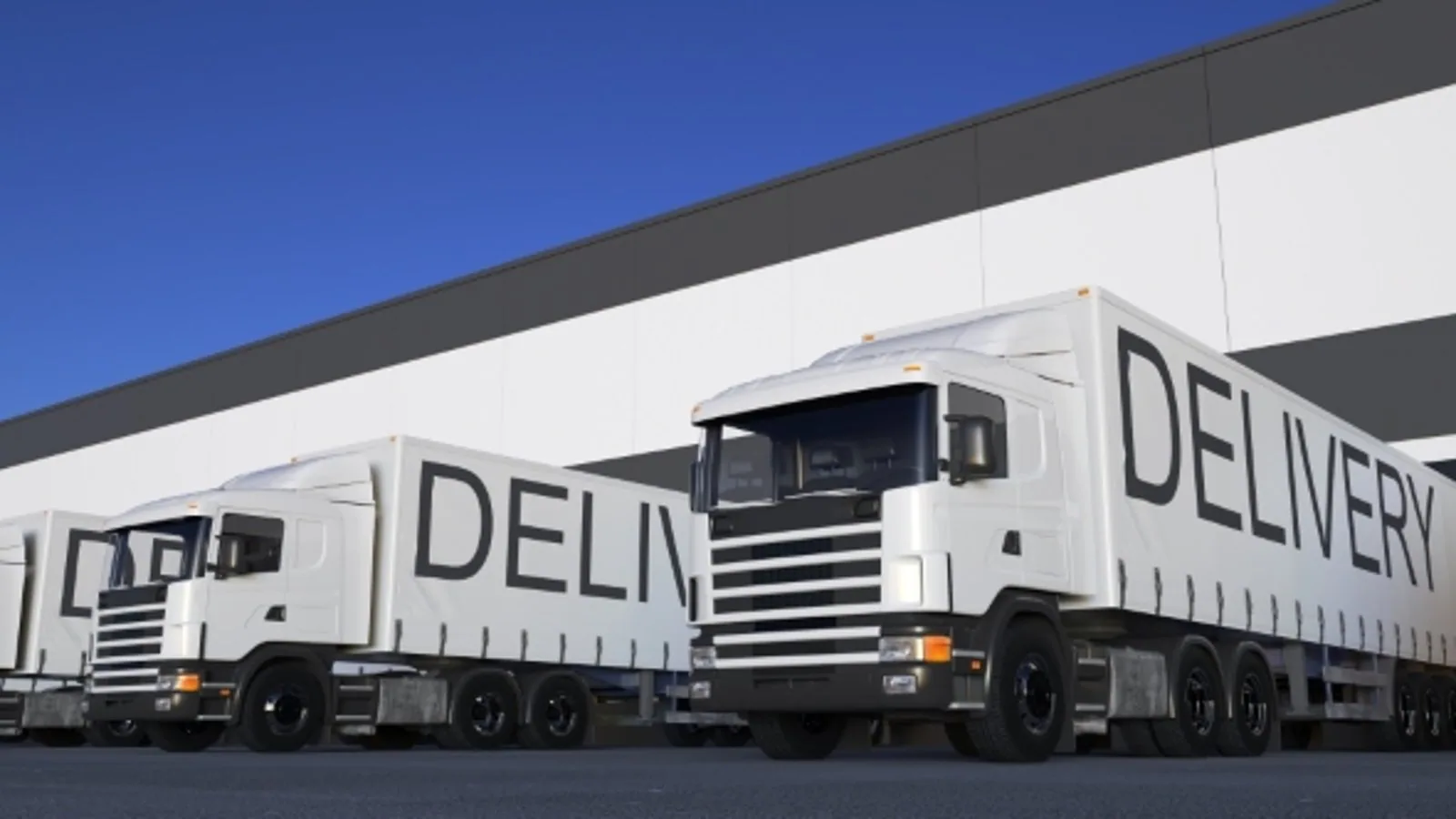
A leak over a dock door costs a shift, and a roof job over one costs another. The dock edge is where roof meets wall meets door, and it sees the most water, the most wind and the most vibration from trucks.
We check the parapet flashing, the coping, the sealant at the door header and the drain closest to the dock. Edge metal gets a tight fastener pattern. We work door by door, so freight keeps moving and the roof stays closed in before dark.
Cold chain adds condensation. A cold-room ceiling under a warm roof sweats, and the drip looks like a leak. We check the underside before we call a seam bad, because the fixes differ. Our cold storage roofing work covers insulation and vapor control.
Dock seals and door headers are not roof items, but they move roof water. A torn seal lets wind-driven rain into the dock, and a loose header flashing sends water down the wall. We report what we see to the facility team even when the fix belongs to another trade, since a roof repair that ignores the header will not stay dry.
Keep Condensers and Boots Ahead of Peak Season
Summer afternoons pass 90 F about 40 times a year and 100 F about 6, and June 2021 reached 113 F. A dark membrane over a hot dock takes a hard swing between day and night, and the cycling works curbs, boots and wall terminations loose over seasons.
We look for lifted flashing, cracked sealant and shrinking at corners. A maintenance visit before the peak shipping season finds what the heat has done, and costs far less than a leak during it.
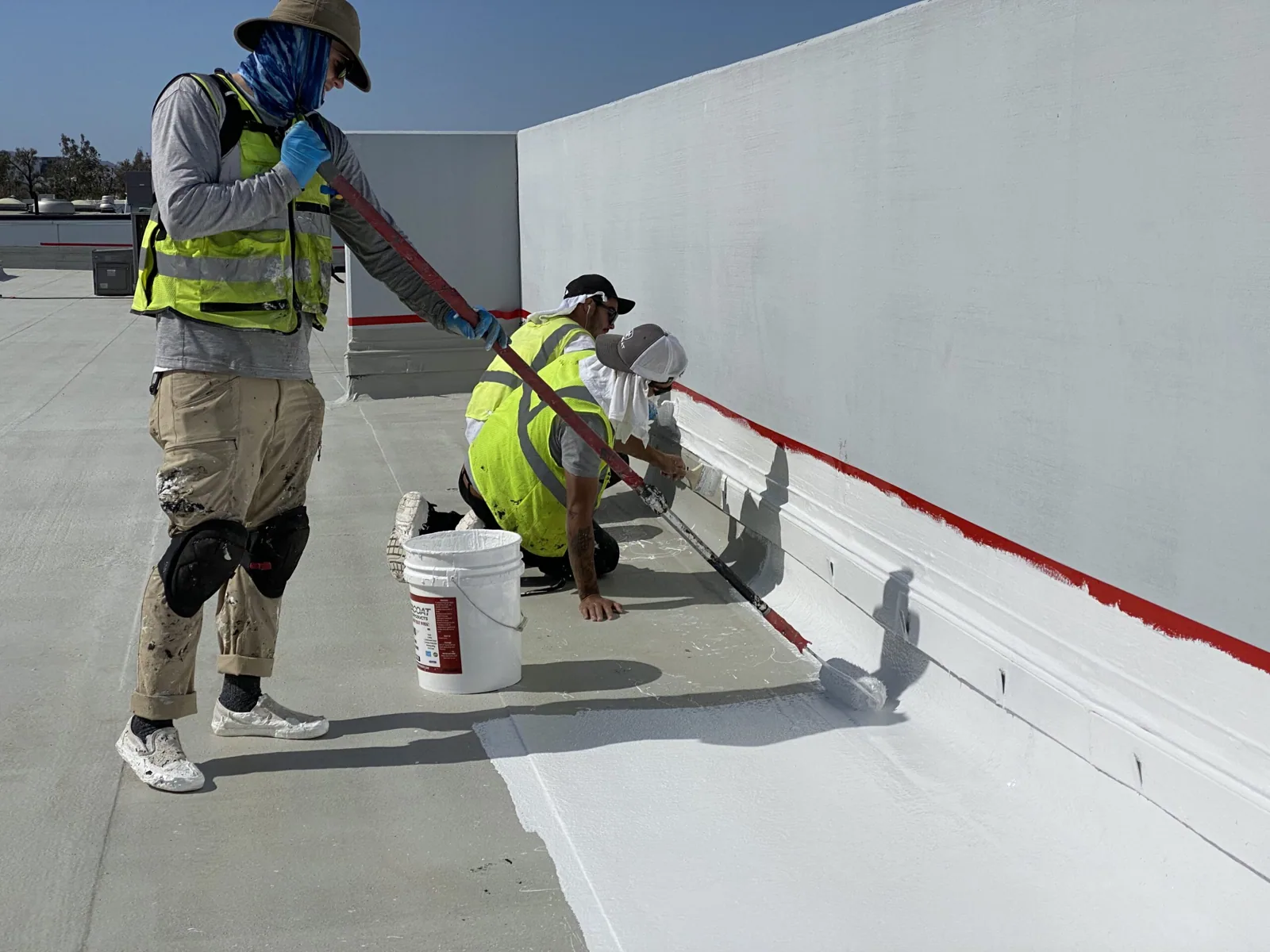
A reflective surface can lower roof temperature on a sound roof. We scan for moisture first, since a coating over wet insulation seals the problem in.
Rooftop refrigeration condensers and exhaust fans add heat of their own. A membrane under a condenser sees steady warmth plus the afternoon sun. We check these zones for softened sheet and open seams, and add walk pads where techs service the units.
Test the Long Edges After a Gale
Open lots and wide roofs give wind room. The late-November 2019 windstorm reached 53 mph in Sunnyside, and Yakima's record gust is 69 mph from May 1985. A loose coping cap on a long wall lets wind under the membrane and starts a peel.
We test edge metal by hand and pull-check fasteners. Corners get a tighter pattern. A tested edge and coping detail is its own line on the bid, so the operator sees what the perimeter costs.
Price the Route, Not Only the Membrane
Repair, restore or replace depends on moisture. A dry assembly with a tired surface suits a coating or a recover. A saturated one points toward replacement. A moisture survey settles it before the budget is set.
A replacement follows the energy code Washington adopted in March 2024, which means thicker insulation and taller curbs and wall flashings. The estimate shows those items separately.
Operators with several buildings can run them as one program. Sites in Union Gap, Selah and Grandview sit on the I-82 corridor, and a multi-site program spreads mobilization over every roof on the route. A plant next door can share the schedule.
Staging works better with a plan on paper. We list the lift location, the hoist path, the material laydown and the debris container before mobilization, and we mark clear lanes for trucks. A staging plan that respects the yard keeps the dock open all day.
Commercial Roofing Questions
Can dock work continue during a roof repair?
Usually yes. We work door by door, close each section at day's end and keep protection over active doors. Tell us the inbound schedule and we sequence around the trucks.
What if snow builds behind the loading wall?
Call dispatch before anyone goes up. Give us the design snow load if known and the active doors. We check for deflection from inside, clear with plastic tools and leave a protective layer.
Why does a cold room ceiling drip in winter?
Warm, humid air meets a cold surface and condenses. It looks like a leak but follows temperature, not snow melt. Insulation and vapor control fix it. We check the underside before we repair the roof.
How do you handle many buildings on one corridor?
As one route. We group sites along I-82 and rank them by risk. Mobilization costs spread across every roof, and the operator sees one schedule.
What should we do before the peak season?
Schedule a walk in early summer. Clear drains, reseal penetrations, check edges and flashing. A visit costs less than a leak call during a shipping peak.