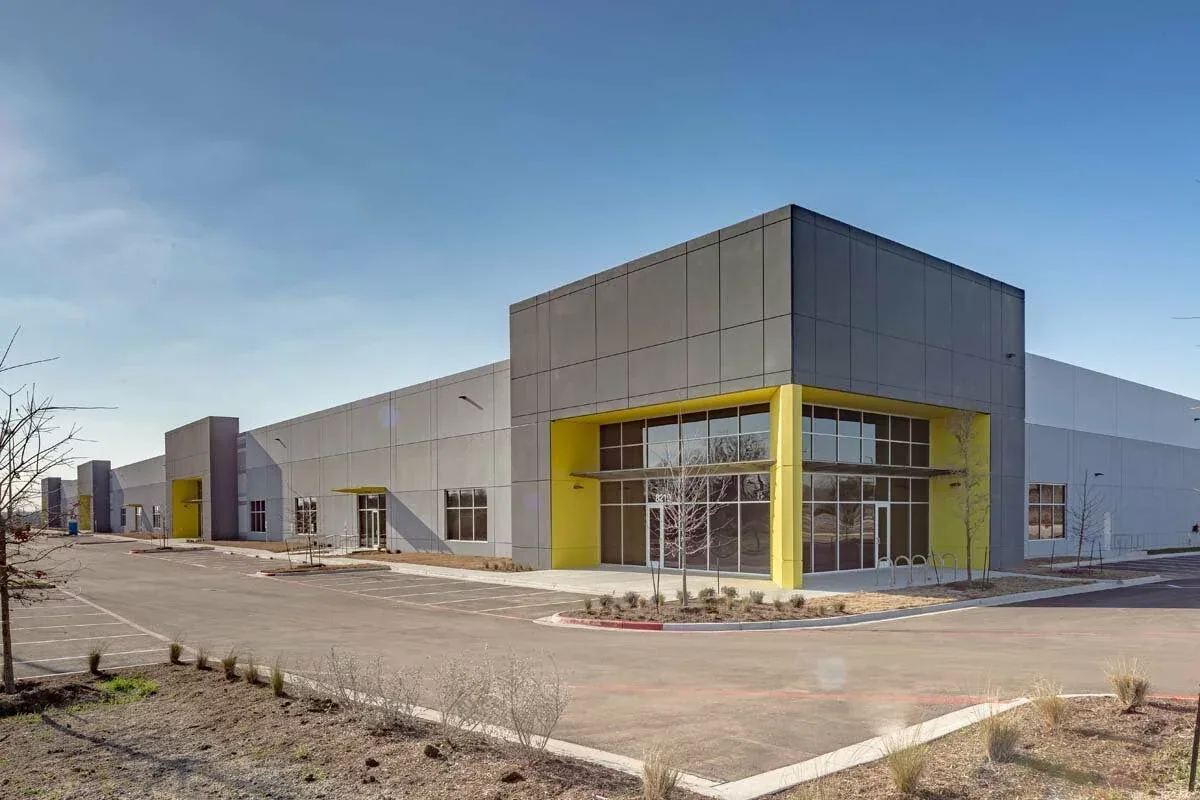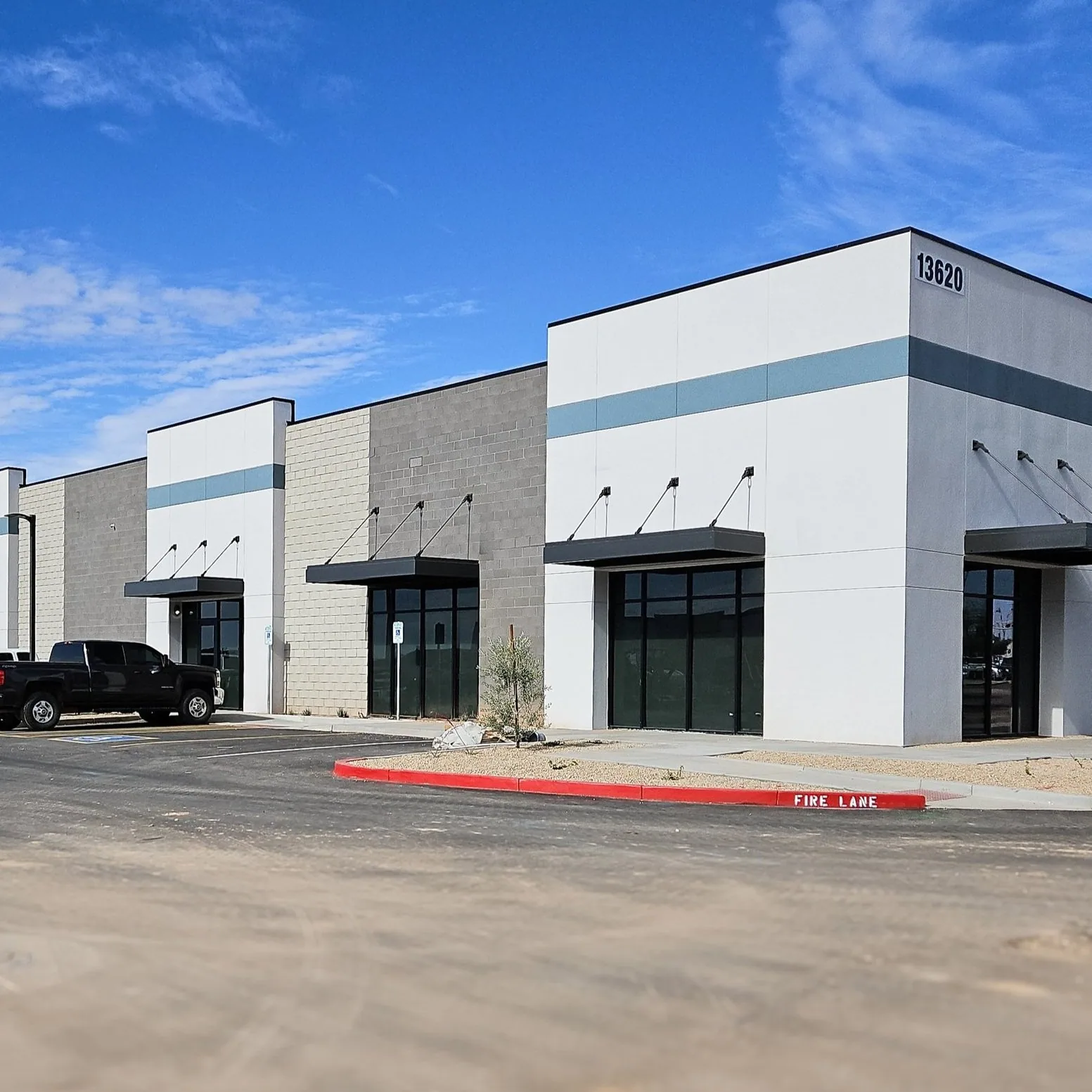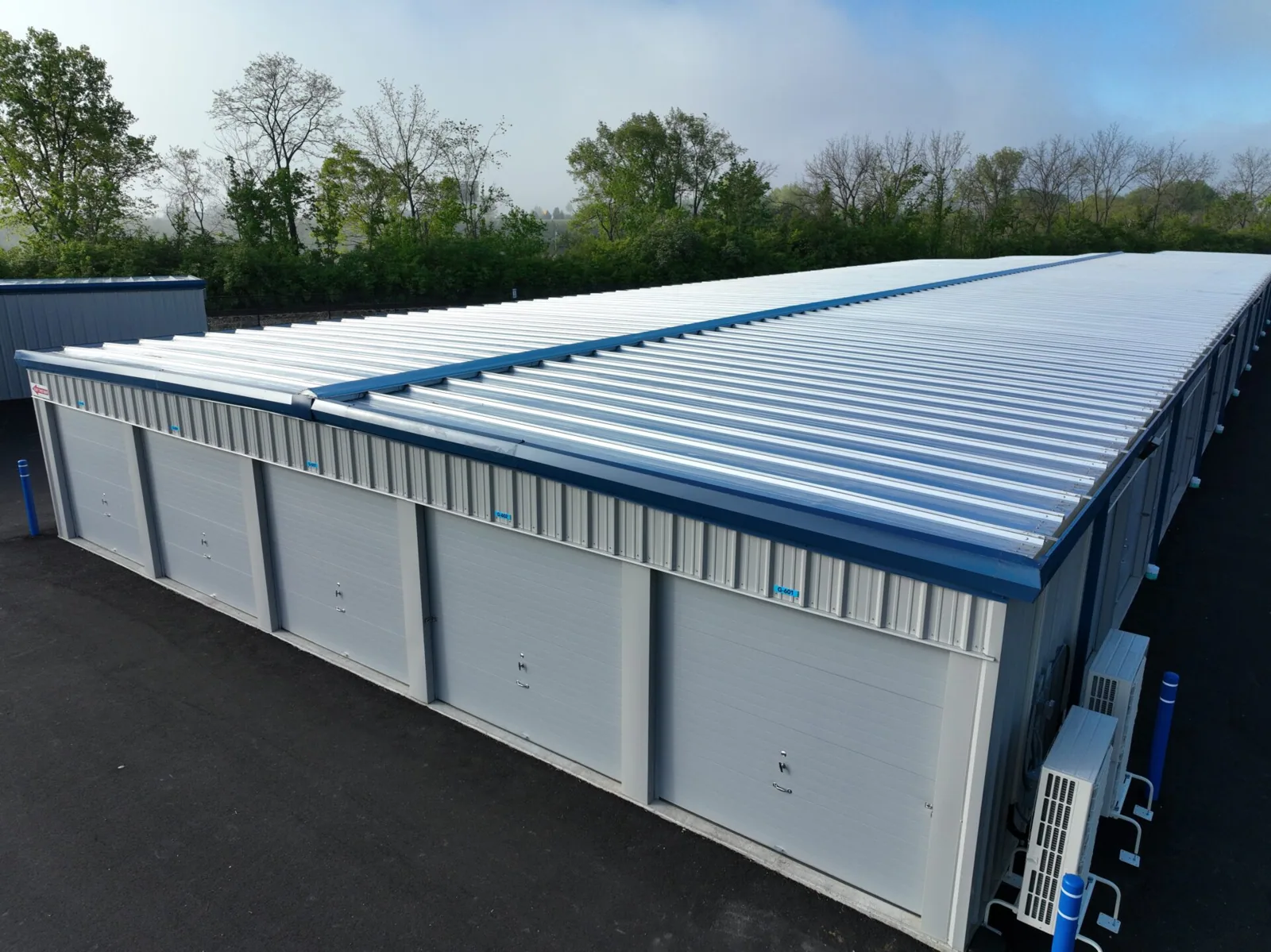
Metal panels tick as they cool after a hot afternoon, and a storage manager who walks the rows at dusk can hear which buildings are moving the most. Roughly 40 afternoons a year hit 90 F in Yakima before the temperature falls sharply at night, so a long metal roof expands and contracts through a wide daily range. The first question dispatch asks is which row the sound comes from and whether any unit under it has water on the floor.
Keep tenants out of the affected row, and do not send anyone up. Send the facility address, the row map and the units that hold climate-sensitive goods.
Listen for Panel Movement and Backing-Out Screws
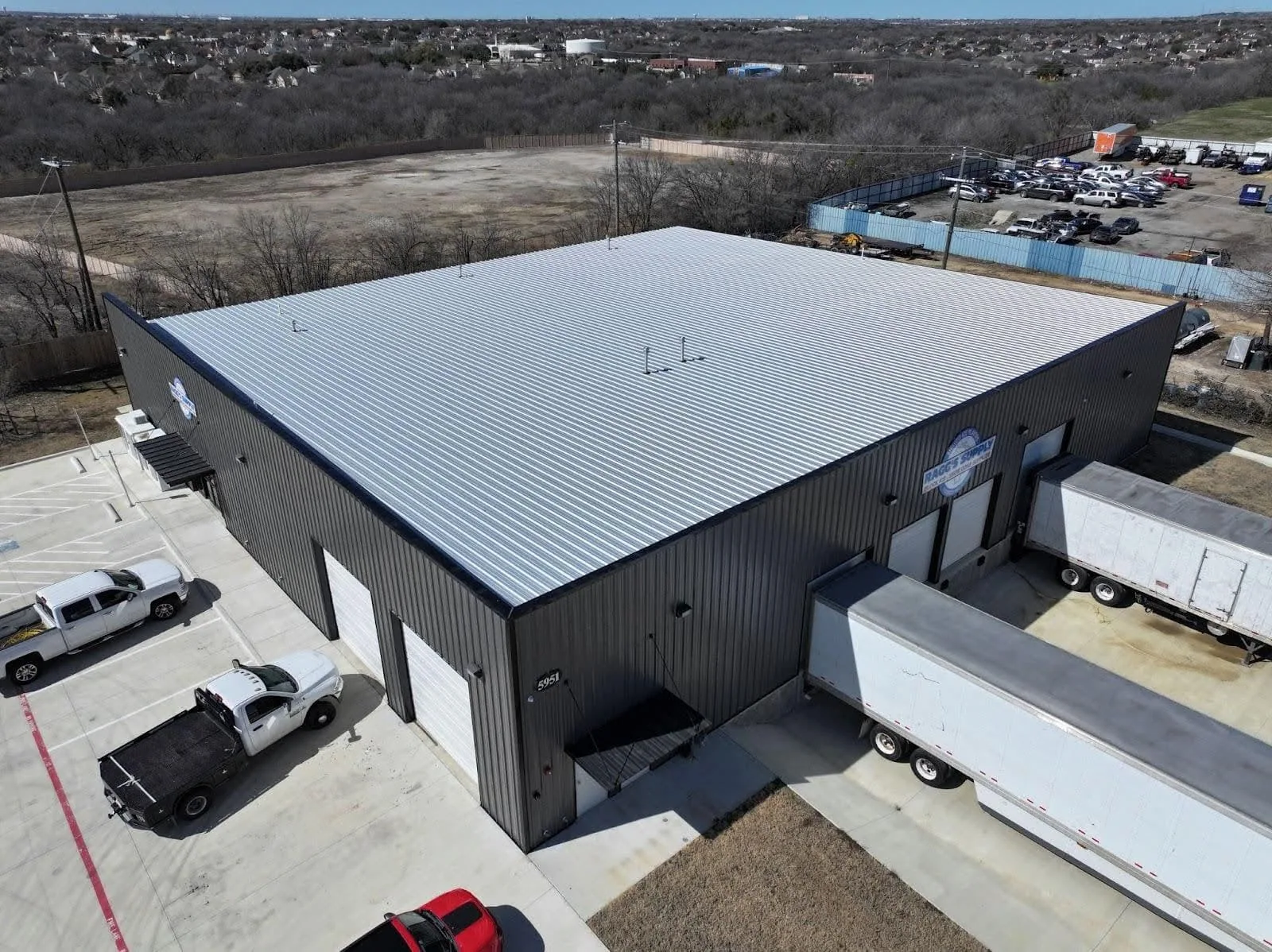
A self-storage building is often a long, low run of metal panels over open-web framing, with a screw every few inches. Thermal movement works those fasteners, and the record range from minus 25 F to 113 F in Yakima gives it plenty of work. A backed-out screw leaves a gap, and the gap admits rain and melting snow into the unit below.
On the first visit we walk the panel rows and check fastener heads, washers and laps. We tighten, replace or oversize screws where needed and reseal the laps with butyl tape and fresh sealant. A metal roof retrofit over the old panels is another path when the old roof is sound enough to carry a new layer and the fasteners hold.
The same checks apply to facilities near Union Gap and in West Valley. West Valley is an unincorporated suburb considered part of greater Yakima, and the same climate gives its roofs roughly 40 afternoons a year of 90 F or more, so membranes and metal both see strong heat cycling there. A storage property in either place gets the same first-visit walk of the rows.
Skylights or translucent panels, where a building has them, add another seam. The panel edges are sealed to the metal around them, and that seal ages faster than the panel. We probe each skylight line and reseal what has opened.
Control Sliding Snow Before It Reaches the Doors
Snow comes mostly in December and January, and metal panels shed snow quickly once it warms, and a slab that slides off a long roof can land on a roll-up door, a vehicle or a tenant. A building's design load, anywhere from 20 psf to well over 200 psf depending on its parcel, sits on its drawings. It is slick, and a fall is a real hazard. The warning that came with the February 2019 South Third Avenue red-tag concerned flat membrane, but metal brings its own risk. Close the doors below a heavy slab, keep tenants clear for the afternoon and call us. We can fit snow guards or clip rails where slides are a repeat problem.
Ice at the eave is the other seasonal hazard. Meltwater refreezes at a cold gutter and forms a ridge that can pull on the drip edge. We clear ice dams from the eave by hand with plastic tools, and we check that gutters are pitched to drain before the freeze returns.
Protect Tenants' Goods Without Emptying a Single Unit
A storage facility cannot ask a hundred tenants to move out for a roof job. We protect what is inside by working one row at a time, closing each section before evening and covering the work area with tarps when the forecast turns. Units under an open section get a notice, and tenants who hold sensitive goods are told in advance.
A moisture reading under a leak shows how far water traveled. We check the unit floor, the wall base and the next door over, then tell the manager which units to open for inspection. Photos and dates go into the claim file, in case a tenant's insurer asks.
Access gates and office hours need coordination too. Crews arrive before the office opens, park outside the rental lanes and carry material by hand where a lift would block a row. The manager receives a daily row list, so tenants who come to their unit are not surprised by a fence or a tarp.
Consider a Coating When the Panels Are Sound
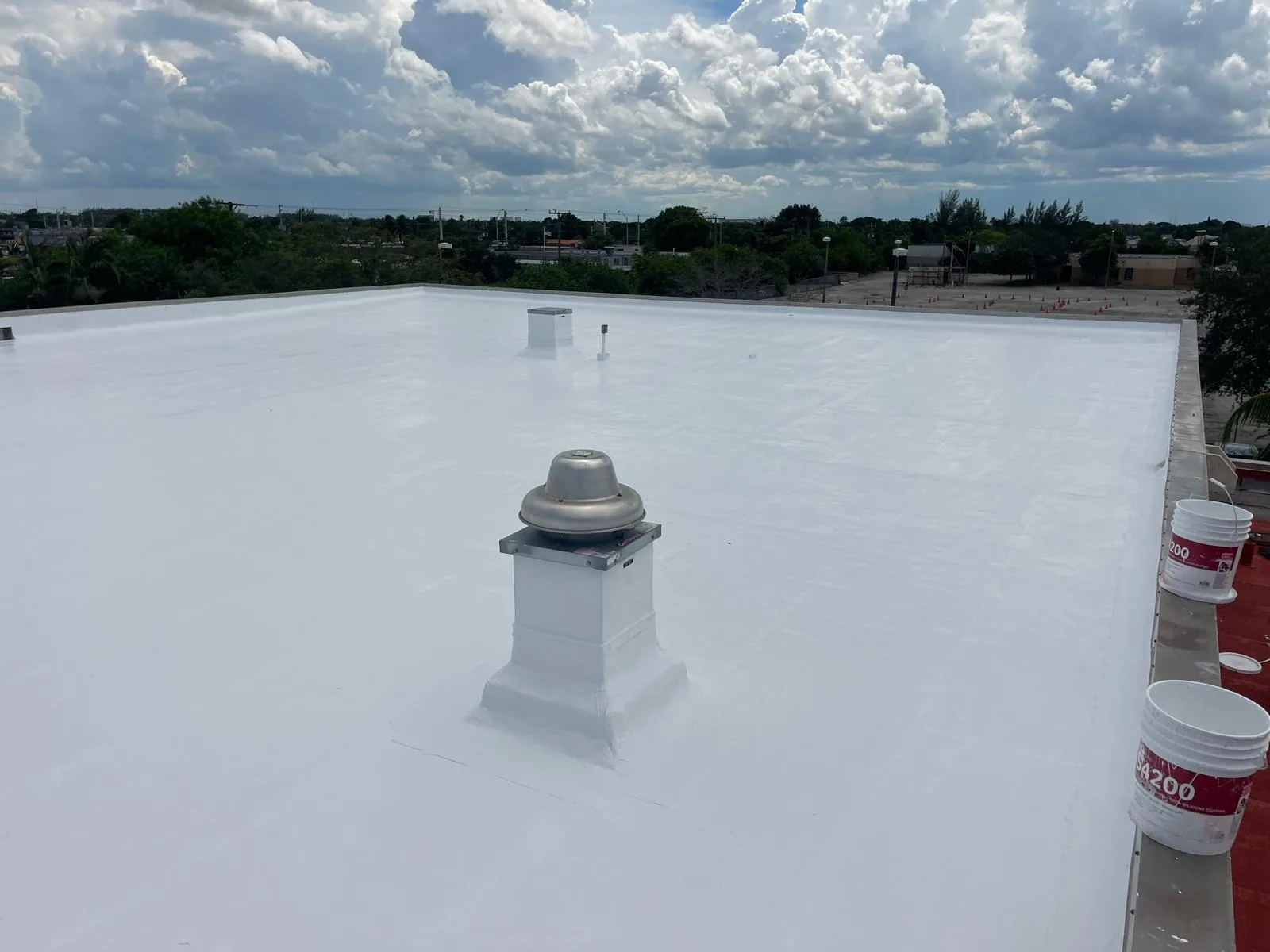
If the panels are sound but the surface has aged, a coating can extend the roof at a fraction of replacement cost. A silicone coating sheds water and reflects heat, which helps units stay cooler on 100 F afternoons. Coating works only over a clean, tight surface, so the fastener repair and lap sealing come first.
We compare retrofit, coating and replacement with the cost drivers named: panel condition, fastener work, access between rows, the number of units affected and the weather float. The owner sees them side by side. Many storage roofs carry no insulation, and one that does must meet Washington's updated energy code. A downspout that discharges against a wall wets the foundation and the unit floor, so we point each one to a safe discharge and flush the run. We photograph the discharge after a test, and the manager can see where water goes.
Check Edges and Ridge Caps After a Gale
In the windstorm of late November 2019, Sunnyside gusted to 53 mph and Yakima to 51 mph, and the county designs for a wind speed of 110. Long, low metal roofs have eave edges, ridge caps and gable trim that lift first. From the ground after a gale, watch for a crooked trim line or a panel that sits proud of its neighbors.
A lifted ridge cap leaves a line of exposed screws along the top. We replace damaged caps, re-fasten the trim and log the repair by row. A warehouse and a flex industrial building share many of the same edge details.
A spring check each year keeps the record current. We walk the rows, probe laps, count fasteners and flush the gutters. Because storage buildings repeat the same detail down a long row, one defect usually repeats too, and finding it in one place points to the rest. The roof map shows which rows we have treated and which still need work.
Managers can keep a simple log of tenant leak reports by unit and date. When three reports line up along one row, the pattern points to a lap or a gutter long before anyone climbs a ladder, and one visit can treat the whole row.
Commercial Roofing Questions
A tenant reports water on the floor of unit 214. What next?
Send the unit number, the date and a photo, and keep the tenant out of the row if a slab of snow or ice could slide. We check the panels, the laps and the gutters above that unit and tell you which neighboring units to open.
Can you reroof without emptying the units?
Yes. We work one row at a time, close each section the same day and cover the work area when the forecast turns. Tenants under an open section receive notice, and sensitive goods are flagged in advance.
Why do screws back out of metal panels?
Daily temperature swings expand and contract the metal, which works each fastener a little. Over seasons the screw loosens and leaves a gap. We replace or oversize them and reseal the laps.
Should we add snow guards?
If slides have reached doors or vehicles, yes. We fit guards or clip rails above the entrances and along the eave, and we review the layout with the manager before installing.
When does a coating make sense?
When the panels are sound and tight but the surface has aged. We repair fasteners and laps first, clean the surface and then coat, so the coating bonds to a stable base.