The brown ring on a lobby ceiling tile shows up on a Monday after a weekend that never dropped below 90 F, and the property manager's first message asks whether the tile is from the roof or from the air handler overhead. Dispatch asks the same thing, because in an office building the two look identical from below. Condensate from a rooftop unit, a clogged drain and a failed seam all leave the same stain. In Yakima, WA, where snow arrives in December and January and afternoons reach 90 F or more about 40 times a year, the roof is working in both directions.
We repair, recover and replace office roofs, and we plan the work around the tenants below. Gather the building address, the roof age if you have it, the permit drawings with the design snow load and the names of any tenants whose floors sit directly under the roof.
Separate Roof Leaks From Equipment Leaks
Office roofs carry air handlers, exhaust fans and sometimes cooling towers, and each produces water. A drain pan that overflows, a condensate line that has pulled loose or a coil that freezes and thaws can drip into the ceiling and look exactly like a roof leak. Before a membrane repair, we trace the stain. We check the time of day it appears, the weather and the equipment cycle, and we ask your engineer for the unit's run log, since a stain that arrives each day at 3 p.m. points at cooling load rather than the sky. A short log kept for one week, noting each stain by hour and by outside temperature, often settles the question before anyone climbs the ladder.
A water test from the roof, one section at a time, confirms the source. If the stain appears with rain or snowmelt, the roof is at fault. If it appears on a hot afternoon with no rain, look at the units. We repair the roof, and we flag the unit to your mechanical contractor. This saves a membrane patch that was never going to solve the problem.
Work Around Tenants Who Are Paying for Quiet
A tenant who signed a lease expects a working office. Noise, dust, odor and parking all matter. We send a written notice to the property manager that names the work dates, the loud steps and the areas that will be affected, and the manager passes it to tenants in advance. We avoid hot-applied materials near air intakes, use cold-applied or fused systems where possible and schedule hoisting for early hours.
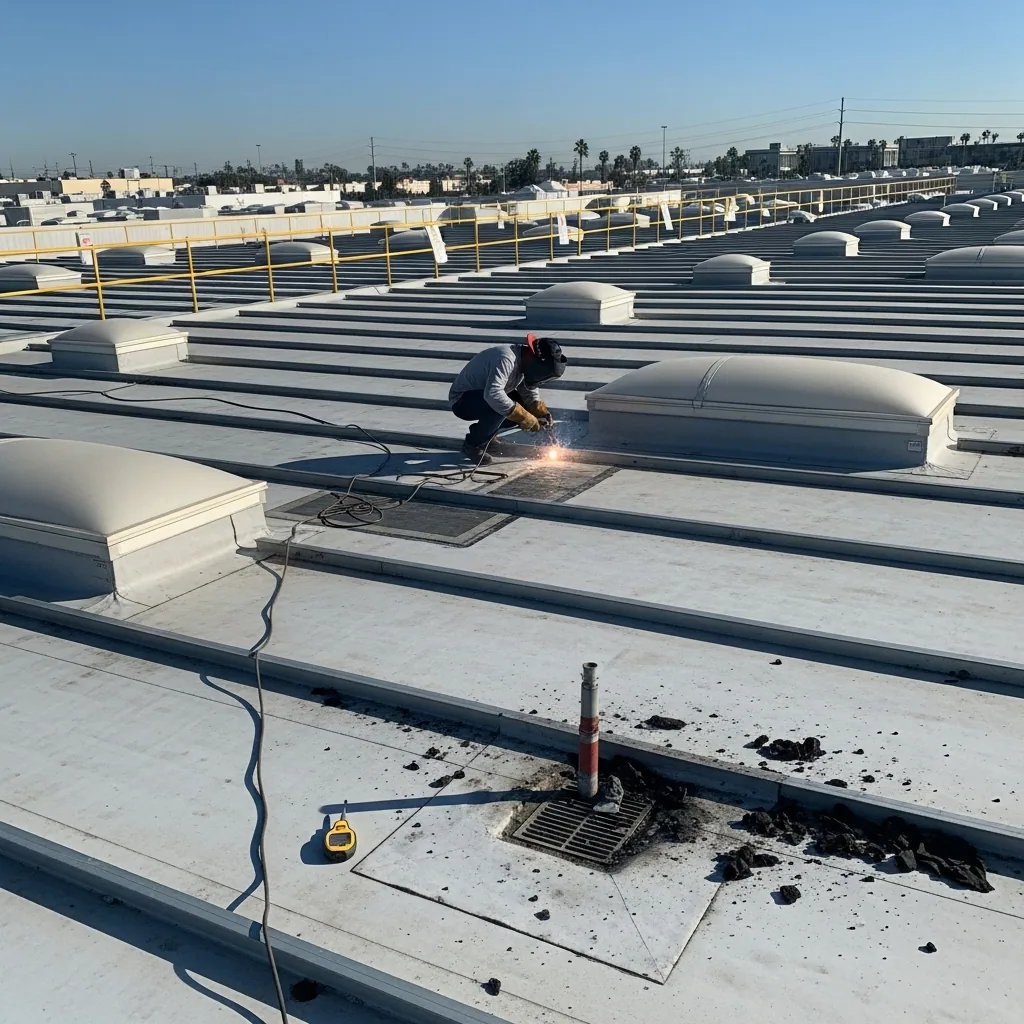
Loud steps such as tear-off and fastening go to the hours tenants have said work best. Quieter steps such as welding seams or flashing can run through the day. We keep a point of contact on site who can answer a tenant call and stop a task if a meeting or a call requires silence. The planning approach is the same one we use for any occupied building reroofing project.
Handle Heat Cycles on Rooftop Units
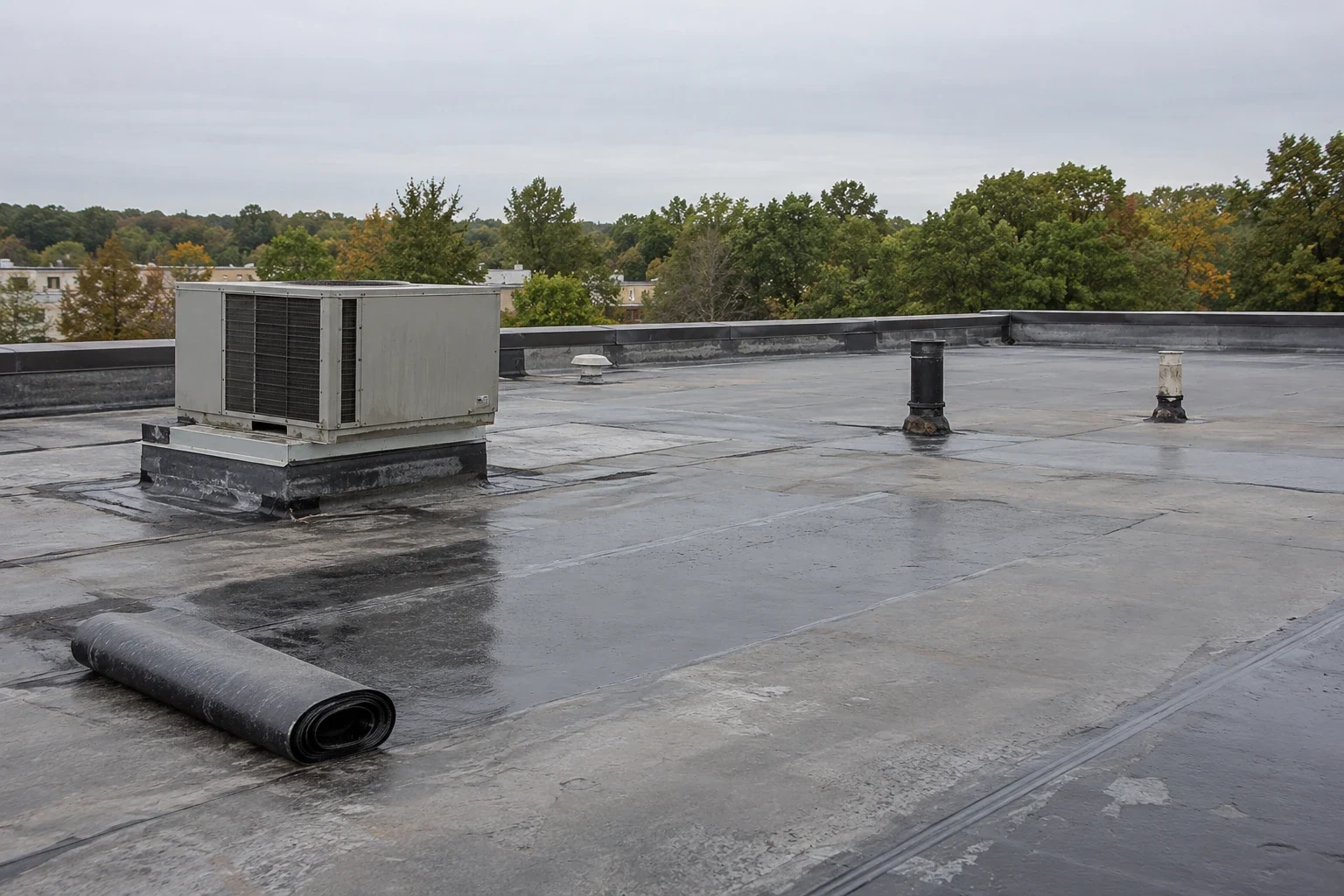
Yakima has logged 113 F on June 29, 2021, and rooftop units that cool offices run hard on those afternoons. Traffic from technicians wears walk routes, and refrigerant and condensate lines lying across the membrane add pressure points. We install walk pads and raise lines on supports so they do not rest directly on the sheet.
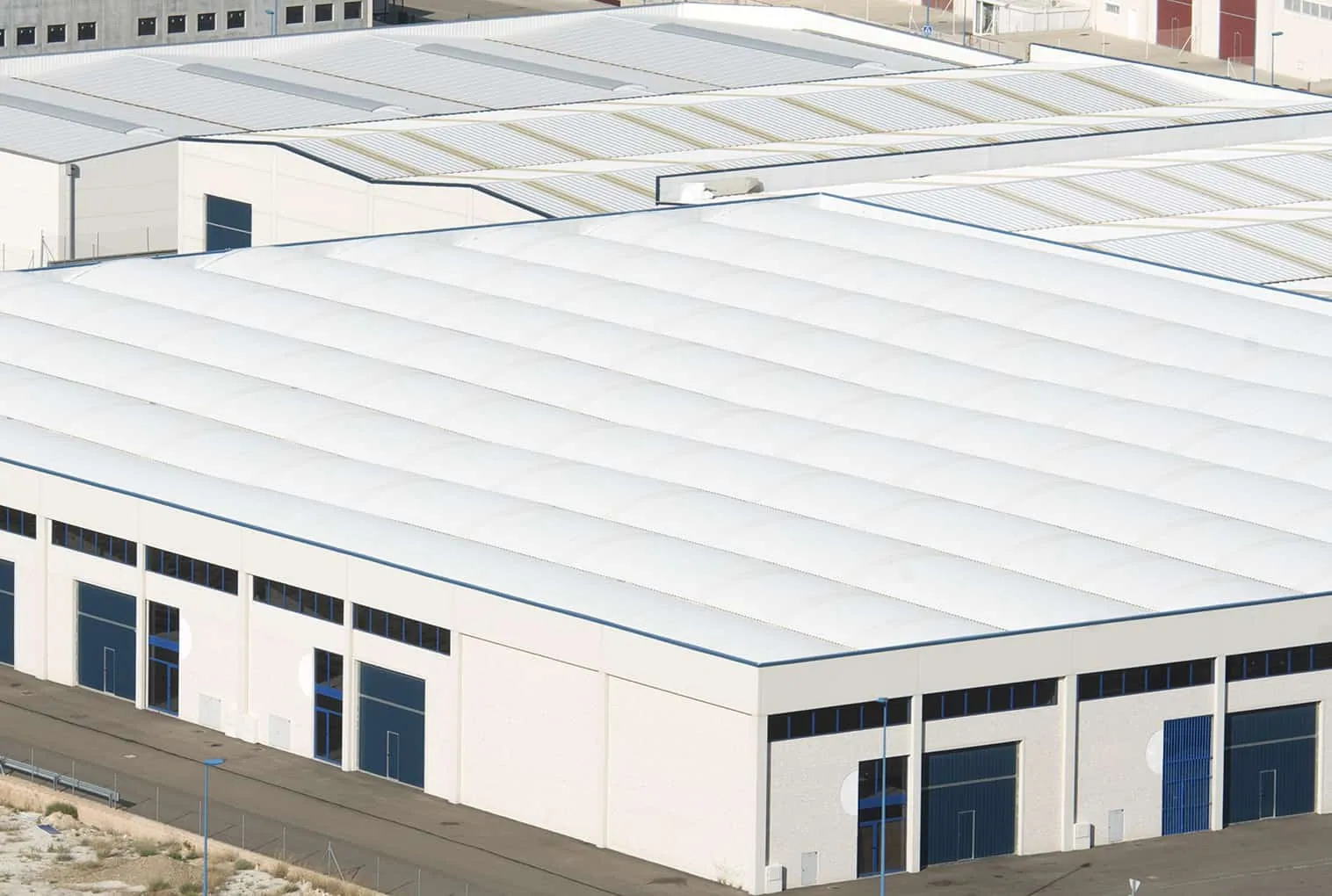
Heat cycles stress flashings at curbs. When a unit is replaced, the curb often does not match, and the old flashing is trimmed to fit. We measure every curb before a unit swap and rebuild the flashing, using reinforced corners that tolerate the daily swing between hot afternoons and cool nights. A good TPO roof over office space is common for this reason: a reflective surface lowers heat, and welded seams handle movement.
Keep Drains Open Before and After Snow
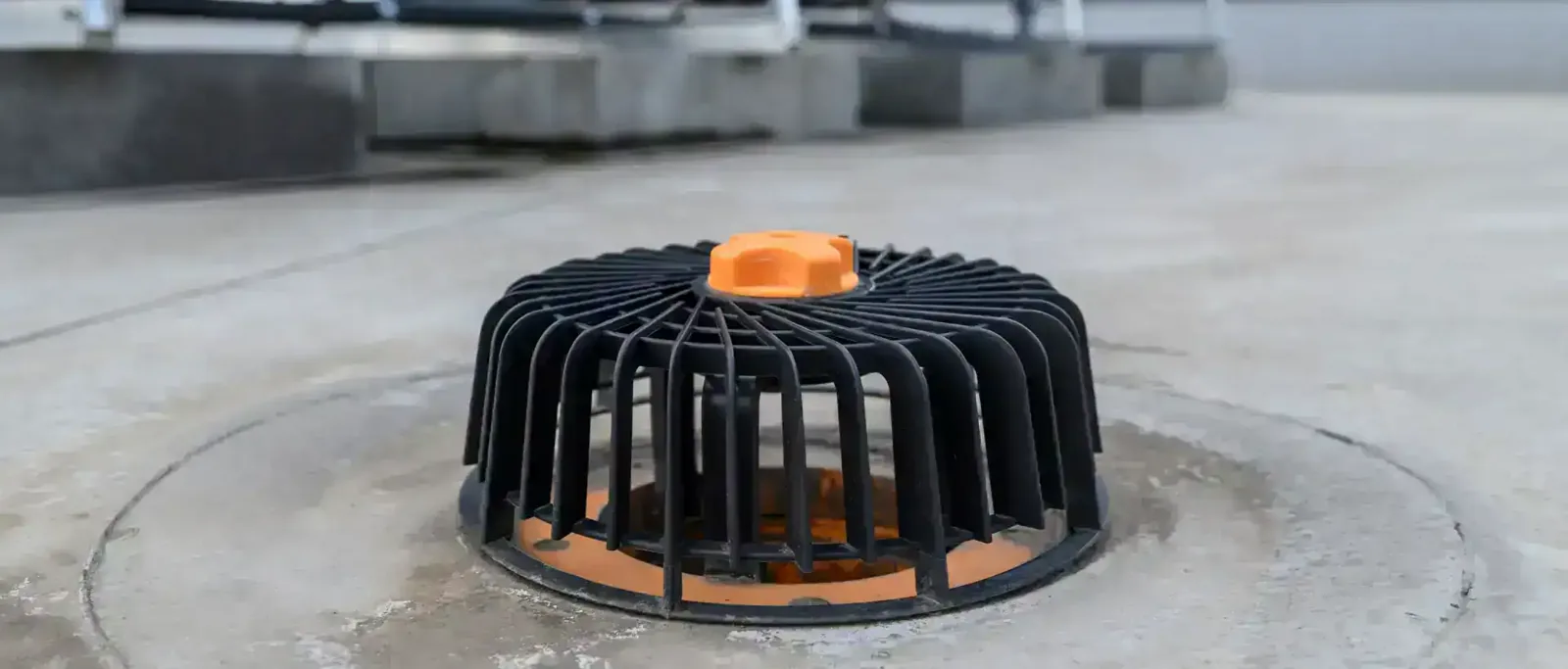
Many office roofs drain through interior drains and pipes that run through the building. A drain blocked by leaves or ice sends water back across the roof, and a ponded roof adds weight. Engineering is required once a parcel's design snow load passes 70 psf. Drifts build behind parapets and next to taller stair towers or mechanical penthouses.
Crews keep steel shovels off an office membrane, clear drifts with plastic tools, leave a protective layer and check the drains afterwards. The visit includes the roof drains and scuppers, since a frozen drain sump is a common winter surprise.
Plan Downtown Roofs With Access in Mind
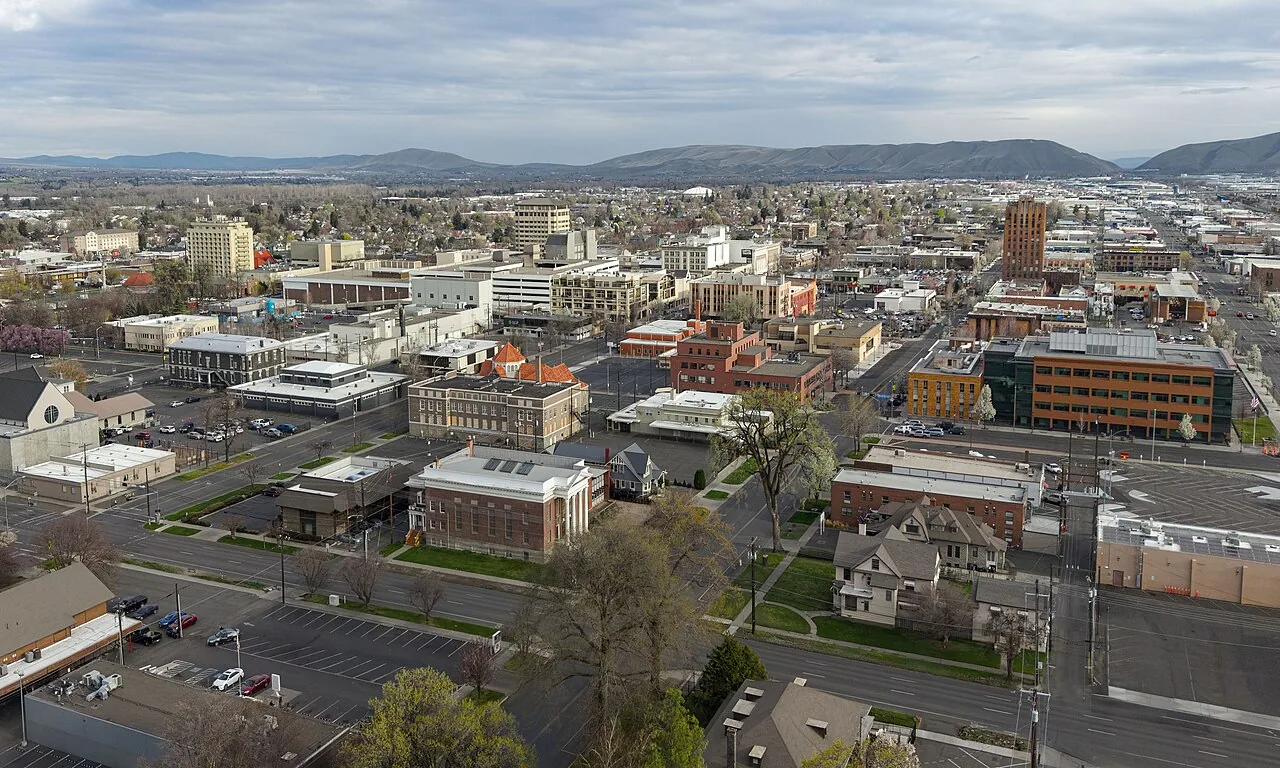
Office buildings in Downtown Yakima, around Front Street, Yakima Avenue and 1st Street, can have tight staging space, with street frontage that a crane or a delivery truck must share. We schedule deliveries early, coordinate with the city for any lane closures and place the hoist where it does not block an entrance. A roof with no loading dock means material goes up in small lifts, and the plan allows.
Downtown lost several department stores and a closed mall as retail moved to Union Gap, and any change of use or tenant in the district is a good moment to inspect the roof. The roof capital planning process puts a condition report and a budget range in front of the owner before a new lease is signed. A neighboring medical office building has different needs, and a hospital has stricter ones, but each benefits from a written schedule.
Commercial Roofing Questions
How do we tell tenants when roofing work is about to start?
Send a written notice a week ahead, with a second reminder the afternoon before, naming the dates, the noisy steps and the areas affected, with a contact number for questions. We provide the text for the notice if you wish, with the dates, the loudest steps and a phone number that rings through to our site lead. A reminder the day before and a short note at the end keep complaints low and give tenants a chance to plan their meetings.
Can office roof work happen at night or on weekends?
Some of it can. Tear-off and hoisting suit early hours or weekends, when fewer people are in the building. Welding seams and flashing can continue during the day. Night work depends on lighting, noise rules and safety, and we set it up only if the roof and the neighborhood allow it.
What causes ceiling tiles to stain below a rooftop unit?
Most often a clogged condensate drain, a cracked pan or a curb flashing that has opened. We open the unit, check the drain, and then examine the flashing and the membrane around the curb. If the equipment is the source, your mechanical contractor repairs it. If the roof is the source, we fix the flashing and replace any soaked pad of insulation beneath it. Either way, you get a short written note that names the source, so the tenant who reported the stain knows what happened and the next stain starts from a record instead of a guess.
Does a new office roof affect our cooling bills?
A new roof with better insulation and a reflective surface reduces heat gain on hot afternoons. The saving depends on the building's insulation, ceiling height and equipment. We do not promise a figure, but we document the old and new insulation values so your engineer can estimate the effect.
How should a property manager budget for office roofs across several buildings?
Start with condition reports on each roof, ranked by remaining life and risk. Plan replacements in order of failure, coat or repair roofs that still have life and reserve funds for emergencies. We provide a table of cost ranges by building so the budget is written down, and we update it after each inspection.