After a gust like the 51 mph one that crossed Yakima, WA in late November 2019, the first thing dispatch asks is where the loose material is lying. A strip of flashing hanging from a parapet and a curled seam by a rooftop unit are repair jobs, not emergencies, as long as someone sorts them quickly. Planned repair is the work that keeps a sound roof sound: replacing a failed detail, rewelding a seam, rebuilding a flashing that has moved. The goal is a roof that stays in service another season or ten, and a clear line between what to repair now and what to schedule for later.
Sort Every Item into Patch or Fix
A walk of the roof produces a list, and we sort the list into two bins. A patch is a short-term seal that buys time for an owner who plans to replace the roof soon. A fix is a repair meant to last the remaining life of the membrane. Both are legitimate, and the price difference is real, so we mark each item with its bin and its cost in the written scope before the crew mobilizes.
The sort depends on what is under the surface. A blister over saturated insulation looks like a cosmetic problem and is not, while a split in a dry, sound membrane is a simple fix. When we are unsure, a hands-on inspection with moisture readings settles the question before anyone spends money on the wrong repair.
Rebuild Flashing Where the Roof Moves
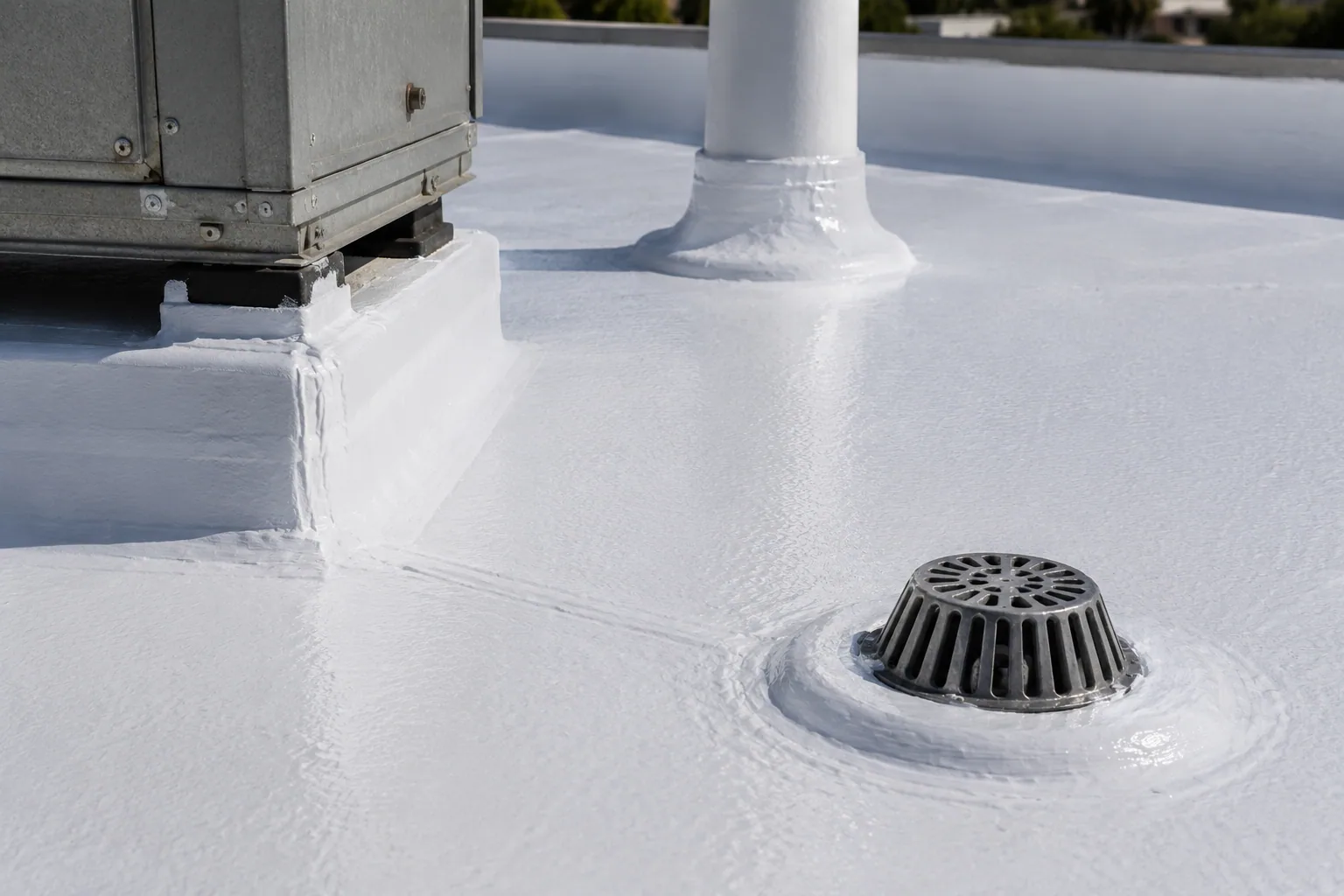
Most repair dollars on a low-slope roof go to details: parapet walls, curbs, pipe boots, drains and the edges where the membrane stops. Yakima gives those details a hard life. The city sees about 40 afternoons at or above 90 F, a record of 113 F on June 29, 2021, and large day-night swings, so the roof expands in the afternoon and pulls back overnight. Sealant that is rigid on a cold January morning splits the first hot week of July.
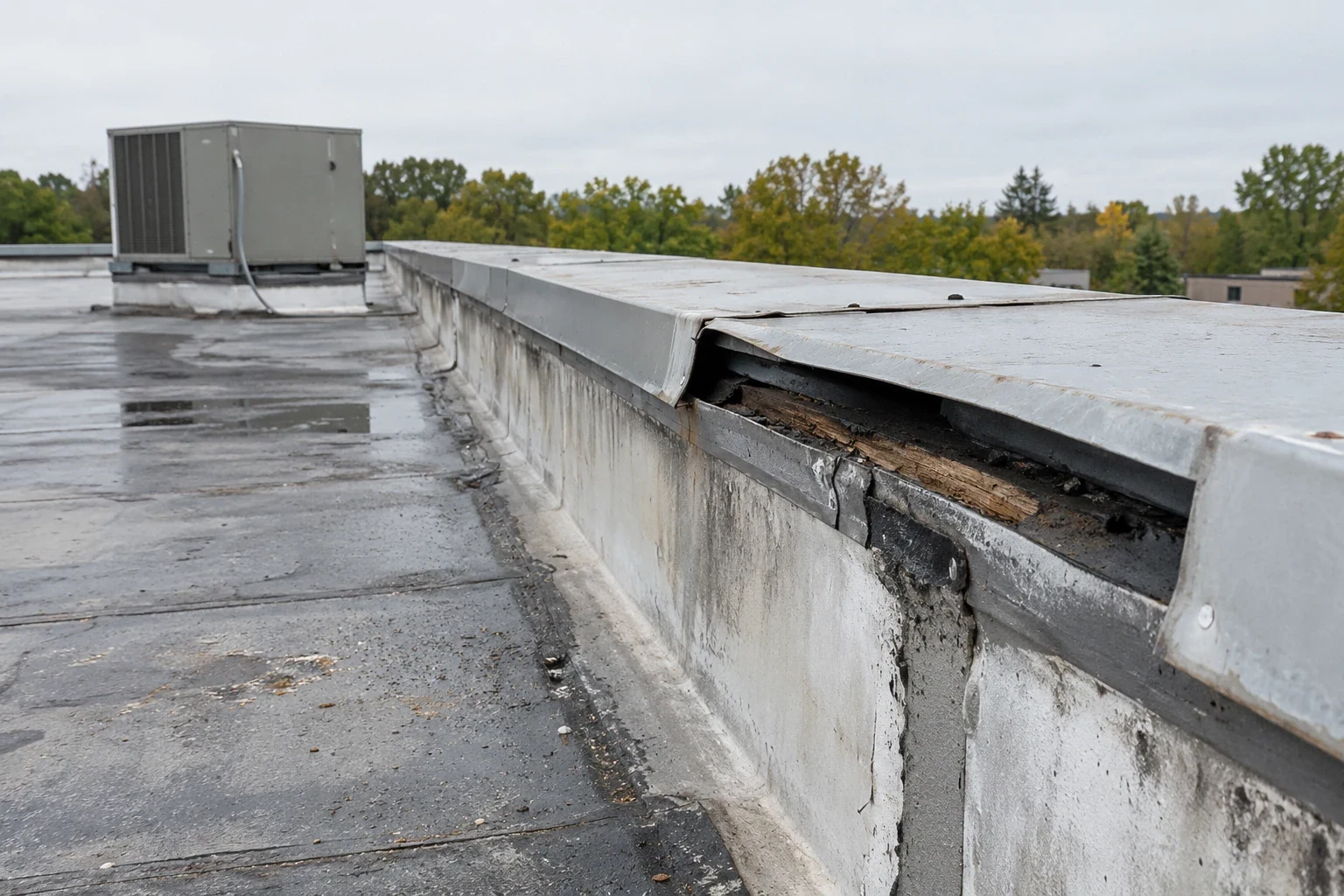
When a failed flashing is the cause, we remove the old termination, clean the substrate, and set a new base flashing with a mechanical termination bar and a fresh sealant bead. We do not caulk over a gap that is still moving, since the next swing opens it again.
Weld or Seal Seams Without Chasing Them
A seam that has opened is a membrane telling you about stress at that line. Thermoplastic sheets such as TPO and PVC are repaired by hot-air welding a new cap strip across the open seam, after the area is cleaned and probed with a needle to find the full length of the separation. A seam failure usually runs past the visible opening, so we test several feet in each direction.
On older built-up and modified bitumen roofs, the same principle applies with different materials: the laps are cleaned, primed and sealed with compatible bitumen or cold-applied adhesive. A repair that uses the wrong compatible material peels in a season, which is why we match the repair product to the existing membrane before the crew opens a can.
Schedule Around Snow, Heat and Gusts
Repair work happens on the weather's schedule. Yakima averages about 8 inches of precipitation a year and about 21.6 inches of snow, mostly in December and January. During those weeks, snow can cover the very detail that needs repair, and parcel-specific design snow loads make every repair a load question as well. Crews clear around the detail with plastic tools and leave a protective snow layer on the surrounding membrane, since a steel blade cuts a seam faster than any storm.
Summer repair has its own limits. Adhesives and sealants cure on a hot deck, so crews start early and finish seams before the afternoon heat peaks. Dry stretches in late spring and early fall are the best window for larger repairs on a facility that cannot lose the roof for long.
Keep the Line Running While We Work
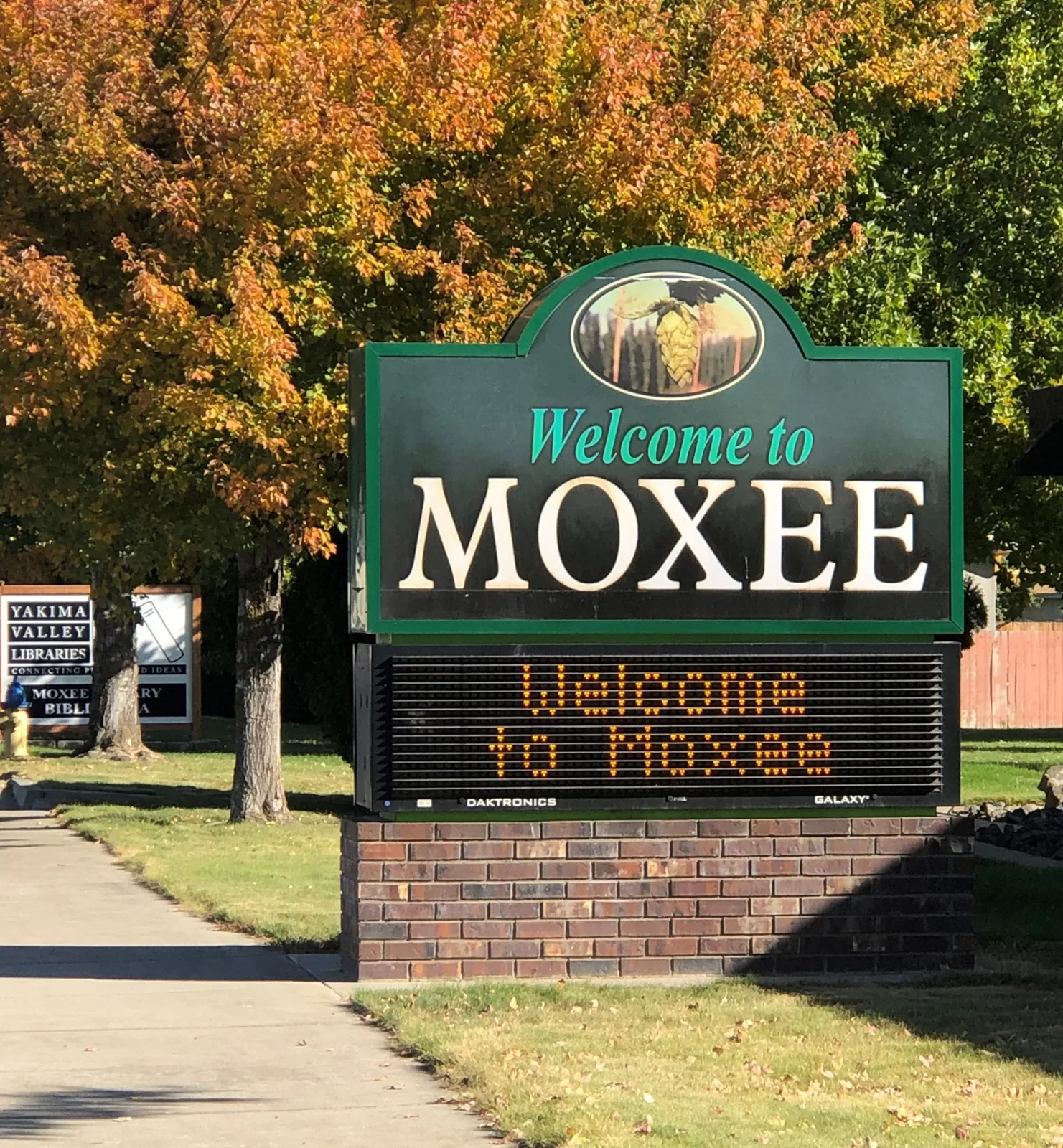
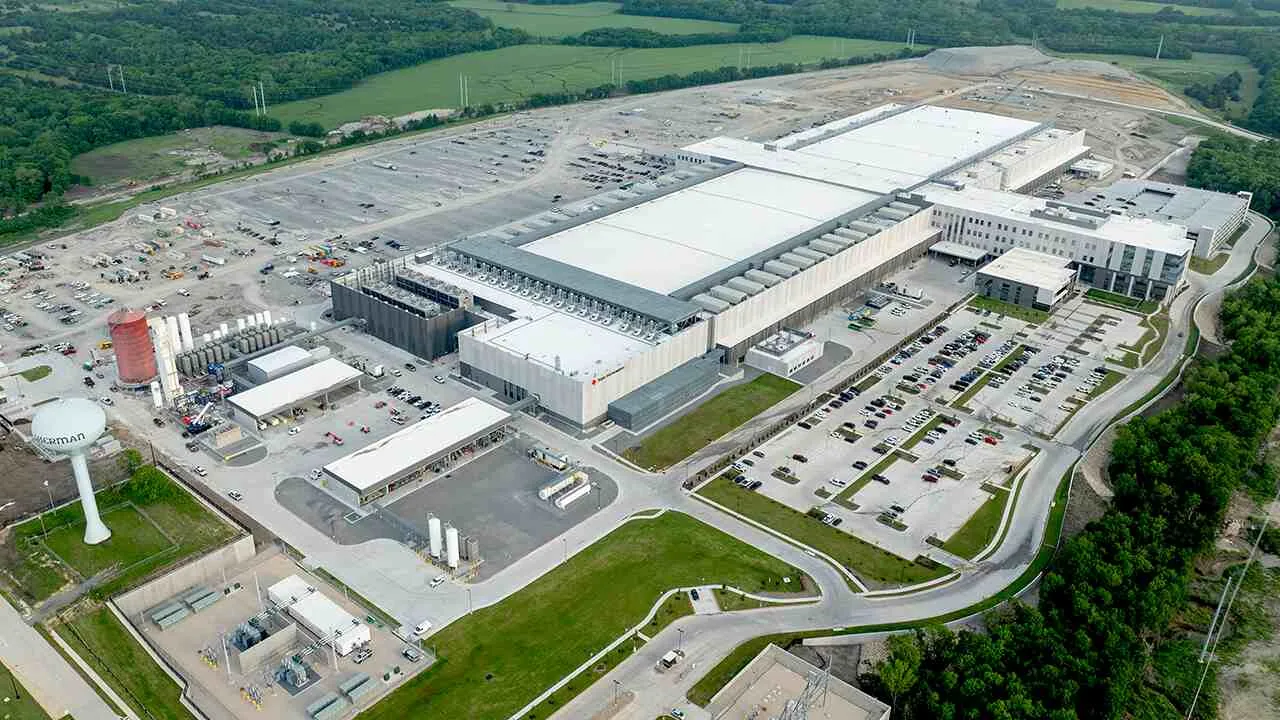
A hop kiln in Moxee and a processing building in Selah belong to a valley economy where the Yakima Valley produced about 77 percent of U.S. hops as of 2011, and where a roof repair has to fit around whatever the building under it is doing that week. We schedule repairs in the quiet weeks, work one section at a time, and tell the facility team which hours the crew will be near intakes, exhausts and skylights. For plants that run continuously, the logic is the same one that governs manufacturing plant roofing: a small repair in a planned window costs less than a large one forced by an emergency, and the production floor never has to guess when the crew will be overhead.
Log the Repair for the Next Visit
Every repair ends with photos, a marked roof plan and a callback log entry. Next winter, when a stain shows up on a ceiling, the log tells the crew exactly which detail was touched and what material went in. If the same spot repeats, we say so in writing and give you the number for a full replacement instead of continuing to patch. Roofs on a regular maintenance schedule tend to need fewer large repairs, since a lifted termination or an open lap is found while it is still a short job. We keep the log with the roof plan so the history travels with the building if the property changes hands.
Commercial Roofing Questions
How can I tell if a repair is worth doing on a roof near the end of its life?
Compare the repair cost to the time left before you plan to replace. A patch on a roof with two or three years of service left is sensible, and the same spend on a roof that is already failing across the field is not. We read moisture first, because saturated insulation under a repair means the repair will not hold, and we put the patch-or-fix choice for each item in writing.
Why did the repair on the same flashing come back last year?
Usually the cause is movement that the first repair did not address. In Yakima the roof flexes with the afternoon heat and the cool night, and sealant alone cannot follow a joint that moves that much. We look for the source of the movement, such as a parapet cap that is loose or a curb that settles, and fix that along with the flashing.
Do you repair roofs that were installed by another contractor?
Yes, and the repair is matched to the system on the roof. We identify the membrane, test an inconspicuous area for compatibility, and choose a product that bonds to it. If a warranty is still in force, we review its terms with the owner before any work so the repair does not put coverage at risk.
What does a repair crew need from my facility team?
Roof access, a safe place to stage materials, and a contact who can tell us when the interior below is quiet. We also ask which units must stay running, so we can plan the order of work around intakes and exhaust. Anything stored under the repair area, such as product or records, should be moved or covered before we open a section.
Can repairs be done in winter?
Some can. Mechanical repairs and sealed temporary fixes work in cold weather, and hot-air welding works on dry membrane in many conditions. Cold-applied adhesives and primers need minimum temperatures, so we may seal the problem for the winter and schedule the permanent repair for the first dry stretch in spring.