An asset manager reviewing a Yakima, WA acquisition calls on a 100 F afternoon in July and asks one question about the roof: how many winters does it have left? Dispatch answers with a second question: what is the design snow load, and has anyone checked it against what the building is carrying? A roof here has to carry a snow season and a heat season, and a pro forma that prices only one of them is short.
Send the building addresses, the design snow load from the permit if known, the purchase or refinancing timeline and which tenants cannot be interrupted. We build the first read from that list.
Size the Reserve Before the Offer
The reserve line is the roof's share of the model. It depends on remaining life, and remaining life depends on condition, not age. Two roofs from the same year can sit a decade apart if one drains well and the other ponds. We read seams, flashings, edge metal, drains and moisture in the insulation, then assign a life range and a replacement cost range.
Ranges beat single numbers. A narrow range on an unknown deck would be false precision. Where the uncertainty is large, we say which test would narrow it, such as an infrared scan or a few cores. The result goes into the reserve with its assumptions listed.
Immediate repairs go in a separate column. Open flashings, clogged drains and lifted edges are first-year items, not long-term reserve, and the model should show them that way.
Interior signs belong in the read. Stained ceiling tiles, buckets in a storeroom and fresh paint patches tell us where water has entered. We ask the property manager for the leak log and walk the interior in the same visit, so roof findings line up with what tenants have seen. A roof that looks sound on top and leaks at one wall is a flashing question, not a replacement question.
Rooftop equipment is part of the reserve too. Condensate lines, unit curbs and roof-mounted conduit all affect the membrane. A unit on a rotting curb comes with a flashing job attached.
Check the Snow Load Against the Drawings
The design snow load belongs to the parcel, and the county wants an engineer above 70 psf, so a buyer cannot assume that one building's roof matches its neighbor's. We ask for the load from the permit or drawings and compare it with what the roof shows: deflection between supports, cracked finishes below, doors that bind in winter.
Winter snow, mostly December and January, drifts against parapets, penthouses and step-downs. February 2019 left a red tag on a South Third Avenue commercial building after heavy snow, and for a buyer that event shows why structure and roof are one question at purchase.
If the load is unknown, an engineer should confirm it. We flag the gap in the survey and keep it on the closing checklist.
Price the Heat Cycles Into the Life
Summer adds its own wear. Yakima has about 40 afternoons above 90 F, about 6 above 100 F and a June 2021 record of 113 F. Cool nights follow, and the daily swing works membranes and flashings back and forth. That cycling shortens the life of weak details even when the field looks fine.
We look for it at corners, curbs and wall terminations. A flashing that has pulled away or sealant that has cracked is a sign the roof is moving more than its details allow. Those are small repairs now and larger ones later.
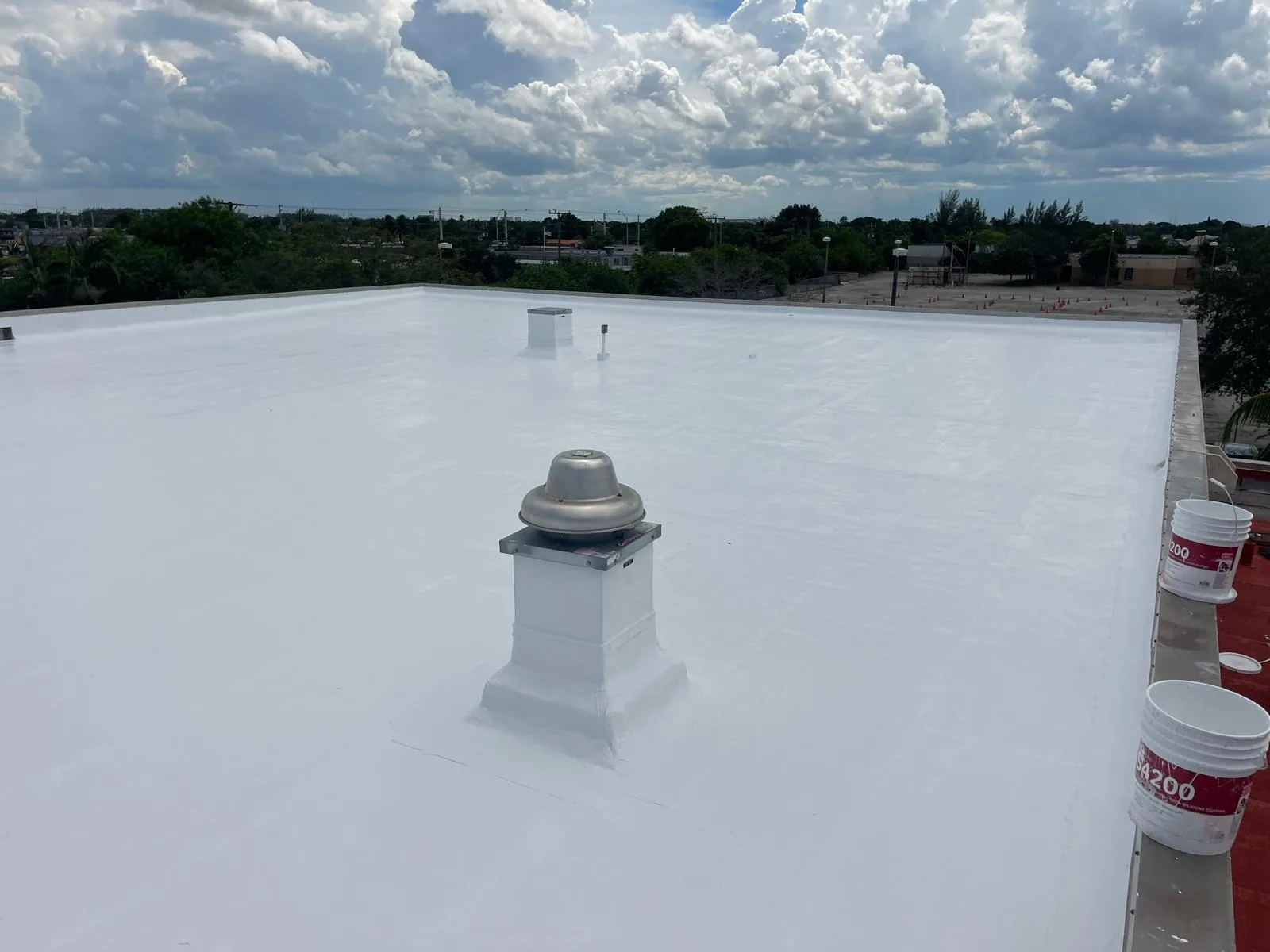
Over a sound roof with dry insulation, a reflective coating can lower surface temperature and extend life, and we scan before we recommend it.
Hail is rare, and wind is the other stress. The late-November 2019 windstorm was a recent reminder, and Yakima's record gust of 69 mph dates to May 1985. Gust-lifted edges are a standing risk for any roof in the valley, and the survey checks coping, drip edge and fastener spacing.
Carry the Code Into the Replacement Cost
A replacement is not like-for-like. Washington's energy code, in its March 2024 edition, sets current insulation levels, extra insulation raises every curb and wall flashing, and the estimate carries those heights as their own line.
The design team confirms what applies. Our job is to show the code-driven items separately, so the investor sees what the roof costs and what the code adds. For a portfolio, that clarity helps compare buildings.
When the roof allows it, we price a recover beside a full replacement. A dry, sound assembly can take a recover. A saturated one cannot. The moisture survey settles it before the offer closes.
Match the Plan to the Asset
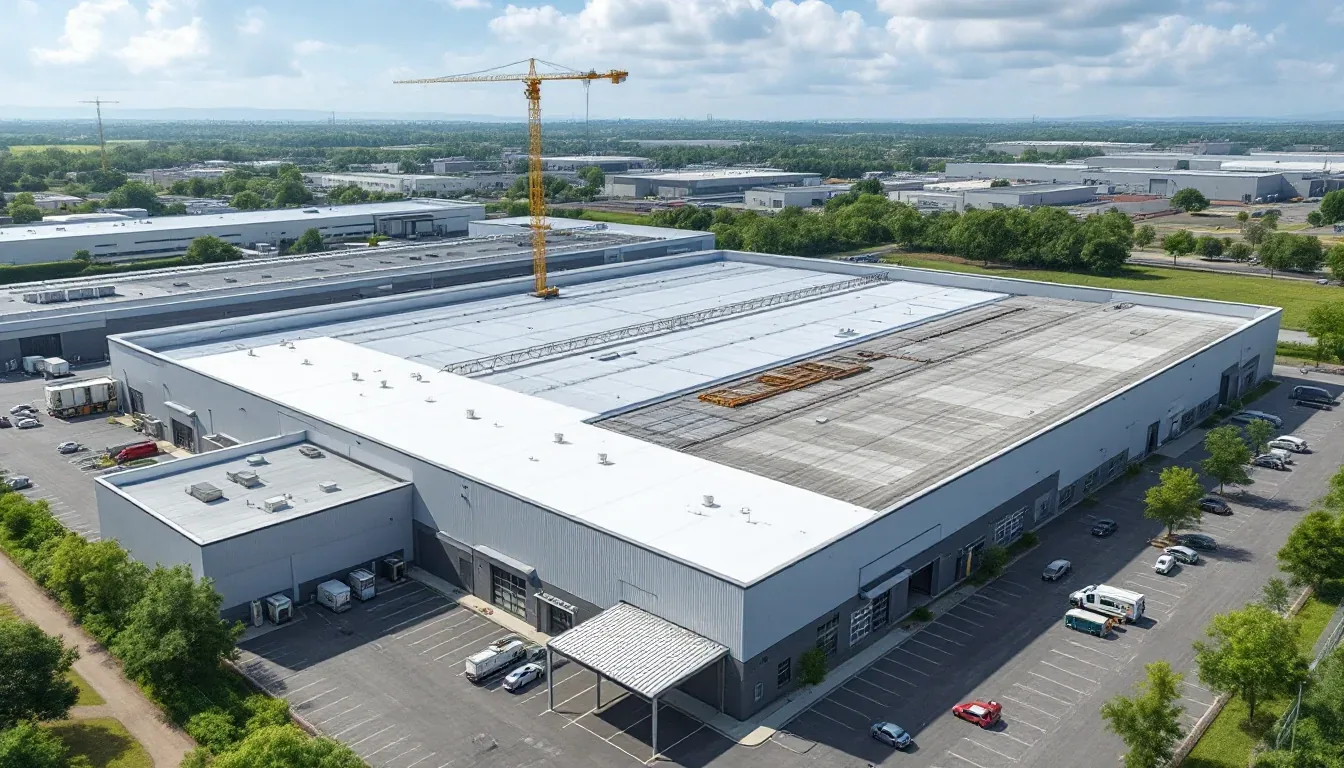
Retail roofs in Union Gap around Valley Mall carry many rooftop units and heavy foot traffic. Terrace Heights added residents quickly between 2010 and 2020, which means newer commercial and residential roofing there. Industrial roofs near fruit packing and cold storage carry process loads and condensation.
Each asset class asks something different. Retail asks for blackout weeks and quiet hours. Industrial asks for packing-line shutdown windows. Offices ask for a notice to tenants. We write the survey for the building, not for a template.
For holders with many assets, a multi-site program sets one standard and one schedule across the group. The property managers who run those assets day to day use the same routine.
Keep the Record After Closing
The survey does not end at the table. Findings become a first-year repair list and a maintenance schedule. The due diligence survey format carries over into the asset record, so the next hold period starts with data.
Warranty status goes in the file. Dates, terms and transfer deadlines are short, and a missed notice can end coverage. We list them and flag them when a sale or refinance is in motion.
Reports travel. A lender, a buyer or an insurer can read the same document the owner does. Photos, grades and ranges sit in one place, and the closing team works from the same facts.
The same file supports a sale. A seller who holds a current survey, a warranty summary and a repair log shows the buyer a roof with a history, and that tends to shorten the roof portion of the negotiation. A general contractor bidding a tenant improvement can also price from the same record.
Commercial Roofing Questions
What should a buyer ask about the roof before an offer?
Ask for the roof age, the last two repair invoices, any moisture findings and the design snow load from the permit. Then have the roof walked. A graded survey with photos and cost ranges gives the model real numbers and may justify a credit.
How fast can a survey fit a contingency period?
A single roof can often be walked in a day, with findings a few days later. A portfolio takes longer. Snow cover can hide the roof in winter, and we tell the buyer what can be read now and what needs a second visit.
Does a coating make sense for a hold of five years?
Often, if the insulation is dry and the roof is sound. A coating costs a fraction of replacement and extends life through the hold. A moisture scan comes first, since coating over wet insulation seals the problem in.
How does the energy code change the replacement budget?
Insulation levels rise on a new roof, and curbs and flashings climb with them. The design team confirms the requirement. We show the code-driven items separately so the budget reflects both.
What if the roof is under warranty?
Read the transfer rules early. Many warranties need notice and have short deadlines. We summarize terms, conditions and dates in the survey, and we flag any open repair that could affect coverage.