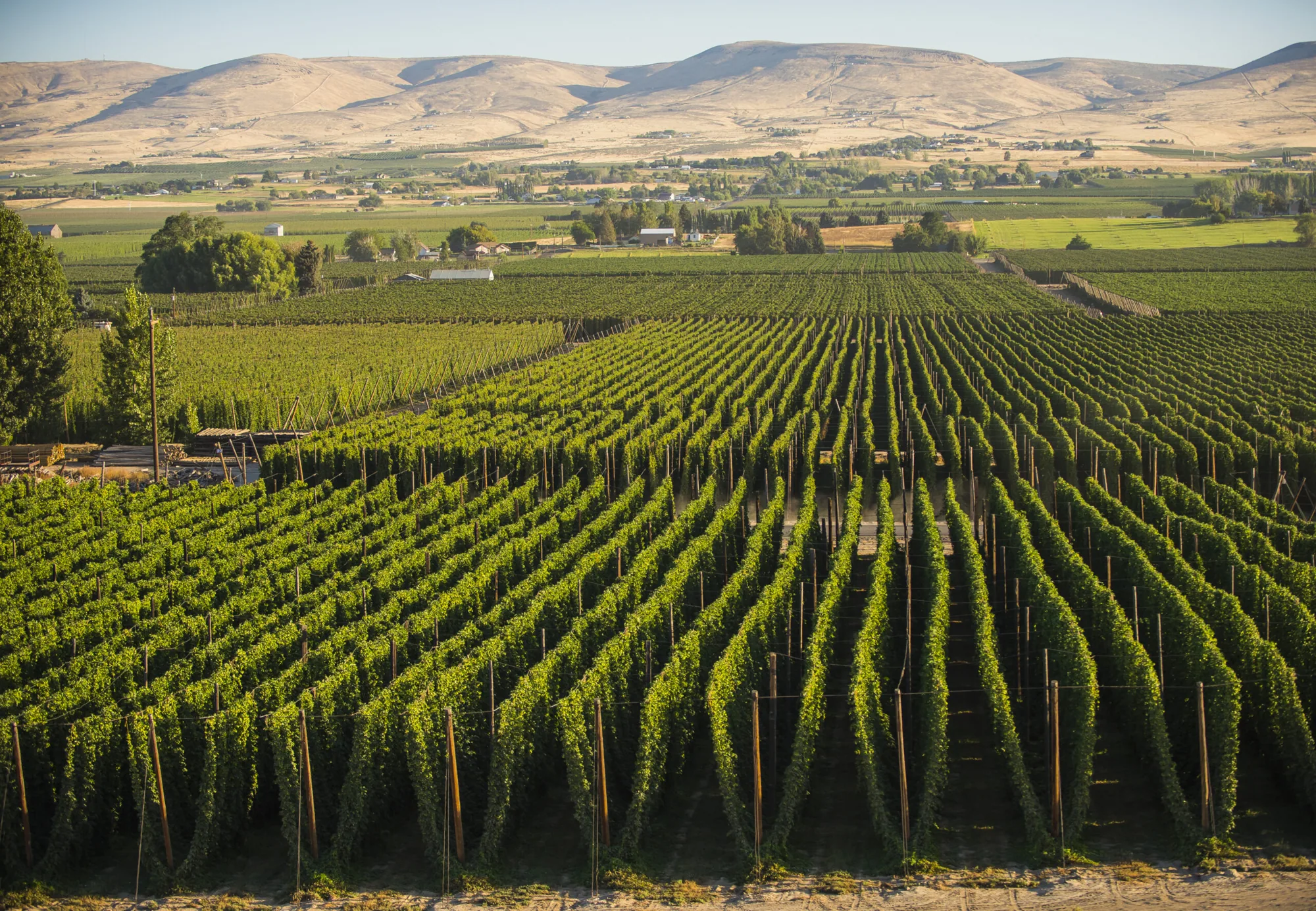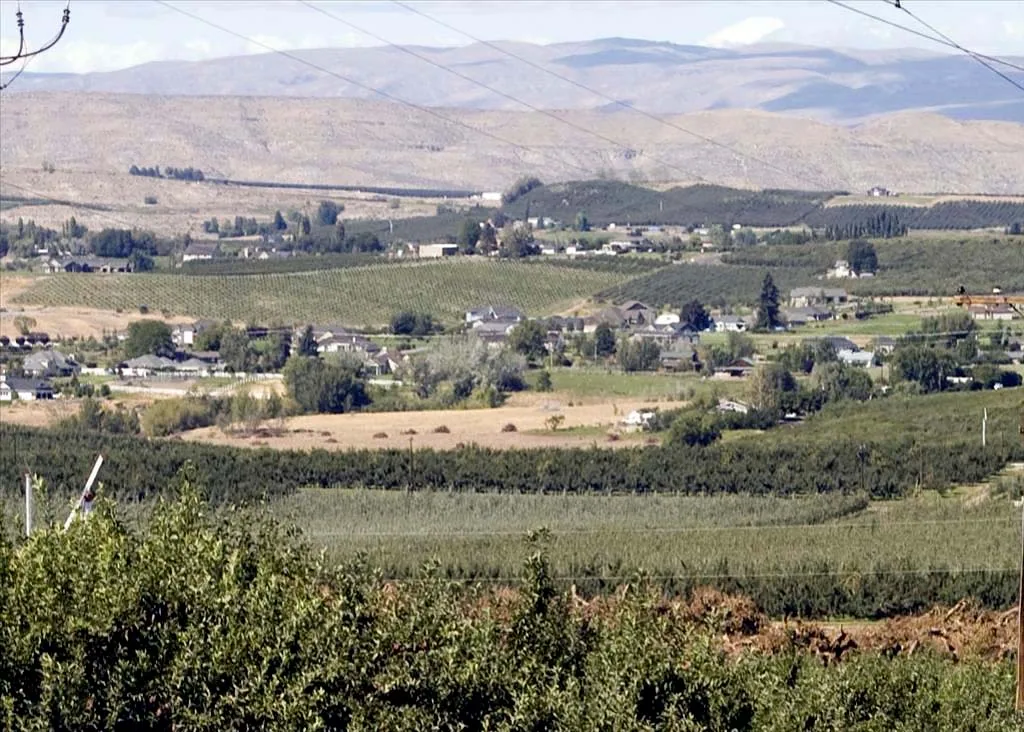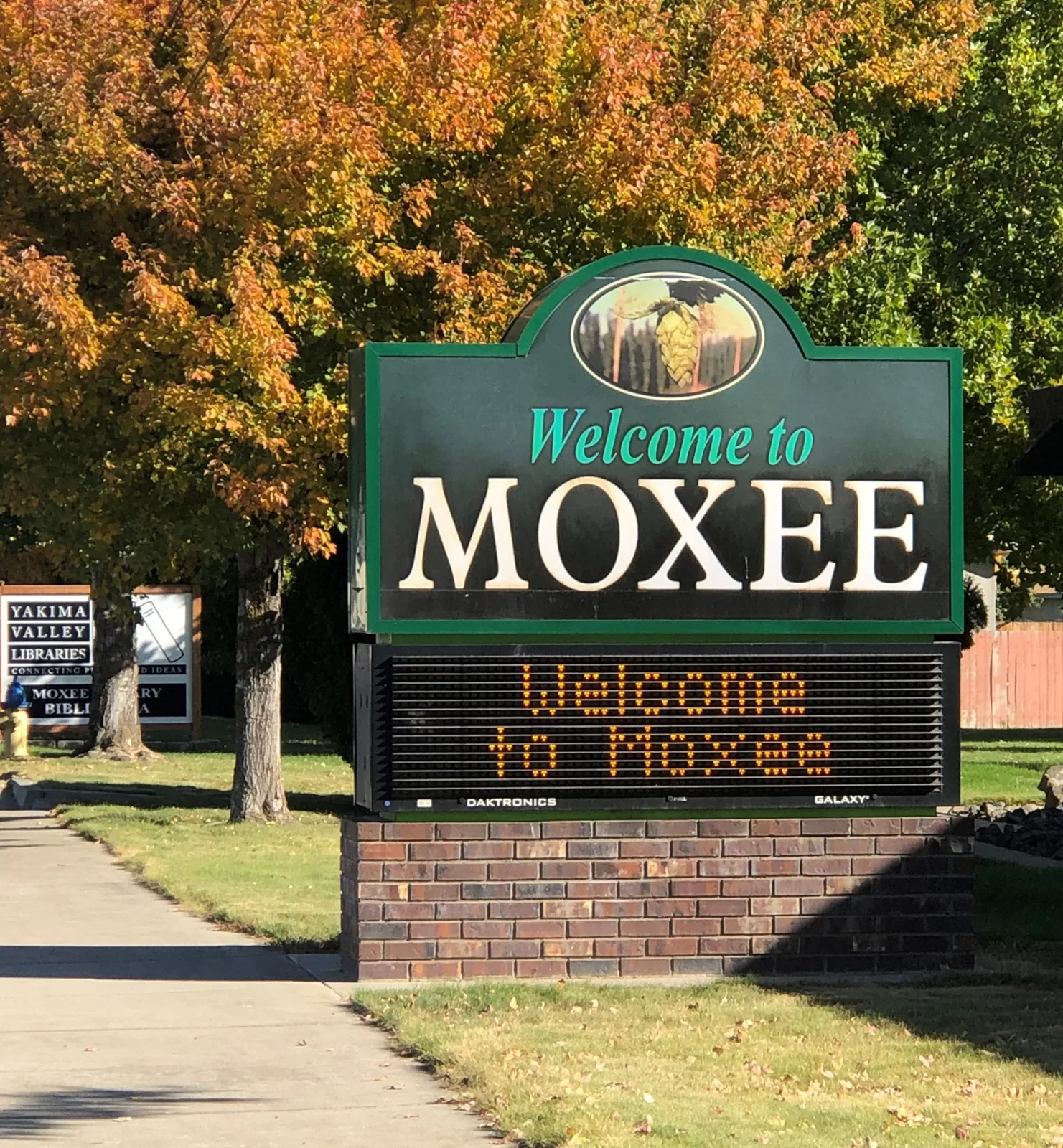
Hop country sets the roof questions in Moxee, and the first thing dispatch asks a grower or warehouse manager here is what the building holds between harvests. Moxee lies southeast of Yakima, WA, where sandy soil and a mild climate made hop growing a natural fit, and the valley's roughly 77 percent share of U.S. hops as of 2011 supports kilns, warehouses and processing buildings in places like Moxee. The town grew from 821 residents in 2000 to 4,326 in 2020, and growth like that puts buildings of different ages and uses side by side.
Our Moxee work runs from low-slope membranes to metal: repair, retrofit and replacement. A building address, the roof age if known, the permit's design snow load and a note of where the roof leaks or the metal has loosened are enough for us to walk the roof and send back a written list of what to fix first.
Read the Building Before the Roof
Kilns, warehouses and processing buildings put different demands on a roof. A drying building vents warm, humid air through the roof or wall. A warehouse holds product that must stay dry. A processing building may add steam or wash-down. We do not assume the roof type or condition of any one building. We walk it, ask what vents where and match the repair to the exposure.
Metal panels and membranes both turn up on buildings like these, and each has its own weak points. Metal leaks at screws, laps and penetrations. Membranes leak at seams and flashings. A warehouse roof also needs a plan for dock doors, skylights and smoke vents, and a retrofit needs the framing checked before anything is added. We map every opening on a sketch, mark which ones are flashed and which are only sealed, and rank them by how likely each is to leak after the first hard freeze. That ranking is usually the shortest path to a dry building.
Retrofit Tired Metal Without Shutting the Building
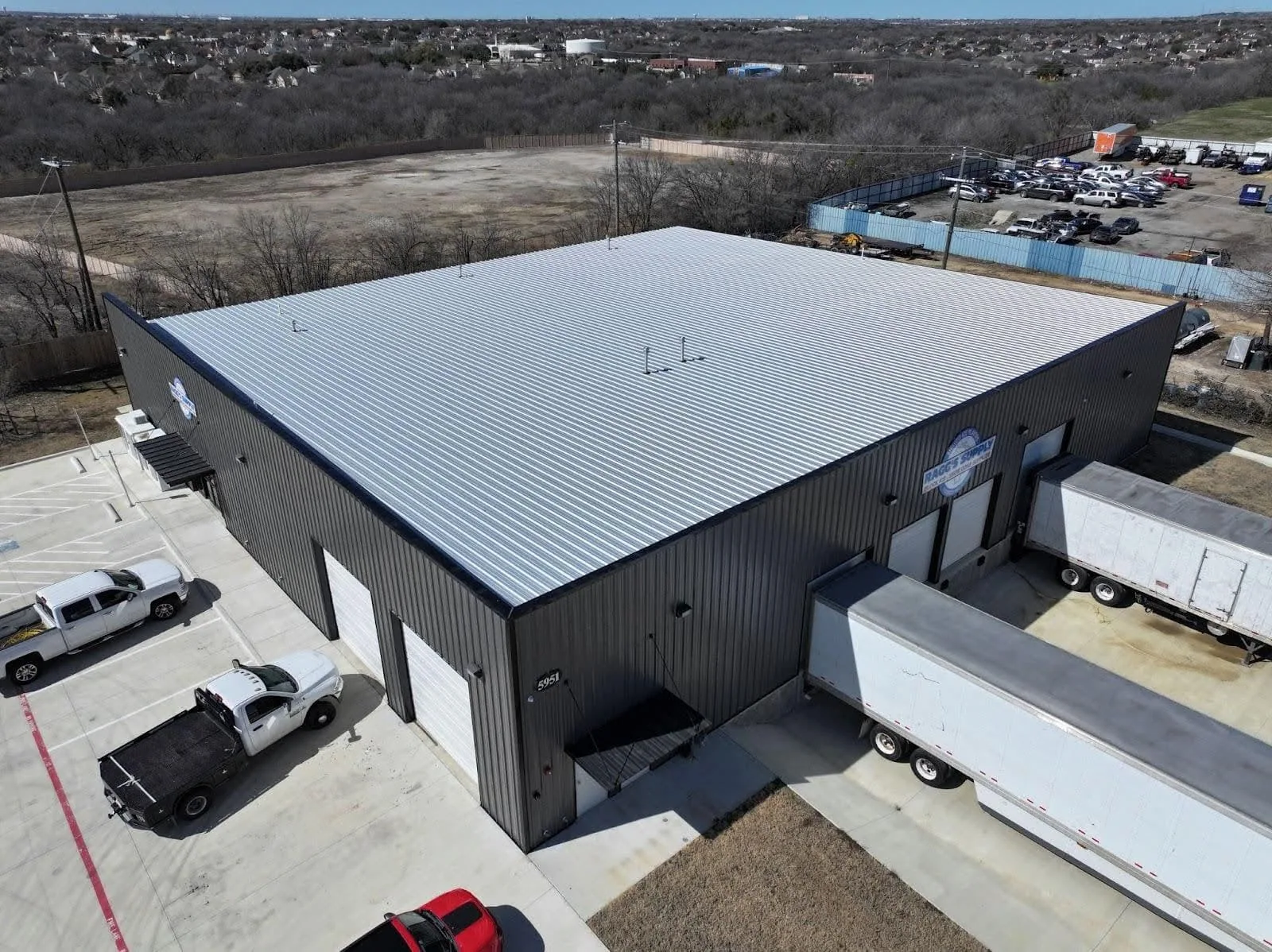
Where a metal roof has loose screws, dry washers and open laps, a screw-and-sealant program is the first step. Where the panels are rusted or the insulation is poor, a metal roof retrofit with new framing and panels can go over the old roof without a full tear-off. A coating can restore a sound surface and seal fasteners in one pass.
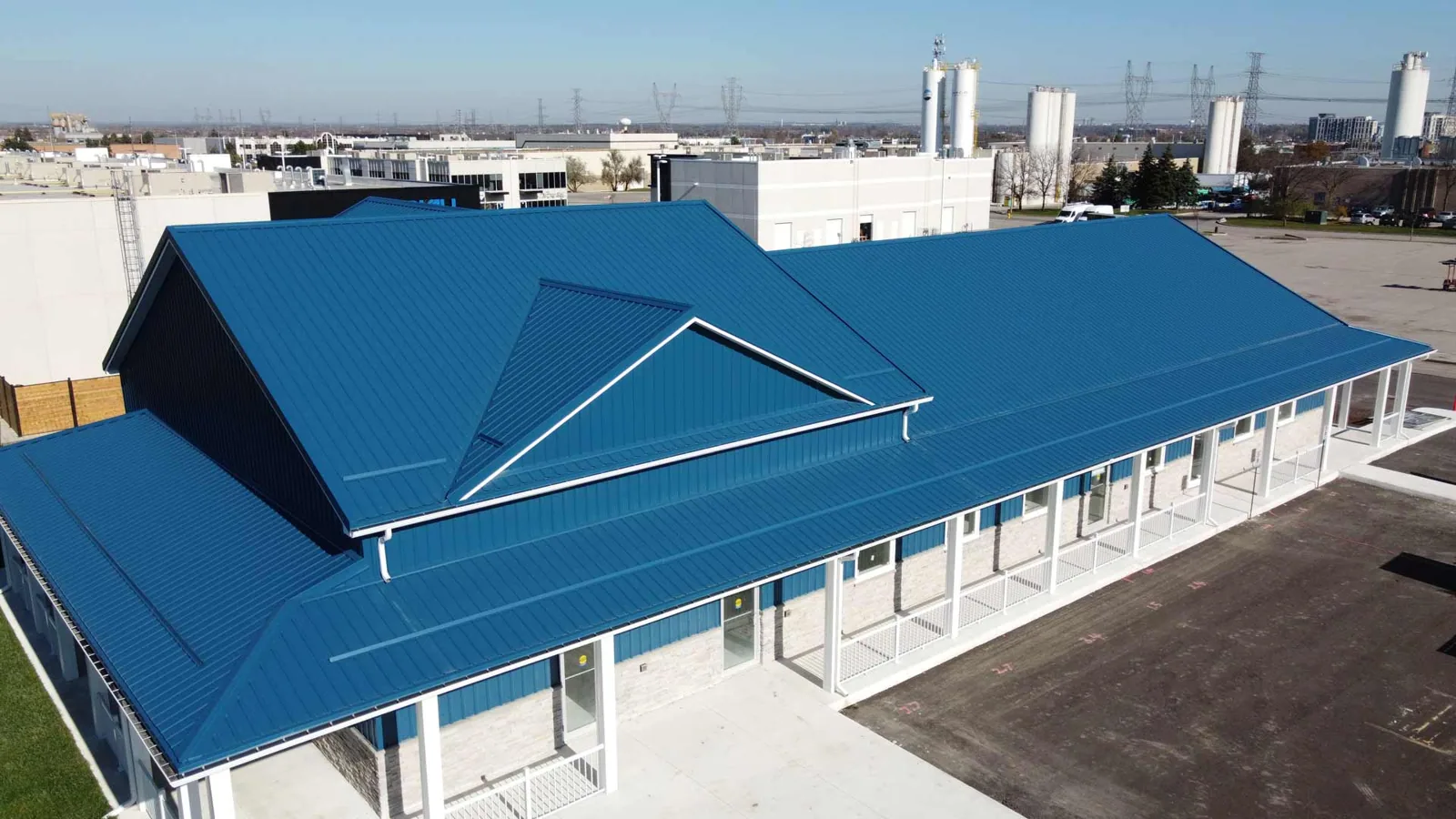
For a new roof or a full replacement, a standing seam roof removes exposed fasteners and handles snow well when snow guards are placed. We check that the framing and purlins are sound, since a fastener cannot hold in weak support. Work happens from outside, so product and staff stay inside, and we protect the interior where needed.
Watch Condensation and Ventilation
Buildings that dry or store product move a great deal of air and moisture. Warm, damp air meeting a cold roof deck makes condensation, and drips from condensation look like roof leaks. Before cutting open a roof, we check the vents, the insulation and the dew-point conditions. A roof that drips only on cold mornings, with no rain, is a condensation case.
The fix may be added insulation, a vapor barrier, better ventilation or a change in how the building is operated. We report what we find and what it will take. A moisture meter on the deck, a thermometer reading at the underside and a look at the vent openings usually settle it in a single visit. When ventilation is the fix, we describe the opening sizes and locations to the owner's mechanical contractor, so the roof and the air movement are solved in the same project. If the roof is the problem, we repair it. If the building's moisture is the problem, we tell the owner before money is spent on a roof that cannot fix it.
Brace for Gusts and Snow on Open Ground
The county lists a design wind speed of 110, and the late-November 2019 windstorm reminded the whole valley what that means. Edge metal, ridge caps and panel fasteners are the first to loosen. After a gale, we walk the ground for trim and sheet metal and then check the edges.
Design snow load follows the parcel, and a bulging wall on South Third Avenue in February 2019 shows why the number matters. Metal roofs shed snow in sheets, so snow guards above doors matter, and we clear flat roofs with plastic tools only.
Cover the Hop and Orchard Towns Around Moxee
Moxee sits among agricultural communities. Tampico, about 18 miles west of Yakima, had hop farming as a historically important activity, and Mabton counts hop and grape growing among its main work. We cover these places with the same method: a first walk, a written list and a schedule that respects harvest.
For owners with buildings in several towns, one condition report ranks every roof by risk. A kiln in Moxee, a warehouse near Selah and a plant in town can sit in one table. A cold storage roof gets its own line, since insulation and vapor control change the repair. The budget then follows the worst roof first.
Growers who rent out a corner of a warehouse should mention it. A second tenant under the same roof changes who must be notified about noise and dust, and it changes whose product we protect first when a section opens.
Commercial Roofing Questions
Can a metal roof on a drying building be repaired without stopping production?
In most cases yes, since the work is on the exterior. We time loud steps for quiet hours, protect vents and intakes and keep staff clear of the work area. Tell us the drying schedule and we plan around it. We also ask where product sits under the roof edge, since an open eave or a sheet of loose panel can drop debris onto a pallet, and we agree on a staging area that keeps materials and crew away from loading lanes. Tarps and temporary seal material stay on the roof in case weather turns.
How can I tell condensation from a roof leak?
Condensation appears on cold mornings with no rain and tends to drip from the underside of the deck in broad patterns. A roof leak follows rain or snowmelt and tracks to a point. We check the weather log, the vents and the insulation, and we test the roof with water if the cause is unclear.
Is a standing seam roof worth the cost on a farm building?
It removes exposed fasteners, handles thermal movement and lasts well when installed properly. It costs more up front than exposed-fastener panels. For a building with a long expected life and few penetrations, it is often the better value. We compare options in writing.
What does the wind do to a roof in open country?
With little shelter, gusts hit edges and corners directly. Panels lift, trim peels and fasteners back out. We check the perimeter after storms and add fastening at the edges on replacement. The late-November 2019 gale reached 51 mph in Yakima, and edges take the first hit.
How should a grower plan roof work around harvest?
Schedule major work for the quiet season and keep a repair crew on call for harvest. We book tear-off and replacement in advance and hold temporary seal material for emergencies. A calendar with harvest dates marked lets us avoid conflicts, and a short list of who can approve a stop-work call during picking or drying keeps a decision from waiting on a phone tree. We keep that name and number on the job sheet.