A property manager with fourteen buildings gets the call on the morning after the first real snow, and tenants in three of them are already reporting drips. One portfolio in Yakima, WA collects both the snow and the summer heat before the year ends. The first question dispatch asks is not which building leaks. It is which roof was designed for what, and where the snow is deepest. Keep tenants and maintenance staff off the roofs until we have sorted the list.
A list of building addresses, any design snow loads on file, the places where snow or damage sits and the tenants who cannot be interrupted is enough to order the first visits.
Rank the Roofs Before the Weather Does
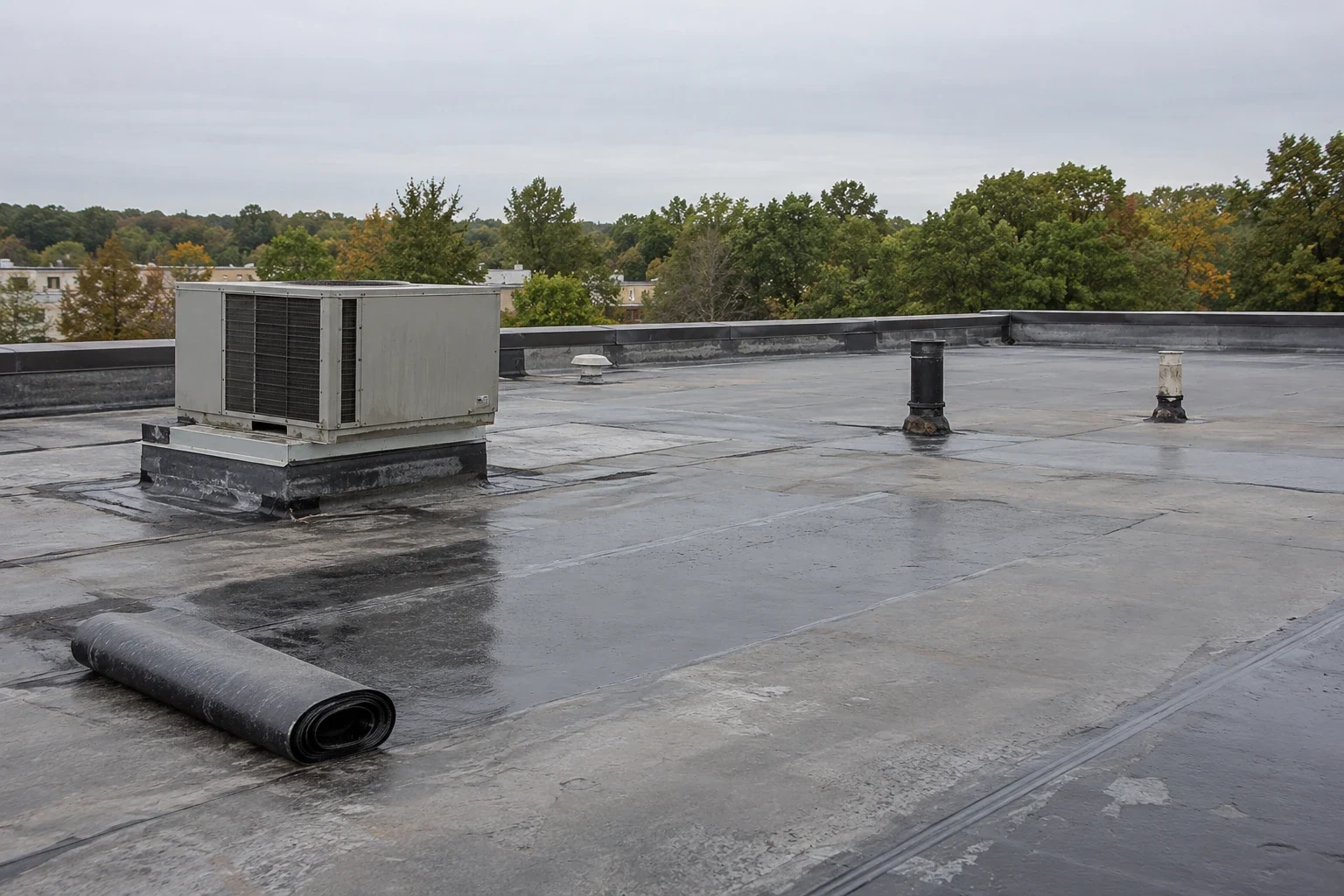
A manager with many roofs needs one ranked list, not fourteen separate worries. We walk the buildings in the order of risk and grade each component: field membrane, seams, flashings, drains, edge metal, curbs and penetrations. A roof with a sound field and a tired parapet reads differently from one that is tired everywhere, and the grades make that plain.
Risk combines condition, use and exposure. A roof over a tenant with a cold room or a data closet ranks above a roof over dry storage. A roof with a long history of ponding ranks above one with clean drains. The list carries photos, locations and cost ranges, so a decision takes minutes.
Keep the list in one file. When a new manager takes over, or a lender asks for the roof status, the answer is on record. Our written condition reports use one format for every building, so results compare across the group.
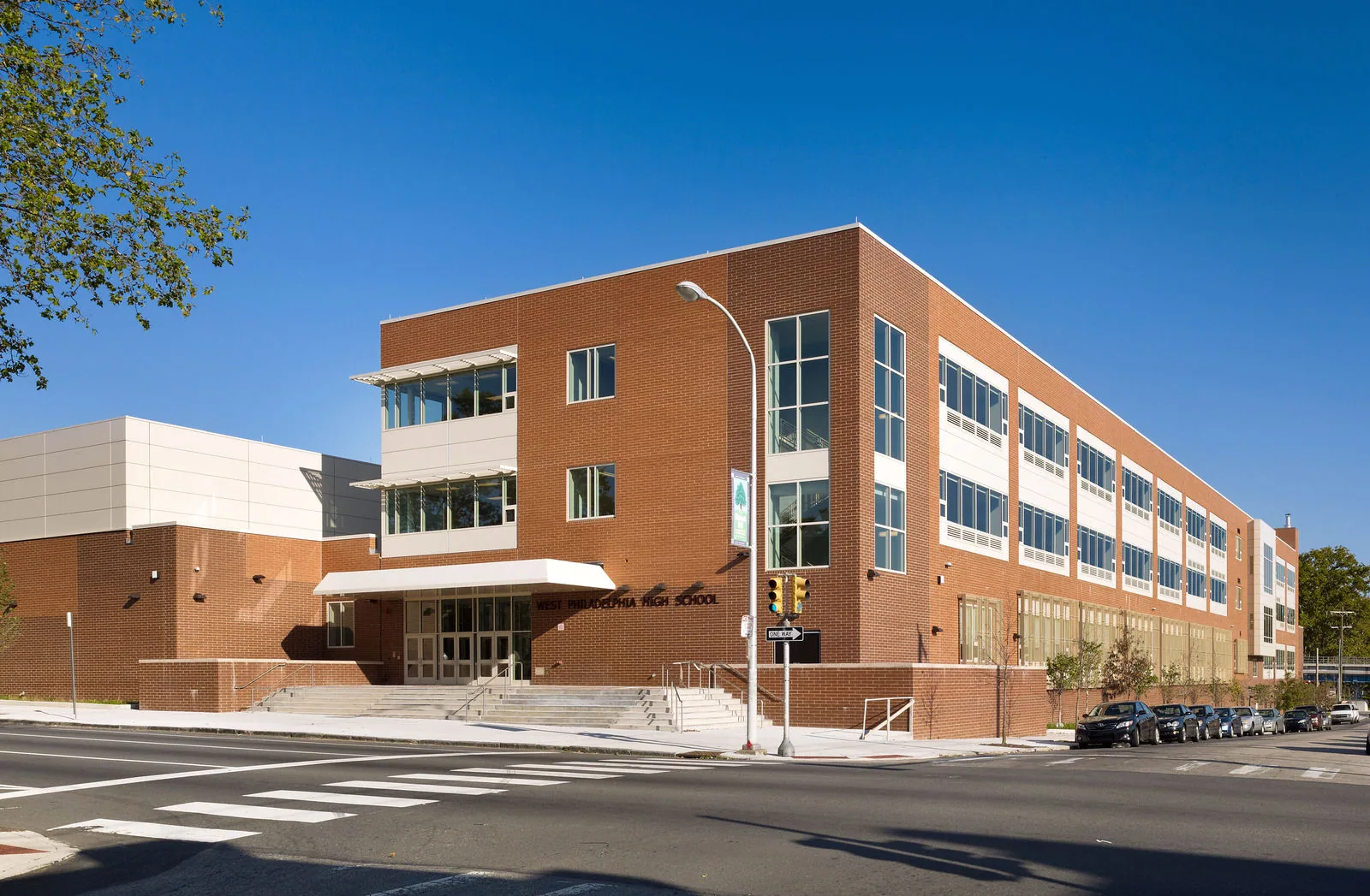
Mixed groups need mixed plans. A medical tenant adds shutdown windows and sealed intakes. A school or public tenant adds a fixed calendar. A retail tenant adds blackout weeks. The list notes each constraint beside the building, so the schedule respects it from the first visit.
Pull the Snow Load for Every Building
Each building's design snow load comes from its own parcel, so two buildings on the same street can differ widely and a portfolio needs every figure on file. Most of Yakima's snow falls in December and January, and it piles deepest against parapets, penthouses and the step where a lower roof meets a taller one.
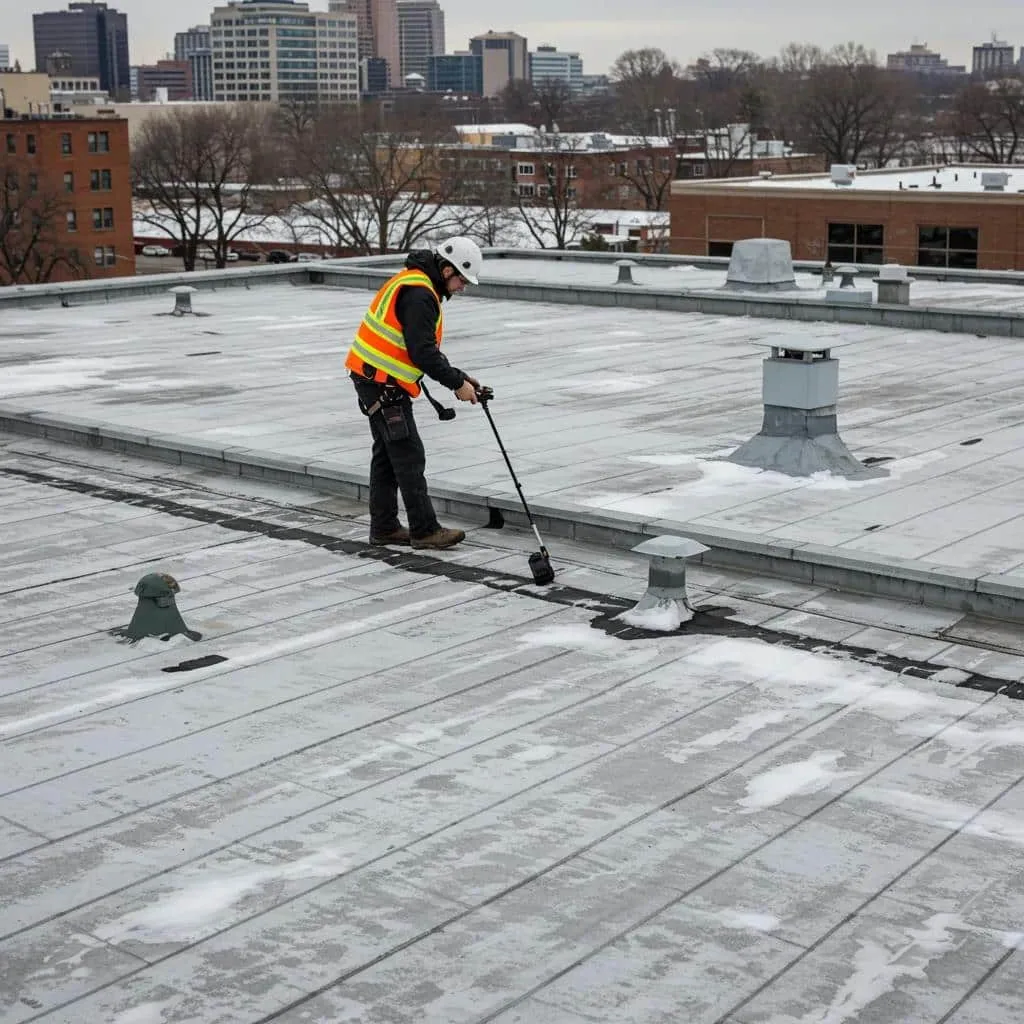
A manager with fourteen roofs cannot afford fourteen cut seams. The February 2019 red tag on a South Third Avenue commercial building began with a bulging wall, so the first call after heavy snow should reach dispatch before a maintenance man reaches for a steel shovel. Our crews work with plastic tools and leave the membrane a layer of snow.
Tell tenants and maintenance crews not to shovel. Call dispatch, and deflection signs inside get checked before anyone goes up. A stuck door or a new ceiling crack near a drift is the signal we look for first.
Schedule the Summer Round Before Tenants Call
Summer is the other half of the year. Yakima passes 90 F on about 40 afternoons, passes 100 F on about 6, and reached 113 F on June 29, 2021. Each hot day stretches the membrane and each night pulls it back, and a flashing that moves twice a day loosens by autumn.
That movement shows up at corners, curbs and wall terminations, where flashing pulls away, seams lift and sealant cracks. A fix in June is cheaper than a leak in the first January thaw.
Schedule summer inspections early in the season, before tenants start reporting. A maintenance visit can clear drains, reseal penetrations and catch lifted edges for every building in the group on one route.
Notify Tenants Before the Crew Arrives
Tenants hear about a roof job from the manager, not from us, so the manager needs dates, hours and a plain description. We supply a one-page notice for each building: what work, when, where the crew will stage and who to call. Loud tasks move to the hours the tenant allows.
Occupied buildings add rules. An occupied reroof proceeds in strips that are dried in before the crew leaves, air intakes within reach are sealed or covered, and entrances get overhead cover and barriers.
Keep a callback log for each building. When a tenant reports a stain, the log records the date, the weather and the response. That record tells the manager which roofs repeat and which do not, and it supports any later insurance or warranty question.
Price Each Building on Its Own Moisture Map
A repair, a restoration and a replacement can each be right for a different building in the same portfolio, so the options are priced side by side whenever the roof allows it. The moisture survey draws the line: dry insulation under a tired surface suits a coating or a recover, while saturated insulation points toward replacement.
Code enters a replacement. Washington's energy code, updated in March 2024, sets current insulation levels for a new roof, and thicker insulation raises curbs and wall flashing. The estimate shows those items as their own line.
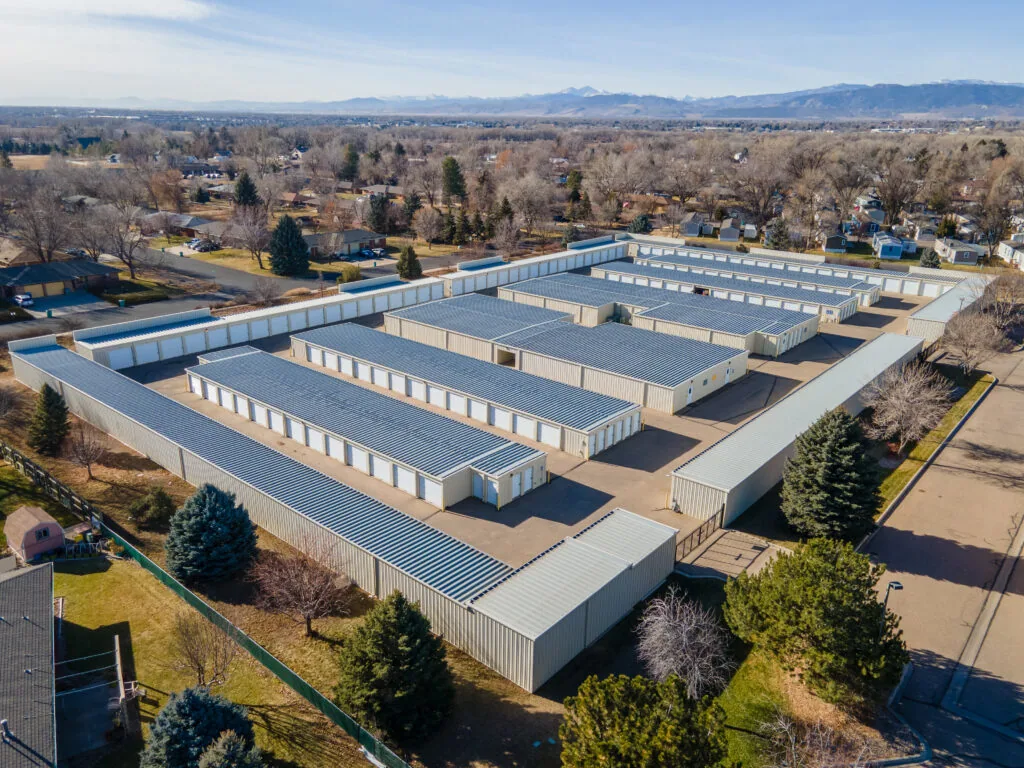
For owners who want one standard across many roofs, a multi-site program spreads mobilization cost over every building on the route. Buildings in Union Gap, Terrace Heights and downtown can share one schedule.
Give Each Building Its Own File
When a project closes, the manager receives a photo set, seam tests, a list of materials and a maintenance interval for each building. The file stays with the property, and if a building changes hands or a manager changes, the record goes along.
Warranty terms go into the same file. Dates, conditions and notice rules sit beside the roof record, so an approaching expiration shows before it becomes a problem. Our warranty file tracks that for every building.
Plan the next season from the record. Roofs that held up slide to a later year. Roofs that took storm damage move forward. The manager walks into the budget meeting with a list, not a guess.
Commercial Roofing Questions
How should a manager handle snow on many roofs at once?
Call dispatch and give us the list of buildings, each design snow load if known and the tenants that cannot be interrupted. We sequence the first visits by deflection signs and drift depth, not by order of call. Tell staff to stay off the roofs and not to shovel membrane.
Does the design snow load really differ between nearby buildings?
Yes. Yakima County treats snow load as parcel specific, and the range runs from 20 psf to well over 200 psf. Pull the number from each permit or drawing set and keep it in the building file. We check it against what the roof is carrying.
Where should we start if we have never had the roofs walked?
Start with the oldest roofs and the ones over sensitive tenants. One walk of each gives a graded list with photos and cost ranges. Then the rest of the group can follow in order of risk.
What does a heat cycle do to a flashing?
It moves it twice a day. Afternoons above 90 F stretch membrane, and cool nights pull it back, which loosens corners and terminations over time. A summer visit finds the lifted ones before winter water does.
Who tells tenants about a roof project?
The manager sends the notice. We supply the dates, hours, staging area and a contact number on one page. A short written note reaches tenants better than a sign on the door.