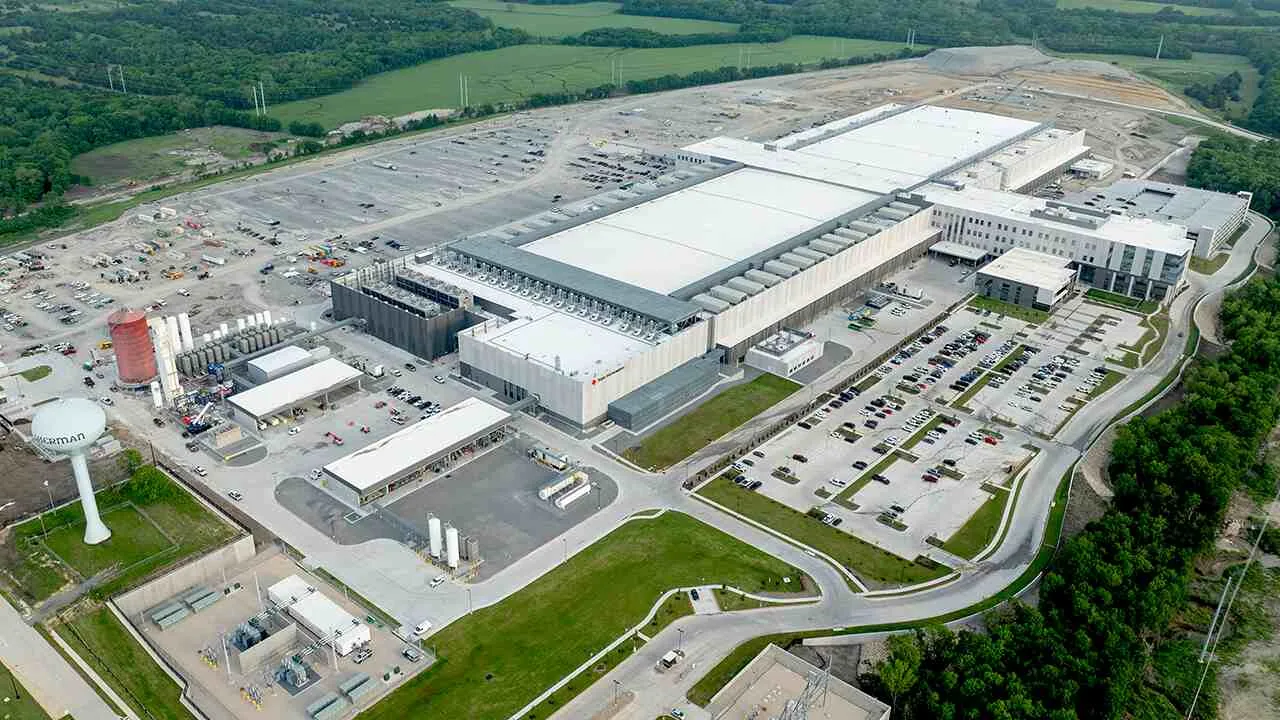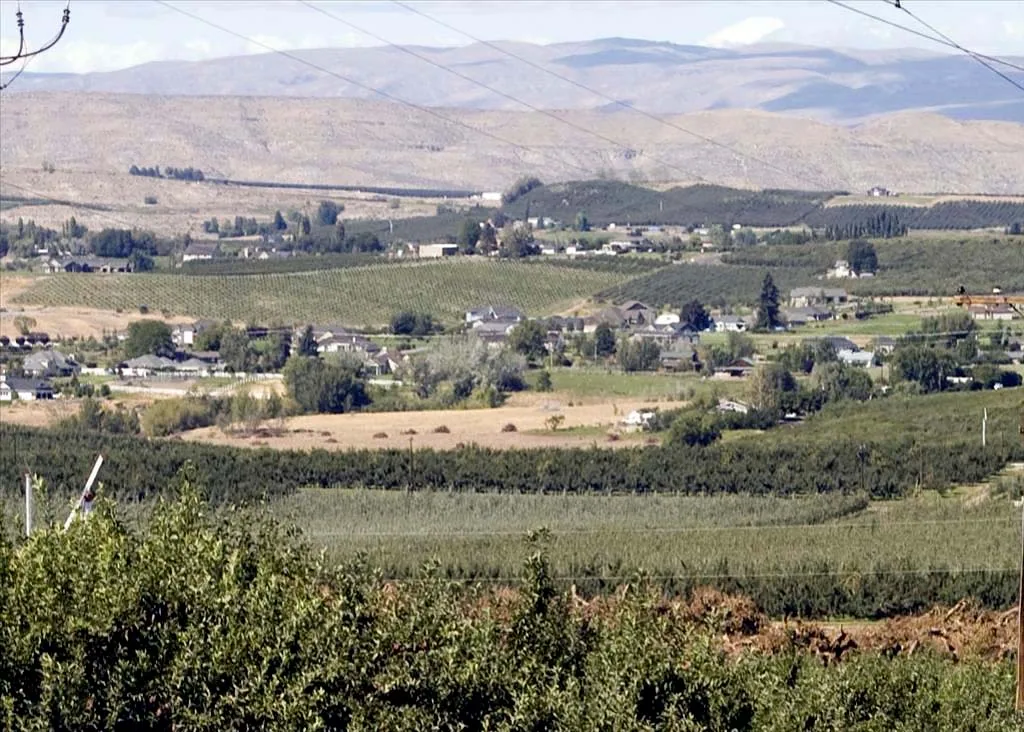
Juice processing and fruit warehousing set the roof work in Selah, and the first question dispatch asks on a call from a plant engineer here is what the line is running this week. Tree Top, an apple processing cooperative, has its headquarters and two processing plants in Selah, Sun-Rype owns and operates the former Hi-Country juice plant, and several fruit companies keep warehouses in town because of nearby Wenas Valley orchards and regional rail and road access. The buildings on those sites carry exhaust, steam and wash-down on top of Yakima, WA weather, which means December and January snow, hot afternoons and November gales.
Low-slope commercial roofs in Selah get repaired, recovered and replaced on harvest, packing and shutdown calendars. A building address, the roof age, the permit's design snow load and the dates when the line can pause let us plan the first visit.
Match the Roof to What Rises From the Plant
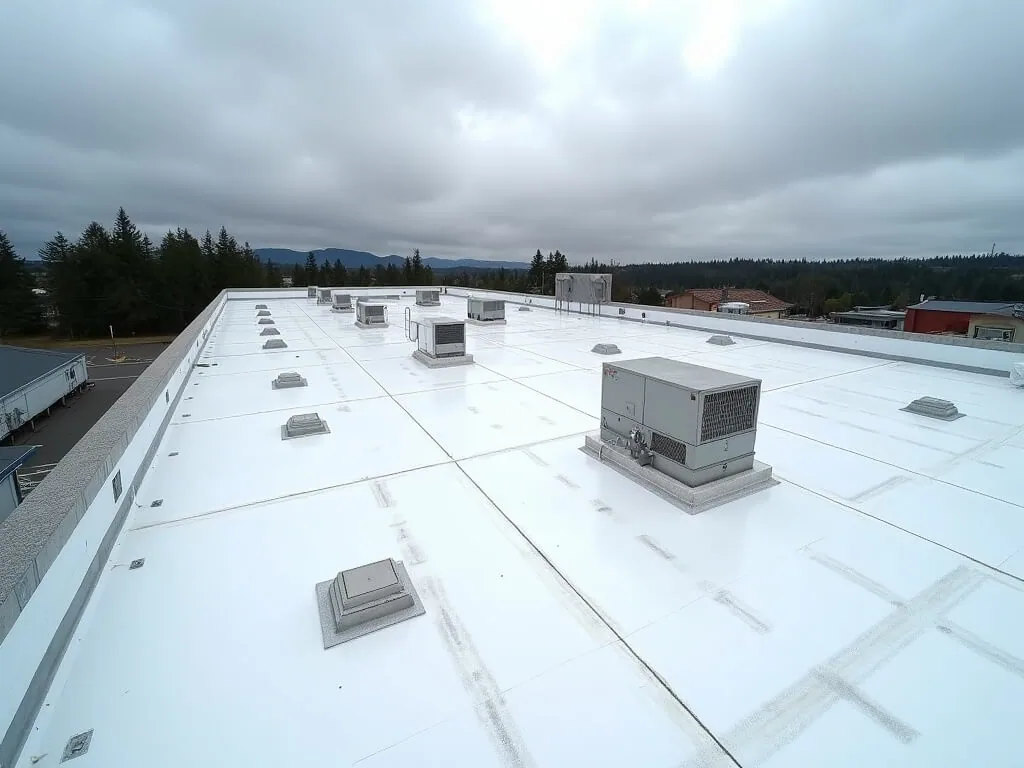
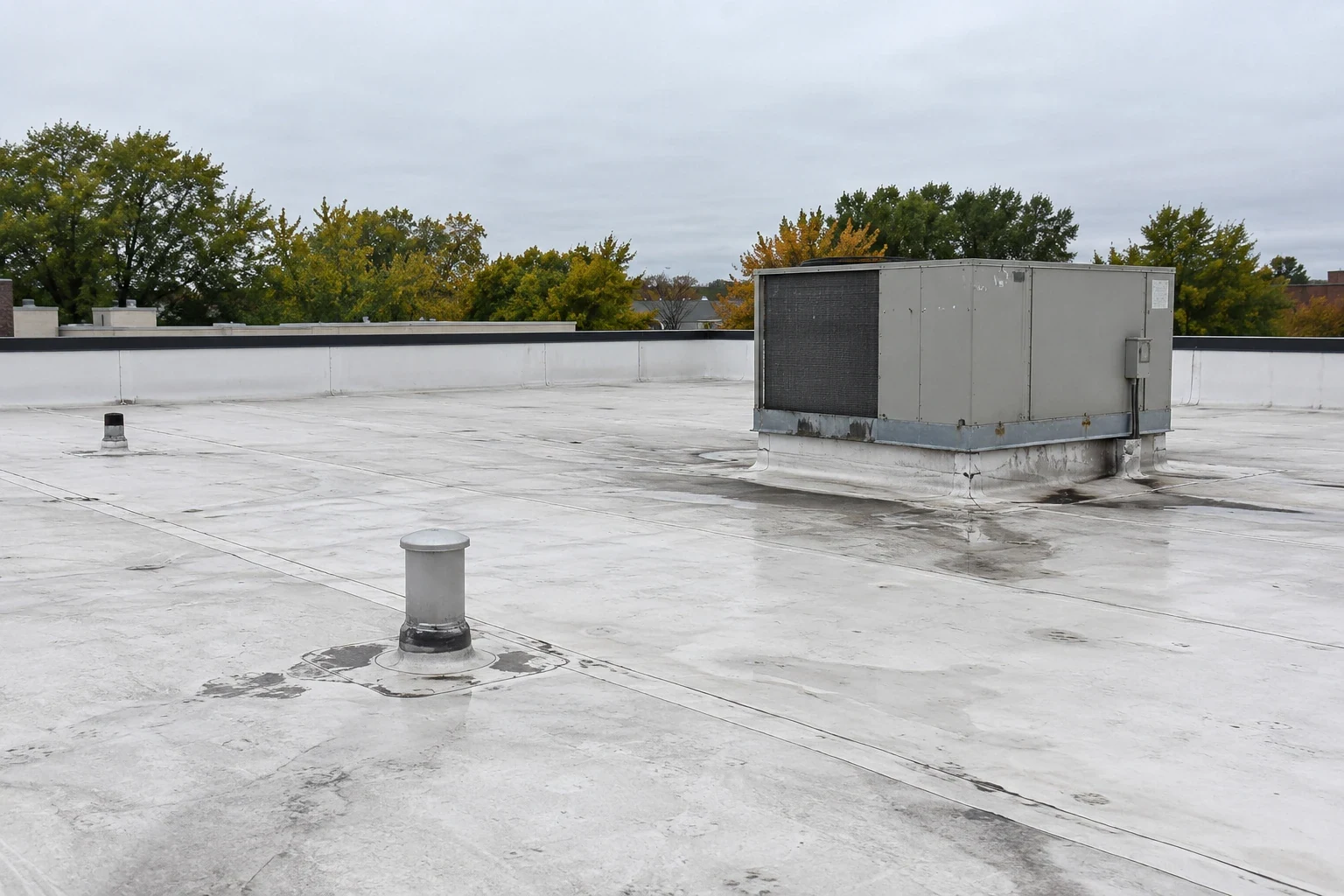
Processing buildings send steam, cooking vapor, cleaning chemicals and warm exhaust through the roof. Juice and beverage production generally involves hot water and wash-down, so on any processing roof we ask what vents where and how often, and whether the exhaust runs all week or only on certain shifts. We do not assume a given plant's roof type or condition. We walk it, list every stack and fan and match the membrane and flashing to the exposure.
Where steam or oils reach the surface, a chemical-resistant PVC membrane or a heat-stable KEE sheet outlasts a basic one. Where only weather matters, a lower-cost system works. We would rather spend where the exposure is than across the whole roof. The manufacturing plant checklist covers stacks, curbs, drains and the clearance around intakes. We also look at the wall flashings where a tall process bay meets a lower roof, since that step holds both snow and wash-down overspray, and at the sealant around every pipe that carries a hot fluid through the deck. Heat-aged sealant is the usual culprit, and it takes minutes to replace when found on a dry day.
Keep Fruit Warehouses Dry Through the Season
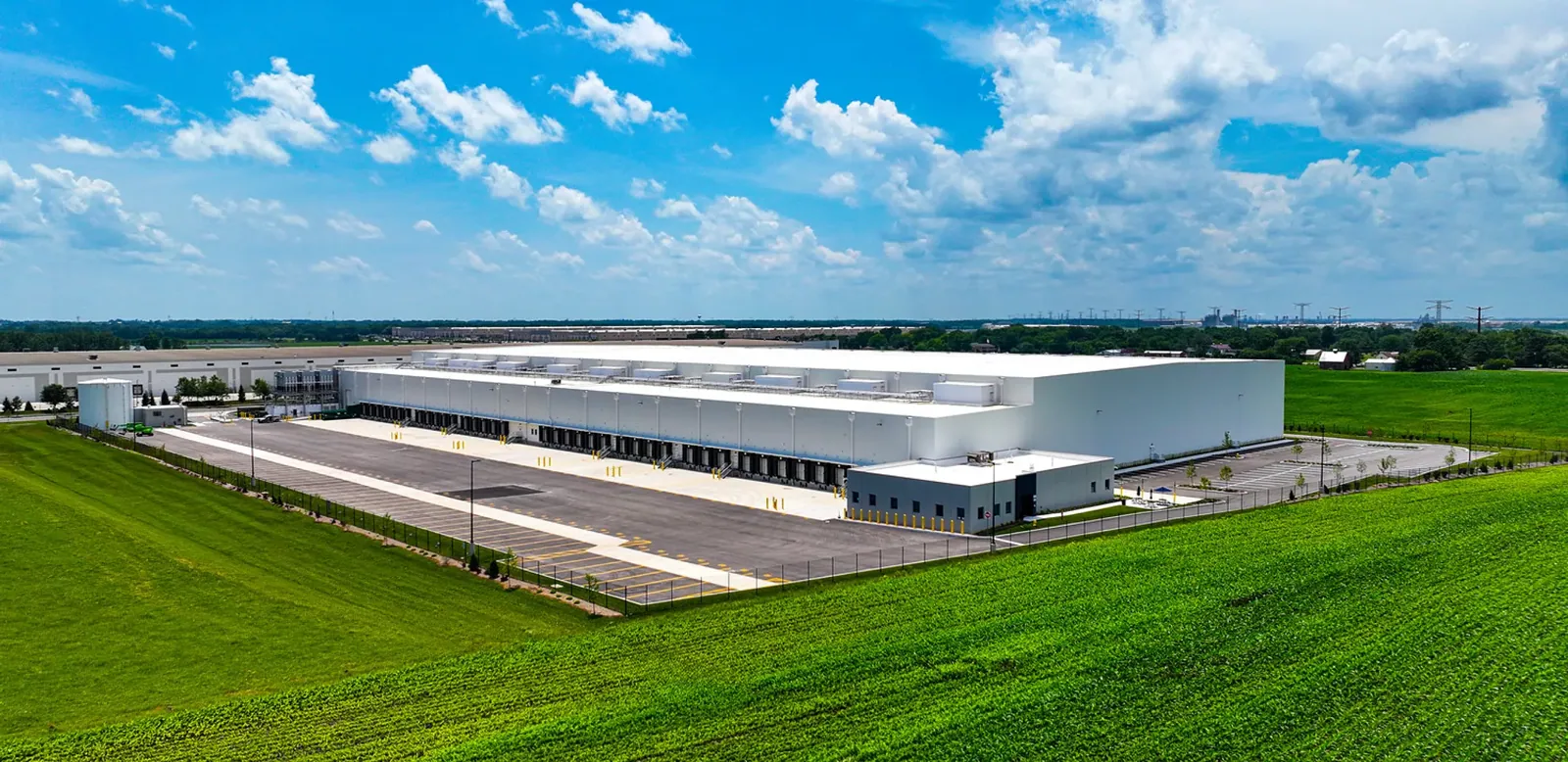
Fruit warehouses live by timing. Product arrives from the orchards, moves through packing and leaves on rail or truck, and a leak over stacked fruit or packaging costs more in a busy week than in a slow one. We schedule major roof work for the slow season, and for the harvest we keep temporary seal material and a crew on call. A dock canopy, a conveyor bridge or a loading door that opens onto the roof edge adds drainage details too, and we check that each of those has an outlet and a flashing that moves with the building. Water that runs off a canopy onto the main roof surface needs a splash pad, or the sheet wears through at that spot.
A cold storage roof carries extra concerns. Insulation and the vapor retarder keep moisture out of the assembly, and a pierced retarder lets ice form. Any new penetration is sealed on both sides. In winter, snow sits longer on a well-insulated roof, and in summer, afternoons above 90 F stress the seams. We inspect drains, flashings and edges before harvest, then again after the first snow. The before-harvest visit clears debris, probes seams and photographs every curb, so any change since the last visit stands out. The after-snow visit looks at ponds, ice at drains and any deflection in the ceiling below, and records the readings on the same sketch.
Secure the Edges Against Gales
A 52 mph gust at Vagabond Army Airfield near Selah in the late-November 2019 windstorm is the local reading, and gusts like that lift edge metal and pull at the first rows of fasteners. Perimeters and corners take the highest uplift under the county's design wind speed of 110.
After a wind event, we walk the ground around each building first, then the roof edges. Trim in the lot, flapping membrane and exposed insulation tell us where to start. A wind damage repair begins with tying down what is loose and closing the opening, so rain or snow does not follow. Permanent repair follows when the weather allows, and the record of what was tied down, which fasteners were replaced and what the sealant was becomes part of the building file, so the next gale starts from a known condition.
Check Drifts Where Buildings Meet
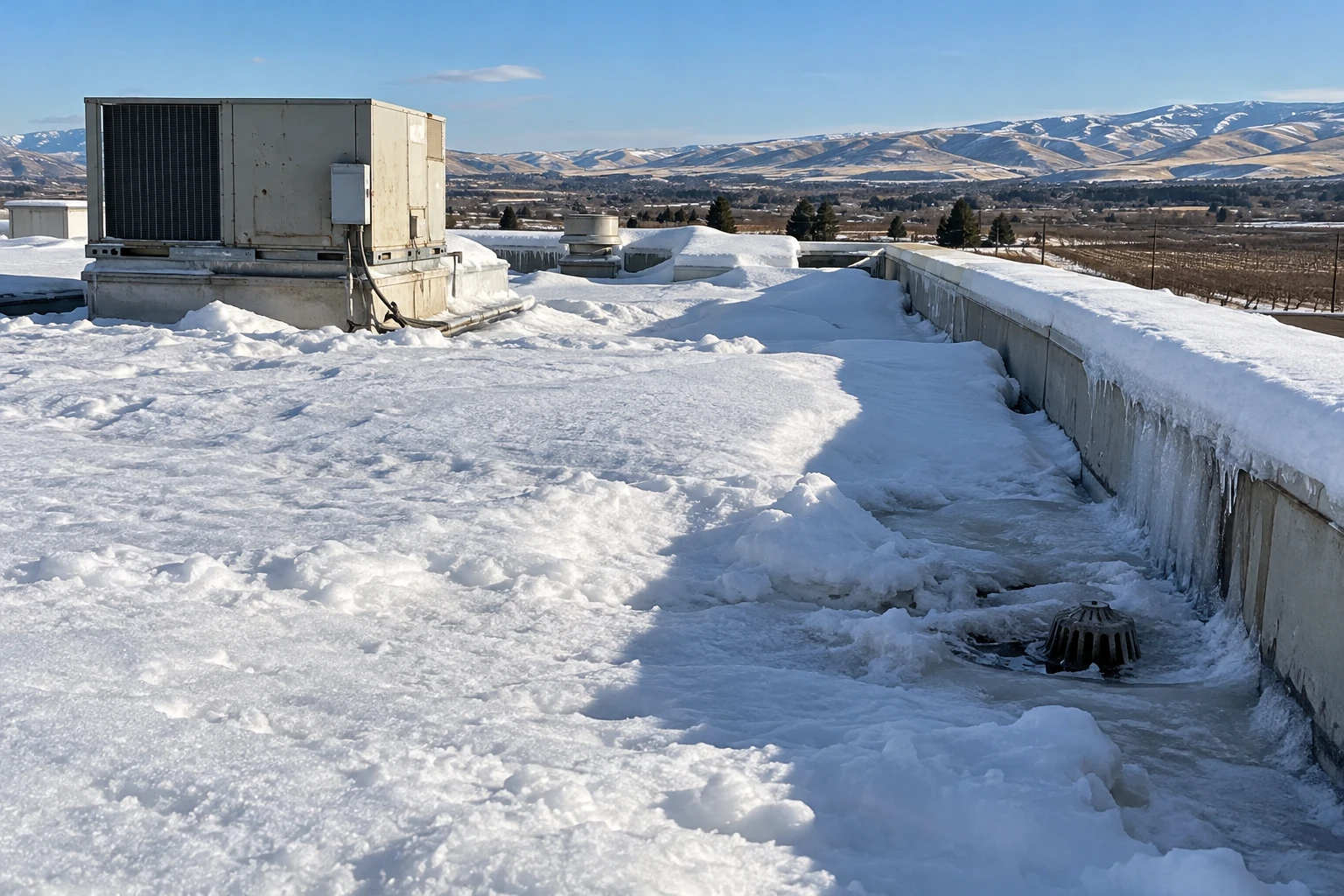
The design snow load of each parcel appears on its permit, and an engineer is required above 70 psf. Packing sheds, cold rooms and processing bays often join at different heights, and drifts pile at the steps. A South Third Avenue wall bulged under heavy snow in February 2019, and that Yakima building was red-tagged, a lesson that applies to a Selah shed too.
Plastic tools do the clearing and a protective layer stays on the roof. Before anyone climbs, we look at the ceiling for sags, cracks or doors that rub. Deflection under a drift is a reason to call the engineer first. Our snow and ice repairs start from the structure and move to the membrane.
Cover the Neighboring Communities
Selah sits beside other communities where agriculture drives the work. East Selah lies just east of town along the Yakima River, and Pomona sits just northeast of Selah, next to the juice processing plants. We cover all three with the same plan: a first walk, a written list and a schedule set by the line.
For owners with sites in more than one place, the condition report ranks every roof by risk and remaining life. A plant roof in Selah, a warehouse in Moxee and a retail box in Union Gap can sit in one table, so the budget follows the worst roof first.
Commercial Roofing Questions
Can a processing plant roof be replaced during harvest?
It is better to avoid harvest. Most plants have a slower season or a shutdown window, and tear-off and dust belong there. If a leak must be fixed during harvest, we apply a temporary seal and schedule the permanent repair for a quiet week. Tell us the calendar and we plan around it.
What membrane suits a roof with steam and wash-down vents?
A chemical-resistant thermoplastic such as PVC, or a heat-stable PVC alloy, is often the sound choice because it resists oils and cleaning agents. We inspect the vents first and ask what each carries. If only the area near the vents is affected, we can use the stronger sheet there.
How do we handle a leak above stacked product?
Move or cover what you can, place a tarp or catch and call us with the building and bay. We find the entry point from the roof, apply a temporary seal and schedule the permanent fix. Photos of the stain and the time help us trace the path.
Does wind in Selah matter more than in Yakima?
The 2019 gale reached 52 mph at Vagabond Army Airfield near Selah and 51 mph in Yakima, so the numbers are close. What matters is the exposure of each building and the condition of its edges. We check the perimeter after every storm and tighten what has loosened.
What records should a plant keep for its roofs?
The roof type and age, the permit drawings, the moisture surveys, repair photos and the list of vents and penetrations. We provide a roof sketch and a callback log after each visit. Those records speed up the next repair and support insurance and capital planning.