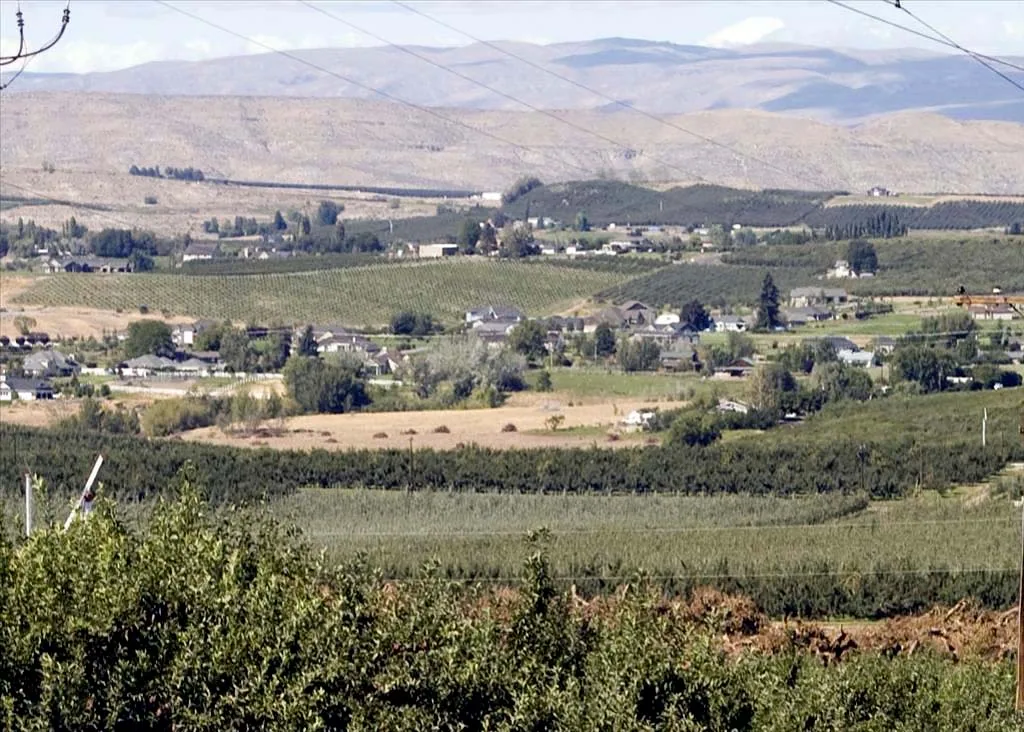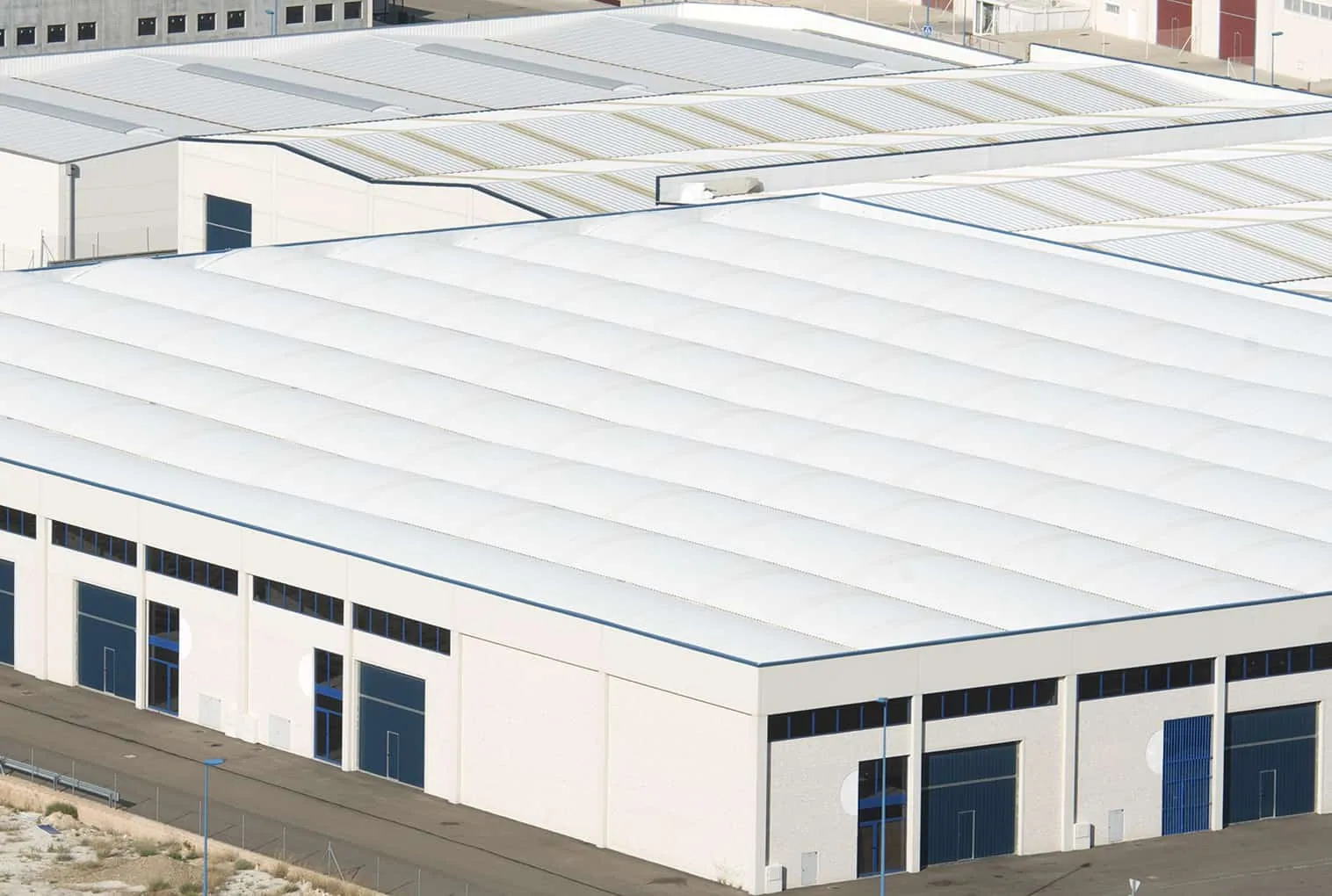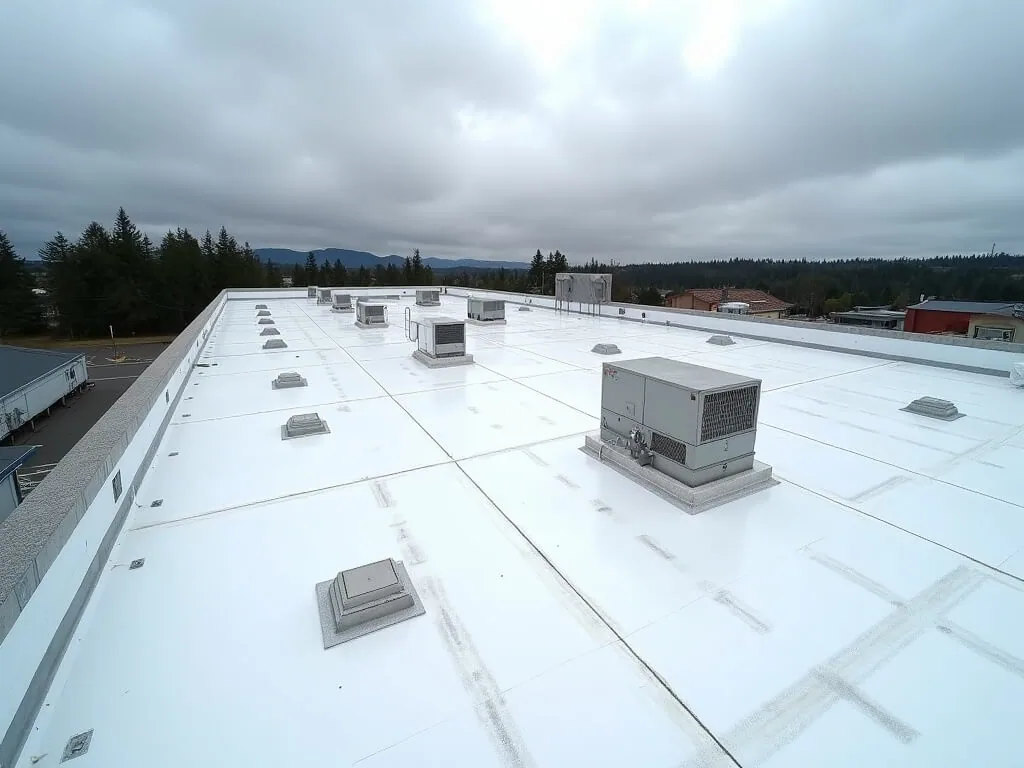
A plant engineer calls in late September because the roof over a fruit-processing line has turned slick and dark around the exhaust stacks, and the first thing dispatch asks is what comes out of those stacks. PVC membrane is the sheet we reach for when the answer is steam, oil, grease or cleaning chemicals. Its seams are fused with hot air into one continuous skin, and the material shrugs off the fats and solvents that soften many other single-ply sheets. In Yakima, WA, where fruit packing, cold storage and processing buildings make up much of the industrial stock, including the plants in Selah, that resistance is the reason the membrane earns its place.
PVC is not the answer for every roof. It costs more to buy than a basic white sheet, and it asks for careful flashing work around every penetration. We install it where exhaust, grease, ponding risk or a long service life justify the difference, and we tell you plainly when a TPO membrane will do the job at lower cost.
Match the Membrane to What Lands on It
Walk any processing roof and you find the same residue: a film of oil near kitchen or fryer exhaust, mineral crust under cooling-tower drift, condensate with cleaning agents in it. Plasticizer in a roofing sheet is what keeps it flexible, and some liquids pull it out. PVC formulations made for rooftop use resist most animal fats and vegetable oils, which is why restaurants, packing sheds and cannery-style buildings turn to them. We ask for a list of what vents onto the roof before we quote a sheet, and for the cleaning product used on equipment pads.
Fuel and strong solvent spills still cause damage, and a hot-air weld will not repair a sheet that has swollen. If a loading area drains toward a roof edge, tell us. We would rather add a splash curb or reroute a condensate line than patch the same stained corner every spring.
Weld the Laps and Probe Every Foot
PVC laps are joined by robotic hot-air welders, and the crew follows with hand tools at corners, pipes and curbs. A finished weld shows a small bead of melted sheet at the edge and a uniform, slightly glossy band. We probe the lap edge along its whole length after the weld cools, mark any gap, and re-weld before the next section goes down. At every inside corner we fit a preformed boot instead of hand-cutting a patch, because corners take the most movement.
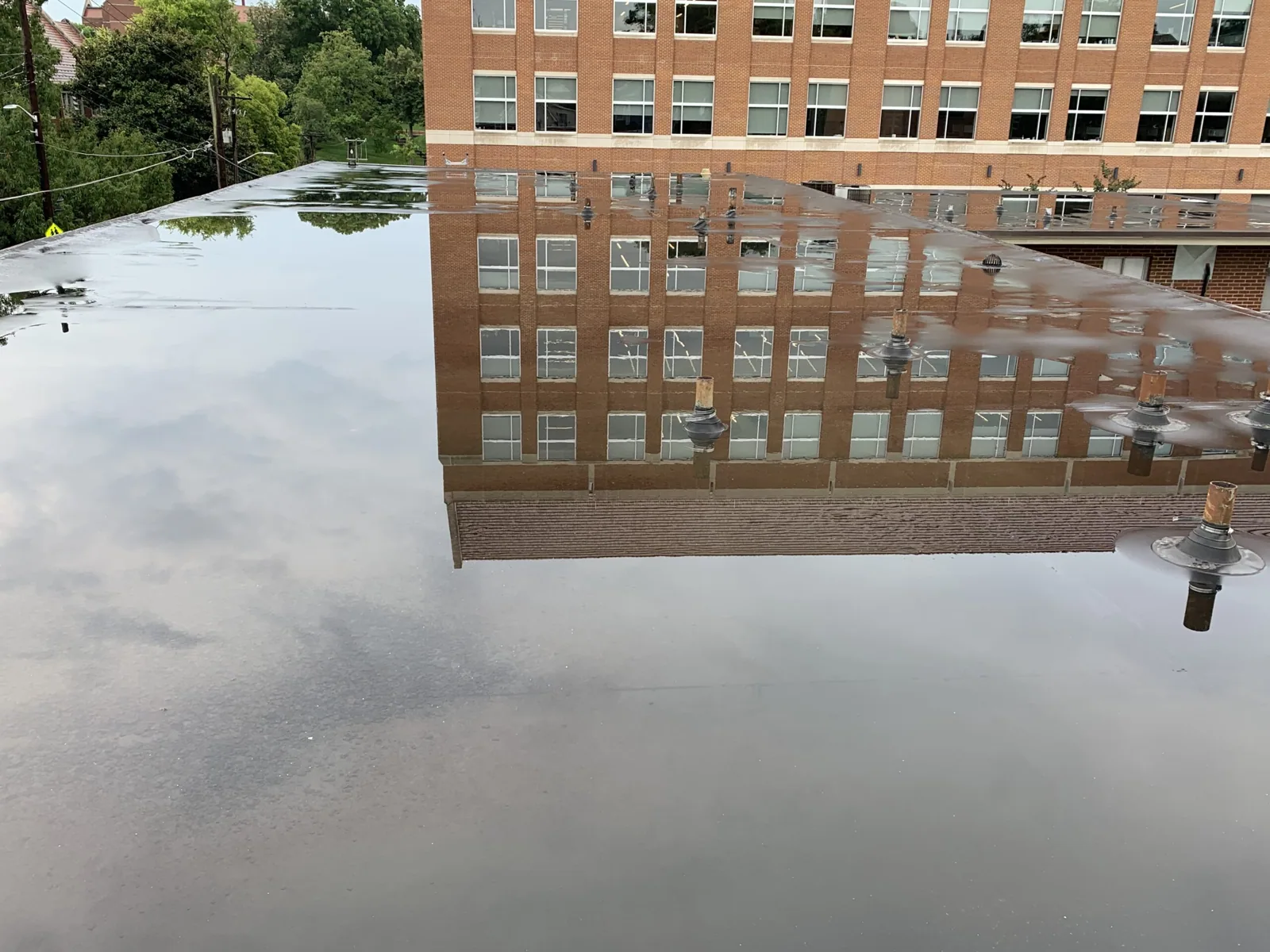
The same fusing is why PVC is popular for roofs that hold water. Where a flat roof ponds after snowmelt, a welded seam keeps water out when a lapped or taped joint might not. Ponding still needs a drainage fix, and our ponding water repairs usually start with tapered insulation or a new drain sump, since standing water carries dirt that eventually wears at a lap edge.
Account for 90 F Afternoons and Minus 25 F Nights
Yakima has logged about 40 afternoons a year at or above 90 F, a 113 F record from June 29, 2021, and a low of minus 25 F. PVC stiffens in deep cold and softens in heat, and a sheet fastened too tightly pulls at the edge metal as the temperature drops. We leave slack at wall transitions and use reinforced fastening plates in the field so the sheet can move without tearing the deck connection.
Wind is the third test, and the county's design wind speed is 110. The perimeter of the roof sees the strongest uplift, so we add fastening rows at the edge and corners and check the coping or edge metal for a gust-lifted gap before we leave. A loose metal lip lets wind get under the sheet, and a sheet that flutters will work its fasteners loose in a season.
Clear Snow Without Cutting the Sheet
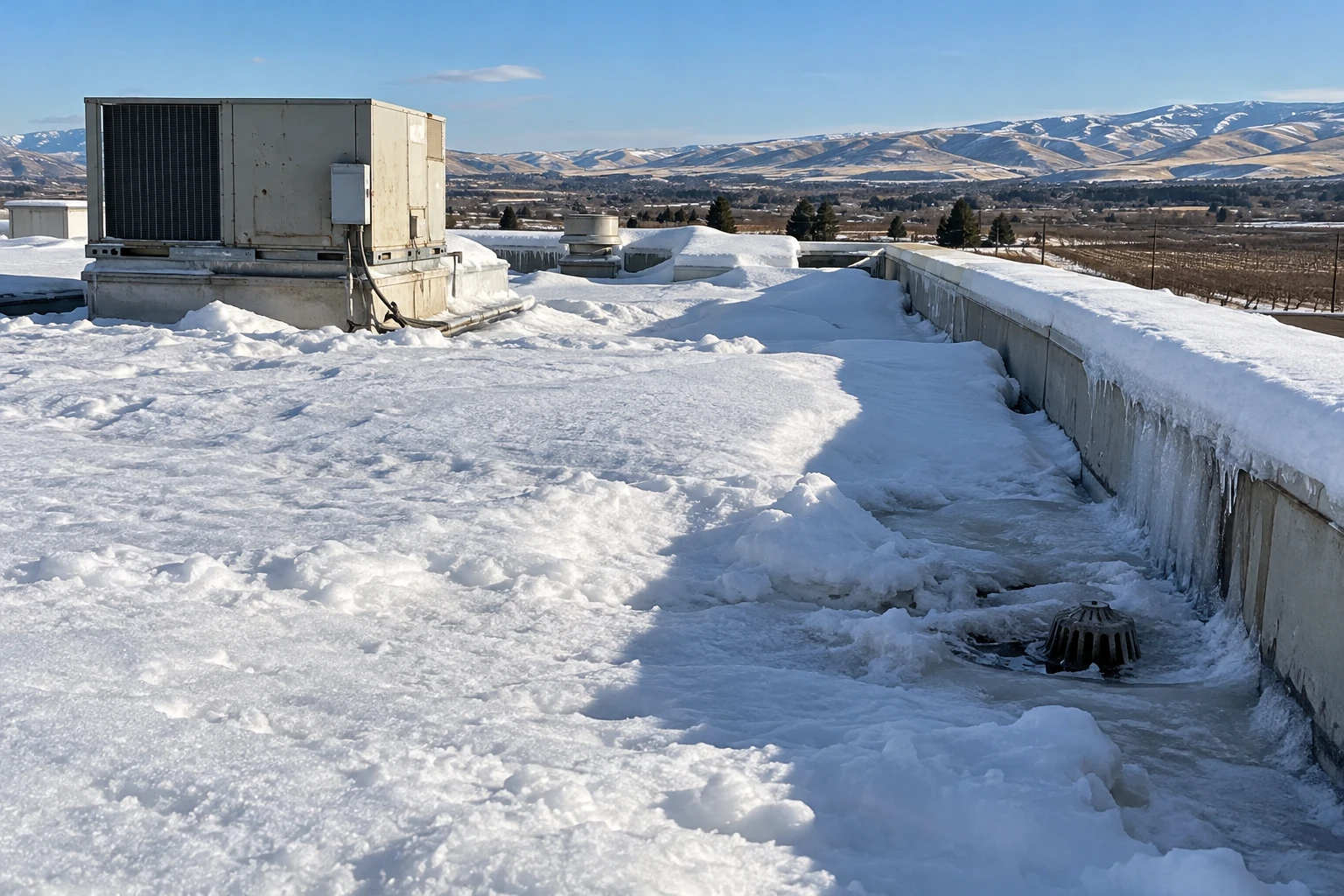
Heavy snow collects against any parapet or taller wall, and the design load behind it is set parcel by parcel. PVC is slippery when frosted, so crews working on it need traction aids, and a steel blade will gouge it.
Clear with plastic tools, leave a protective snow layer and keep people off the field until the sheet is dry. A roof with rooftop air handlers, such as many medical office buildings, sends technicians up in all weather, so we add walk pads and mark the route so nobody cuts across a drift. Snow that slides and packs against equipment is the main concern after snow and ice damage.
Sequence the Install Around Air Intakes
PVC welding gives off little odor, but adhesives used at some flashings do, and a hospital air intake or a cold-room fan can draw that smell inside. Before the first roll goes down we locate every intake and exhaust on the roof, and we tell the facility team which days we will be working near them. In a food building we can arrange the work so that open product areas and packing-line shutdown windows line up with the noisier tear-off steps.
For a medical building, the schedule includes quiet hours around patient areas, and our hospital roofing plan covers infection-control barriers at the roof hatch. We keep a callback log for each building, so a later visit starts from what was installed and where.
Commercial Roofing Questions
Our kitchen exhaust grease keeps staining the roof. Is PVC worth the extra cost?
If grease reaches the surface regularly, PVC is the sensible choice because the sheet resists the fats that soften many alternatives. The added cost is paid back in fewer failed seams around the exhaust. We also recommend a grease trap on the fan and a scheduled cleaning of the nearby roof area, since heavy buildup holds dirt and shortens the sheet's life even when the material is compatible.
How does PVC differ from TPO for a Union Gap retail roof?
Both are fused single-ply sheets, and both reflect sun. PVC handles grease, oils and standing water better and generally costs more. TPO is less expensive and performs well on dry rooftops with few chemicals. For a store that has a food court exhaust or a loading area over the roof, PVC is the safer choice. For a plain warehouse roof with minimal vents, TPO is usually the economical one.
Can a PVC roof be recovered over an older membrane at our Selah plant?
A recover is possible if the old roof is dry and flat, the deck is sound and the added weight stays within the design snow load. A moisture scan confirms dryness first. Some old membranes, including aged modified bitumen, react badly with PVC, so we install a separation layer or cover board between them. If the existing roof is wet or the insulation is compressed, we tear off and start over.
What happens to PVC when a hop or fruit building is steam-cleaned nearby?
Steam and cleaning runoff can pool on a roof near vents and drip across edge metal. PVC tolerates mild detergents but not strong solvents, so tell us which cleaners are used and where the rinse goes. We protect the surface with a drainage path to a scupper and keep the wash water off roof seams.
Do I need to remove snow from a PVC roof before a thaw?
Remove only the drift piles that exceed the design load or that block a drain, and do it with plastic tools. Melting snow flowing to a clogged drain will pond on the sheet and strain seams. If the drifts stand against a parapet and you cannot judge the load, call us before anyone goes up.