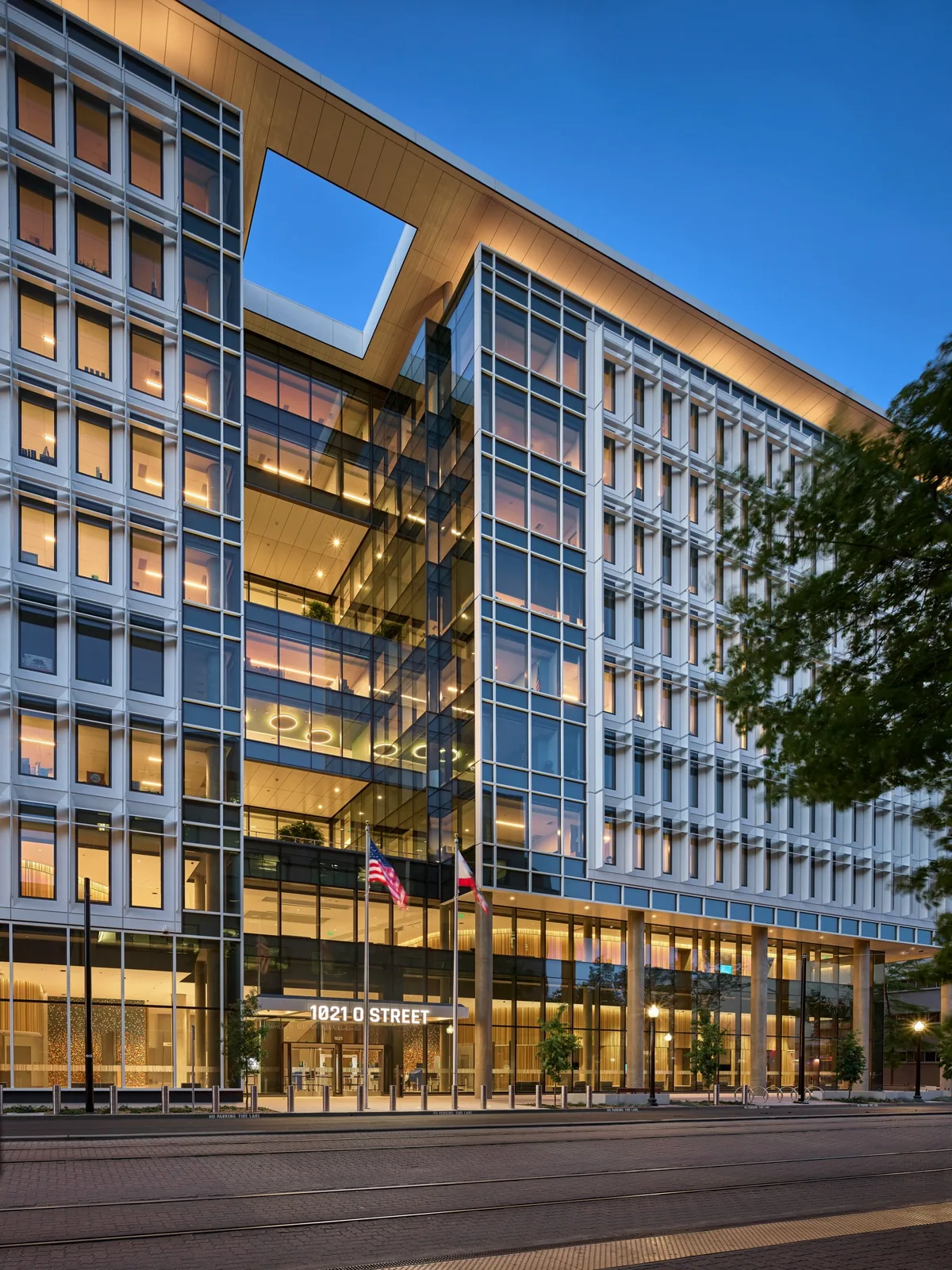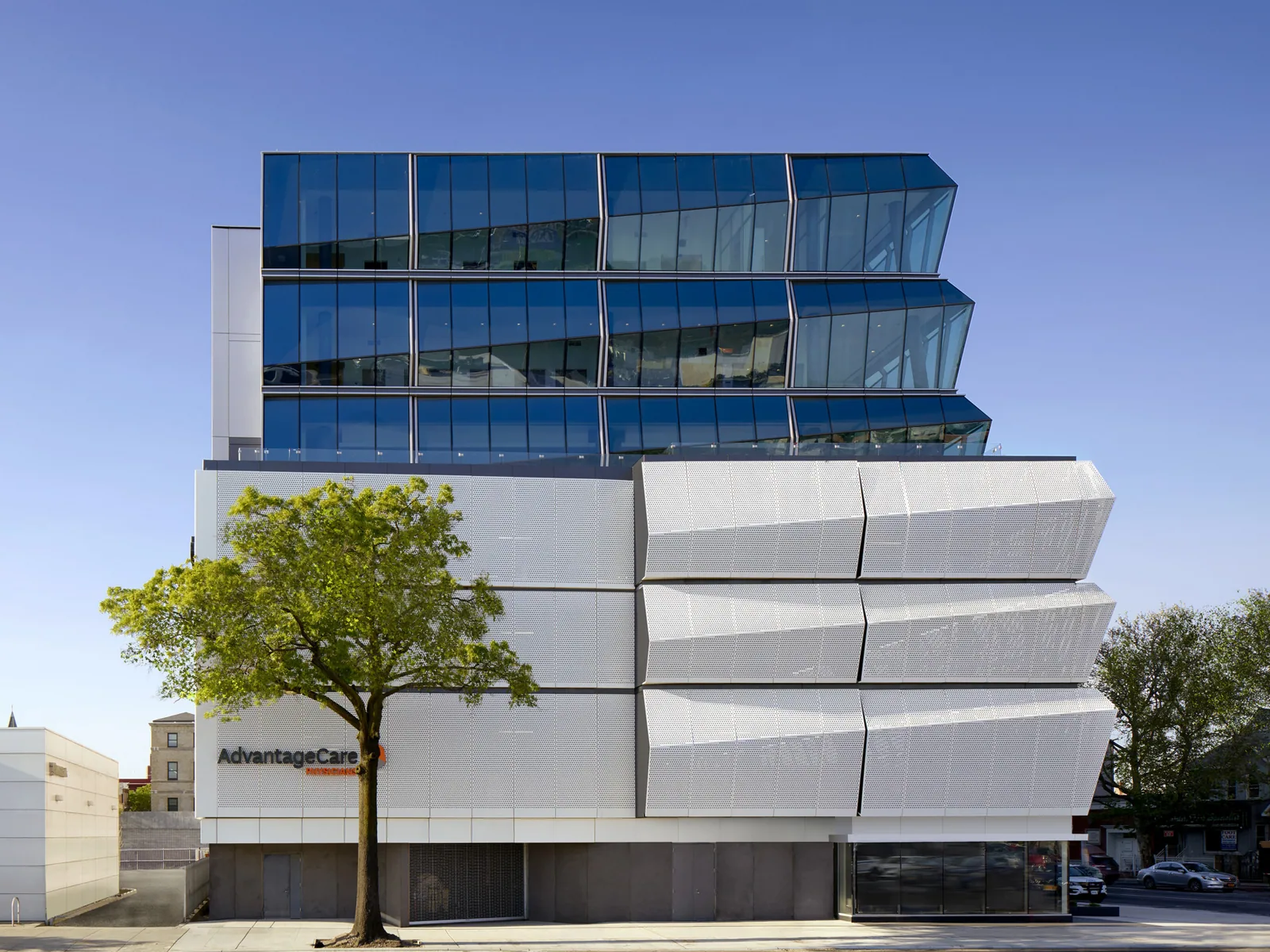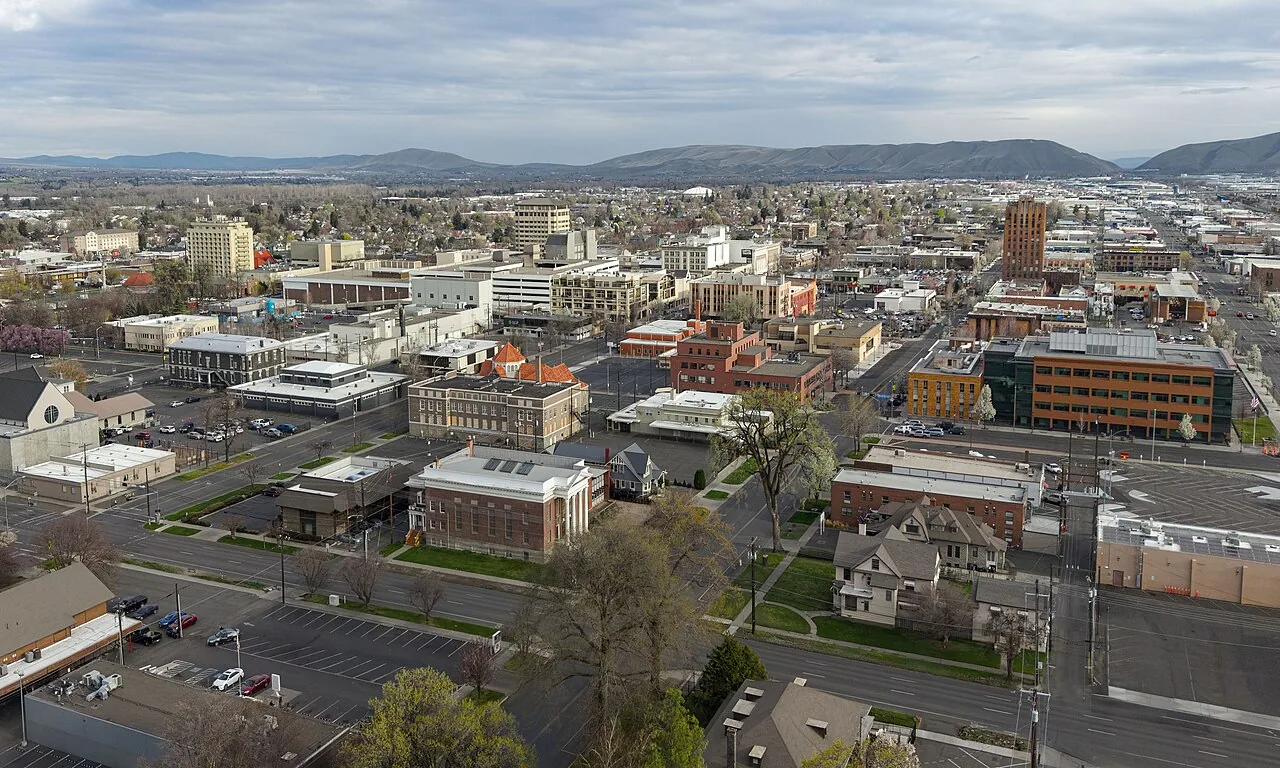
Newer commercial roofs are the work in Terrace Heights, and a call from a building owner here can start with a short roof history: put on within the last few years, one tenant improvement since, and now a stain near the new rooftop unit. Dispatch asks who set the unit and whether anyone rebuilt the curb. Terrace Heights is a census-designated place of about 8.2 square miles that is essentially a suburb of Yakima, WA, and its population rose by roughly a third in a decade, so newer commercial and residential roofing is growing there.
Low-slope commercial roofs in Terrace Heights get repaired, inspected and maintained by our crews, and replaced when the time comes. The building address, the roof's age, its permit snow load and any warranty paperwork are all we need before we walk the roof, probe the seams and send a written list of what to fix first.
Inspect a Young Roof Before Small Defects Settle In
A young roof fails differently from an old one. Seams that were welded too cold, a flashing left unfinished by a trade who moved on, a drain set a quarter inch too high: these defects show up in the first few seasons. The sooner they are found, the cheaper the repair and the clearer the record of when they appeared. A drain set too high is a good example: the roof looks fine on a dry day, and the first thaw leaves a pond that sits for a week. A measurement with a level in the first year turns that from a mystery into a punch-list item.
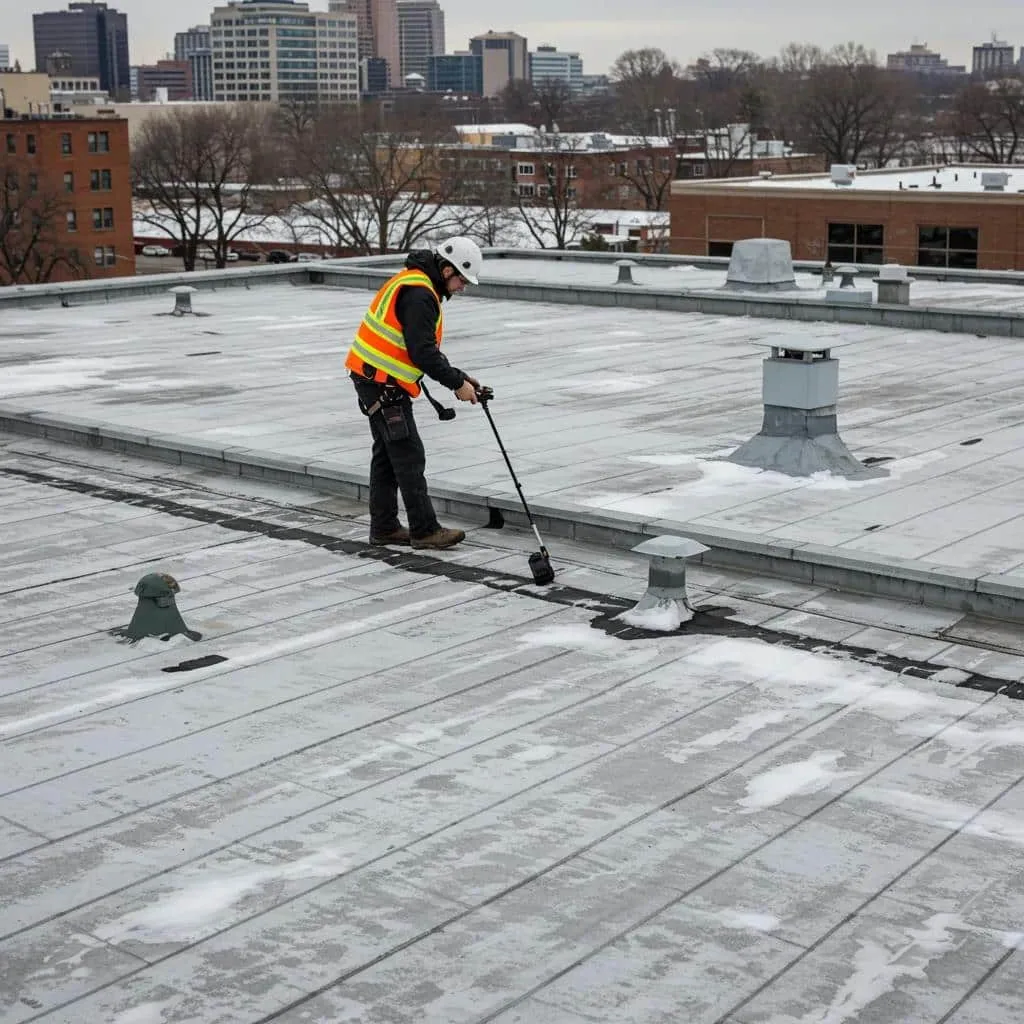
We recommend a first-year walk after the roof has seen a full cycle of heat and cold. We probe seams, check flashings, photograph every penetration and measure ponds. The report becomes a baseline. If a warranty applies, the documentation is already in hand, and if a defect needs to go back to the installer, you have the evidence. We write the findings in plain terms, with photos tied to a roof sketch, so a lawyer, an insurer or a lender can follow them without a site visit. We do not interpret warranty terms; we record what is on the roof and leave the reading of the paperwork to the owner. A roof condition report gives the owner a clean starting point.
Control Changes After the Tenant Moves In
New buildings change quickly. A tenant adds an air handler, another runs a vent line, a third mounts a sign bracket. Each addition penetrates the roof, and each penetration is a chance for a leak. The worst version is a trade cutting an opening and leaving it with sealant alone.
We recommend a simple rule: any roof penetration is reported to the owner before it is made, and the flashing is installed by a roofer. We rebuild curbs that do not match new equipment, seal conduit penetrations with proper boots and log every addition. A log entry lists the date, the trade, the location and the flashing used, with a photo. After a few tenants have come and gone, that log is the only reliable map of what has been cut through the roof, and it shortens every later leak search. A office building roof and a medical office roof both benefit from this discipline, because tenant improvements are frequent.
Plan for the Gusts That Reached 52 mph
The National Weather Service recorded a 52 mph gust at Terrace Heights during the late-November 2019 windstorm. Newer roofs are designed for wind, but the perimeter is where design meets installation. Edge metal fastening, perimeter adhesive and the first rows of fasteners all decide whether a gust finds a way under the sheet.
After a storm, we walk the ground first and then the edges. A lifted coping, a flapping corner or exposed insulation gets tied down the same day. A roof that meets the county's design wind speed of 110 on paper still needs its metal checked after every event. Our edge metal and coping work includes replacing cleats and resealing laps.
Check Snow Load on Recent Additions
A building that has grown by additions can have a new roof meeting an older one at a step, and drifts build deep there. Engineering is required once a parcel's design load passes 70 psf, and a bulging wall got a South Third Avenue building red-tagged in February 2019.
Snow comes off with plastic tools while a protective layer stays down. A new rooftop unit adds weight and a drift zone on its leeward side. We ask for the permit load and the equipment weight before anyone adds a unit. If a ceiling inside shows sags or doors stick, call us before clearing, because the structure may need an engineer first. On any low-slope building, deflection shows up in ceilings and sprinkler lines before it shows on the roof. We photograph those lines on the first visit so any change is easy to see.
Set a Maintenance Calendar From the Start
A new roof benefits from a light, regular schedule: spring and fall walks, a drain clearing after leaf fall and a visit after any major storm. Each visit costs little and keeps small items from growing. The log shows trends, such as a flashing that opens each thaw or a drain that backs up.
Owners near Downtown Yakima or out toward Moxee use the same calendar. A TPO roof asks for seam probing and flashing checks, and the preventive maintenance visit covers both, with walk pads checked where equipment is serviced.
If a tenant improvement permit touches the roof, forward it to us the same week. A one-line email naming the unit, the curb size and the lift date is enough for us to schedule the flashing before the mechanical contractor arrives.
Commercial Roofing Questions
Should a roof less than five years old be inspected?
Yes, once after the first full year and again on a regular calendar. Young roofs show installation defects early, and a report from the first year gives you evidence if a warranty or installer is involved. We probe seams, check flashings and photograph penetrations.
Who should flash a new rooftop unit?
A roofer, before the unit is set. The curb needs a flashing that matches the sheet and moves with heat. Mechanical contractors set units, but a leak at the curb is a roof problem. We coordinate with your mechanical contractor so the flashing and the lift happen in order.
What does a baseline roof report include?
The roof type and age, a sketch with all penetrations, photos of seams and flashings, moisture findings if needed and a list of items to correct. It is the record against which all later inspections are compared. Keep it with your lease and warranty files.
How do wind gusts affect a newer roof?
Newer roofs are built for the design wind speed of 110 in Yakima County, but edges and corners still carry the most uplift. A gust at Terrace Heights reached 52 mph in November 2019. We check edge metal and perimeter fastening after each storm, since a small defect becomes a tear in the next gust.
Can we add solar panels or new equipment to a newer roof?
Often yes, if the structure and the roof system allow. The supports are flashed once, and the added weight is checked against the permit load. We coordinate with your electrician and the mechanical contractor so penetrations are made in order and sealed correctly.