A property manager calls in October with a short request: tell me what this roof will do under snow. Our first question back is not about leaks. It is about the building's design load, because a roof that has never leaked can still be one heavy December from trouble. A commercial inspection in Yakima, WA is a hands-on look at the membrane, the flashings, the drains and the structure, done before winter loads the deck or before summer heat finds the weak seam. You get findings you can budget against, with photographs and locations, not an opinion that the roof looks fine from the ladder.
Cover the Whole Roof on Foot
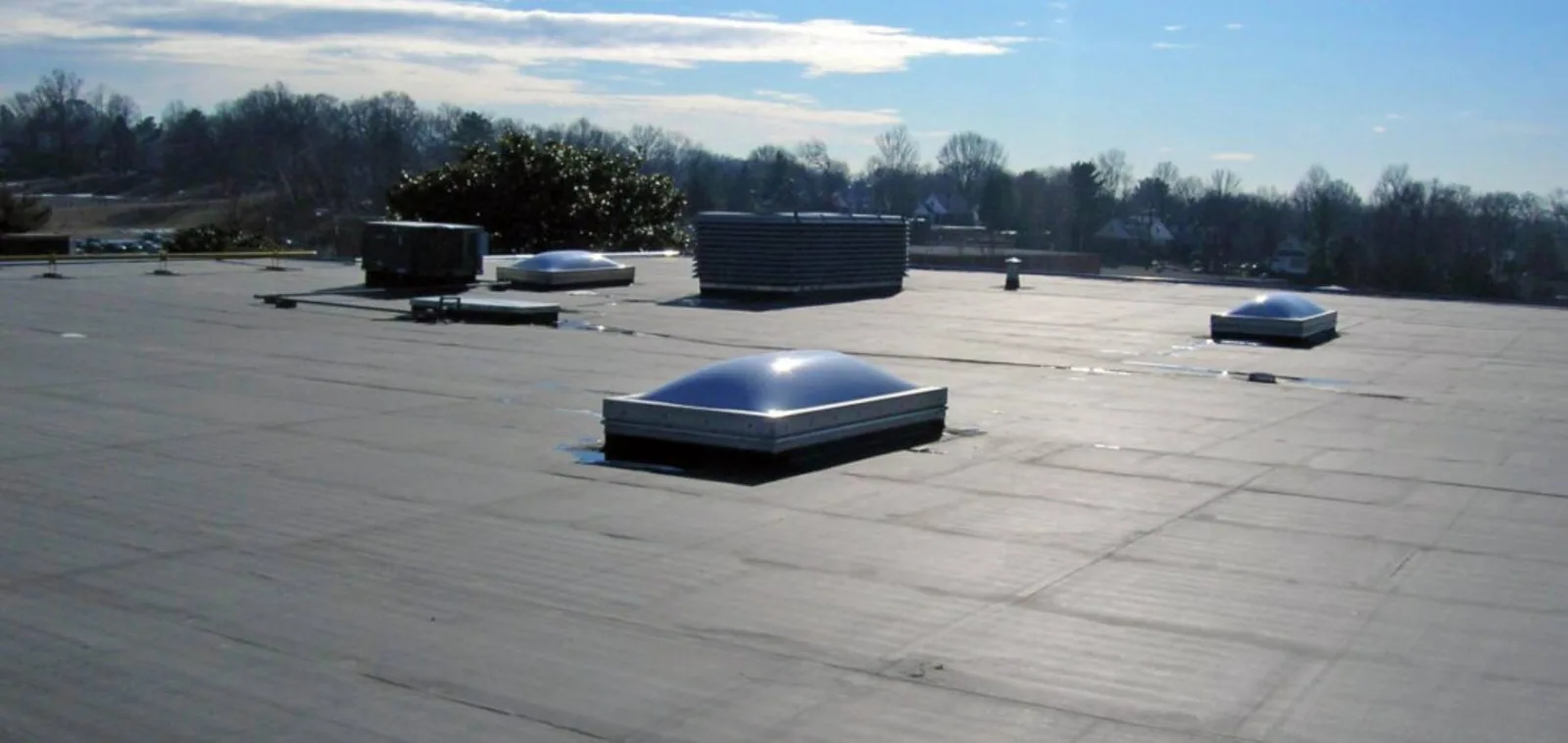
We walk the roof in a grid, in sections, so no corner is skipped. In every section we press on the membrane to find soft spots, look for ridges, blisters and splits, probe seams with a flat tool, and mark anything that sounds hollow. We photograph each finding with a number and a location on the roof plan, so a finding can be located again by someone who was not there.
Walking a roof also shows where foot traffic has worn the surface. A path from the access hatch to the rooftop units usually shows scuffs and cracks that other inspections miss, and the path itself tells us where a walkway pad would protect the membrane. Anyone who services equipment on the roof leaves a trail, and we read it.
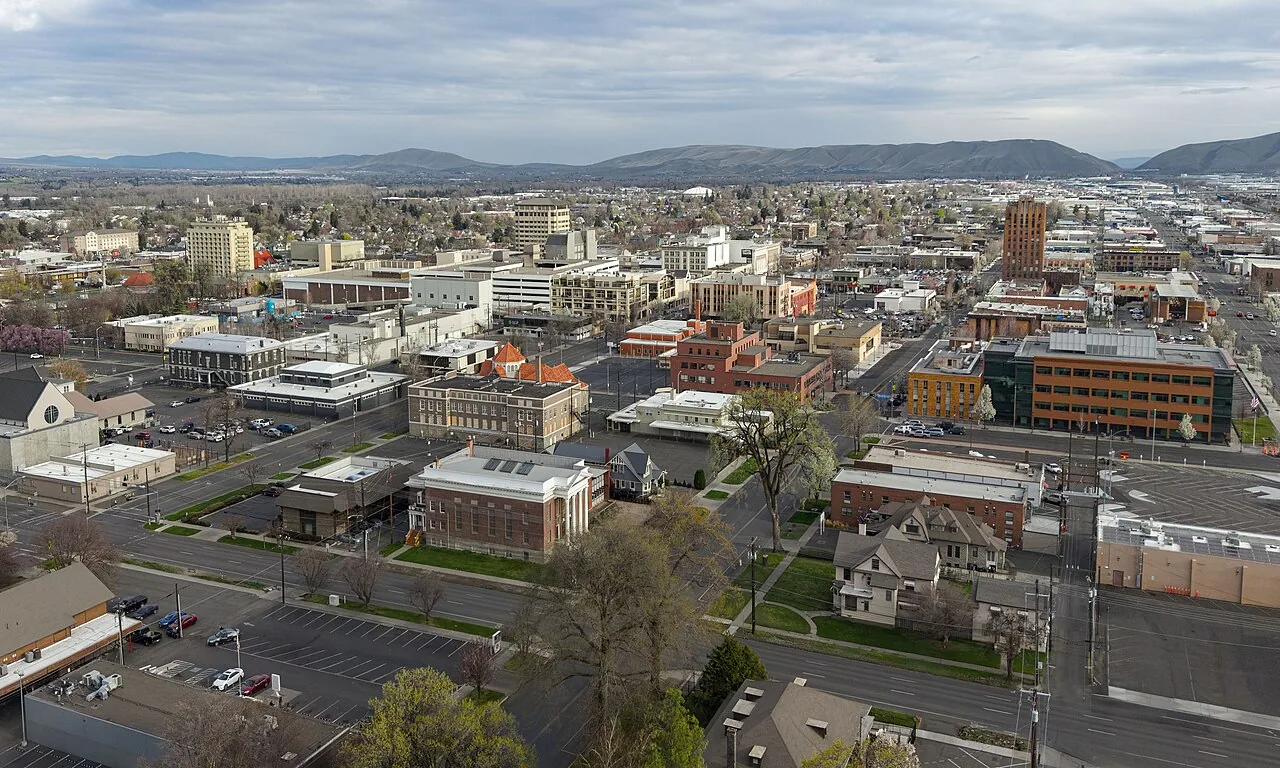
Buildings around downtown Yakima, where Front Street, Yakima Avenue and 1st Street meet, get the same grid with extra attention to parapet copings and roof-to-wall joints, the details that move first on a flat roof. Retail roofs near Valley Mall in Union Gap get a wider grid and a close look at the long runs of seam between the units.
Measure Where Snow Piles and Where the Deck Gives
Yakima gets about 21.6 inches of snow a year, mostly in December and January, and the county lists design snow load as parcel specific, from 20 psf to well over 200 psf. Averages do not matter on a flat roof. Drifts do. Snow collects against parapets, penthouses and the step where a lower packing shed meets a taller cold room, and those spots carry more weight than the field. We locate every such drift zone, look at the deck below for deflection, ponding or rusted fasteners, and tell you where the structure needs a closer look from an engineer.
The February 2019 red-tag of a South Third Avenue commercial building during heavy snow is a reminder that structural questions are real in this valley. An inspection does not replace an engineer, but it can tell you when to call one.
Read the Seams Against the Day-Night Swing
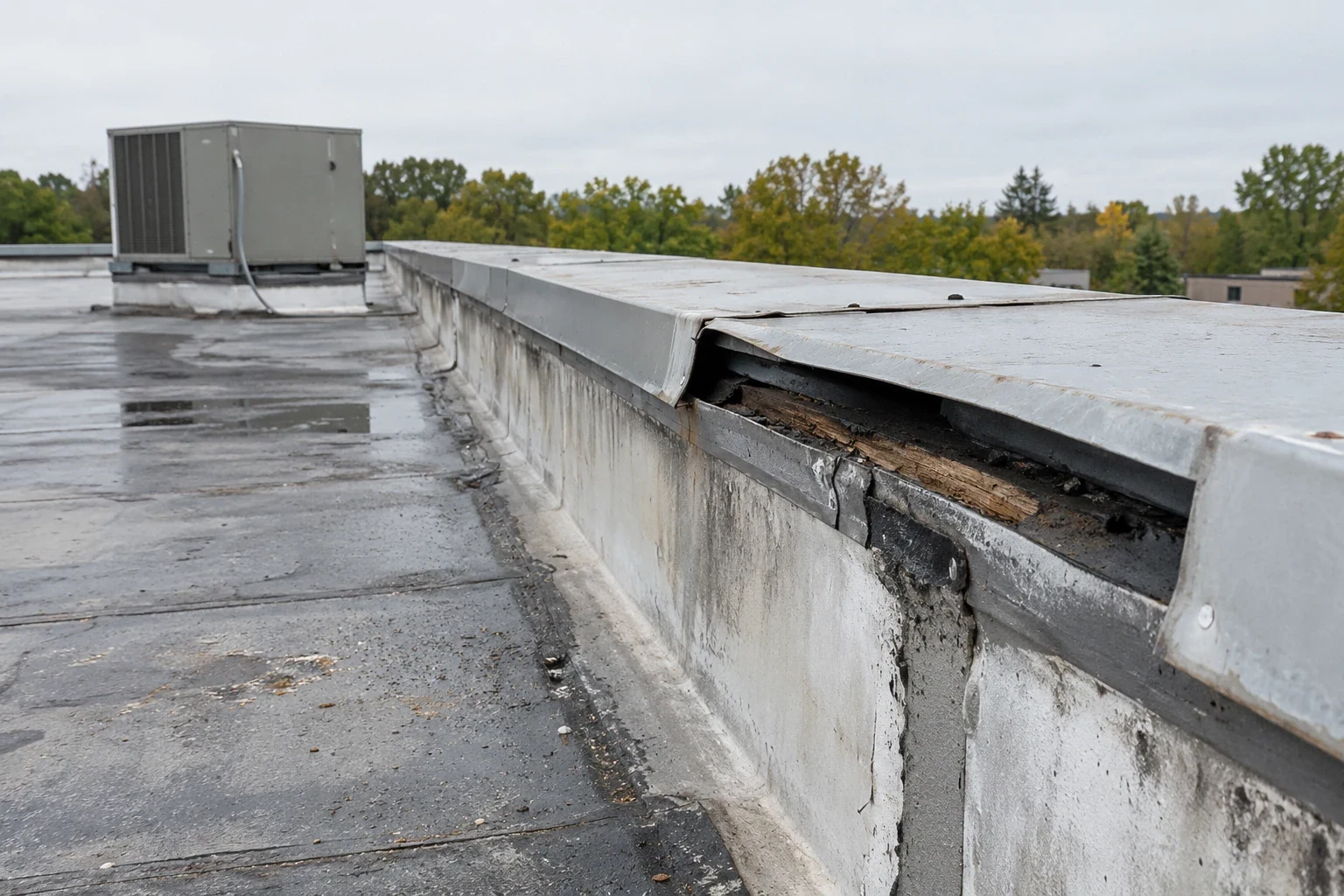
Yakima has about 40 afternoons a year at or above 90 F, a June 2021 record of 113 F, and a record low of minus 25 F. Seams and flashings sit on the front line of that range. During the inspection we check welded or adhered seams for fishmouths, pinholes and lifting, examine sealant at curbs and counterflashing for cracking and shrinkage, and probe the base flashing at walls where the membrane has pulled back. A flashing that has moved a quarter inch since last year is the early sign of the flashing failure that becomes a leak the following winter.
Check Drains, Edges and Equipment Curbs
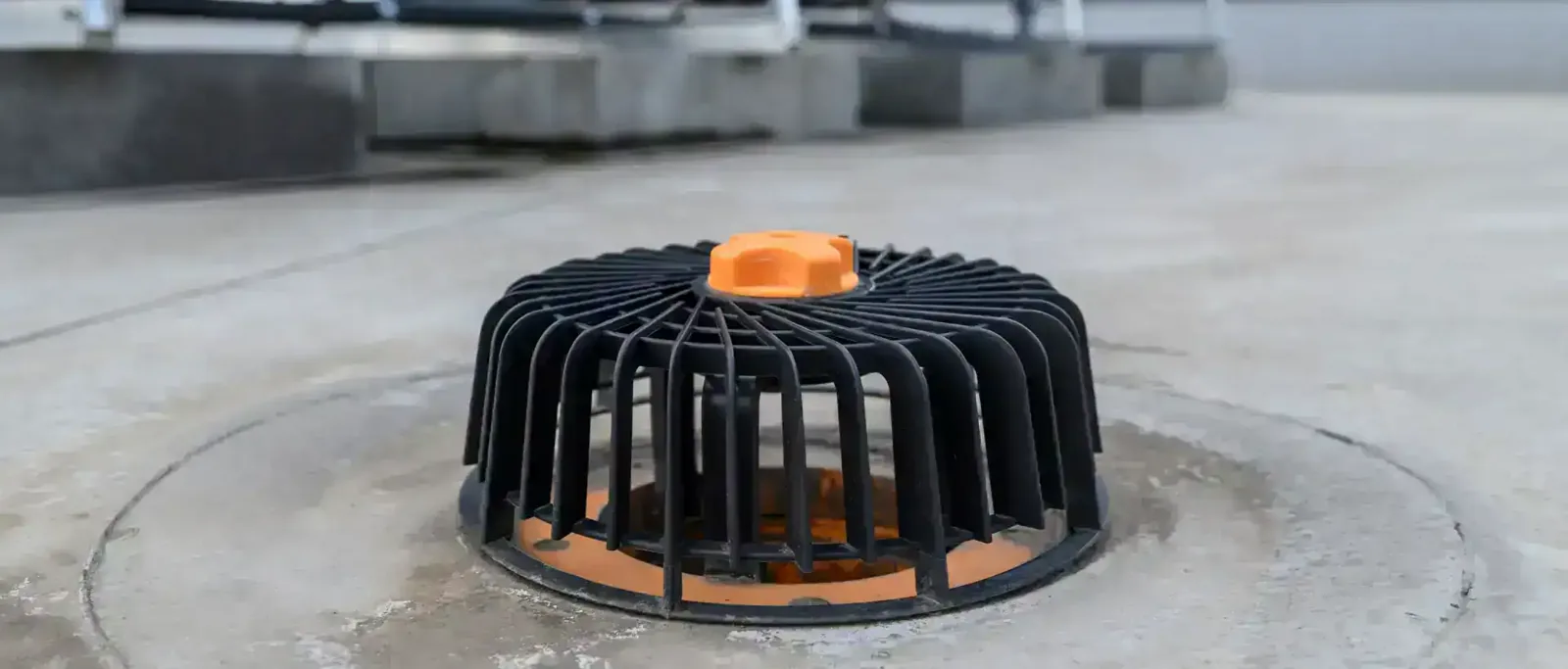
Water leaves a flat roof only if the drainage works, so we clear debris from the drains and scuppers, check strainers, look for ponding that remains 48 hours after rain or melt, and note drain sumps that sit higher than the surrounding membrane. We check the edge metal for loose fasteners and gaps, since the late-November 2019 windstorm gusted to 51 mph in Yakima and 53 mph in Sunnyside, and a loose edge is the first thing a gale finds.
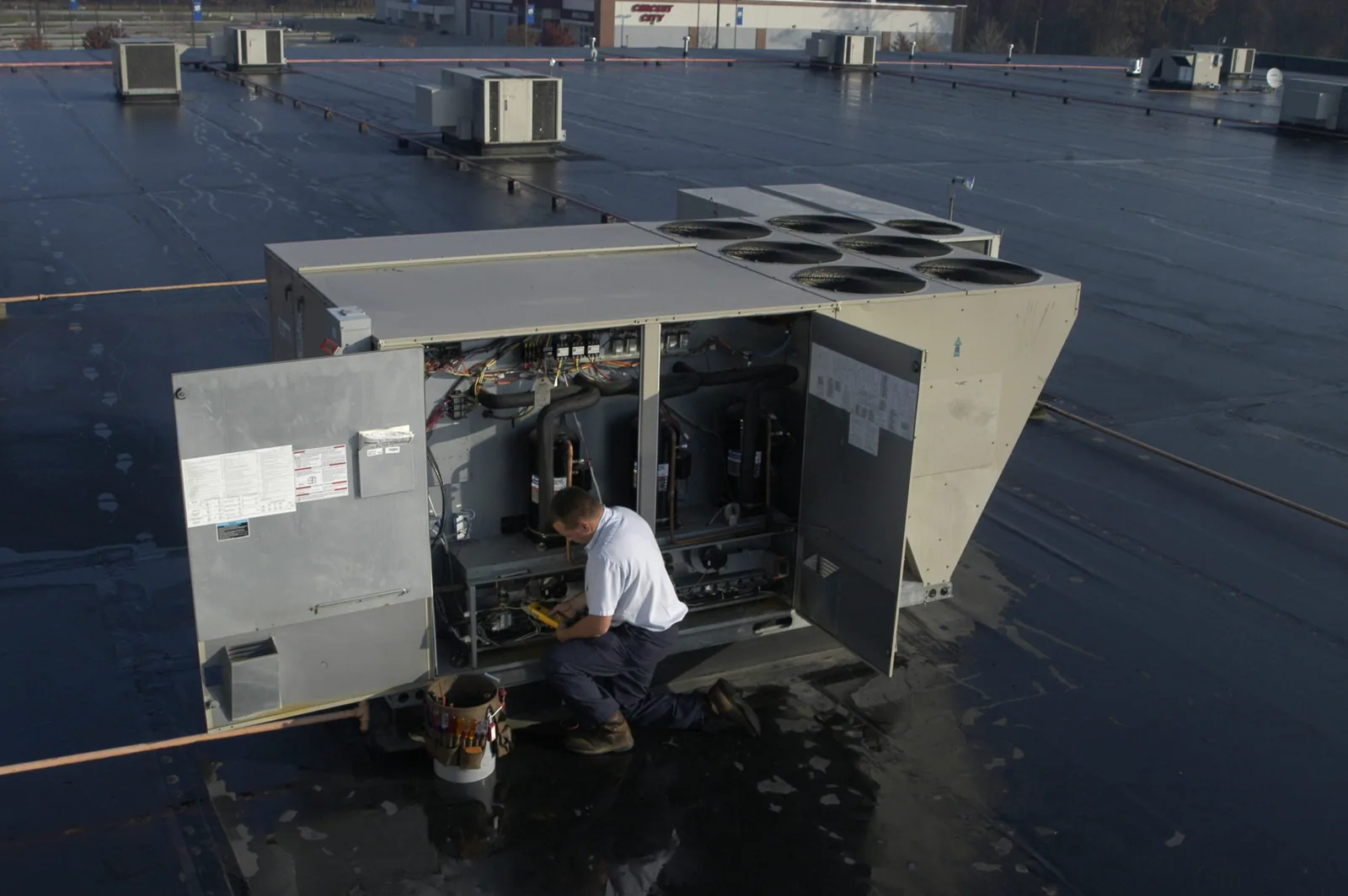
On the equipment side, we inspect each rooftop equipment curb for flashing height, sealant condition and any signs of movement. Where a unit has been swapped, we check that the curb and its old flashing still match the new cap.
Add Imaging Where the Eye Cannot See
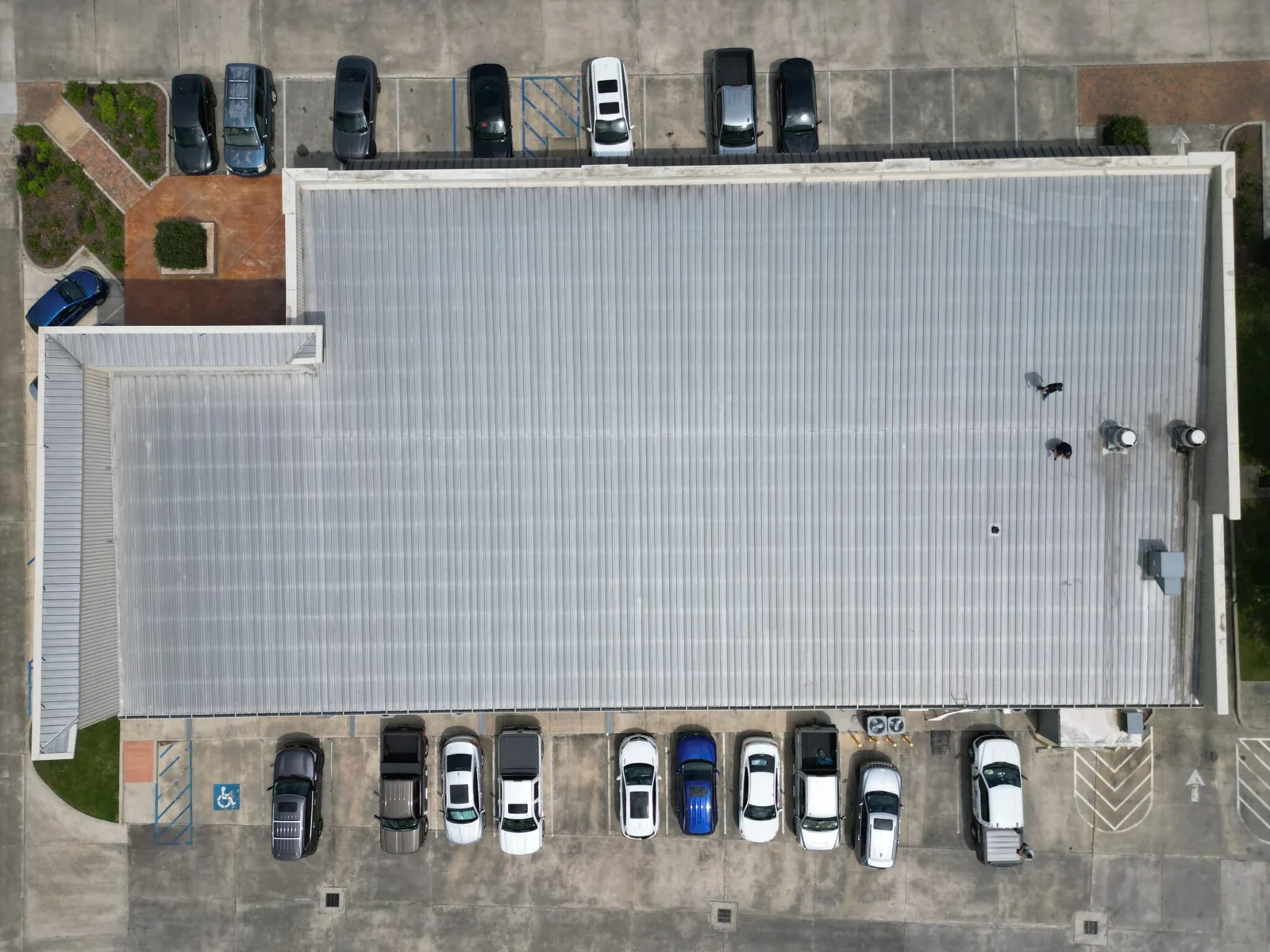
Some findings need more than a walk. If the roof is large or hard to reach, a drone inspection adds a complete overhead record. If the readings or the stains suggest trapped water, an infrared moisture survey with core cuts shows how far the moisture has spread. These add-ons are decisions, not defaults: we recommend them when the walk-through leaves a question that imaging answers, and we explain the cost before scheduling.
For a school district or other owner with many buildings, the same inspection format on each roof lets the capital planner compare them on equal footing. Yakima School District is one of the valley's top employers, with 1,594 staff, and a portfolio of that scale benefits from standard findings across every site.
Deliver Findings You Can Budget Against
The written condition report follows the walk within days. Each finding comes with a photograph, a location, a priority, and a recommended action: repair now, repair this season, monitor or replace. The report ends with a short list of what the roof can carry for the next one, three and five years, which gives a facilities director a basis for the budget conversation. If the roof is in good shape, we say so, and we schedule the next check around the maintenance cycle the building needs.
Commercial Roofing Questions
What time of year gives the most useful inspection for a Yakima roof?
Early fall, ahead of December snow, is the best slot for a structural and drainage check, because any repair can be done before the load arrives. A second look after a hot summer shows what the heat cycle did to seams and flashings. Either way, an inspection after any major gale or heavy snow gives a before-and-after record that helps with insurance.
Do you go on the roof or just look from the edge?
We go on the roof, because most defects cannot be seen from the edge. Probing a seam, pressing a suspect blister and sounding a flashing all require contact. If the roof is not safe to walk, such as a deteriorated deck or a steep standing-seam surface, we change method and use a drone or a lift, and the report states what was and was not reached.
What will the report tell me that I cannot get from a bid?
A bid is a price for a defined scope, while the report is the condition of the roof. It lists each defect with a photograph, a location and a priority, and it separates urgent work from items you can watch. That lets a facility director set a budget and a schedule without committing to a contractor first.
How do you handle a roof with rooftop units that cannot be shut down?
We schedule the walk so equipment keeps running, and we inspect around the units rather than moving them. Curbs, penetrations and the area under the unit's drip line get a close look, and anything that requires access under the equipment is listed for a planned shutdown instead of forced during the visit.
Can an inspection help with a warranty or an insurance question?
It can. A dated, photographed baseline shows the roof's condition before an event, and a later inspection shows what changed. We also record maintenance items that a warranty may require, so the file is ready when a claim or a transfer comes up.