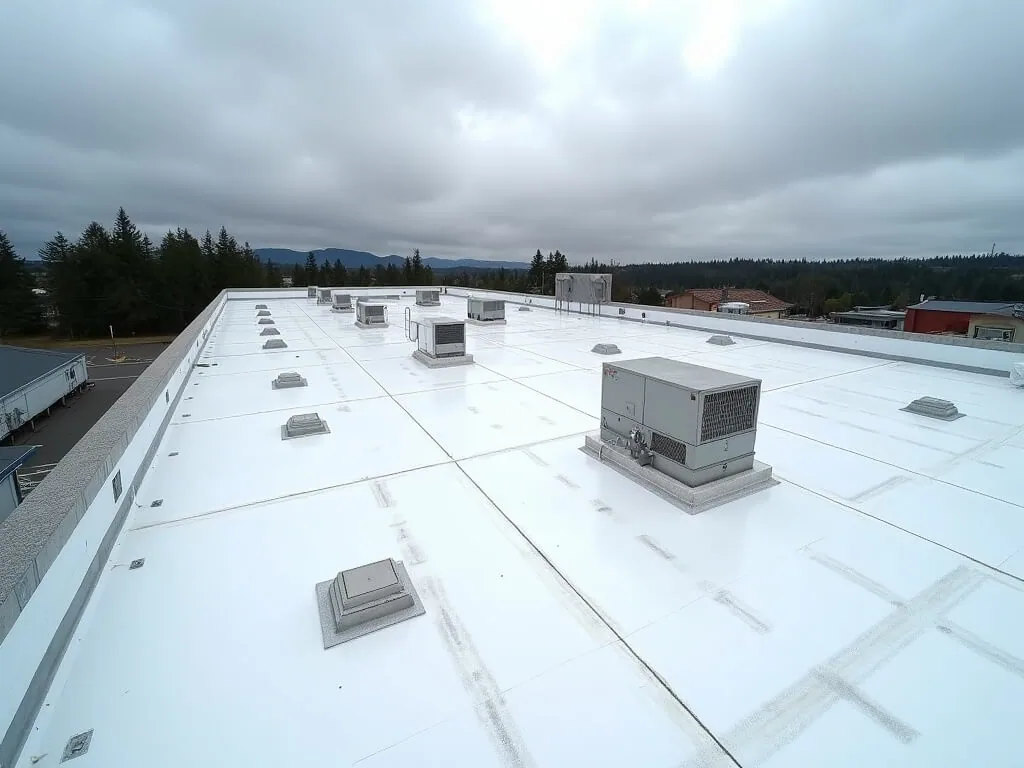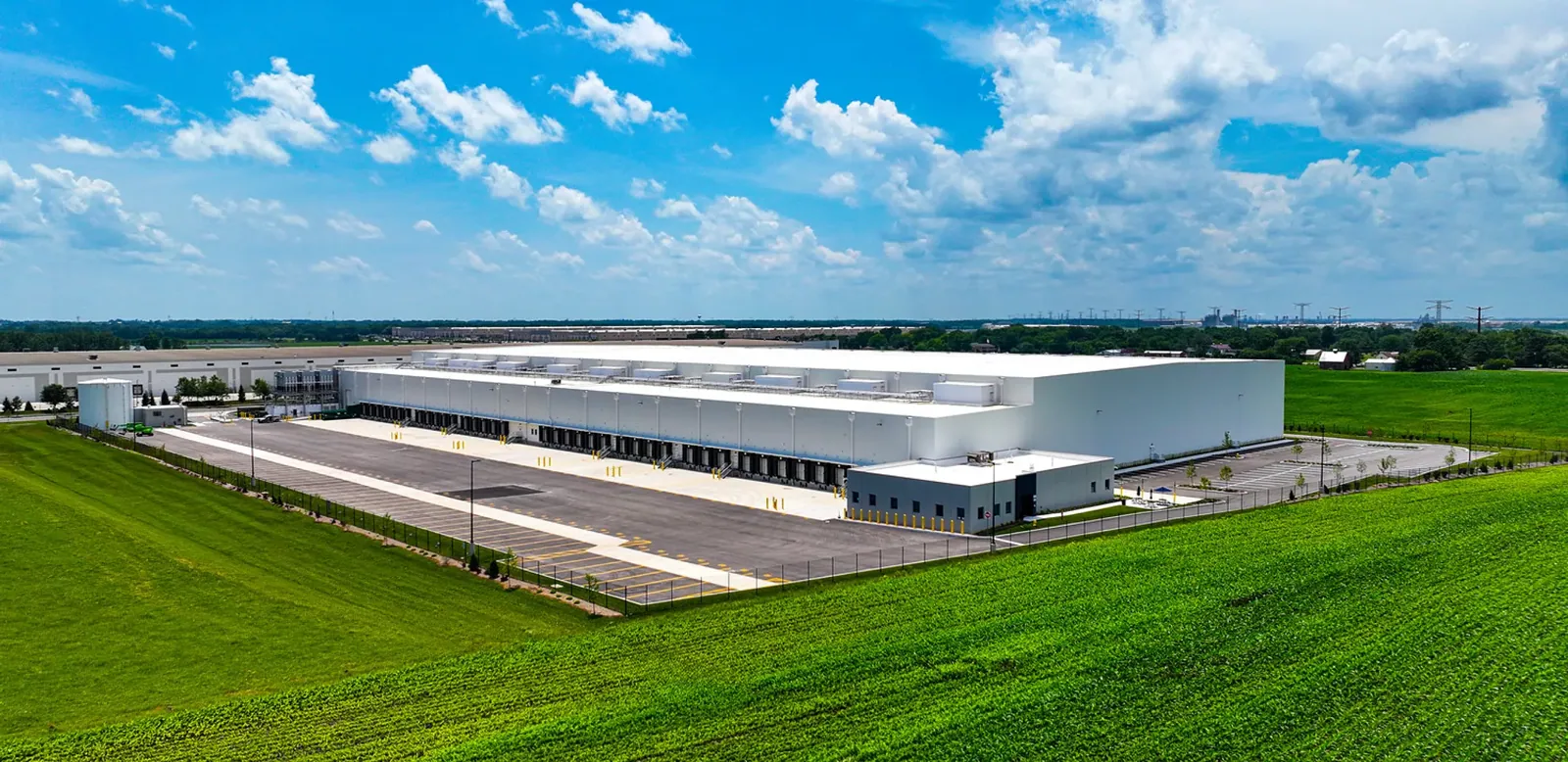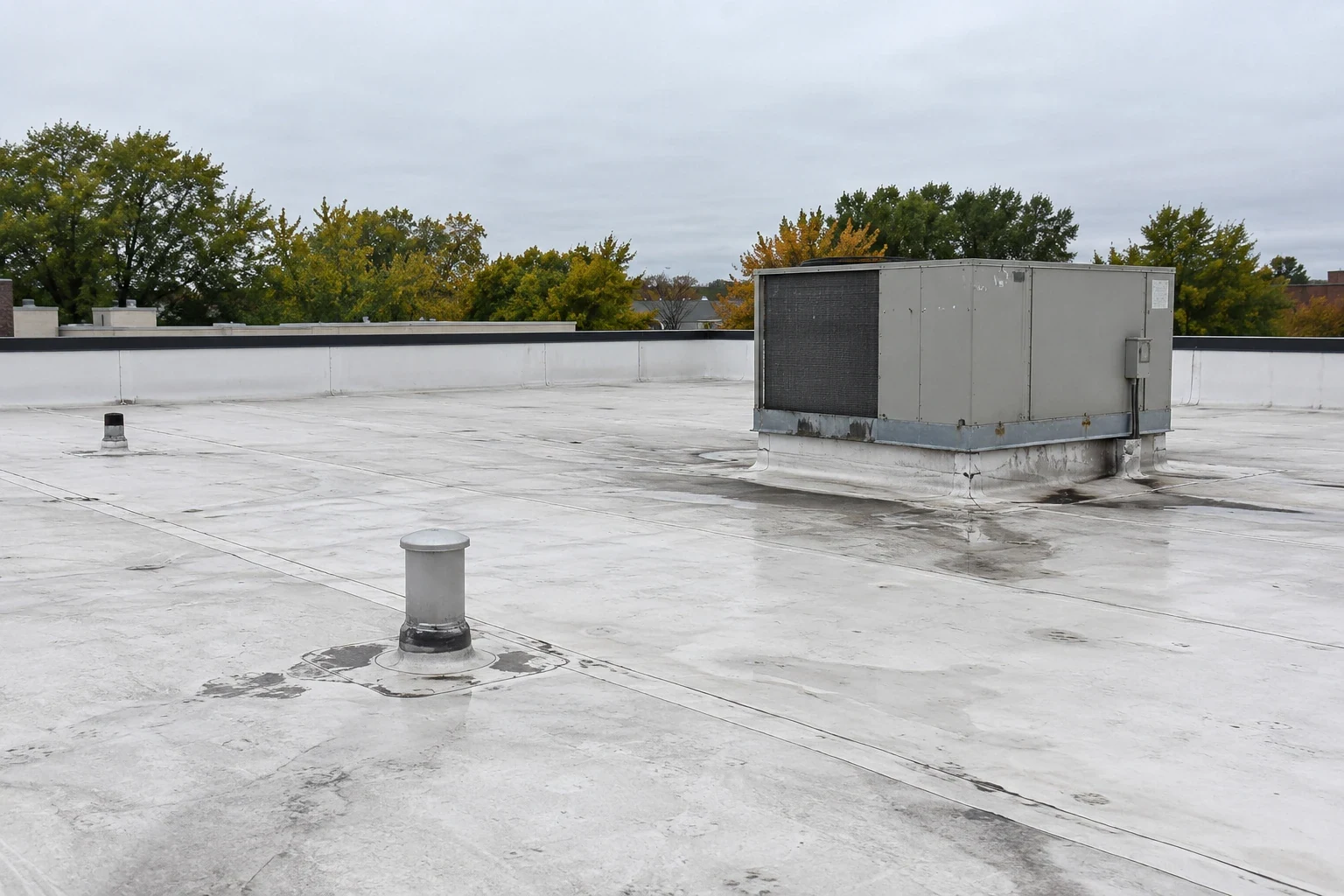
A cold-storage operator phones on a 99 F Tuesday in August whose condenser deck is blowing hot air across the roof all afternoon, and dispatch asks how long the exhaust runs and how hot it gets at the surface. KEE membrane is built for that question. It is a PVC-alloy sheet, with ketone ethylene ester blended in to hold the plasticizer in place, and the added stability keeps it flexible and resistant to oils, fats and heat long after a standard sheet would have stiffened. Its seams are fused with hot air into a continuous skin.
In Yakima, WA, where fruit packing, cold storage and processing buildings fill much of the industrial inventory, that stability matters on the roofs that take exhaust. KEE is not a universal answer. It costs more than a plain PVC membrane, and it earns the difference only where heat, grease or chemicals are part of daily life on the roof. We install and repair it, and we tell you when a cheaper sheet is enough.
Trace the Heat and Residue to Their Source
Before we recommend any sheet, we walk the roof and trace what lands on it: refrigeration condensers that blow warm air, kitchen or fryer exhaust that leaves a film, dryer vents, cooling-tower drift, and steam from wash-down areas. Each leaves a different mark. Warm air accelerates plasticizer loss in ordinary single-ply sheet, while a greasy film attracts dirt that holds heat against the surface.
KEE resists plasticizer migration, so the sheet keeps its stretch through that exposure. It does not make a roof immune. A diesel spill from a rooftop generator still damages it, and a roof that is never cleaned will collect residue that hides a failing seam. We build the cleaning interval into the maintenance schedule, set by how far the residue spreads from each vent and how fast it returns after rinsing, and we put the dates on the owner's calendar and keep the callback log so the next visit knows what vents where.
Plan for the Afternoon Heat Cycle
Yakima records about 40 afternoons a year at or above 90 F and about six at or above 100 F. The record of 113 F came on June 29, 2021, and nights cool quickly afterward. A cold-storage roof stays warm at the surface above and cold underneath, so the membrane lives through a steeper gradient than a roof over an office. The seam, flashing and fastening points take the strain of each daily cycle.
KEE holds up under that gradient better than many sheets, and the detail work still decides the result. We pre-form corners and penetrations, leave slack at walls and curbs, and set fastener plates in rows that match the wind zone. In the county design wind speed of 110, the edge zones take the highest uplift, so those rows get closer spacing. An edge that is not secured is where a gust-lifted flap starts, and a flap starts a tear.
Clear Snow From a Cold-Room Roof With Care
A cold-storage building loses little heat through its roof, so snow does not melt from below the way it does on a heated warehouse. A winter drift can stay for weeks against a parapet, which means the deck carries that weight for a long time. The cold-room roofs of the valley sit under parcel-specific design loads, and the February 2019 red tag on a South Third Avenue building is a reminder of what a loaded structure can do. Steel shovels are the other hazard, since they cut seams.
On a KEE roof we clear with plastic tools, leave a protective layer and avoid any scraping near seams. If a drift crowds the cold-room penthouse, we check for deflection before the crew goes up. The planning for a cold storage roof includes a deflection check on the deck, since a sagging section pools water and the sheet pays for it.
Repair the Seam, Then Find Out Why It Opened
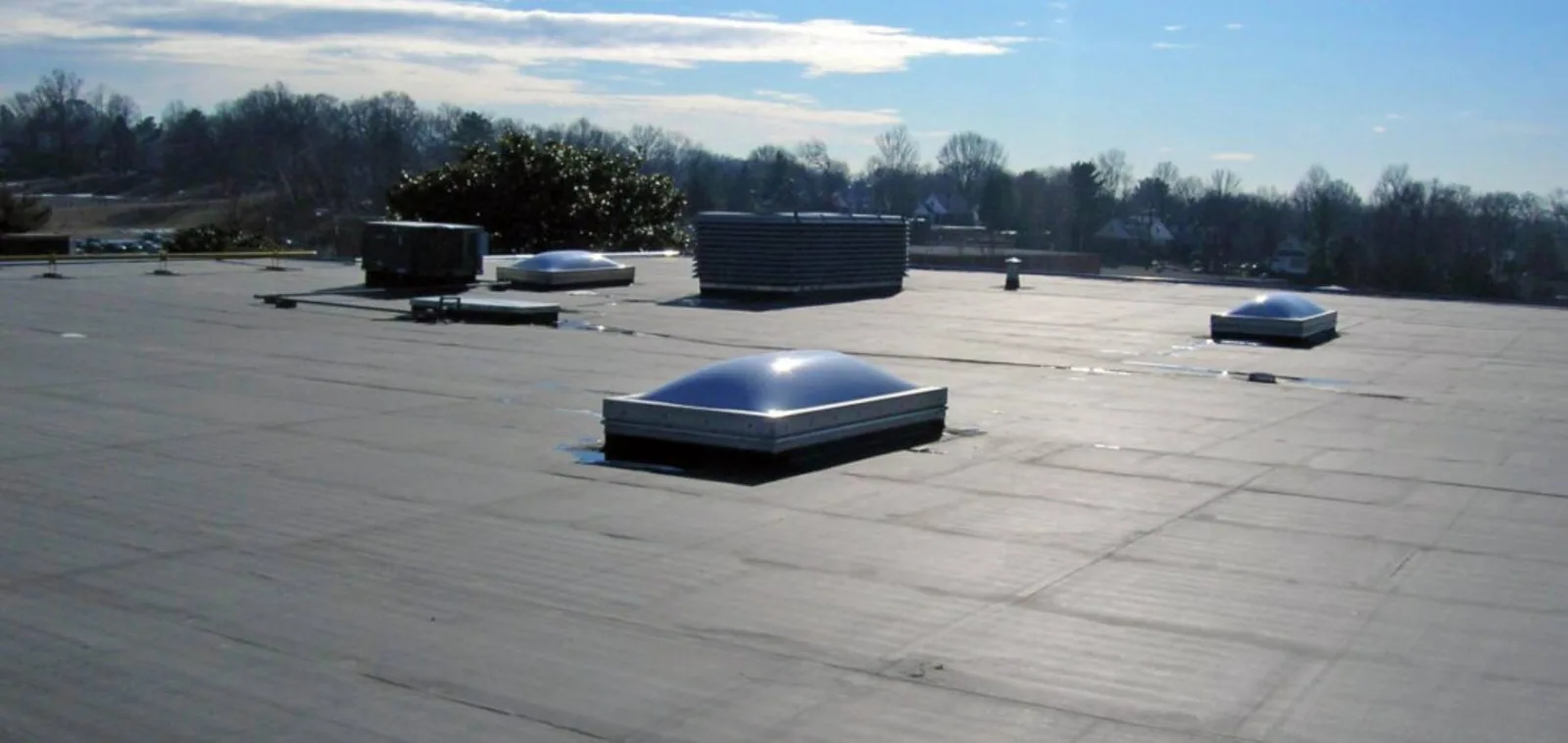
A KEE repair begins with cleaning, because a welded patch will not take on a surface covered in oil film. We scrub the area, test a small weld on a scrap and probe the seam on both sides of the opening. If the lap separated because the sheet shrank, the patch is the least of the job. We release the tension at the nearest corner and then weld. Where the leak is from a pipe boot or a curb, we rebuild the flashing with new material rather than caulking the old.
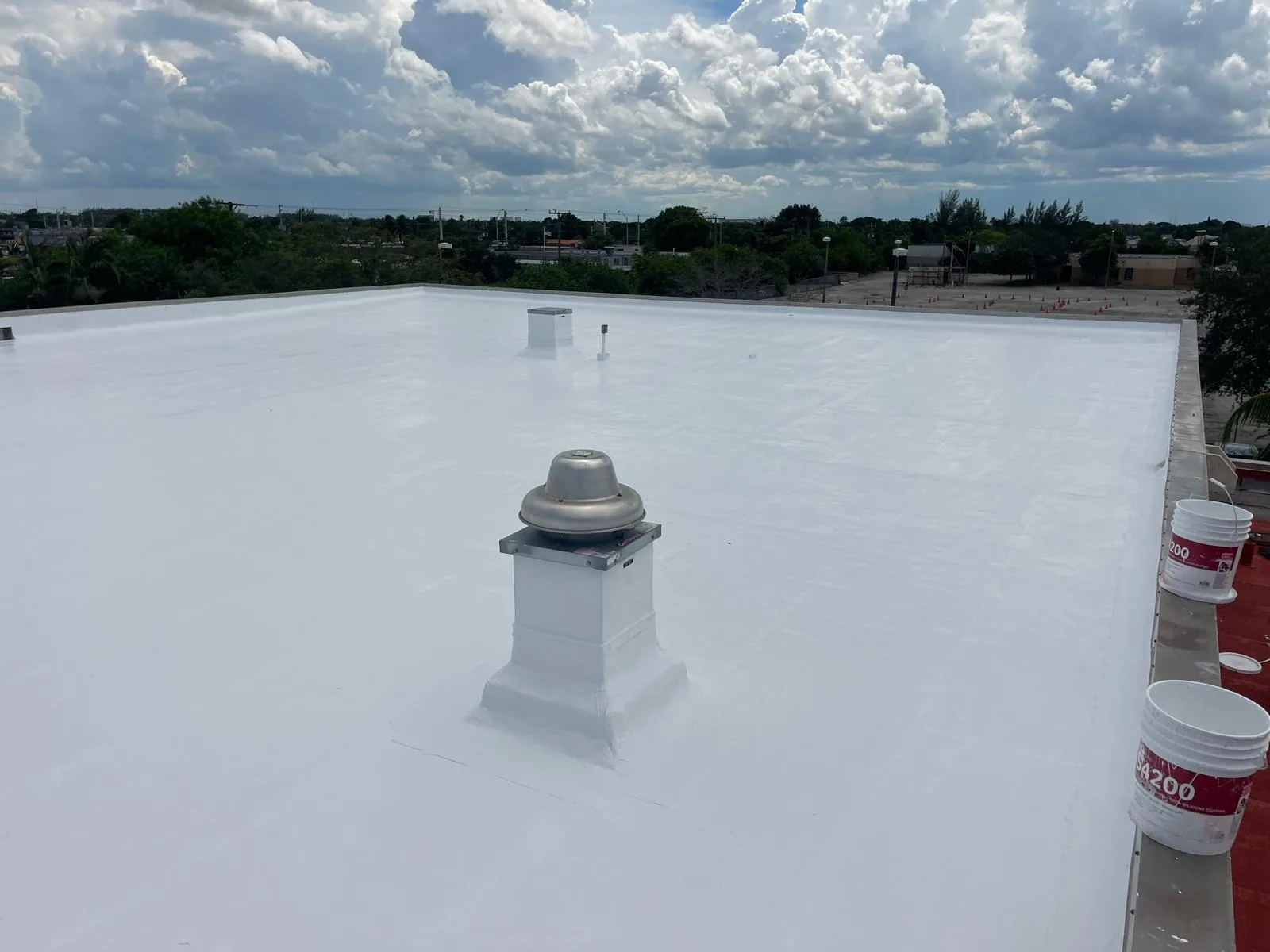
When many seams fail along one run, we check for moisture under the sheet with a moisture survey. Saturated insulation is not repaired by a weld, and the survey keeps us from patching over a problem that needs removal. In some cases a liquid-applied silicone coating over a dry, sound KEE roof extends its life without a tear-off.
Schedule Around the Compressors
The work happens on top of equipment that cannot stop. A packing house like those in Selah or a cold-storage building near Grandview keeps its refrigeration running while the roof is open overhead, so we coordinate with the refrigeration contractor so condensers are not boxed in by roll goods or stacked with tools. Hot exhaust matters for the crew too: we mark the surface near vents so no one kneels on a hot sheet.
We stage in sections, dry in the same day, and keep the roof access clear for the refrigeration service team. Each visit ends with an update for the callback log, covering what we welded, where the seams were probed and which curbs we flashed.
Commercial Roofing Questions
What does KEE offer over ordinary PVC on a cold-storage roof in the valley?
The blended-in stabilizer slows the plasticizer loss that makes standard PVC brittle near hot exhaust. If the only stress on the roof is sun and snow, plain PVC is enough. If compressors, fryers or dryers vent across the surface, KEE gives a longer working life. We look at the equipment layout before recommending either.
How can I tell whether the heat from my condensers is hurting the membrane?
Look at the sheet in the exhaust path. Brittle, chalky or crazed material, lifted edges and wavy seams point to heat damage. Check the area on a cool morning, when the sheet is stiff and defects stand out. Photograph it, note which fan sits upwind, and send it. We can measure the surface and propose a fix, such as a deflector or a walk pad.
Can KEE be installed over an older roof at a Wapato agricultural building?
A recover is possible when the existing roof is dry, the deck is sound and the added layer fits the design snow load. We install a cover board or separation sheet because some older roofing materials react with PVC-based sheet. A moisture survey comes first. If the old roof is wet, it has to come off, and the deck gets inspected at the same time.
What routine care does a KEE roof need to keep its seams intact?
Clean grease and dirt from the exhaust zones, keep drains clear of leaves and fruit debris, and inspect after every windstorm and each spring thaw. Walk pads belong along service routes. We schedule these visits through our preventive maintenance work and log the findings so you can track the condition from one season to the next.
How do you handle a leak when the cold room below cannot be opened?
We find the entry point from the roof side with a probe or infrared scan, so no ceiling panel needs to come down. A temporary seal goes over the opening within the first hour while the permanent weld waits for dry weather. Tell us which doors stay shut and where product sits, and we route foot traffic and tools around them.