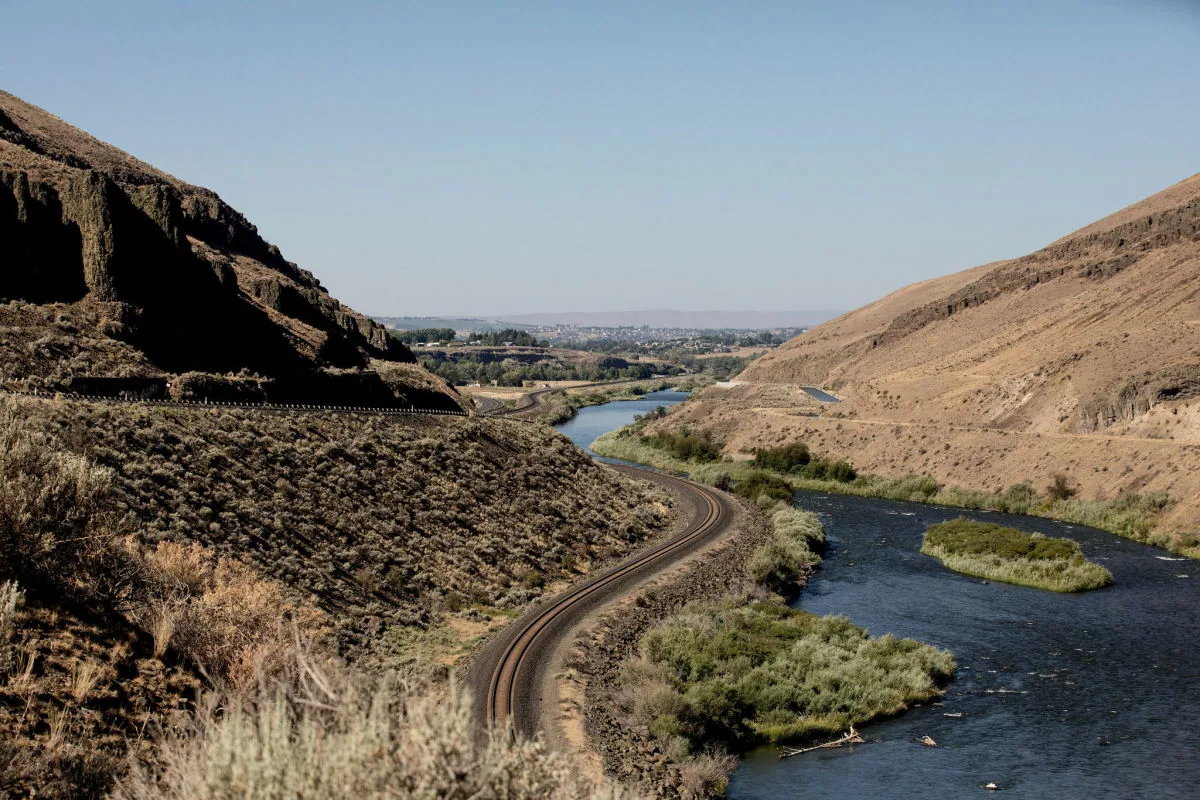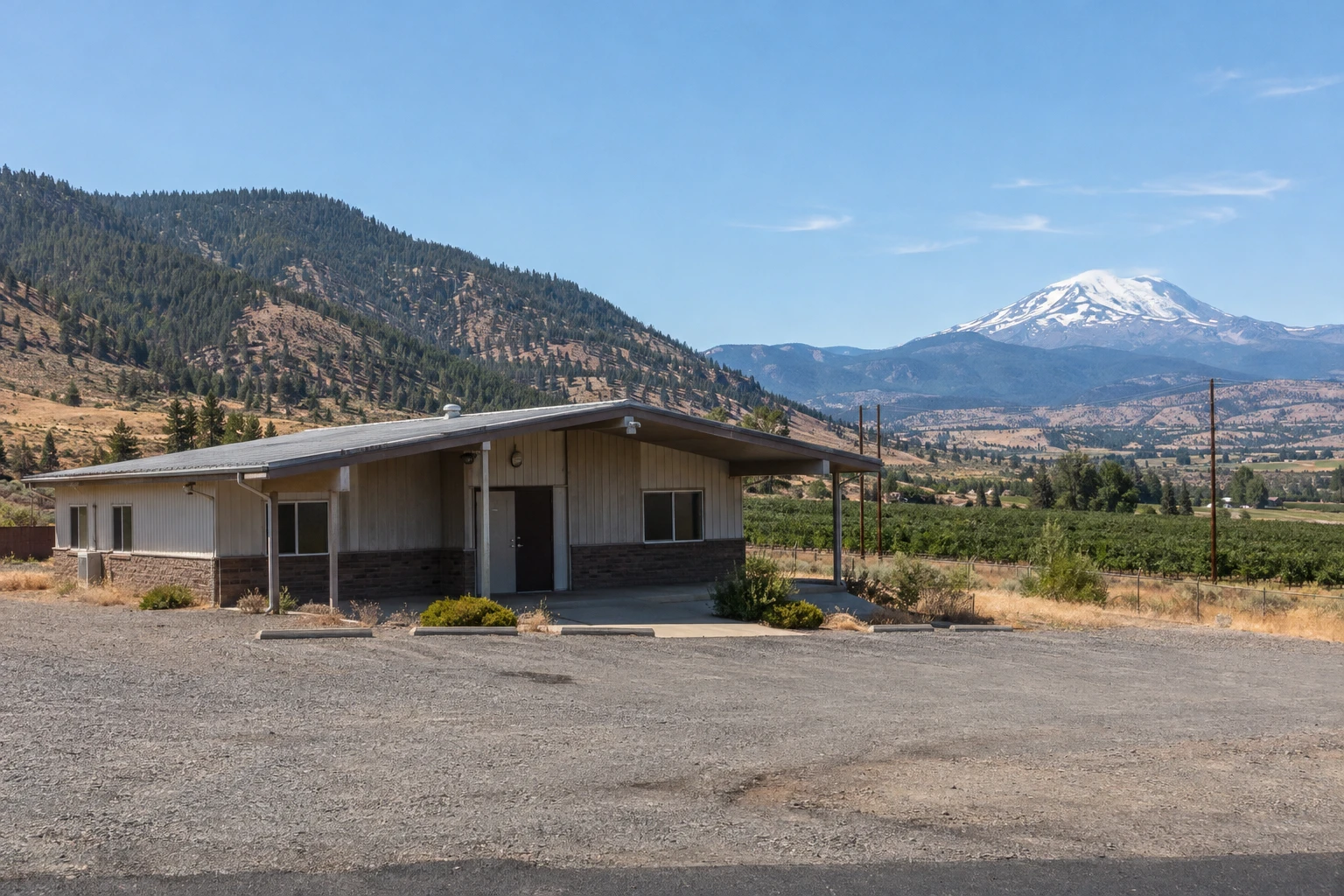
White Swan is an unincorporated community on the Yakama Indian Reservation, 789 residents in 2020, strung along the old Mt Adams Highway between Union Gap and Fort Simcoe. Whether the roof covers an office, a shop, a storage building or a service building, the first question dispatch asks on a call from White Swan is practical: how long will it take a crew to reach the building, and what will they find when they arrive? Low-slope and metal roofs here are repaired, coated, recovered or replaced, calls are answered at any hour, and the truck carries what a first visit needs, because a second trip costs a day. The weather is Yakima's: winter snow, long hot afternoons and gusts that find loose edges.
Load the Truck for the Likely Repair Before the Drive
Distance changes how we prepare. Before a crew leaves for White Swan, we ask for the address, the location of the damage, a photograph if one is safe to take and what the building holds. From that we choose the materials: tarp and battens for a dry-in, membrane and adhesive for a patch, fasteners and sealant for metal, edge metal for a lifted cap.
We aim to leave the building watertight when the first visit ends. If the permanent fix has to wait for a clear day, we leave a temporary cover fastened to solid structure and booked for return. A crew that arrives prepared is worth more than a fast crew that has to leave for parts. Our emergency roof repair line is answered around the clock, holidays included.
Temperature and daylight set the pace too. Winter afternoons end early, and a repair that needs adhesive cannot be finished at dusk in the cold. We tell the owner what will be done on the first visit and what must wait, with the date of the return, so the building is never left guessing.
Trace a Leak Back to Its Source Before Anyone Picks Up a Tool
A stain on a ceiling in a White Swan shop tells us where water arrived inside, not where it entered the roof. Water follows the deck, the insulation or a wall cavity before it drops. We start at the highest detail on the roof plan and test each one in order, working downhill, and we use a moisture meter to map the wet area.
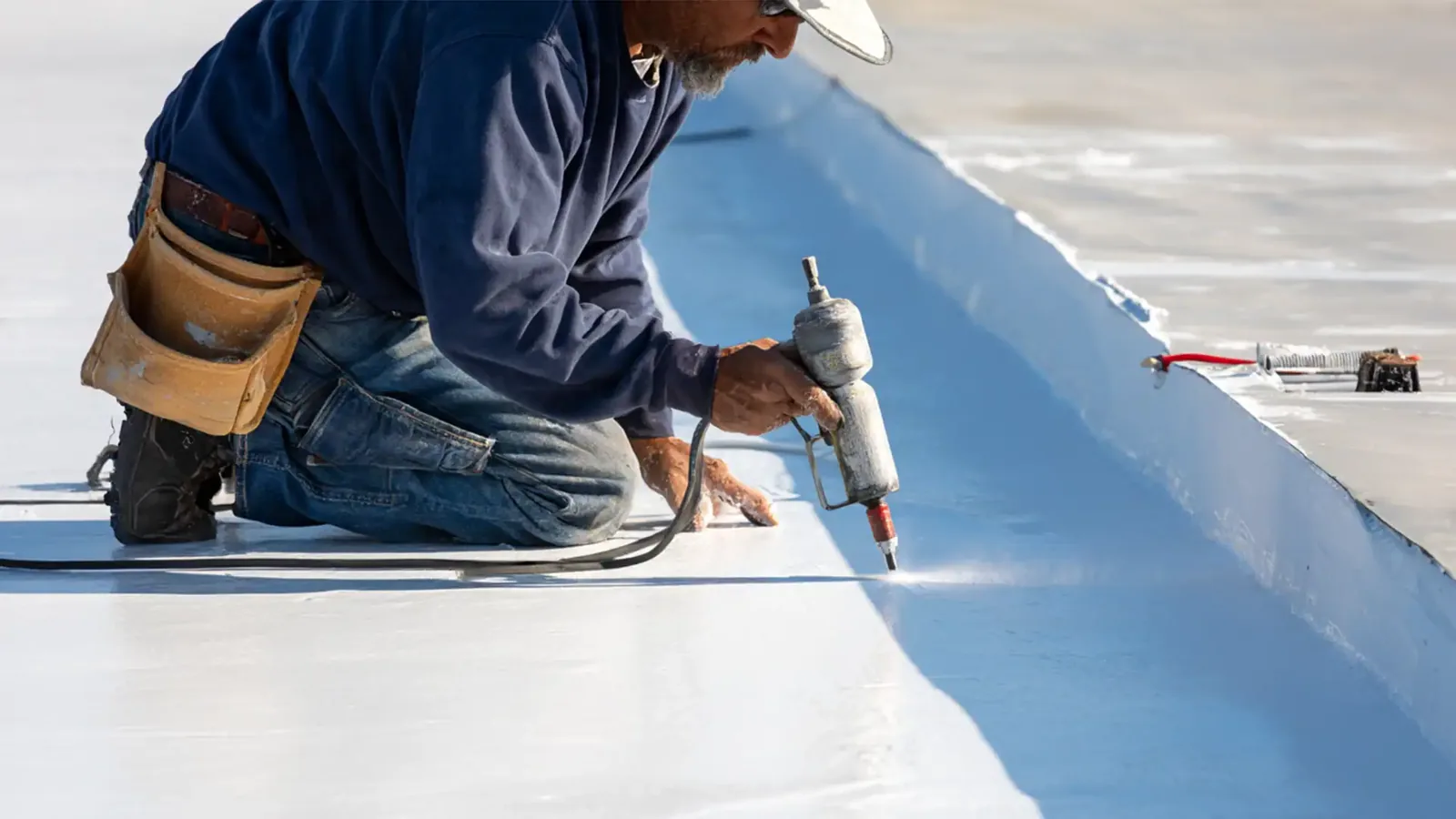
The list of entry points is usually short: a failed flashing, an open seam, a cracked pipe boot, a missing fastener. Our leak repair fixes those causes and records what was found, so a return of the stain can be matched against the last visit. Repairs that cover only the stain wear out and send the owner back to the phone. A written cause and a dated photograph mean the next visit starts where the last one ended.
Photographs from inside help before we arrive. A picture of the stain, the nearest wall and the ceiling grid, with a note of when it first appeared, narrows the search and often tells us whether the entry is near a wall, a unit or the open field.
Fix the Drainage That Turns Thaws Into Ponds
Light precipitation, about 8 inches a year in Yakima, tempts owners to ignore drains. The trouble is rate: a winter snowpack melts in a few warm days, and a drain that is almost large enough fails in a thaw. Water backs up behind the opening, spreads under the membrane edge and refreezes at night.
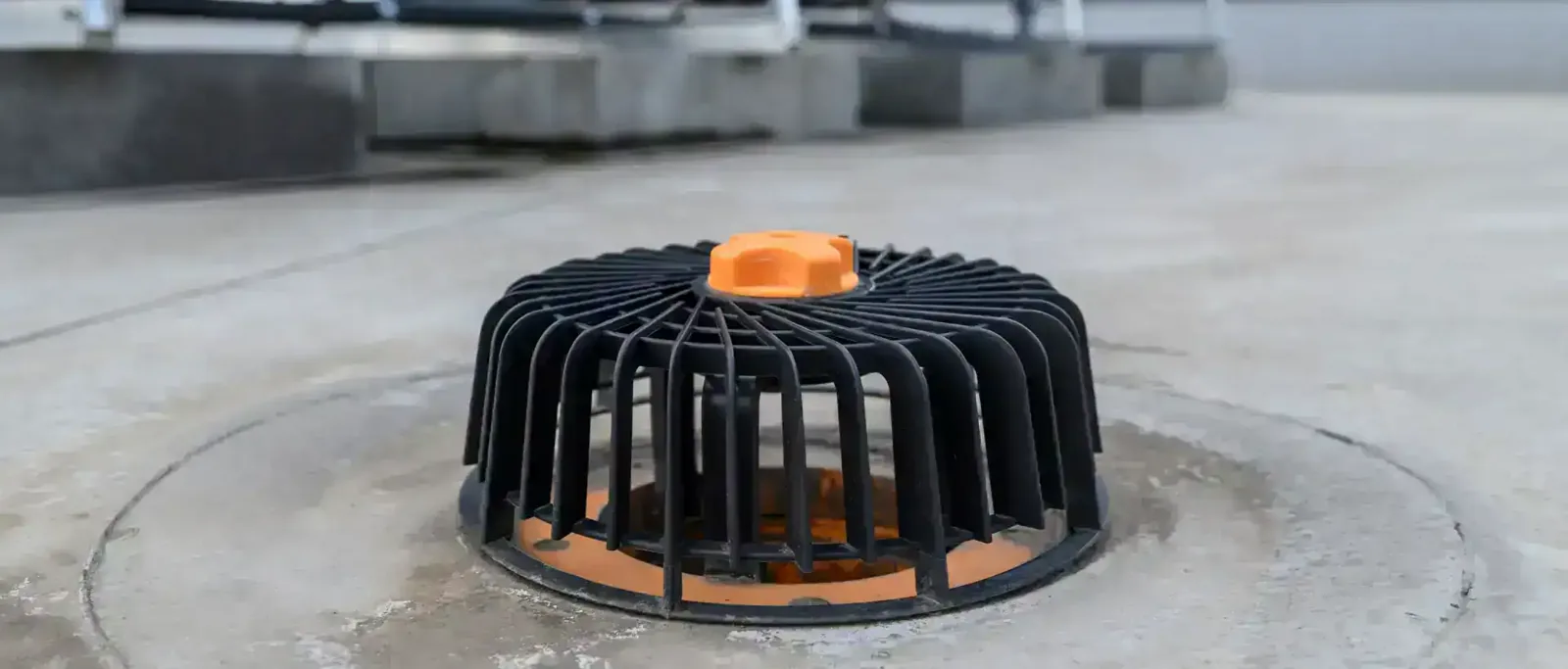
We clear drains and scuppers at every visit and check that the slope leads to them. Where water stands for more than two days, we measure the depth and record it. A new drain, a cricket behind a curb or a tapered layer may be the cure, and our drains and scuppers work picks among them. The scope gives the cause of each pond, because treating a structural dip like a drain problem wastes money.
Pick a Roof System That Suits a Building You Cannot Visit Every Month
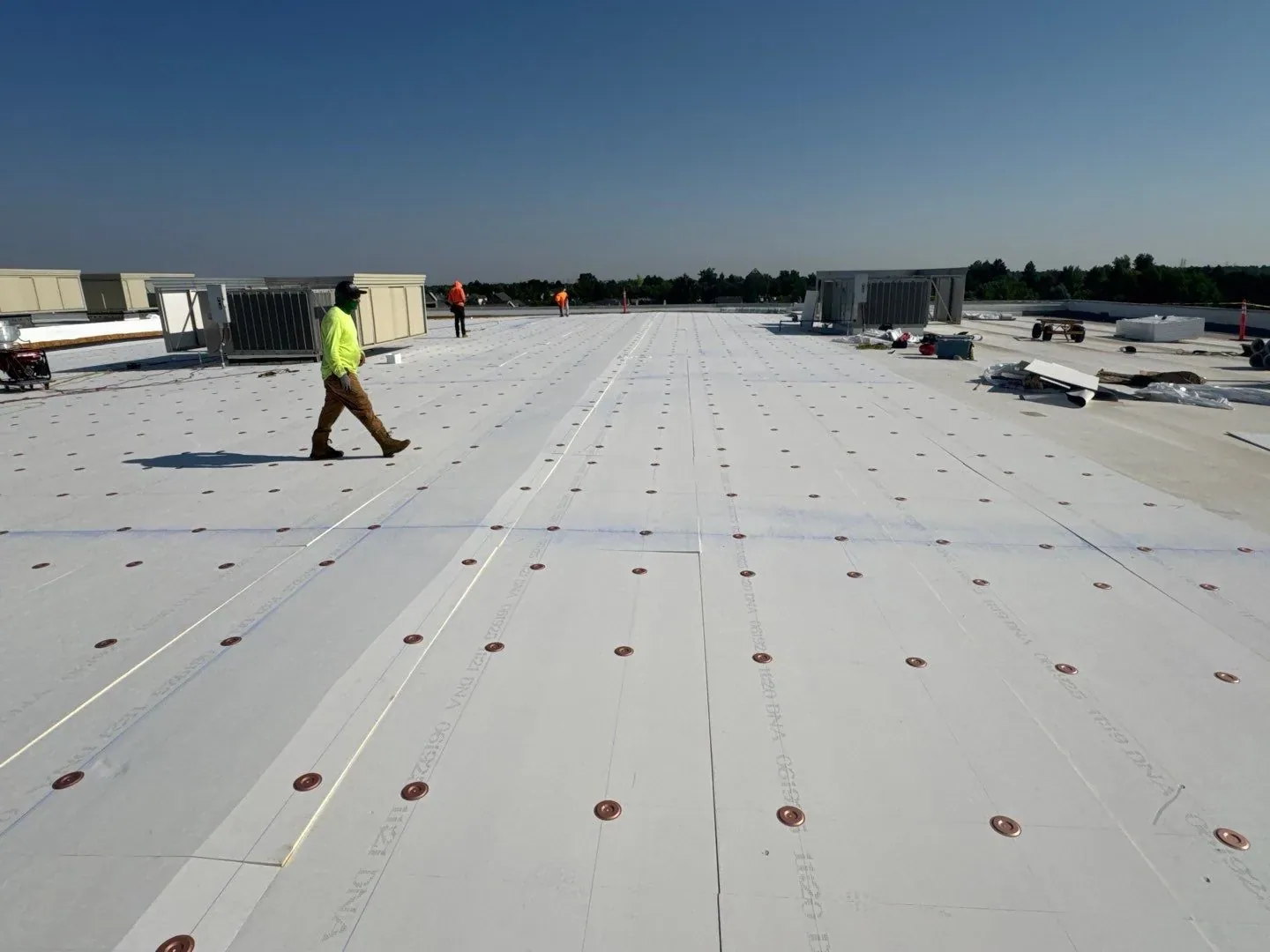
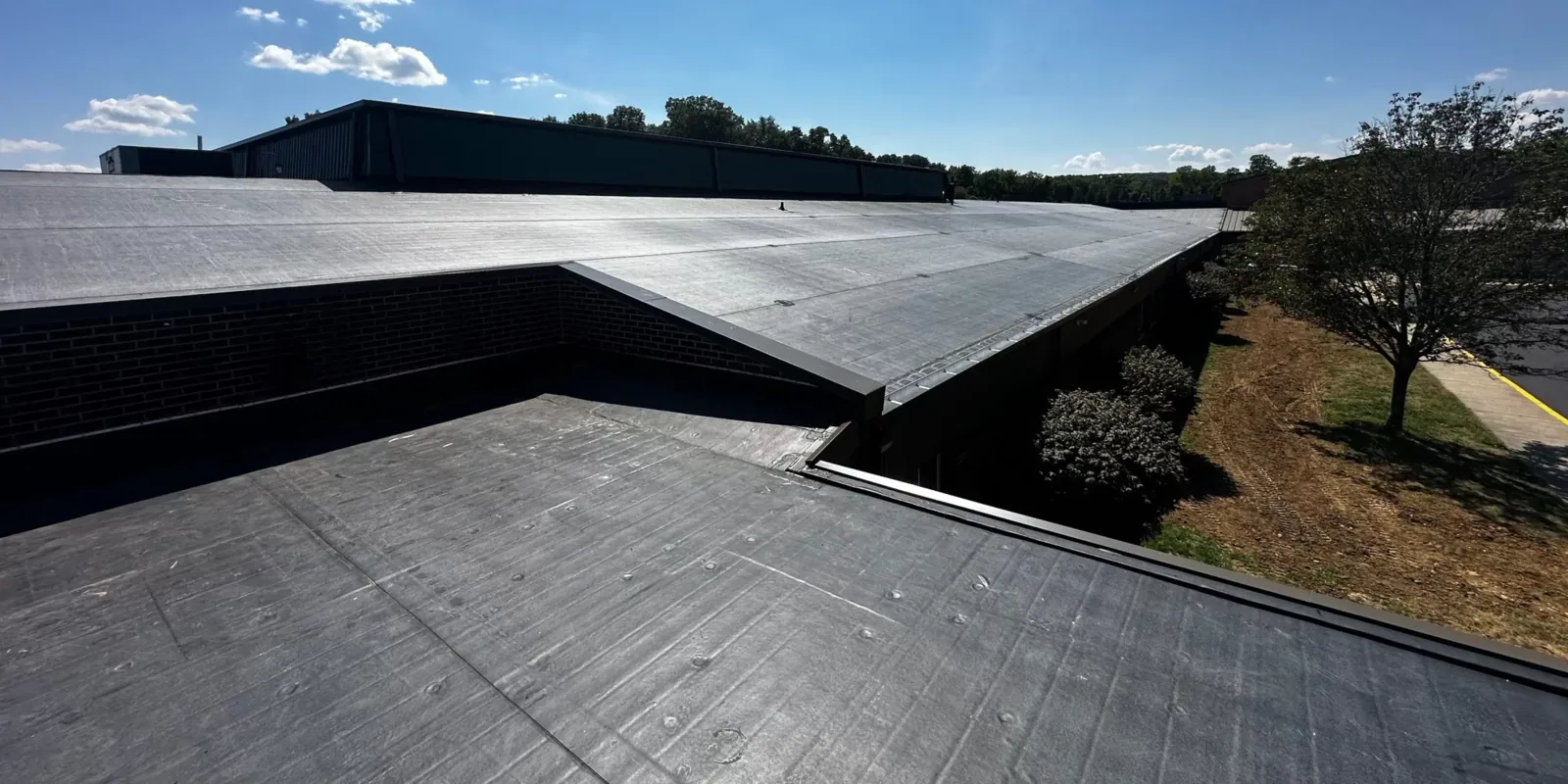
For a building that gets a visit twice a year, the roof should forgive neglect. A heat-welded TPO roof has few weak points and reflects heat, an EPDM roof is simple to patch, and a standing seam metal roof has concealed fasteners that do not back out. Each has trade-offs in cost, repairability and exposure to the sun and cold.
We lay those out for the building at hand, and we compare the cost of each over its life, including the repairs we expect. With about 19 days a year of freezing highs and a record low of minus 25 F, cold-weather flexibility matters. The choice follows from the roof's use, its slope and what is below it. A building that stores product wants the fewest seams and the simplest repair path, and one that houses people wants the quietest, cleanest installation.
Warranty and installer records matter for whichever system is chosen. We keep a copy of the product data, the installation details and the date, so a later repair uses compatible materials and any manufacturer notice requirement is met on time.
Schedule Seasonal Visits and Keep the Record
A visit before the first snow and one after the thaw catches most problems while they are small. We clear drains, check edges, press seams and photograph each section. A dated report follows each visit, so the history of the roof builds over the years.
Owners who also hold property in Union Gap, which sits at the other end of the old highway, or in Brownstown can put them on one route. Any property that came through the late-November 2019 windstorm with a loose edge should have the edge pinned before the next gale. The record shows when that was done.
Code changes the scope of larger projects. Under the code editions in force since March 2024, a reroof that opens the assembly may need to meet current insulation values. We check before pricing and put the requirement in the proposal.
Commercial Roofing Questions
How long will it take for a crew to reach us in an emergency?
We dispatch as soon as we have the address and the damage details, and we give an arrival estimate on the call. Winter roads can add time, so we tell you if a delay is likely and what you can do in the meantime: move product, shut off power near water and keep people clear.
Can you do small repairs on a small building, or only large projects?
Both. A small repair on a modest roof gets the same inspection and the same written record as a larger job. We combine nearby buildings into a single trip where possible to keep costs down.
What can we do to limit damage until the crew arrives?
Move product and equipment away from the water, cover what cannot be moved with plastic and keep people out of the area. Shut off power to affected circuits if water is near. Do not climb onto a wet or snowy roof.
Is a patch good enough, or should we plan for replacement?
A patch on a sound roof can last for years. When leaks come back in new places, or a moisture scan shows wet insulation across a bay, patches stop paying. We put the repair cost and the replacement cost in writing, so you can compare.
Do you coat metal roofs?
Yes, when the metal is sound. We clean, treat rust, seal fasteners and seams and apply a coating at a measured thickness. Metal that has rusted through needs panel replacement first.