A February morning with the drift still packed against the parapet is when an owner finally reads the solar proposal and phones to ask whether the roof can carry it. Dispatch asks for the permit set before it asks about panels. The array adds weight, adds attachment points and sits on a membrane that will outlive some of its warranty only if it is sound today. In Yakima, WA the design snow load is set parcel by parcel, the county's design wind speed is 110, and the sun that makes solar attractive also drives about 40 afternoons a year at or above 90 F into the membrane. A roof has to be ready for all of it, and the sequence of work decides whether it is.
Count the Years Left Before the First Panel Goes Up
A solar array can last decades, and a roof under it has to last as long or be replaced before installation. Removing and resetting an array to reroof underneath costs far more than replacing the roof first. We assess the membrane, insulation and deck, and we give you a straight reading of how much service life is left.
If the answer is under the array's expected life, the better path is to replace or restore the roof first. A replacement done before the panels arrive is usually the cheapest time to do it. When the roof is sound but aging, a coating or a recover may close the gap, and we lay out those options in a written condition report.
Bring the roof records to the first meeting: the original specification, the warranty paperwork if any, repair invoices and the dates of past leaks. A roof with a long repair history under one section tells us where not to place the first row of racks, and it saves the solar designer from drawing over a known weak spot.
Check the Structure Against the Array and the Drift
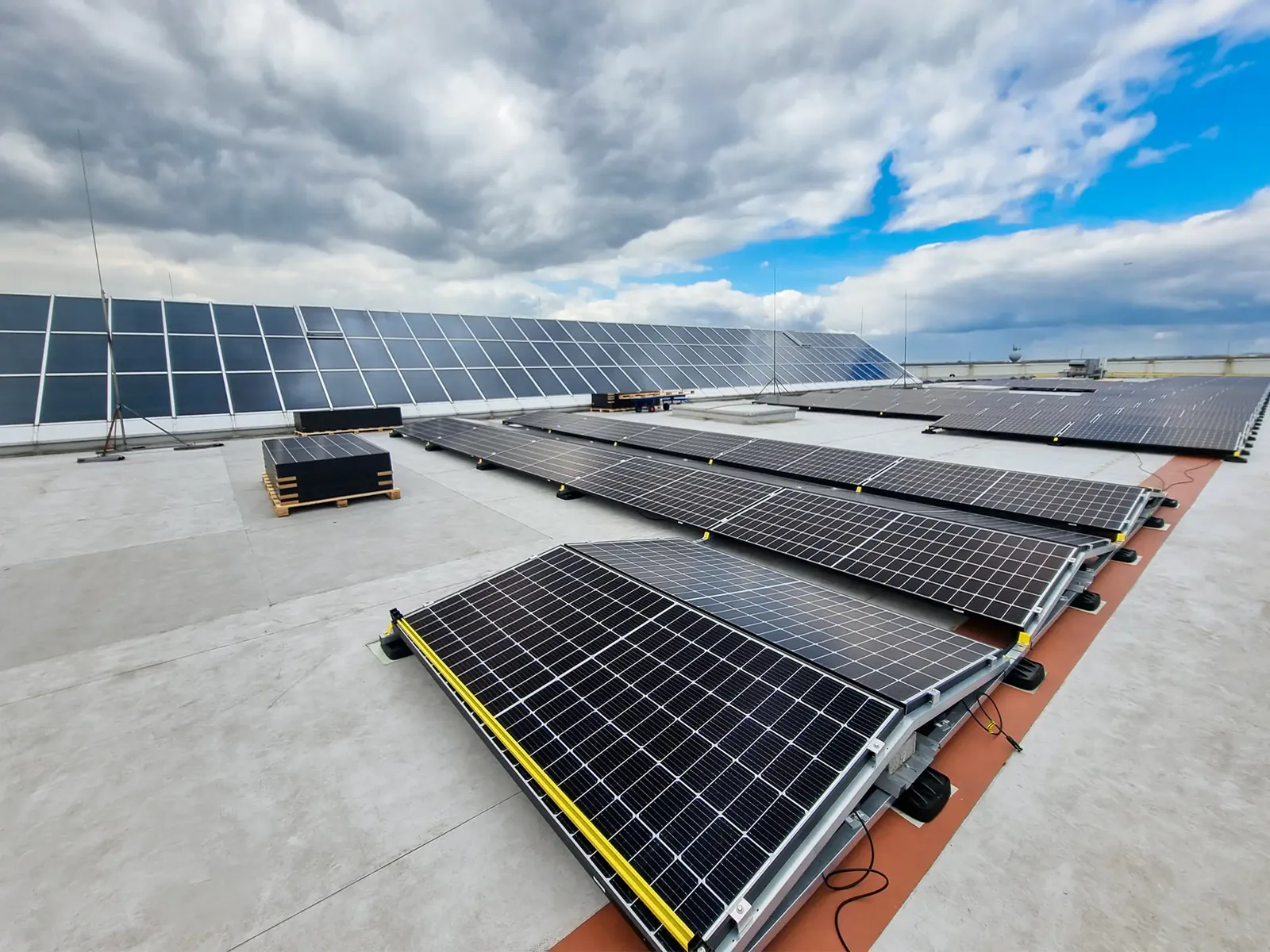
Panels add dead load, and wind and snow add live load in patterns that differ from the open roof. Snow slides and piles at the lower edge of a tilted array, wind pushes against the tilt, and ballasted racks add weight that the structure must carry. Yakima County requires engineering above 70 psf of snow load, and a rack plan on a roof with a high parcel load needs an engineer's stamp.
We coordinate with your structural engineer and the solar designer to confirm the capacity, and we flag any area of the roof where deflection or ponding already shows. A deck that sags under snow is a poor foundation for a rack. We run this survey before the array contract is signed, since the answer can change the project.
Wind adds one more check. County design wind speed is 110 for new buildings, and arrays on the windward edge see uplift that the membrane never saw before. Setbacks from the parapet and from corners keep panels out of the zones where the gust-lifted edge is the weakest part of the system.
Pick the Attachment Method the Membrane Can Live With
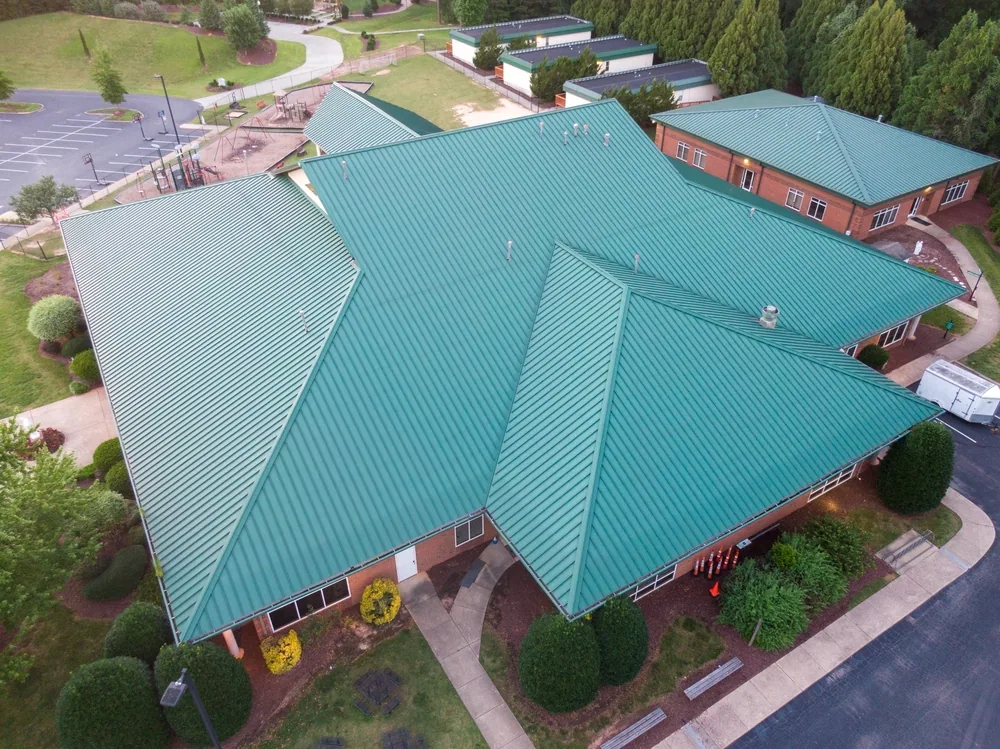
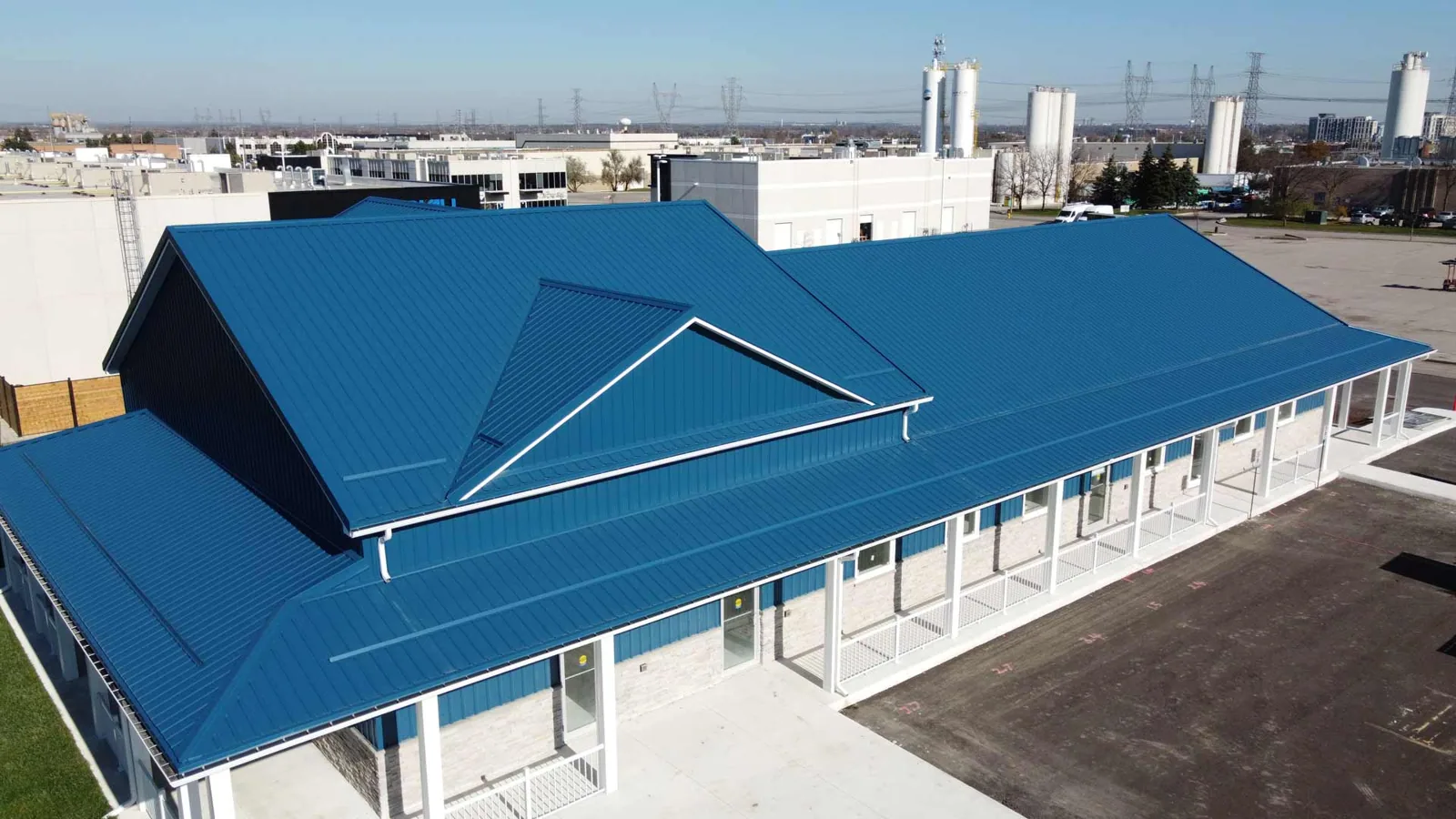
Arrays attach in three common ways: ballast, mechanical fasteners and adhesive or clamp systems. Ballast avoids penetrations but adds weight and can abrade the membrane. Fasteners through the deck are secure but create many openings that must be flashed. Clamp systems on standing seam metal roofs avoid penetrations altogether, which is a strong reason to look at standing seam metal roofing for a new building.
Each method asks the roof for something different. Ballast needs a protective slip sheet or walk pad under every block, and fasteners need a flashing detail for every post. We install those details and document them, so the next roofer or solar technician sees what was done and where.
Flash Every Post and Conduit Run to the Roof System
The most common leak under an array comes from a mount, not the field. Each post or stanchion is a penetration that needs a proper boot or pitch pocket, sealed to the membrane with materials suited to the roof type. Conduit and combiner boxes need supports that lift them off the surface, since runs laid directly on the membrane trap water and wear through the sheet over years.
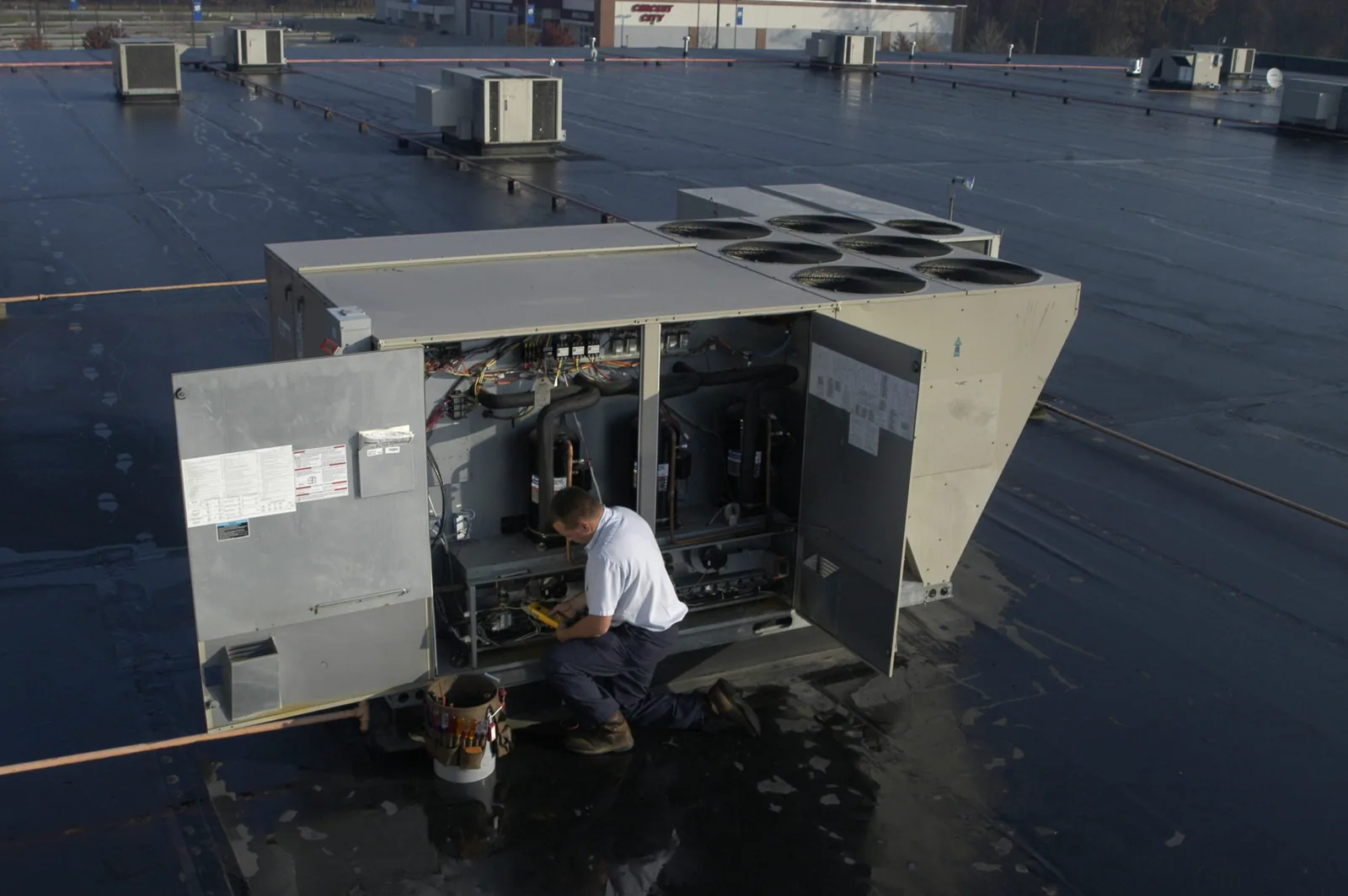
The details follow the same logic as our rooftop equipment curbs and supports work: lift the equipment, spread its load, and flash its connections. After installation we inspect every flashing and photograph it for the roof record. Heat cycling is hard on the sealant at these points, so we recommend a check after the first summer.
Work Around an Array That Is Already Installed
Some owners call after the panels are up, because a leak has appeared or the roof is aging. Working around an array means isolating the area, protecting the panels and wiring, and often coordinating with the solar company to shut down and lift sections. Repairs in the field are usually possible without a full removal. Larger repairs and replacements require the array to be detached and reset.
We map the leak against the rack layout, check each mount and the nearby conduit, and tell you whether a spot repair will hold. Insurance and warranty terms for the array may require the original installer to handle detaching, so we confirm that before scheduling. Snow shed from the panels creates drift lines at the lower edge, and we watch those areas for membrane wear.
Match the Plan to the Building Stock Around Yakima
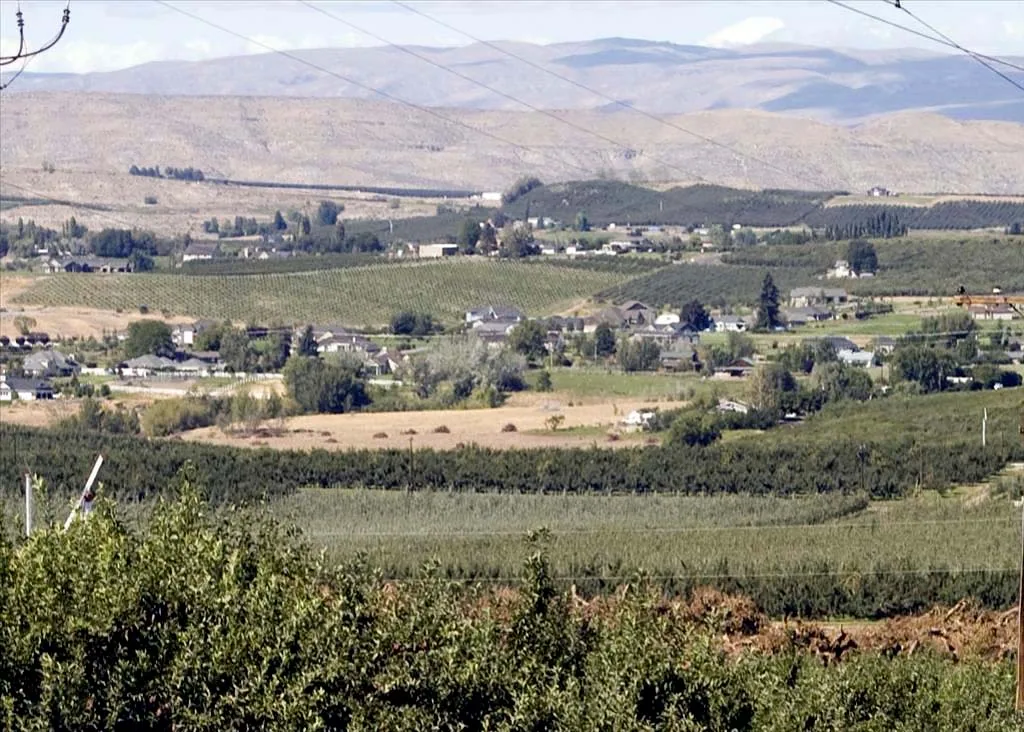
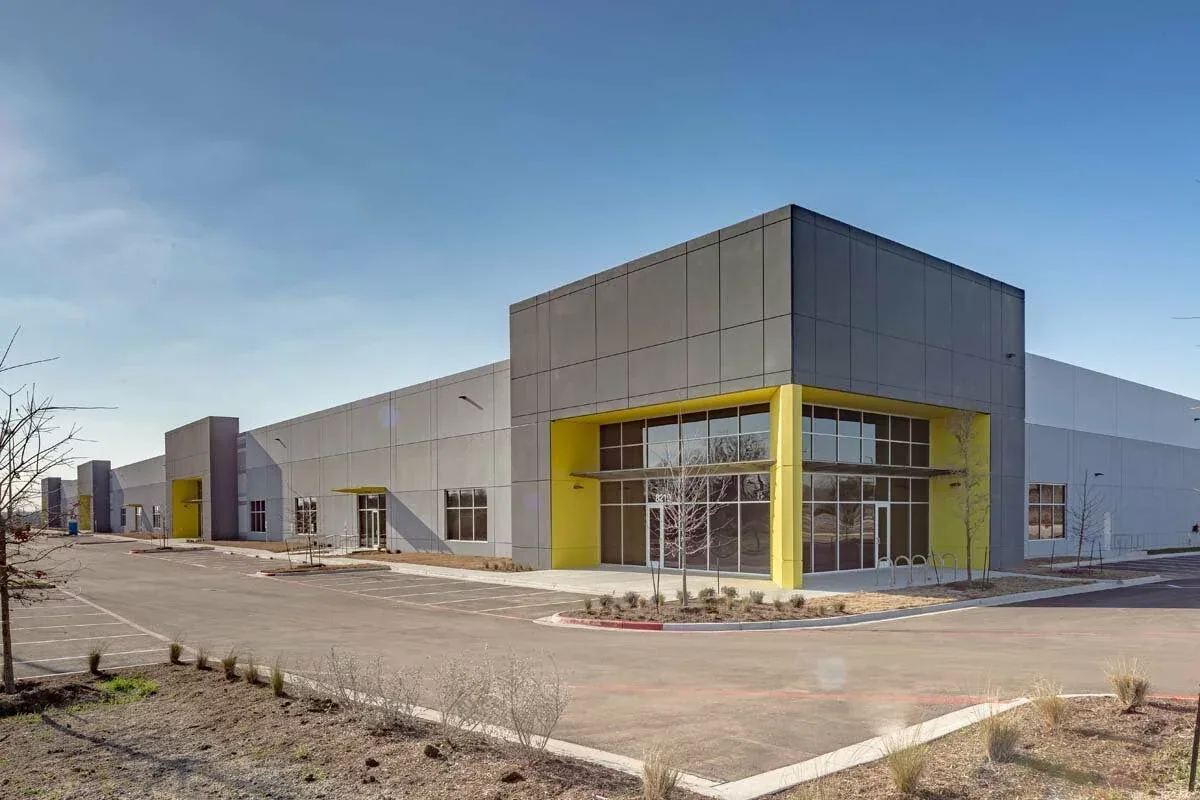
Growth in areas such as Terrace Heights, where the population climbed from 6,937 in 2010 to 9,244 in 2020, brings newer commercial roofing, and a recent roof is easier to prepare for an array. Where a fruit warehouse or processing building in Selah or Union Gap carries a roof near the end of its life, the panels should wait for a reroof. A warehouse roof with few obstructions is a natural candidate once the roof is ready.
Roofs on cold storage and packing buildings carry their own limits. Rooftop condensers, vents and pipe runs take up the best array space, and the structure under them has already been sized for equipment. We map those obstructions before anyone draws a layout, because moving a condenser later costs more than shaping the array around it from the start.
Commercial Roofing Questions
Does solar void our roof warranty?
It can, if the installation damages the roof or the manufacturer's terms prohibit penetrations or ballast. Read the warranty terms and talk with the manufacturer before signing the solar contract. We install flashings to the roof system's published details and document the work so the warranty file stays complete.
Should we replace the roof before the array goes on?
If the roof has fewer years left than the array is expected to run, yes. Replacing under an array later means paying to detach and reset it. We provide a condition report with remaining service life so you can compare roof timing with the solar schedule.
How does snow behave on a tilted array on a flat roof?
Snow can slide off the panels and pile at the lower edge, where it adds a concentrated load and an ice ridge. The roof design has to account for that, and clearance between rows affects how much accumulates. Your structural engineer should confirm the drift loads for the array layout.
Can you add a cool roof surface under panels?
Yes, and the pairing works well. A reflective membrane or coating lowers roof temperature under and around the array. We apply the surface before the rack goes in, since coating around installed blocks is harder and leaves gaps.
What access do solar technicians need to the roof later?
They need defined walk paths and a clear route from the hatch or ladder to the equipment. We mark the paths with pads and show them on the roof plan. Technicians who stay on the paths protect the membrane, and the roof record shows where each mount sits.