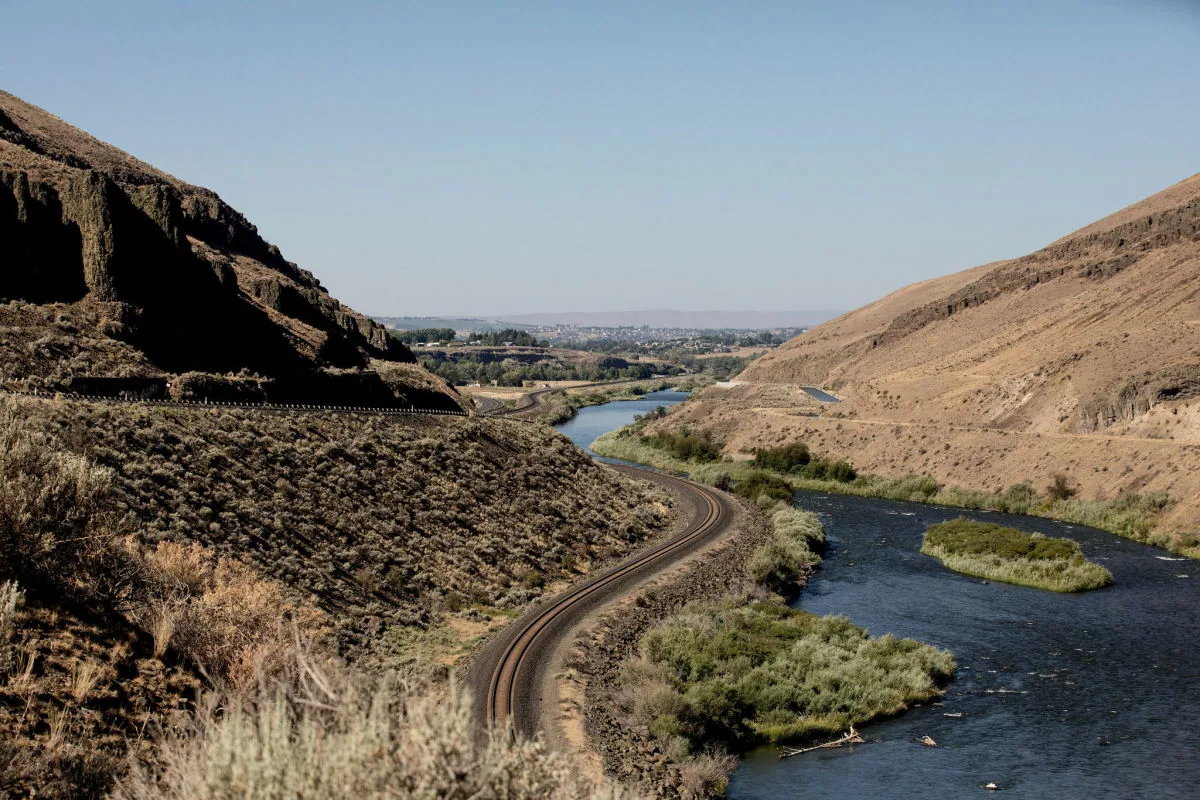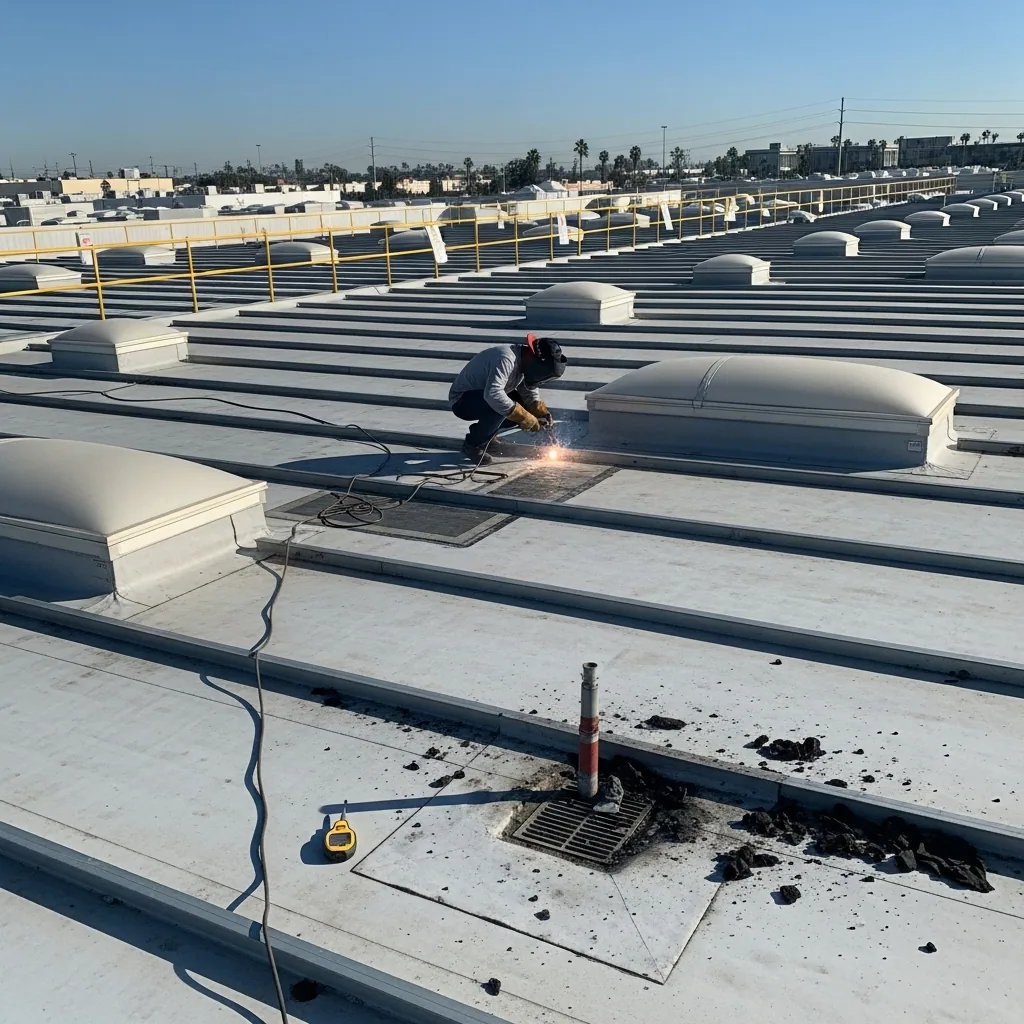
The budget request lands in late August, on an afternoon when the thermometer is past 95 F, and a finance director wants to know whether the roof on the packing house can wait another year. Dispatch asks for the condition report before it asks about price. A roof that fails in January, in the middle of a snow load, costs more than the same roof replaced in a dry June, and in Yakima, WA the calendar and the weather decide how much that difference is. Capital planning for roofs means choosing the year, the scope and the season of the work, so replacement happens on the owner's terms instead of the storm's.
Start the Plan with Measured Condition
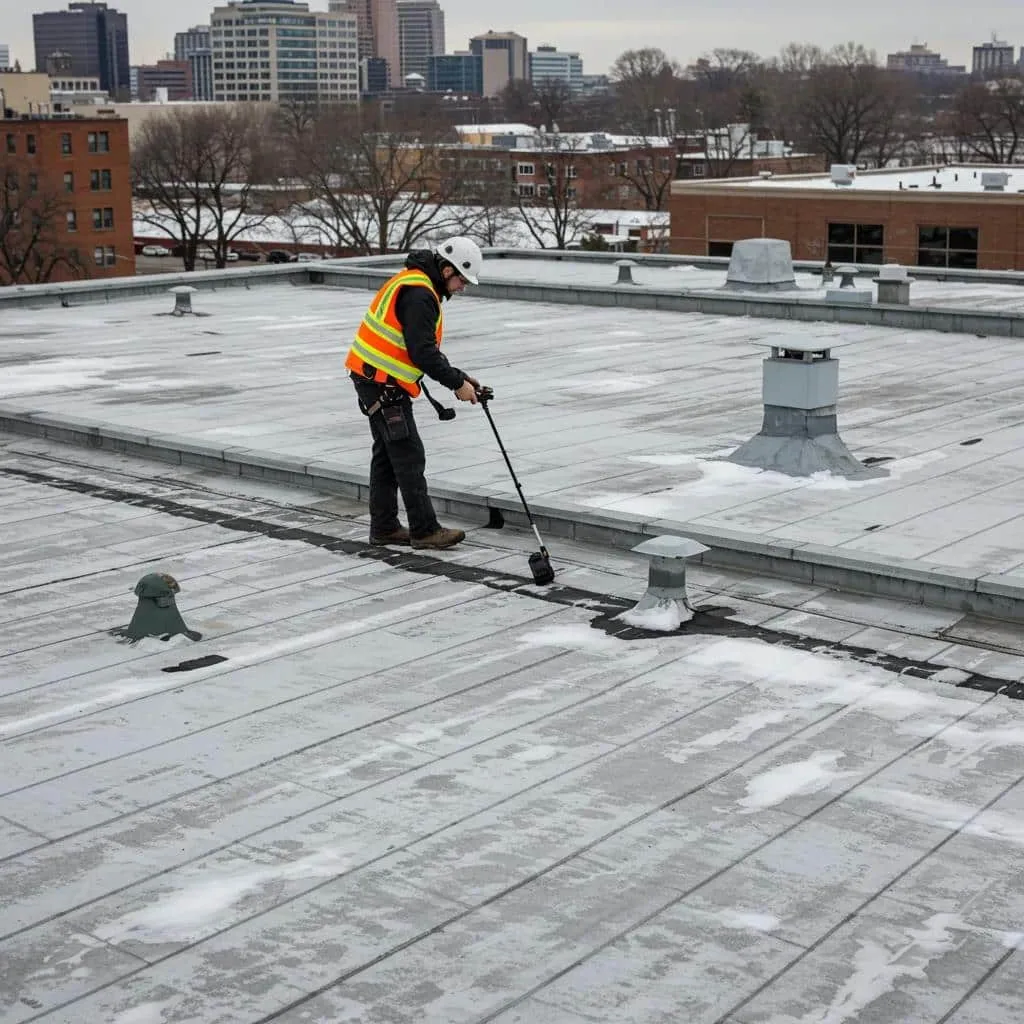
A plan built on age alone is a guess. A twenty-year roof may have years left, and a ten-year roof may be finished. We build the plan on the measured findings: core samples, moisture maps, seam probes and a look at the deck. Those results go into a written condition report that ranks each section.
The history comes from a running roof asset record. Between them, the two documents show what each roof is, how it has been treated and how much service life the evidence supports. Without that foundation, a capital plan is a calendar without a reason.
Warranty status belongs in the evidence too. A roof still under a manufacturer's warranty may need repairs done to a prescribed method to keep that coverage, and the plan notes which sections carry coverage and what the notice rules are.
Price Four Paths for Every Roof That Needs Attention
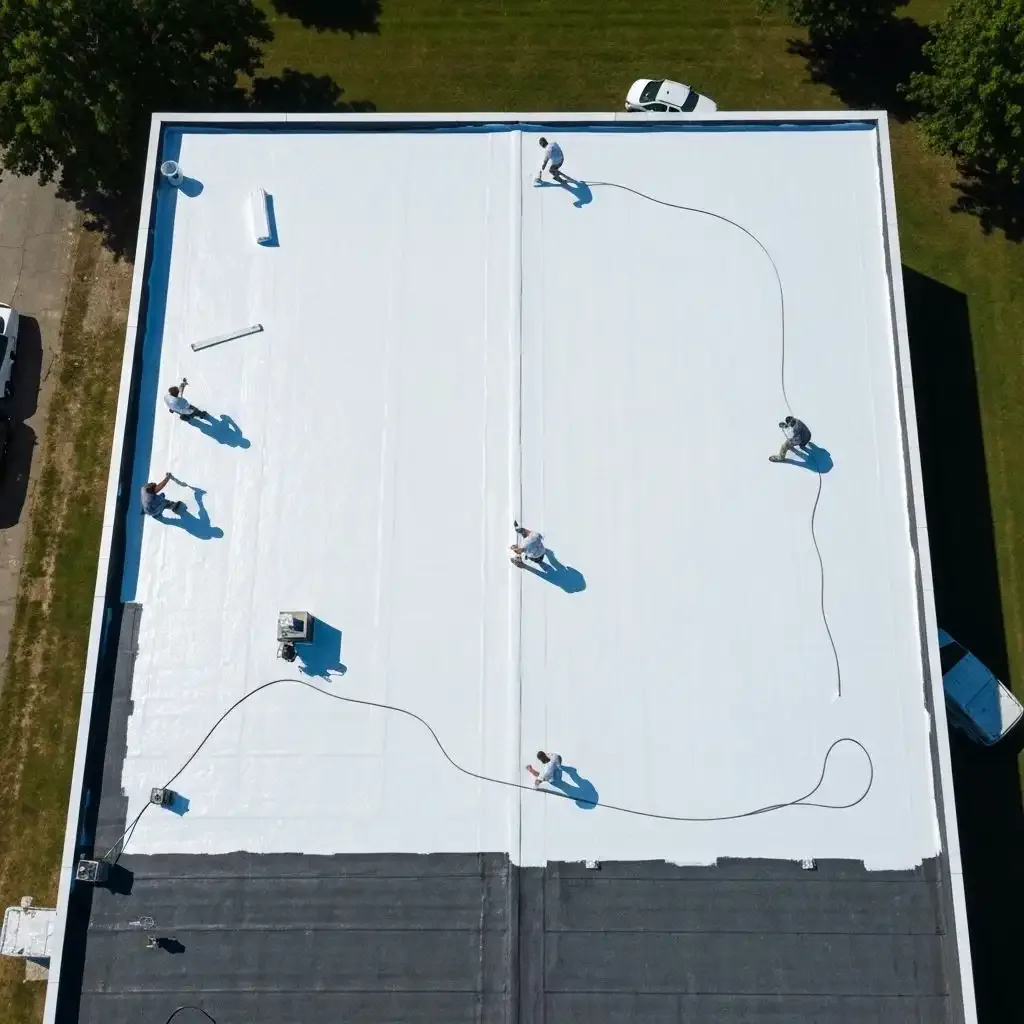
For each section due for work, we describe four options. Keep repairing, with a stated budget for the next few years. Restore with a coating, if the roof is dry and sound. Recover with a new system over the old, if conditions allow. Replace, with a full tear-off. Each has a cost range, a service-life range and a list of conditions that make it suitable.
Showing the paths side by side lets the finance director see the trade. A coating is cheaper now and does not reset the clock fully. A recover adds weight against the snow load. A replacement costs the most and lasts the longest. Every roof is different, so the written proposal carries the cost and life ranges in full for the building at hand.
The fifth path, doing nothing, is priced as well. It shows the cost of waiting in plain terms: the repairs likely to come, the interior damage at risk and the chance of an emergency call in the snow season.
Place the Work in the Season That Suits the Material
Yakima gives a long dry stretch from late spring through early autumn. Most membrane work, adhesives and coatings do best in that window, and a hot afternoon of 90 F or more, which occurs about 40 times a year, can push some products past their limits at midday. Crews adjust by starting early and closing sections before the peak.
Winter shrinks the window. About 19 days a year never rise above freezing, snow covers the surface for weeks, and a gale like the one in November 2019 stops work altogether. A plan that places a reroof in December is a plan that expects delays. We recommend putting the large projects in the calendar for May through September, and holding smaller repairs for the shoulder months.
Material lead times shape the calendar as well. Membrane, insulation and edge metal are ordered weeks before the crew arrives, so a June start means the order goes in during the spring. We build that lead time into the plan, which keeps a late delivery from pushing the roof into the first snow.
Budget for What the Deck and Insulation May Need
The membrane is rarely the whole cost. Wet insulation, rotted nailers, damaged deck and failed flashing show up once the old roof comes off. We include an allowance in the plan, based on the moisture survey and the core samples, so the budget does not come in short.
Code can add scope. The state's 2021 code editions, including the energy code, took effect on March 15, 2024. A reroof that opens the assembly may need to meet the current insulation values, which changes the thickness and the cost of the build-up. We check the code early and put it in the plan.
Snow load adds one more line. Yakima County lists parcel loads from 20 psf to well over 200 psf, so a recover that adds a layer is checked against the design value for that specific building before it enters the plan.
Schedule Around the Operation That Pays for the Roof
Owners lose money when a roof project disrupts their business more than it has to. A fruit packing operation has a harvest calendar. A retailer near Valley Mall in Union Gap has a holiday season. A clinic has patients every day. The plan should place the work where it hurts least, and we phase sections so the building keeps running.
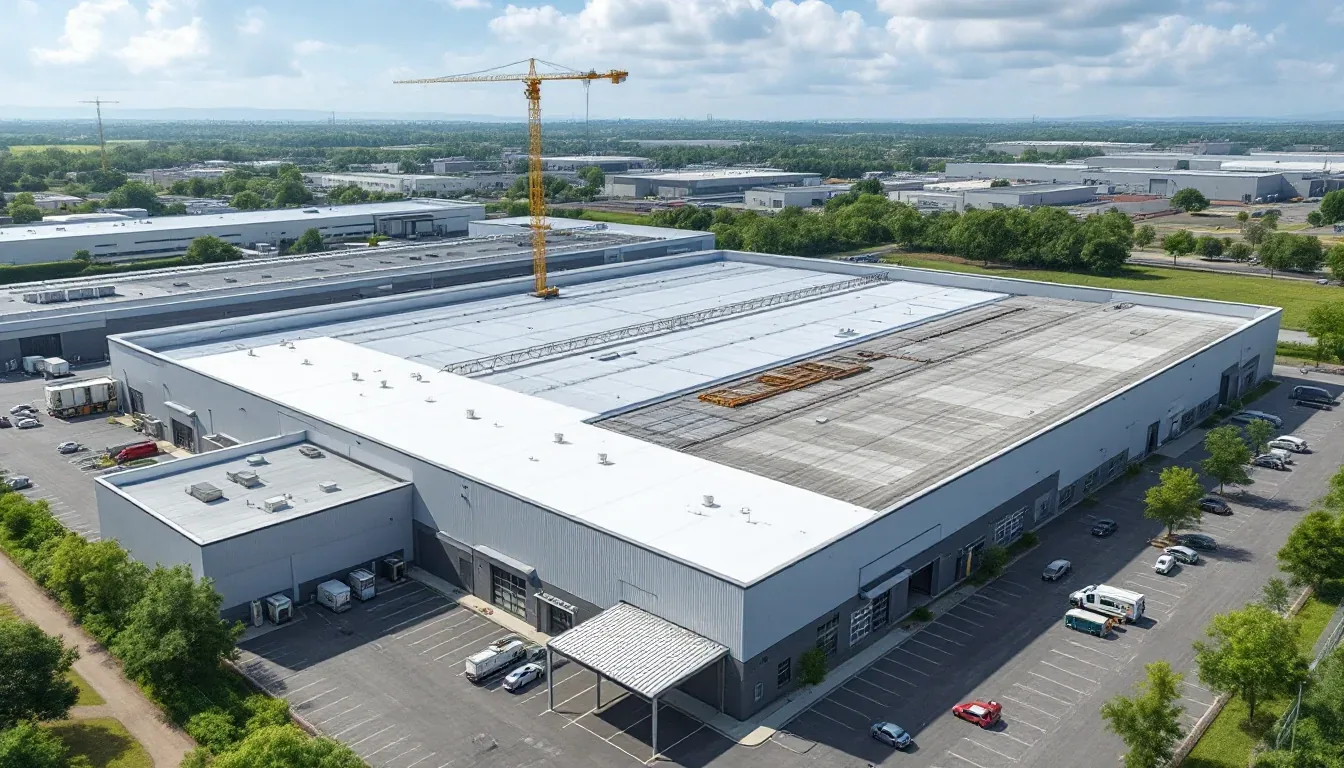
Where one owner holds many buildings, as in the real estate investor setting, we spread projects over several years to keep spending steady and to avoid placing every roof on the same cycle. A levelled plan also means a crew can give each building proper attention.
Review the Plan Each Year Against What the Winter Did
A good capital plan changes. A February 2019 snow load that red-tagged a building on South Third Avenue shows how a single season can move a roof from the watch list to the urgent list. After each winter, we revisit the scores, update the remaining-life estimates and shift projects up or down. The owner sees the changes in writing, with the reasons.
The review also catches wins. A roof that has been repaired and coated may deserve another year, and the plan moves its replacement later. Savings from that kind of adjustment can pay for a more urgent project elsewhere. Nothing in the plan is final until the budget is signed.
The yearly review ends with a one-page summary the board or the owner can read in minutes: what changed, what moved and what it means for next year's spending.
Commercial Roofing Questions
How far ahead should a roof replacement be planned?
For most commercial roofs, a planning horizon of three to five years is sensible, with the first year as the firmest. Longer horizons help budgeting but need annual review. Roofs on the repair-soon list may need a faster decision, and we mark them as such.
Is it better to replace several roofs at once or one at a time?
Bundling can lower the cost per roof and simplify scheduling, but it concentrates risk and spending in one year. We model both approaches for owners with multiple buildings and show the difference in cash flow.
What if the budget does not cover the whole recommended scope?
We rank items by risk and propose a phased approach that protects the building first. The most urgent flashing, drains and failed areas come before cosmetic work. The plan records what was deferred and when it should be revisited, so the deferral is a decision and not an oversight.
Can maintenance spending replace capital spending?
It can delay it, not remove it. A well-kept roof may last years longer than a neglected one, but every membrane ages out. Maintenance spending is compared with the cost of an earlier replacement in the plan so you can see the break-even.
How do you handle a roof that is leased to a tenant?
The lease decides who pays for the roof, so we ask for the relevant clauses before the plan is final. We prepare the documentation both sides need: the condition, the repair history and the cost of each option. Clear records reduce arguments about responsibility.