Two days after a wet snow has slid off the south slope of a flat roof, a facility director asks for a report that an owner, an insurer and a lender can all read. Dispatch asks what the report has to settle: a budget, a claim or a sale. In Yakima, WA, where design loads change from parcel to parcel and roofs take about 40 afternoons a year at 90 F or above, a condition report is the paper that turns a walk across a roof into a decision. It has to be specific enough to price from, plain enough to trust and short enough to read.
Cover the Roof on Foot, Then Confirm With Instruments
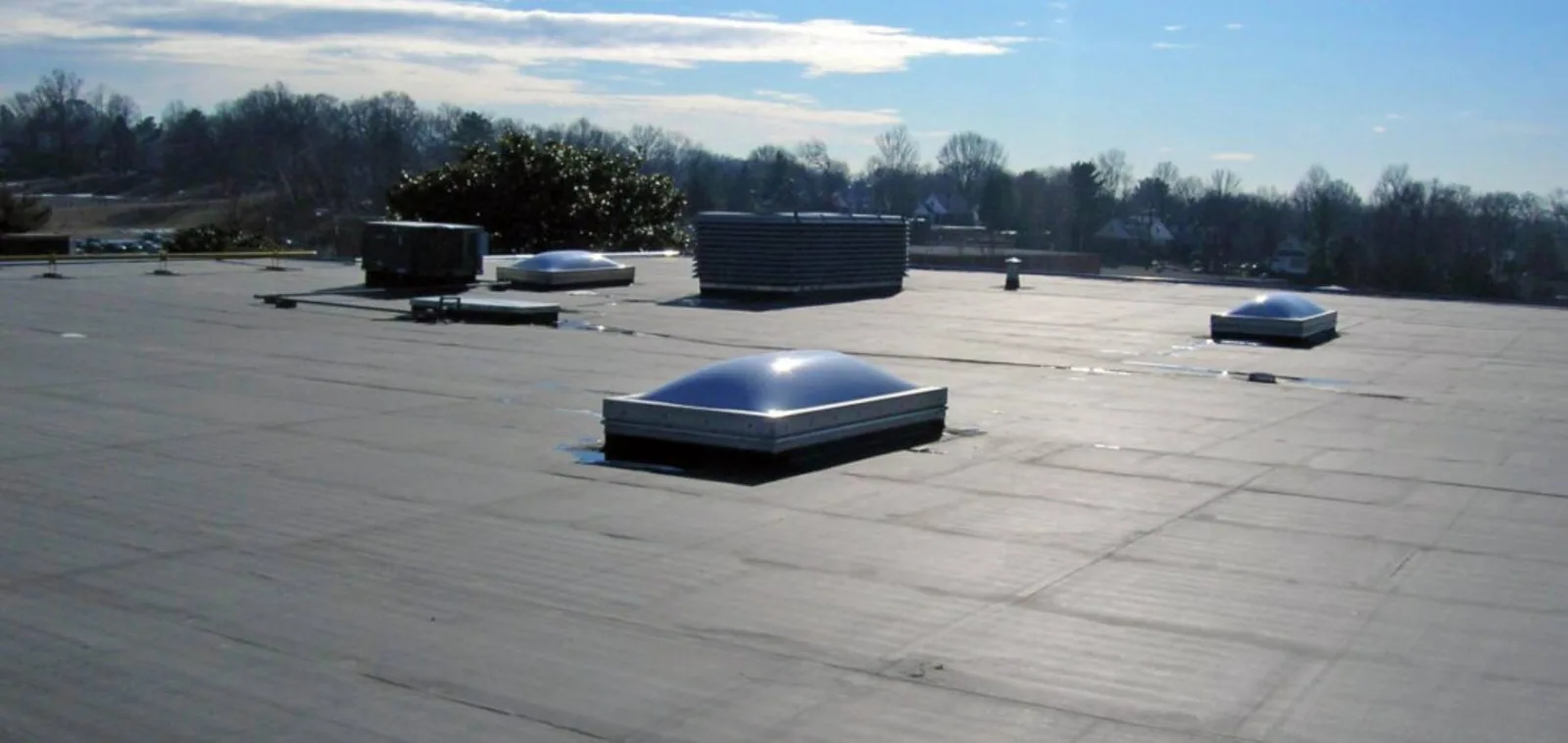
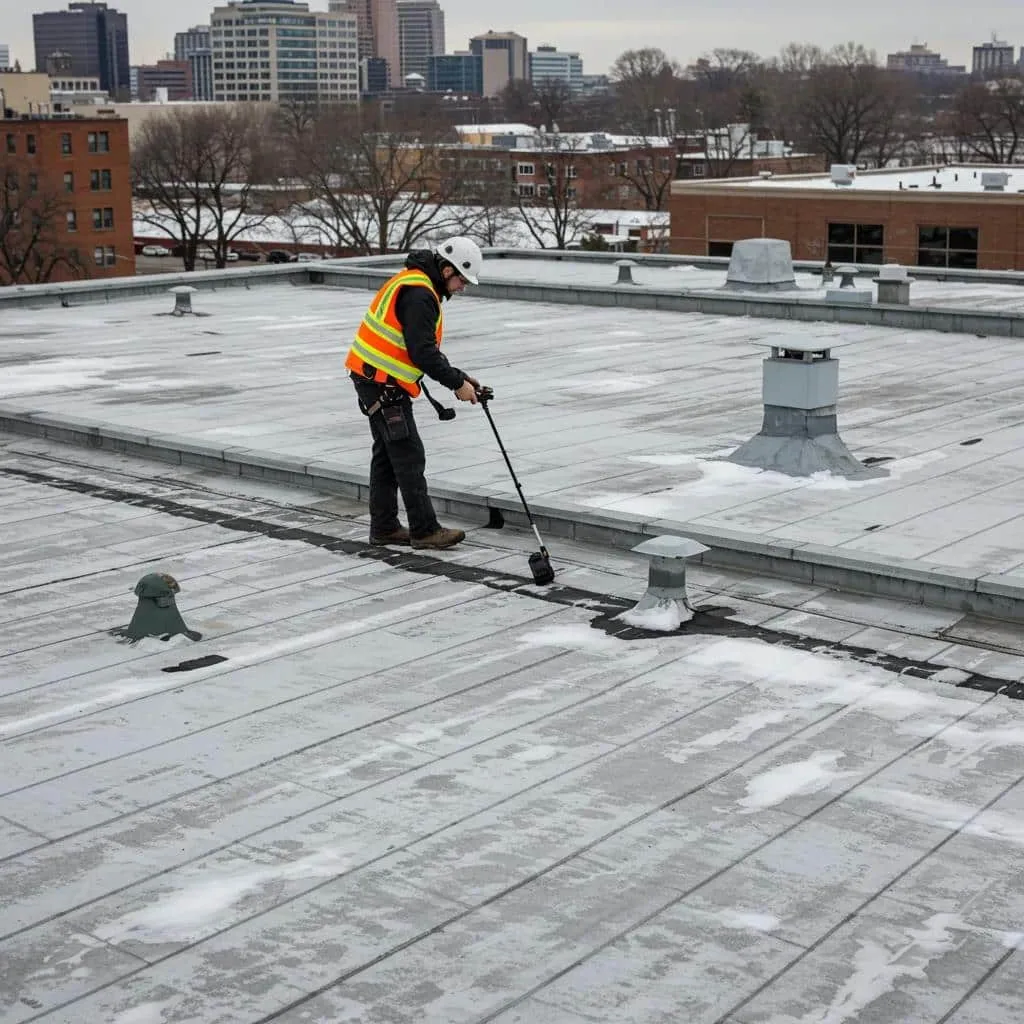
The field work starts with a hands-on walk of every section. We look at the membrane surface, seams, flashing, edge metal, drains, penetrations and equipment curbs, and we probe anything that looks suspect. Notes are taken against a numbered roof plan, and every finding gets a photograph with a location tag.
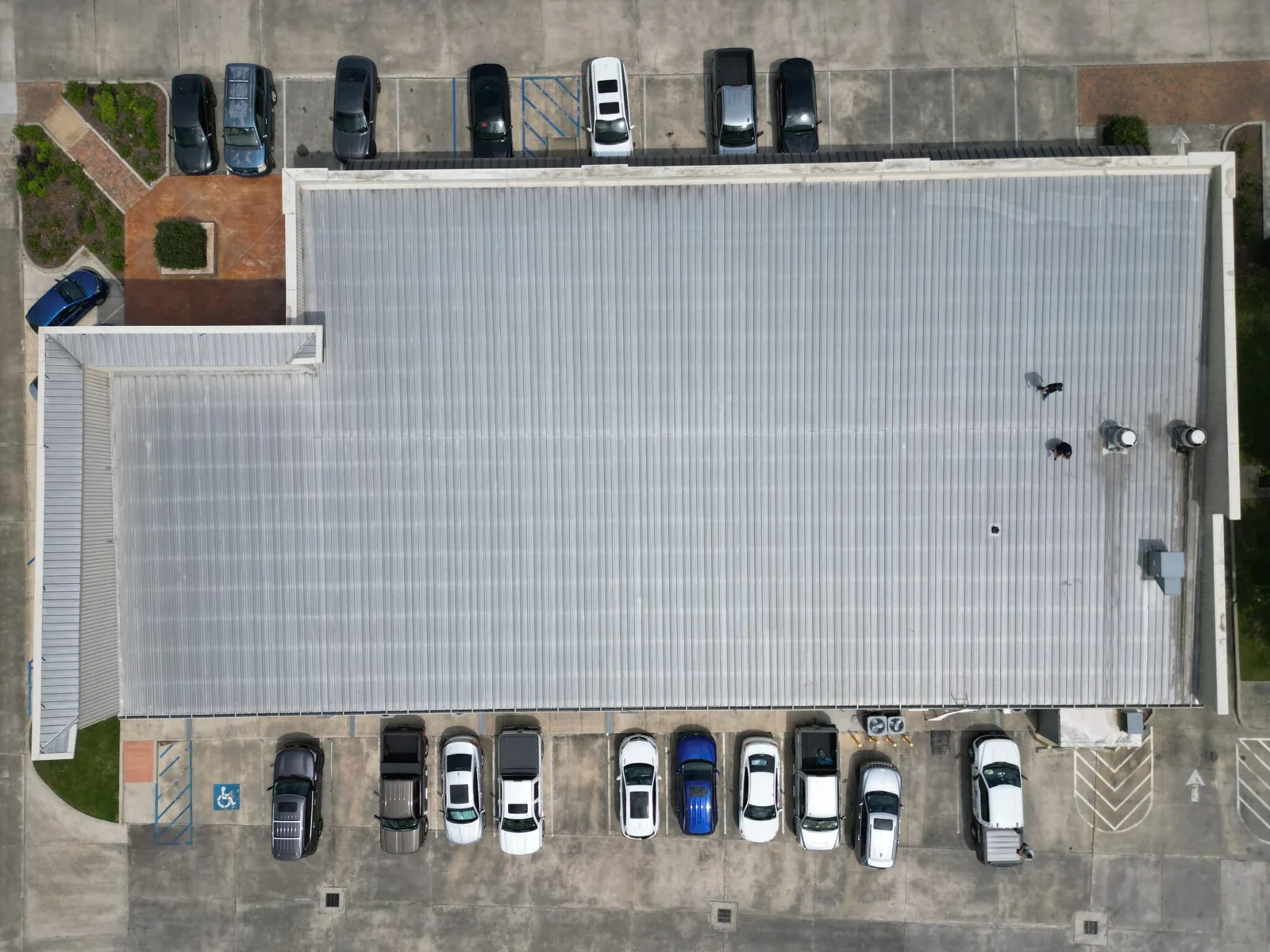
Instruments add detail. A drone survey gives a view of long roofs and hard-to-reach areas, and an infrared moisture scan after sunset maps wet insulation. Core samples confirm the scan and show the make-up of the roof. The report states which methods were used on which sections, so the reader knows what each finding rests on.
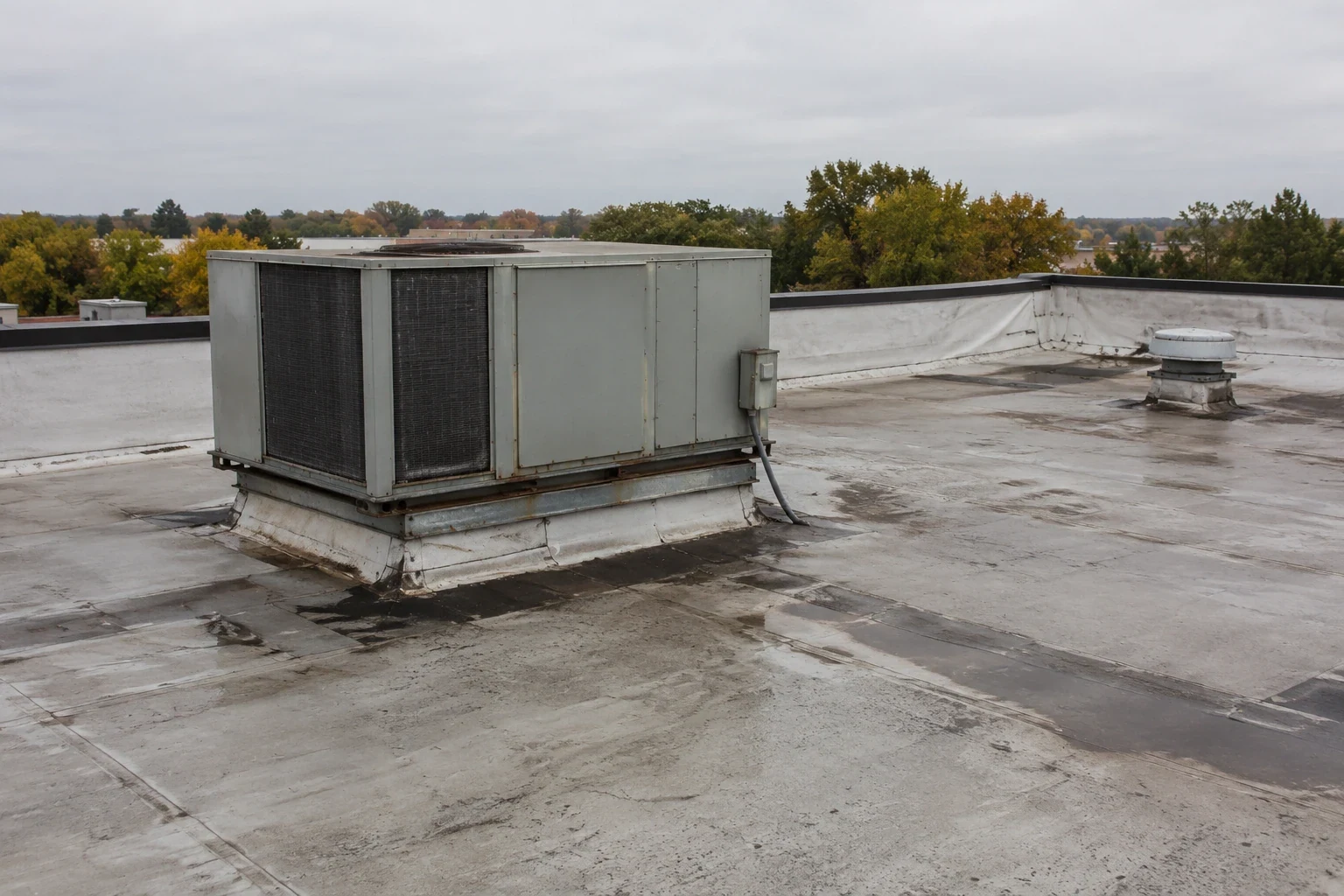
Timing is part of the method. We schedule the walk for a dry day, after any snow has cleared, so the surface can be seen and probed. On a roof with heavy rooftop equipment, such as the big-box retail roofs in Union Gap, we spend extra time along the service paths and around each curb, because wear and leaks concentrate there. If access is limited, the report names what we could not reach and what we did to cover it.
Report the Load and the Deflection Along With the Leaks
A condition report that stops at the membrane misses half the story in a snow market. The permit or drawings give the design snow load, the drift zones get marked, and any sag or ponding in the deck gets measured. A deflection record helps avoid the kind of outcome that put a red tag on a South Third Avenue commercial building in February 2019.
Where the deck shows distress, the report says so plainly and recommends a structural engineer's review before further roofing is planned. A roof whose design load nears the 70 psf point where the county requires engineering gets extra attention in the findings.
Drainage gets the same treatment. We note every drain, scupper and overflow, whether each was clear and where water stood after the last melt or rain. Drains that drain but sit above the low point are flagged, because a clear drain in the wrong spot still leaves a pond.
Rank Every Section with a Rating You Can Compare Year to Year
Each roof section receives a rating on a fixed scale, with a short explanation of what drives it. The scale covers the surface, the seams, the flashing, the drainage and the insulation. We state the estimated remaining service life as a range, with the assumptions that bound it.
The ratings feed a summary table: section, system, age, rating, major findings and recommended action. A busy owner can read the table in a minute and the details in an hour. Because the scale stays the same from year to year, the next report shows whether a roof is holding or sliding. Those ratings flow into roof asset management for the longer record.
We explain how the remaining-life range was reached. A roof with sound seams and dry insulation but a chalked surface may have a long range with a coating in the plan, while a roof with wet insulation across a bay has a short range regardless of surface condition. The reasoning is written out, so a second opinion can test it.
Turn Findings into a Repair List Ranked by Risk
The back half of the report is a repair list. Each item names the location, the problem, the fix and the priority. Urgent items, such as an open flashing above a cold room, come first. Items to watch come next, and long-range items, such as an aging section, close the list.
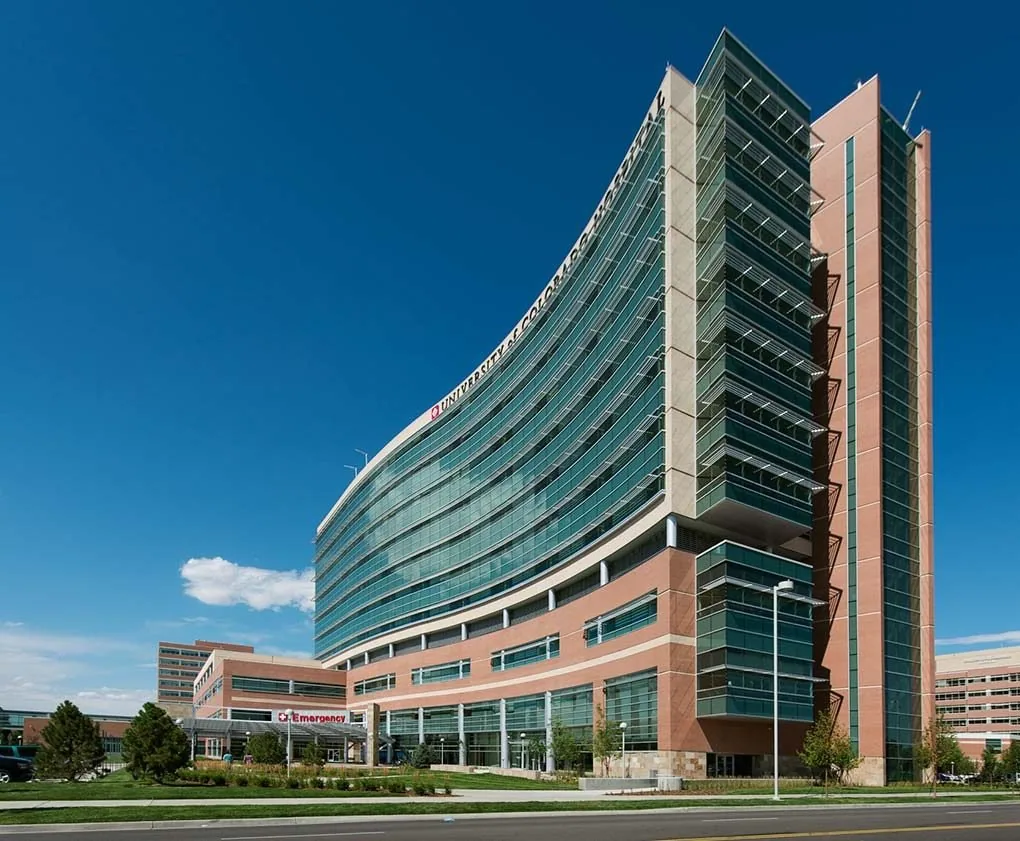
We separate maintenance from repair and from replacement, so the budget lands in the right account. Photographs sit beside each item. For hospital and clinic buildings, where a leak affects patients, the list identifies the rooms below each finding. A hospital roof report also records the quiet-hours constraints that govern when work can proceed.
Cost guidance is part of the list. We give each item a qualitative size, from a small repair on a single visit to a section replacement, and the proposal that follows carries the detailed pricing. That keeps the report usable for planning without tying it to a bid.
Tie the Findings to the Weather Events on Record
A report that names the storms behind the damage is far more useful to an insurer. A pattern of lifted edges and loose metal can match a dated event like the late-November 2019 windstorm. The report notes where damage fits a known event and where it looks like gradual wear.
That separation helps a claim and helps the owner decide what to pay for. We do not guess at cause. We state what the evidence supports and flag what cannot be decided from the roof alone. The commercial roof inspection that produces the report follows the same careful line.
Write the Report for the Three People Who Will Read It
One reader is the owner, who wants the decision and the cost. Another is the facilities team, who wants the location and the fix. The third is an outside party, such as a lender or buyer, who wants the evidence. We write a plain summary up front, detail in the middle and appendices of photos and test data at the back. Buyers and lenders often ask for a due diligence roof survey, which uses the same field method with a transaction focus. A processing site in Selah and an office in town get the same structure.
Photographs are chosen for what they prove. A wide shot shows context, a close shot shows the defect, and a reference object shows scale. Each is captioned with the date and the section, and the file is stored with the report so it can be pulled up for a claim, an audit or the next inspector.
Commercial Roofing Questions
How long does it take to receive a written report?
After the field work, most reports are ready within a short working period, longer for large or multi-building jobs. Moisture scans need a clear evening and a dry roof, so weather can shift the date. We give a delivery date when we schedule the visit.
Does a condition report replace an engineer's evaluation?
No. We evaluate the roofing system, and we refer structural questions to a licensed engineer. Where our findings point to deck distress or overload, the report says so and recommends the engineer's review before further work.
What does the report cost, and can the fee go toward repairs?
Pricing depends on roof area, access and the instruments used, so we quote after a first look. If you want the fee credited against repair work, raise it when the proposal is written. The report belongs to the owner.
Will the report help us dispute a warranty denial?
It can help by documenting the roof's condition and the installation details we can see. It does not decide the dispute. We keep photographs and test data with the report so you or your attorney can present them.
How often should we order a new report?
A full report every few years, with lighter updates after each major storm or each winter, suits most roofs. Roofs near the end of their life, or ones with active leaks, deserve more frequent checks. We set the interval in the plan.