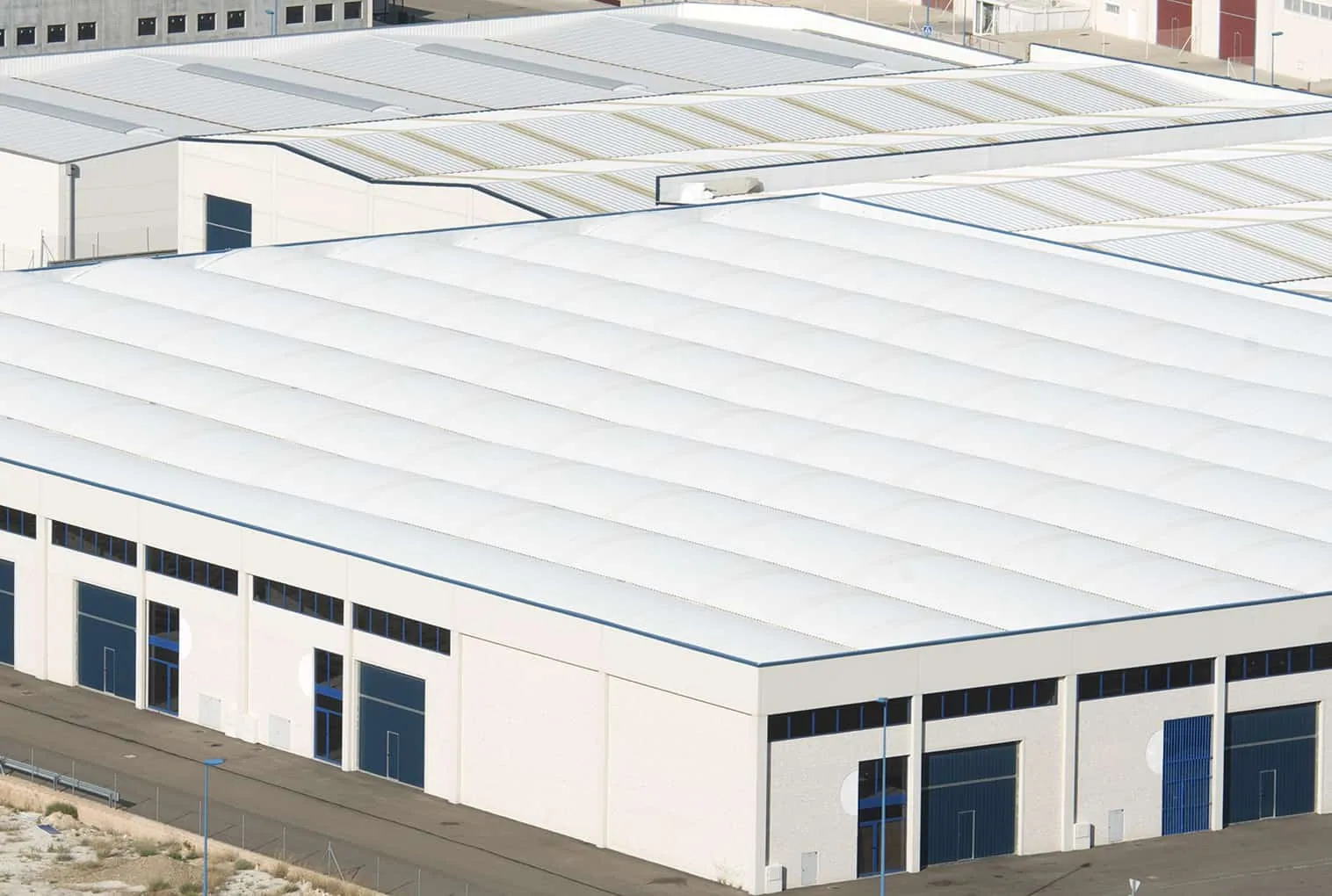
The spec sheet lands on a facility director's desk the Tuesday after a November gust, with a manufacturer's name across the top and one question under it: can the crew that fixes the roof work on this system? GAF is a roofing manufacturer whose commercial offering spans single-ply thermoplastic membranes, modified bitumen, built-up components and liquid coatings. When a Yakima, WA building has one of those systems overhead, dispatch asks which category it is before anything else, because a thermoplastic sheet, a rubberized asphalt roll and a coating each fail in their own way.
We install, repair and maintain these categories of roof. Bring the spec sheet or a photo of the roof label, the roof age and the permit drawings with the design snow load, and we will tell you what the system is, how it is behaving and what the next step should be.
Sort the Roof Into Its System Family
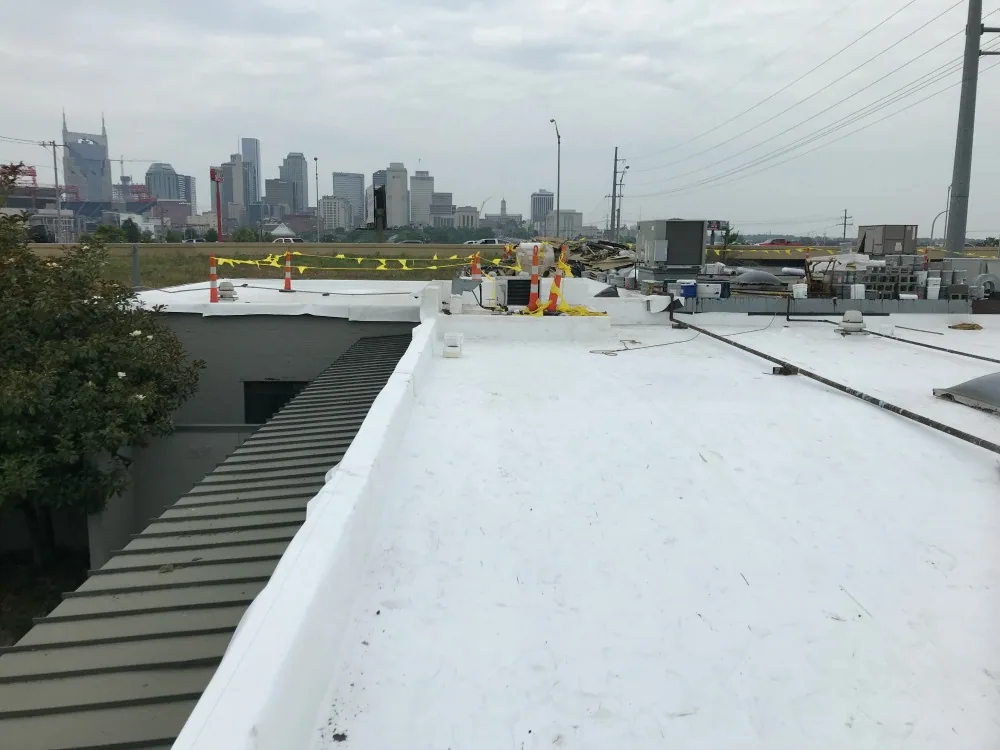
A manufacturer name tells us the family of materials, and the family tells us how the roof ages. Thermoplastic single-ply sheets such as TPO are joined by hot-air welds, so their seams are the first thing we probe. Modified bitumen is layered asphalt with a polymer, joined by heat or adhesive at the laps, so we check the laps and the granule surface. Built-up systems stack plies and gravel, and coatings are liquid films that depend on the base roof below.
We confirm the family by reading the label, cutting a small core where needed and looking at the seams. Sometimes the printed name and the actual system do not match, because a roof may have been recovered or repaired with another material. A confirmed family keeps repair materials compatible, and it keeps us from welding a patch onto a sheet that will not accept it. It also shapes the inspection: on a thermoplastic roof we spend the most time on welds and flashing corners, on a bituminous roof on laps, blisters and gravel loss, and on a coated roof on thickness, pinholes and adhesion at the edges. Each family gets a different checklist, written down and kept in the callback log for the building.
Check the Assembly Against the Snow Load
The permit gives the parcel's design snow load, and engineering is required above 70 psf. A manufacturer's assembly adds a known weight, and insulation, cover board and ballast add more. Before we recover or replace, we compare the total against the permit number. The red tag on a South Third Avenue commercial building in February 2019 is a reminder that a deck has limits.
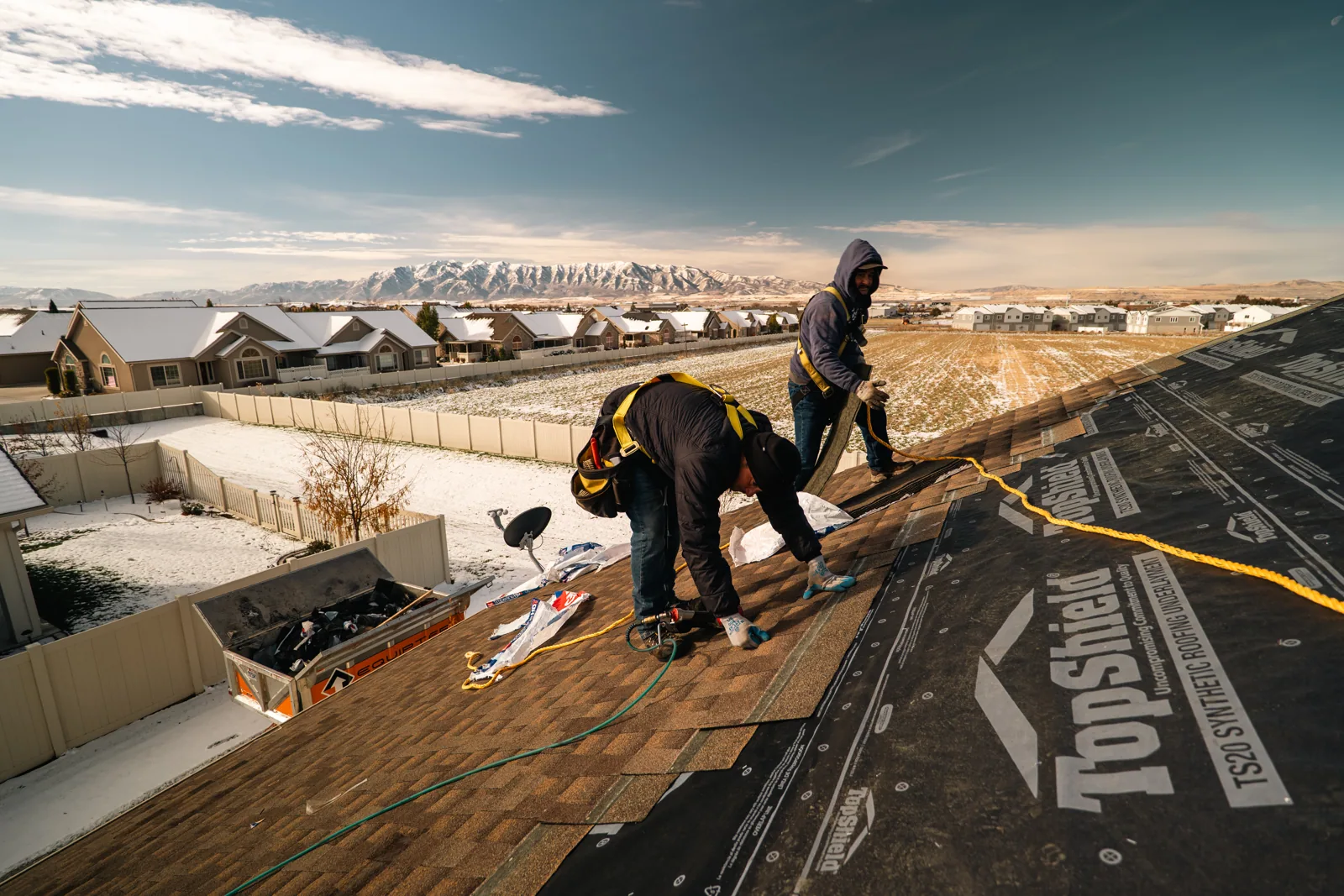
A metal blade can cut a thermoplastic sheet and strip the granules from a cap sheet, so snow comes off with plastic tools and a protective layer stays behind. Where drifts pile against a parapet or a taller wall, we check the deck from inside for deflection before work begins. A sagging bay changes the plan.
Repair to the System, Not Just the Hole
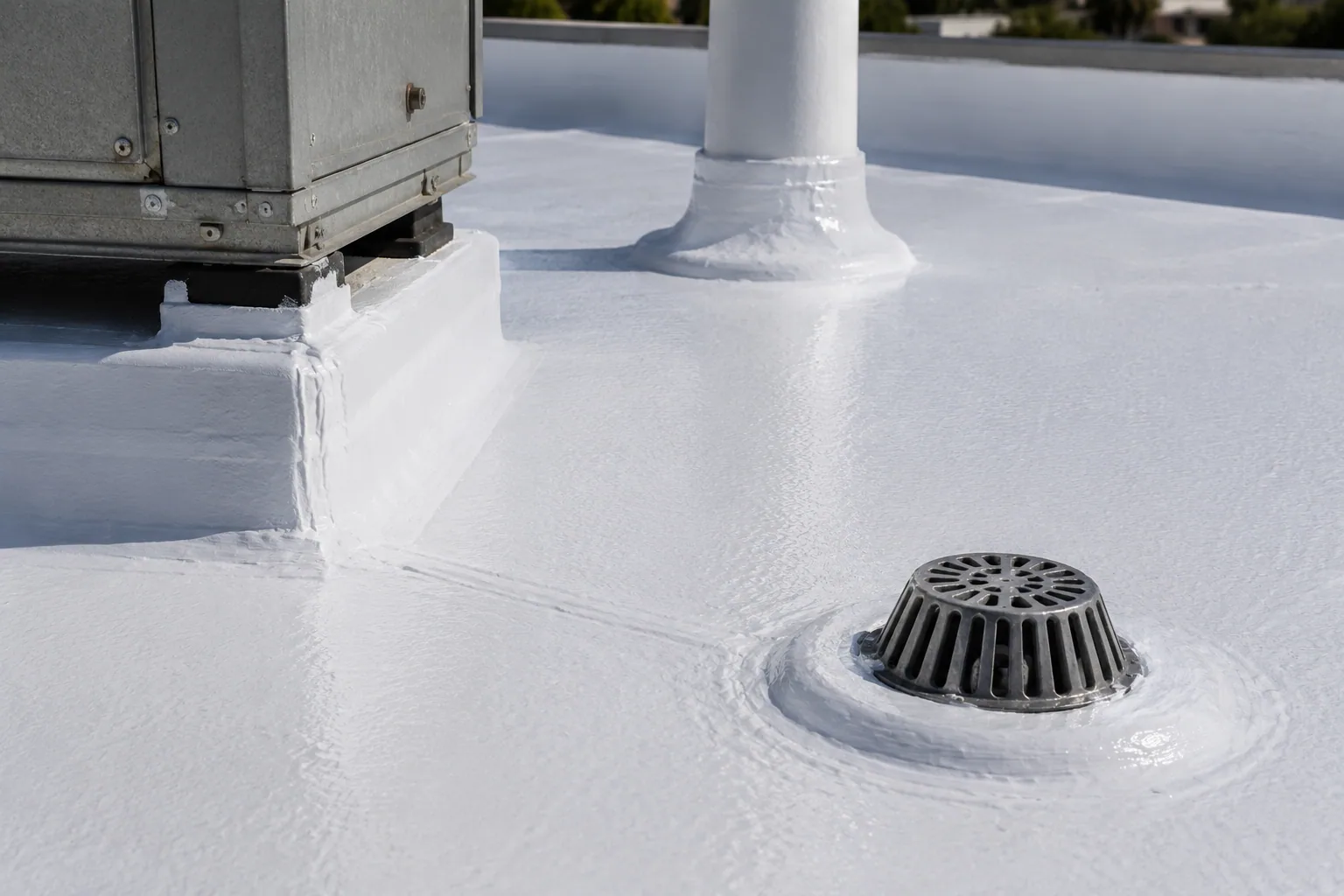
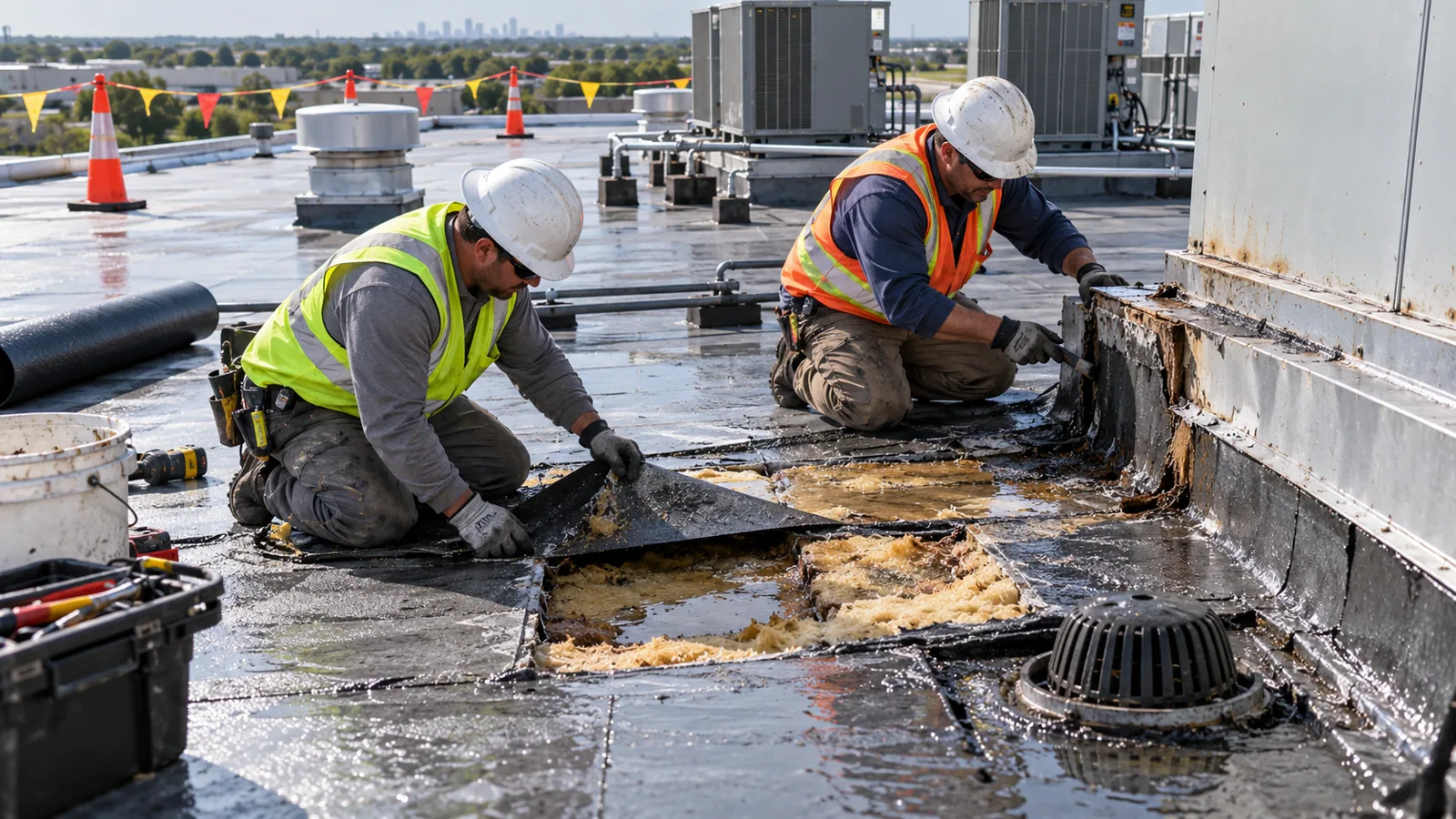
Each family has its own repair method. A thermoplastic patch is heat-welded with rounded corners after the surface is cleaned. A modified bitumen patch is torched or adhered, and the repair laps over sound granule surface. A coating repair needs a clean, dry substrate and the right primer. Mixing methods causes failures: a mastic smeared over a thermoplastic seam looks fine for a season and peels away in the next freeze.
We begin each repair by finding out why the failure happened. Was it a gust-lifted edge, a worn flashing, a puncture from a service visit or a seam that never fused? The answer sets the fix. Our commercial roof repair work lists each item as a patch or a fix, with the cause noted, so the same spot does not fail again next spring.
Protect Any Existing Manufacturer Warranty
If your roof carries a manufacturer warranty, its terms control what can be done to the roof and who can do it. Some warranties require notice before repairs, restrict penetrations or require maintenance records. We do not guess at these terms. Send us the warranty document, and we read it before we touch the roof, so a quick patch does not void coverage.
Where the warranty has expired or does not apply, the decision is simpler. Even so, we document every repair with photos, a roof sketch and a short note on the materials used, because a record of care helps in a sale, an insurance review or a future claim. The same records are the core of roof warranty management, which tracks terms, dates and conditions across a property.
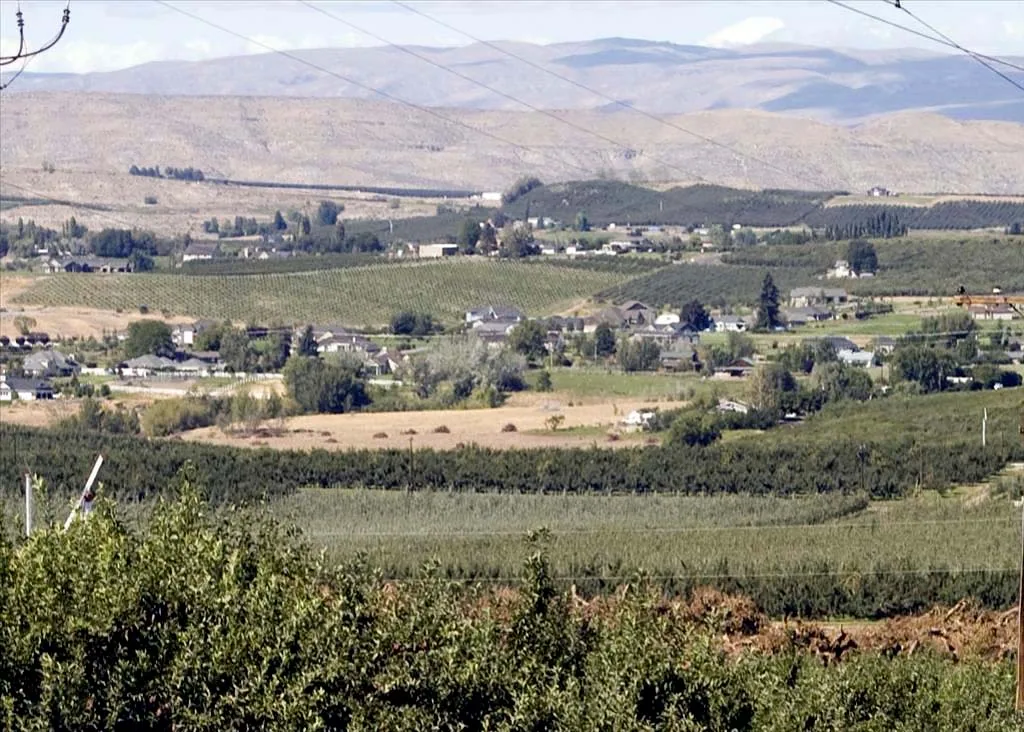
Match the System to Yakima's Swings
The lowest temperature on record in Yakima is minus 25 F and the highest is 113 F, set on June 29, 2021, with about 40 afternoons a year at 90 F or more. A system that survives that range moves at its seams and flashings every day. Reflective membranes lower the surface temperature and reduce the swing. Flexible modified bitumen tolerates cold nights. A coating adds reflectivity to a roof that is still sound.
Wind decides edge metal and fastening patterns here, with a county design speed of 110 and a late-November 2019 storm still fresh. For big-box retail near Union Gap or processing plants in Selah, we pick the family that fits the building's exposure, and we compare it against comparable systems from makers such as Carlisle SynTec and Johns Manville, since the roof decides the system and the system does not decide the roof.
Commercial Roofing Questions
My roof has a GAF label from a previous owner. Can you still repair it?
Yes. We identify the system family from the label and from a core sample, and we use compatible materials for the repair. If the label does not match what we find, we tell you what is actually on the roof. Send photos of the label, the seams and the surface, and we will plan the first visit.
Do you only work on one manufacturer's systems?
No. We repair and install thermoplastic, rubber, bituminous, metal and coating systems from several makers. The right choice depends on the building, the exposure and the budget. We compare options in writing and explain the tradeoffs, so the choice rests on the roof and not on a brand.
How do I know whether a thermoplastic roof needs repair or replacement?
Probe the seams, look for crazing and shrinkage, and scan for moisture. If the failures are at flashings and a few laps, repair is the right answer. If the surface is weathered and will not accept a test weld, or the insulation is saturated across large areas, replacement or recover is the better choice.
Will a coating extend the life of a system after its warranty has ended?
A coating can extend the life of a sound roof by shielding it from sun and sealing small defects. It needs a dry substrate, a clean surface and the right primer. A coating over wet insulation or a failed seam only hides the trouble. We test first and tell you which sections qualify.
What should I send you to start a review of my roof?
The building address, the roof age if you know it, photos of any label or data plate, the permit drawings with the snow load, and notes on where leaks have appeared. A moisture scan follows if the pattern is unclear. Those details tell us what to bring on the first visit.