A property manager finds a lifted edge the morning after a November gust and asks, before anything else, whether touching it will cost the roof its warranty. Dispatch asks for the warranty paperwork and the date of the last inspection. A manufacturer warranty is a contract, and like any contract it has notice rules, maintenance duties and conditions about who may repair what. In Yakima, WA, the same roof takes snow in January, summer heat and gales like the one in November 2019, so those conditions get tested often. Managing the warranty means keeping the paper in step with the roof.
Read the Warranty Before the First Problem Appears
Most owners file a warranty and read it only after a leak. We read it earlier. The key items are the coverage period, what is covered (materials, labor or both), what is excluded, the notice window for a claim, the maintenance the owner must perform and any limits on repairs by third parties.
Common exclusions include damage from storms above a rated wind speed, ponding beyond a stated depth, foot traffic and rooftop equipment work. The county's design wind speed is 110, and a warranty may cover wind only to a lower figure. We note these limits in a one-page summary so the facility team sees them without hunting through a binder.
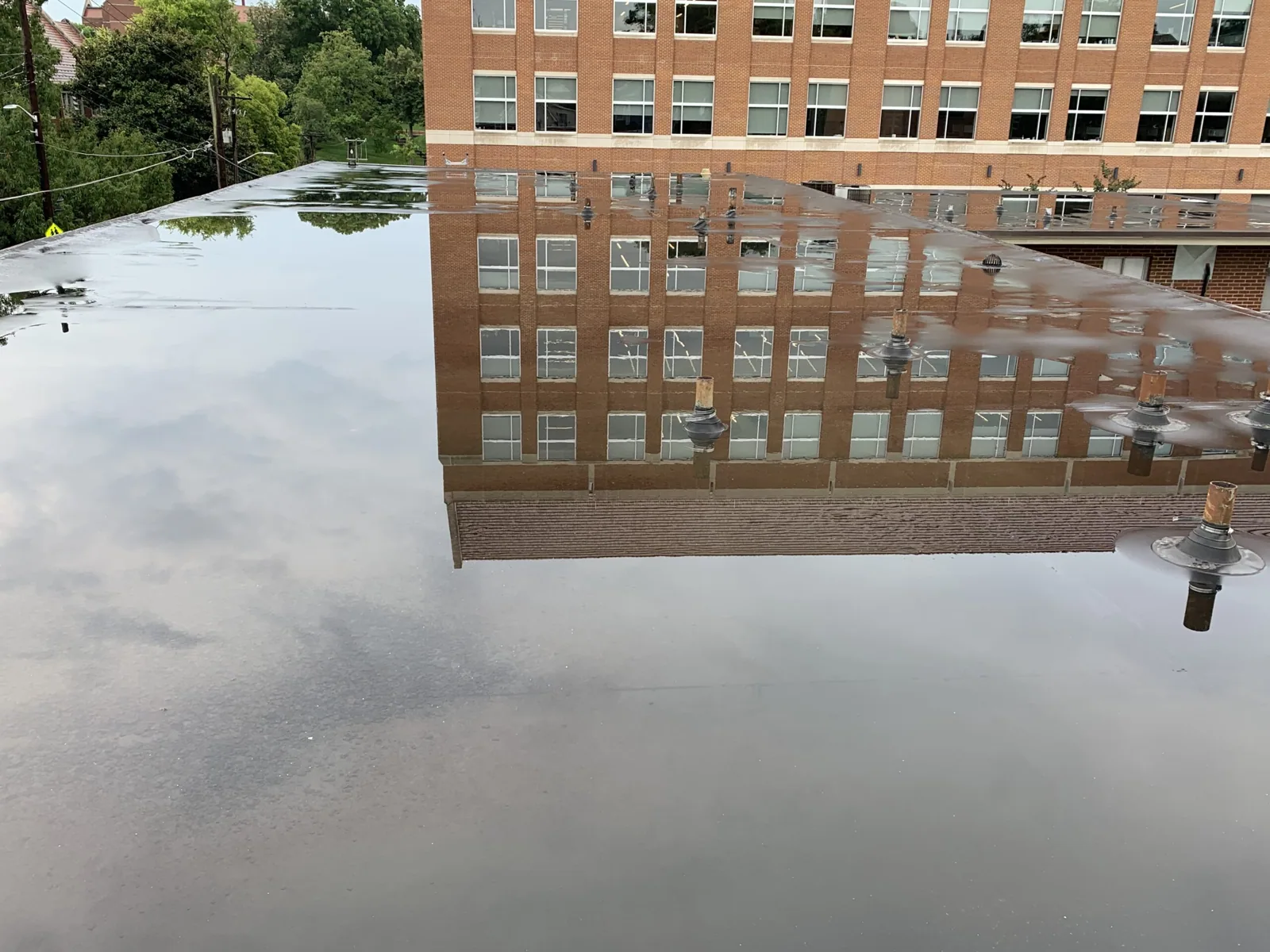
Terms about ponding deserve a second look in this market. Many warranties exclude standing water beyond a stated depth or beyond a set number of days, and a flat roof that carries melt for a week after a thaw can fall outside coverage. We measure ponding at each visit and tell you when a pond nears the limit, so drainage is corrected before the clause is triggered. The ponding water repair options are the usual cure.
Give Notice Inside the Window and in the Required Form
Many warranties require written notice within a set number of days after a leak or damage appears. Missing the window can end the claim, however good the roof's case. We keep a notice sheet for each covered roof with the contact, the address, the method (letter, portal, tracked mail) and the deadline.
When a problem appears, our crew photographs it, documents the cause as far as the evidence allows and prepares the notice package for the owner to send. The owner or the owner's agent makes the claim, not us. After a wind event such as the 2019 gale that gusted to 53 mph in Sunnyside, we check which of your roofs carry coverage that could respond.
Keep a copy of every message sent and every reply. A claim file that shows the date, the method of delivery and the response is far stronger than one that relies on a phone call. We store our photographs and Diligence Notes alongside the owner's copies so both sides can show the same sequence of events.
Repair Within the Manufacturer's Methods
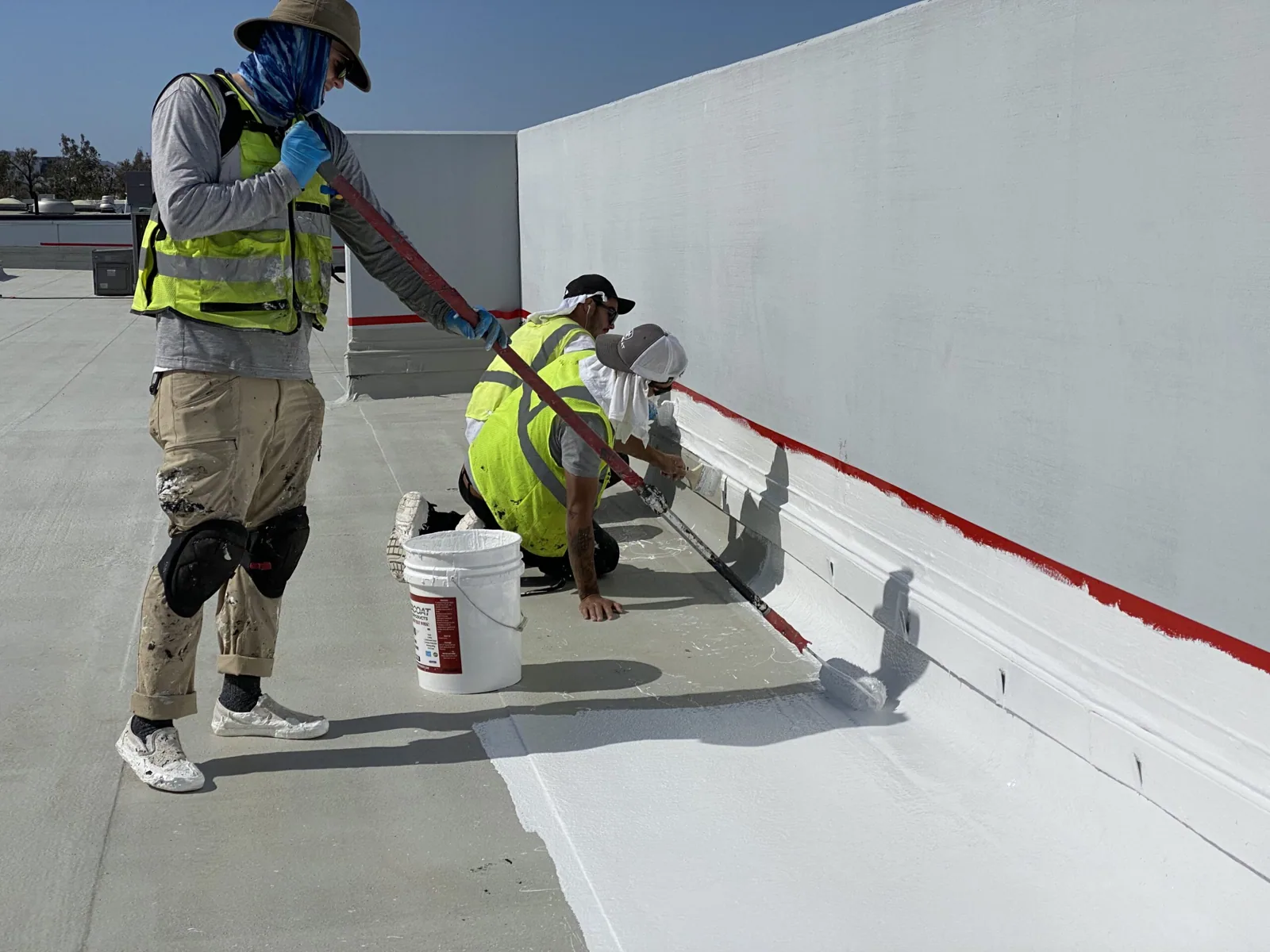
Warranties often limit who may repair the roof or how. A repair with the wrong material or an unapproved method can reduce or void the coverage. We follow published manufacturer details for flashings, seams and patches, and we use compatible products from the same system where required.
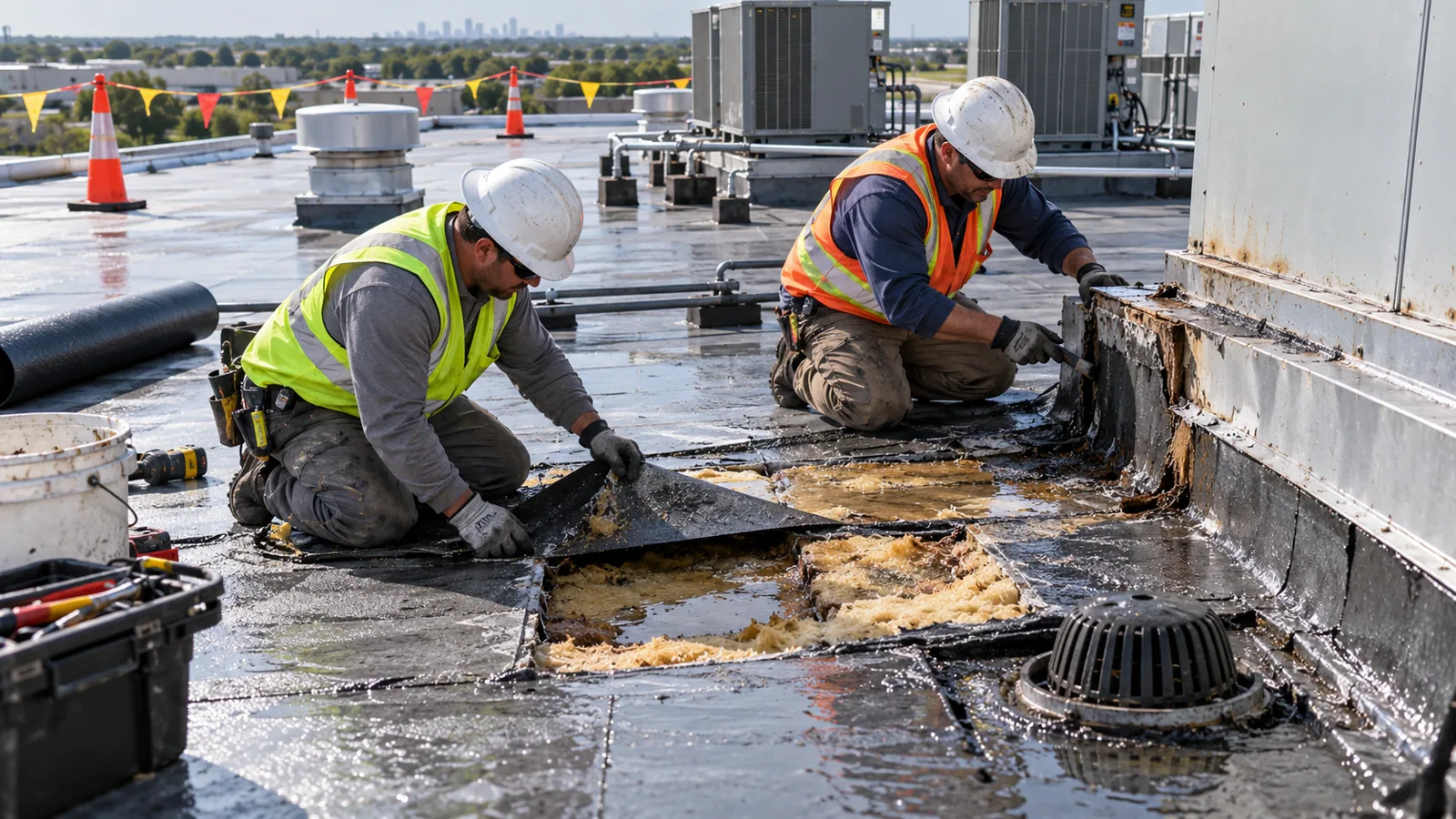
For emergency work, such as a tarp after a gust, we document what was done and why, and notify the manufacturer promptly when the warranty calls for it. The commercial roof repair scope for a warranted roof includes a line that names the governing warranty and the method used. That line is what a claims reviewer looks for.
Some warranties require the manufacturer to inspect before a repair, and others require a representative to sign off afterward. We schedule around those steps so the roof is not left open while paperwork catches up, and we use a temporary dry-in when the permanent repair has to wait for approval.
Keep the Maintenance Record the Warranty Asks For
Warranties commonly require periodic inspection and upkeep, such as clearing drains and repairing damage promptly. If the record is thin, a manufacturer can argue the owner neglected the roof. Our preventive maintenance visits produce a dated report each time, with photographs and a list of what was done.
The reports serve a second purpose. They show the roof's condition over time, which helps separate a manufacturing defect from storm damage or wear. A roof with a clean, steady record is easier to defend. The record belongs in the owner's file and ours, and we keep both current.
Track Changes to the Roof That Can Affect Coverage
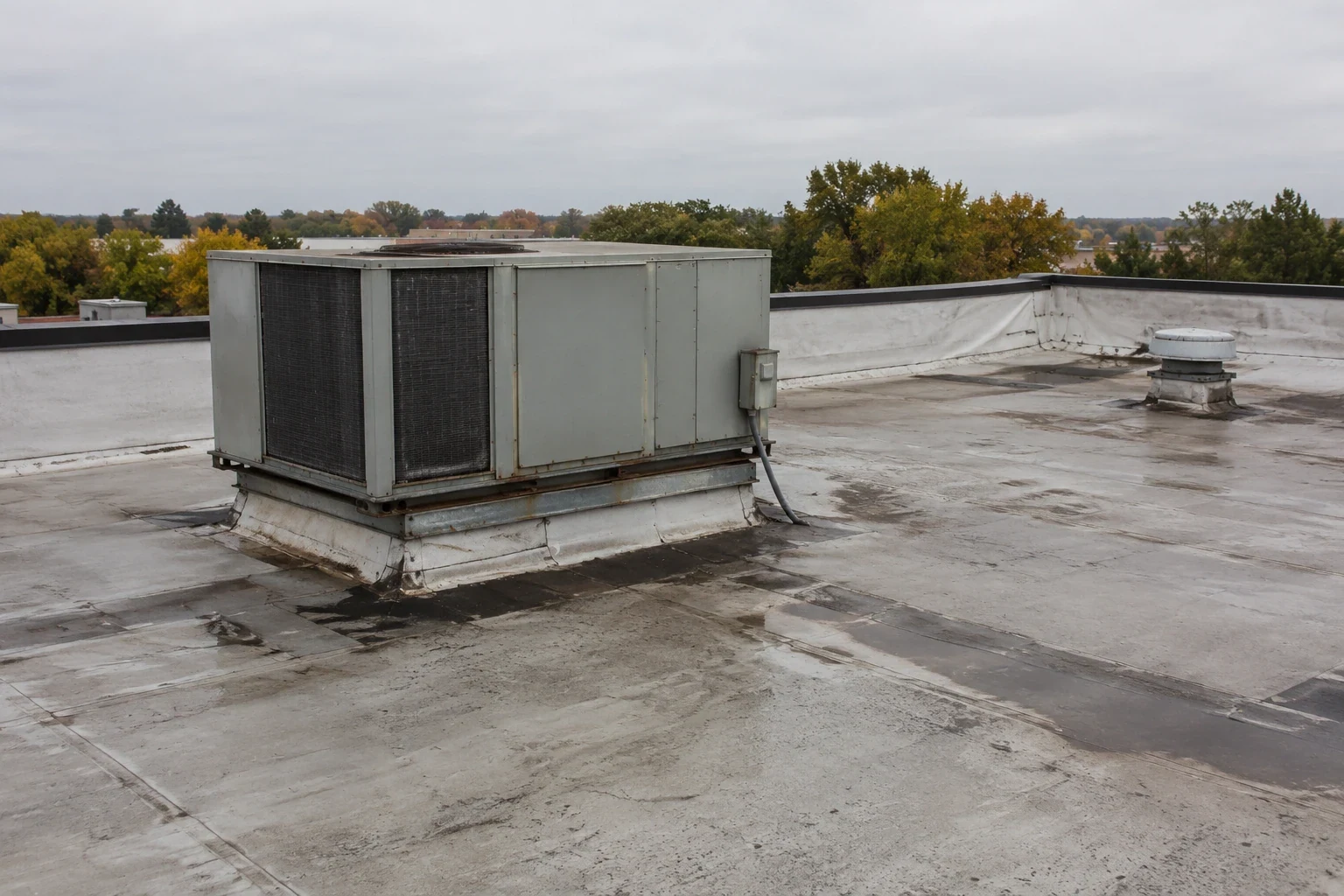
New rooftop equipment, solar arrays, antennas and penetrations all change the roof, and most warranties have something to say about each. Work by other trades can void coverage if the roof is damaged or if penetrations are flashed incorrectly. We ask facility teams to call before any new opening is cut, and we flash it to the roof system's published details.
When a roof passes to a new owner, the warranty may need to be transferred, often with a fee and a deadline. We review the transfer terms during a due diligence roof survey, since a buyer who finds the warranty void at closing has lost an asset.
Roof age matters at the end of the term. In the final year of coverage, a condition survey can find defects that are still the manufacturer's responsibility. Waiting until after expiry leaves the owner with the repair bill.
Run Warranty Dates Across Every Building
Owners with many roofs benefit from one calendar. We list each roof, its manufacturer, expiry date, notice requirements and renewal or extension options. The list feeds the multi-site program schedule and warns when a warranty is nearing expiry, which is the best time to inspect and repair so problems are on record while coverage still applies.
Roofs on cold storage and processing buildings across the valley, from Selah to Union Gap, tend to carry equipment loads that make warranty terms matter more. The calendar flags those buildings first.
Commercial Roofing Questions
Does hiring a different contractor for repairs void the warranty?
It can, if the warranty requires an authorized or approved repairer or a specific method. Read the terms, and when unsure, ask the manufacturer in writing before any work. We follow published manufacturer methods on every warranted roof and document each step.
What happens if a storm damages a warranted roof?
Most warranties exclude storm events above a rated wind speed or hail size, and those losses fall to insurance instead. We document the damage, compare it with the weather record and separate defects from storm effects. Your insurer and the manufacturer each get what they need.
Can an old roof still have a warranty worth keeping?
Often yes. Many warranties run for years, and an inspection near the end of the term can find problems the manufacturer is obligated to address. We recommend a survey several months before expiry, so any claim is filed with time to spare.
Do coatings and recovers extend a manufacturer warranty?
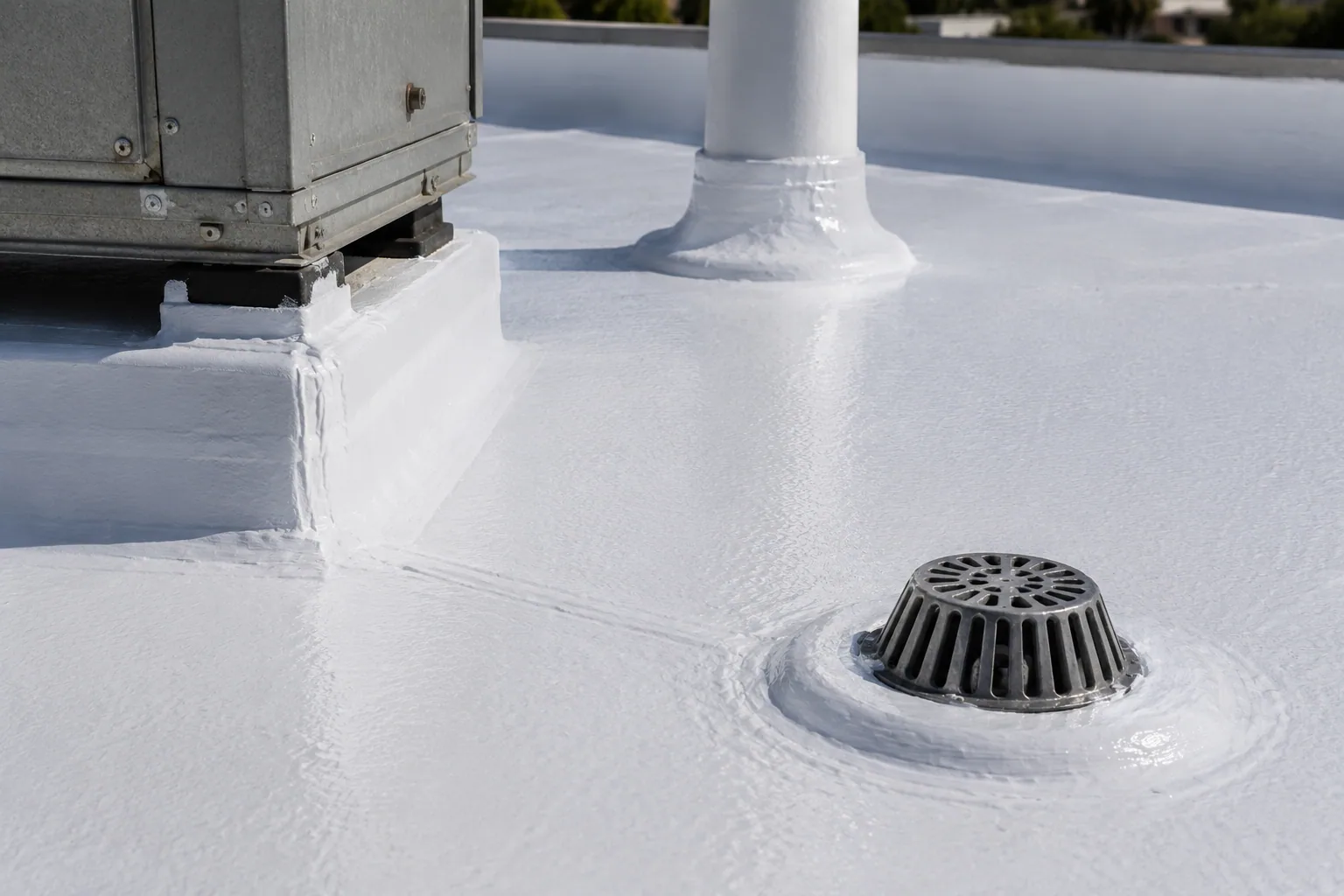
A new system installed over the old one may carry its own warranty, and the old one may end or change. The terms of both matter. We review them before recommending a restoration path, so you know what coverage you gain or give up.
Who keeps the original warranty documents?
The owner should, and so should we. We scan and store copies with the roof record, along with inspection reports and repair invoices. Lost paperwork is one of the most common reasons a claim stalls, and a duplicate fixes it.