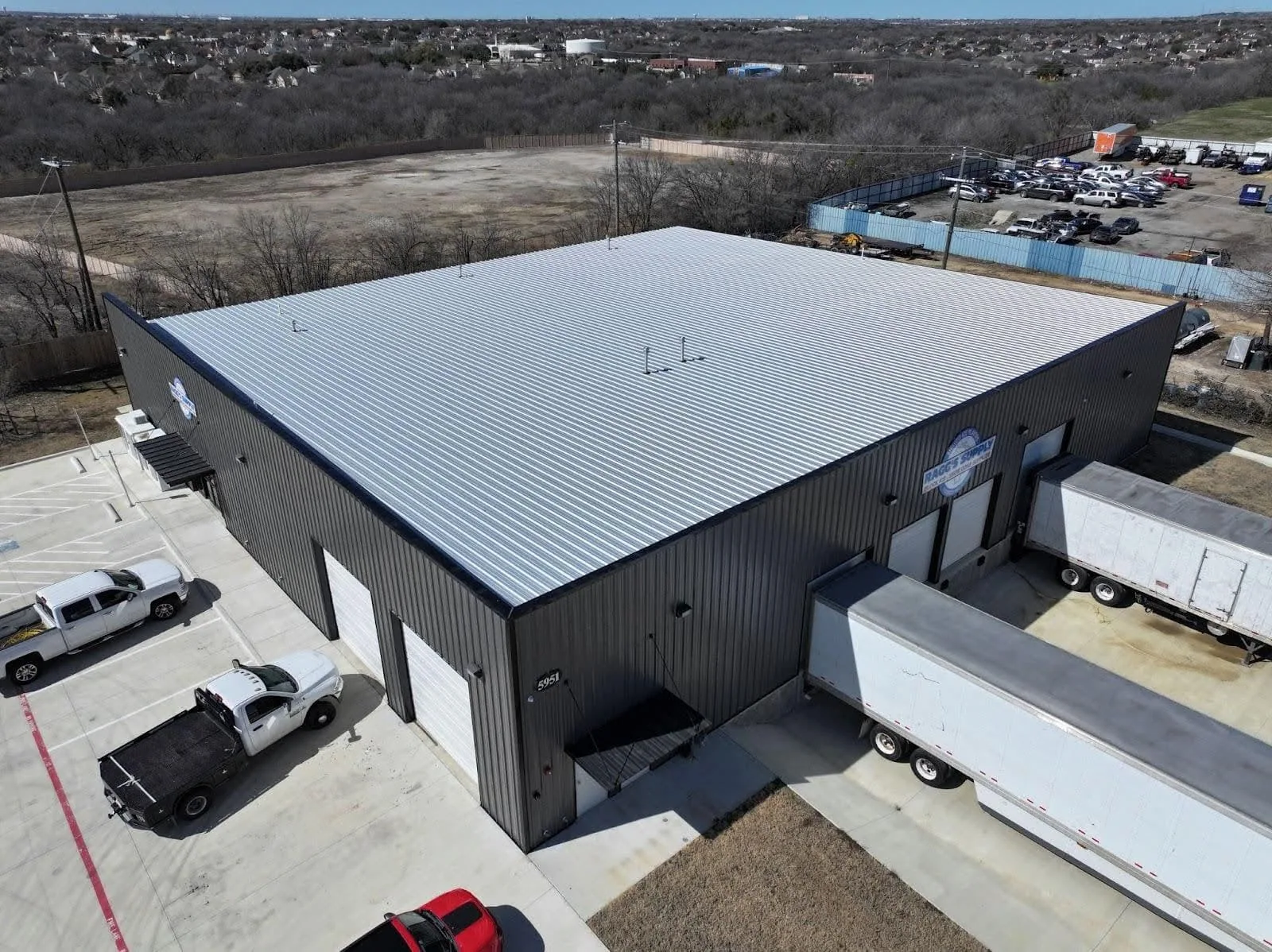
A shop foreman sets a bucket under a purlin in early April, once the thaw has finished running off the roof, and the call to dispatch includes a count of how many drips there are per hour. That detail helps, because exposed-fastener metal roofs tend to leak at screws. The panels are screwed through their flats into the purlins, with a small rubber washer under each screw head, and those washers dry out, crack and lose their seal after seasons of sun and cold. In Yakima, WA, where 90 F afternoons arrive about 40 times a year and nights cool quickly, each screw works a little looser every cycle.
A retrofit restores an existing metal roof without a full tear-off. Depending on the roof, it can be a screw and sealant program, a fluid-applied coating, or a new system installed over the old panels. Bring the panel profile, the building use, and a description of where the drips fall, and we can say which of the three fits.
Replace the Screws That Have Lost Their Grip
A backed-out screw leaves a hole bigger than the shaft, and a dried washer leaves nothing to seal it. The fix starts with a screw survey: a crew member walks the roof and tests each fastener, marking those that spin, that sit proud of the panel or that show rust staining. Where a screw is loose, we replace it with a larger-diameter fastener and a fresh washer. Where the hole is stripped, we set a new screw into sound metal beside it and seal the old hole.
Purlins matter too. A fastener cannot hold in a rotted wood purlin or a steel one that has rusted at the edge. We check the framing from the inside when we can reach it, and we flag any section that needs a repair before the roof is re-fastened. A tight screw in weak framing is only a temporary fix.
Reseal the Laps and Penetrations
Where two panels overlap, a bead of butyl tape or sealant keeps water from creeping uphill. Over the years that bead flattens and cracks. The laps at the ridge and the eave are the first to go, because they see the most movement. At pipes, vents and curbs, the rubber boots crack from sun exposure and ice, and the roof starts leaking at the boot instead of the panel.
We clean the lap, apply a fresh sealant and set a stitch screw to hold it. Boots are replaced with flashings sized to the pipe. For a larger penetration, such as a curb for a fan, we rebuild the curb with metal flashing and a counterflashing, and we line up the work with the maintenance schedule so nobody walks through the fresh sealant. A roof repair of this kind lasts longest when the crew treats every lap on the roof, not just the one that dripped.
Coat the Panels When the Metal Is Sound
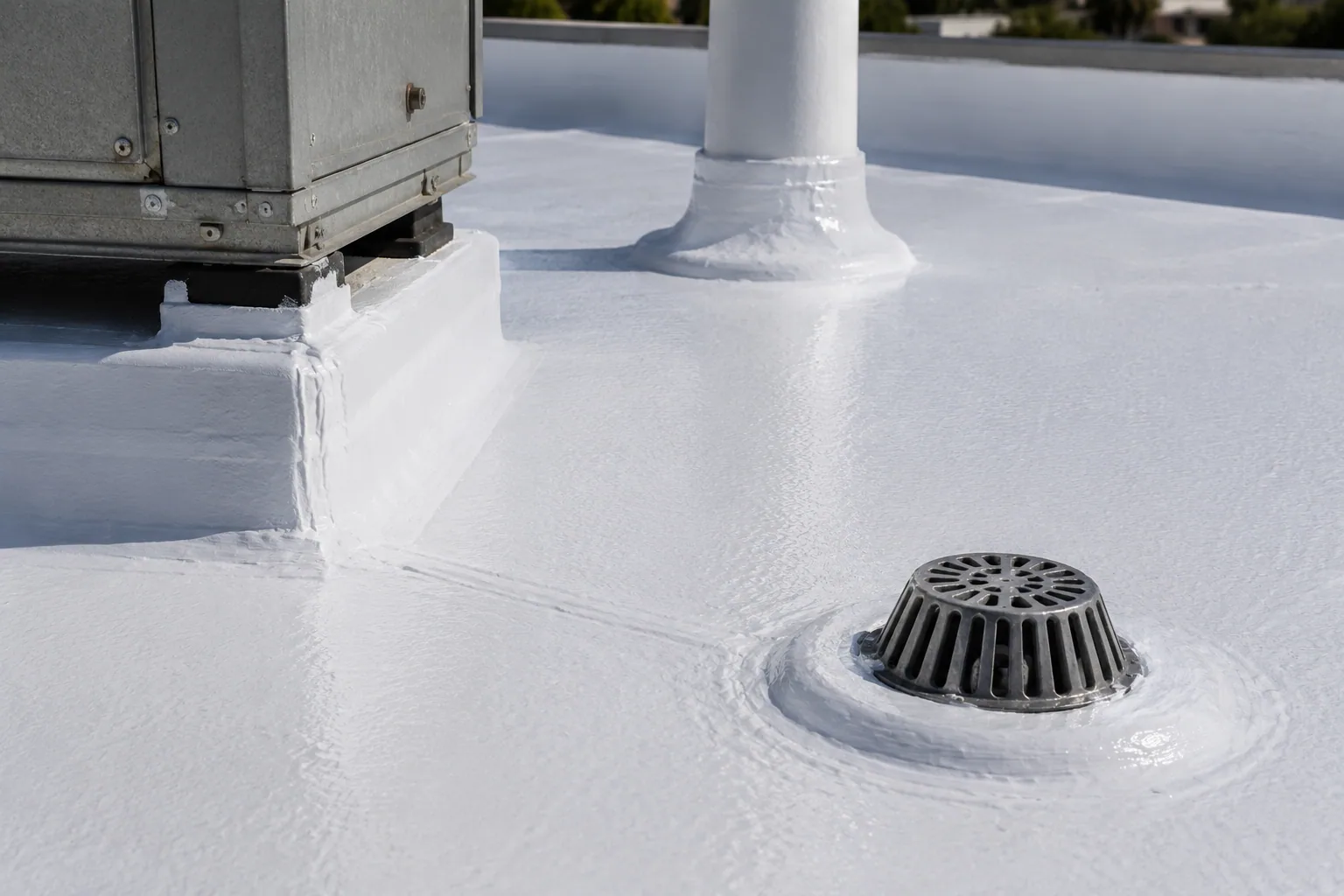
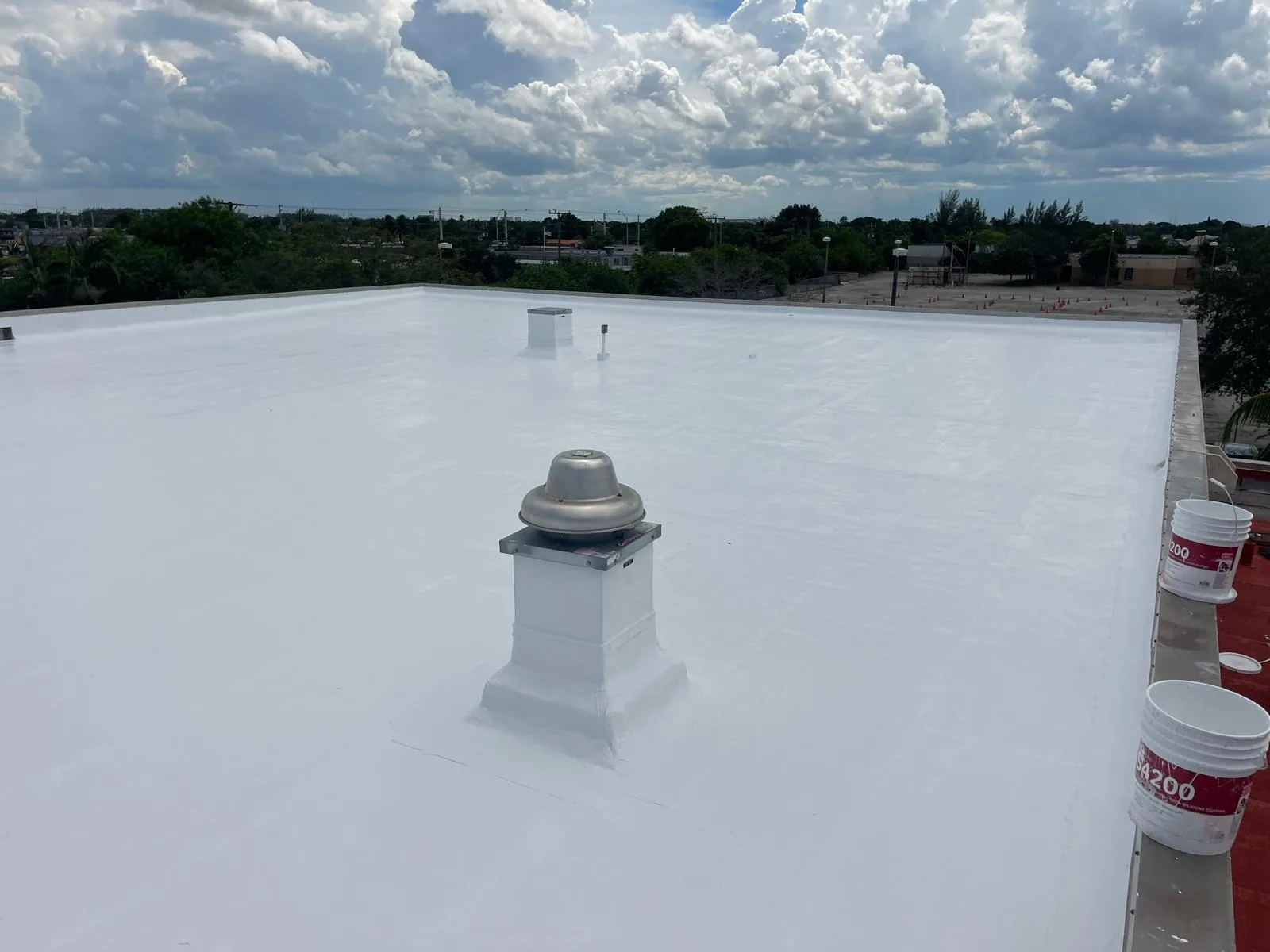
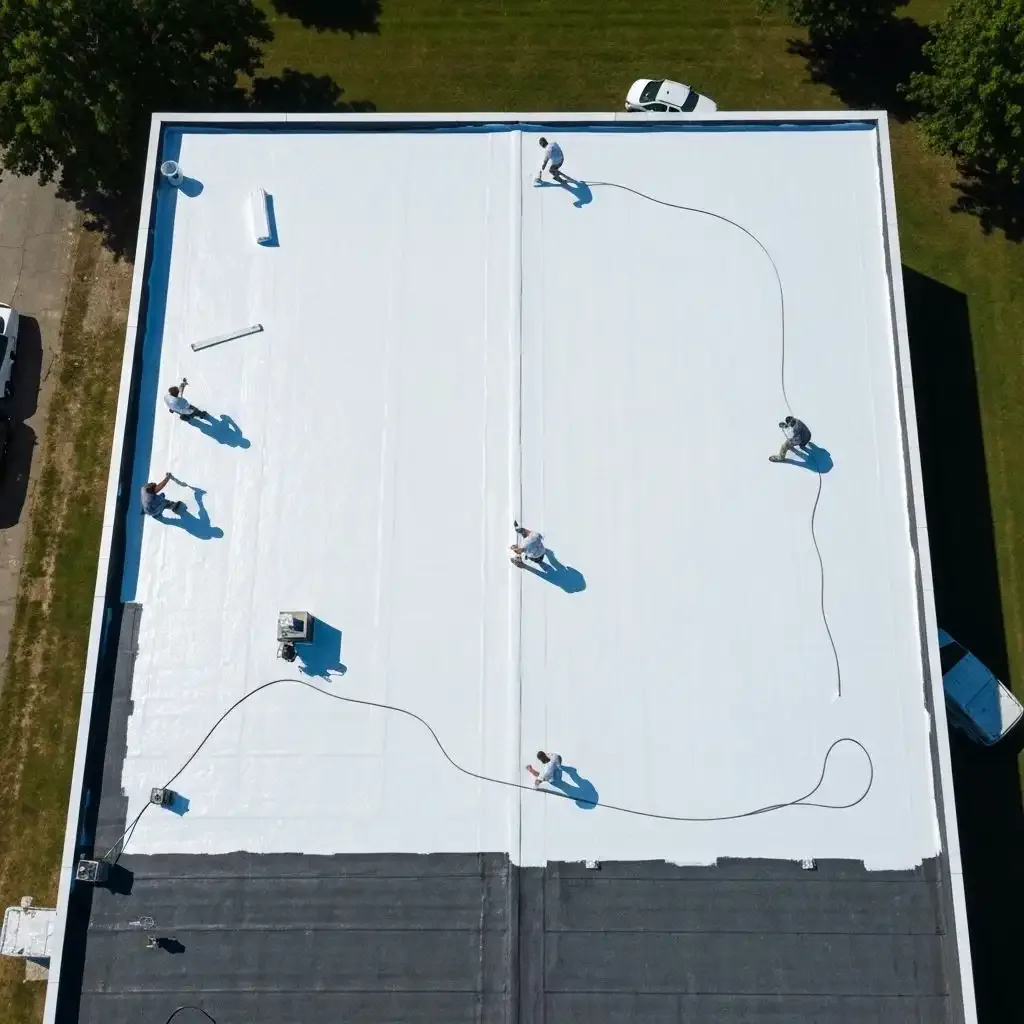
If the panels are structurally good, a fluid-applied coating can seal the screws, the laps and the surface in one pass. We pressure wash the roof, treat rust, set fabric over the seams and apply the coating in layers. A silicone coating handles sun and standing water well. Reflective surfaces also lower the temperature of the metal, which reduces the daily swing at the fasteners. Yakima has recorded 113 F on June 29, 2021, and a dark metal sheet in that heat is far hotter than the air.
Coating is not a rescue for rusted-through panels. We test the metal with a screwdriver tip, probe the edges and check the underside of the panel. If rust has eaten through at the laps or the sheet is cupped and thin, the roof needs a different retrofit. Our coating and restoration approach starts with that test, so you do not pay for a coat over metal that will not hold it.
Frame Over the Old Roof When the Panels Are Spent
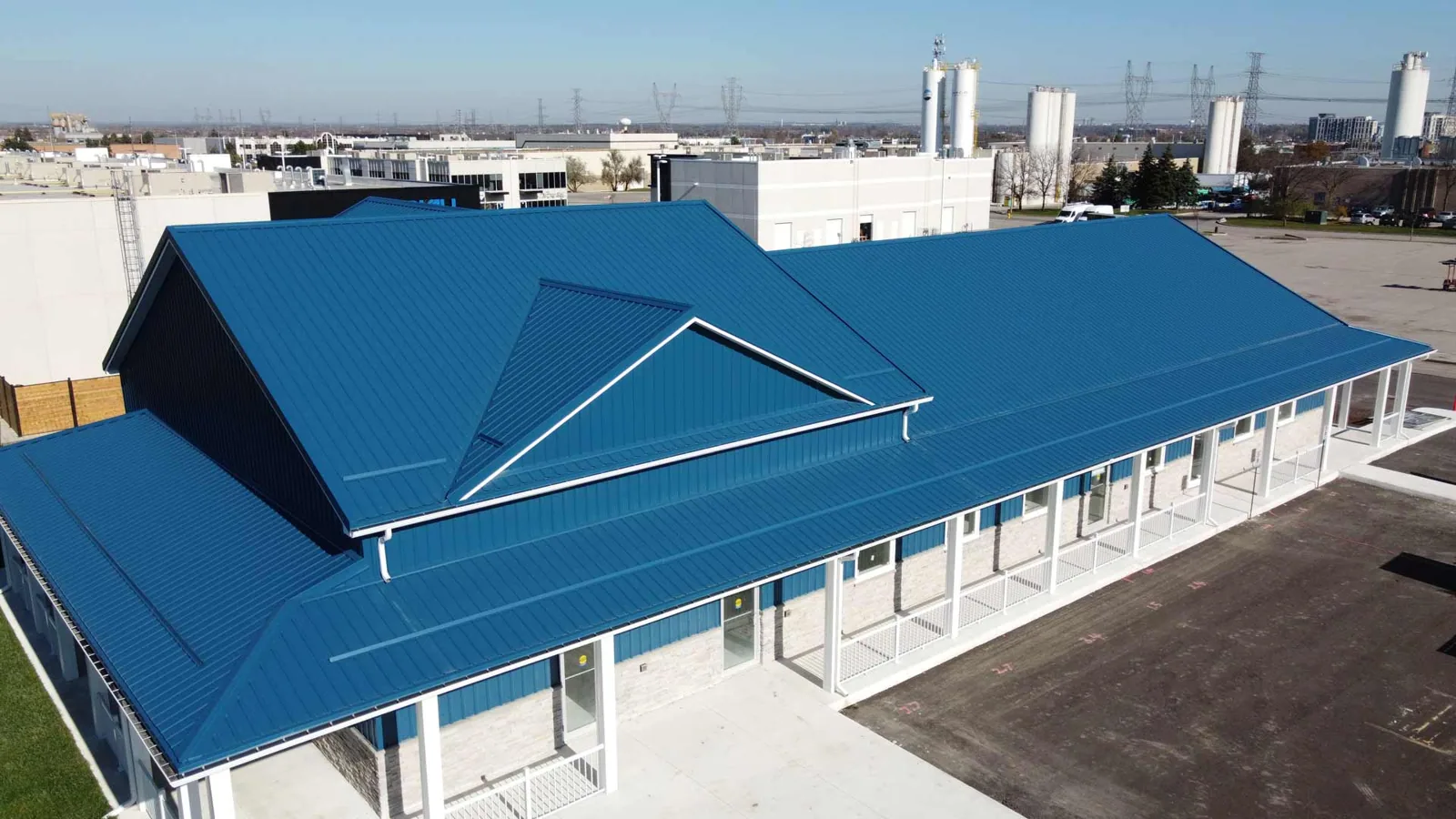
When the old panels are rusted or the insulation underneath is poor, a retrofit framing system can go over the existing roof. New sub-framing is attached through the old panels to the purlins, and a new roof goes on top. A standing seam panel with concealed clips is the usual choice, because it leaves no exposed screws. The method avoids a messy tear-off and keeps the building dry and in use while we work.
The added height creates a cavity for insulation, which helps in both the summer heat and the winter cold. It also adds weight, so we check the structure against the permit drawings and the parcel's design snow load before we frame. Where the original purlins are marginal, we add reinforcement. A building in Wapato or on the Union Gap corridor might look similar from the road and still have very different framing behind the panels.
Clear Snow Without Scarring the Panels
Metal roofs shed snow in sheets, and a retrofit changes how that happens. A newly coated roof is slicker than an old one, and a new standing seam roof releases more easily than exposed-fastener panels. We install snow retention above doors and walkways. A pitched metal roof calls for patience: plastic tools, a protective layer left behind, and no one on the roof until the surface is dry.
Steel shovels scratch the panel finish and cut sealant lines. A scratch exposes bare metal, and rust starts there. At a manufacturing plant where in-house maintenance staff clear the snow, we hand over a short written instruction to follow.
Commercial Roofing Questions
How can I tell whether my metal roof needs new screws or a full retrofit?
Count the loose screws on a sample strip of roof and look at the metal around them. If most fasteners are loose but the panels are clean and straight, re-screwing and resealing is the right fix. If the panels are rusty, cupped or thin at the laps, a coating or an over-framing system is the better investment. A survey walk gives us the count, and we put it in writing.
Will a coating stop the leaks on a shop roof that has been patched for years?
It can, if the metal is sound and the laps are sealed first. A coating bridges small gaps and seals screw heads, but it cannot close a lap that has opened wide or cover a hole through rusted metal. We replace the loose fasteners, seal the laps and then coat. After that, the maintenance routine keeps the fasteners from backing out again.
Can the retrofit happen while the plant is running?
Yes, since the work is done from the outside. Over-framing and re-screwing involve noise from drills and impact tools, so we schedule the loudest tasks around quiet periods and shutdowns. Tell us which areas below hold sensitive equipment or open product, and we place tarps and temporary protection before the first panel is touched.
Does a metal retrofit change my insulation or condensation problem?
Condensation under a metal roof often comes from warm, moist air meeting a cold panel, and a retrofit with a thermal break or added insulation reduces it. A coating alone does not solve condensation. We ask where the moisture appears, at what time of year and what the building produces inside before we recommend a system.
What happens if I wait another winter on a leaking exposed-fastener roof?
Leaks usually spread. Water that enters at screws wets insulation and rusts purlins, and a freeze-thaw cycle widens gaps in the laps. Repairs made now are smaller than the repairs after a season of snow melting through the same holes. If you cannot retrofit this year, a screw and sealant pass reduces the damage until you can.