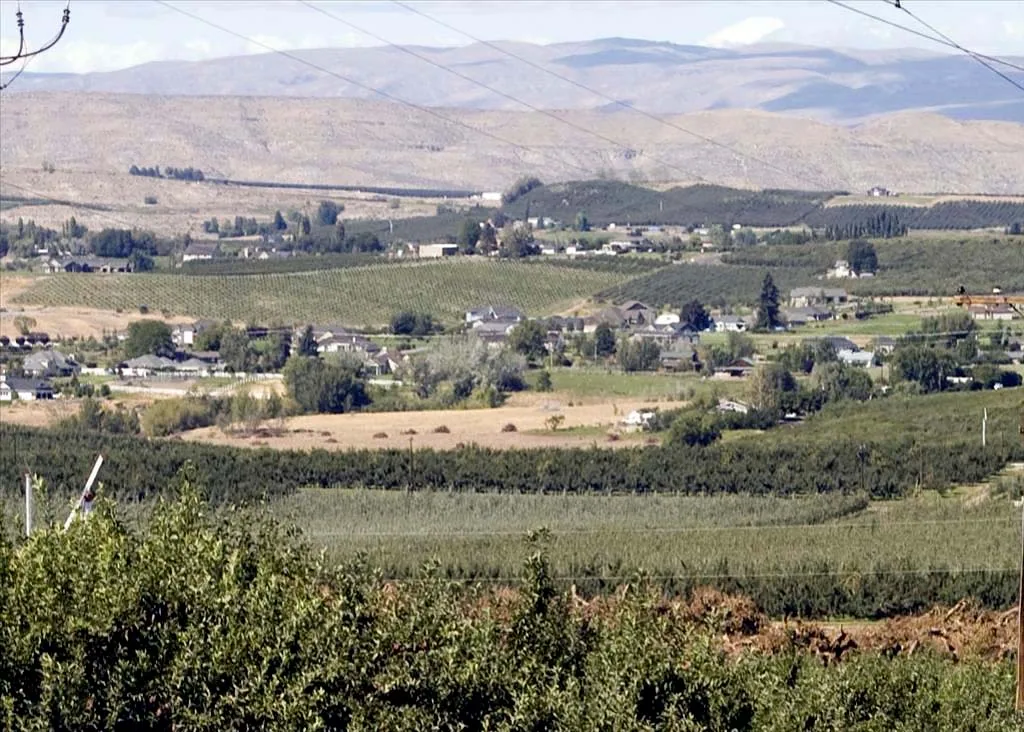
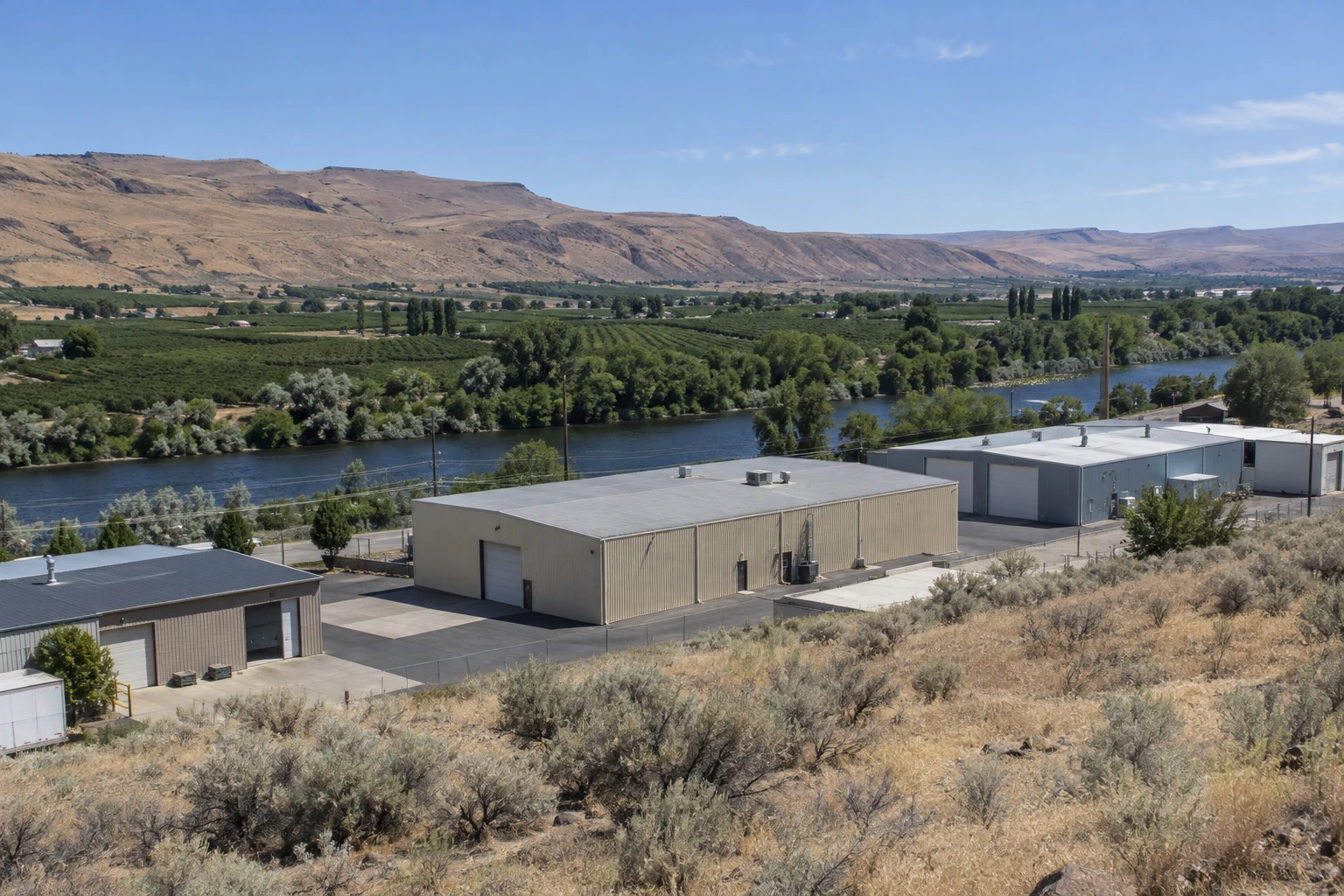
The January call from East Selah tends to come in the dark, after a night of steady snow, when someone on the early shift notices a ceiling tile that has sagged half an inch. The first question dispatch asks is not about the leak. It is how much snow is up there and what the building was designed to carry. East Selah is an unincorporated Yakima County community east of Selah and beside the Yakima River, and it falls under the same parcel-specific snow rules as the rest of the county. Clear the area under the sagging tile, keep people out of that bay, and do not send anyone onto the roof with a steel shovel.
We repair, coat, recover and replace commercial roofs, and dispatch answers every hour of every day.
Confirm the Design Load Before Anyone Climbs
The county sets snow load for each parcel and wants engineering once a parcel passes 70 psf. Two buildings a block apart can carry very different numbers, so we ask for the permit or the drawings before we talk about clearing. Snow comes mostly in December and January.
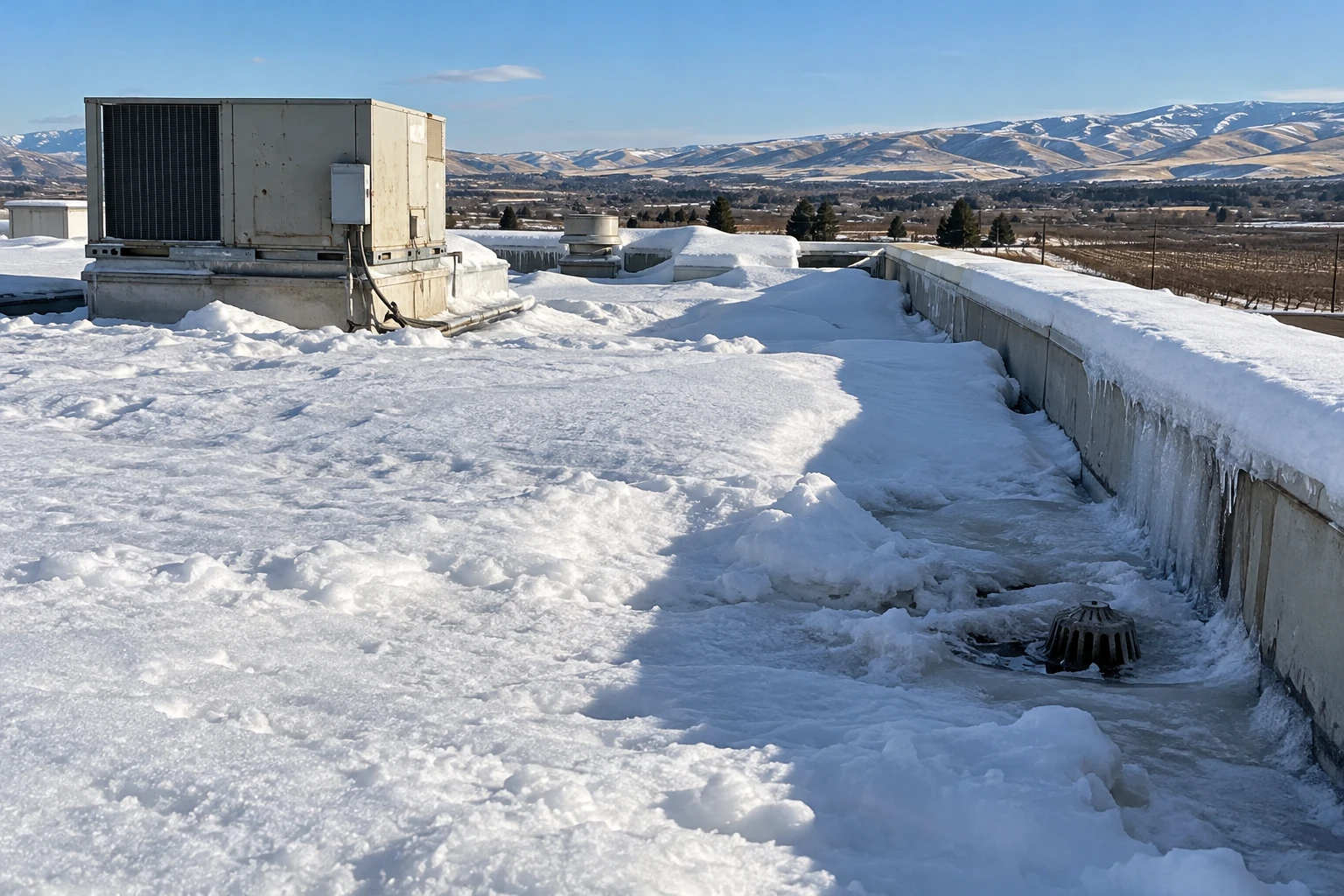
Snow does not sit evenly. It piles against parapets, mechanical penthouses and the step where a taller shop wall meets a lower roof, and those drift piles are where deflection shows first: a sagging purlin, a bowed deck, a door that begins to stick. On the first visit we measure the depth at the drifts, not the average across the field, and we sequence clearing so the load comes off in balanced passes. If you see a door binding or a ceiling lowering, stay out of the space and call before the next band of snow.
Clear With Plastic Tools and Leave a Protective Layer
A steel blade nicks a membrane that looks fine until the thaw, and the South Third Avenue wall that bulged in February 2019 shows how seriously a loaded flat roof deserves to be treated. Our crews use plastic tools and leave a protective layer of snow over the sheet, so the cut that never happened cannot become the leak that does.
Hot-side and cold-side work differ too. A membrane is stiff below freezing, so seams and flashing repairs wait for a window when the sheet is workable, and we use temporary protection in the meantime. If you have a snow or ice roof damage problem, take photographs of the ceiling and any drift against the wall, and note the time the sag began. Those notes shorten the first-hour call.
Read the Roof Over Processing Space
Next door in Selah are Tree Top, with its headquarters and two apple processing plants, and the Sun-Rype juice plant. Together they show what the neighborhood economy looks like: wet processing areas, cold rooms and packing lines, and the smaller buildings that feed them. Wet process space sends steam and condensation toward the roof, while a cold room pulls the other way, so the vapor retarder and the seal at every curb matter more than the membrane color.
If your East Selah building shares that character, we check for staining at the penetrations, soft insulation around vents and fans, and corrosion on fastener heads. An infrared moisture survey maps wet insulation without cutting the roof open, and cores confirm what it finds. Tell us which packing lines and cold rooms sit below, and we will schedule loud or open work for the weeks they run least.
Watch the River Corridor for Wind and Debris
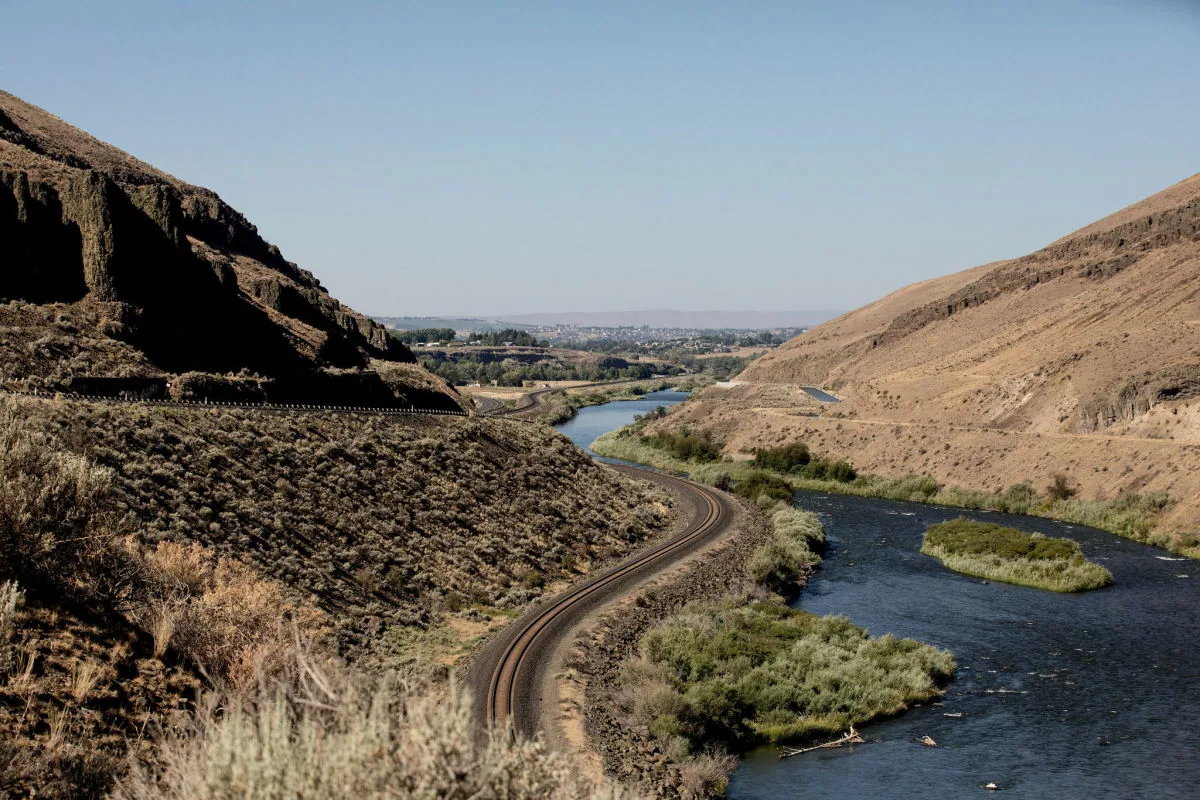
East Selah sits at 1,122 feet beside the Yakima River, in a semi-arid climate. Dry air carries dust and leaf litter. The November 2019 windstorm gave Yakima and Sunnyside gusts past 50 mph, readings that belong to those towns but show what the valley can produce. Gust-lifted edges and loosened coping show up after a storm like that, and debris collects in scuppers and gutters.
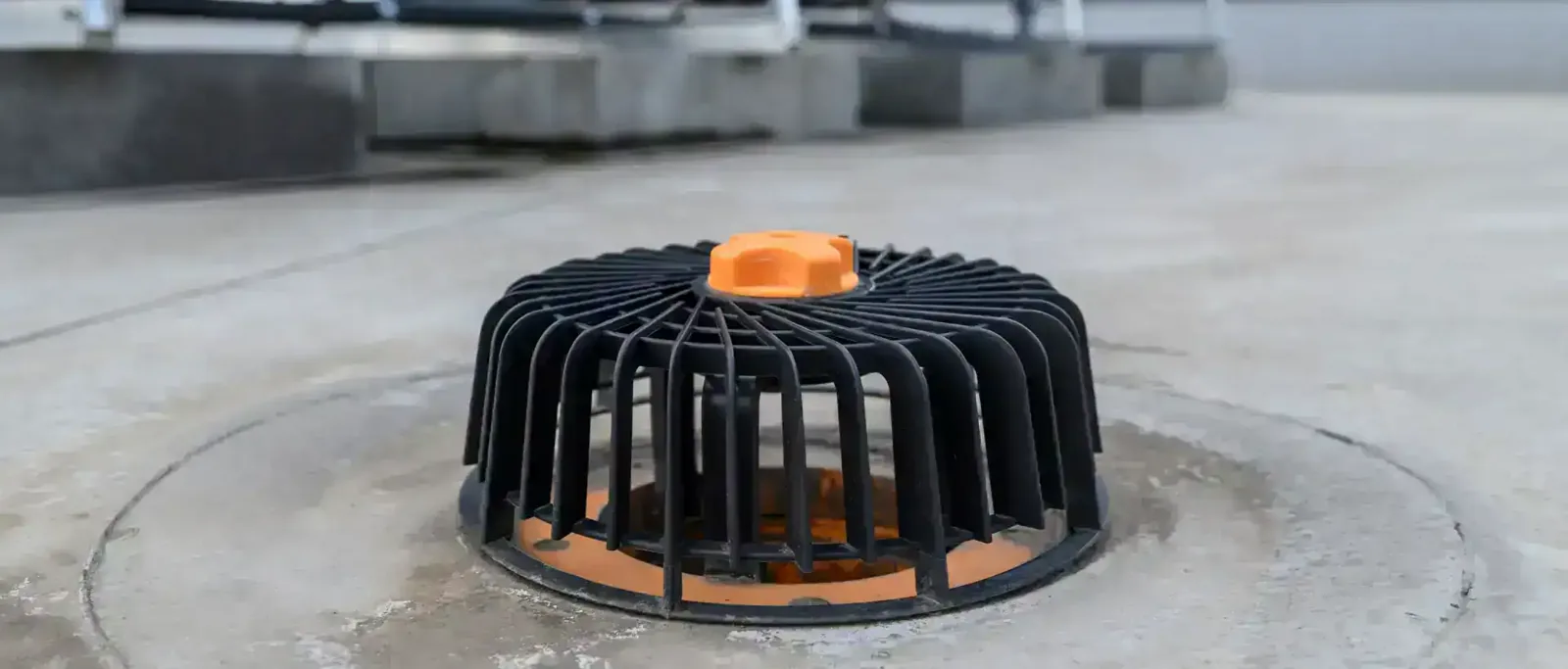
Keep drains clear after any gale and check that downspouts discharge away from the wall. A clogged scupper turns a dry-climate roof into a pond in the next storm, and ponding water adds weight on top of snow. Our drain and scupper work includes clearing, resizing an undersized opening and building up the low spot so water leaves the roof.
Plan the Season Around the Heat Swing
Yakima's summers bring forty-odd afternoons at 90 F or more and a handful at 100 F or more, each followed by a cool night. That daily swing expands and contracts every seam. For an aging roof that is still sound underneath, a coating can slow the wear, and for one with wet insulation, a replacement is the sounder path. We lay both on one page with the cost drivers: tear-off depth, insulation condition, access and the time the building can spare.
Most owners pair repairs with a written report so the next two or three seasons are planned. Nearby Selah and the Union Gap retail corridor share the same weather, which lets us stage crews efficiently. A written report that ranks each roof by condition also gives a property manager with several buildings a defensible order of spending, so the roof closest to failure is funded first and the sound ones wait their turn without surprises.
Because the Yakima River runs alongside, ask the crew to check the lowest drains after any high-water event on the river side. Silt and debris carried by wind or flood runoff collect at roof outlets near the water, and an outlet that is clear before the next storm keeps meltwater from spreading under the membrane edge.
Commercial Roofing Questions
A ceiling tile sagged overnight under heavy snow. Should we evacuate that bay?
Empty the bay and keep the doors under it closed until someone qualified looks at it. A sagging ceiling can mean water, but it can also mean deck deflection from load. Photograph the area, note when it began, and tell dispatch the depth of snow you can see from the ground. We confirm the design load and start with the heaviest drift.
Our building is near the river and the roof is ponding after storms. What is the fix?
First we confirm whether the ponding comes from clogged drains, a low spot in the deck or settled insulation. Clearing a scupper costs little, building up a low spot with tapered insulation costs more, and each option changes the roof's behavior in snow. We mark which repair fits and what drives its cost.
We run a small processing line. Can the roof be repaired without stopping it?
Usually, with planning. We work in sections, keep open areas away from air intakes and close tie-ins before shift change. Tell us which lines are most sensitive to dust, fumes or noise, and we place the heavy tasks in the quiet weeks of your season.
Does a coating make sense on an older roof here?
It can when the membrane is dry and well bonded, and the wear is on the surface. The summer heat swing wears the top layer first, so a reflective coating slows that. If a moisture scan shows wet insulation, the coating would trap the problem, and replacement of the wet section comes first.
What should we prepare before a storm call?
Keep the building address, the permit snow load and a list of operations that cannot stop within reach. Know where the roof access is, keep a camera handy and note whether any drift has reached a doorway or a vent. Those four items let us skip the questions and send the right crew.