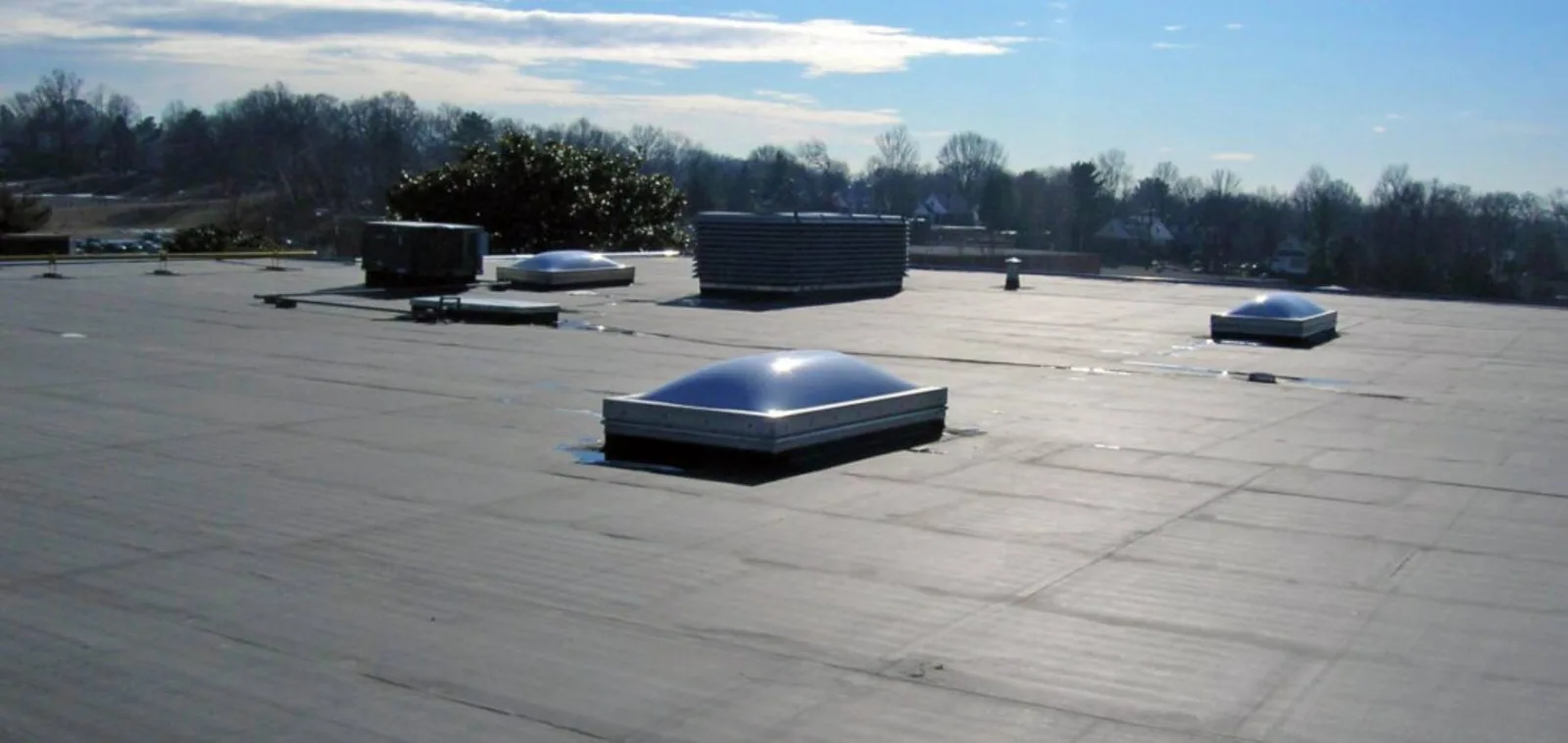
After a 100 F afternoon, a facility director calls and asks when we can scan the roof. Our first question is about the surface: is it dry, clear of snow and free of puddles? An infrared survey reads the heat that saturated insulation holds longer than dry insulation does once the sun goes down, and standing water or frost on the membrane scrambles that signal. In Yakima, WA the window is real, since the city sees about 40 afternoons at or above 90 F to load a roof with heat and large day-night swings to let it drain away. When the conditions line up, one evening of scanning and one morning of core cuts can tell an owner whether a roof is a repair, a recover or a replacement.
Wait for a Dry Roof and a Clear Evening
The scan works because saturated insulation stores heat. During the day, the sun warms the whole roof. After dusk, dry areas cool quickly, while saturated areas hold temperature and show up warm on the camera. That contrast needs a sunny day first, a dry membrane, light wind and a clear sky. A cloudy day leaves little heat to read, and a windy evening cools the surface too fast.
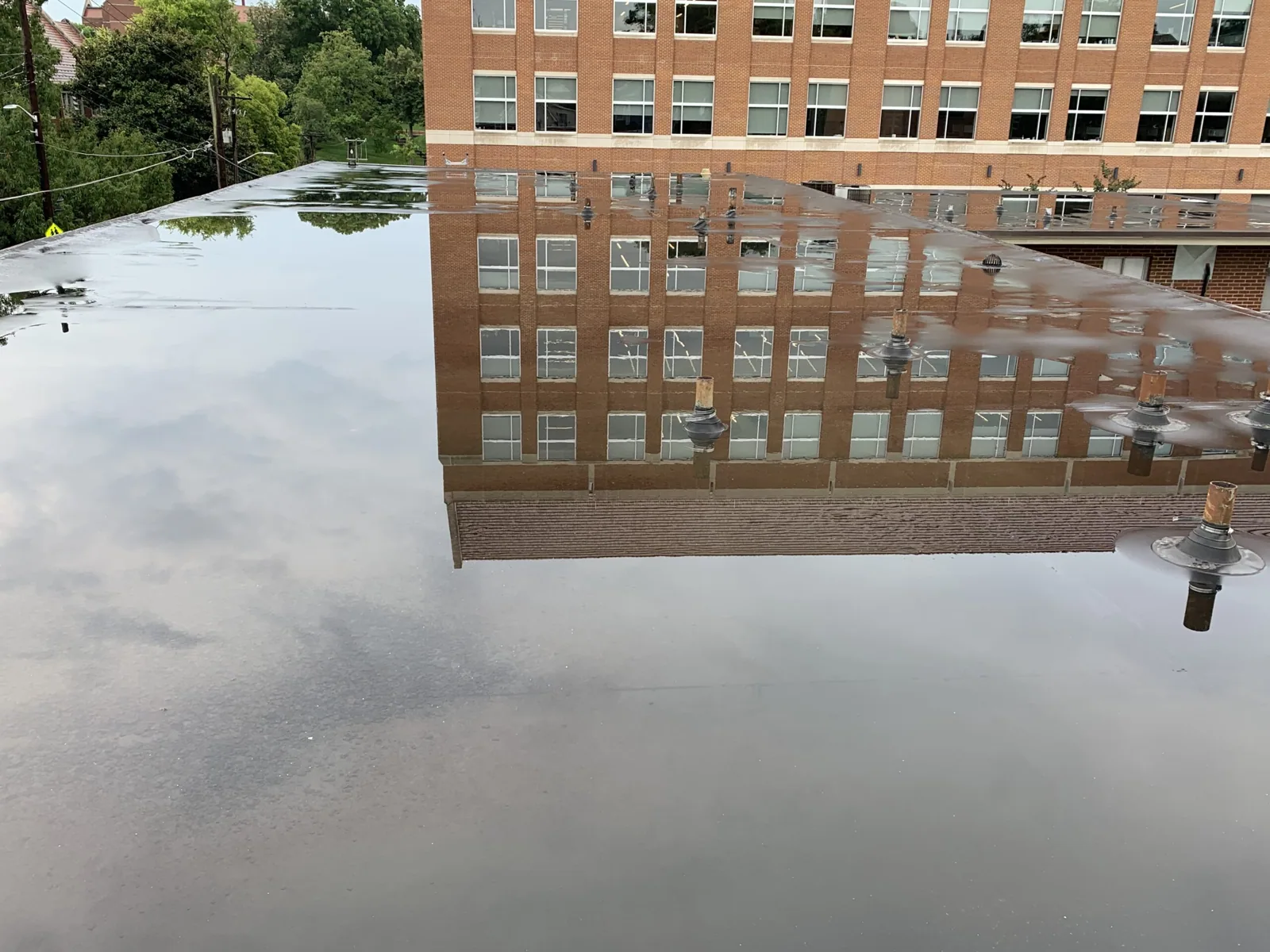
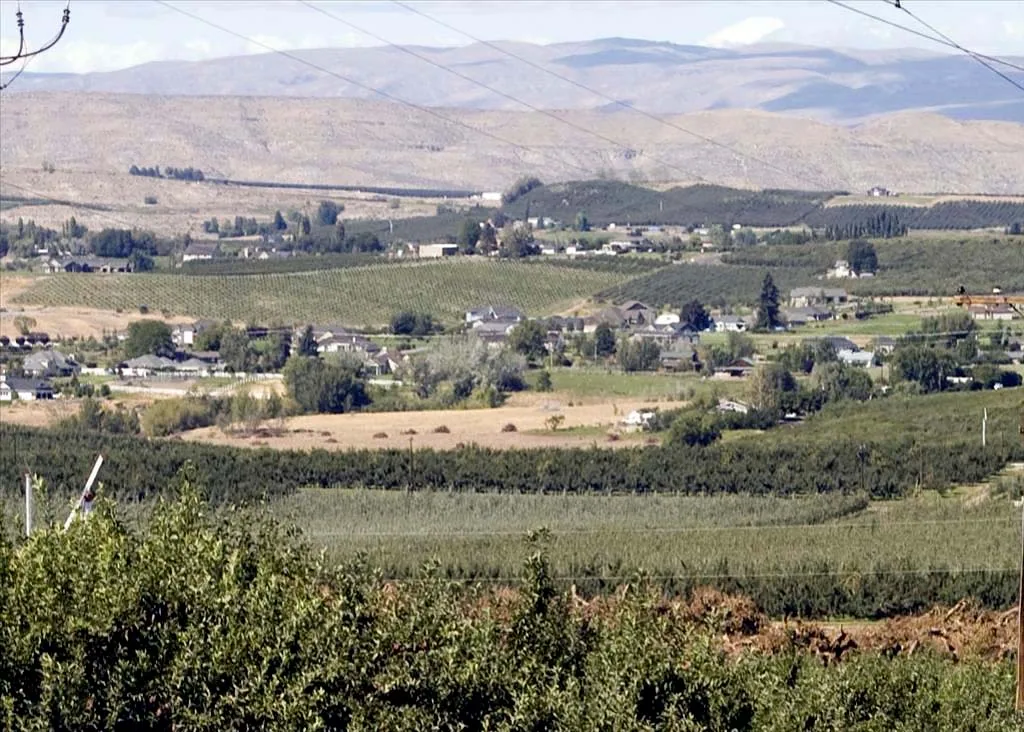
Yakima's rain-shadow climate helps here, with about 8 inches of precipitation a year and long dry stretches. The same climate shuts the window in winter. Snow, frost or ice cover the membrane, and highs stay below freezing about 19 days a year, so we schedule surveys for late spring through early fall and reserve winter for spot checks with a probe.
Scan After the Sun Goes Down
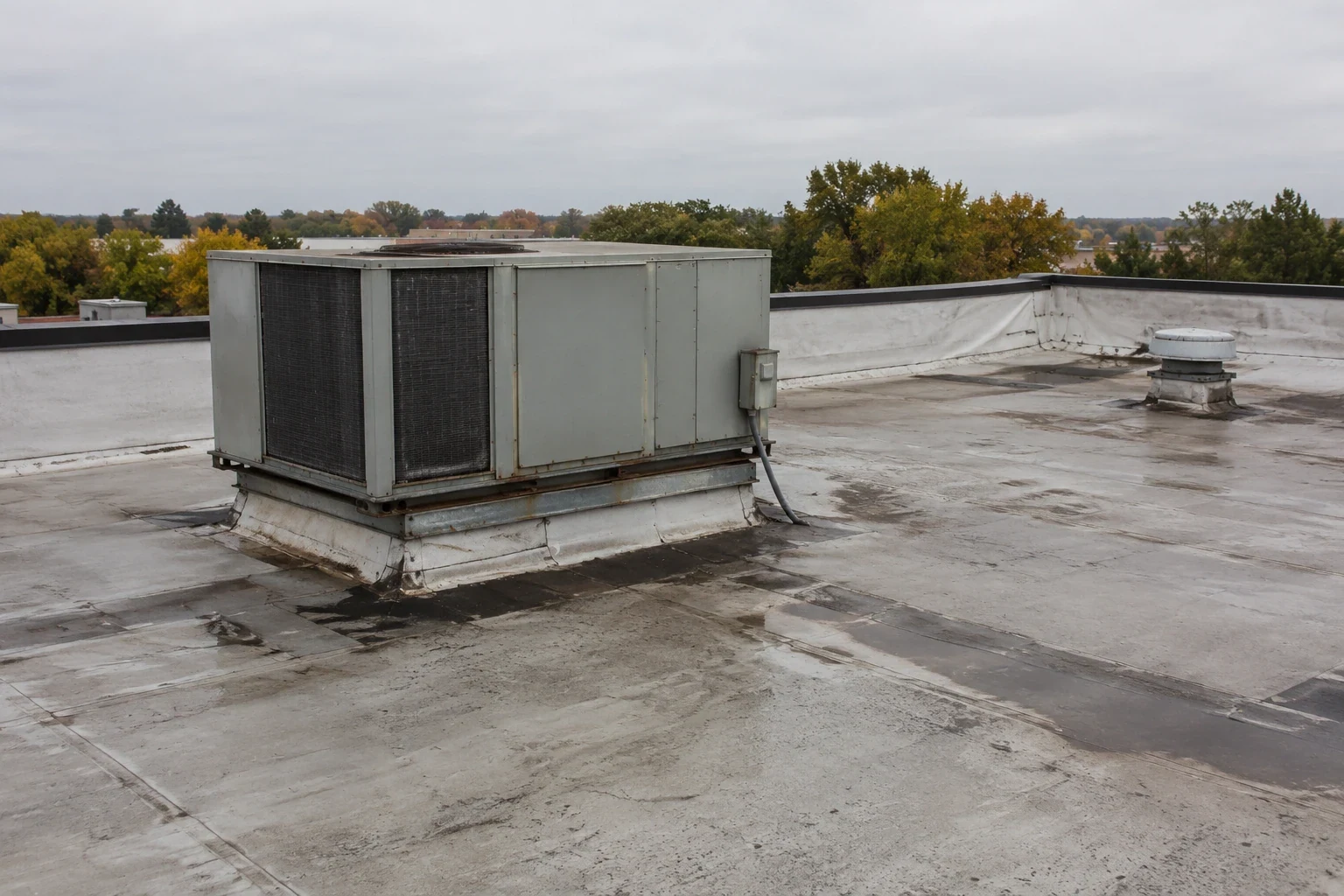
A technician walks the roof in a measured grid with a thermal camera, taking images at fixed intervals and marking each anomaly directly on the membrane with paint or chalk. Not every warm patch is moisture. A fastener row, a layer change in the insulation, or a metal penetration can all register as thermal anomalies. We tag each one with the possible cause and decide which ones need a core.
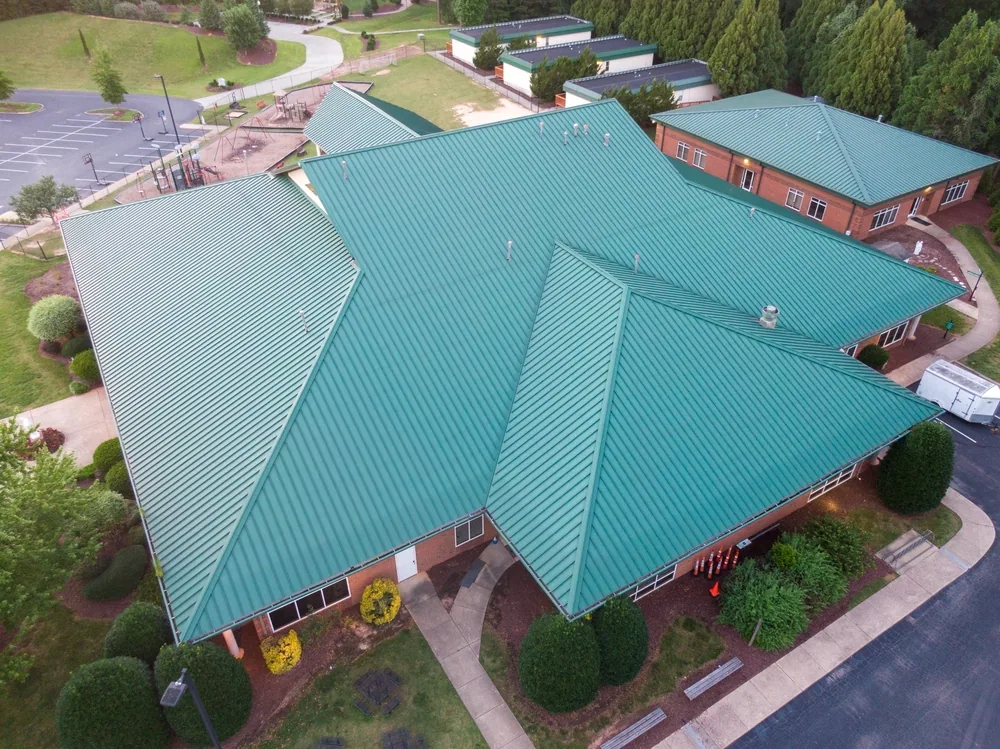
Large roofs can take a second technician, and the roof can be pre-surveyed with a drone inspection to find the areas worth walking first. On a very large plant, the drone flight shortens the evening and keeps the scan inside the window of residual heat.
Confirm With Core Cuts
Thermal images suggest, and cores confirm. We cut a small plug through the membrane and insulation at each marked anomaly, read the moisture with a probe, and photograph the layers: membrane, adhesive, insulation, vapor retarder, deck. Cores also give us the real roof section, which often differs from the drawings. We know the layer count, the insulation type and the deck condition at that spot, and we know whether the insulation is wet, damp or dry.
Each core hole is sealed with a patch the same day, with a compatible membrane and sealant, and logged on the plan with a number. The cuts are small and finished before the crew leaves, so the building is never left open overnight. Where the scan is ambiguous, we add cores until the boundary on the map is firm.
Map the Wet Area onto the Roof Plan
The result is a plan with a boundary drawn around the saturated insulation, the core locations and the readings. That drawing is the tool. It shows if the problem is a single corner near a drain, a band along a parapet where drifts melt, or a field-wide condition. A pattern of saturation near drains points to ponding water as a cause, while a streak that follows a seam points to a seam failure upstream.
The map also lets a building owner price the work by area. If only a contained part of the roof is saturated, cutting out and replacing that area can extend the life of the rest, and that is a decision you can make with a number in front of you.
Use the Map to Pick Repair, Recover or Replace
A small, contained area calls for cutting out the saturated insulation and patching in new material. A roof with moderate saturation may still qualify for a recover once the wet sections are removed, because the code and the roof's dry condition both govern whether a second layer is allowed. A roof with widespread saturation usually moves to full replacement, where the entire assembly comes out. The survey puts that choice on evidence instead of age.
For planning, owners with several buildings can use the same method across the portfolio, and the due diligence surveys that accompany a property sale rely on the same cores and map to give a buyer a clear view of the roof they would own.
Account for Cold Rooms and Plant Ceilings
A cold-storage building brings its own thermal signature, since the refrigerated space below pulls heat from the roof and can mask or mimic a moisture signal. For fruit packing and processing buildings such as the Tree Top plants in Selah, we note where cold rooms sit under the deck and read the scan with that in mind, using cores to settle any doubtful area. The issue matters on a cold storage roof, where trapped moisture can freeze and thaw inside the assembly. A survey ahead of a planned shutdown gives the owner time to order material and schedule the work.
Use the Survey When a Claim Is in Play
After a storm or a leak event, the survey separates new moisture from older moisture, which matters to an adjuster. Core samples, photographs and a dated map create a record for the roof insurance claim that shows which areas the event affected and which areas were already wet.
That record is useful on the large retail roofs around Valley Mall in Union Gap and on any building that took the late-November 2019 gale, which gusted to 51 mph in Yakima and 53 mph in Sunnyside. Moisture that enters through a wind-opened flashing shows up on the scan in the weeks after the storm, and an early survey keeps a small opening from becoming a roof-wide problem.
Commercial Roofing Questions
Can you scan a roof that has a ballast layer or a coating?
It depends on how much material sits between the camera and the membrane. A thin coating usually scans fine, while a thick ballast layer or a dark gravel surface masks the heat signal and may need to be moved in test strips. We tell you before the evening whether the roof is a good candidate or whether cores alone will give the better answer.
How accurate is infrared compared to cores alone?
The scan finds candidates quickly across the whole roof, and the cores confirm each one. Cores alone sample only the points we choose, so a wet area between them can go unseen. Together they give coverage and proof. We check dry-looking areas with a few control cores, which tests the edges of the map.
Will the survey disrupt operations in the building?
Mostly no. The scan happens after the workday on the roof, and cores are small enough to seal in minutes. We coordinate with the facility team about access, and we avoid cutting directly above sensitive areas such as cold rooms or clean production lines until the plan is agreed.
How long does the result remain valid?
The map reflects the roof on the day of the survey. If a leak develops later, or after a heavy snow season, we can rescan the affected zone and compare with the original. That comparison shows whether the wet area is stable or growing, which helps decide how long a repair can wait.
What does it cost compared with just replacing the roof?
The survey costs far less than a replacement, and it can prevent paying for one that was not needed. Price depends on roof size, access and the number of cores. We quote it by roof area and tell you in advance what the deliverable will include.