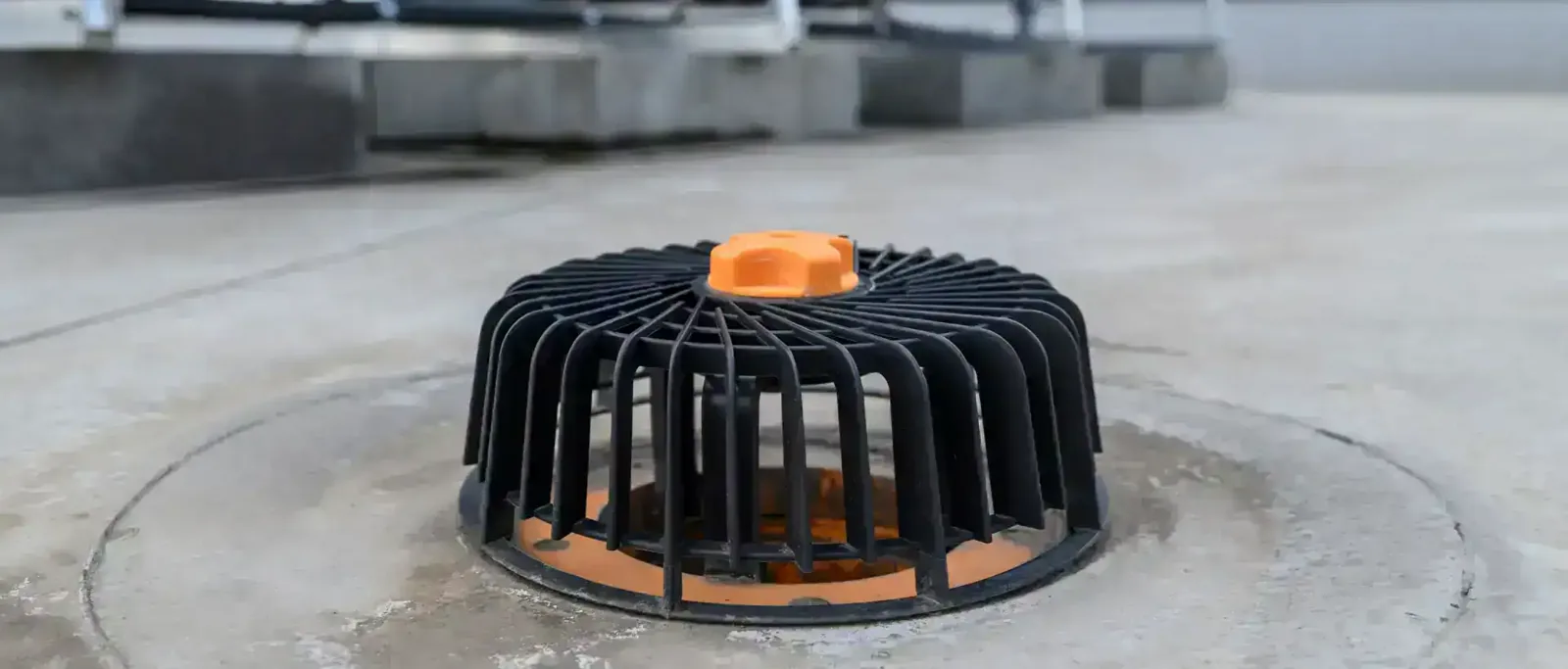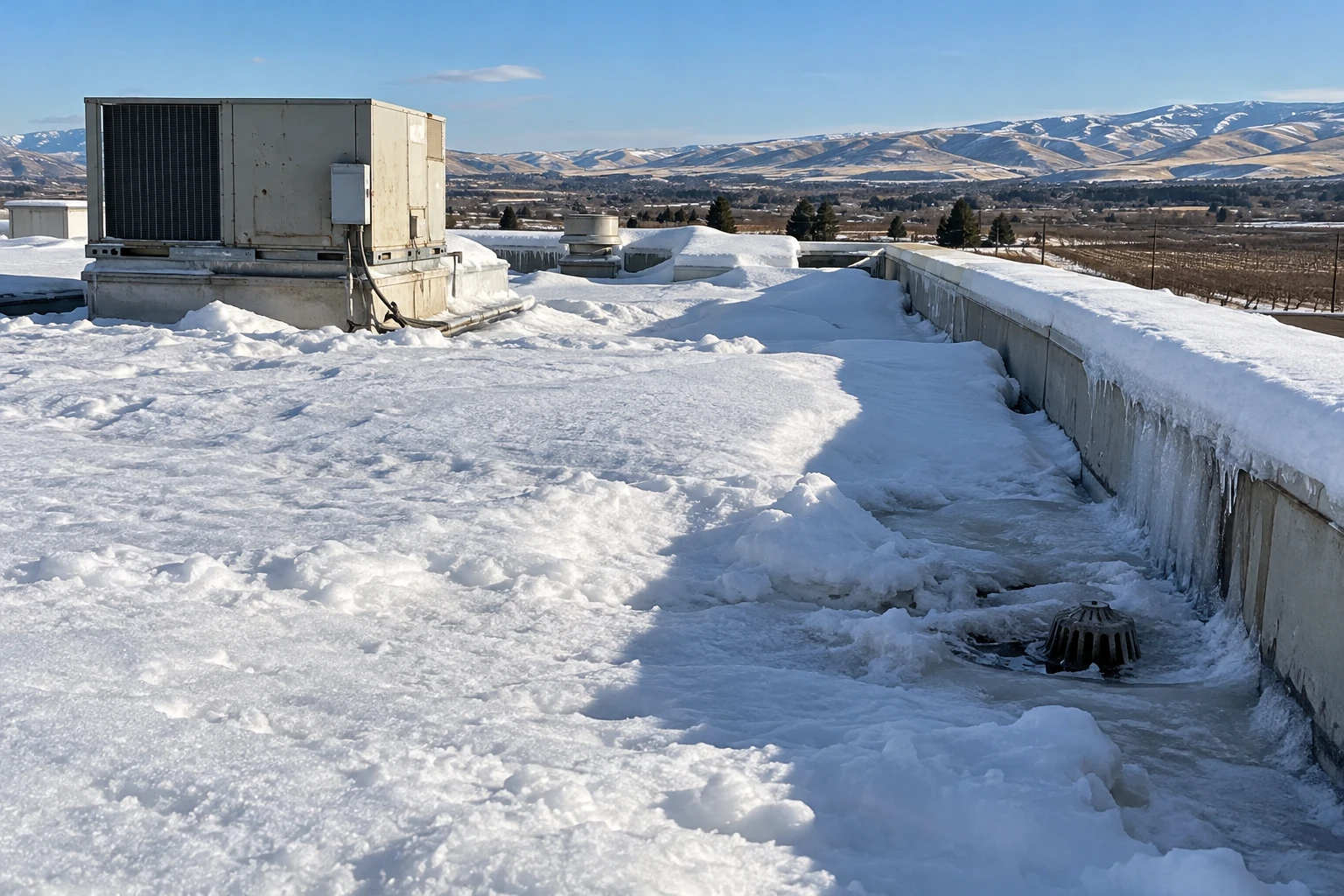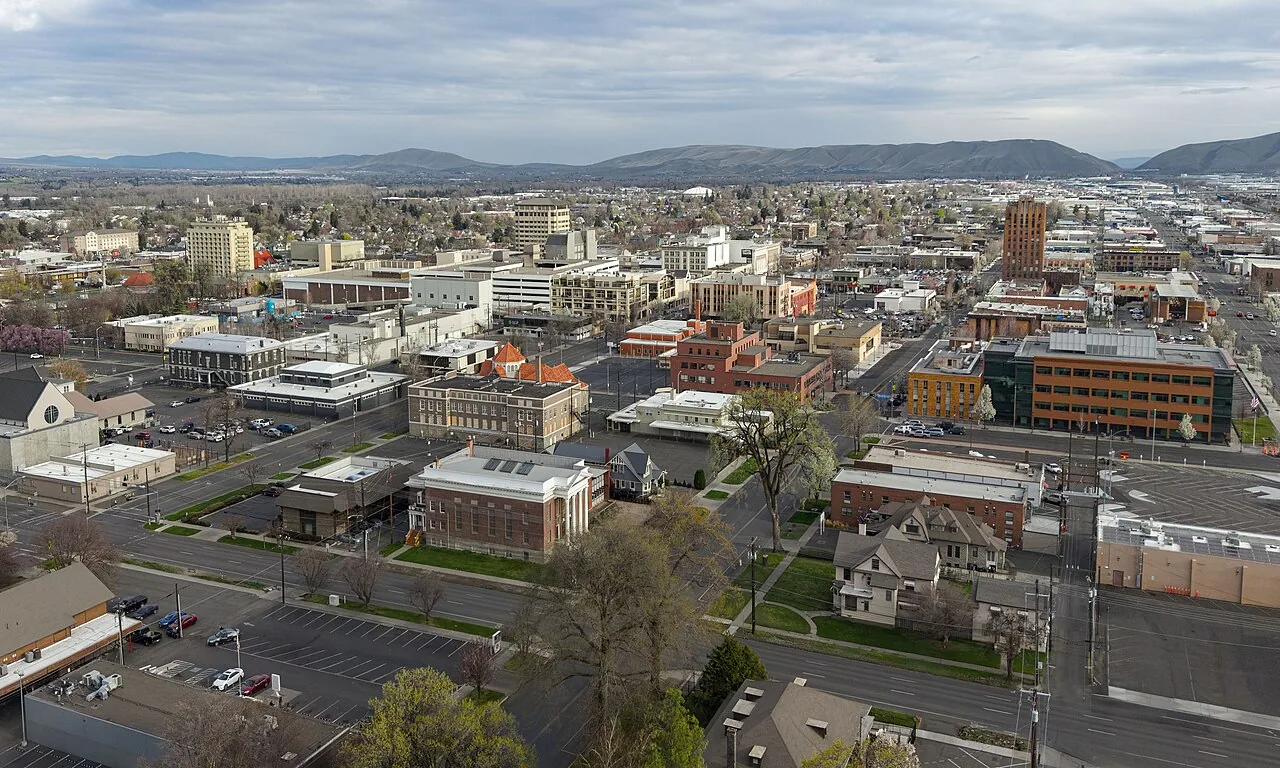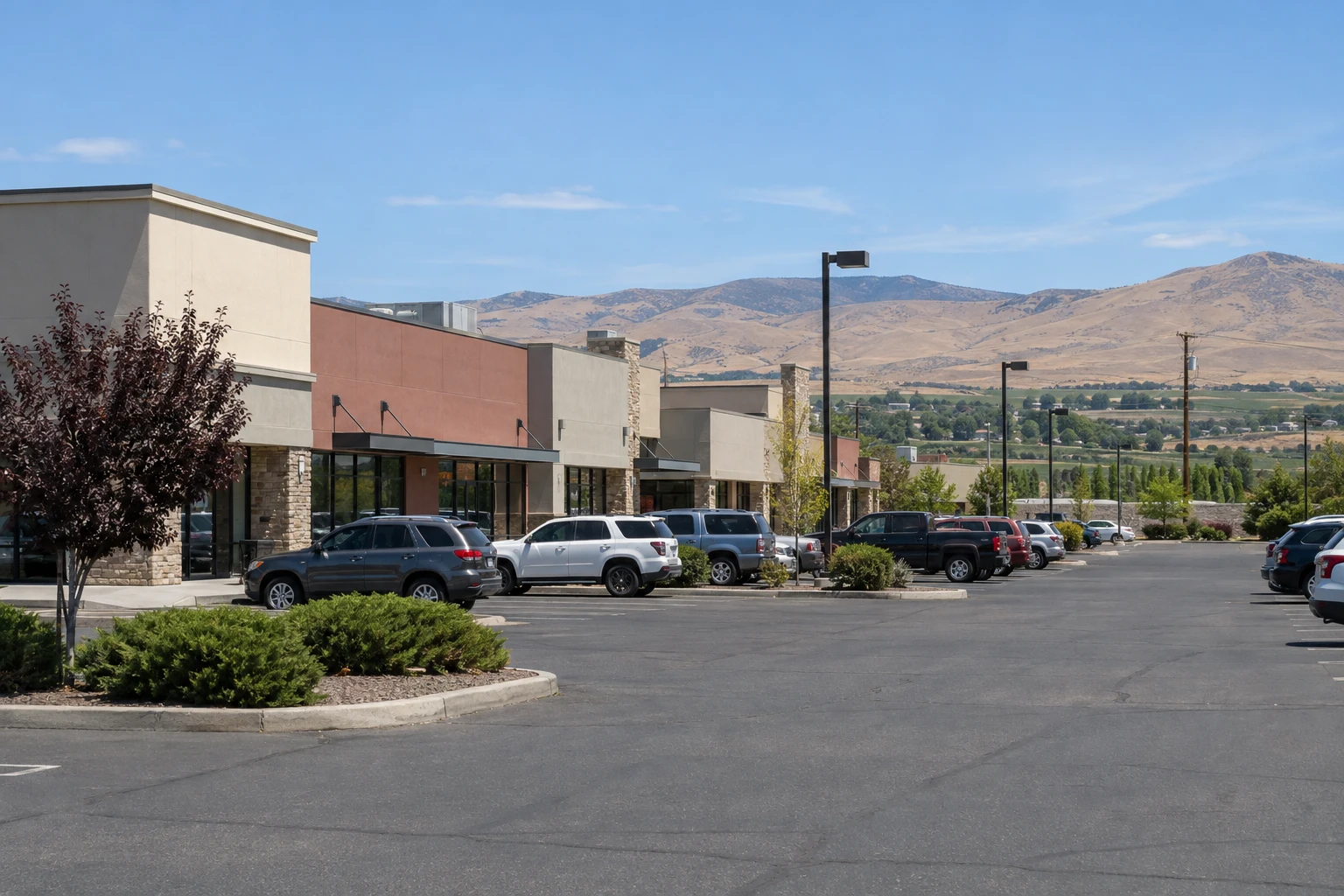
February brings the call: the second storm has landed on top of a week of old snow, a thaw has started, and a Gromore property manager reports that and water is finding a way in along the back wall. The first question dispatch asks is whether the drain at that wall is open, since melt that cannot leave the roof goes sideways under the membrane. Gromore is an unincorporated Yakima County community about one mile west of Yakima, at 1,417 feet, and it shares the city's weather and the county's snow rules. Clear the drain mouth by hand if you can reach it from a safe position, move stock away from the wall, and wait for the crew before anyone climbs.
Our crews repair, coat, recover and replace commercial roofs, and the storm line is answered every hour of the year.
Open the Drains Before the Thaw Starts
Yakima's snow arrives mostly in December and January, on only about 8 inches of total precipitation. A rain-shadow climate like that means the roof sits dry for weeks, then takes a heavy load, then sheds it in a day or two of thaw. The thaw is when most winter leaks begin: ice dams the scupper, the meltwater backs up behind a parapet, and it finds the lap or flashing that has been marginal since summer.
We start a melt call at the low points. We check scupper openings, drain strainers, gutter outlets and the gap between the membrane and the wall. Ponding that stays for days after a thaw tells us the deck or insulation has settled, and that is a design problem as much as a maintenance one. Our drain and scupper correction includes cutting a new outlet, building a cricket behind a curb and tapering insulation to move water away from the low spot.
Check the Design Load Against the Drift Pile
A Gromore building could sit anywhere in the county's range of design loads, and engineering is required past 70 psf, so so we ask for the permit or drawings before judging how much snow is too much. Drifts form where a taller wall meets a lower roof, around equipment and against parapets, and the same inch of snow weighs more once it is wet or has refrozen.
Heavy snow in February 2019 got a South Third Avenue building red-tagged over a bulging wall, which is the reason we clear drifts with plastic tools and leave a protective layer. Signs the roof is carrying too much include a ceiling that has dropped, a sprinkler head that has shifted, a door that sticks or a crack that has opened at a wall. If you see any of them, leave that area and call for snow and ice damage repair.
Respect the Valley's Agricultural Roots
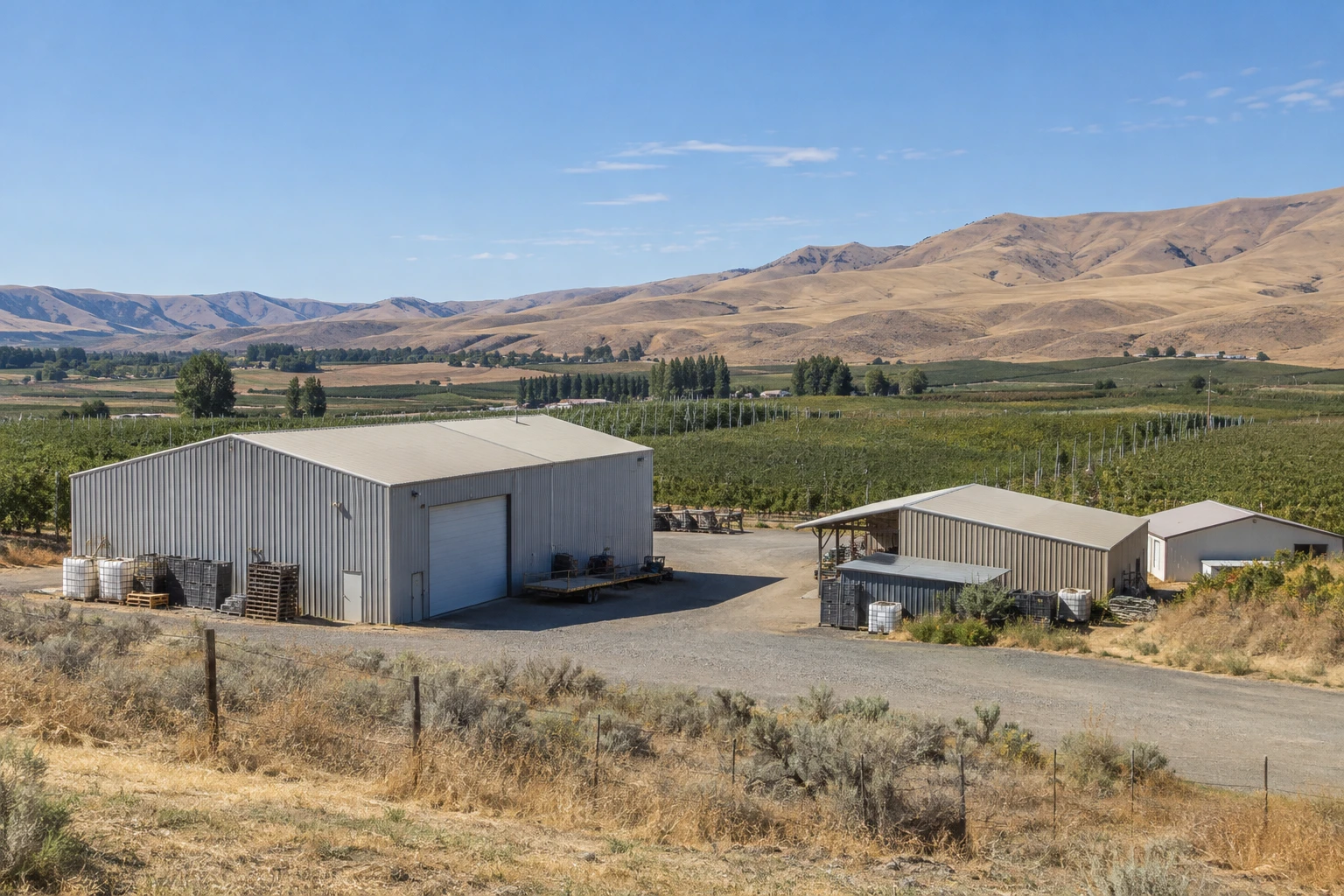
Gromore began as an agricultural area at the end of a Yakima Valley Transportation Company interurban line. The valley still runs on orchards and hops: apples, peaches, pears, cherries and a share of the nation's hop crop, about 77 percent as of 2011. Any commercial owner near the city edge may handle produce, equipment or supplies for that economy, and that shapes a roof plan. Dust and leaf litter collect in gutters, spray drift can stain a membrane and forklifts scuff walkway pads.
We ask what the building does before we propose a system. A shop wants durable edges and good drainage; a packing or storage building wants a vapor-tight roof with sealed penetrations; an office wants an even interior temperature. For wet insulation we use an infrared moisture survey to map the damage so the replacement covers only the section that needs it.
Coat or Recover Before the Heat Cycle Tires the Seams
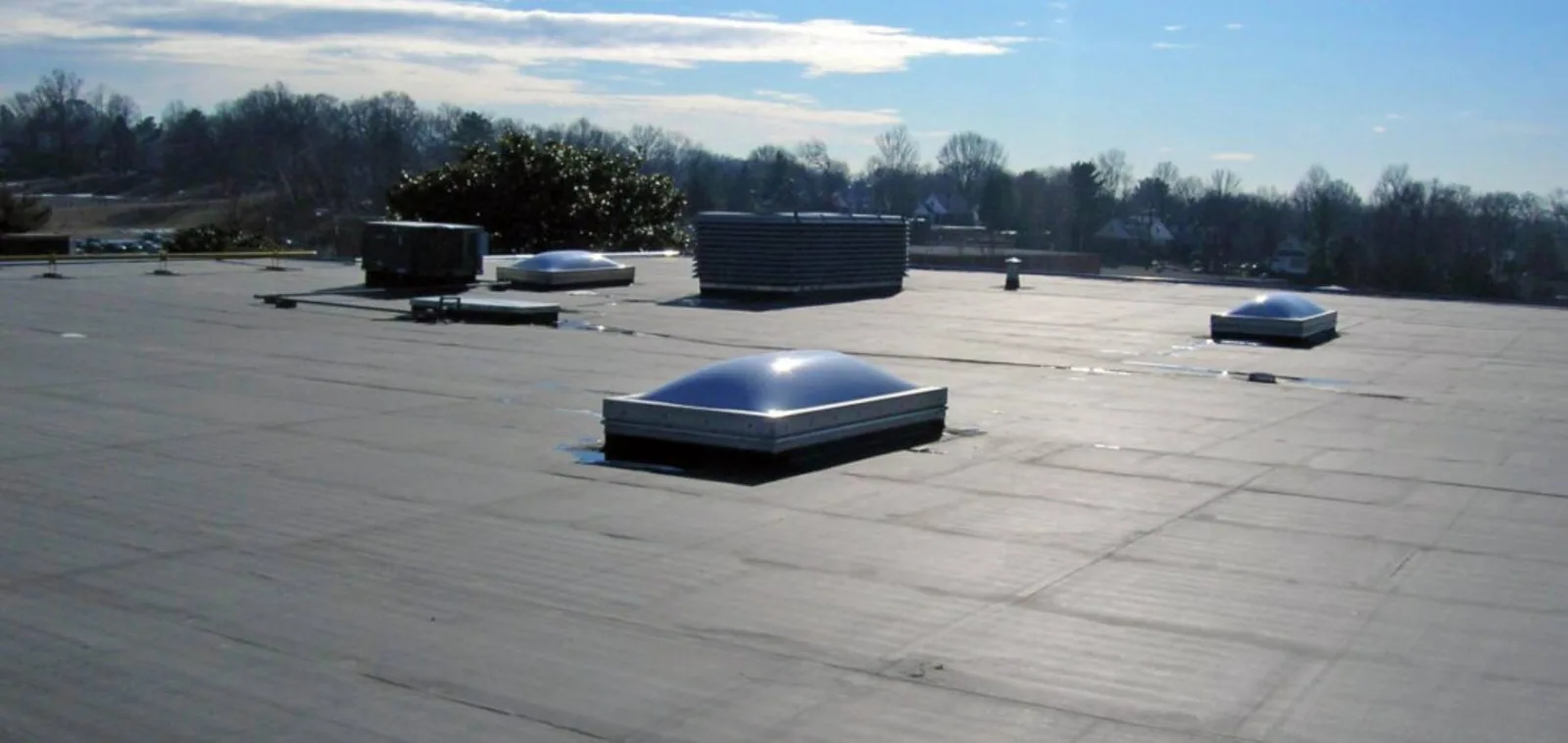
Summer afternoons reach 90 F about forty times a year, a few reach 100 F, and the record was 113 F on June 29, 2021. The nights then cool. That daily swing expands and contracts seams and flashings, and over years it opens them. A roof near the end of its life sometimes needs a recover over the existing roof instead of a tear-off, which saves time and disposal if the insulation is dry.
A recover is possible only where the old system is dry and the deck sound, and local code limits the number of layers. We confirm both with cores and a moisture scan, and we take Washington's updated energy code, in force since March 15, 2024, into account when we price insulation. Before the crew arrives, list every leak location you know, with dates.
Reach Gromore From the City Side
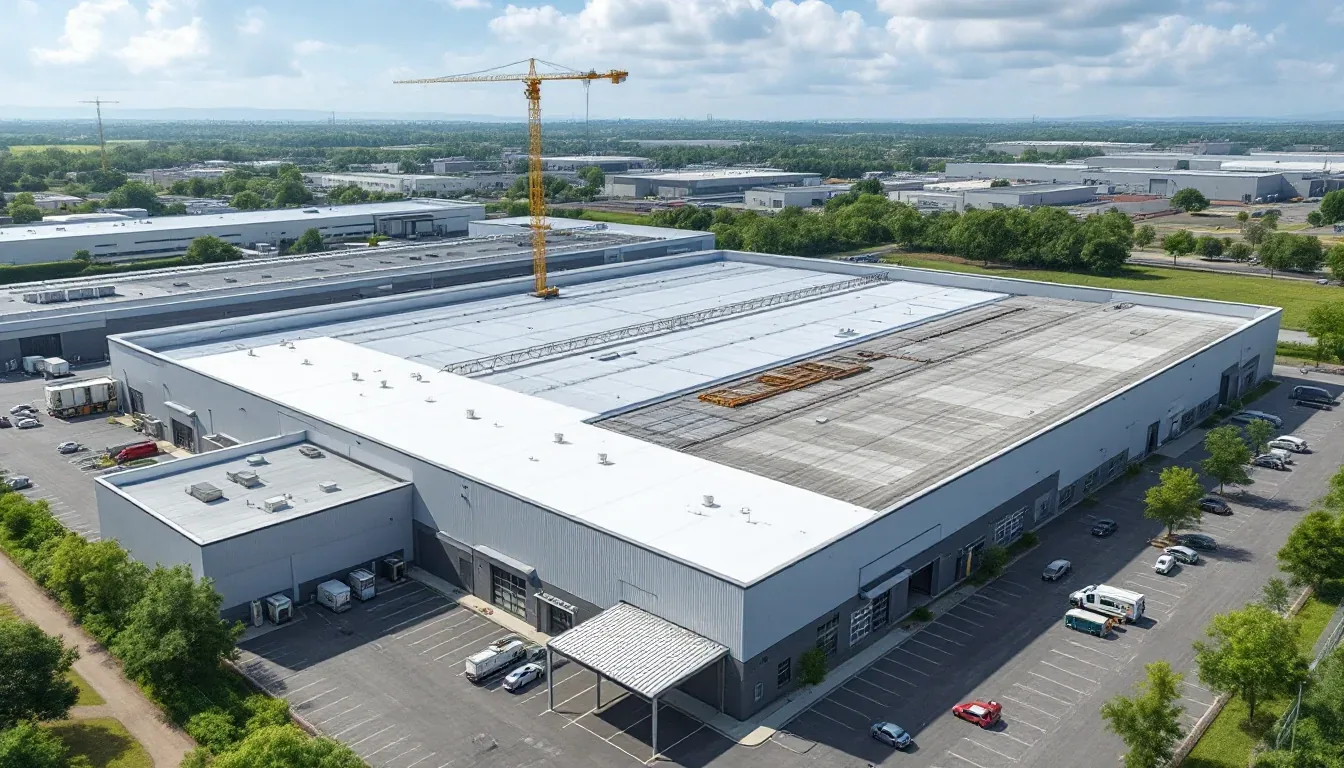
Because Gromore sits so close to the city, a crew can reach it quickly from downtown Yakima by way of the city streets and the highways. We also work in West Valley and Ahtanum, so owners in adjacent properties often schedule together. A report that ranks each roof by condition helps a manager with several buildings decide where the next dollar goes first.
The written report lists each defect with a photo and a location, names the repair, and separates what must happen this season from what can wait a year or two. Owners use it to brief a lender, an insurer or a board. We keep the callback log for the building, so when a drain clogs again or a seam reopens, the next crew sees what the last one did and why. Keep the report where your maintenance staff can reach it, and update it after every storm.
Access and logistics deserve a line too. We ask where a lift or ladder can stand, whether a truck can reach the wall, where tenants park and what hours the building is quietest. A repair that takes two hours on a clear day can take four if the only access is a locked stair, so send the contact for keys before the crew rolls.
Commercial Roofing Questions
Water shows up on the back wall only during a thaw. What does that tell you?
It points to drainage or a flashing at that wall. Melt backs up behind a parapet when the scupper is blocked, and the water finds a marginal lap. We open the outlet, trace the water to its entry and repair the flashing. If ponding remains after the thaw, we raise the question of tapered insulation.
Our building sits near orchards. Does that change how often the roof needs attention?
Debris and dust build up faster near orchard country, so gutters and drains need clearing more often, especially after harvest and after windstorms. We set a visit schedule that matches the leaf and dust season and look at the membrane for abrasion where lifts or foot traffic cross.
Can an old roof take another layer instead of a tear-off?
Sometimes. The old system must be dry, flat enough and attached to a sound deck, and code limits layers. A core and a moisture scan decide it. A recover saves disposal and time; a tear-off is the right call when the insulation is wet or the deck is soft.
What do we send you for a storm call at night?
Send the address, a phone photo of the ceiling or wall, the permit snow load if you have it and the rooms that must stay open. We tell you what to leave alone and arrive with materials to make the roof safe.
How do we compare coating against replacement cost?
We price both with the drivers visible: tear-off depth, insulation condition, access, penetrations and the time the building can spare. A coating costs less today but needs a dry roof. Replacement costs more and resets the clock. The cores decide which one fits.