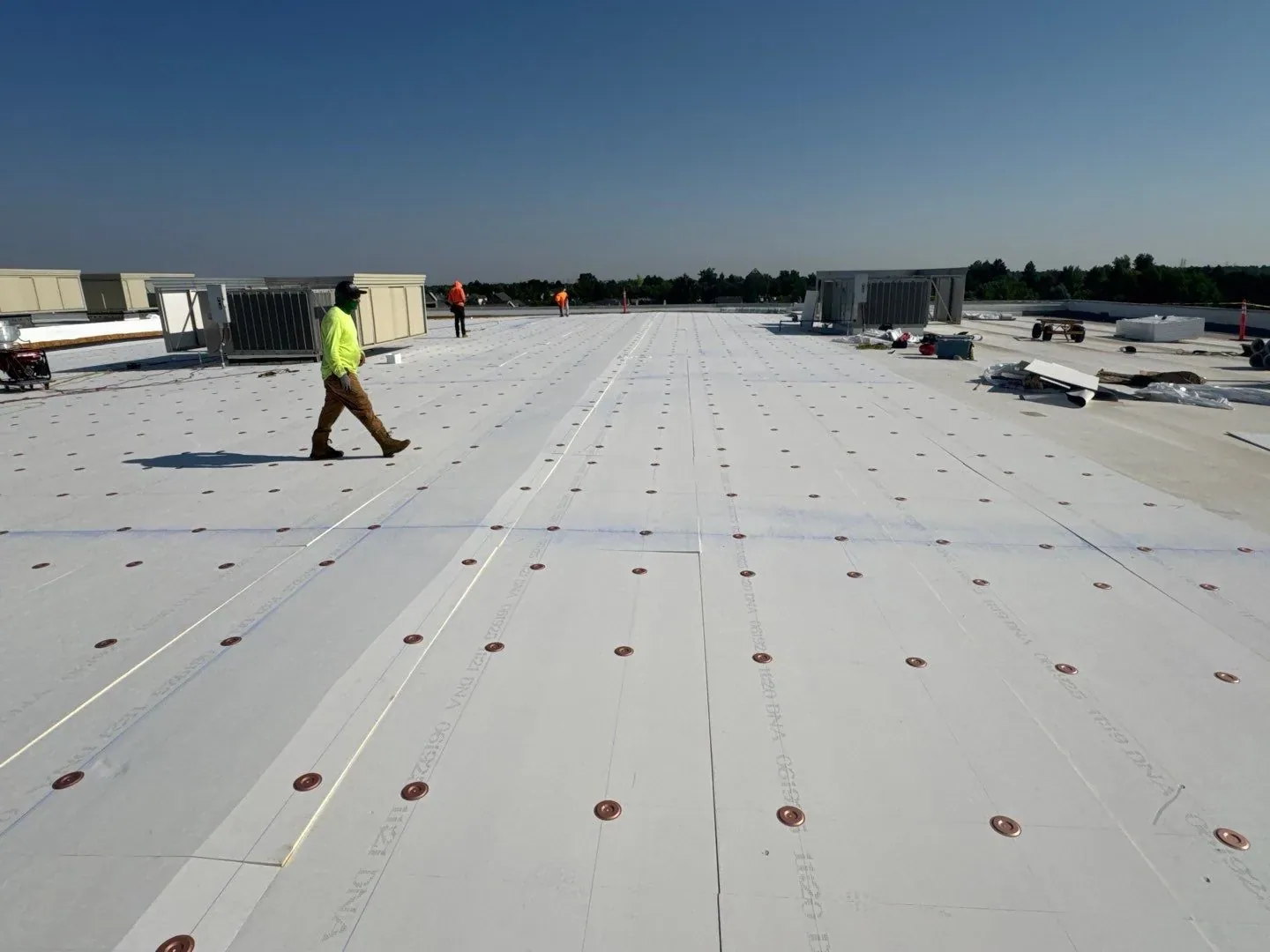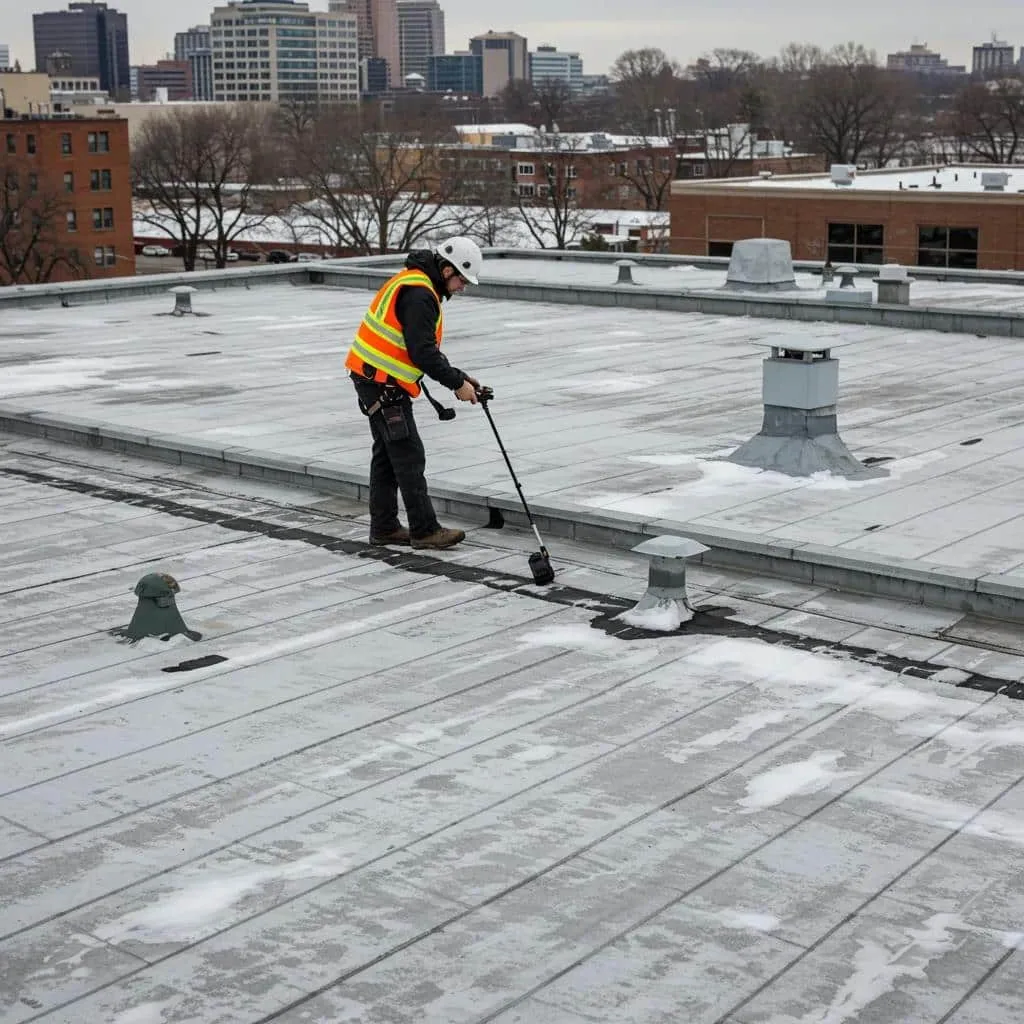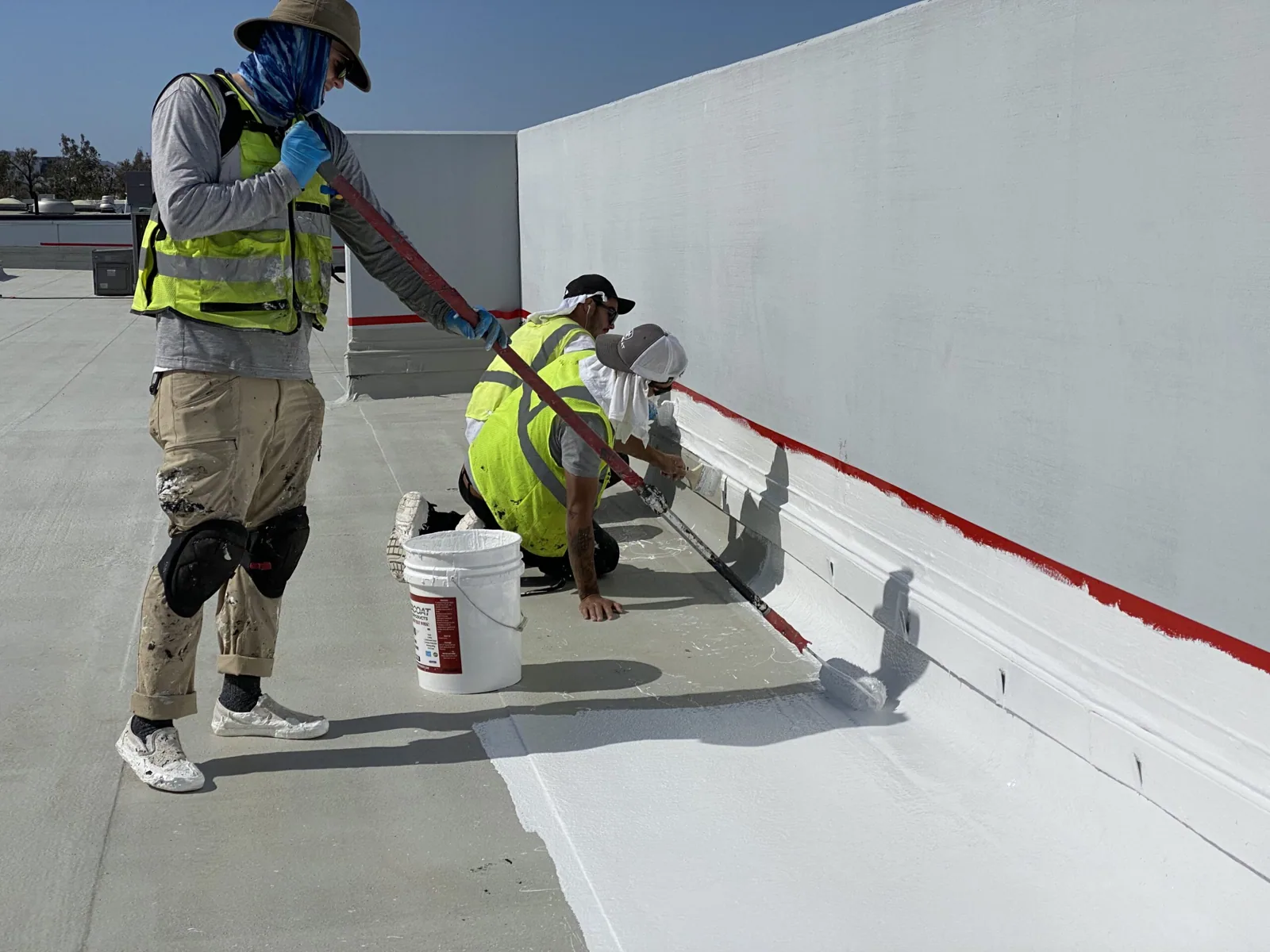
The best maintenance call of the year comes on a calm Tuesday in late September, when a facility director asks what the roof needs before the first freeze. Dispatch asks one question: what changed in the last twelve months? A new rooftop unit, a re-roofed neighbor that now throws a drift against your wall, a sealed drain that nobody remembers sealing. In Yakima, WA, the dry climate lulls owners, because a place with about 8 inches of precipitation does not feel like a roof-killing market. The damage comes from swings instead: snow load in December and January, a long run of hot afternoons, and gusts that find any edge left loose. A maintenance program is how we find those loose ends while the weather is still on your side.
Book the Visits Around the Weather Calendar
Two visits a year fit most Yakima buildings, one in early autumn and one in late spring. The autumn visit prepares the roof for load and wind: we clear debris, check the fasteners at the edges, and confirm that every drain and scupper can pass meltwater before the first heavy snow arrives. The spring visit reads what winter did. We look for membrane that stretched over a drift, ponding where a deck deflected, and flashing that pulled free at a freeze-thaw joint.
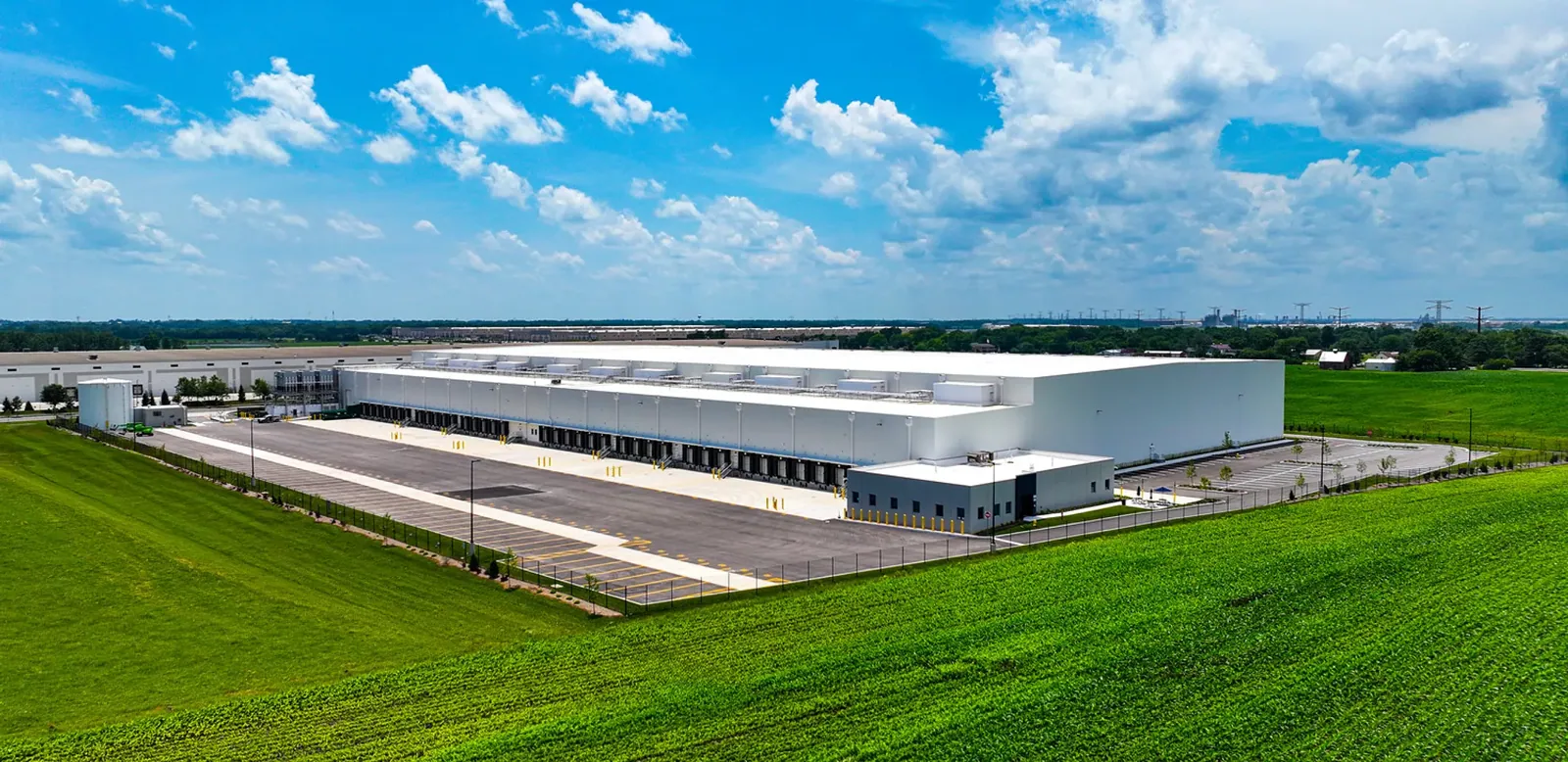
Buildings with heavy rooftop equipment, such as cold storage roofs and packing plants, often warrant a third check in midsummer. Highs stay above 90 F on about 40 afternoons a year, and a dark membrane over a refrigerated space works hard on every one of them. Keep a short list of your own: any unit that was serviced, any penetration that was added, any leak that came and went. Hand it over when the visit starts.
Mark the Drift Zones Before the First Snow
Wind sorts snow into piles. The deepest ones form beside parapets, penthouses and any change in roof height, and those piles carry far more weight per square foot than the open field. The county sets design snow load parcel by parcel, so the figure on your permit set is the starting point for every winter plan we write.
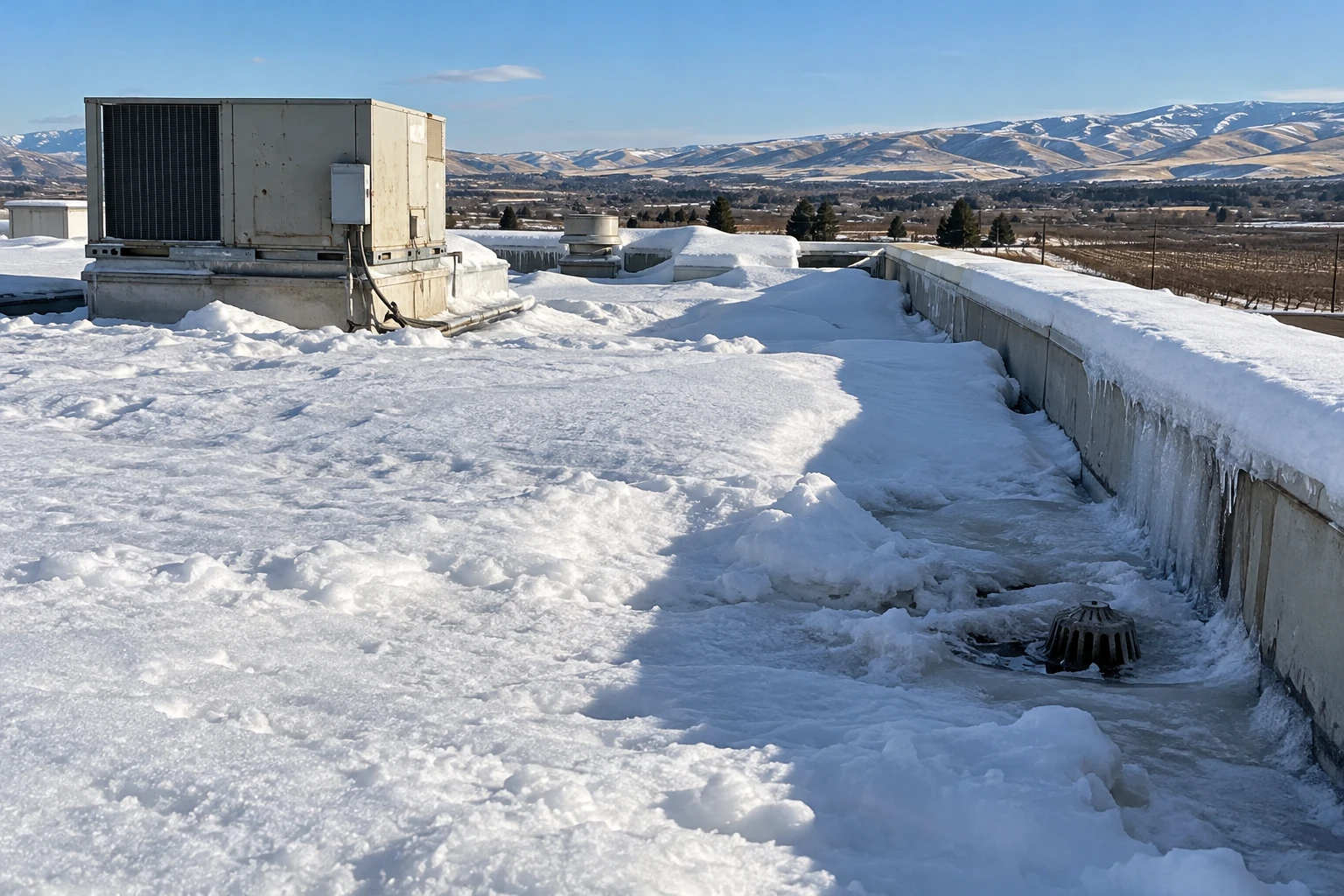
During the autumn visit we paint or tag the drift zones on the roof plan and note which areas need a deflection check after a heavy storm. If the roof has a protective layer of ballast or pavers, we confirm it is spread as designed. Facility teams should keep steel shovels off the membrane all winter. Steel blades cut seams, so when drifts reach the plan's threshold we clear with plastic tools. The same snow and ice damage shows up in the spring report.
Reseal What the Afternoon Heat Cycle Loosened
Record highs reached 113 F in June 2021, and the lows in the same market have dropped to minus 25 F. A membrane that sits between those numbers moves every day, and the day-night swing is hardest on the places where two materials meet: pipe boots, curb corners, termination bars and the seams of single-ply sheets. We press each of those details by hand, because a seam that looks closed from five feet away often lifts under a probe.
Sealant is a maintenance item, not a repair, and it has a life. We replace it where it has cracked or pulled from the substrate, and we leave sound sealant alone. Where a flashing moves more than sealant can follow, we say so in the report and price the proper fix, so the same joint does not appear on next year's list.
Clear Drains Ahead of the Thaw
Yakima's precipitation is low, which hides the cost of a clogged drain. When a January storm melts into a mid-day thaw on a flat roof, the water has to leave in hours, and a drain packed with orchard leaves and wind-blown grit will not allow that. Water backs up, sits through the night, and freezes into a sheet that stresses the seams around it.
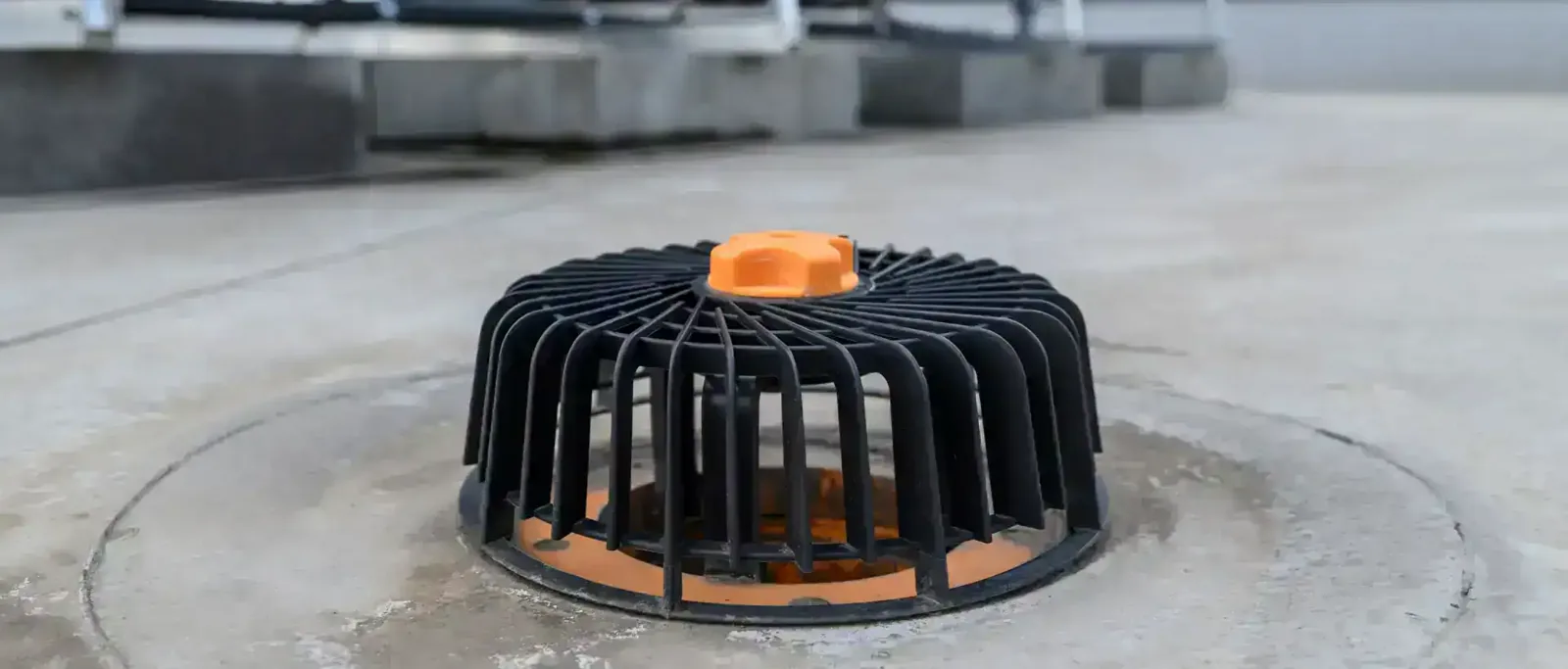
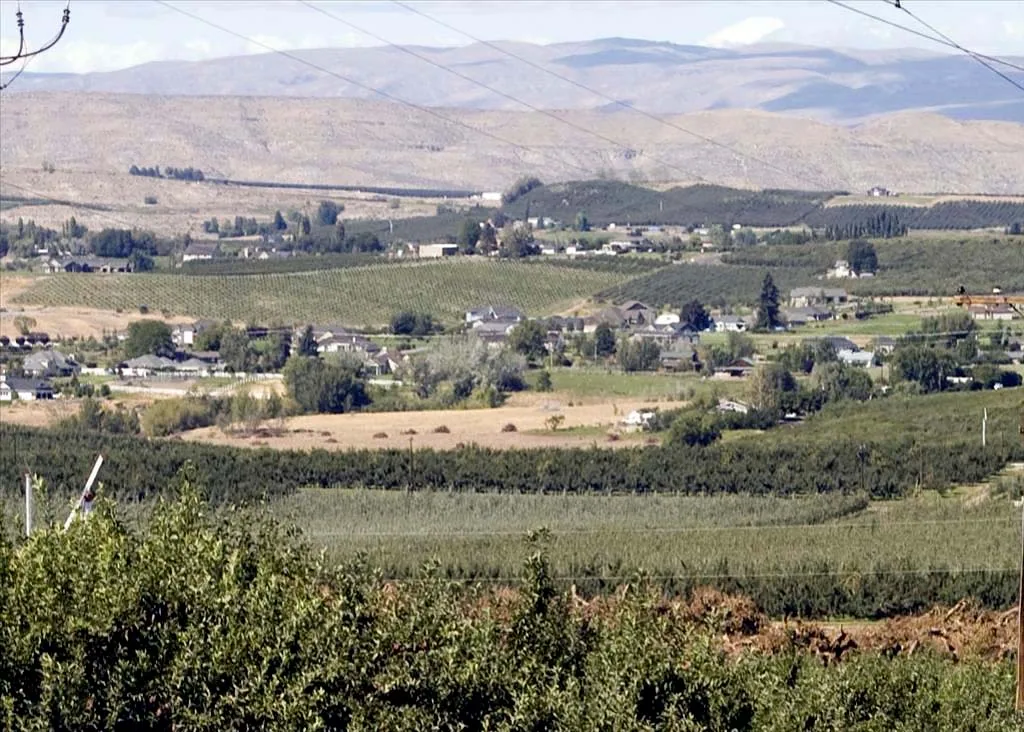
We clear every drain, scupper and overflow on each visit, flush the line where access allows, and check that the slope still leads to the opening. Where a deck has settled and ponding persists, we measure the depth, record it in the log, and flag the area for drain and scupper work. A roof close to orchard ground, such as the fruit warehouses around Selah, can collect more leaf litter than one downtown, and the visit schedule should reflect.
Check the Edges After Every Gust
Damage from a valley gale is usually at the perimeter: a coping cap that shifted, a fascia that bowed, a membrane edge that lifted and flapped. The county designs to a wind speed of 110, but a gust-lifted edge that was already loose will fail at a fraction of it.
After any named wind event we offer a quick perimeter check by phone triage first and a visit if the photos warrant one. Catching a lifted edge on the day it moves is a small repair. Catching it three weeks later, after a second gale has peeled back a long strip, is a call to emergency roof repair. The maintenance program makes the first outcome the usual one.
Keep the Callback Log Where the Next Crew Can Find It
Every visit ends with a written report: photographs of each detail, a plain list of what we fixed, and a ranked list of what is coming due. We call the running record a callback log, and it tracks leaks, repairs and decisions across years, so a new facilities manager or a new owner inherits the history instead of rediscovering it. The same record supports a condition report when you need to plan capital spending.
Property teams with a hospital campus, a retail center in Union Gap or a cluster of fruit warehouses can ask for one log per building or one rolled-up summary. Either way, the log shows the remaining life of each roof so replacement can be scheduled in a budget year, not discovered in a storm.
Commercial Roofing Questions
What does a maintenance visit cost compared with leaving the roof alone?
Price depends on roof area, access, and how many penetrations and drains the roof carries, so we quote after a first walkthrough. The comparison that matters is the cost of one saturated insulation section or one lifted edge, which usually exceeds a year of scheduled visits.
Our roof is only a few years old. Does it still need a program?
New membranes fail at the details first, and the details are where the program focuses. Rooftop units added after installation, drains that were never tested under thaw, and sealant that cured in a cold week all show up in the first two winters.
Who clears the snow if we are enrolled in a program?
Snow removal is a separate call. Maintenance covers the inspection of load zones and the pre-winter plan, and when drifts reach the threshold in the plan, we send a crew with plastic tools. That keeps the protective layer on the membrane and keeps your own staff off the roof.
Can maintenance extend the life of a roof that has already started leaking?
Often it can, if the leaks come from details and not from a saturated field. We confirm that with a moisture scan, then repair the details and set a visit schedule that watches the weak areas. If the scan shows wet insulation across a large section, we say so, and the program becomes a bridge to a planned replacement instead of a substitute for one.
How do you handle a packing plant that cannot stop during peak harvest?
We schedule around the shift pattern and the harvest calendar. Work on the roof above a packing line or a cold room happens in the quietest window your team names, and we keep noise, dust and foot traffic away from open product.