
The report comes from a night supervisor on the first cold snap after a hot September: a faint line on the ceiling tile directly under a roof seam, dry that morning and dripping by afternoon. Dispatch asks whether the line runs in a straight stripe or a patch, because a stripe tells us where the seam is and a patch tells us something else. A seam is the joint between two sheets of membrane, and a single-ply or modified bitumen roof has thousands of feet of it. In Yakima, WA, where afternoon highs of 90 F or more arrive about 40 times a year and the lows can fall far below freezing, a seam works every day.
Learn How This Seam Was Joined Before You Repair It
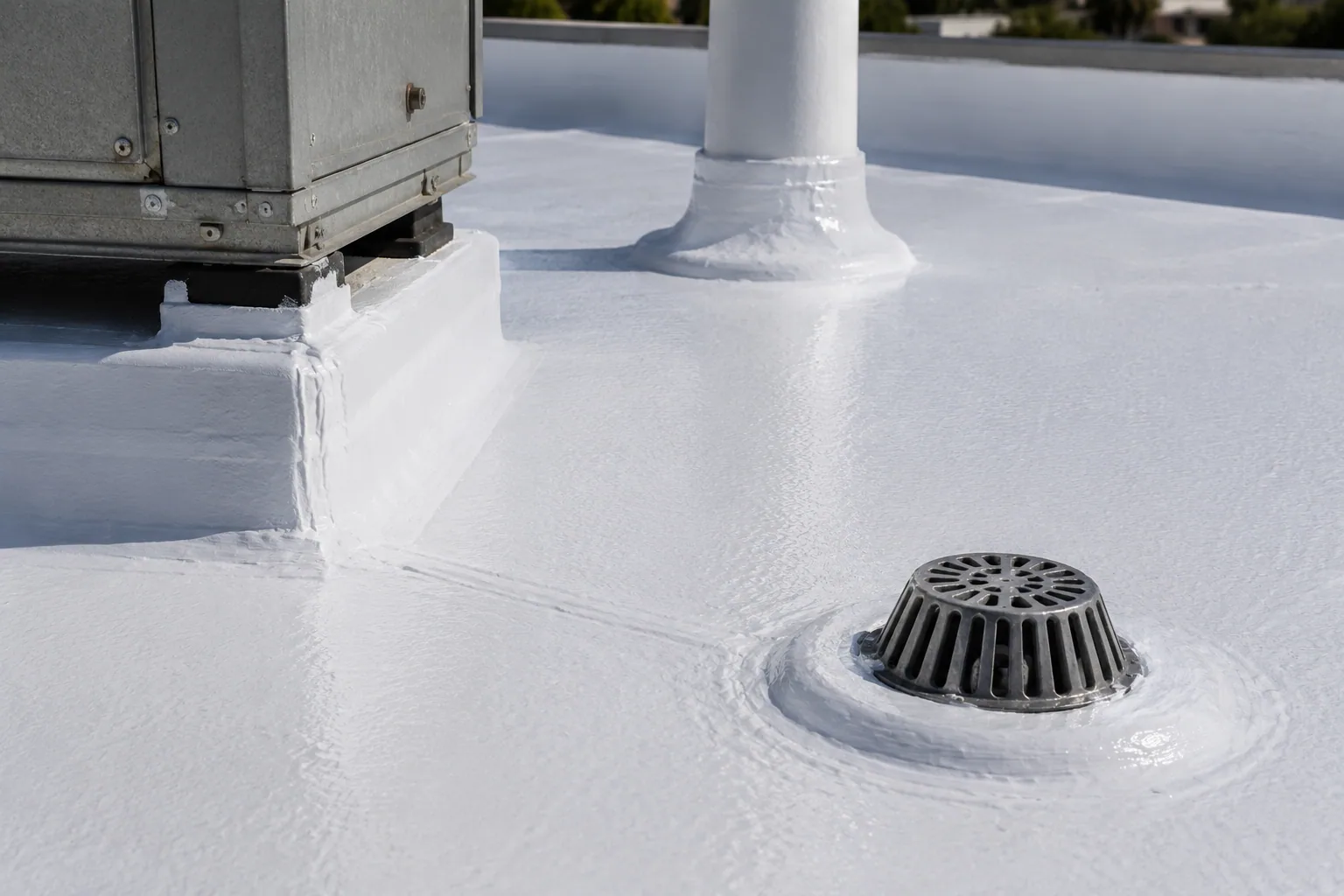
Seams on thermoplastic sheets, such as TPO and PVC, are heat-welded. Seams on EPDM are bonded with adhesive or tape. Modified bitumen seams are torched, mopped or cold-applied, and built-up roofs lap their plies in layers of asphalt. Each method fails in its own way, and each calls for its own repair.
A welded seam that has opened usually shows a clean, shiny edge where the weld never fused, or a brittle, scorched edge where it was overheated. An adhesive seam that peeled shows a dry, powdery surface where the glue let go. We identify the system by sight and by testing a sample, then pick a repair that matches the original joint so the new seam behaves the same way the old one did.
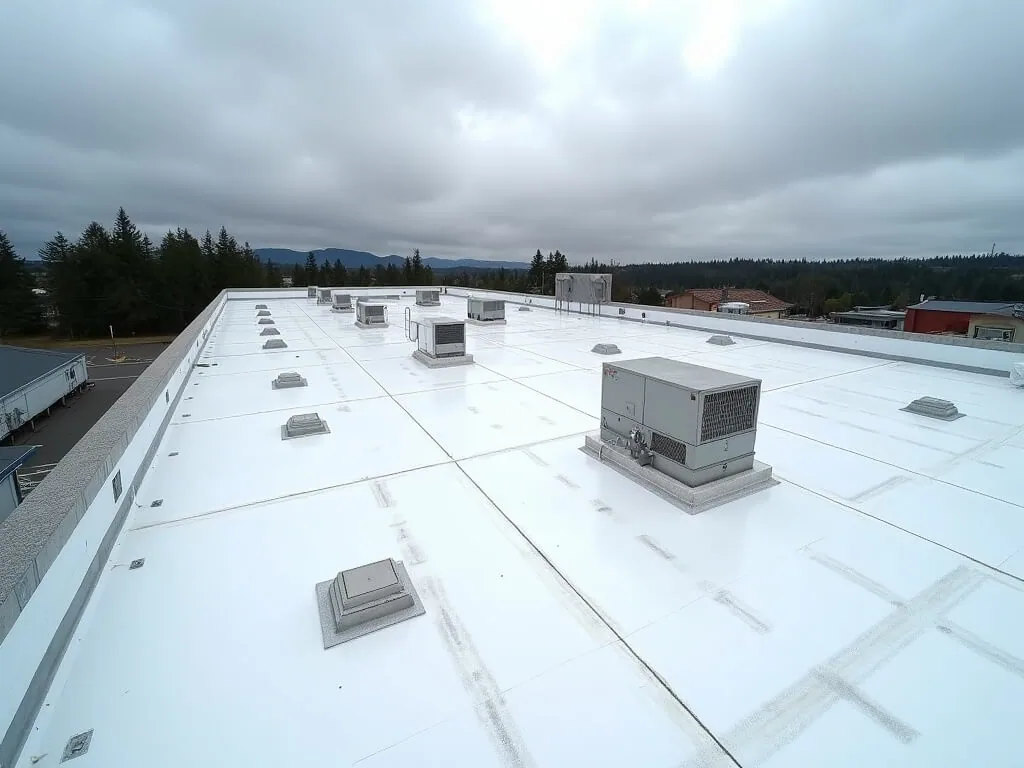
Roof age enters here too. A seam repair that works on one section may not suit the next, so on any building with several roof sections, a processing building in Selah included, we label each section on the plan by system and age before work begins.
Probe Every Foot of Seam Instead of Trusting the Eye
Failed seams often look closed. A plastic probe slid along the edge catches on any gap, and it finds open laps that the eye misses from standing height. We probe the length of every seam in a suspect area, then map the open stretches on the roof plan with chalk and photographs.
Probing also tells us how far a problem extends. A single open lap of a few inches is a patch. A seam open along twenty feet is a sign that the weld temperature was wrong at install or that the sheet has shrunk. The map shows which, and it keeps the repair crew from missing the next gap a few feet down the same line. Our commercial roof repair scope uses these maps to sort items into patch or fix.
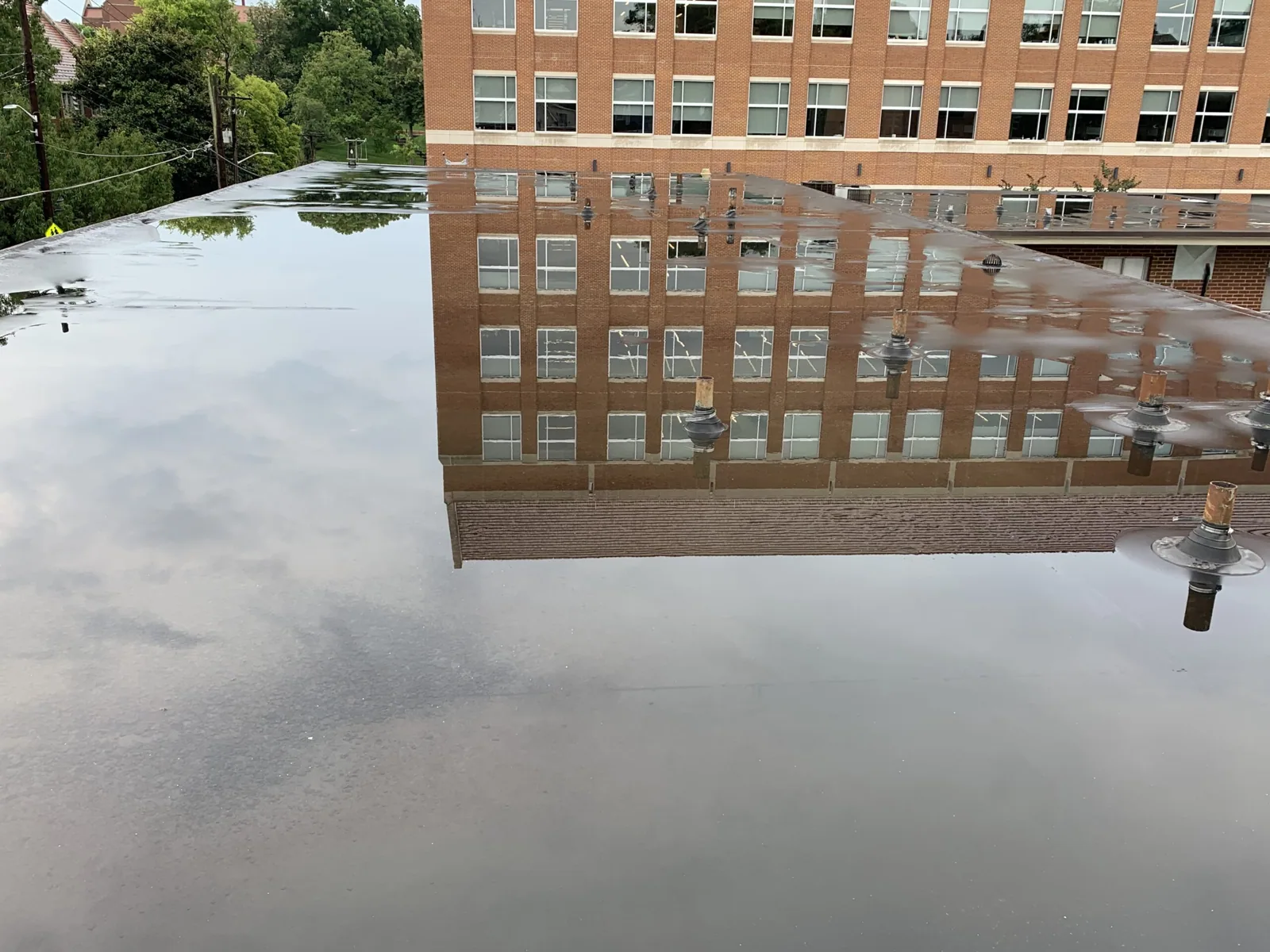
Ponded water is the other thing we look for while probing. A seam that sits under a standing pond for days holds water against its edge, and a freeze splits it from the inside. Where we find that pattern, the ponding water repair comes before the seam, since a repaired seam under an unrepaired pond fails again.
Clean and Re-Weld Thermoplastic Seams to Sound Material
On a TPO roof or a PVC roof, the repair starts with cleaning. Dirt, oxidation and chalk on the surface block a weld. We scrub the area with the cleaner the manufacturer specifies, let it dry and test a small weld with a probe before committing to a run.
Hot-air welding runs at a set temperature and speed, and the weather changes both. In the cold, the sheet draws heat away faster, so the machine runs slower. On a hot afternoon, the surface is already warm and the weld can scorch. We adjust through the day, and we pull a test strip at the start of every shift. A cover strip over a repaired seam adds a second line of defense on older sheets.
Re-Bond Adhesive and Bitumen Seams to a Clean Substrate
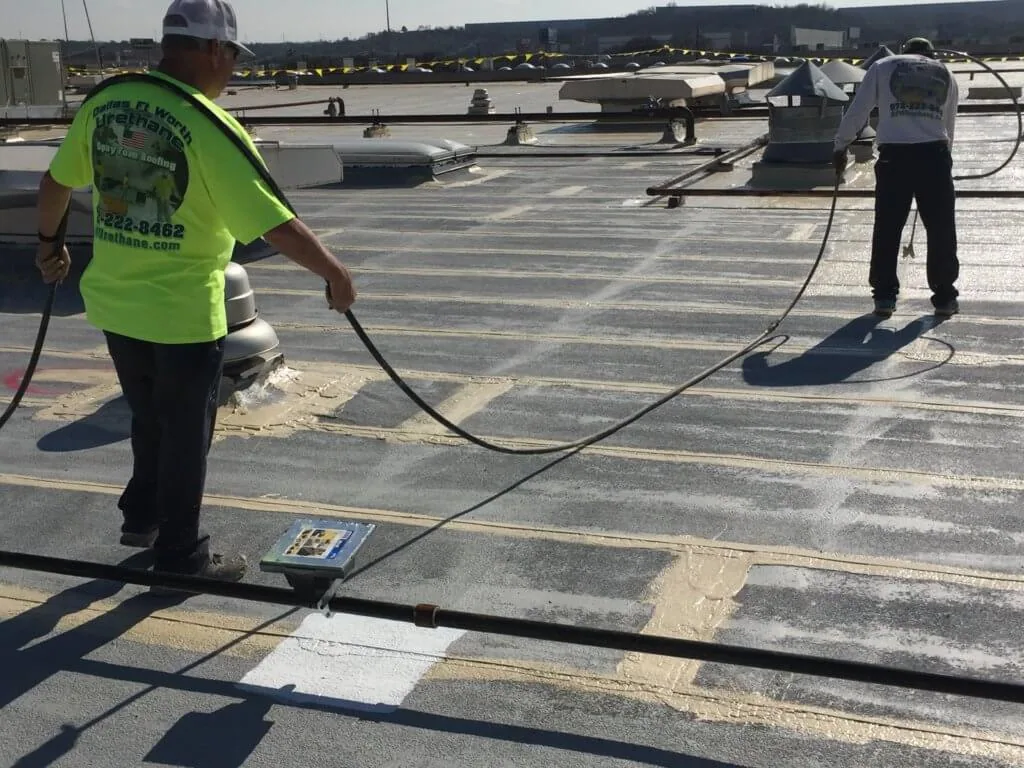
Adhesive seams need a dry, clean surface and a temperature the product can tolerate. We lift the loose lap, remove the old adhesive, prime if the manufacturer calls for it and set the lap back with pressure. Rolling is not optional. A seam that is placed but not rolled does not bond at its edge.
On modified bitumen roofs, we cut back to sound material and heat or cold-apply a new lap, checking that bitumen flows from the edge so the seam is visibly sealed. Wet or frozen surfaces ruin these repairs, so winter seam work waits for a dry window or uses cold-rated products designed for the task.
Find the Stress That Split the Seam
Seams open when something pulls on them. Heat cycling is the usual cause: a membrane that expands in a 100 F afternoon and contracts overnight works the joint every day. Deck movement under snow load, loose fasteners that flutter in a gust and ponded water that freezes along a lap all add stress. Lifted laps are a typical result of a gale like the one in late November 2019.
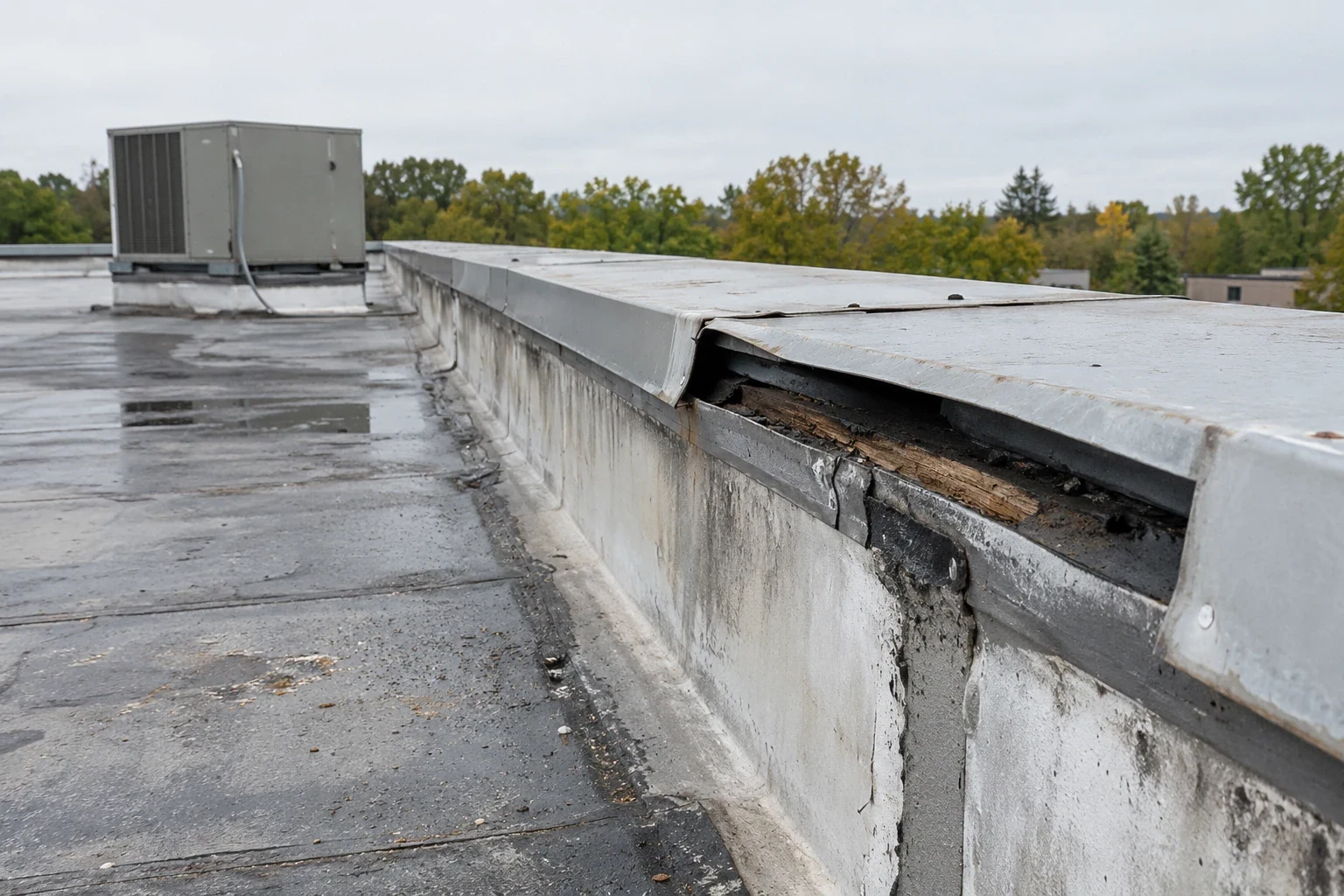
We look for the cause alongside the seam. A line of open seams along a drift line suggests deflection. Seams that open near a parapet suggest edge movement. Opening along a row of fasteners suggests a pull-out. Treating the cause is what keeps the new seam from opening again. Our flashing failure repair work finds similar movement at walls and curbs.
Wind leaves a distinct mark. The same 2019 storm reached 53 mph in Sunnyside, and a seam that was loose before the gale tends to open along its leading edge, the side facing the wind. Where the opening runs along a perimeter, we treat it with wind damage repair methods and add fasteners before closing the lap.
Decide Whether the Sheet Has Enough Life Left to Weld
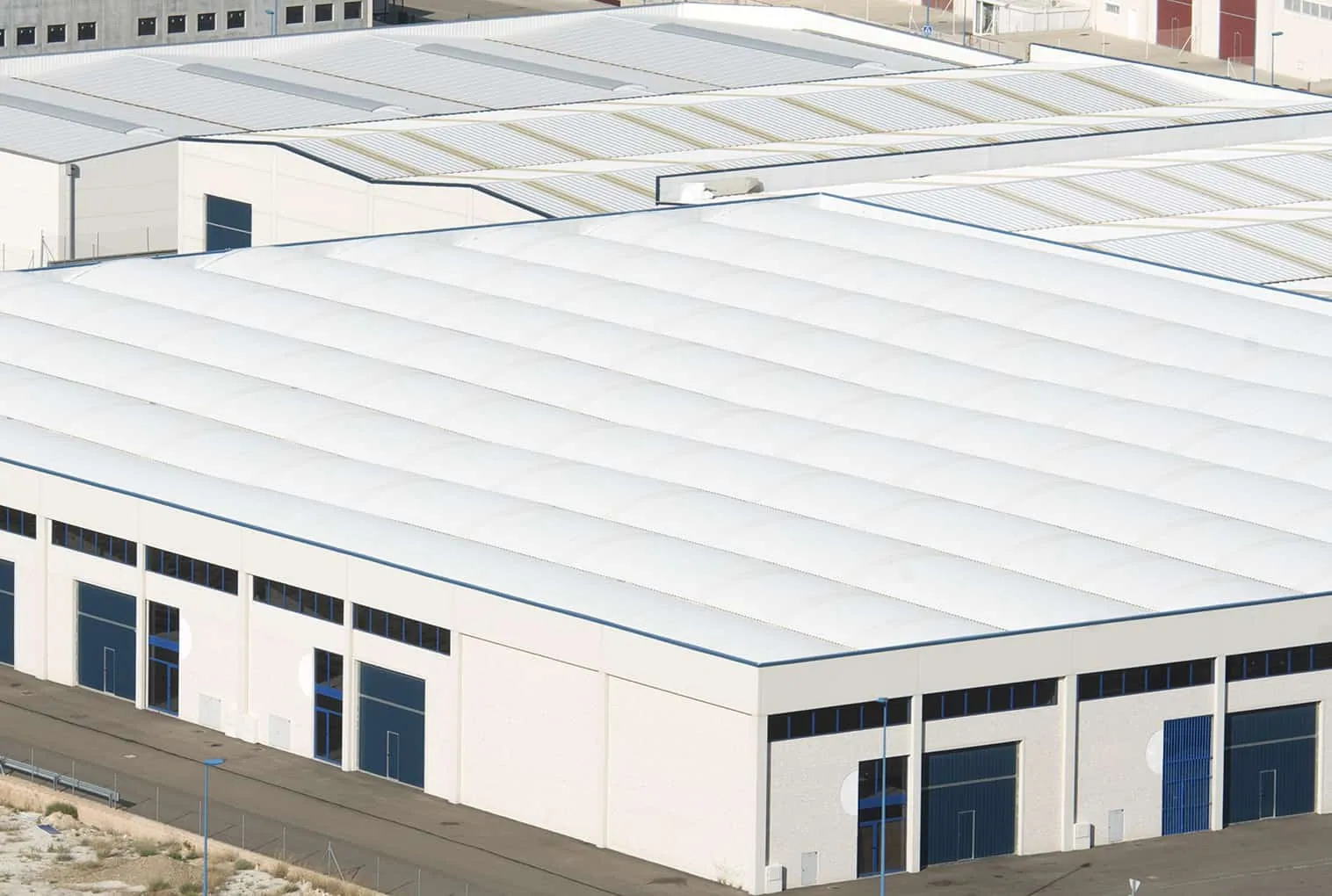
Old membrane gets hard. A weld on an aged, chalked thermoplastic sheet may not take, because the polymer no longer fuses cleanly. Old EPDM shrinks and pulls at its seams. If probing reveals widespread failure across a field, the better answer may be a coating, a recover or a replacement. A hop warehouse in Moxee and a downtown office roof can carry the same membrane, yet the one with the older sheet and the longer sun exposure gets a different answer from the same probe.
Commercial Roofing Questions
A seam opened on a roof that is only a few years old. Is that a defect?
It may be an installation issue, a design issue or damage from traffic and weather. We document the opening, test the seam and check for movement, then report what we find. If the roof is under warranty, the manufacturer or the installer should be notified in writing.
Can you fix a seam during a cold snap?
For emergency purposes, yes, with cold-rated adhesives and mechanical repairs that hold until warm weather. A weld or heat-applied lap in freezing conditions risks poor fusion, so we return in a milder window to finish. The temporary fix is documented and checked.
How many seam repairs before we should replace the roof?
There is no fixed count. When repairs cluster in the same areas, or probing shows many seams near failure, patching becomes a poor use of money. We compare the repair cost against the remaining life and give you a recommendation on the report.
Why do seams open more on dark roofs?
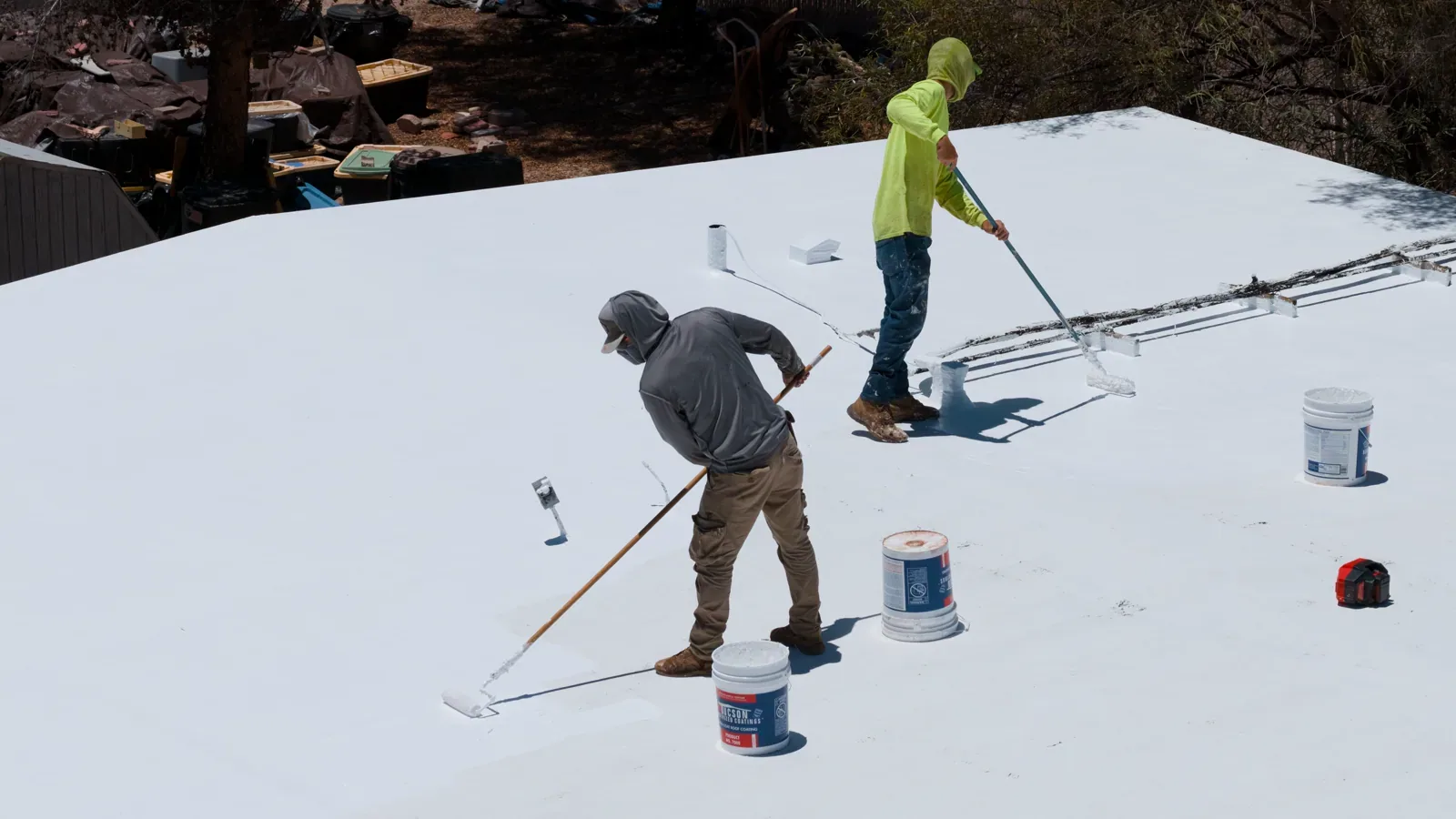
Dark membranes absorb more heat, so they expand and contract through a wider range each day. That puts more stress on the joint. Lighter sheets usually run cooler and narrow the swing, which is one reason owners consider reflective finishes.
Does a cover strip over a seam make the repair permanent?
A cover strip adds protection and bridges small gaps, and on a sound roof it can last for years. On a roof with widespread seam trouble, it is a stopgap. We note the expected service life in the report.