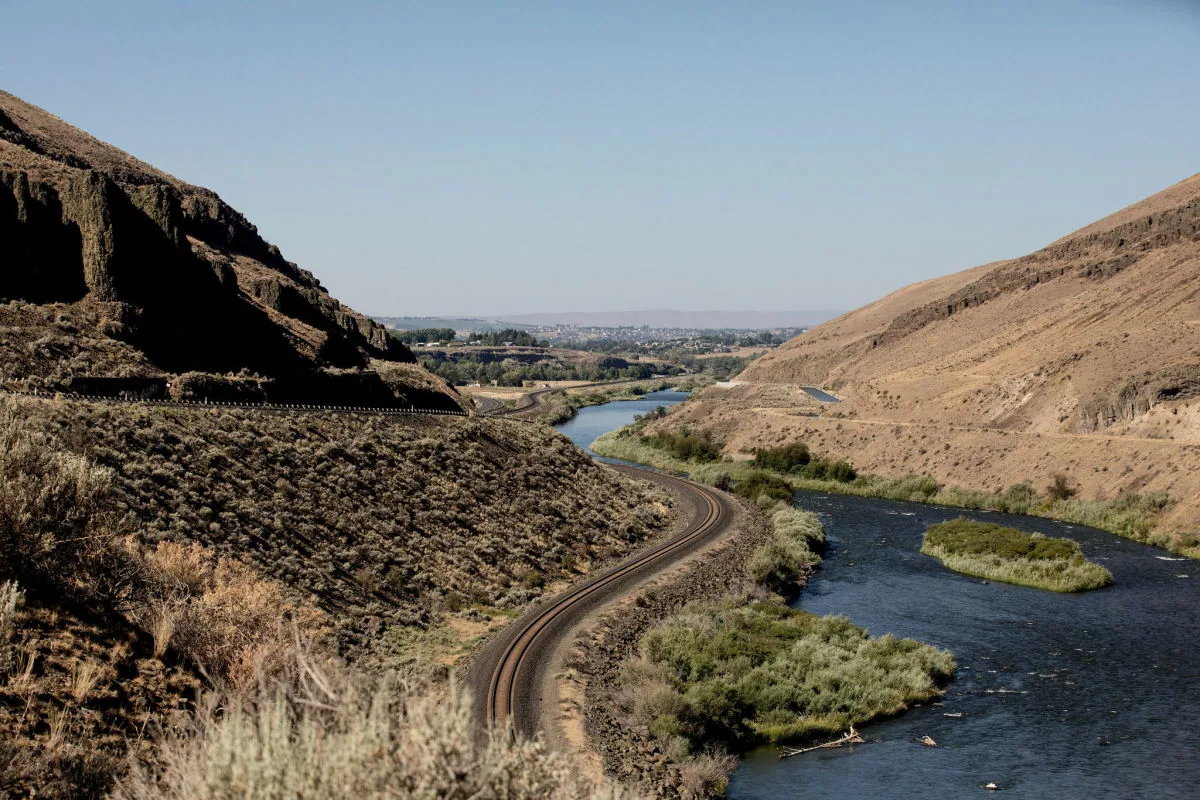
On a 100 F June afternoon a facility director at a cold storage plant watches the compressor amperage climb and asks whether a white roof would help. Dispatch answers with a question of its own: how much of the year is the roof actually hot? Yakima, WA logs about 6 afternoons at or above 100 F and about 40 at or above 90 F, with a record of 113 F in June 2021, so a dark membrane here gets truly punishing in summer. The same city also logs 19 days a year when the high stays below freezing, and about 21.6 inches of snow. A cool roof earns its place when cooling load is the bigger bill, and the decision rests on the building, not on a slogan.
Weigh Summer Cooling Against Winter Heat Loss
A reflective surface rejects heat in summer, and it also gives up the small amount of solar gain a dark roof collects in winter. In a climate with cold winters, that tradeoff is real. Buildings with large cooling loads and modest heating loads gain the most, which is why refrigerated storage, data rooms and processing areas are strong candidates. A heated warehouse that sits cold most of the winter may see less benefit.
We look at how the building is conditioned, how much insulation sits under the membrane, and how many hours the cooling plant runs. The Washington State Energy Code, in its 2021 edition effective statewide on March 15, 2024, may also set reflectance or insulation requirements for a replacement, so we check the code before we price the work.
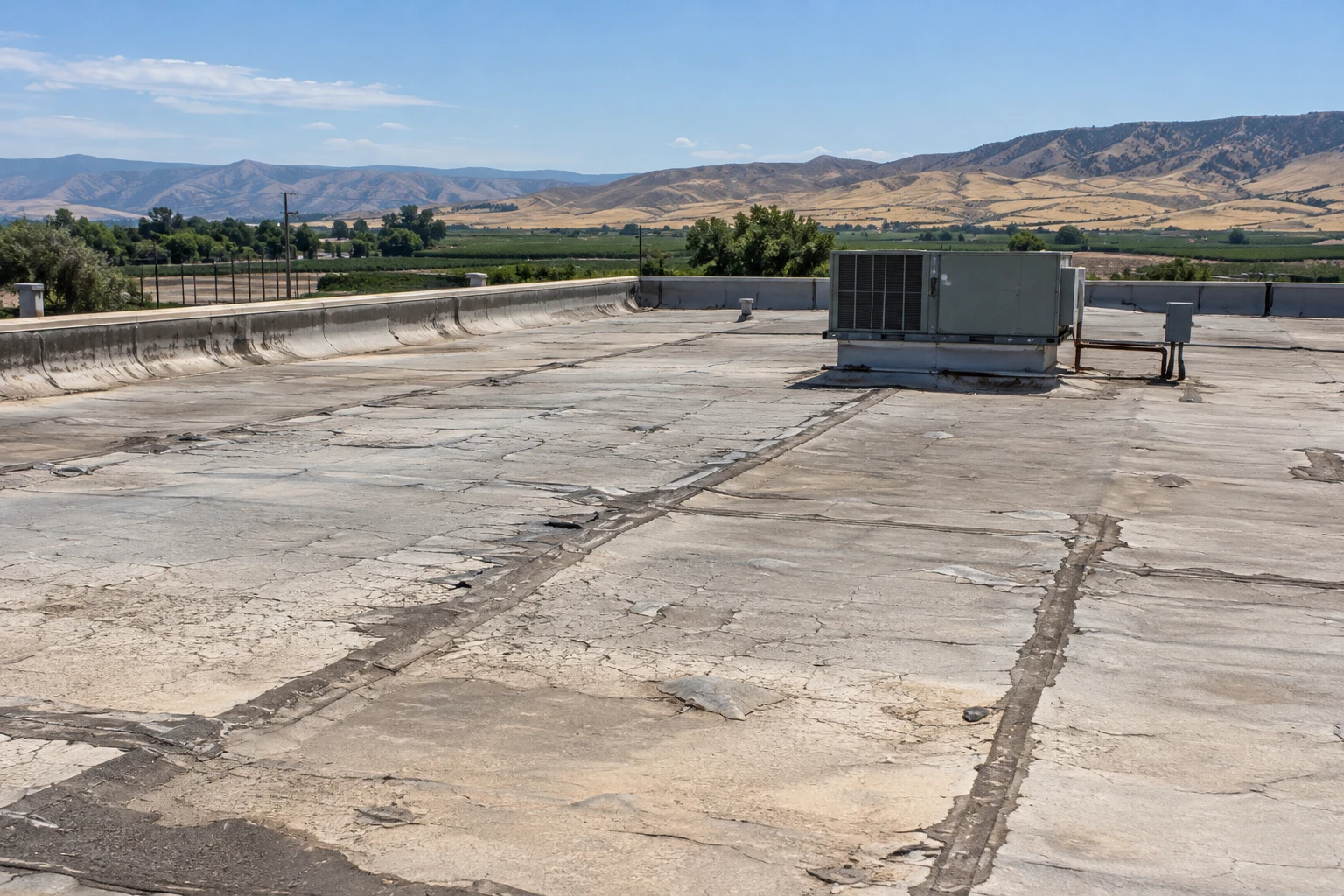
Condensers and air handlers on the roof also work in air that the roof warms. A cooler surface lowers the temperature of the air around them, which can help their efficiency on the hottest afternoons. We note the position of every unit on the roof plan when we judge the benefit.
Pick a Reflective Membrane or Coat the One You Have
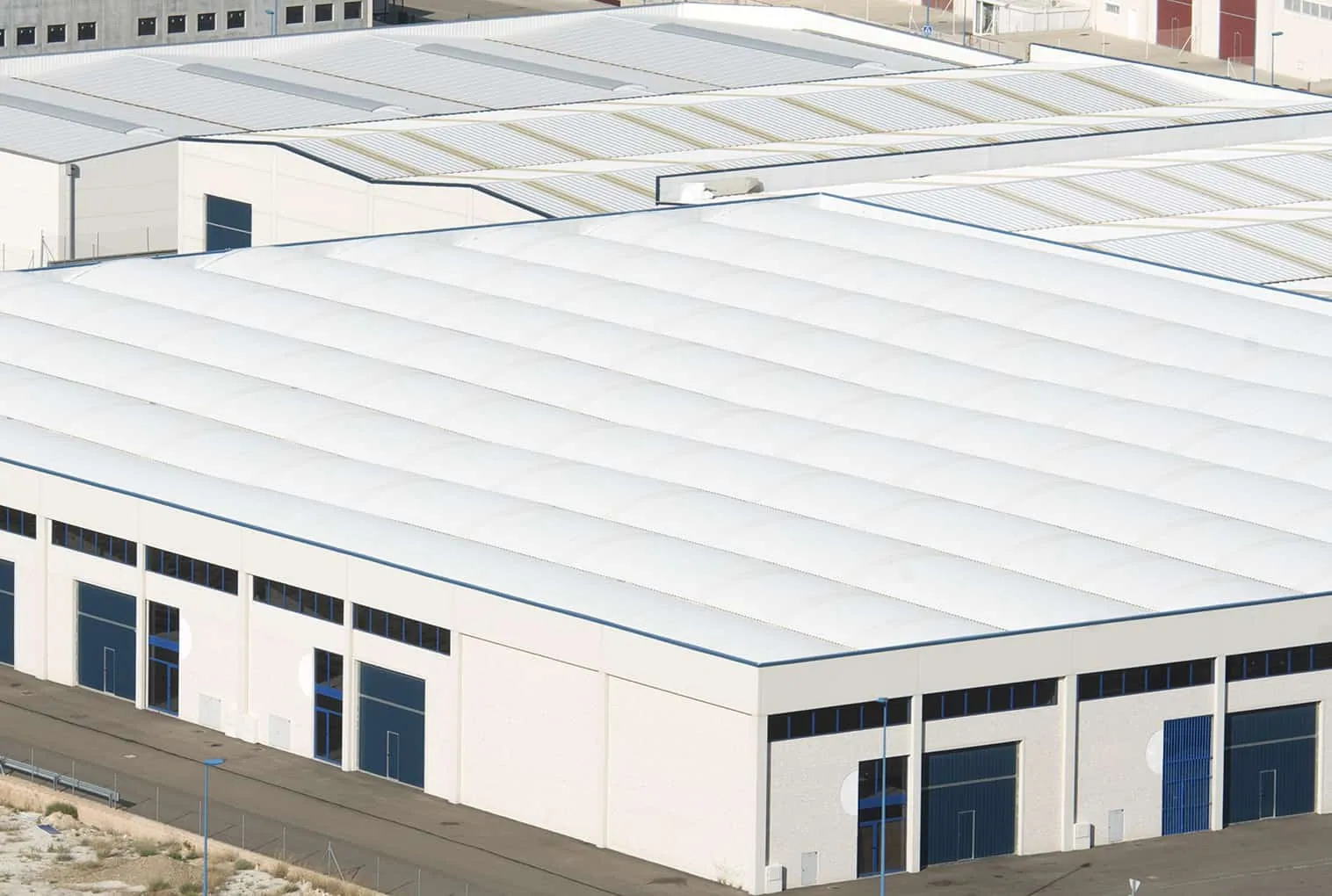
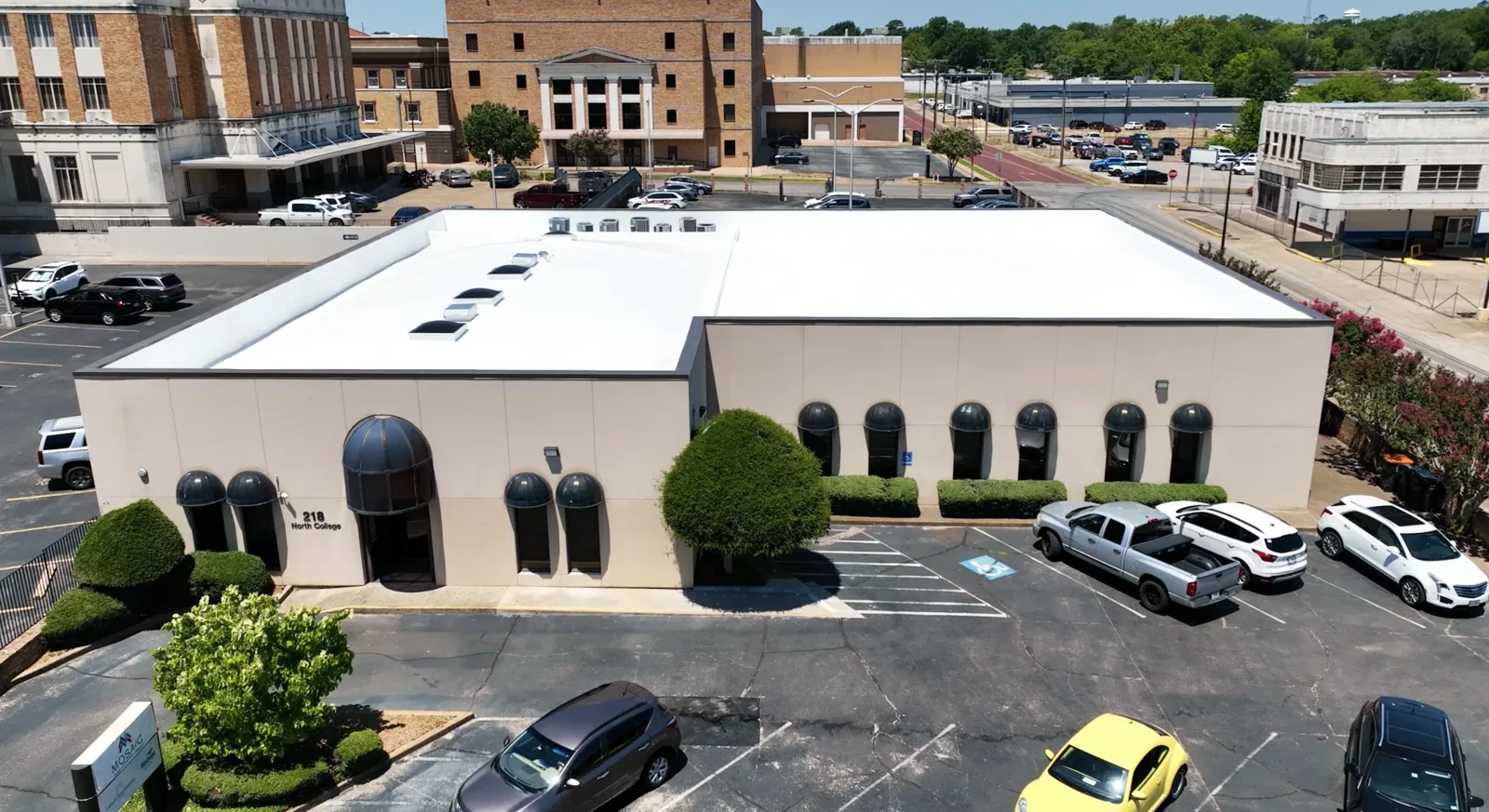
There are two routes to a reflective surface. A white or light-colored single-ply membrane such as a TPO roof is the standard choice on a new roof or a full replacement. Heat-welded seams, a high reflectance finish and a long track record in dry, sunny climates make it a sound fit for Yakima.
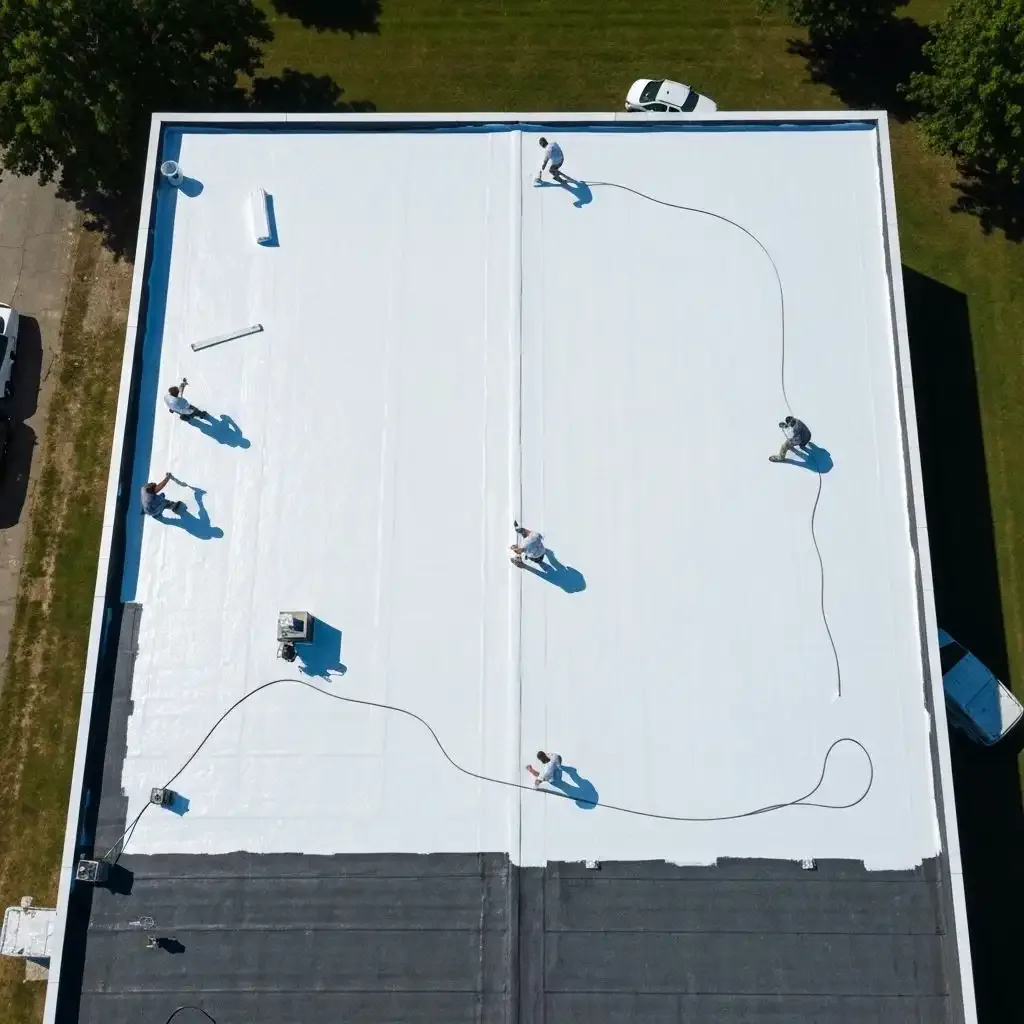
The other route is a coating applied to an existing sound roof. A white acrylic or silicone finish can lower surface temperature without a tear-off, and the coating restoration process covers the surface prep and the moisture check that make it work. Coating suits roofs with dry insulation and a stable membrane. It does not suit roofs that are wet, blistered or near the end of their life.
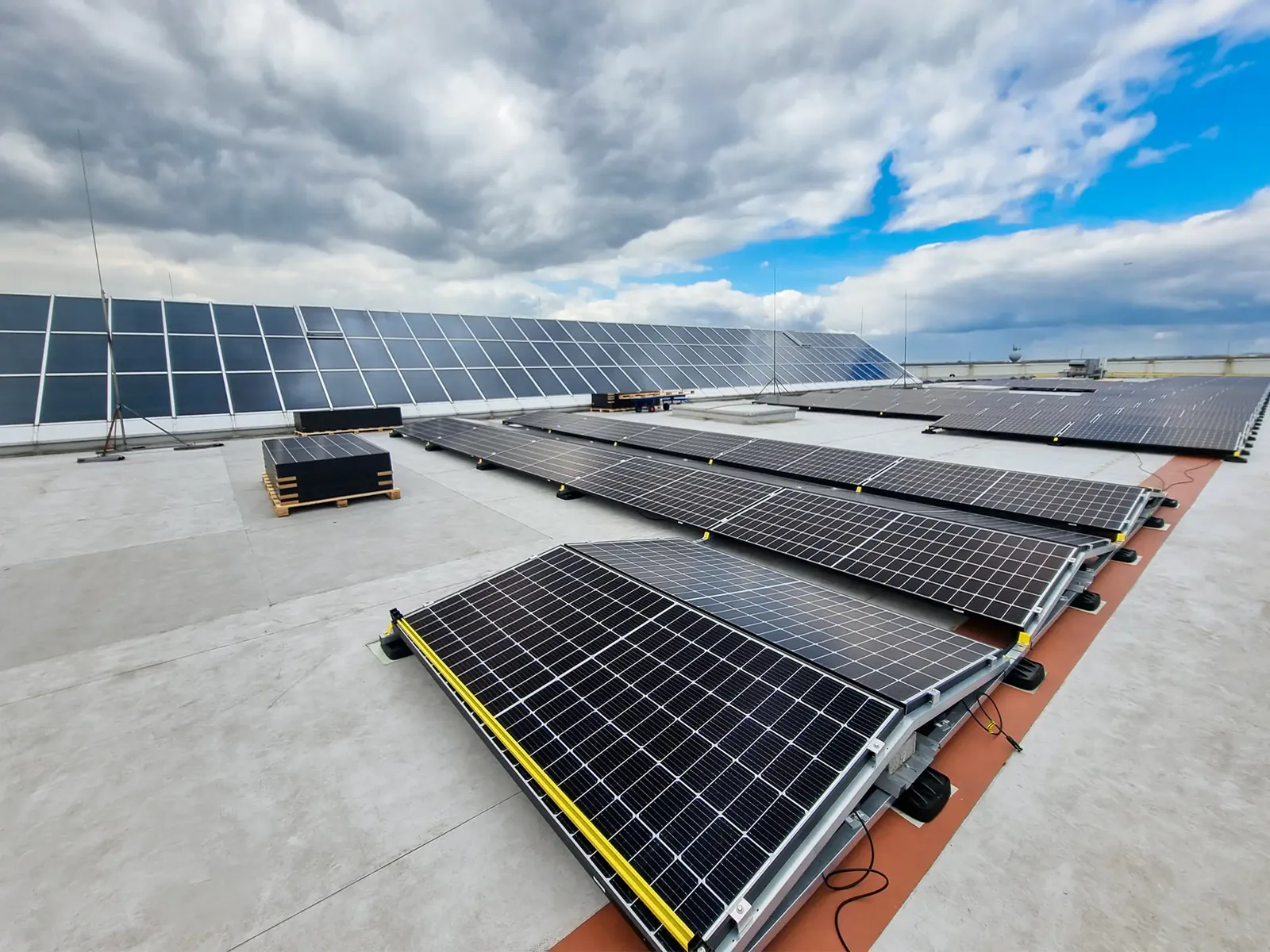
Seam strength and flashing quality matter more than color. A reflective sheet with poor welds fails faster than a dark one with good welds, so we test the seams with a probe at the end of each section. If an owner is also weighing panels, a cool roof pairs well with solar-ready roofing, since a clean, light surface under an array reduces the heat the array and the roof share.
Plan for Orchard Dust and Grit on a White Surface
A white roof stays reflective only as long as it stays clean. The valley's orchards, gravel lots and open fields put dust and fine soil into the air, and a flat white surface collects it. Reflectance drops as the film builds, and a roof that tested at one value on installation settles lower after a few seasons.
We schedule a wash with the annual maintenance visit, using low pressure and a neutral cleaner that will not harm the surface. The cost of washing is part of the true cost of a cool roof, and we include it in the long-term estimate. Roofs near unpaved lots, hop yards or active orchards need more frequent cleaning than a downtown office roof.
Gutters and scuppers collect that same grit, and the first rain of the season carries it across the white surface in streaks. A scheduled wash after the dusty months keeps the roof looking and performing as designed.
Let the Reflective Surface Take the Heat Cycle
Much of the damage that heat does to a roof comes from expansion and contraction. A dark membrane in direct afternoon sun may run many degrees hotter than the air, then drop sharply after sunset. A reflective surface narrows that daily swing, so seams, flashings and fasteners see less movement. Over time that can slow heat and UV damage.
The effect depends on the system, and a reflective surface does not replace sound flashing details or proper drainage. A white roof with open seams still leaks. We treat reflectivity as one more feature of a well-built roof, not a cure for a poorly built one.
Account for Snow Cover and Cold-Weather Installation
Snow covers the roof for part of the winter, which neutralizes color for those weeks and makes the choice of surface moot while the snowpack lasts. What matters in winter is the membrane's performance in the cold. Thermoplastic sheets stay flexible at low temperatures when properly formulated, and coatings need a dry, warm window to cure, which in Yakima means late spring to early autumn.
Snow load in the county varies by parcel, so the weight of insulation, ballast or any added layer has to fit the allowance on the permit. We confirm that figure before adding material. Clearing is done with plastic tools to keep the protective layer on a white surface that shows every scratch.
Match the Roof to the Building That Runs Hot
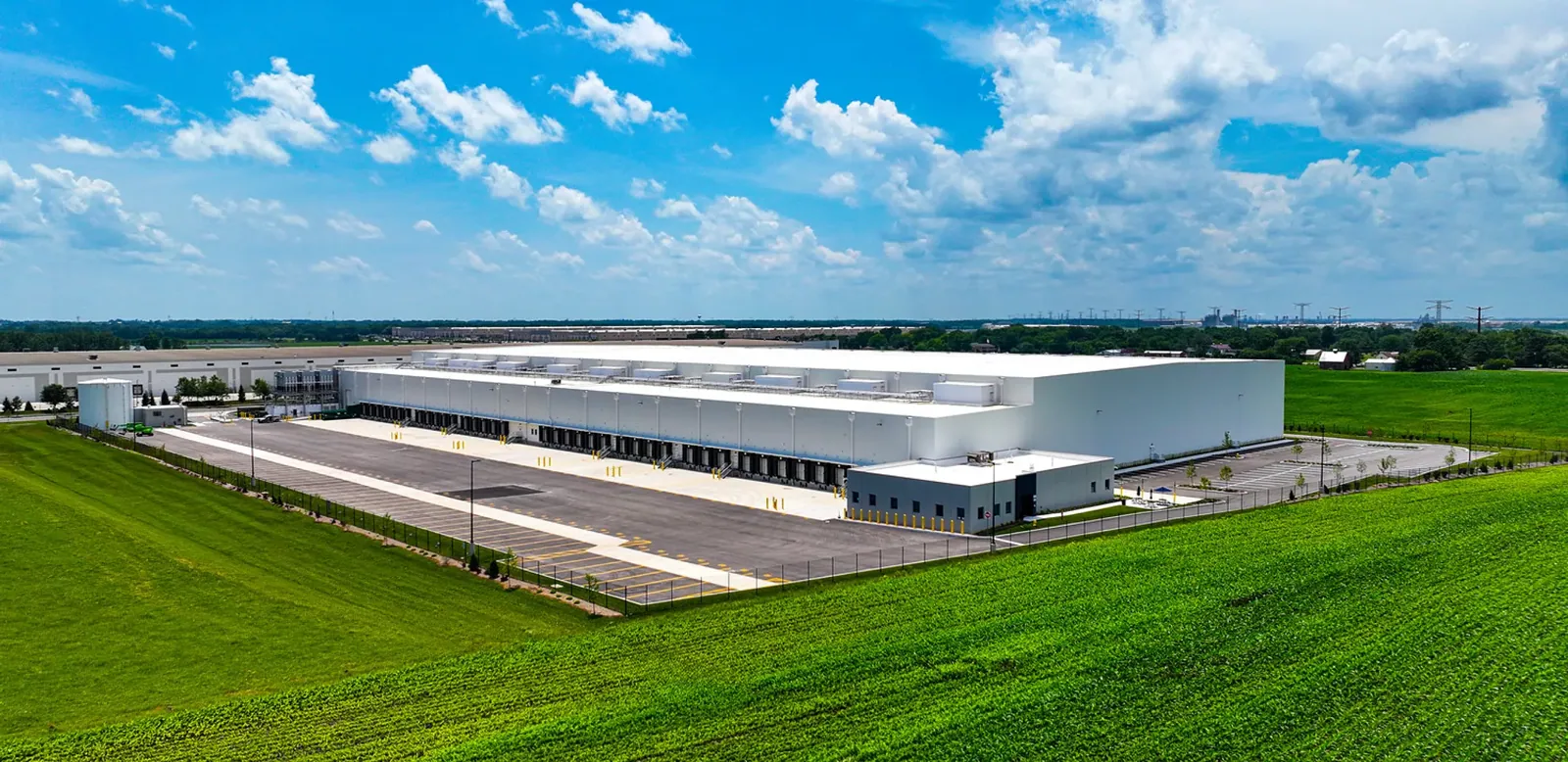
Some buildings benefit more than others. Cold storage buildings, with condensers working through the afternoon, are a clear case, and the cold storage roof often has insulation that can be upgraded alongside the membrane. Retail buildings around Valley Mall in Union Gap deserve a look at their summer cooling hours, and so does a processing plant such as the Tree Top facilities in Selah.
A warehouse without air conditioning gains little from a cool roof beyond comfort for workers. We help owners sort which of their buildings justify the change and which can wait for the next planned replacement.
Commercial Roofing Questions
Will a white roof raise our heating bill in winter?
It can, slightly, because a dark roof absorbs some winter sun. In a heated building with modest cooling needs, that effect may offset part of the summer benefit. We review your heating and cooling use, the insulation level and the building type before recommending a reflective surface.
Does a cool roof coating need to be reapplied?
Yes, eventually. Coatings wear from UV, foot traffic and weather, and dirt reduces reflectance. We set an inspection after the first winter and plan a recoat when the film thins or loses its reflective value. Records of coating thickness and date keep the plan on track.
Can a cool roof be installed over our existing membrane?
Often, if the roof is dry and sound. A coating goes directly on the old surface, and a new reflective single-ply can go over a cover board and insulation in a recover. A moisture survey decides whether the roof is a candidate. If it is wet, the wet sections come out first.
Do cool roofs qualify for incentives?
Some utilities and programs offer incentives for reflective roofs, and requirements change. Check with your utility and your tax adviser before the project. We supply the product data and installation records they ask for.
How do you keep a white roof from showing every footprint?
Walk pads and defined paths keep foot traffic off the field, and we mark routes from the access point to each unit. Scuffs wash out in most cases. Technicians who service equipment should be told to stay on the pads.