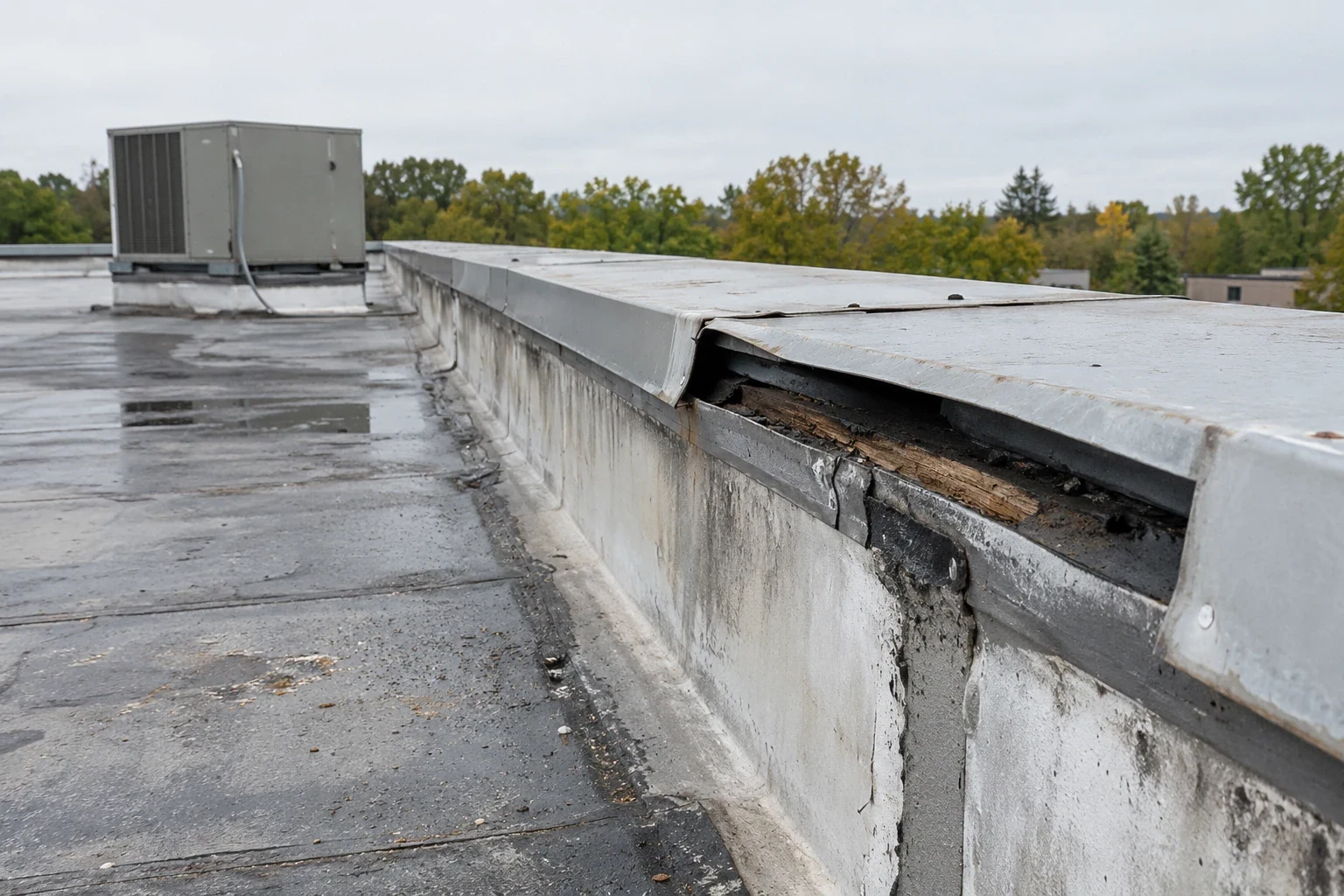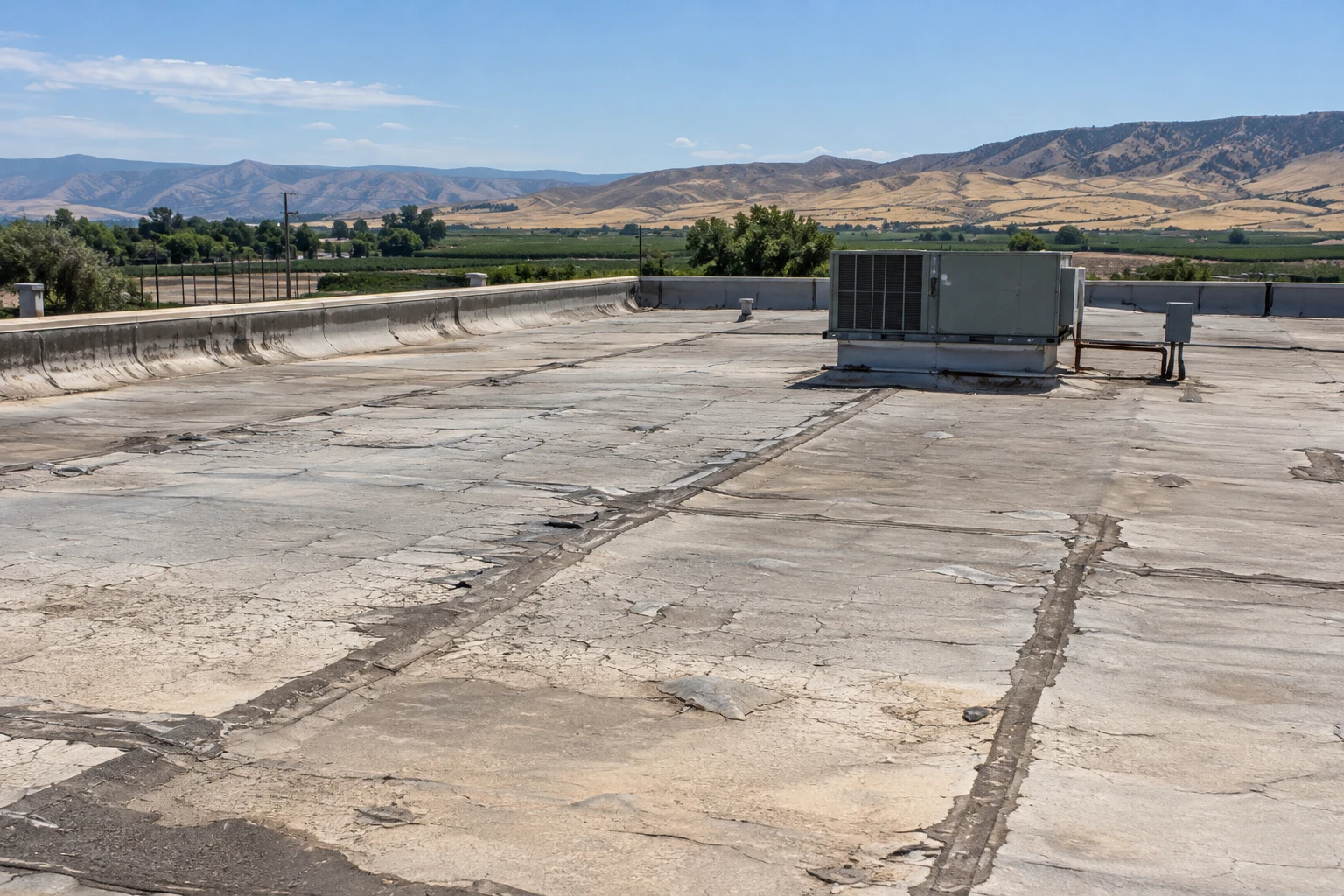
On the last Tuesday of June 2021 the thermometer in Yakima, WA touched 113 F, and a roof on a day like that can show a surface soft underfoot, blisters that were not there in May and a smell of hot asphalt near the rooftop units. When a facility director phones about it, dispatch asks one thing first: how old is the membrane, and what color is it? Heat and ultraviolet light work slowly, and a hot week only shows what years of sun have already done. The damage can look like cosmetic wear until the first January thaw sends water through it.
Understand What Sun and Swing Do to a Membrane
Ultraviolet light breaks down the polymers and binders in roofing materials. Surfaces chalk, crack and lose flexibility. Heat speeds the process, and it drives off the oils that keep asphalt and plastics supple. The result is a membrane that has less stretch left at the moment it needs the most, in the cold of a January morning.
In Yakima about 40 afternoons a year pass 90 F and about 6 pass 100 F, and big daily temperature swings repeat across the year. A membrane that stretches in the afternoon and shrinks overnight works its seams, fasteners and flashings thousands of times. Wear accumulates in the places where materials meet, which is why the first signs often appear at details.
Cold finishes the job. Freezing highs arrive on about 19 days a year, and the record low sits at minus 25 F. A membrane that has lost its stretch to sun cannot follow the cold contraction, so a sheet that survived July splits in January. That sequence, heat first and freeze second, is why we read sun damage as a winter risk.
Read the Signs of Sun Damage on Each System
Different membranes show heat and UV differently. A thermoplastic sheet may chalk and craze, with fine surface cracks that catch light. EPDM can shrink and pull at seams and flashings. Modified bitumen loses granules and exposes the mat underneath, and built-up roofs show alligatoring, a pattern of cracks like reptile skin. Metal roofs fade, and coatings lose gloss and then thickness.
We look at color, texture and flexibility, and we test it by pressing a gloved thumb into the surface or by lifting a loose edge. A sheet that cracks when folded is past its serviceable life. Blisters are a separate sign, showing trapped moisture or air expanding in the heat. Every finding is photographed and placed on the roof plan with a date, so a later visit can show how fast the wear is moving.
Granule loss on a modified bitumen roof is worth a closer look. Granules protect the asphalt from sunlight, and bare patches age quickly. We look in the gutters and at the downspout outlets for loose granules, which tell us how much has been shed and from which slope.
Repair Shrinkage and Pull-Back at the Details
Shrunken membrane pulls away from walls, curbs and pipes, opening gaps at the flashing. We check every termination for tension, and we cut and re-lap sheets that are stretched tight. Where the flashing is brittle, we replace it. The flashing failure repair process and the work on seam failure apply to these conditions, since heat is often the underlying cause.
A repair that ties a shrunken sheet back to a wall without relieving the tension will tear again. We add relief where possible, with a loose-laid piece or an extra fold, and we fasten with plates that spread the load. On EPDM, we remove old splice tape and rebuild the seam with fresh materials.
Protect the Surface with a Coating or a Reflective Layer
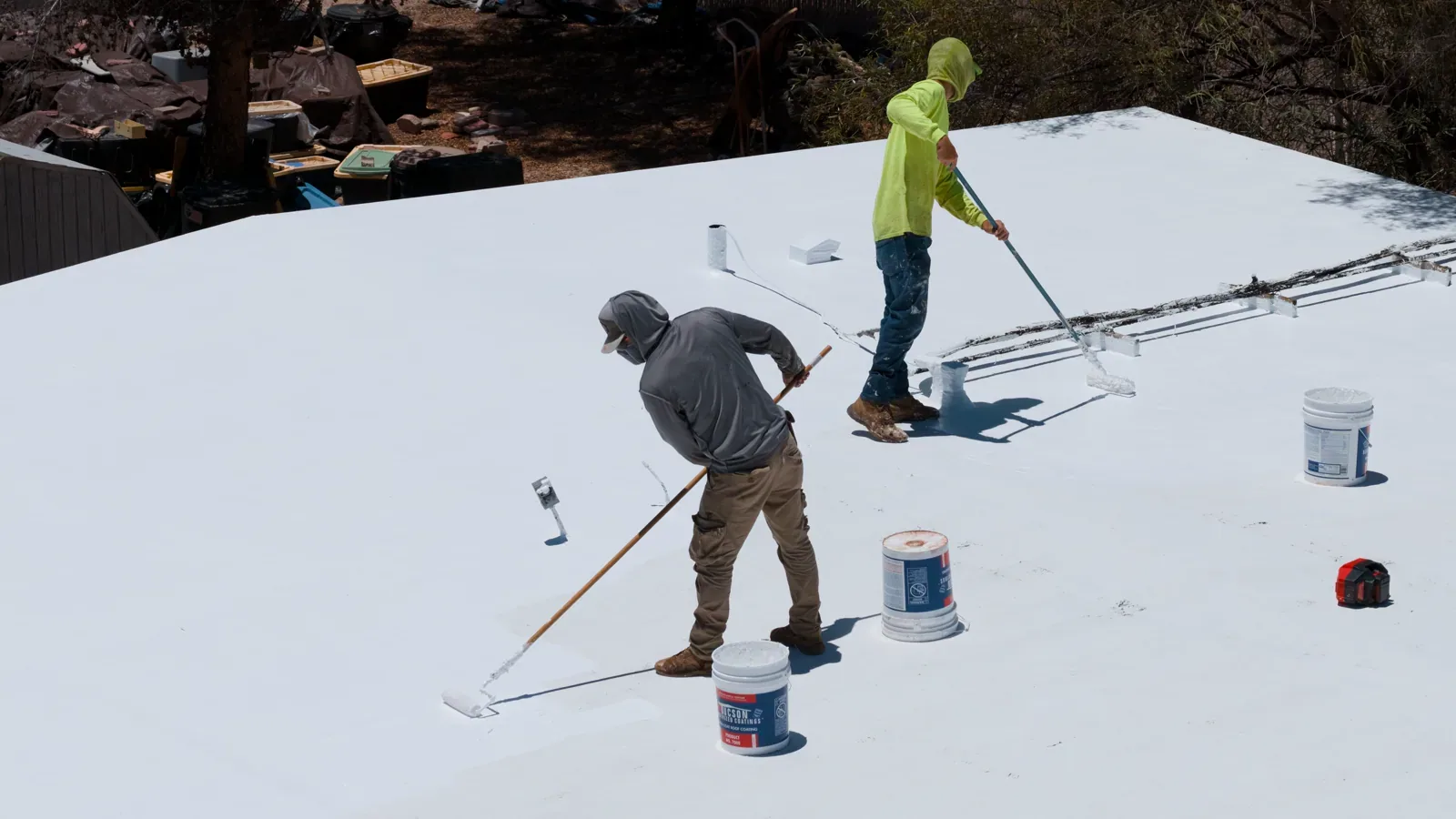
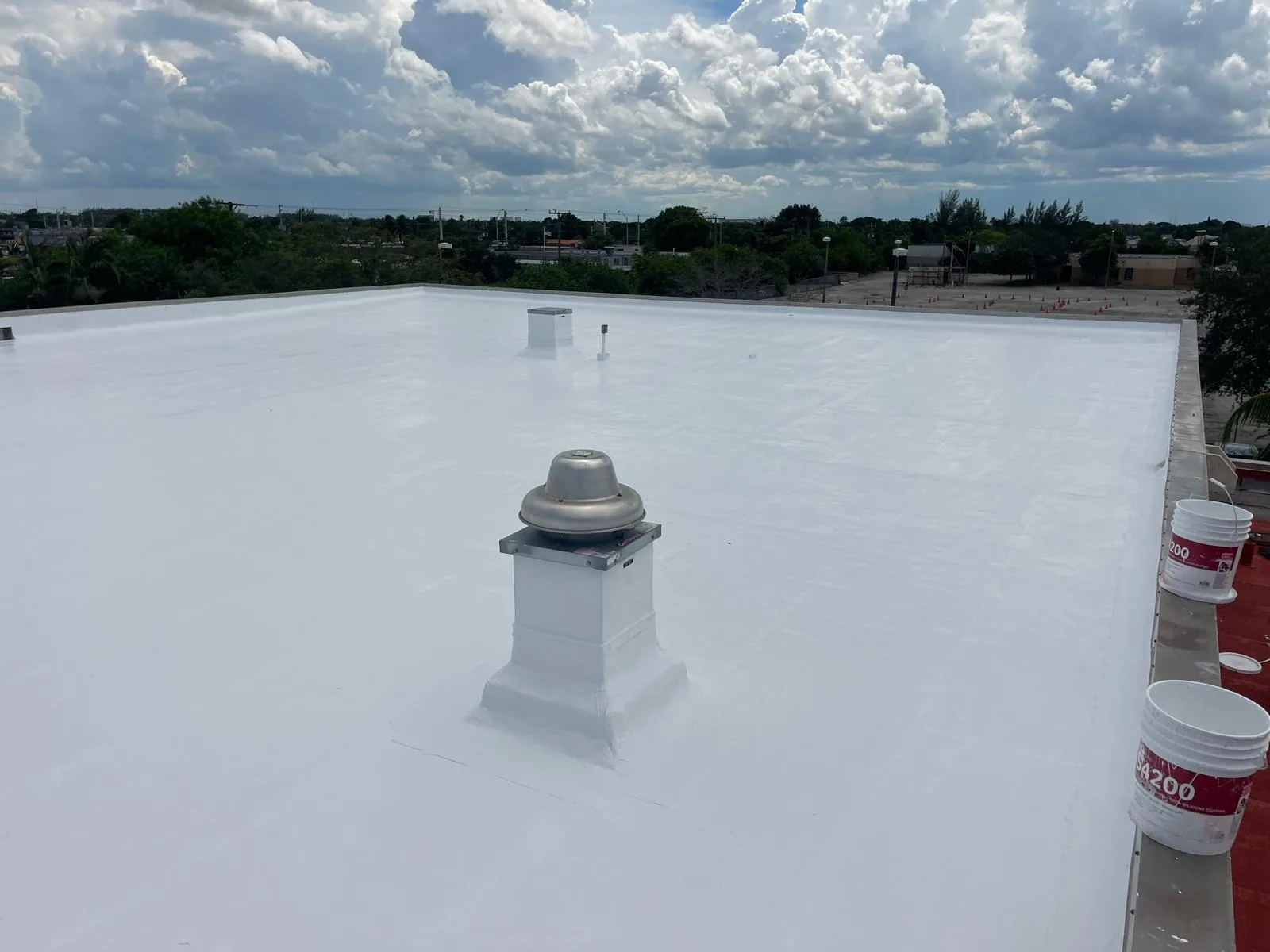
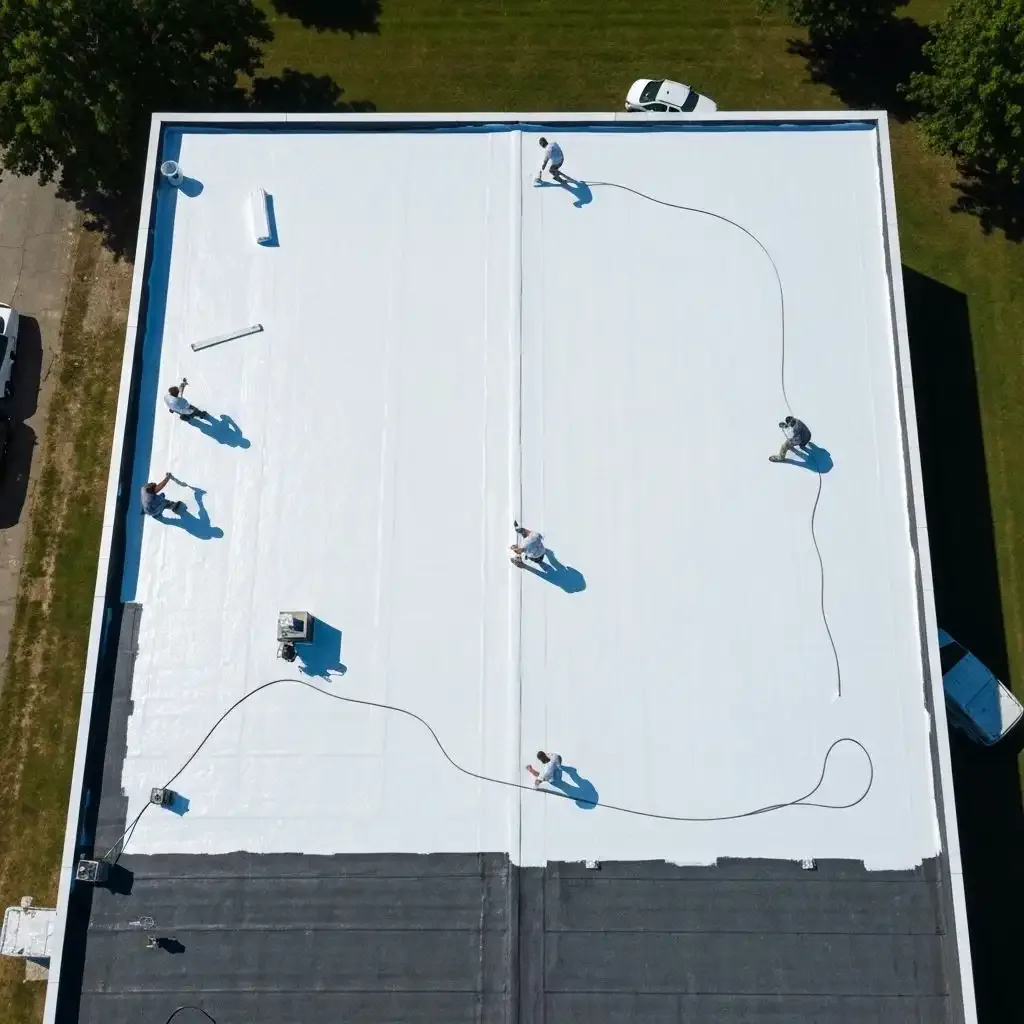
When the membrane is aged but the roof underneath is dry and sound, a coating can restore the surface and slow further damage. A silicone coating offers strong UV resistance and tolerates ponding, while an acrylic suits a roof that drains well. Our coating restoration work begins with a moisture check and ends with a measured thickness record.
A reflective finish adds to the benefit by keeping the surface cooler. A dark membrane in direct sun can run many degrees above the air temperature. A lighter finish narrows that gap and with it the daily swing. For a building that is planning a reroof, a cool roof installation may be the better way to address both the heat and the age.
Prep decides the result. Chalked membrane must be cleaned and sometimes primed, and loose granules must be swept. A coating over a dusty, chalked surface peels, so we test a patch with a bond check before a full application.
Check Around Equipment That Adds Its Own Heat
Condensers, exhaust fans and process vents blow warm air across the roof, and the membrane near them runs hotter than the field. Damage often clusters in those spots, with early chalking, softened asphalt or shrunken sheet. We note the hot zones and recommend protective pads, reflective covers or repositioned vents where practical.
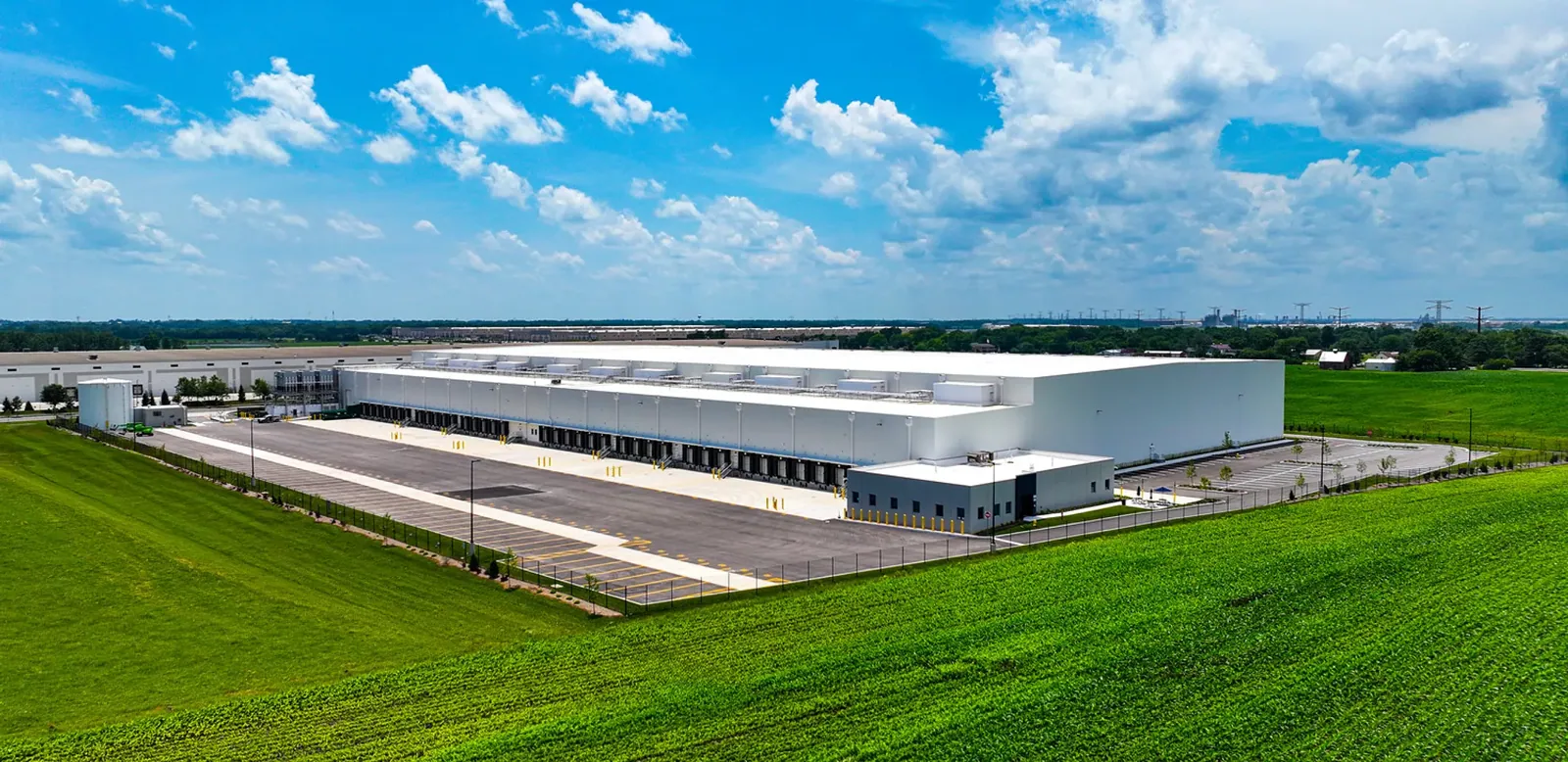
Refrigerated buildings carry extra loads. A cold storage roof sits above a cold room and below a hot sun, so the roof assembly has a large temperature difference to bridge. In greater Yakima, including the West Valley district, that difference peaks on the same afternoons that the plant's compressors work hardest. Processing buildings in Selah and the retail roofs around Valley Mall in Union Gap meet summer sun and mechanical heat in the same way.
Decide Between Repair, Coating and Replacement
Not every aged roof is a candidate for a coating. If the insulation is wet, if the sheet is brittle across the field or if the seams have failed widely, replacement is the sounder choice. We give you a written recommendation, with a photo set and a repair list ranked by urgency, plus the evidence: core samples, flexibility tests and a moisture map. The records let you compare options on the roof's remaining life instead of on a hunch.
Commercial Roofing Questions
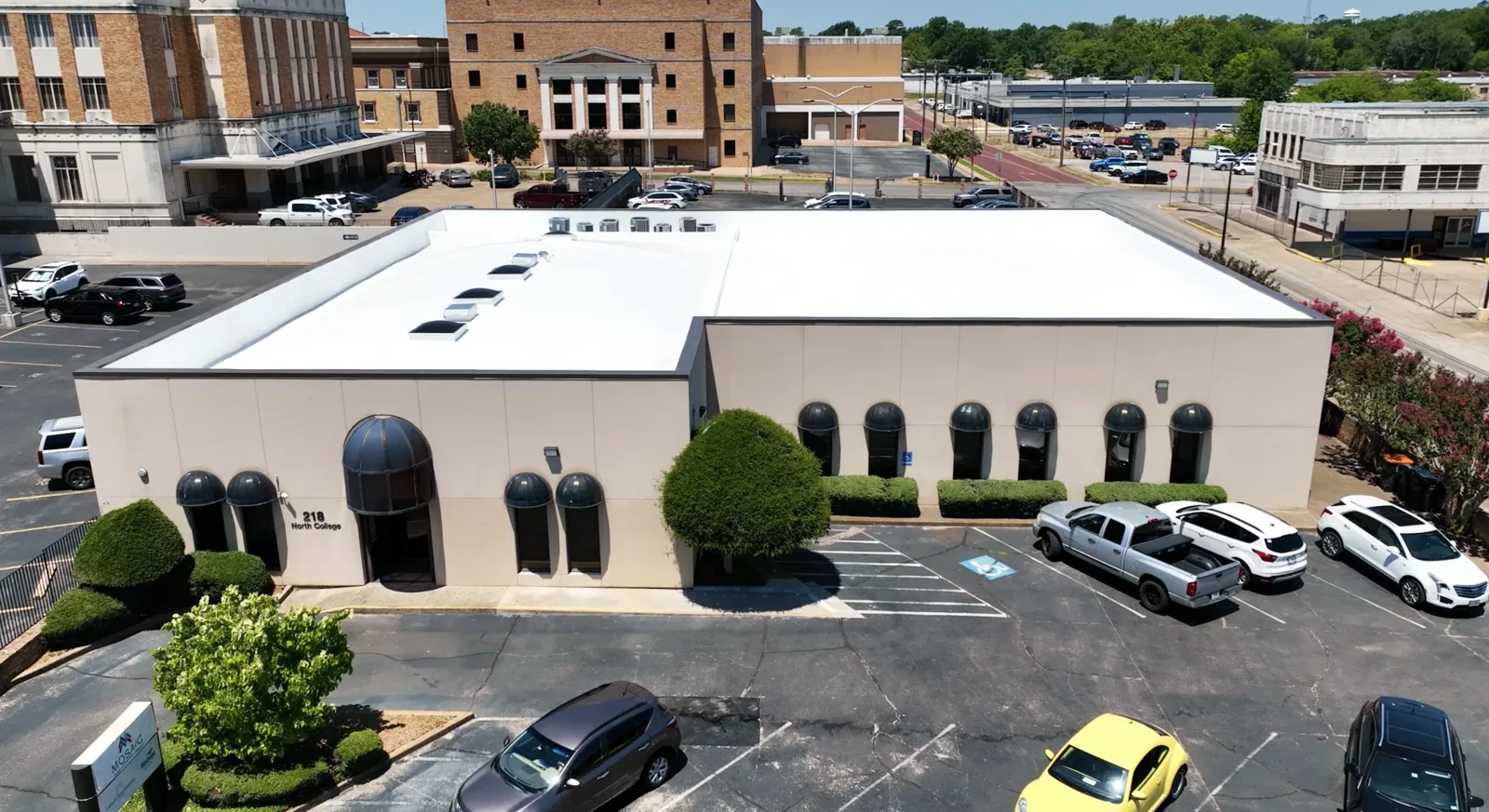
Our roof is white but still shows cracks. Is that normal?
White surfaces slow UV damage but do not stop it. Cracks may come from age, from movement at a joint or from a surface that was never well bonded. We examine the crack pattern and test the material. Cracks that stop at the surface may be cosmetic, while cracks that go through the sheet need repair.
How can we tell heat blisters from trapped moisture?
Press and cut. A blister with moisture inside shows damp insulation or water beneath the sheet, and an infrared scan after sunset confirms it. A blister with only air tends to be dry. Both need attention, but the moisture type calls for removal of the wet material.
Does a hot summer shorten a roof's life?
Sustained heat speeds aging, particularly on dark membranes. The record of 113 F in June 2021 shows how high the peaks can run. A reflective finish, good ventilation and regular maintenance slow the wear.
Can sealant fix a cracked membrane?
Only for tiny surface cracks. Sealant on a moving, aged sheet fails soon, and it hides the real condition. We prefer a patch of compatible membrane or a coating over a sound area, and we replace sections that have lost their flexibility.
When is the best time of year to repair heat damage?
Late spring and early autumn offer moderate temperatures for adhesives and coatings. Mid-summer afternoons can be too hot for some products, so we start early and finish before the roof peaks. We schedule the work around your operation and the forecast.