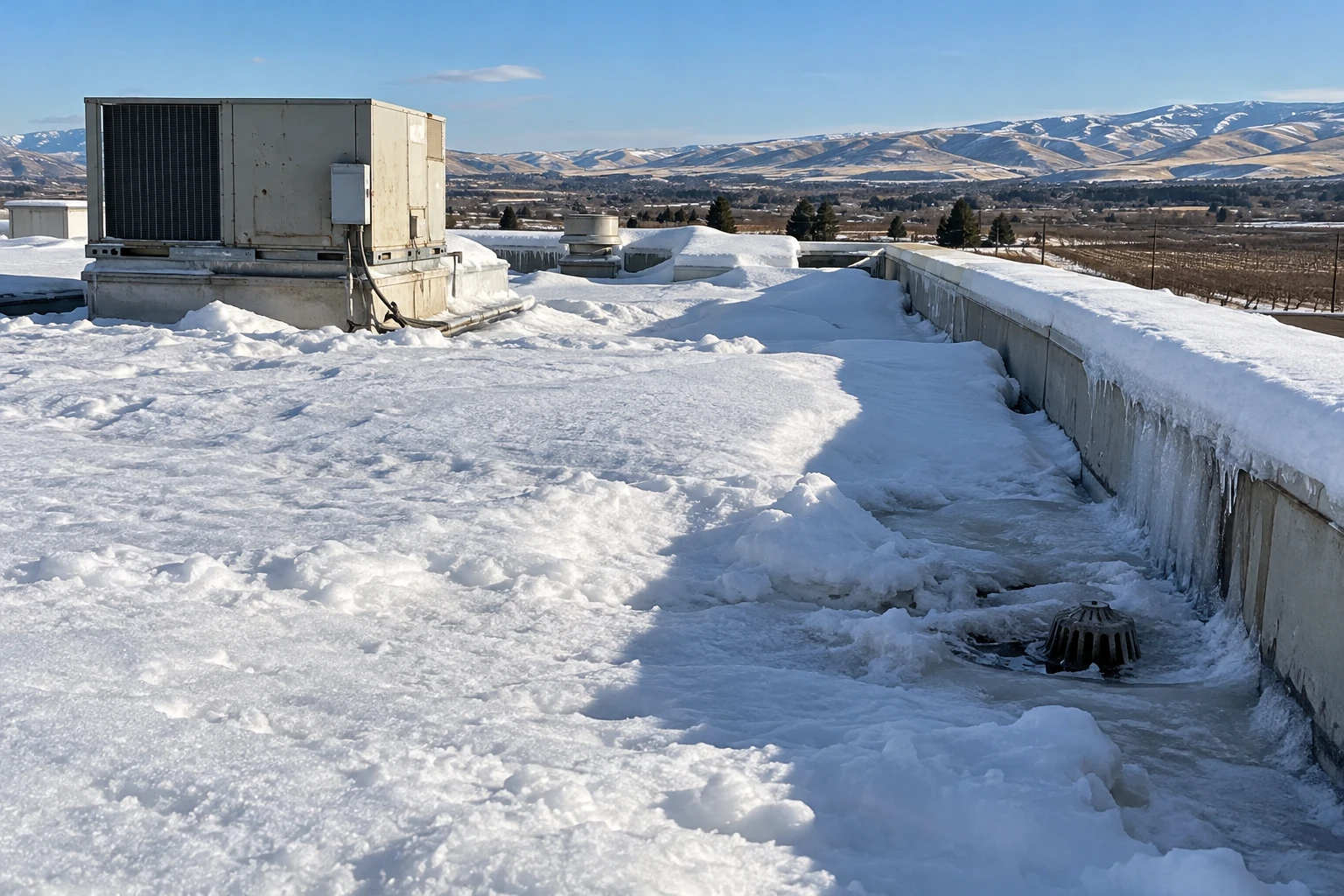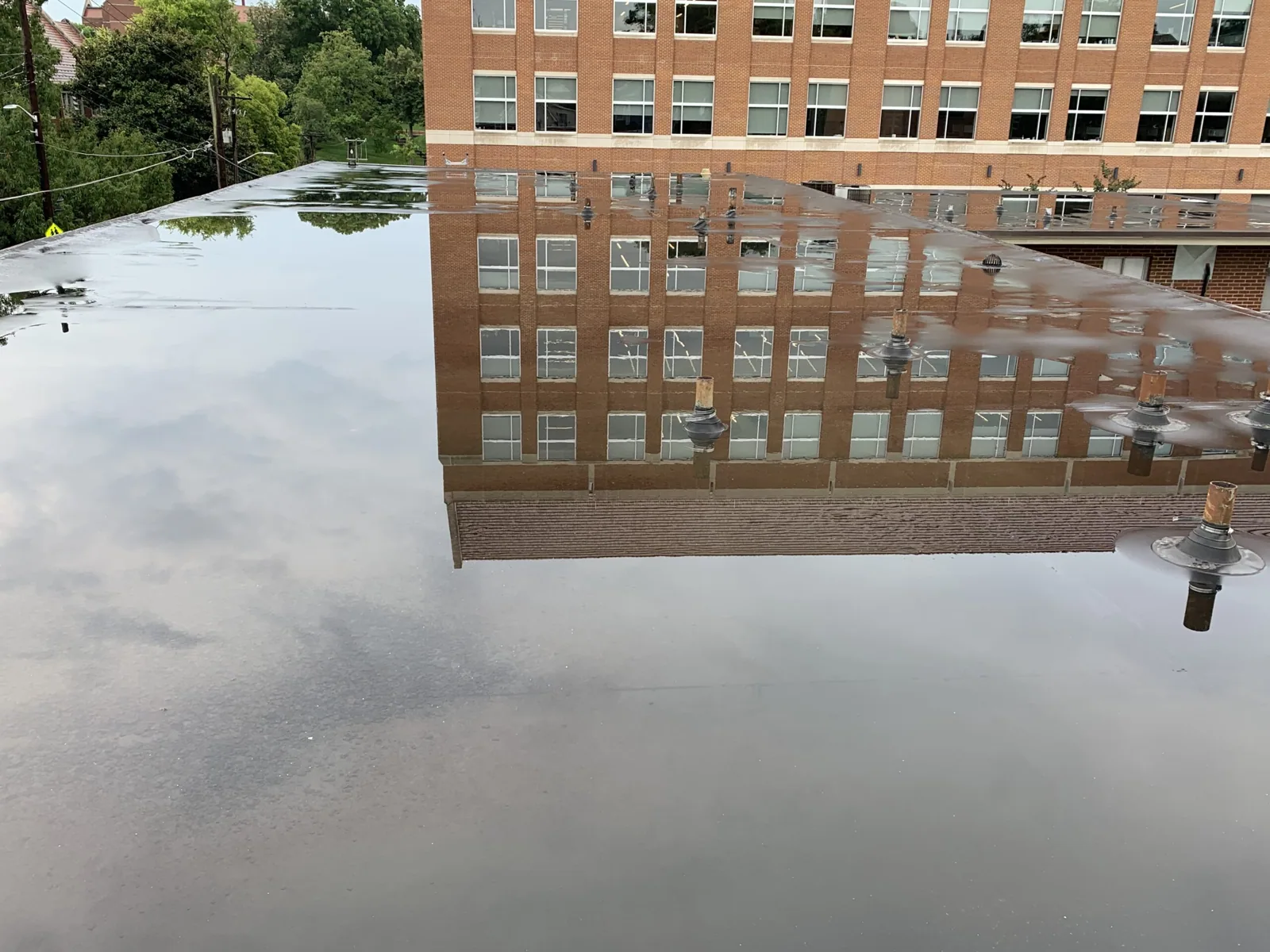
A facility director sends a photo taken the morning after a hard overnight freeze: a grey sheet of ice sitting in a shallow bowl in the middle of a warehouse roof, nowhere near a drain. Dispatch asks how long the bowl has been there, because a pond that appears with the first thaw is one problem and a pond that has held water since summer is another. Yakima, WA gets about 8 inches of precipitation a year, so owners assume a flat roof can shed it without help. The snowpack tells a different story. About 21.6 inches of snow a year, much of it melting in bursts, turns every low spot on a flat roof into a place where water waits and the membrane ages faster.
Measure Depth and Duration Before You Pick a Fix
The standard we apply is simple: water that remains more than two days after a rain or melt is ponding. We mark each such area on the roof plan, measure its depth at the center and note how far it spreads. A pond an inch deep and a few feet wide is a drainage detail. A pond three inches deep across a bay is a structural clue.
We repeat the measurement after a second event, since one reading can mislead. A level, a tape and a moisture meter are all we need for most roofs, and we add a laser scan for large areas. The numbers go into a written report that sorts every pond by depth, size and likely cause, which keeps the repair priorities in order.
Timing matters when we measure. We prefer a visit two days after a rain or melt, when any pond that should have drained has done so and what remains is real. Photographs with a ruler in frame record the edge of each pond, and a comparison with the next visit shows whether it is growing.
Trace the Pond Back to Its Cause
Ponds have a handful of causes. The drain may sit above the low point of the roof. A deck may have deflected under a long, heavy snow season. The original slope may never have been enough. Insulation may have compressed under foot traffic or equipment. A blocked drain or scupper may be holding water that would otherwise leave.
Each cause calls for a different repair. A drain set too high is moved or supplemented. A sagging deck needs engineering review. Compressed insulation is replaced. A blocked opening is cleared. Treating every pond as a drain problem wastes money, because the water comes back. We rule out the cheap causes first, then work toward the expensive ones with evidence in hand.
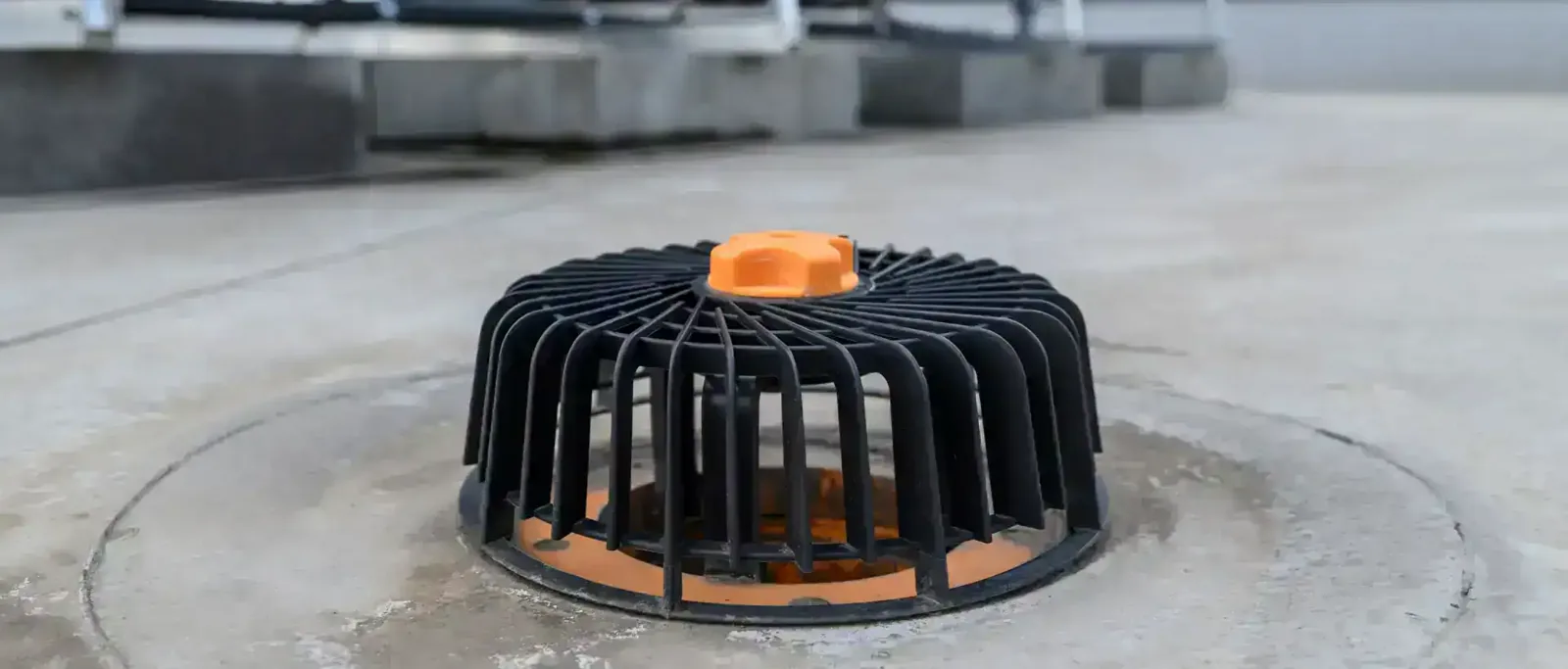
Debris is the cheapest cause to rule out and the one most often missed. Leaves, grit and plastic fragments sit in a strainer and look like part of the roof. We clear and flush first, then wait for the next rain to see whether the pond stays.
Read Deflection as a Warning from the Deck
Engineering review becomes mandatory once a parcel's design load passes 70 psf. A roof that carries a heavy drift year after year can settle into a permanent dip along the line where the drift sits. The pond that forms is not just a leak risk. Water that stays through a snow and ice season adds weight, which pushes the deck lower, which deepens the pond.
When ponding follows a drift line, we bring in the building's structural engineer before we propose any fix. The February 2019 red-tagging of a commercial building on South Third Avenue during heavy snow is a reminder that load problems are not cosmetic. If the deck is sound, we correct the surface. If it is not, the roof waits for the structure.
Rebuild the Slope with Tapered Insulation or a New Drain
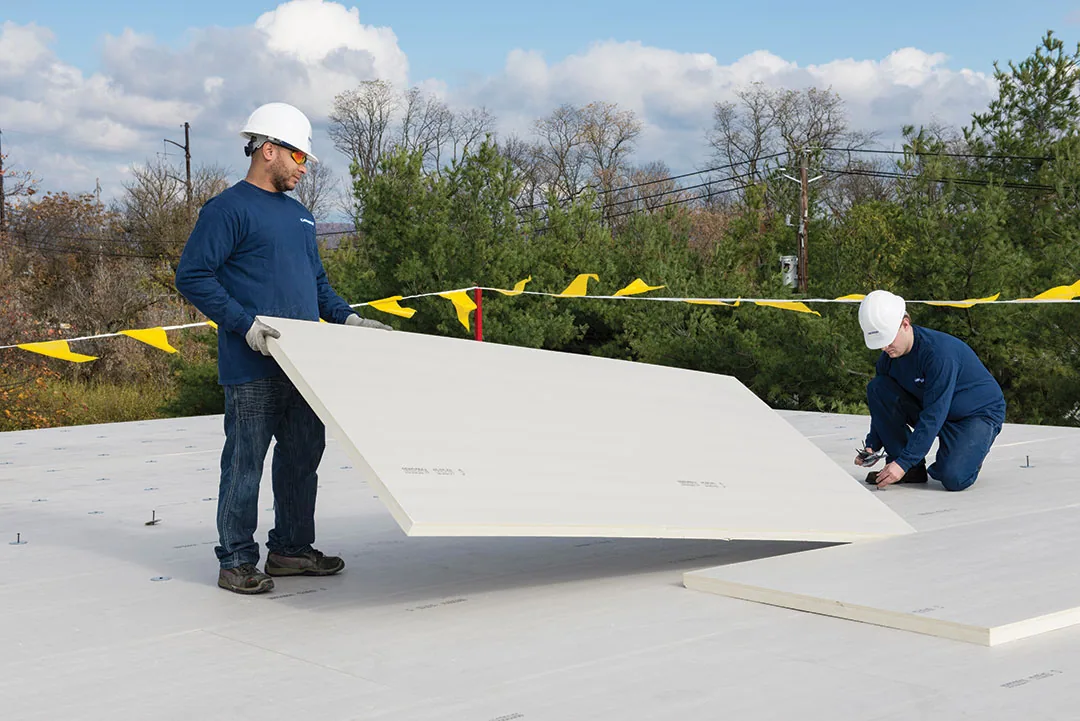
The most durable cure for a low area is to change the slope. We install tapered insulation panels that raise the surface around the pond and push water toward a drain. Where the drain location is the issue, we core a new drain at the low point and tie it into the building's piping. Our tapered insulation and cover board work and the drains and scuppers service are the two tools used most often.
Small ponds can sometimes be filled with a cricket or a built-up saddle. Large ones need a full layout. In every case the new surface is covered with membrane matching the existing roof, with seams welded or adhered, and the transition is tested with water before we leave.
Heavy equipment complicates the layout. Rooftop units and their curbs sit in the way of slope, so crickets are built behind them, and the taper is planned so the curb flashing height stays correct after the new layer goes down.
Protect the Membrane Where Water Cannot Leave
Some ponds cannot be removed without major work. The membrane under them still needs to last. Standing water softens some materials, grows algae and holds dirt that breaks down the surface. Freezing and thawing then work seams and flashings from above, and a ponded area often shows the same seam failure pattern along its edge.
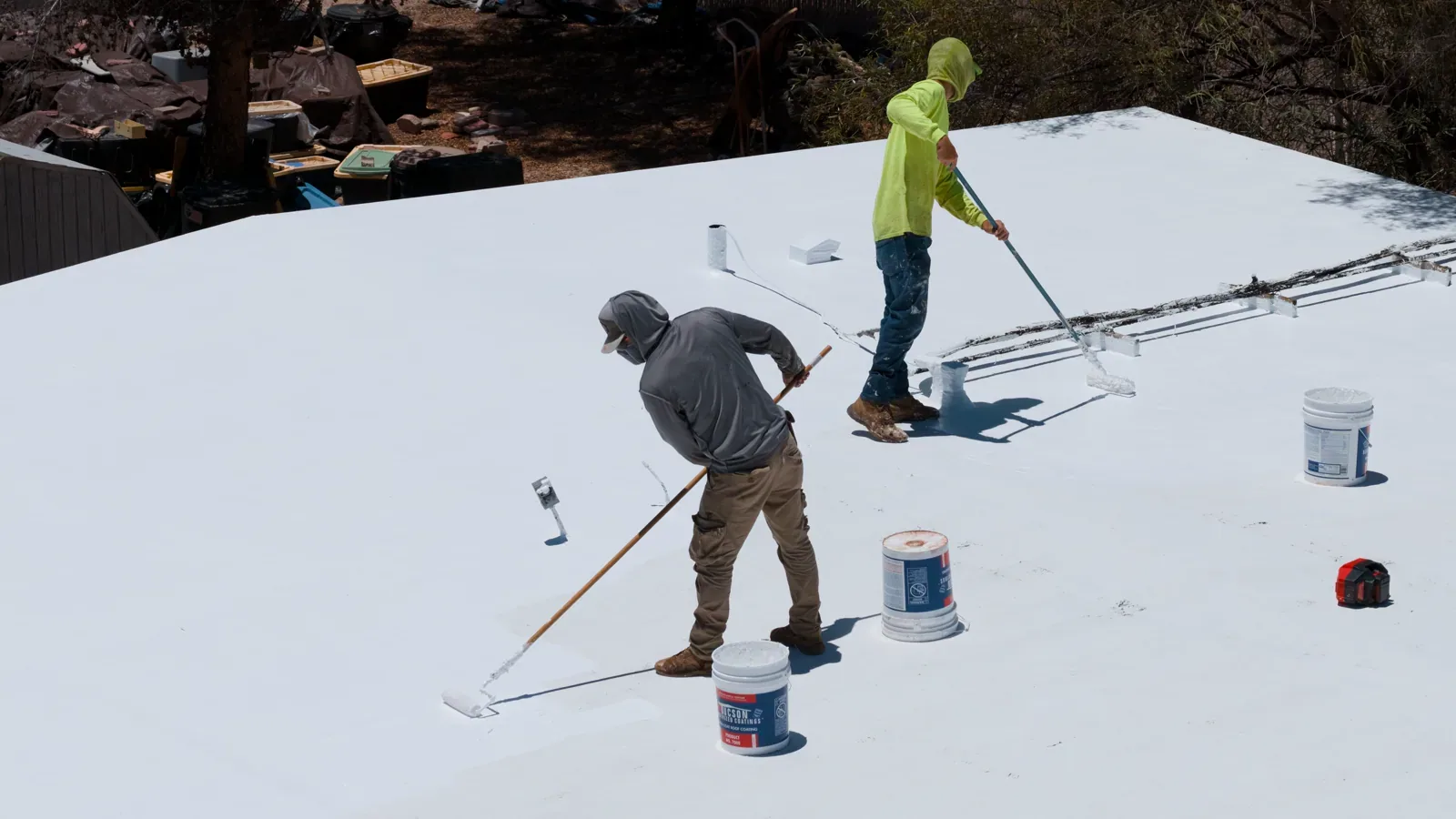
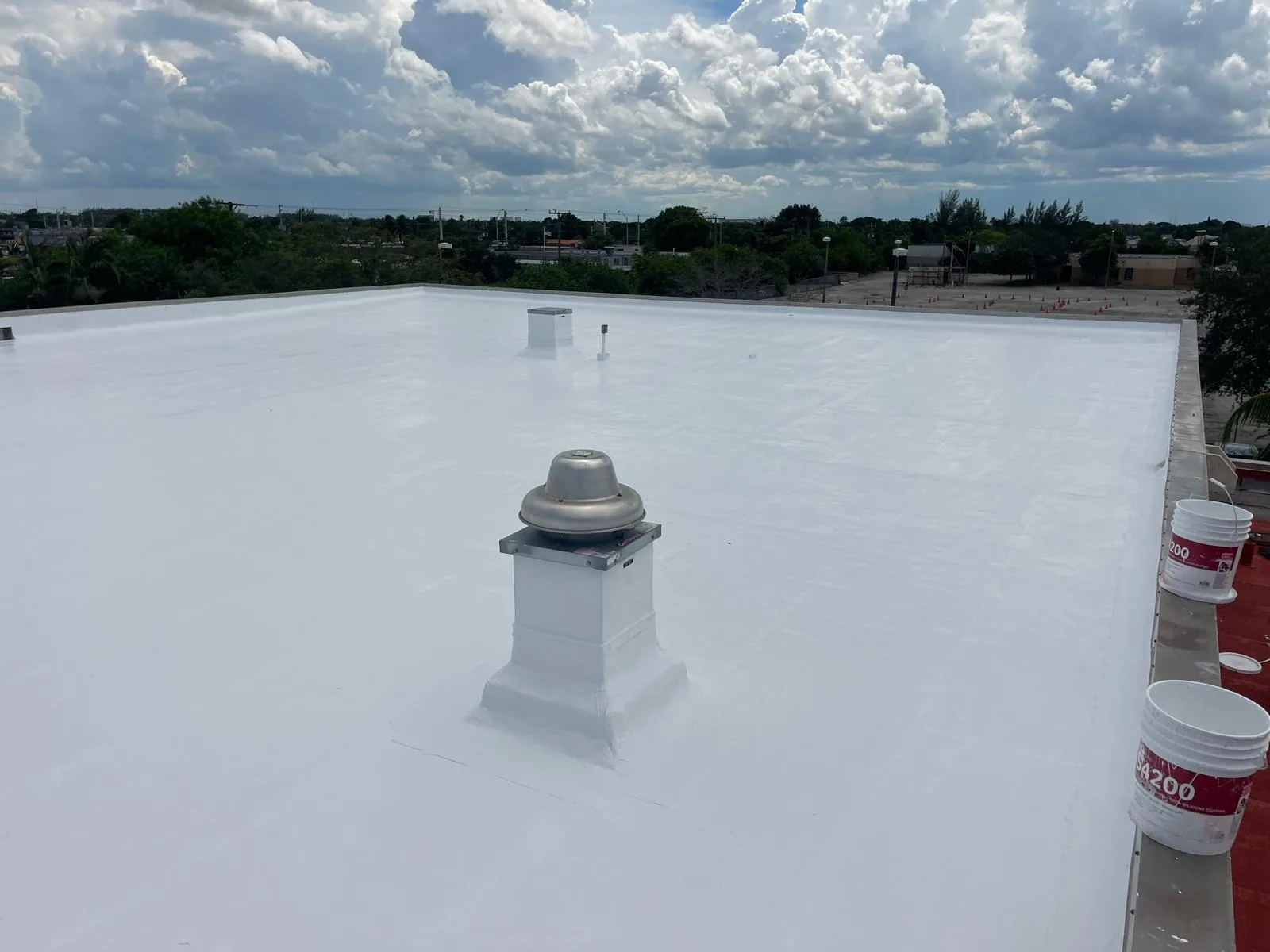
For those areas, a liquid-applied silicone coating tolerates ponding better than most membranes, and it can be applied over a sound, dry roof to extend its life while a larger project is planned. Before any coating goes on, we confirm with an infrared moisture survey that the insulation under the pond is dry. If it is wet, the section comes out first.
Watch for Ponding Where Roofs Are Wide and Low-Sloped
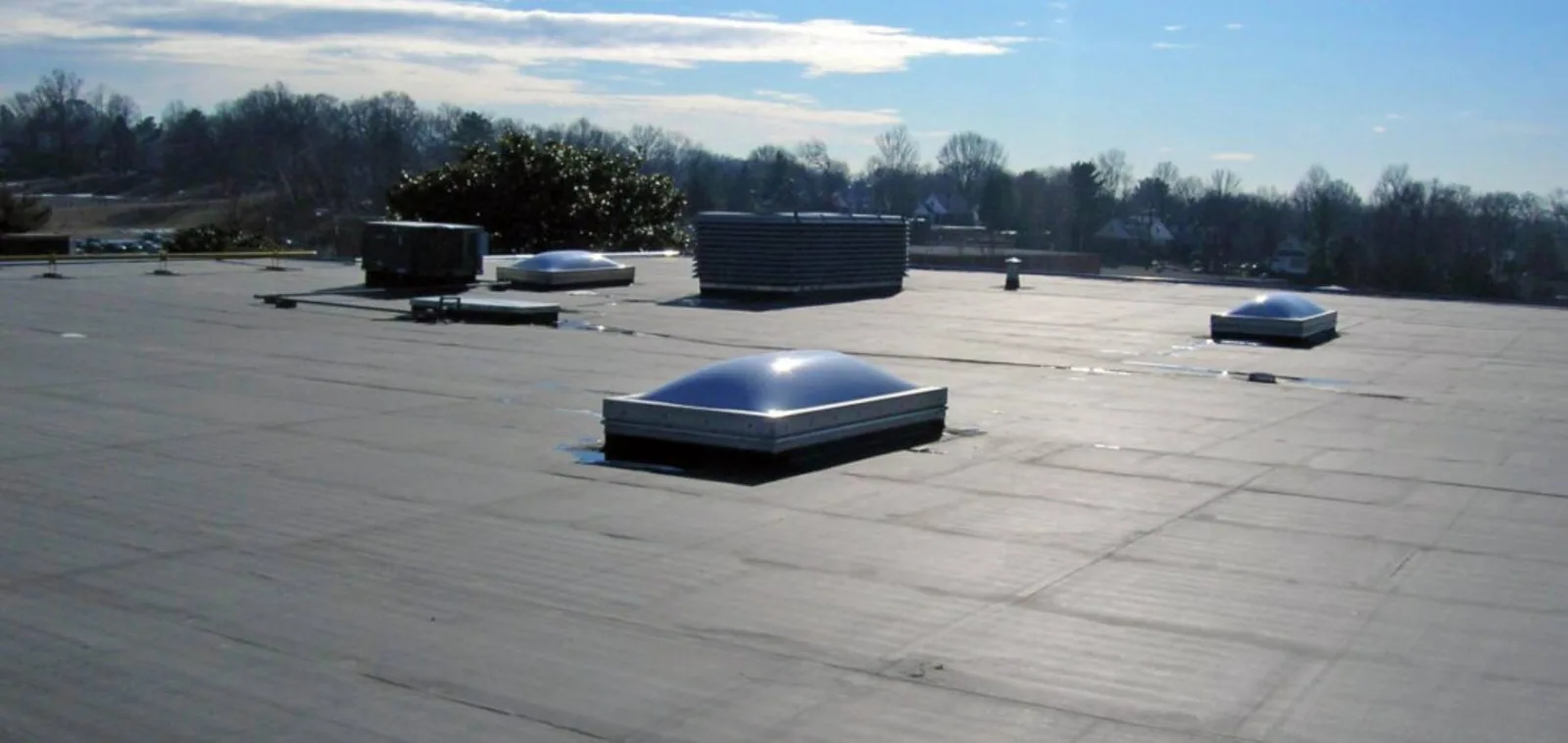
Any wide, low-slope roof is prone to ponding, because the distance water must travel is long and a small error in slope has a big effect. Whether the building is a distribution center, a packing plant or a retail store near Valley Mall in Union Gap, the first winter shows where the slope falls short. We recommend a survey after the first winter on any new low-slope roof, and again at the five-year mark, so a developing dip is caught while the repair is small.
Commercial Roofing Questions
Is ponding covered by the roof warranty?
Many manufacturer warranties limit coverage for ponding beyond a set depth or time, and the terms differ by product. Read your warranty and tell the manufacturer's contact if your roof has a pond. We document the depth and duration so you have a record if the question arises.
A pond only appears after snow melts. Is it still a problem?
Yes, because that is the season when it does the most harm. Meltwater that refreezes at night stresses seams. If the pond clears in a day, the risk is lower, but a repeat visit each winter shows whether it is growing.
Will adding a drain fix a pond across a large bay?
It helps only if the drain sits at the true low point and the slope leads to it. A bay with a broad shallow dish may need tapered insulation as well. We survey elevation before choosing a drain location, because a drain set a few feet from the low point does little.
Does ponding mean the roof will leak?
Not always, but it raises the odds. Standing water increases the load on every seam and flashing and speeds wear on the surface. A roof with ponding and a good membrane may last years. We watch it and plan for the repair.
How long does it take to correct ponding on a roof?
A small pond with a new drain can be corrected in a day or two. A tapered layout across a full roof takes longer and depends on weather and the building's schedule. We give a phased plan that closes each area as the day ends.