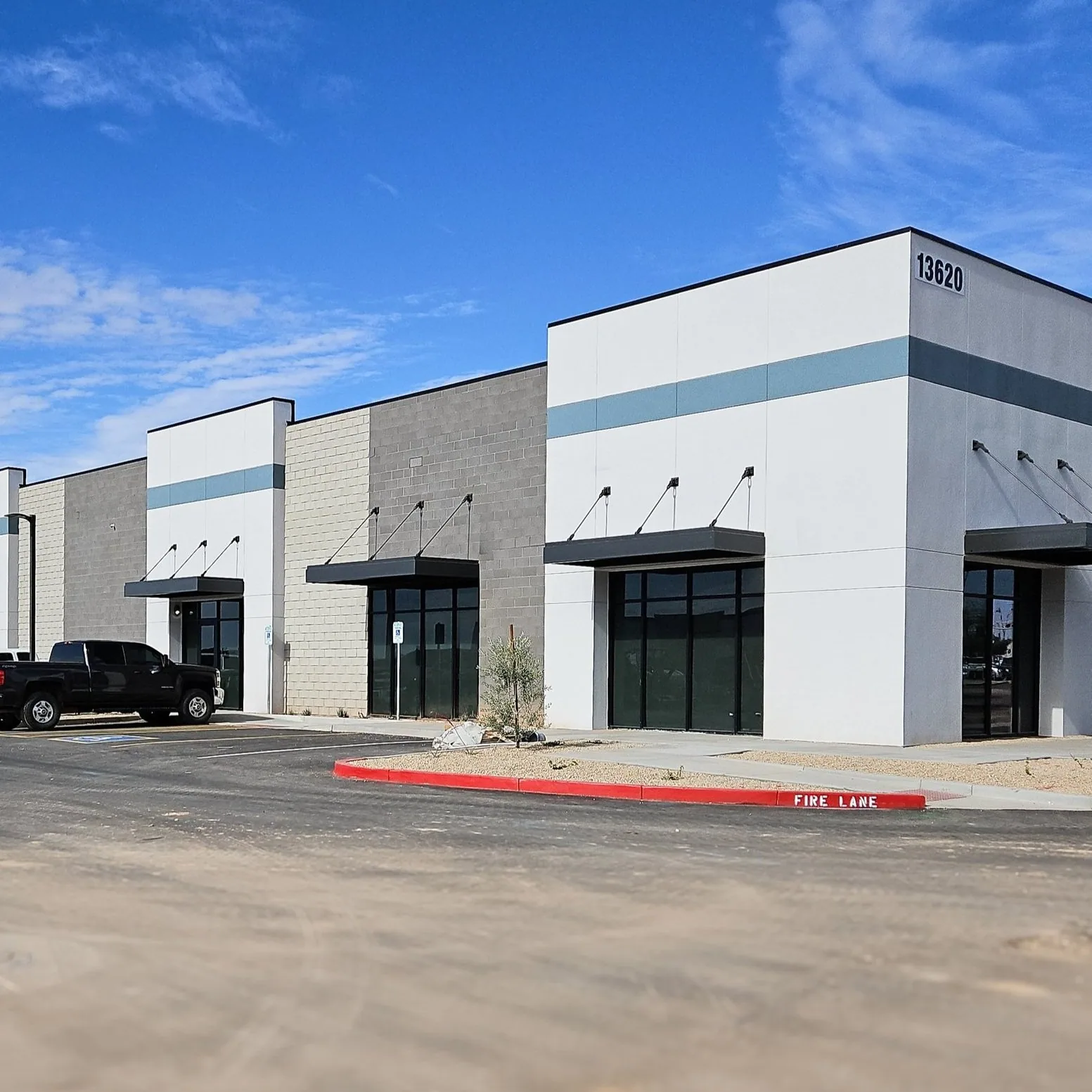
A showroom canopy takes the first call after a 50 mph gust. The late-November 2019 windstorm pushed gusts past 50 mph across the valley, and a dealership front with a cantilevered canopy over a row of display cars catches that wind from below. The question dispatch asks is whether any piece of the canopy has moved and whether anything hangs over the customer entrance. Keep customers and staff clear of the entrance and leave the canopy alone until a crew arrives.
Send the dealership address, the building layout and the bays or rooms that cannot close. We sequence the first visit from that list.
Inspect the Canopy and the Glass Wall
A dealership can combine a tall glass showroom, a service wing with a flatter roof and a canopy that shelters display vehicles or the customer entrance. Each part sheds wind and snow differently. Canopies take uplift from underneath, and the 110 mph design speed the county uses does nothing for a fastener that has already worked loose.
We look at canopy returns, fascia metal, fastener spacing and the sealant at the wall joint. Water that gets behind a canopy stains the glass wall and drips on customers at the door. We flash the canopy as its own item, test it with water and log the repair against the building plan.
Light fixtures, signs and rooftop banners attach to the canopy and the parapet. Each fastener is a hole, and each hole is a place for water to enter. We check the base of every mount, replace worn seals and list the mounts that belong to the sign contractor. A banner pole that sways in a gust works its base loose over a season, so we tighten them at every visit.
Trace Exhaust, Heat and Chemicals Over the Service Wing
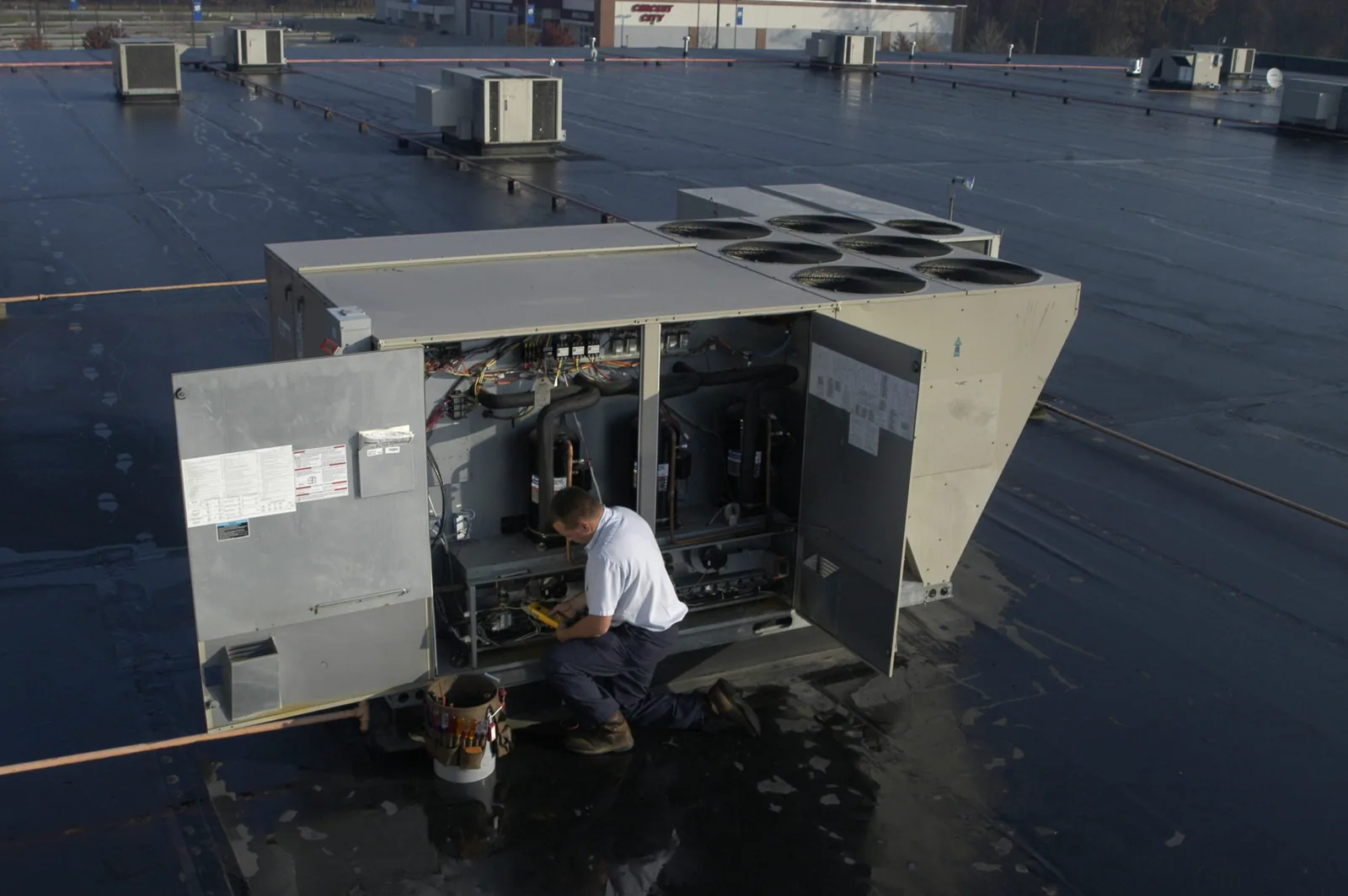
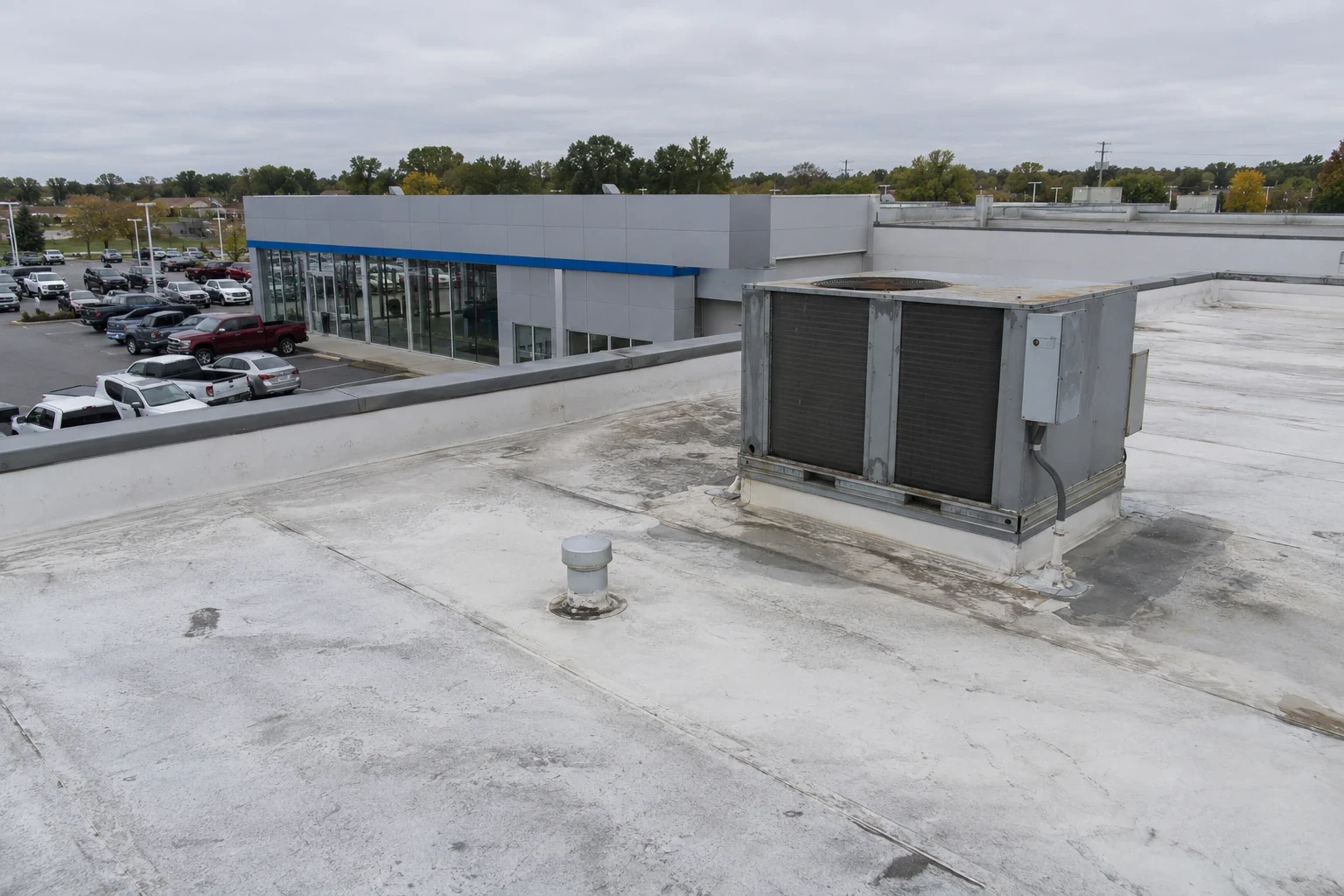
The service wing carries exhaust fans, make-up air units, shop heaters and sometimes paint-booth exhaust. Oils, solvents and fumes settle on the membrane near those outlets, and some sheets soften or stain. We ask for the exhaust list before we choose a sheet, and we zone the roof so the tough material goes only where it is needed.
Heat adds to the load. Afternoons at 90 F come about 40 times a year, and the record is 113 F. Dark sheets over a service bay soak that heat, and the rooftop units fight it. We check each equipment curb in summer and again before the first freeze, and we log sealant age beside the equipment tag.
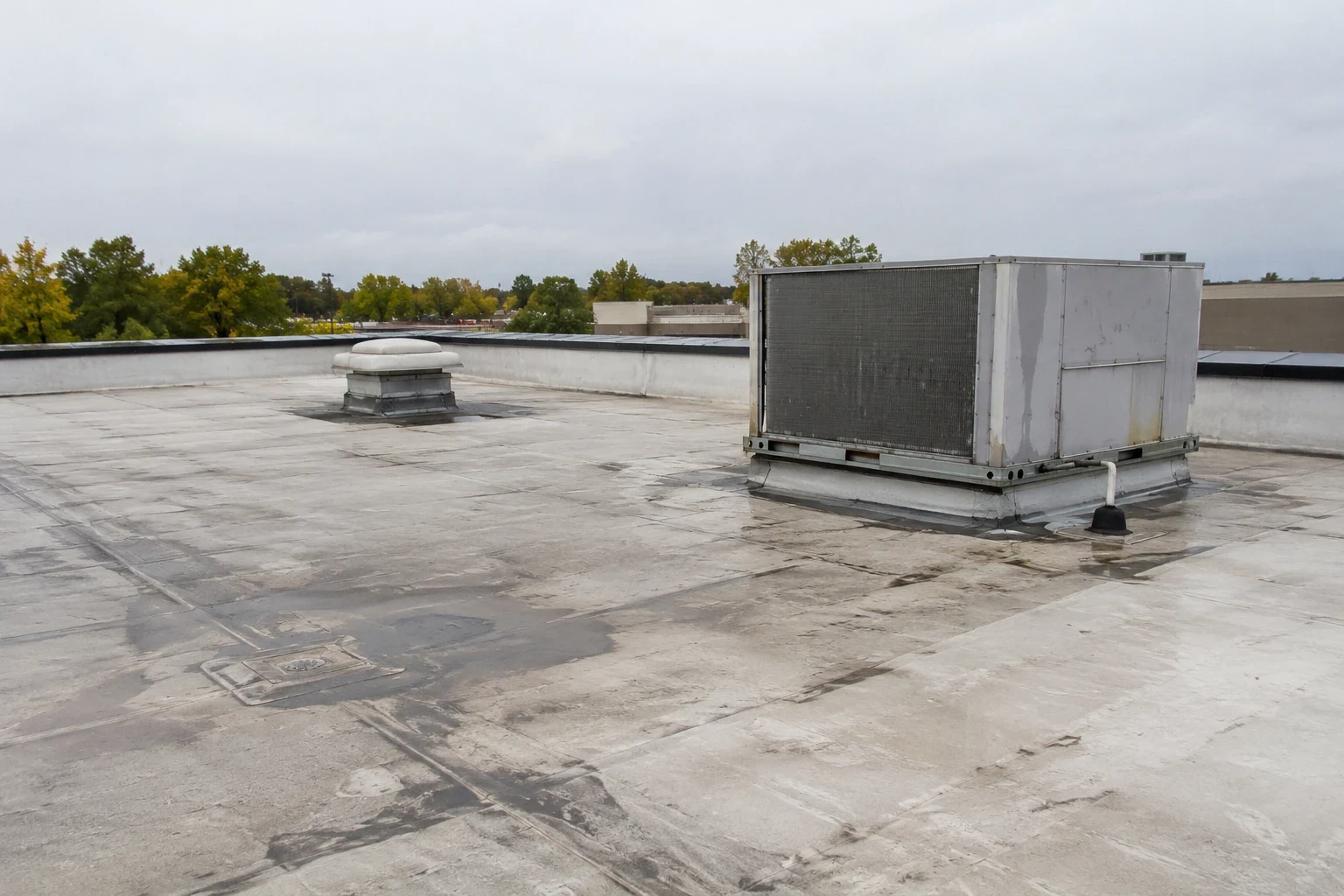
Floor drains and roof drains share a worry in a service wing: oil and grit. A roof drain that picks up runoff from a washdown pad or a parking deck passes it to the storm line, and a clogged strainer sends the water back across the roof. We flush each drain, clear the strainer and note any that need a screen. A small repair there saves a stained ceiling in the parts room.
Watch the Drift Behind the Showroom Wall
Snow arrives mostly in December and January, about 21.6 inches in a typical year, and a tall showroom wall beside a lower service roof makes a step where the drift grows deepest. Plastic tools clear it and a protective layer stays on the sheet. Watch the bay doors and ceilings: a door that begins to bind, a crack above a frame or a ceiling tile that drops each says the roof is carrying more than its drift should. Staff who see them should move vehicles from under the area and call. A moved car costs nothing; a dented one costs a claim.
Protect the Inventory and the Lot
Cars, parts and records sit under the roof, and a leak is a claim. We overlay the roof plan on the floor plan, rank the sections by what sits below and open the lowest-risk areas first. Over the parts room, the records office and the paint shop, openings are small, closes are same-day and tarps stand ready.
Outside, we stage material away from inventory rows and customer parking. A lift or hoist on a busy lot needs a flagger, and falling debris is kept inside a fenced zone. The bid lists these items separately, so the dealer can compare them with moving the inventory.
Insurance paperwork follows a leak over inventory. A dated photo set, moisture readings and a record of weather make a claim easier to document, and we build them from the first visit.
Compare the Paths With the Selling Calendar in Mind
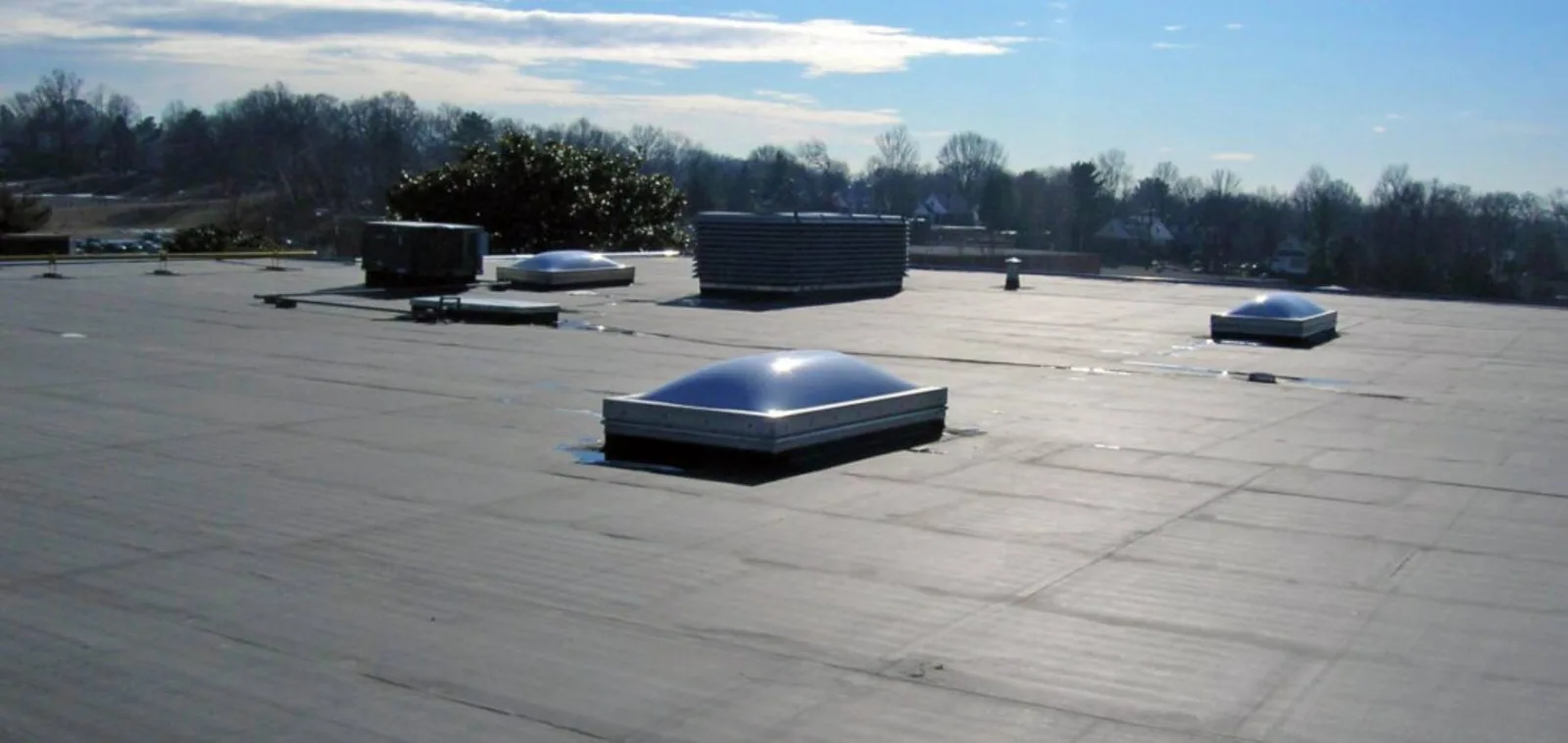
Where the roof is dry and the seams are sound, a recover keeps noise out of the showroom, and an infrared moisture survey shows where trapped moisture rules it out. Replacement follows the energy code Washington adopted on March 15, 2024. Sales events and model-year changeovers are blackout dates, so we ask for them early. A dealership in Union Gap, where U.S. 97 and Interstate 82 pass through the gap, plans lot access the same way.
Gutters and downspouts around a canopy freeze after a thaw and drip onto the customer entrance. We pitch them to drain, clear them by hand with plastic tools and mark the downspouts that discharge across a walk, so the next freeze does not turn the entrance into a slip hazard.
Leave the Dealer a Roof File
Before we leave, canopy joints, seams, caps and drains are tested with water and written up with a date against each open item. The dealer keeps the roof map, the photo set and a log of penetrations. A big box store and a flex industrial building can share that file format, and a dealership with a detached shop gets one file per building.
A walk each spring, with caps pulled, drains flushed and photos retaken, keeps the record ready before the summer selling season.
Manufacturer image programs sometimes set standards for canopy colour, signs and showroom finishes. We ask for those standards at the first call so the repair or replacement matches them, and review days sit on the calendar.
Commercial Roofing Questions
A canopy edge looks crooked after a windstorm. How urgent is it?
Treat it as urgent. A canopy edge that has moved can admit water into the wall and the glass, and it can drop a piece onto the entrance. Close the area below, photograph the edge with the time you noticed it and call us. We fasten or replace the piece and test the joint with water, then check the glass wall seal beside it, because water that tracks behind a canopy tends to show up weeks later as a stain on the showroom side.
Can the dealership stay open during a reroof?
Usually. We phase by section, protect the showroom and parts room first and keep loud work to agreed hours. Sales events and changeover dates become blackout days on the bid.
What damages membrane over a service bay?
Oil mist, solvent fumes, grease and heat. We check the sheet near each outlet and add protection or a different sheet where staining or softening starts.
Who should clear snow from the service roof?
Not staff with steel shovels, which cut the membrane. Call us: plastic tools do the clearing, a protective layer stays on, and the bay doors and ceilings get a look for deflection.
What records help with a claim after a storm?
Dated photos, moisture readings, a repair log and the weather date. We build them from the first visit so an adjuster can separate old wear from storm damage.