It is eleven at night in January, and the night manager sees a brown ring spreading across a top-floor ceiling. Snow that sat on the roof all week has begun to melt, and the water has found the one drain that is still frozen. The first question dispatch asks is how many rooms sit under that stretch of roof and whether any are occupied. Move guests, set a bucket and stay off the roof.
Send the hotel address, the floor plan if you have it and the rooms or event spaces that cannot go out of service. We sequence the first visit from that list.
Follow the Meltwater to the Frozen Drain
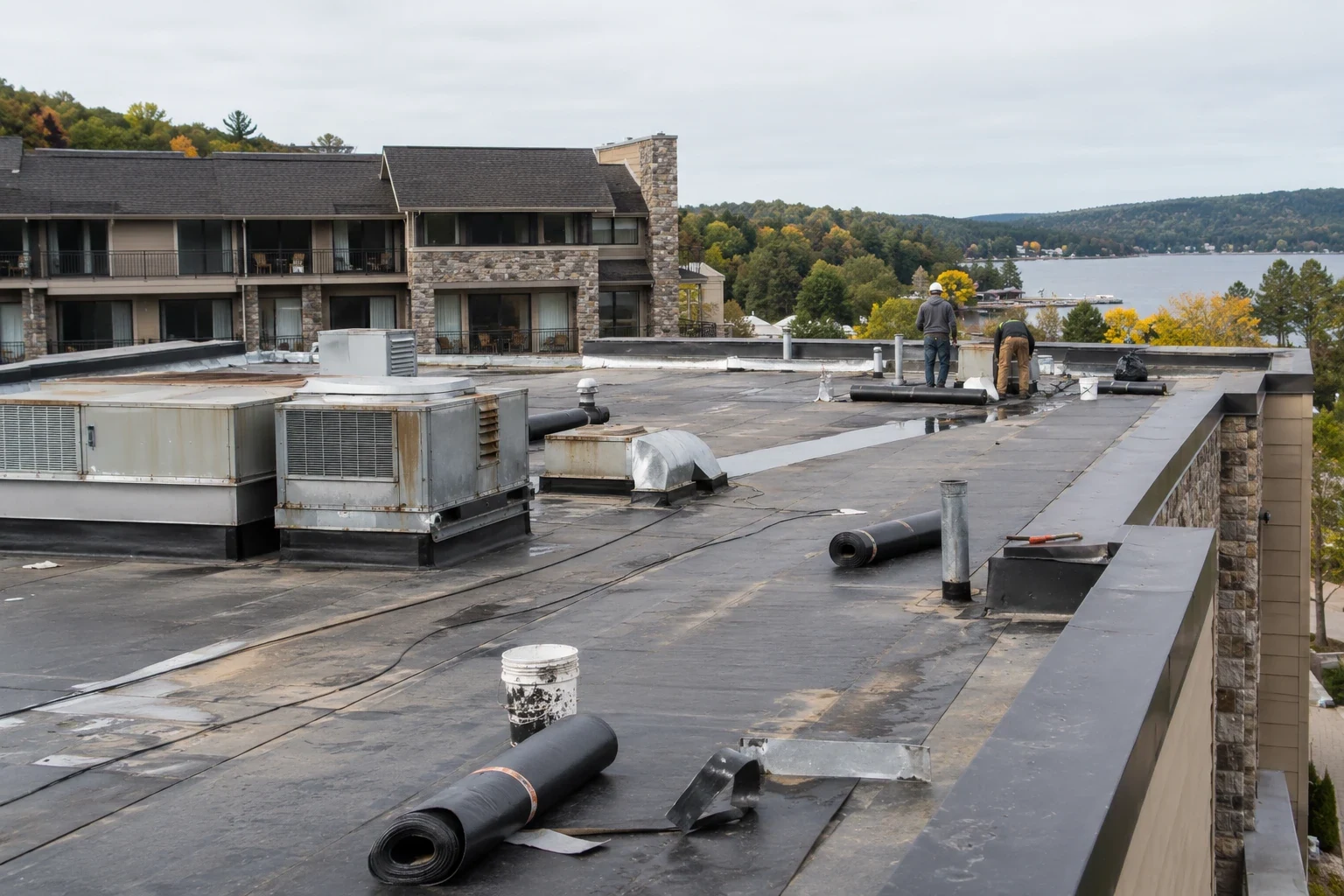
A typical Yakima winter leaves about 21.6 inches of snow, mostly in December and January, with about 19 days when the high stays under freezing. A midday thaw sends meltwater toward drains that are still frozen from the night, and the water backs up under flashing. On a hotel with a flat roof over the top floor, one clogged scupper can reach a ceiling within hours.
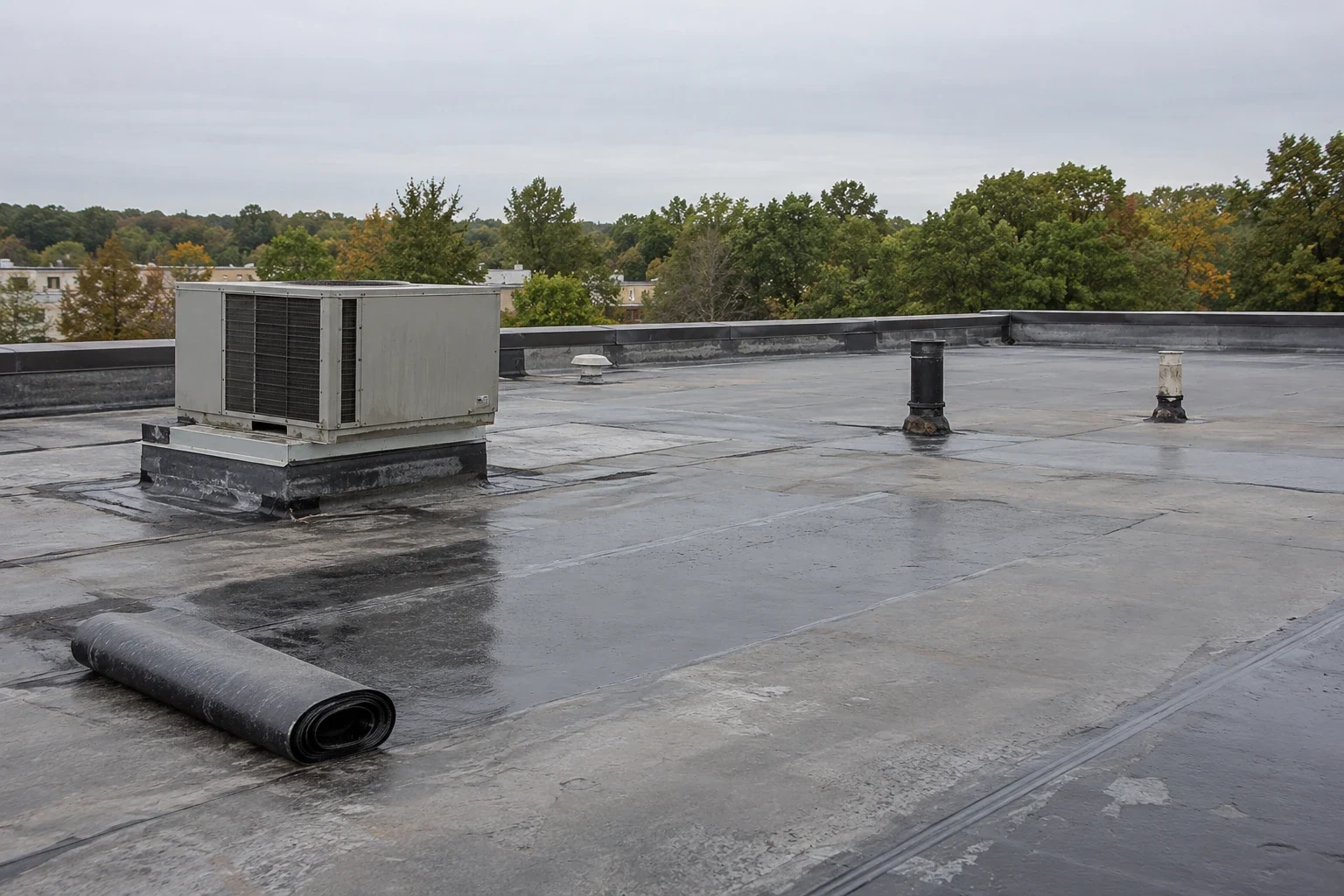
Each drain and scupper gets traced on the first visit, and ice comes off by hand with plastic tools. Gutters and downspouts get the same check. Facility teams should not chip ice from the membrane or climb up in the dark. For the temporary tarp or patch, an emergency roof repair crew goes out at any hour.
Pool decks, atriums and covered walkways add water to the roof file. A pool deck sits over occupied space and relies on a membrane under the pavers, and an atrium skylight depends on curb flashing and glazing joints. We test each with water on the first visit and log the result by location.
Know the Design Load Before the Drift Arrives
The design snow load for your hotel is set by its parcel and sits on the permit or drawings. Drifts come off with plastic tools while a protective snow layer stays on the sheet, and corridors and room doors are checked for sticking, which can signal deflection. An engineer can review any roof that shows it.
Interior signs come first. A door that sticks, a crack that opens above a frame or a sprinkler line that sags can mean the roof carries more than its drift should. If housekeeping or engineering staff notice any of them, the wing should be cleared before anyone phones us.
Sequence the Work Around Guests
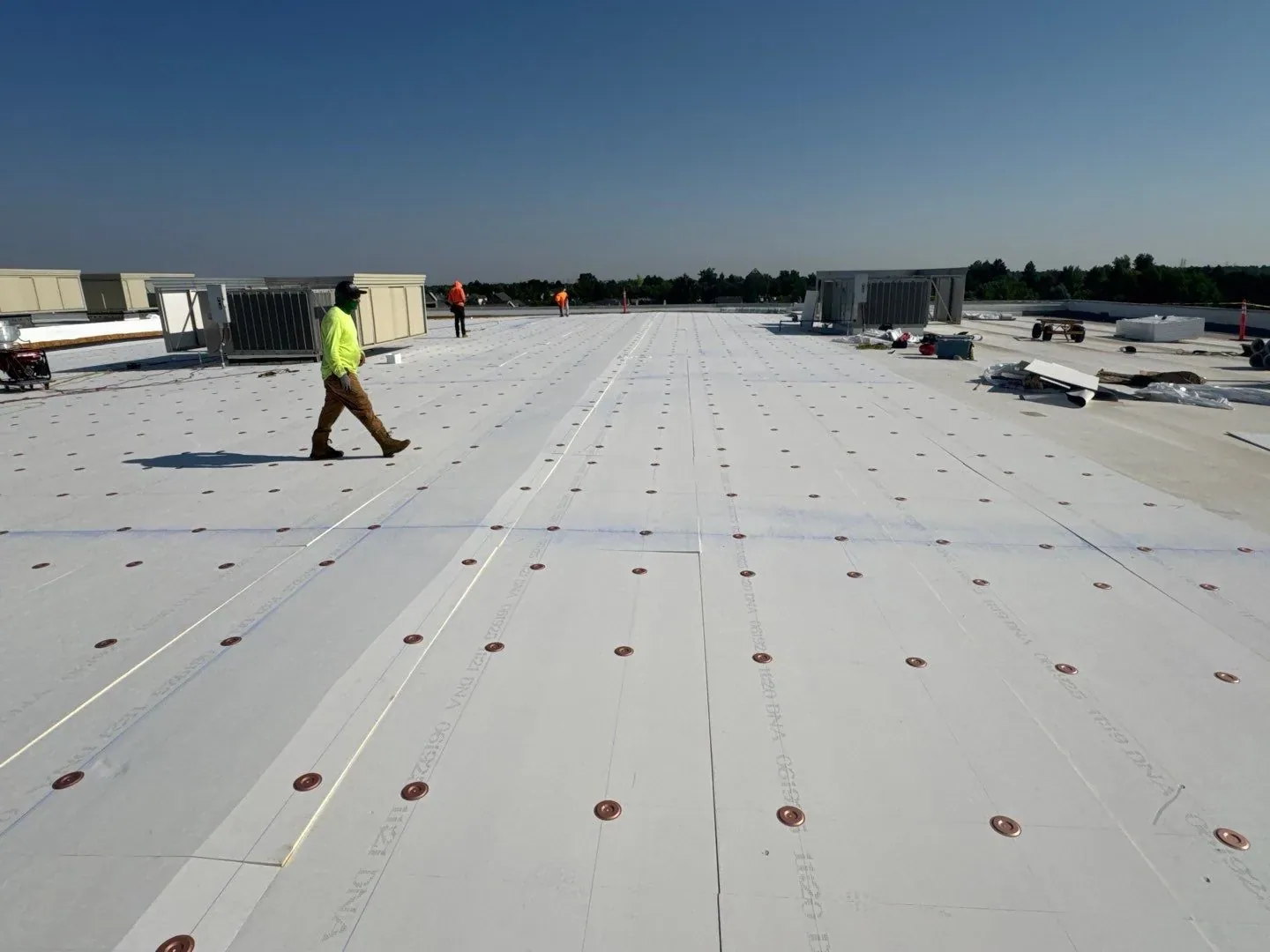
Few hotels can close for a reroof. We phase the work by wing, keep noisy tasks to the hours the front desk chooses and take rooms under open sections out of inventory for the day. Ballrooms and meeting spaces rank high on the list, since an event cannot move when the roof opens. Our occupied building reroofing plan lists which wings stay in service, which stairs stay open and who can stop work.
The front desk receives a daily list of rooms affected, and housekeeping learns which hallways are off limits. Material staging stays away from entrances and guest parking, and a debris chute keeps falling material inside a fenced zone.
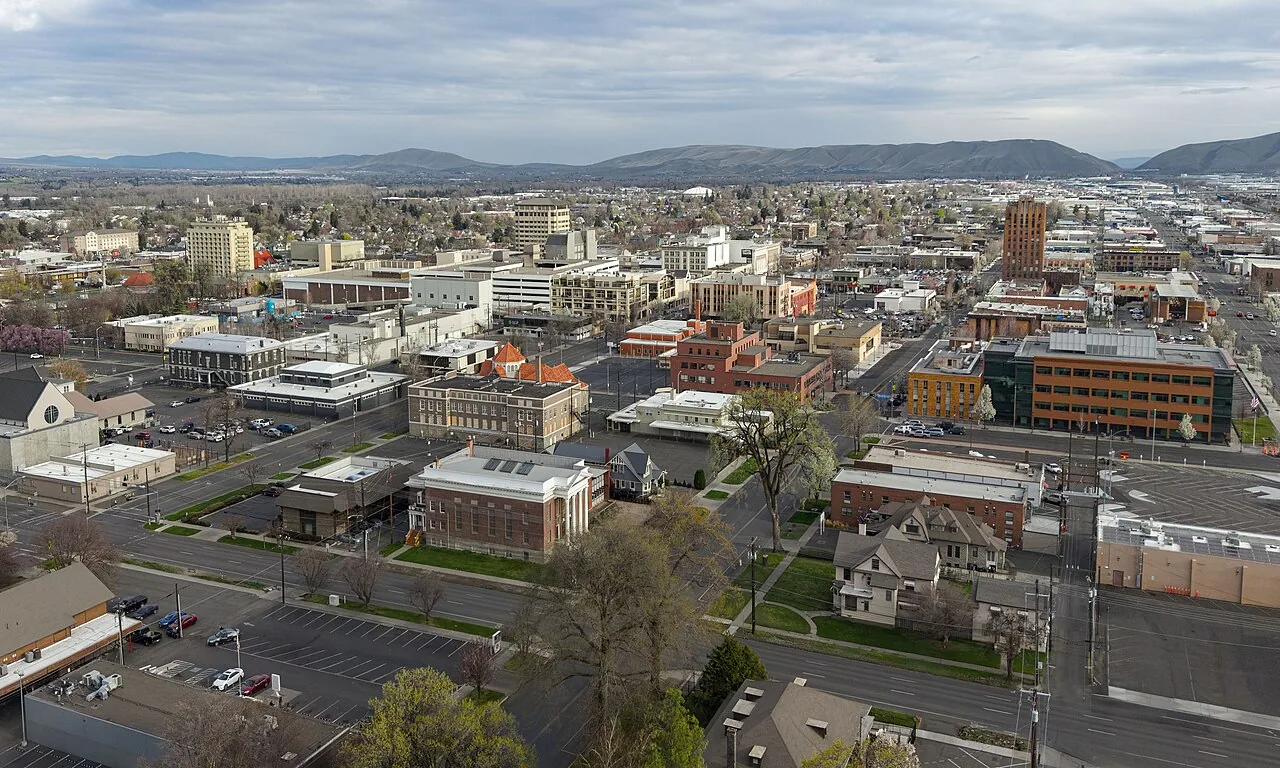
Hotels near the I-82 and U.S. 97 corridors around Union Gap and the stretch of downtown Yakima near Front Street and Yakima Avenue face different access problems. A downtown site may call for a street permit and a hoist, while a lot beside the interstate may allow a lift and a staging pad. We scout the approach at the busiest hour and price the lift plan from what we see.
Plan Repairs Around the Hot Weeks
Hot afternoons, 90 F or above, come about 40 times a year, and the 113 F record fell on June 29, 2021. A dark roof over a guest wing soaks the heat, and air conditioning works against it all afternoon. Daily temperature swings tug at seams and curb flashings on rooftop units.
Cooler weeks in spring and fall give the best windows for adhesive and detail work. We start early in summer, pause in the peak afternoon and finish when the surface cools. Early starts are quieter for guests too, since they sit before the checkout rush.
Rooftop pool equipment and kitchen exhaust add heat and moisture to the field. We check those curbs first in summer, when they run longest, and again in fall before the first freeze. A hotel kitchen exhaust fan leaves a grease film downwind of the discharge, and a membrane that stays coated with grease ages faster than the clean field around it, so the film gets cleaned off at every visit and the sheet beneath it gets probed for softening.
Secure Signs, Screens and Rooftop Equipment
The windstorm of late November 2019 tested a county design wind speed of 110. Hotel roofs carry tall signs, mechanical screens and chillers or boilers on steel, and each catches wind. After a gale, look from the ground for a crooked sign or a gapped screen, and call before the next rain.
We check sign bases, screen fasteners and equipment curbs on each visit and log what we tighten. A loose mount is a leak and a safety problem at once.
Each spring closes the loop: seams re-probed, drains flushed, sign mounts and screens re-fastened, photos retaken.
Weigh the Options With the Rooms in Mind
Where insulation is dry and seams are sound, a recover keeps guests quieter than a tear-off. Moisture changes that answer, and an infrared pass shows where. A new assembly meets Washington's energy code as revised in March 2024, and thicker board lifts every flashing. Owners with several properties can use the same file across a hospitality group. A restaurant on the ground floor follows the rules for a restaurant roof, and a long-stay building follows the rules for apartment roofs.
Brand standards add review time at flagged properties. Approval of roof colour, warranty form and contractor lists may be required, and we ask for those rules at the first call so the days sit on the calendar.
Commercial Roofing Questions
A stain appears at night. Who should we call and what should we do?
Call dispatch right away with the room number, the time you noticed it and whether it is spreading. Move guests, set a bucket and stay off the roof. We tarp or patch the section from outside and schedule the permanent fix once the cause is known.
How do you keep guests comfortable during a reroof?
We phase by wing, move noisy tasks to hours the front desk chooses and pull the rooms under open sections from inventory for the day. Staging stays away from entrances and parking.
Why are drains checked before the roof field?
Meltwater reaches drains first, and a frozen or clogged scupper holds water against flashing. A cleared drain costs little and can prevent a ceiling stain, so we flush and test each one on the first visit.
Is a recover a good idea for a hotel roof?
Frequently, once the insulation tests dry and the deck proves able to carry another layer. A recover spares guest rooms the tear-off dust and noise, and a guest wing under repair stays quieter. Moisture readings and core samples decide, and both options are priced for the owner.
What records help during an insurance claim?
A dated photo set, the moisture readings, the repair log and the weather dates, all started at the first visit, let an adjuster separate old wear from storm damage and let a revenue manager see which rooms were out of service and when.