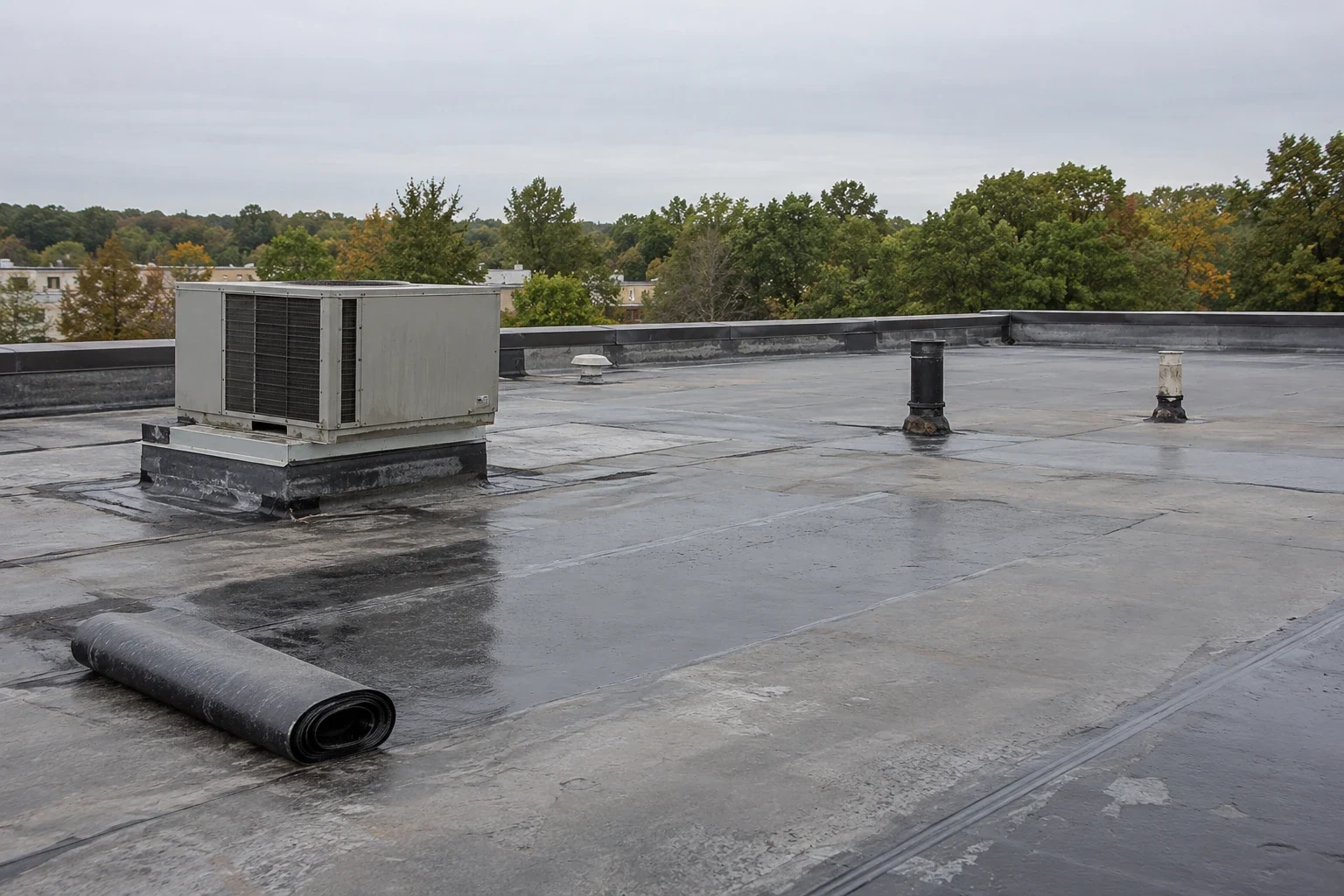
A hotel general manager calls at dawn on a 100 F July day because a guest on the top floor has reported a damp ceiling beside the air-handling penthouse, and a wedding party arrives at noon. A guest building in Yakima, WA has to stay comfortable through December snow and July heat alike. Dispatch asks which rooms sit below the stain and what is booked for the weekend. Keep staff off the roof and wait for instructions.
Tell us the property address, where water shows, which rooms or event spaces are booked and, if the permit shows it, the design snow load, and we plan the first visit around the guests.
Know the Guest Buildings
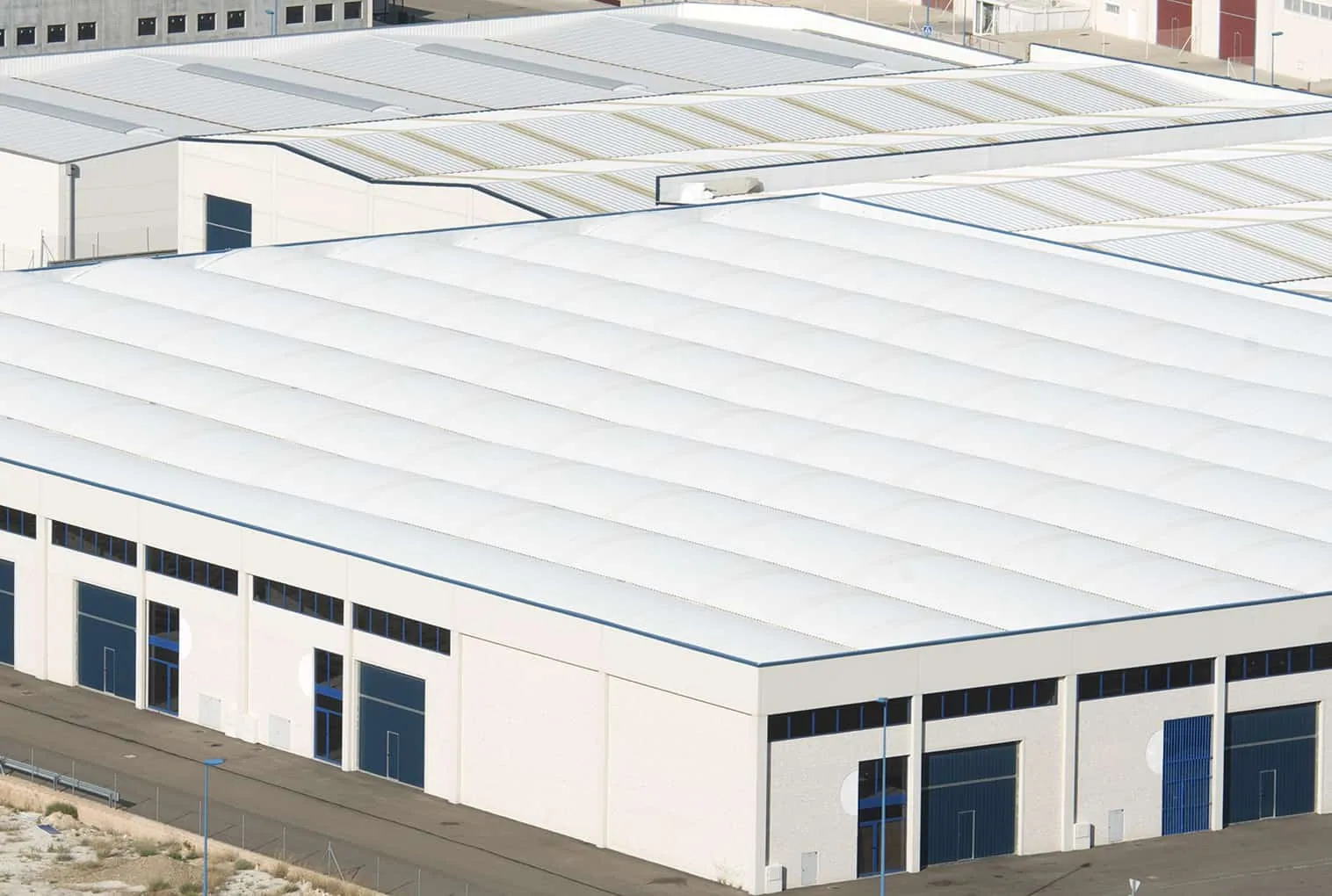
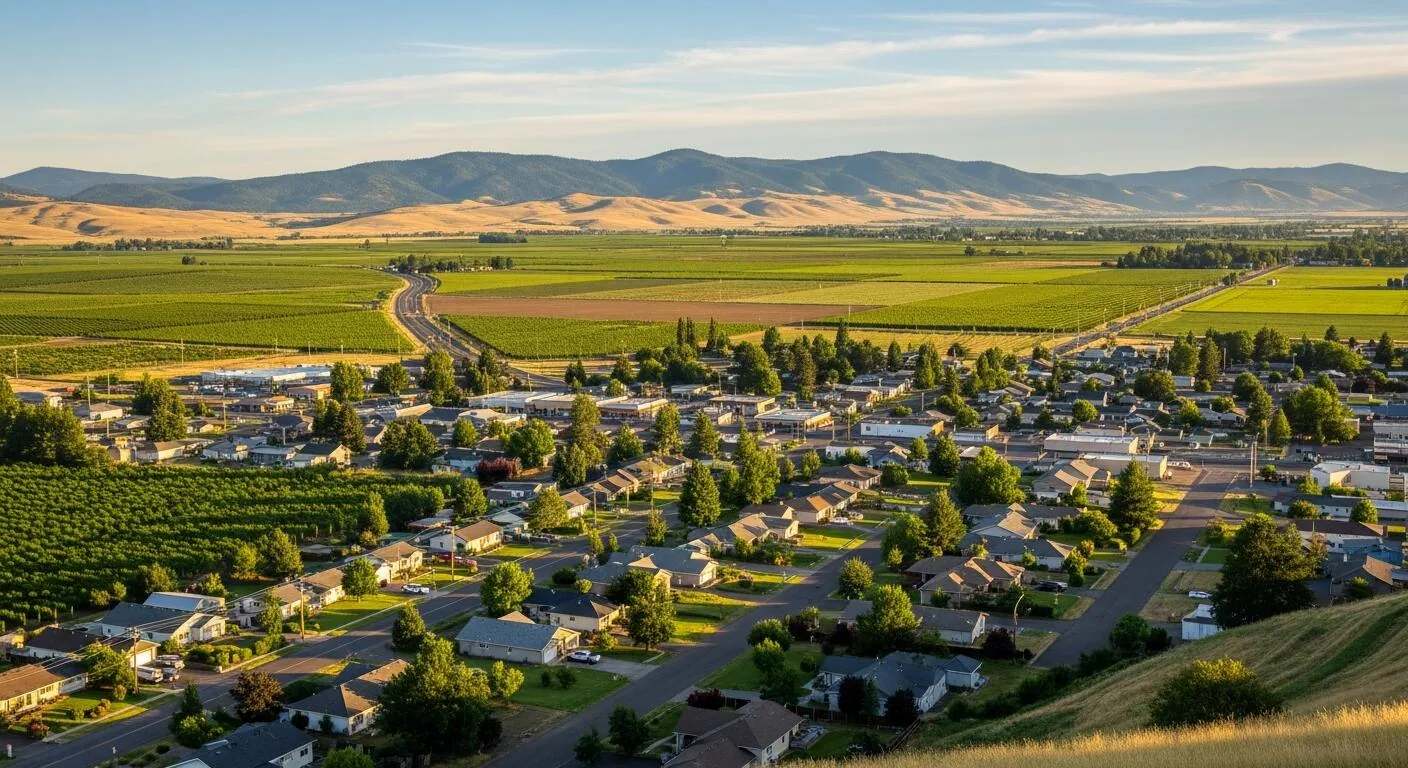
Hospitality in the valley runs from downtown hotels to winery tasting rooms. The Yakima Valley has over ninety wineries, and its American Viticultural Area, established in 1983, produces more than 40 percent of Washington's wine. Production and tasting buildings are part of the roof inventory. Associated Vineyards planted its first vines in Sunnyside in 1961, and the wine economy has grown around places like it.
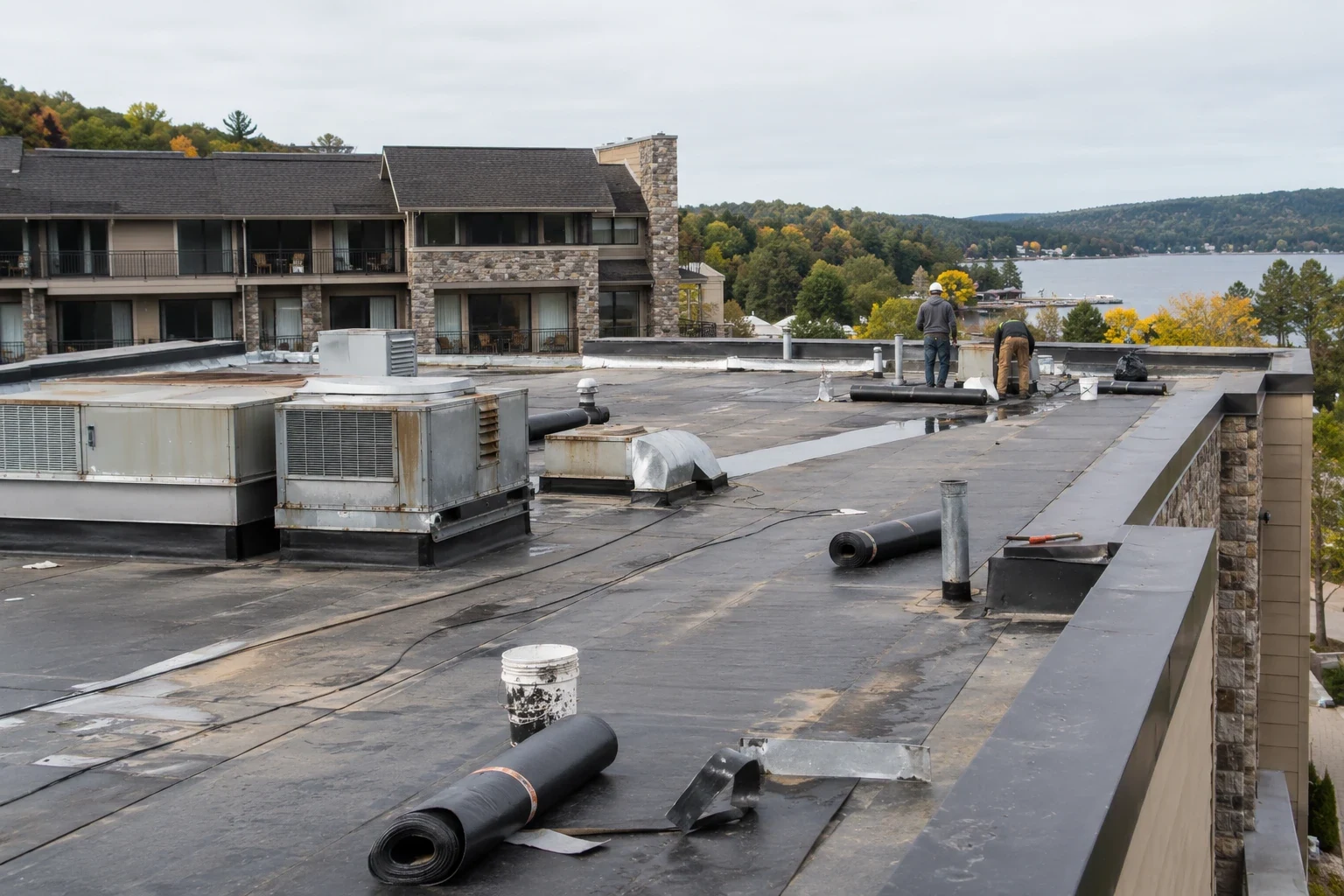
We do not assume what any one property has. Each building mixes guest areas, kitchens, laundry, mechanical rooms and event space, and each of those puts something different on the roof. Kitchen exhaust, laundry vents and large air handlers are common sources of staining and wear.
A first walk grades every component and counts penetrations. The result is a ranked list with photos and cost ranges that a general manager can approve in minutes.
Event spaces carry their own load. A ballroom or a barrel hall has a high ceiling and a wide span, and a roof over it has long edges and few interior supports. Snow on a wide span is a design question, and the engineer's number matters more than usual. We note the span and compare it with the roof's behavior in winter.
Count the Drift Over Ballrooms and Guest Wings
Snow load is set by the parcel, and an engineer is required above 70 psf. A tasting room with a tall timber roof and a hotel with a flat podium can carry very different design numbers, even on adjacent lots.
The worst drifts form where a low event hall meets a taller guest wing, and a bulging wall behind one is how a South Third Avenue building ended up red-tagged in February 2019.
Plastic tools do our clearing, and a protective layer stays on the sheet. Look inside first. A door that sticks in a corridor or a new crack in a ceiling near a drift are deflection signs. Report them when you call, and tell us which rooms are booked.
Rooftop plant needs access in winter. A frozen air handler is a guest complaint within hours, and a technician needs a safe path to it. Snow drifts around a unit can block that path. We plan clearing with plastic tools around the units that matter, and we leave the protective layer elsewhere.
Work Inside Quiet Hours
Guests sleep late and check out at noon. Roof noise carries through a deck into a top-floor room, and a pour of adhesive can smell like trouble to a guest. We schedule loud work for the hours the property allows and plan odor-heavy tasks away from air intakes.
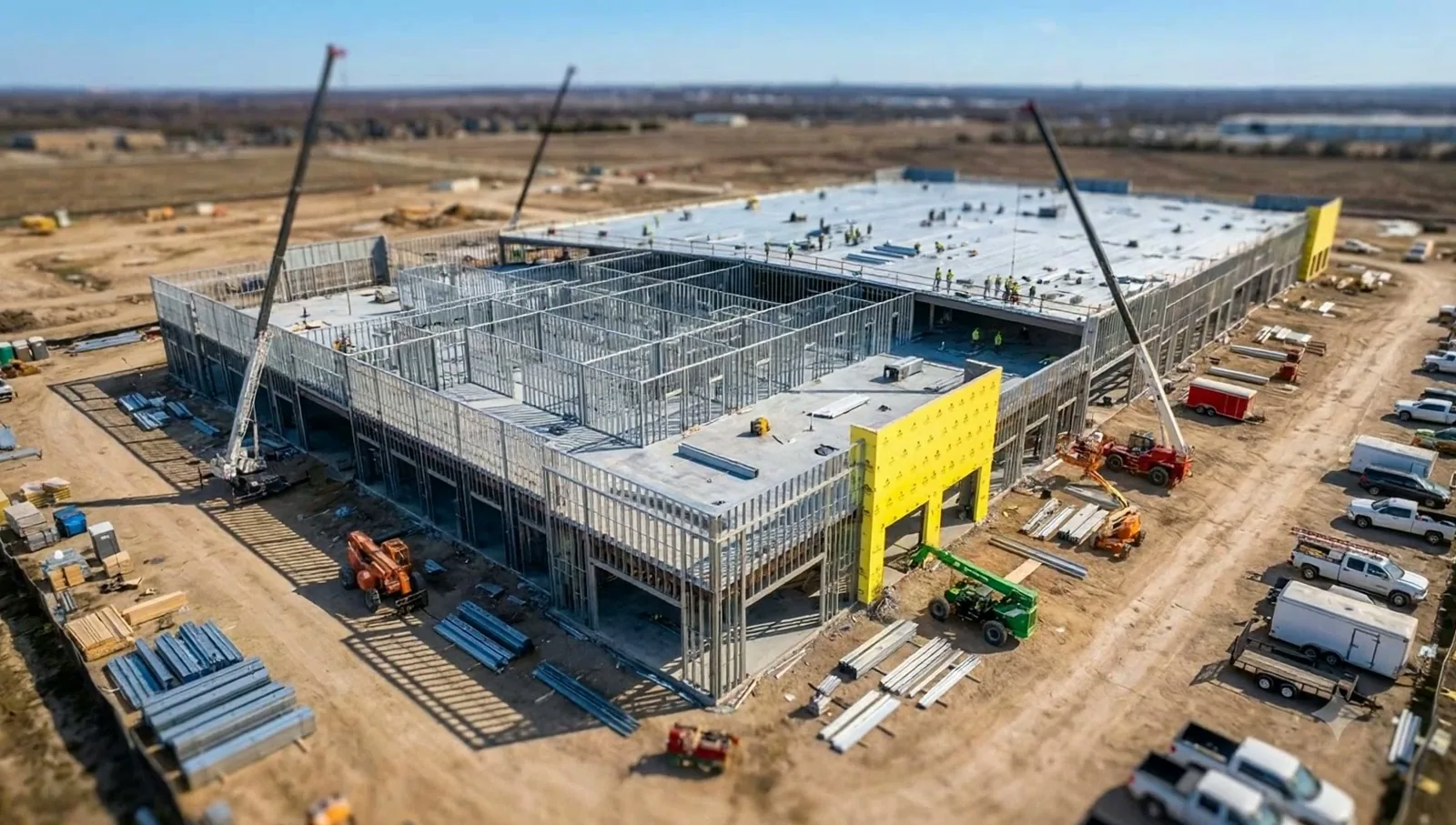
Staging protects guests. Entrances get overhead cover and barriers. Material and debris move at off-peak times, away from drop-off lanes and event entries. A spotter watches the edge when material is hoisted. An occupied building reroof follows this sequence anywhere.
Welded and mechanically fastened membranes carry less odor than hot asphalt or solvent adhesives. Where smell matters, we price a welded TPO or PVC system and confirm it with the general manager.
Contractors in the building matter as well. A general contractor renovating guest rooms may share the roof access, the hoist and the staging area. We coordinate dates and routes with the contractor before either trade mobilizes, so two crews do not claim the same crane day.
Fire watch and hot work rules apply in a guest building. Torch work is rare near guest space, and where it is allowed, a fire watch stays for the required period. Most hospitality roofs choose welded or adhered systems for that reason.
Let the Summer Swing Set the Maintenance Visit
Summer in Yakima brings about 40 afternoons at or above 90 F, and the record is 113 F on June 29, 2021. Hospitality buildings run cooling hard in summer, and rooftop condensers and exhaust fans add heat to the membrane under them. Cool nights follow, and the swing works every flashing and seam.
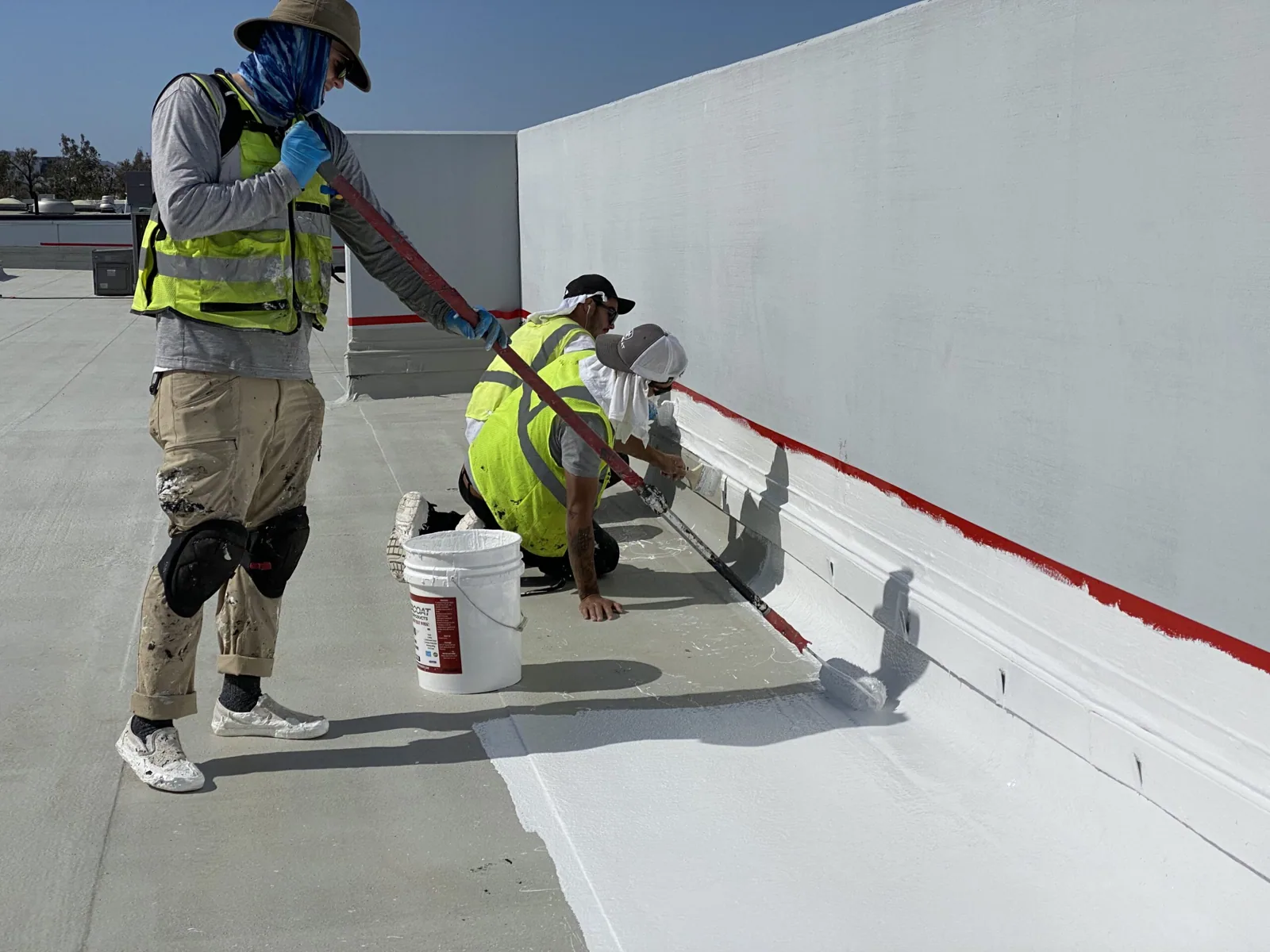
We check the area under each unit for softened sheet and open seams. Walk pads protect service routes. A maintenance visit before the peak weeks clears drains, reseals penetrations and finds what the heat has done, at a fraction of the cost of a leak during a full house.
Gust-lifted edges and loose signage bases are risks on tall guest buildings in a valley where the record gust is 69 mph, so edges are tested each season.
Plan Around the Peak Weeks
A hospitality owner knows the peak weeks: harvest, holidays, events and wine weekends. We ask for them first and size the roof work to the quiet gaps. A decision made in winter can be installed in the next quiet stretch. A decision made in June may wait for the next one.
Winery buildings add a harvest calendar. Crush brings trucks, crews and wet floors, and a roof crew in the way costs more than it saves. The quiet weeks after harvest are the window for production roofs. Tasting rooms follow the visitor calendar.
Winter is repair season. We stabilize leaks and save permanent fixes for the next dry window. A temporary seal costs little and keeps a guest room dry.
Weddings and events add short notice. A roof leak on a Friday before an event needs a fast answer and a clear one: seal, protect and record. We keep a spare of critical materials in the truck for those calls, and we agree on a response order with the manager before the season starts.
Hand Over the Property File
At closeout, the owner receives photos, seam test results, the material list, warranty terms and a maintenance interval. The record stays with the property and passes to the next manager.
Groups with sites in Sunnyside, Zillah and Yakima can run them as one program, and a restaurant or retail partner in the same building can share the schedule.
Insurance matters after a loss. Dated photos, a written scope and a callback log give the carrier a clear picture of what happened and when. We keep them in the same file as the roof record.
Commercial Roofing Questions
Can a hotel stay open during a reroof?
Yes. We work in strips, close each before dark and set loud tasks for allowed hours. Entrances get overhead cover, and staging stays away from drop-off lanes. The general manager approves the plan before we mobilize.
What if a guest reports a stain on the day of an event?
Call dispatch with the room number and the booking. We check from inside, seal the entry from above if the weather allows and log the event. The permanent repair is scheduled for a quiet window.
Which membrane carries the least odor?
Welded and mechanically fastened sheets, such as TPO and PVC, smell less than hot asphalt or solvent adhesives. We seal intakes within reach and time any odor-heavy task away from guest hours.
How do winery roofs fit the harvest?
Production roofs wait for the quiet weeks after crush. Tasting rooms follow the visitor calendar. We ask for the dates first and schedule around them.
Do snow and heat need separate inspections?
Treat them as one yearly cycle. A fall walk finds what summer did and prepares for snow. A late-winter walk finds what snow did. Each visit adds to the record.