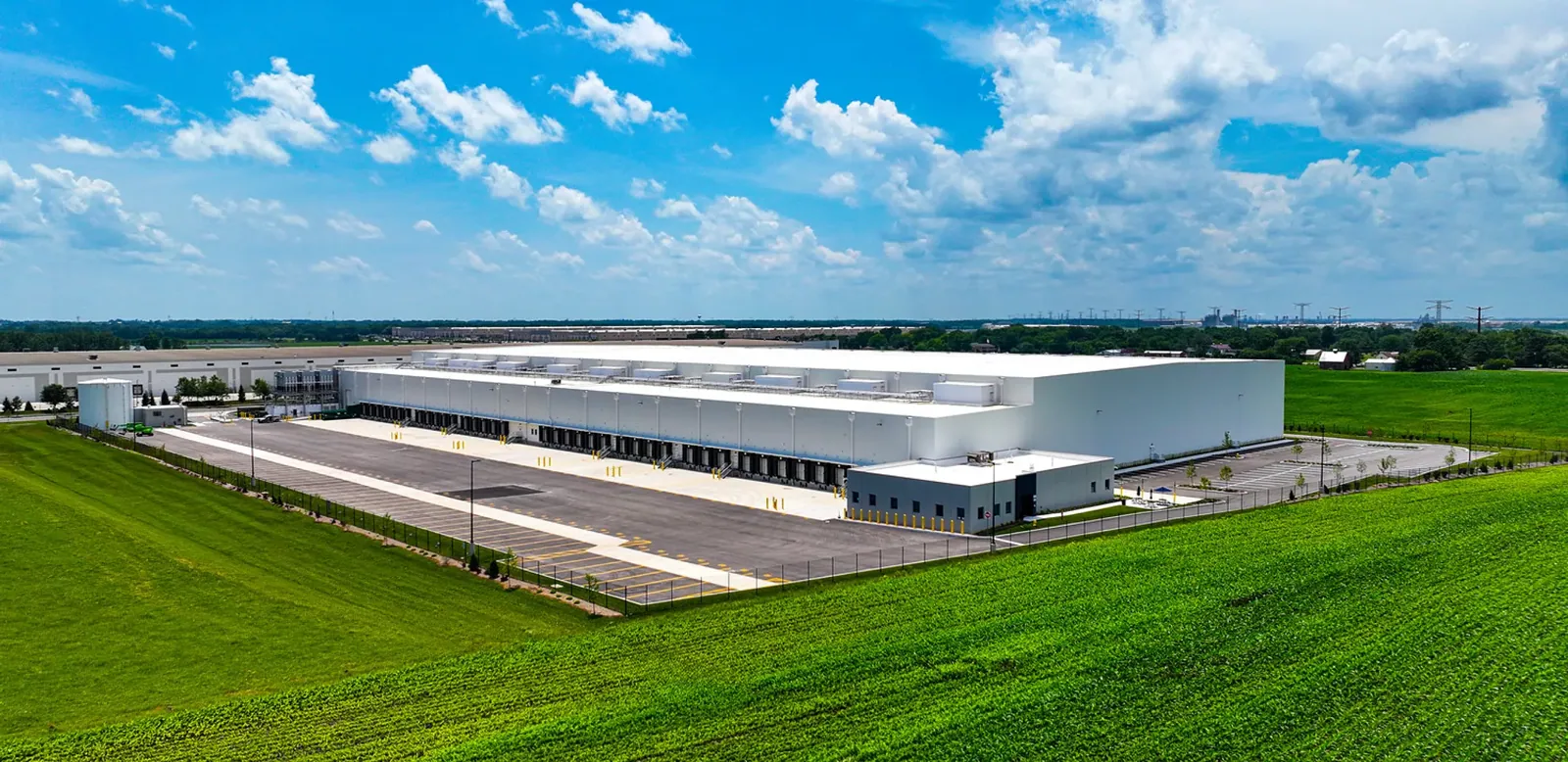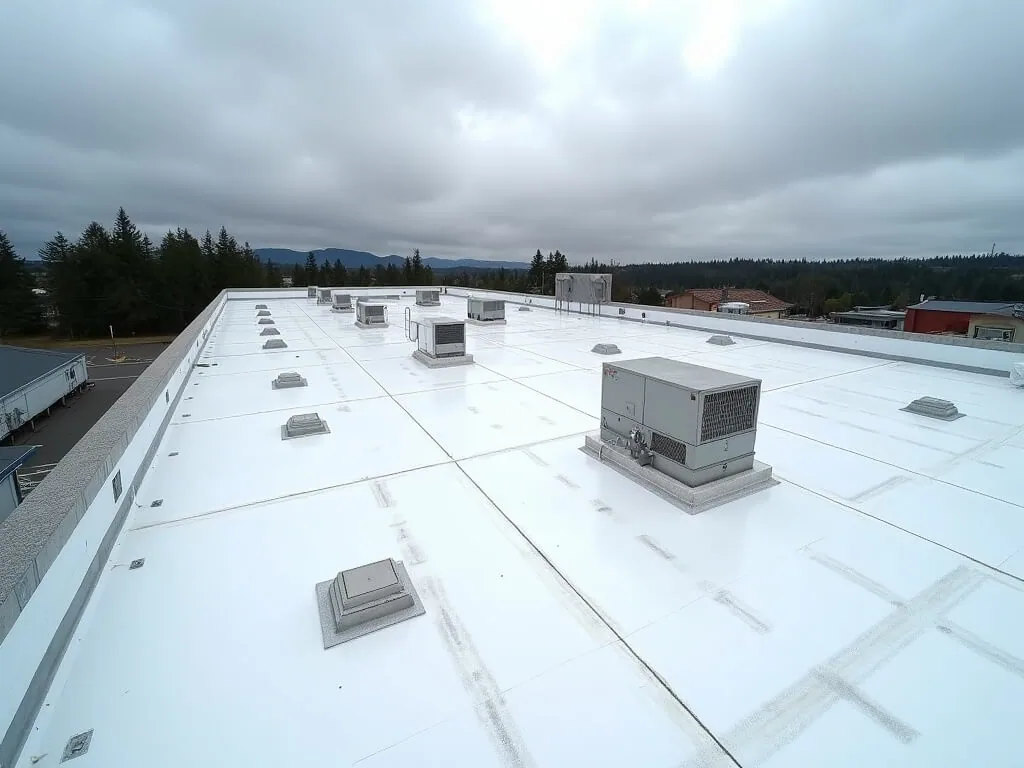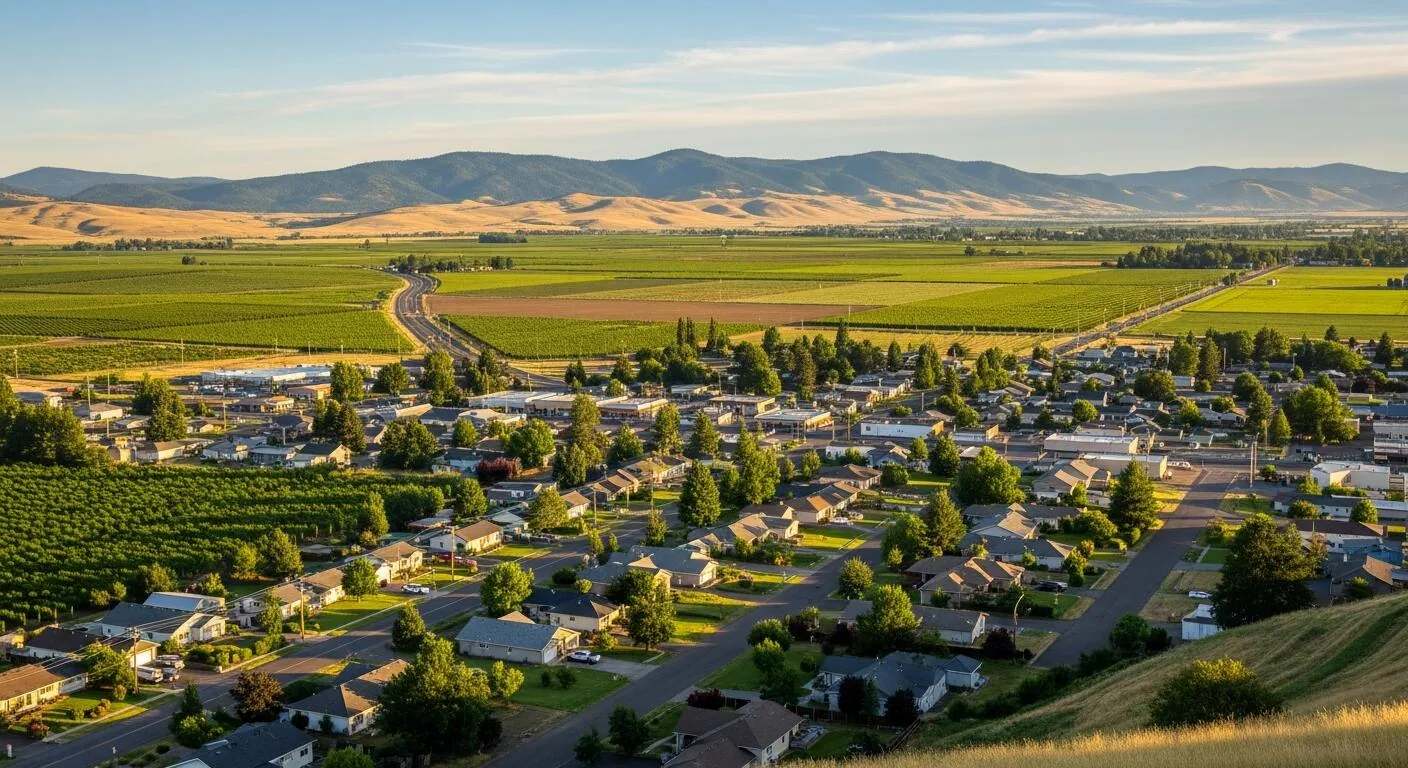
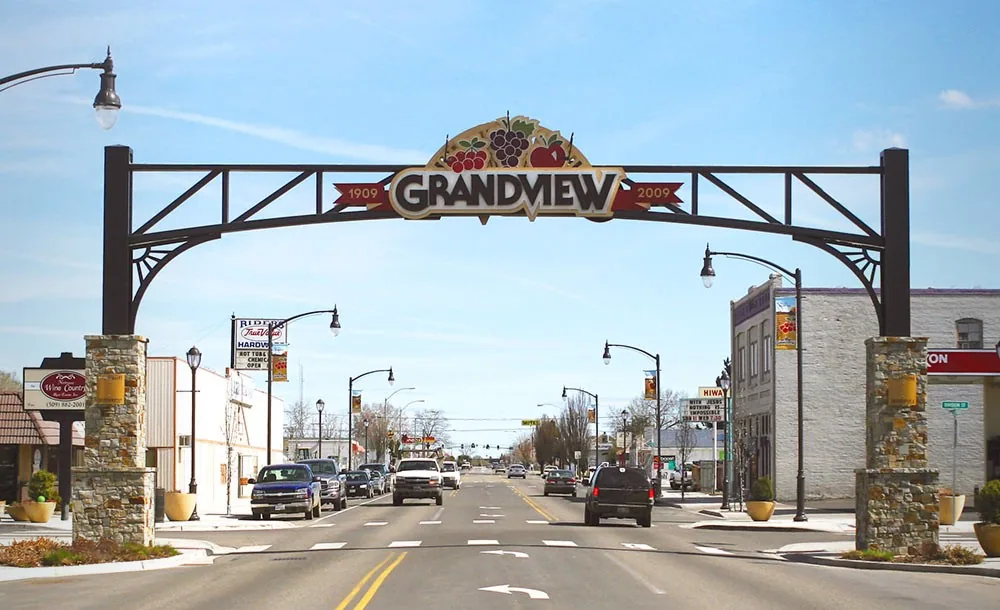
A November gust reaches a Grandview cold-storage building at night, a rooftop condenser panel starts to bang, and the plant manager calls before the shift change. Dispatch asks one thing first: is anything on the roof still moving? A loose panel means the fasteners have let go, and a panel that flaps is working the membrane around it with every gust. The late-November 2019 windstorm pushed Sunnyside to 53 mph, and the same valley wind reaches Grandview. Grandview, with 10,907 residents in 2020 and about 38 miles from Yakima along Interstate 82, runs on agriculture backed by processing plants and cold storage. Those buildings cannot afford a roof that fails slowly, because the damage shows up in the product first.
Protect the Cold Room by Starting at the Ceiling
Cold storage reverses the usual roof problem. In most buildings the inside is warm and the roof loses heat; in a cold room, warm humid air from outside and from the roof deck pushes toward the cold surface, and a small gap in the vapor seal feeds frost or ice inside the ceiling. A cold-room ceiling that starts to shed frost in a heat wave usually has a gap at a penetration, a duct or a curb.
We check these buildings by tracing the cold side first. Our crew looks for ice staining, sagging insulation panels and corrosion on the underside of the deck, then matches those findings to the roof above. A cold storage roof repair has to restore both the weather seal on top and the vapor seal below, or the leak returns as frost. We seal penetrations in sequence and avoid opening more roof than can be closed by evening.
Scan for Hidden Moisture Before Choosing a Repair
Grandview's economy is agriculture based, supported by local processing plants and cold storage facilities. Plants like these run for years on roofs that stay mostly invisible, which means moisture can build up in the insulation long before a ceiling stains. By the time a leak shows, a large section may already be wet.
An infrared moisture survey at dusk shows saturated insulation as warm patches on a cooling roof, and core samples confirm what the scan suggests. The result is a map of what is wet, what is dry and what falls between, which turns a vague bid into a defined scope. A wet section comes out and the dry insulation stays, so the owner pays to replace what has failed instead of the whole roof. Where the scan finds most of the roof dry, a repair or coating can often carry the building another stretch of years.
Secure the Edges Before the Next Gale
A dry climate does not mean calm air: the county designs to a wind speed of 110, and 69 mph is the record gust Yakima logged in May 1985. On a low-slope roof the perimeter and corners take the most uplift, and the first sign of trouble is usually a gust-lifted edge that has settled back in a slightly different place.
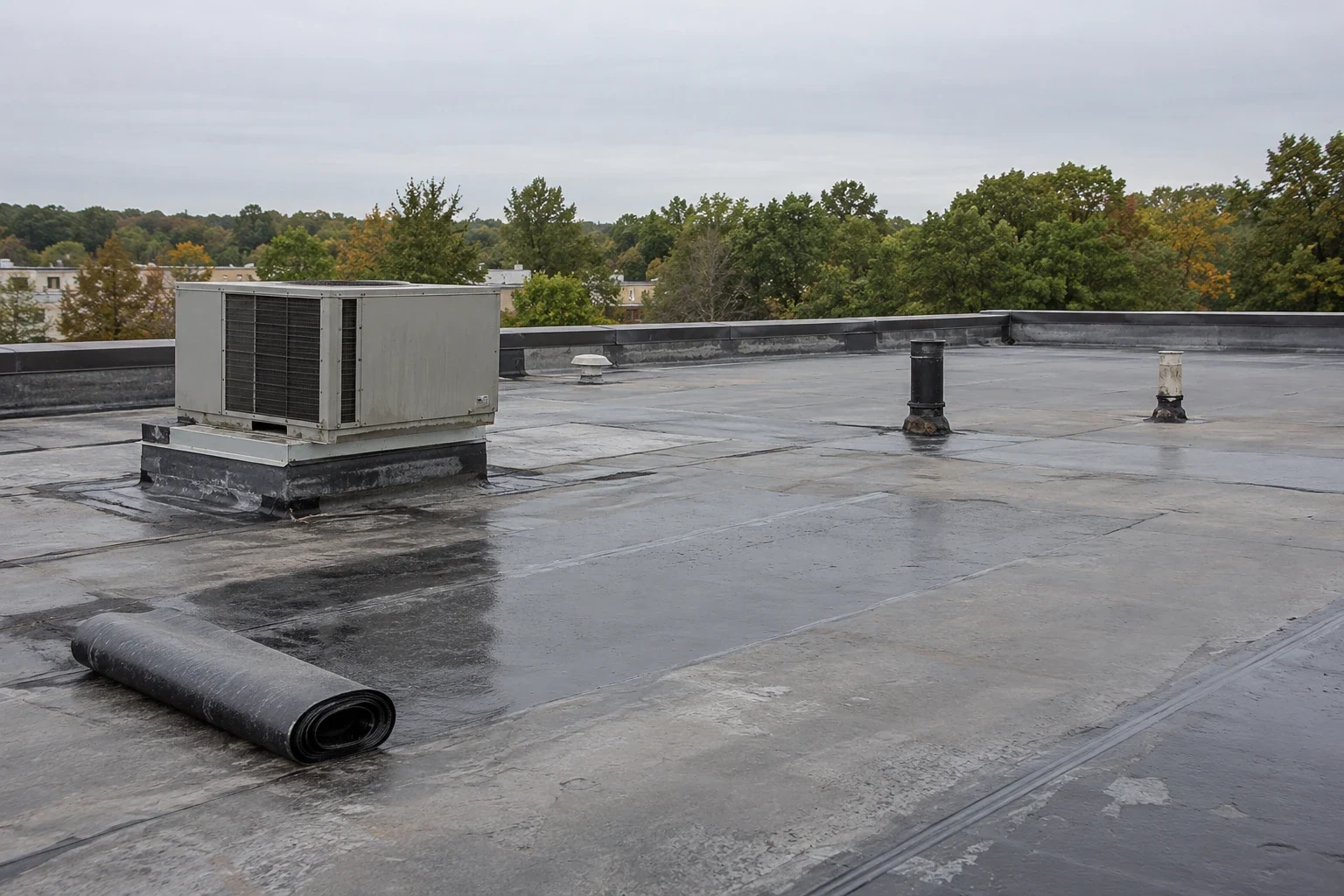
After a storm we look at coping joints, termination bars and the first few feet of membrane back from the edge. Fasteners that have backed out get replaced, loose metal gets re-secured with the correct cleat, and where the membrane has been stretched we add a patch or reinforcement strip. Keep staff away from the roof edge until the crew has looked, and tell dispatch which rooftop equipment sits nearest the damage. Our response to wind damage begins with the edge and works toward the middle.
Reroof Around Shifts and Product Flow
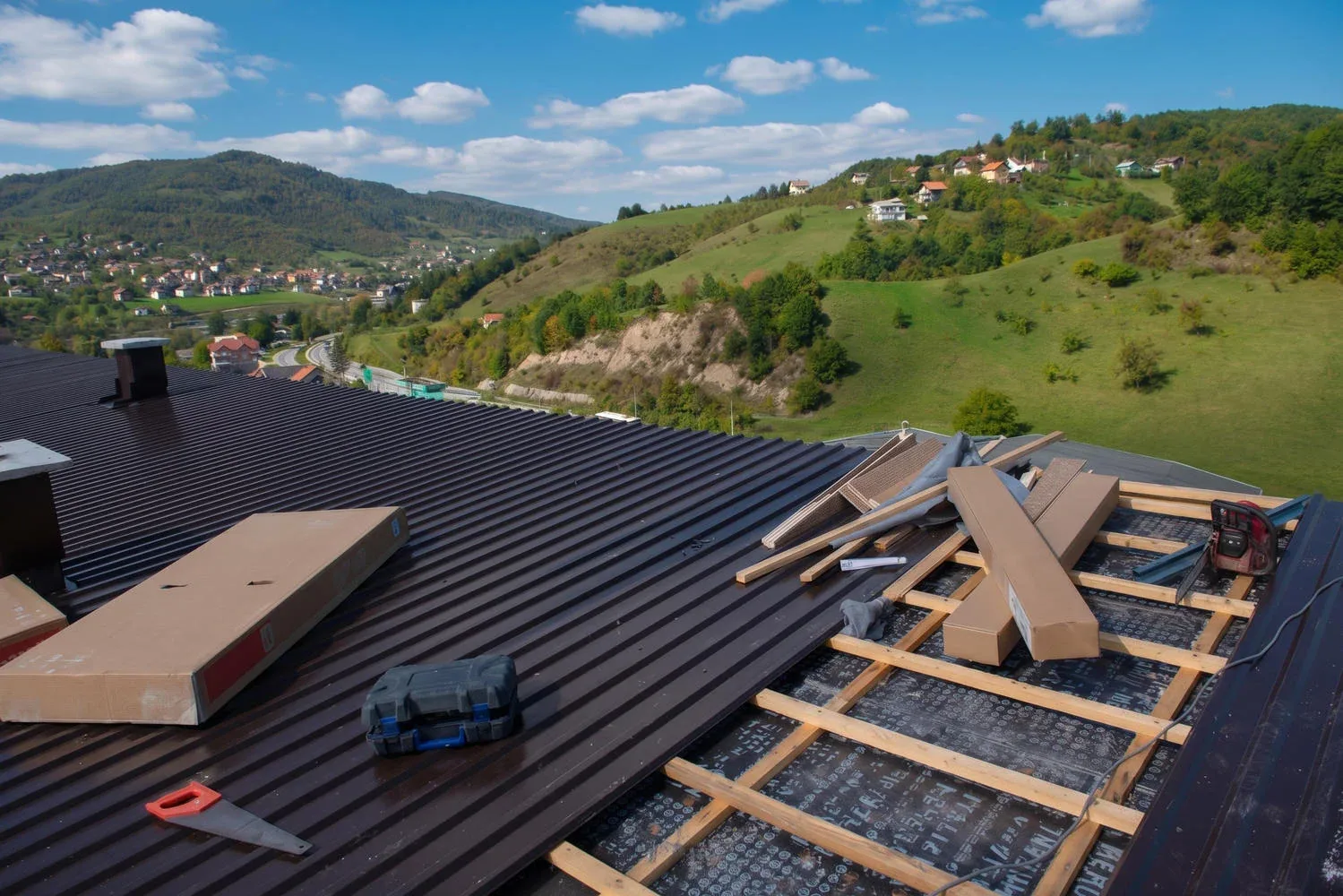
A processing plant does not close for a roof. Trucks load, lines run and workers walk under the sections that are being replaced. We reroof these buildings in strips, finishing each section's tie-in and dry-in before leaving, so rain or a surprise squall does not reach an open deck. Debris chutes stay away from dock doors and air intakes.
Planning starts with the plant calendar. We ask for harvest and packing peaks, planned shutdowns and any days when roof activity near product areas would be a problem. A plan for occupied building reroofing sets crew start times, hoist placement, noise windows and the order of sections, and it names a point of contact on both sides. Membrane choice matters too: a PVC roof resists the grease and chemical exposure that exhaust fans can deposit on food-plant roofs.
Check the Load Path Before the Snow Settles
Snow comes mostly in December and January, and county rules put the design load with each parcel. Where drifts form against a taller wall or a mechanical penthouse, the load on the lower deck can be several times what the open roof sees.
A Sunnyside, Mabton or Grandview building with a stepped roofline has the same drift pattern: snow slides or blows from the high roof and piles on the low one. We ask for the design snow load from the permit, look at deflection in joists and decking, and plan clearing with plastic tools. Steel scrapes cut flat membrane, so we leave a protective layer rather than scraping to the surface. Staff should stay off the roof, watch for sticking doors, and call early if a ceiling bows.
Because Grandview sits well down the interstate from Yakima, send photographs and the building address with the first call. A crew that already knows the roof type and the access point can load the right materials and finish more on the first trip.
Commercial Roofing Questions
Frost keeps forming on the ceiling of our Grandview cold room. Is the roof to blame?
It might be, but the cause is usually air movement rather than water from above. Warm humid air leaks through a gap in the vapor seal, often at a duct, a conduit or a curb, and freezes on the first cold surface. We find the gap with smoke or a thermal scan, seal it from the roof side, and check that insulation below is dry. Keep the door to that room closed as much as operations allow, since every opening feeds more humid air to the gap.
How do we choose between repairing and reroofing a processing plant roof?
Let the moisture scan and core samples decide. If most of the insulation is dry and the membrane has years left, targeted repairs plus a coating can be the practical answer. If the wet area covers a large part of the roof, or the membrane has failed at the seams across several areas, replacement of those sections is cleaner. We give you a written scope for each path with cost drivers, so you can compare them against your capital plan.
What happens if the wind rips a panel off the roof at night?
Call the first-hour line right away. We bring materials to cover the exposed area and secure whatever is still attached, then return in daylight to repair properly. Photograph the damage from the ground if you can do it safely, and keep the area below clear. Move product away from the opening. Save the loose panel if it is recoverable, since it may help identify the original fastener pattern for the repair.
Will a new roof change our building's energy use?
It can. A light-colored membrane reflects more sun and reduces cooling load on hot afternoons, and added insulation lowers heat loss in winter. Washington's updated energy code, in force since March 15, 2024, affects insulation levels on new roofs. We verify the requirement for your project before pricing, so the design and the budget agree.