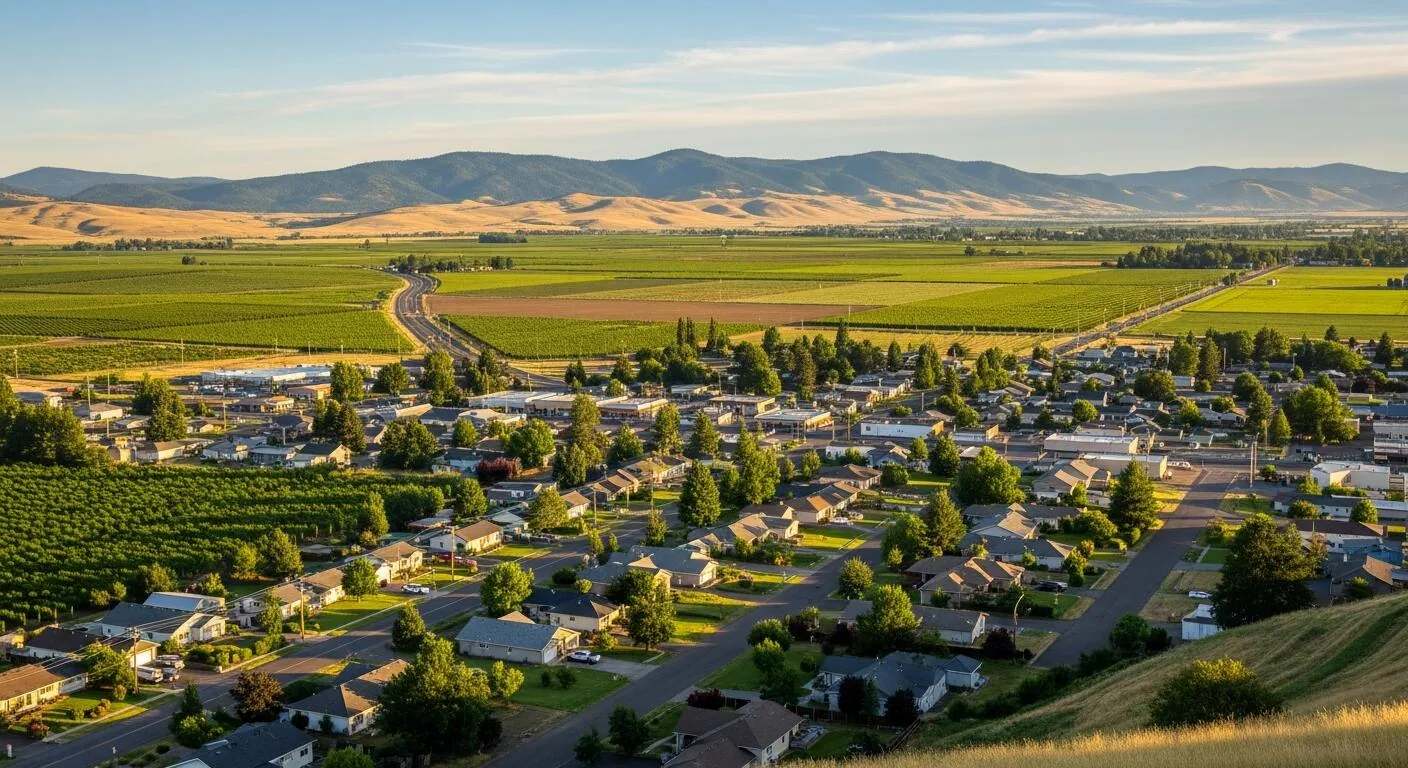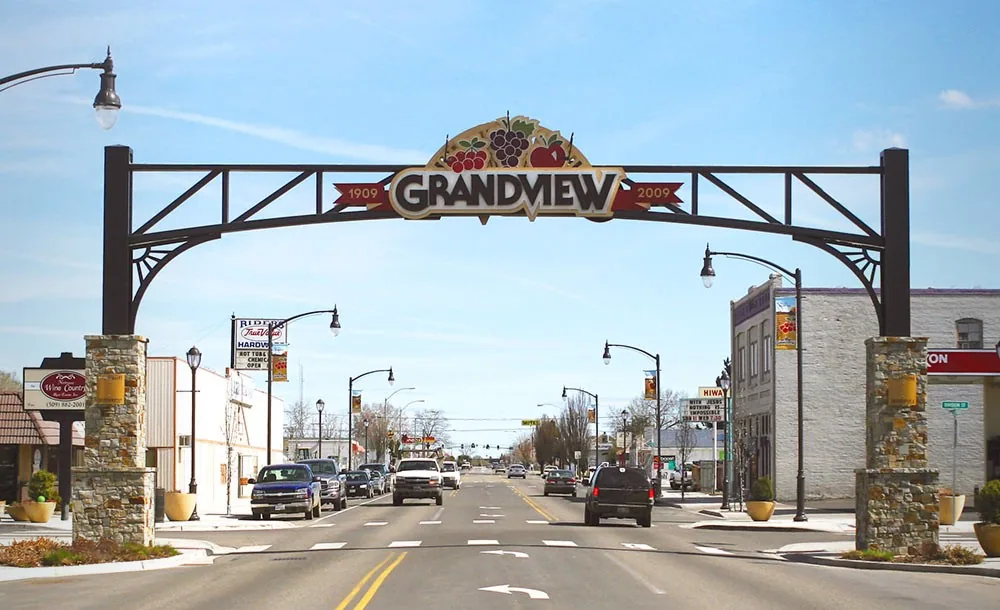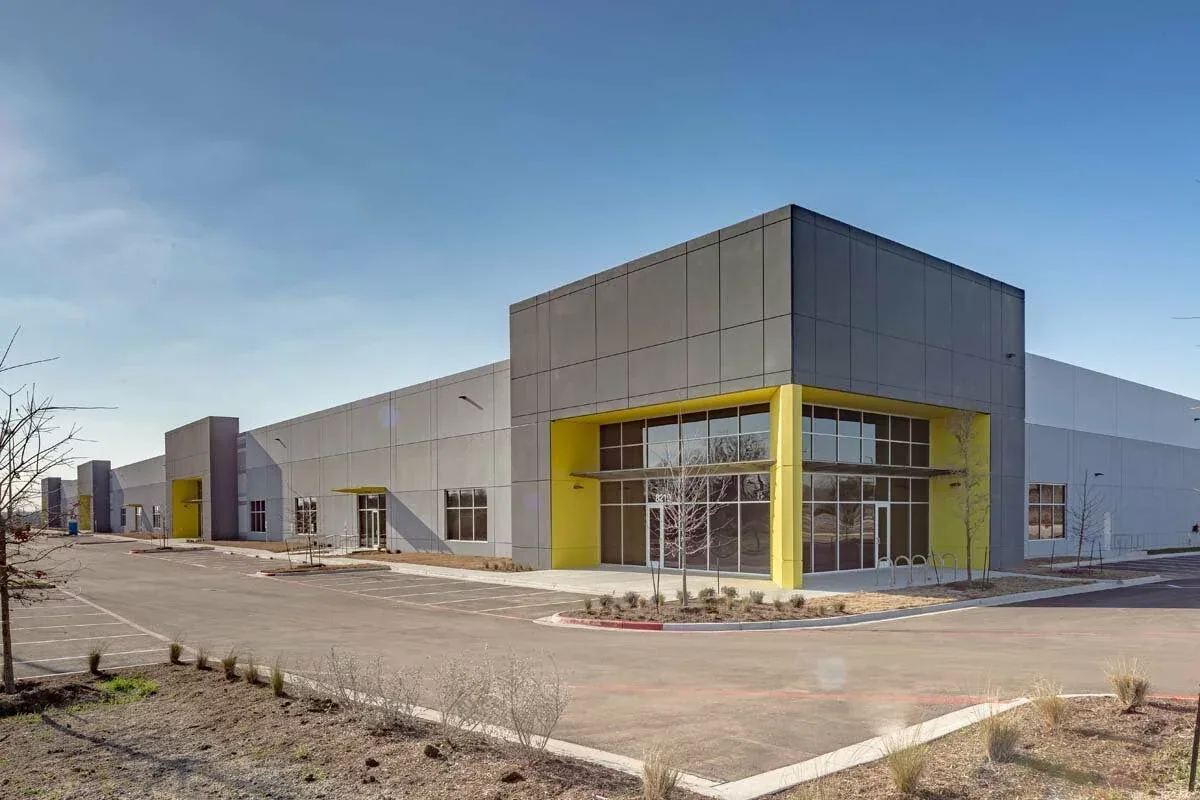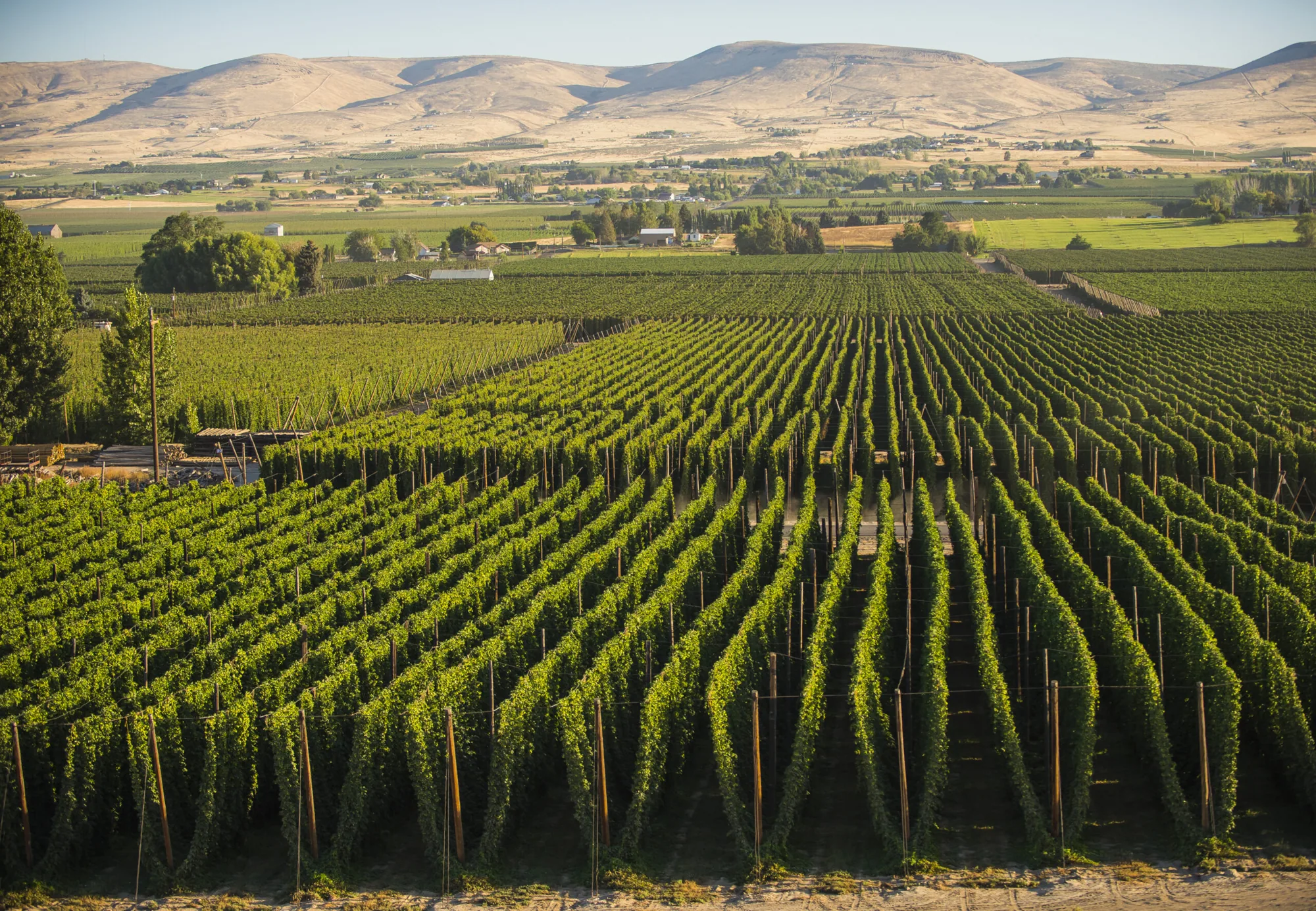
Mabton sits at the eastern edge of the Yakama Indian Reservation near Sunnyside and Grandview, with 1,959 residents in 2020, and most of them work in agriculture, particularly hop and grape growing. A roof over any building that supports hop and grape growing, whether storage space, warehouse, shop or office, meets the same weather, and the valley's wineries add production and tasting buildings of their own. When one of those roofs fails, dispatch asks what the building stores and how soon the next load arrives. Flat and metal roofs here get repaired, coated, recovered or replaced by our crews, calls are answered around the clock, and each job is planned for the weather that Yakima, WA delivers.
Keep Product Dry Under a Roof That Has to Work in Every Season
Hops, bottled wine and packaged goods do not tolerate a roof leak. A drip over a stack of product can ruin more than the repair costs. On the first walk, we look at the roof in layers: the surface membrane or metal, the seams and laps, the flashing at walls and openings, and the drains. We then check inside for stains, damp insulation and signs of condensation.
We tie the roof's condition to the use below it. A building that stores product year-round gets a stricter standard than a shed used a few weeks a season. The written report lists what to fix now, what to watch and what to plan for. It names the rooms below each finding so a manager can move product before a repair starts, and so a crew can set up protection over the right bays.
Drainage comes next. A roof that cannot shed water in a thaw sends it over the edge or into the building, so we count the drains, trace the lines and note any ponding. Where water stands, the repair may be a new drain, a tapered build-up or a cricket behind equipment, and the report says.
Handle Vents, Fans and Moisture Without Opening the Roof to Weather
Buildings that dry, cure or ferment product tend to move a lot of warm, moist air, and that air finds its way to the roof. Exhaust fans, vents and stacks each pass through the roof, and each is a penetration that needs sound flashing. Moisture that condenses under a cold roof deck can drip like a leak, so we look for the source before assuming the roof has failed.
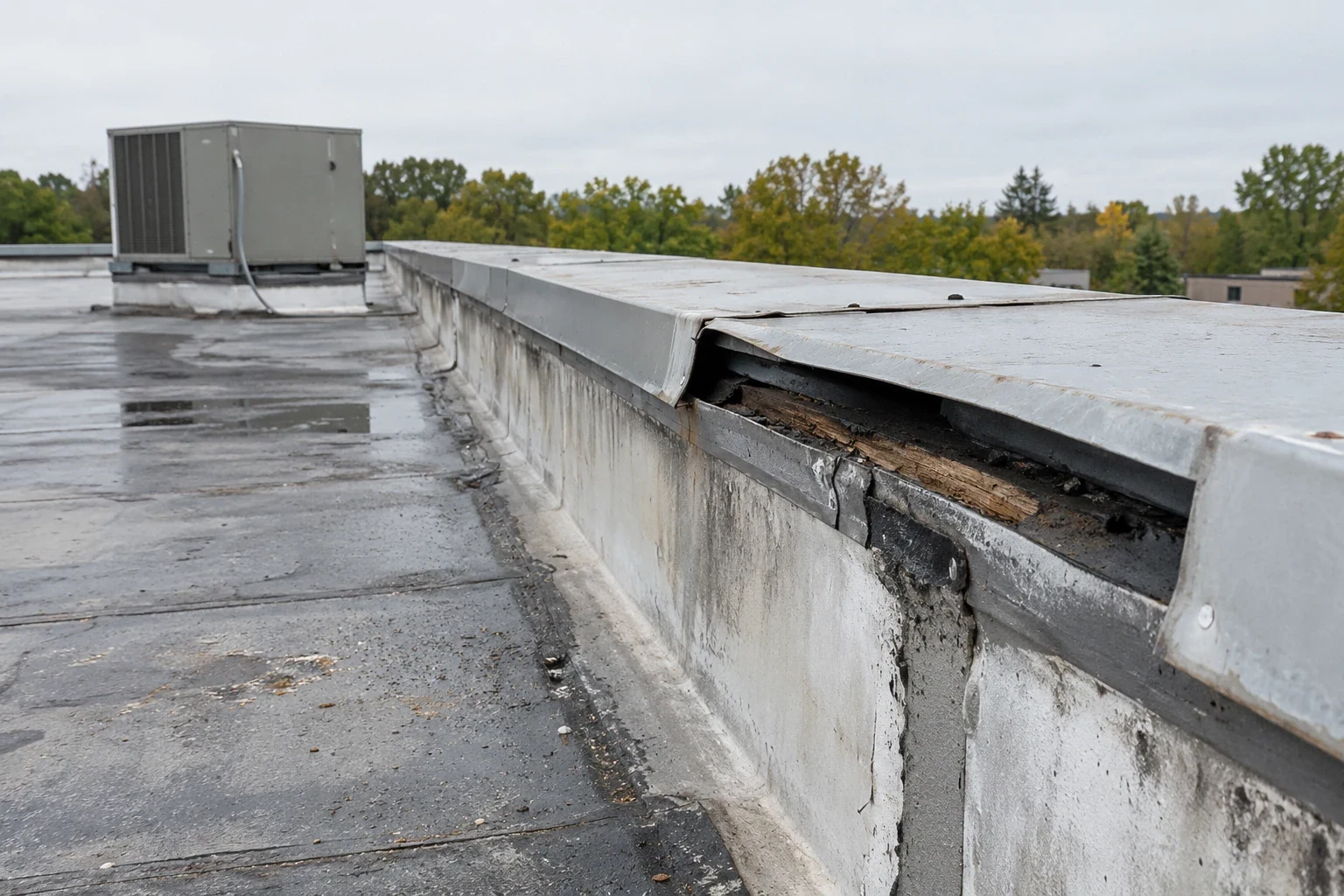
When a vent or fan needs work, we flash it to the roof system's details and use a curb tall enough to clear snow. Our flashing failure repair work rebuilds worn boots and curb corners, and we mark every opening on the roof plan so the next trade that touches the roof knows where to call. A roof that stays tight around its vents keeps the weather out of the process.
Odor and air quality matter in food and beverage buildings. We choose low-odor products where the work is above an occupied production area, and we agree with the manager on air intakes, shutdowns and the hours the work may run.
Plan for the Hot Afternoons and the Cold Mornings
Lows have reached minus 25 F in Yakima and summer afternoons run past 90 F dozens of times a year. A membrane or metal roof in that range expands and contracts every day. Seams open, fasteners back out and sealant dries and cracks.
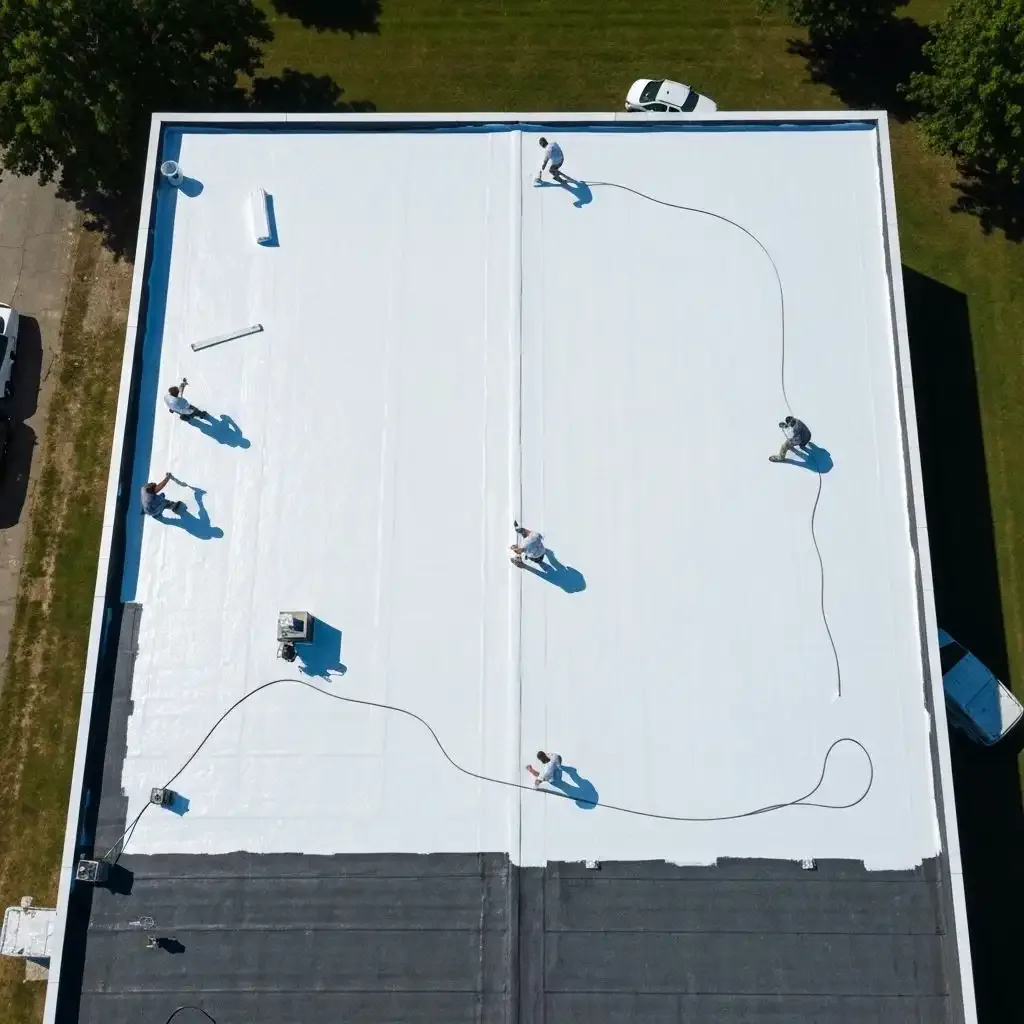
We press and probe seams, reseal laps, replace fasteners and renew sealant on a schedule that suits the building. For an aging flat roof that is dry and sound, a reflective coating lowers surface temperature and slows wear. On metal, we treat rust and recoat faded panels. Late spring through early autumn is the best time for coatings and adhesives, and winter work is limited to emergency dry-in and cold-rated repairs.
Equipment adds heat of its own. Condensers, fans and process vents warm the membrane around them, and wear shows there first. We note the hot zones, add walk pads along the service paths and recommend protective details where the surface is working hardest.
Secure Roofs Against Gusts and Drifts
The late-November 2019 windstorm reached 53 mph in Sunnyside, the neighboring city, and a loose edge is where a gust starts. We check coping, fascia and the first few feet of membrane at every corner, and we replace weak fasteners with the right type for the deck.
Snow follows its own rules. The design value comes from each parcel's permit, so we read it there and mark drift zones at parapets and step-downs. A first-hour call after a storm gets a crew moving and a dry cover on the opening, with the permanent repair planned for the next suitable window.
After any storm, we offer a quick check by phone and photographs, then a visit if the pictures show a gap. Catching a lifted edge or an open flashing early keeps a small repair from becoming a section replacement, and it keeps product dry in the meantime.
Coordinate With the Harvest and With Nearby Properties
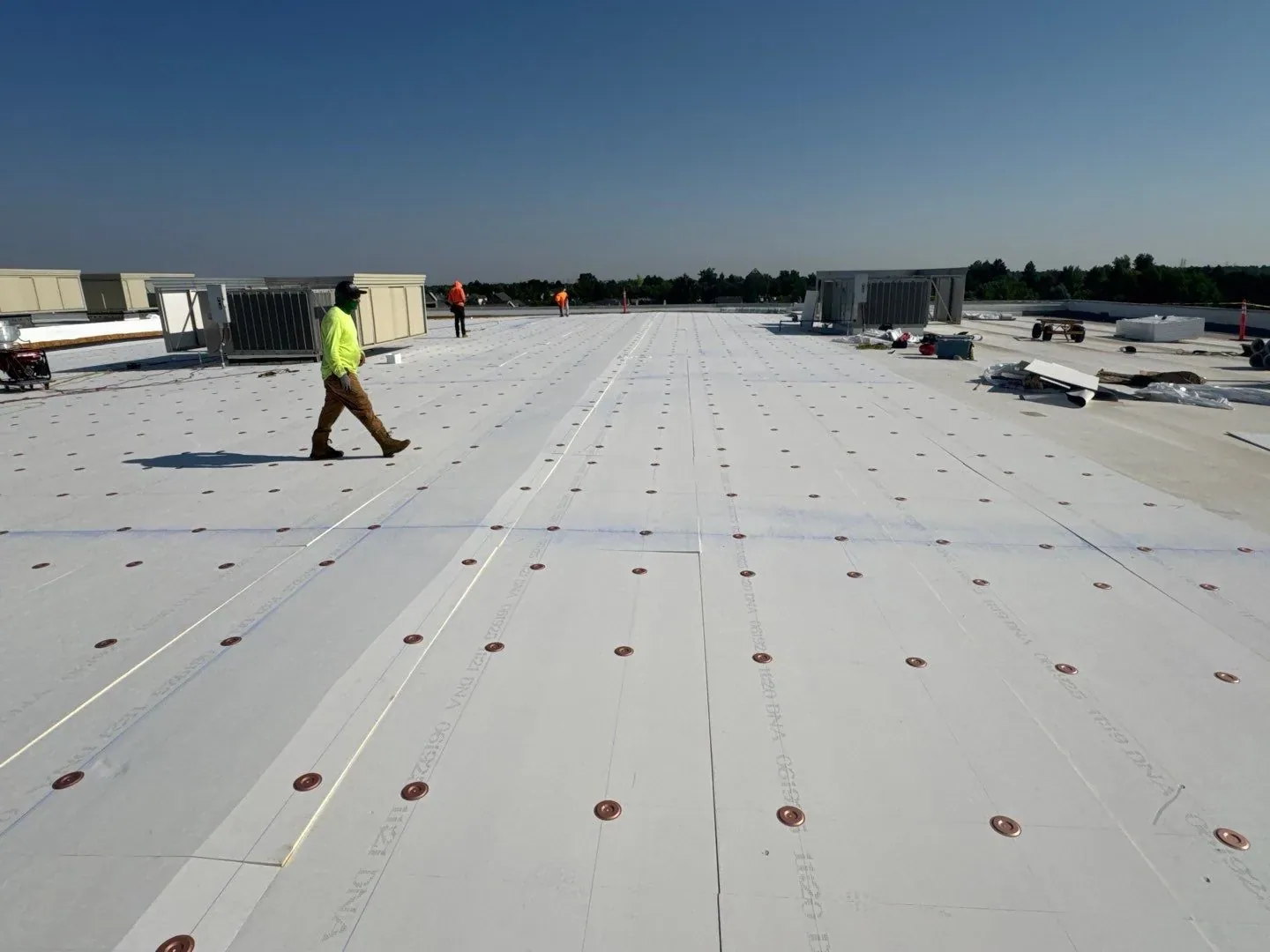
A roof project near a harvest or processing run has to fit that calendar. We schedule the heaviest work for slower weeks, phase sections so each one is closed by evening and agree on access with the manager before the crew arrives. Owners with buildings in Grandview as well as Mabton can put them on one schedule, and a warehouse and a shop can be handled in the same trip.
We keep one record for all of them. Each visit adds a dated report and photographs, so an owner who manages several roofs can see the pattern: which leaks, which ages well and which needs the next budget.
Warranty and code details sit in the same file. If a roof carries a manufacturer's warranty, repairs follow the published methods, and the state code editions in force since March 2024 shape the scope of any larger reroof. We state these points in the proposal before work starts.
Commercial Roofing Questions
A roof over a storage building has a few small leaks. Should we patch or wait?
Patch the ones that let water onto product, and do it before the next thaw or storm. We scan for moisture around each leak to see how far water has spread. Small leaks over valuable goods are rarely worth waiting on.
How do you protect stored product while the roof is open?
We work in small sections, close each one the same day and use temporary cover if the weather turns. The manager moves or covers product below the open area. We agree the plan in advance and share the daily schedule.
Can condensation inside a building be mistaken for a roof leak?
Yes. Warm, moist air that reaches a cold deck forms droplets that look like a leak. We check the roof for entry points and the interior for moisture sources before repairing. Sometimes the fix is better ventilation or a sealed gap and not a patch.
What are the main costs of replacing a roof on a large warehouse?
Roof area, the system, the amount of wet insulation or damaged deck found, the access and any equipment that must be lifted all drive the number. Code requirements for insulation can add scope. The proposal lists each driver so you can see where the money goes.
Can you service a roof on short notice after a storm?
Emergency calls are answered around the clock, including holidays. We ask for the address, the damage location and what operates below, then send a crew to dry in the opening. Permanent repair follows when the weather and the roof surface are ready.