Tampico sits about 18 miles west of Yakima on Ahtanum Creek, at roughly 2,136 feet, and it has grown from 312 residents in 2010 to 467 in 2020. Hop farming was historically important there. A roof on a commercial or agricultural building at that elevation sees winter differently from one on the valley floor, and the first question dispatch asks on a call from Tampico is how much snow is on it now and how long since it last melted. Tampico owners get flat and metal roofs repaired, coated, recovered or replaced, with the phone answered at any hour. Yakima, WA climate figures set the baseline here, and the building's own parcel load decides what the roof can carry.
Plan for Higher Ground Before the First Storm
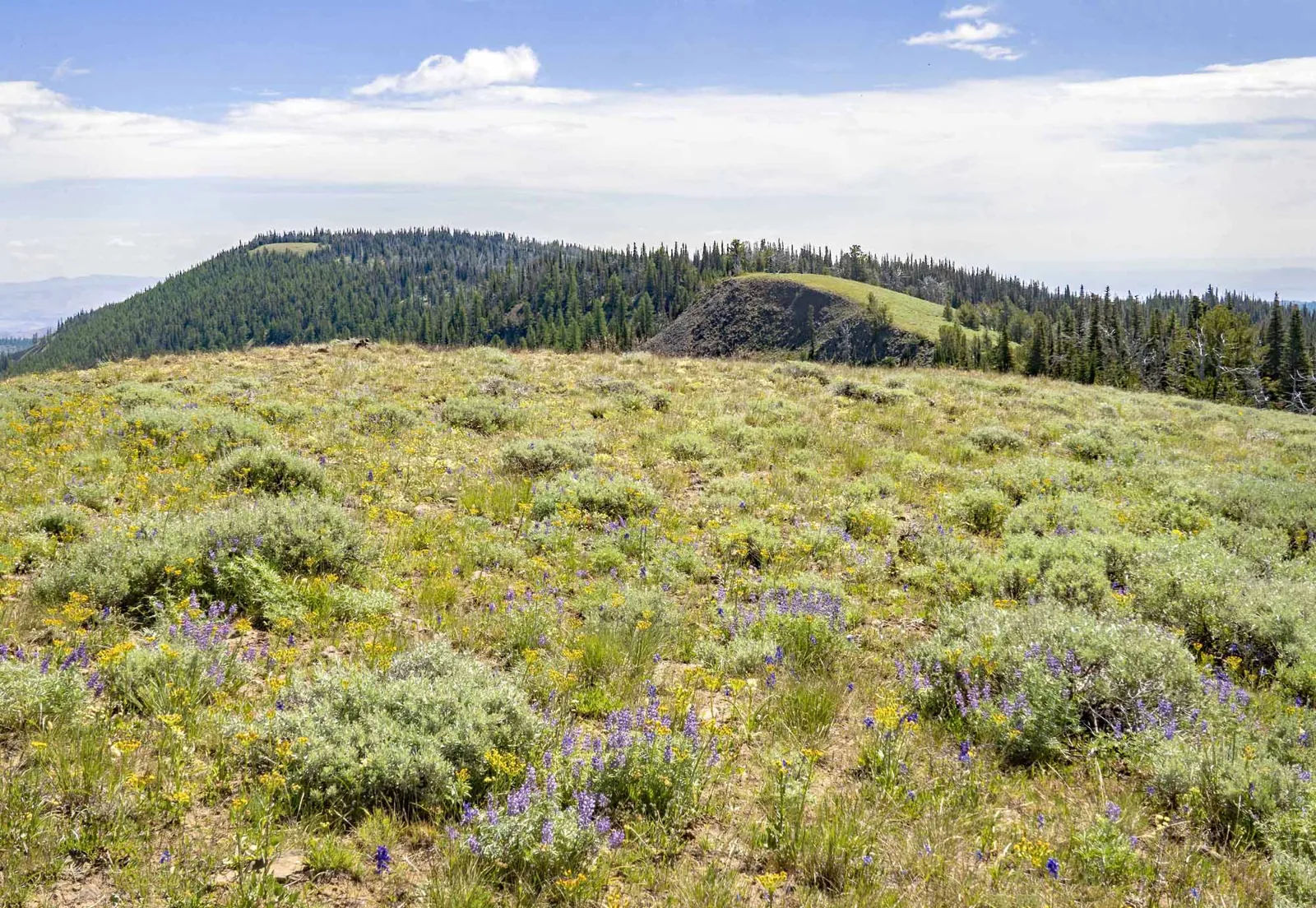
Higher sites generally collect more snow and keep it longer, and that is a good reason to read the parcel value on the permit and not assume the city's number. The county sets design snow load parcel by parcel, with engineering required above 70 psf. Yakima's snow comes mostly in December and January, and a site at 2,136 feet should be checked against its own design value.
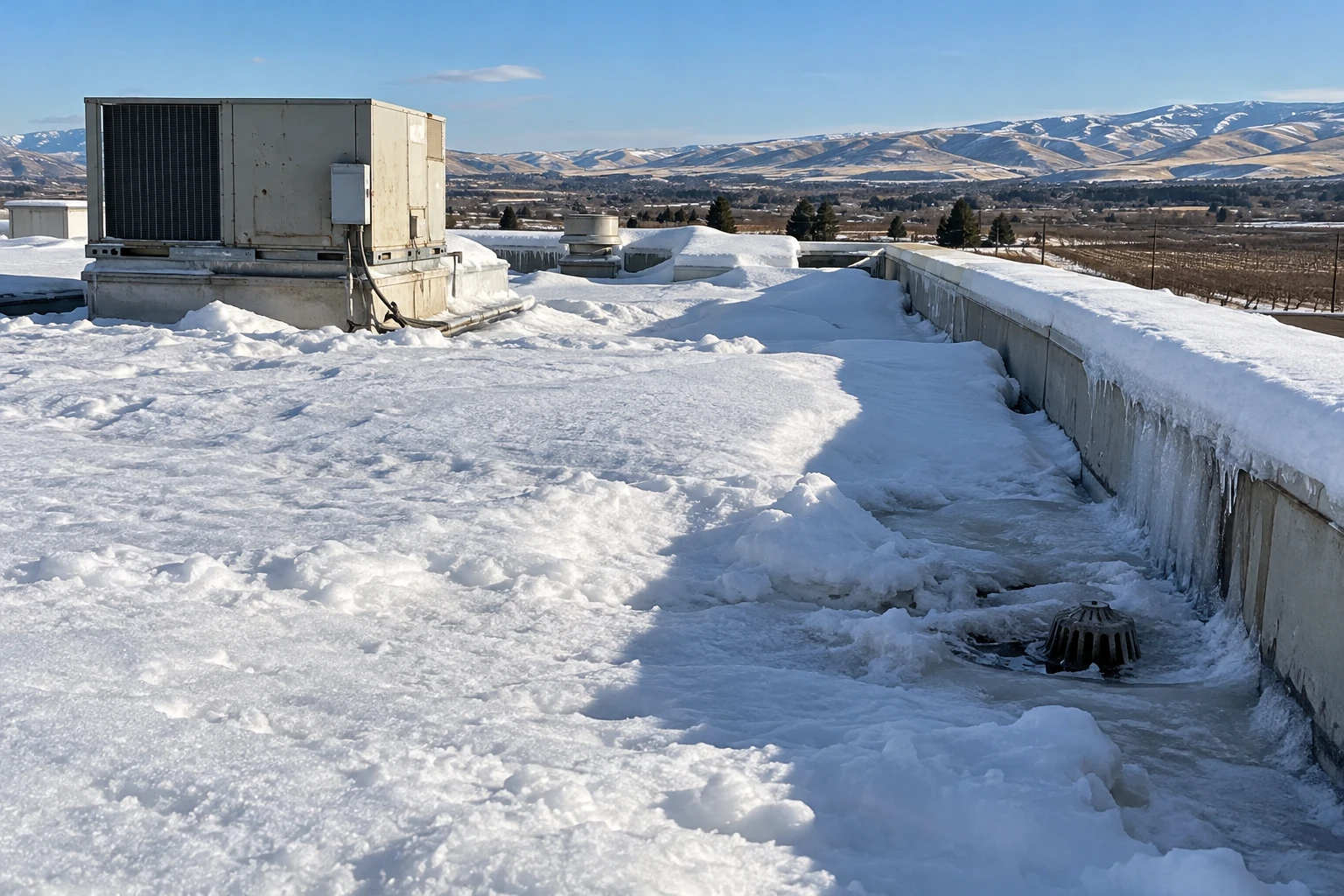
We mark drift zones at parapets, penthouses and changes in roof height, estimate the load from depth and density after a storm and plan clearing before the snow reaches a worrying weight. A snow and ice damage inspection after the thaw finds what the load did to seams, flashing and drains, and it looks for sag that held water.
Wind joins the picture on exposed ground. Open slopes give a gust little to slow it, and the first place it works is the edge. We check coping, fascia and drip edge before winter and again after any strong blow, since a cap that lifts in November lets snow and meltwater under the membrane all season.
Control Ice Where Meltwater Meets Cold Edges
Yakima has about 19 days a year with freezing highs, and its record low is minus 25 F. At higher elevation, the cycle of daytime melt and nighttime freeze can run longer. Ice forms where meltwater reaches a cold edge or a clogged drain, and it lifts coping, tears gutters and pushes water under laps.
Drains and scuppers get opened ahead of the first hard freeze, and we check that edge metal is fastened and look for air leaks into the roof edge that melt snow from below. When ice has already built, we clear drains with warm water or steam, never an open flame, and we work with plastic tools to protect the membrane. Fixing the source, whether it is insulation, air leakage or a missing drain, stops the cycle for the next winter.
Roof drains on a flat roof need protection of their own. A drain strainer sitting below a drift can be crushed, and one set slightly above the field passes more water. We replace worn strainers and mark the drain positions so crews clear them first after a storm.
Choose Metal Systems That Shed Snow and Resist Wind
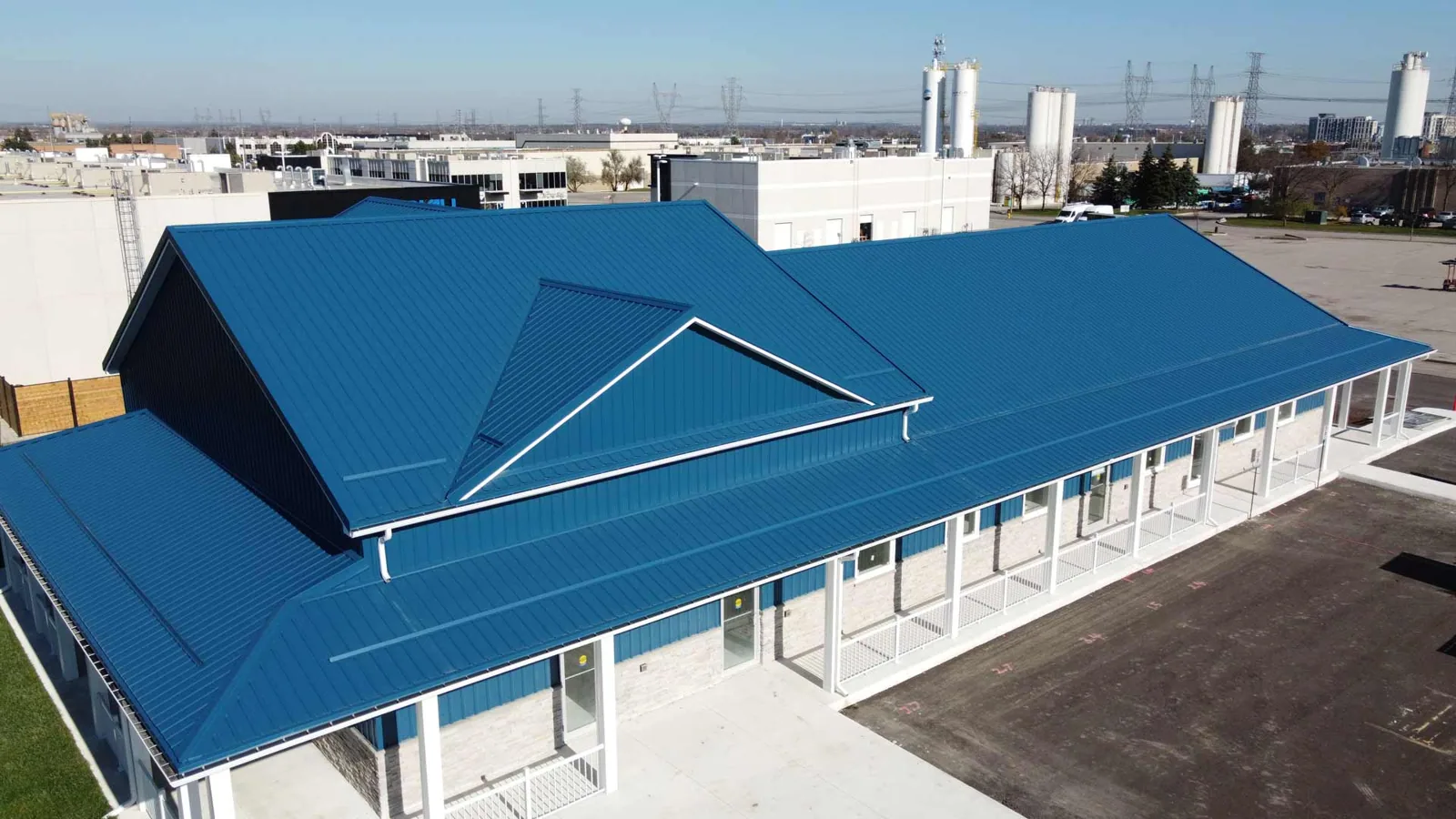
Metal roofs suit a snowy site when they are detailed for it. A standing seam roof has concealed fasteners and few paths for water, and the slope helps snow slide. Snow guards or retention systems hold it back where sliding would endanger people or equipment below. We size those for the load and the roof pitch.
Existing metal roofs get a different review. We look at fasteners, laps, clips and rust at cut edges, and we tighten, reseal and replace what has failed. The county's design wind speed is 110, and valley gales like the late-November 2019 windstorm test it. A loose panel edge is the start of a larger failure, so we fasten the perimeter first.
Respond Across 18 Miles Without Losing the First Hour
Distance matters when a roof is open. An emergency call from Tampico gets the same first-hour treatment as any other: we ask for the address, the location of the damage and what operates below, then dispatch a crew with materials for a dry-in. Roads in winter can be slow, so we load the truck for the likely repair and bring extra tarp, battens and fasteners.
To cut the number of emergency trips, we recommend a maintenance program built on two seasonal visits, one ahead of winter and one once the melt is done. Owners with properties in nearby Ahtanum or Wiley City can combine them on one route. Each visit produces a dated report with photographs, which makes the next storm response faster.
Materials are staged for the likely repair. Rolls of membrane, edge metal, sealant and fasteners ride in the truck, and the crew carries a plan for a temporary cover if the permanent fix has to wait for a warmer day. The goal is a watertight building by the end of the first visit, even when the final repair comes later.
Maintain Agricultural and Outbuilding Roofs With a Plain Standard
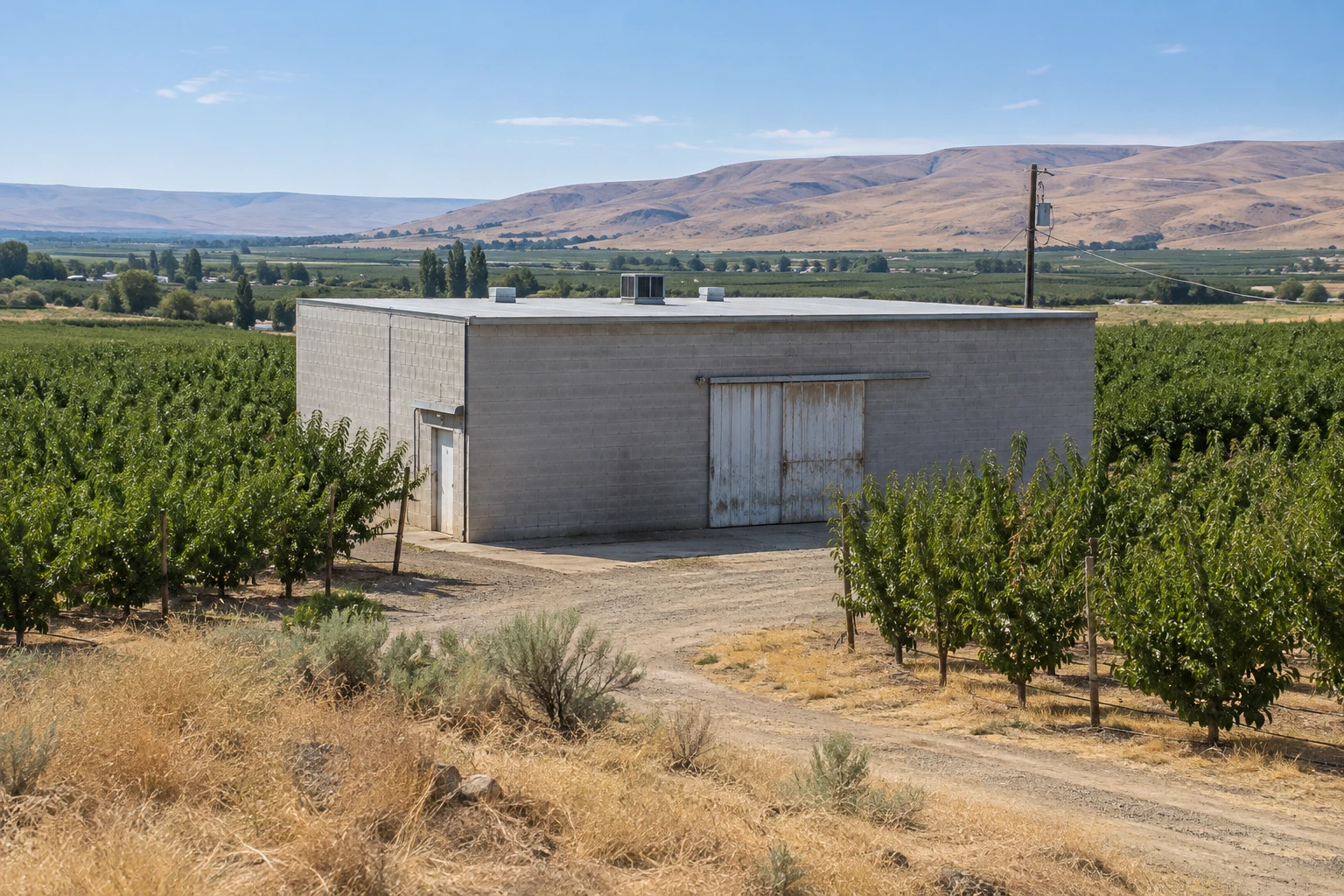
Hop farming's place in Tampico's history is a reminder that agricultural buildings and the roofs over them remain part of life in a community like this. Whatever a building holds, a roof over stored product, equipment or workers needs to stay watertight. On the first walk we look at the surface, the seams and laps, the flashing at openings and the drains, and we write down what we find.
A metal roof with sound panels may need only fasteners and sealant. The written report ranks each item as a patch, a fix or a watch item, with a price for each, so an owner decides with the facts in hand.
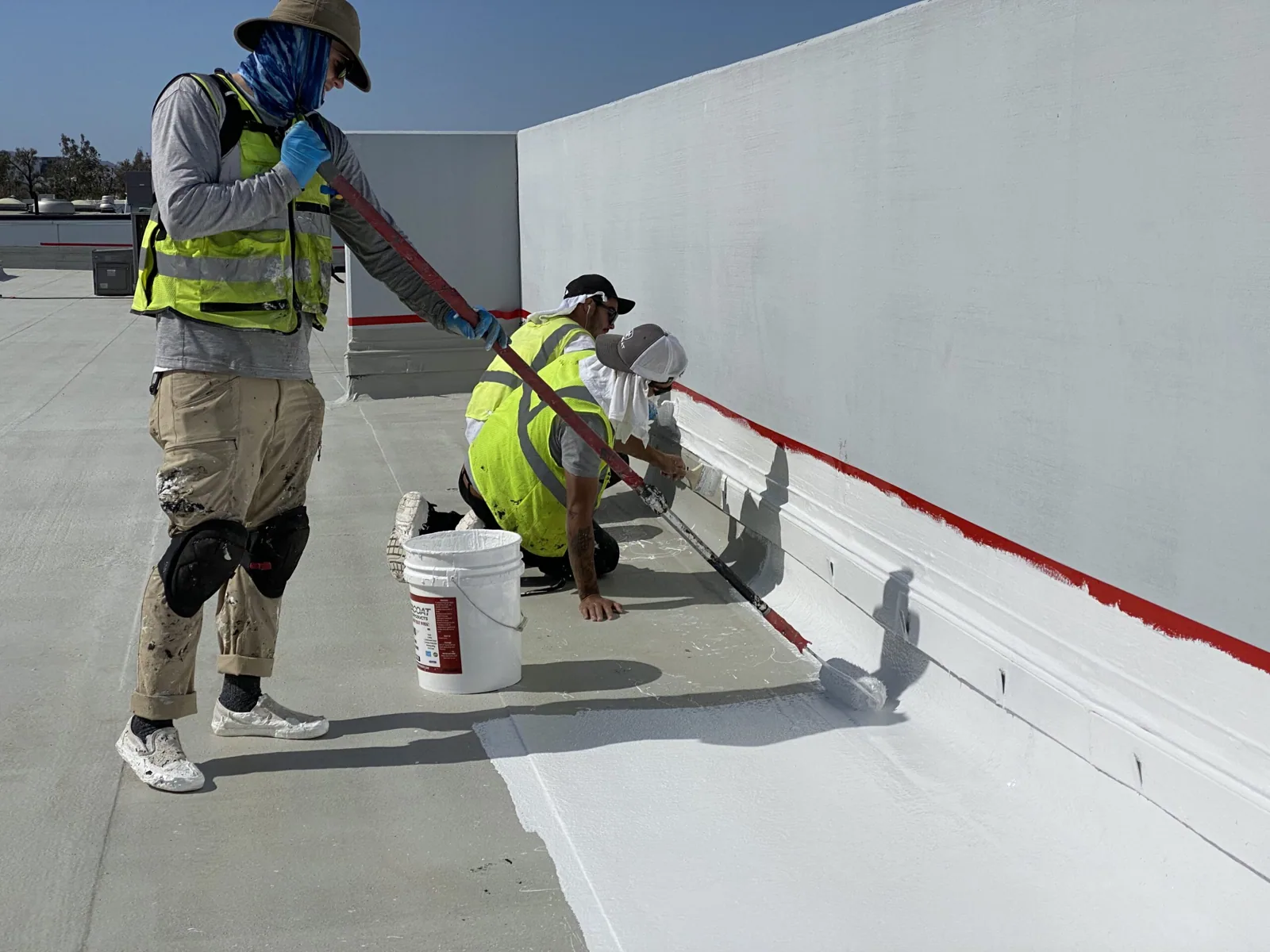
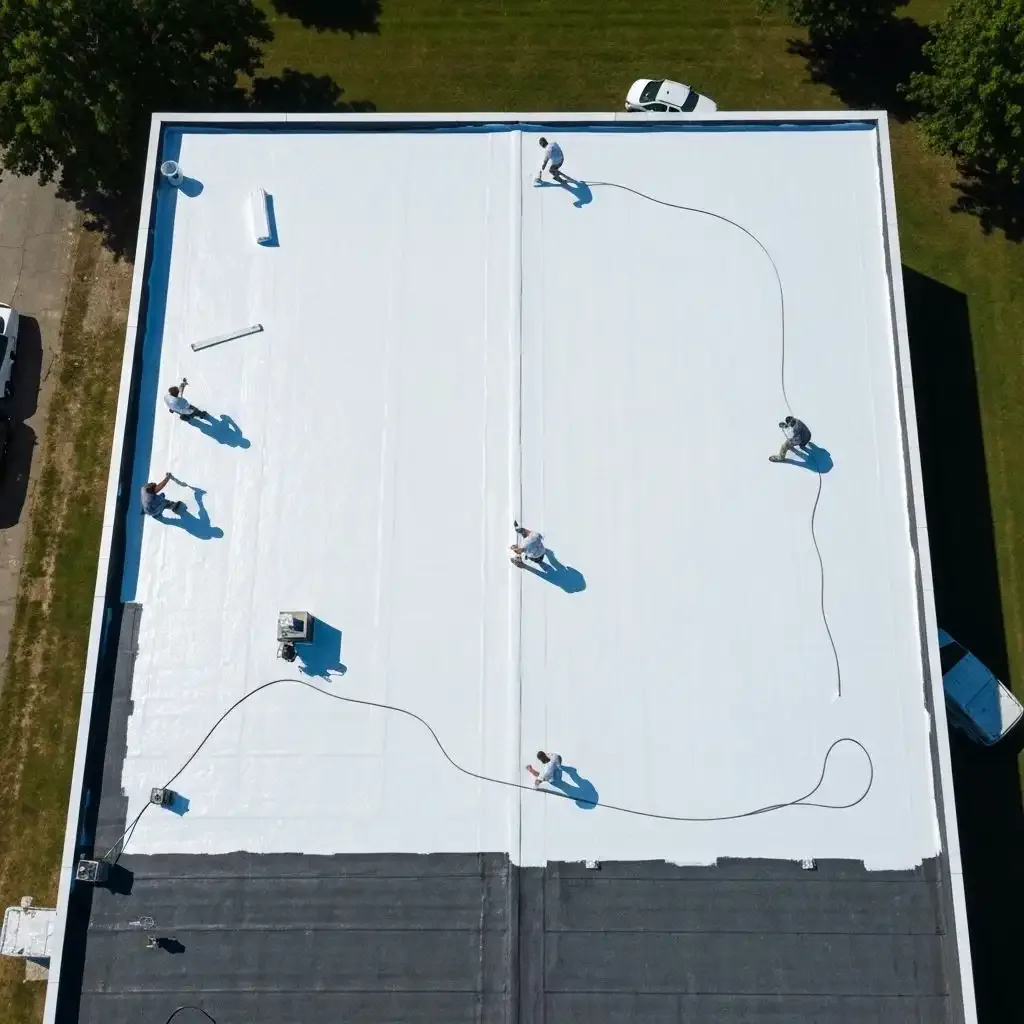
A dry roof with an aging surface may be a candidate for a coating that restores the surface without a tear-off. We check moisture first, since coating over wet insulation traps water and fails within a season.
Commercial Roofing Questions
Does a higher elevation change the roof design we should choose?
It changes the load and the weather the roof must handle. Snow stays longer and ice cycles can be harder, so we check the parcel snow load, the roof pitch and the drainage. Systems with concealed fasteners and good drainage tend to suit snowy sites well.
How do we keep ice from tearing the gutters off our building?
Ice pulls gutters down when meltwater refreezes in them. Heavier gauge material, closer hangers and a downspout that can pass a thaw help. We also look at insulation and air leakage at the eave, because heat escaping from the building is often what melts the snow.
A snow guard system seems expensive. Is it needed?
It is worth considering where sliding snow could hit a walkway, a door, a vehicle or equipment. On a low-slope roof it is less common. We look at the slope, the surface and what lies below before recommending anything.
How soon after a storm should the roof be inspected?
Once the snow is clear and the surface is dry, within days. Damage such as split seams and cracked flashing is easier to find then, and water has not had weeks to spread through insulation. A call right after the storm lets us plan the visit.
Can you coat a metal roof that is starting to rust?
Yes, if the metal is structurally sound. We remove loose rust, treat the surface, seal seams and fasteners and apply the coating. Panels that have rusted through must be replaced first. A close look at the fasteners and the underlap tells us which kind of roof you have.