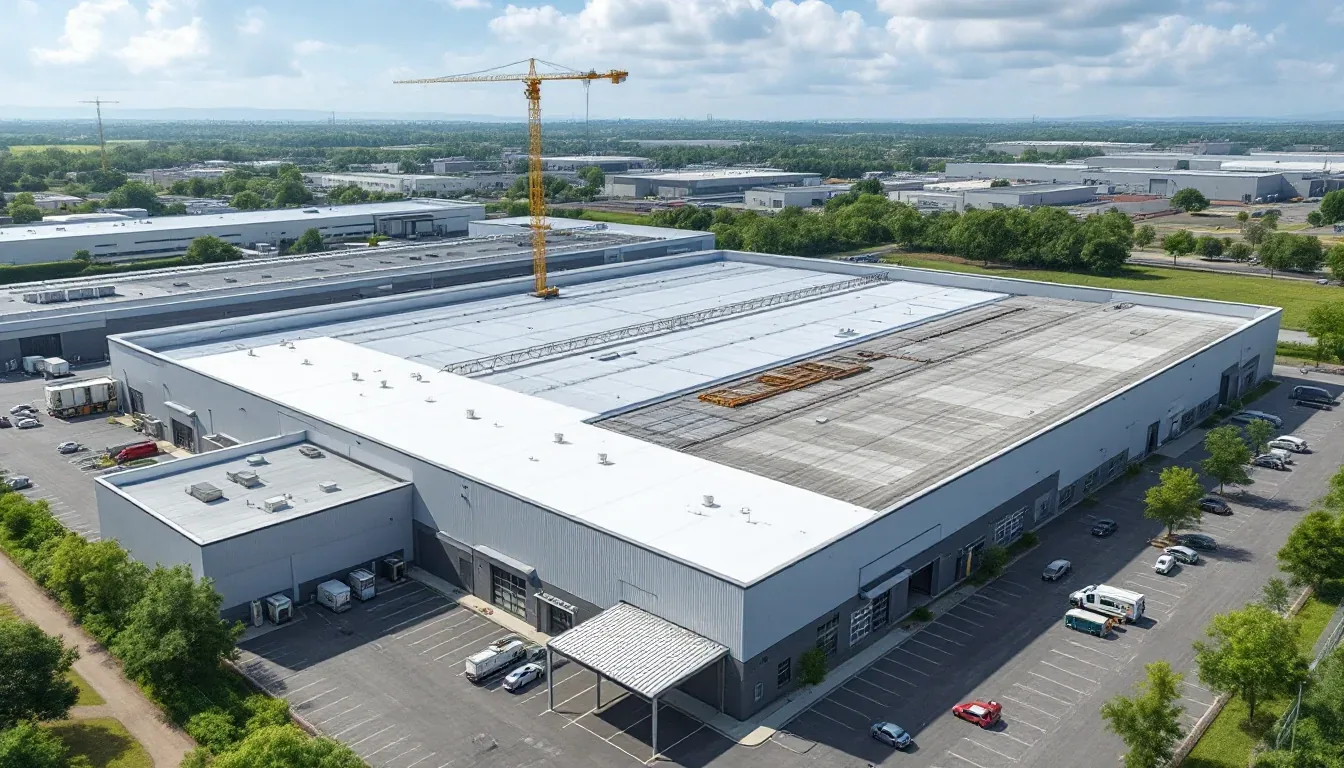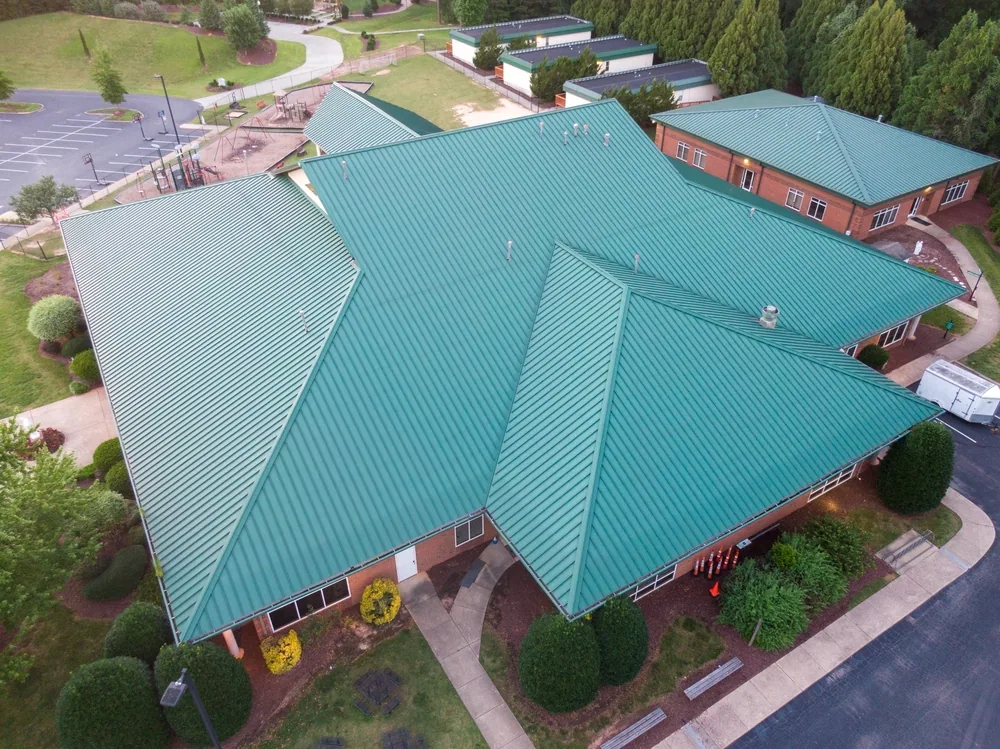
A plant engineer calls on a cold January morning because the ceiling over the cold room is sweating and the compressor has not stopped since Friday. Dispatch asks what sits between the membrane and the deck. Insulation does two jobs in Yakima, WA: it holds the building's temperature through winters that dip to minus 25 F and summers that reach 113 F, and it gives the membrane a firm, flat base to sit on. When it gets wet, compressed or crushed, both jobs fail at once. Cover board, the thin rigid layer between insulation and membrane, is how a roof protects the insulation from foot traffic, falling debris and drifted snow.
Meet the Energy Code Before You Choose the Thickness
Washington moved to its 2021 code editions on March 15, 2024, and the commercial energy provisions in WAC 51-11C set minimum insulation values for roofs above deck. A reroof that disturbs the roof assembly may trigger those requirements, so we confirm the target value early.
Thickness has consequences beyond energy. A thicker stack raises the roof surface, which means taller curbs and flashing, higher parapet terminations and a heavier dead load on the structure. We tally those downstream costs in the scope so the decision is not made on the insulation price alone.
Choose the Insulation for the Load and the Moisture It Will See
Polyisocyanurate is the common choice for above-deck insulation because it offers high thermal value per inch and a rigid facer. Extruded polystyrene suits wet or high-compression locations. Mineral wool resists fire and holds shape under heat. Each has strengths, and each has a weak point. Polyiso loses some of its value in extreme cold, which matters in a market with hard freezes, so we account for that in the design.
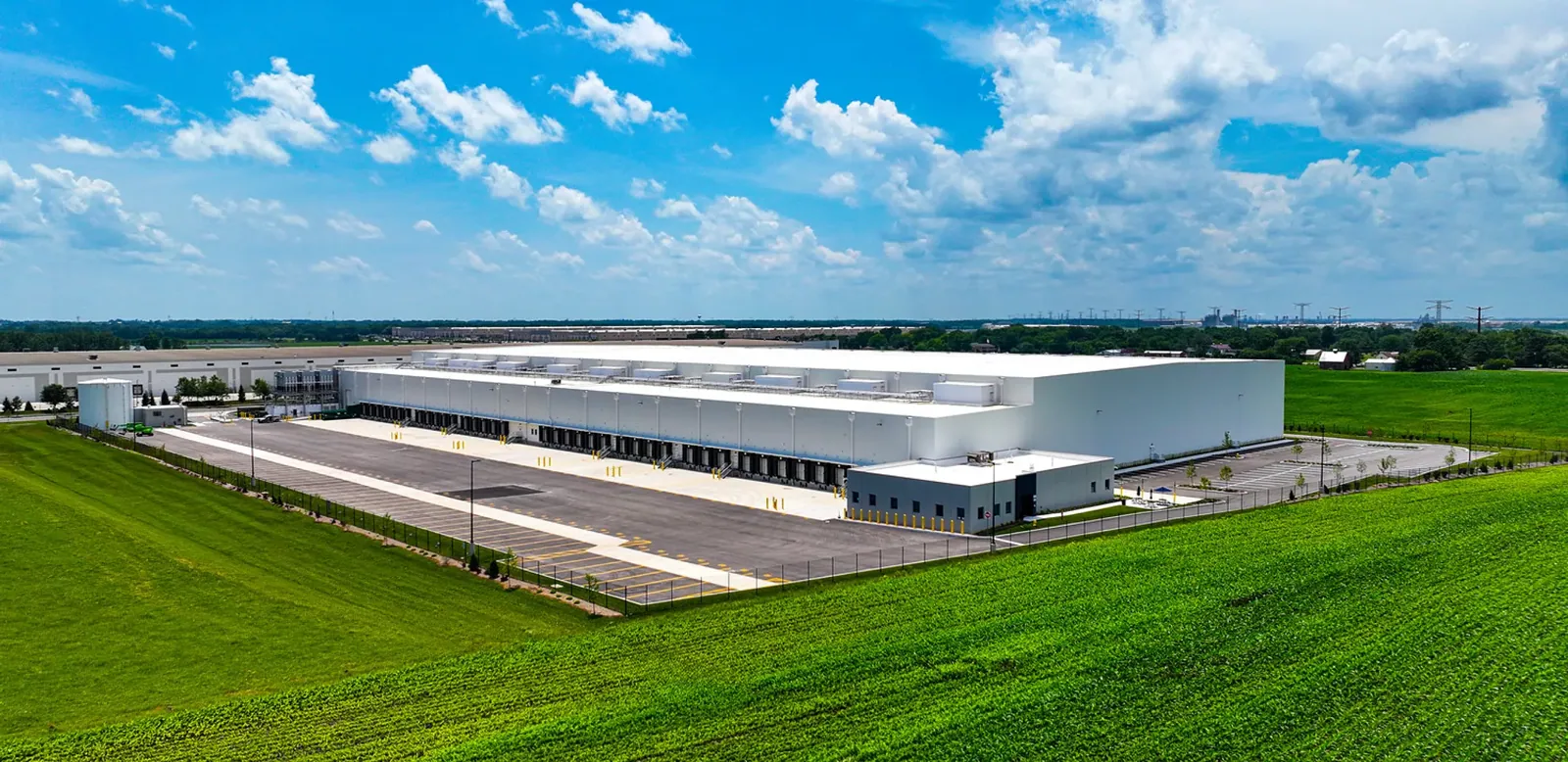
For roofs over refrigerated space, vapor control becomes critical. Warm moist air moving upward into cold insulation condenses, and wet insulation loses its value fast. Processing plants and cold storage facilities in Grandview need a vapor retarder placed with care, and we coordinate its location with the cold storage roof design.
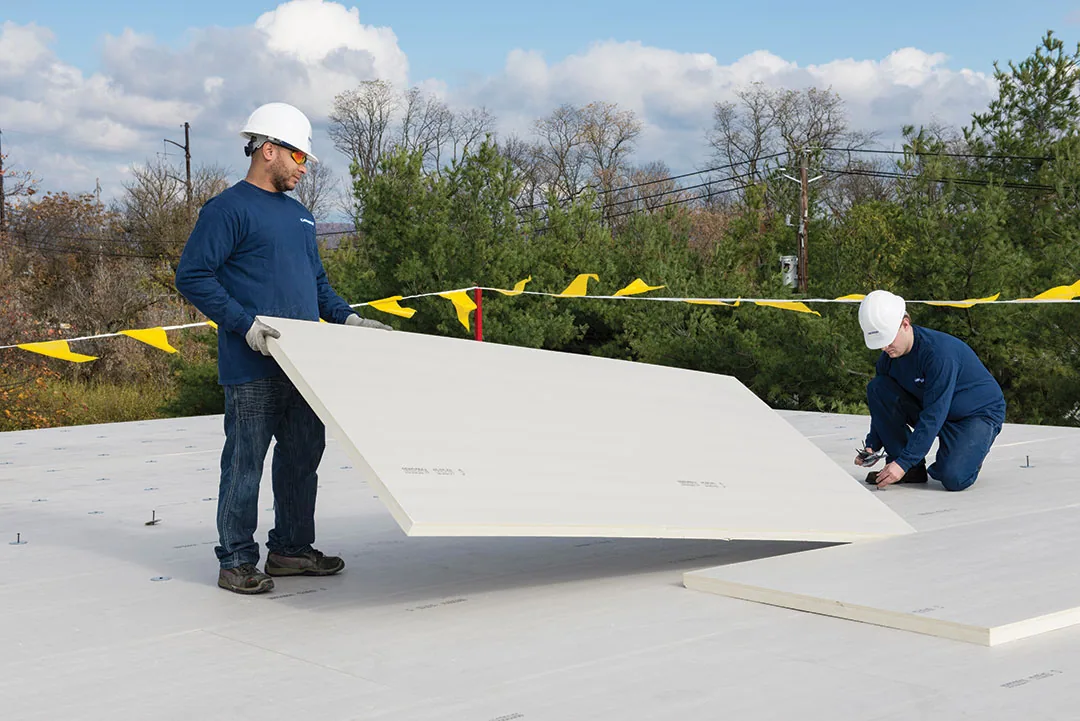
Layering matters as much as the material. Two staggered layers of thinner board, with joints offset, reduce heat loss at the seams and make the stack more forgiving of small deck irregularities. Single thick boards are faster to install and cost less in labor, so we compare both layouts for each roof.
Taper the Insulation to Move Water Off the Roof
Tapered insulation creates slope on a flat deck. Panels cut at a gentle angle, arranged in a layout drawn for the specific roof, direct water to drains and scuppers and eliminate the low spots where it ponds. On a recover or a replacement, it is the best chance to correct drainage that was never right.
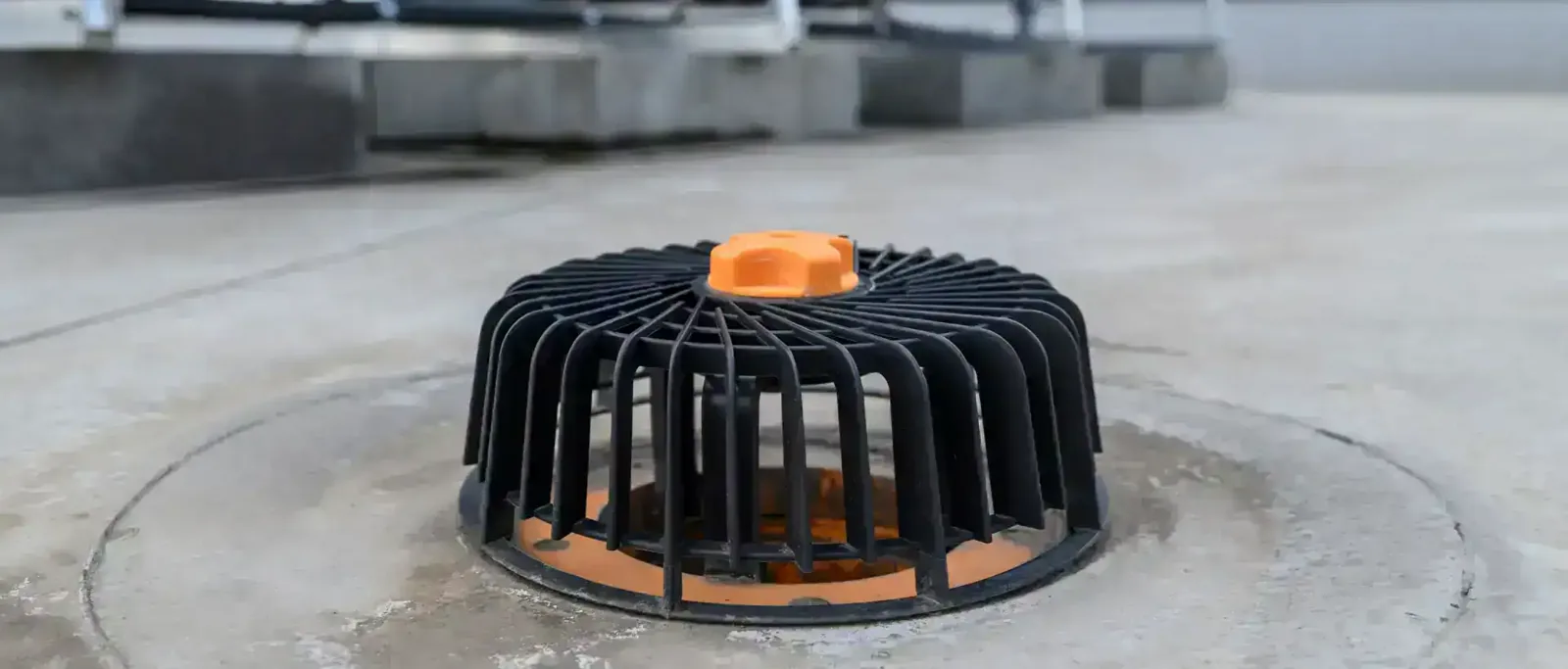
A taper plan starts with a survey of the existing deck and the position of every drain. The layout maps panel thickness at each point, and crickets are built behind curbs and equipment. If the structure has deflected under snow load, the taper fills the low area and restores flow. The drains and scuppers work on a roof often depends on getting the tapered layout right.
Panels arrive numbered and are laid to the plan, so crews do not have to improvise slopes in the field. Once a taper is in place, it also gives us a clean place to terminate flashing at every curb and wall.
Put Cover Board Where Traffic and Drifts Work the Surface
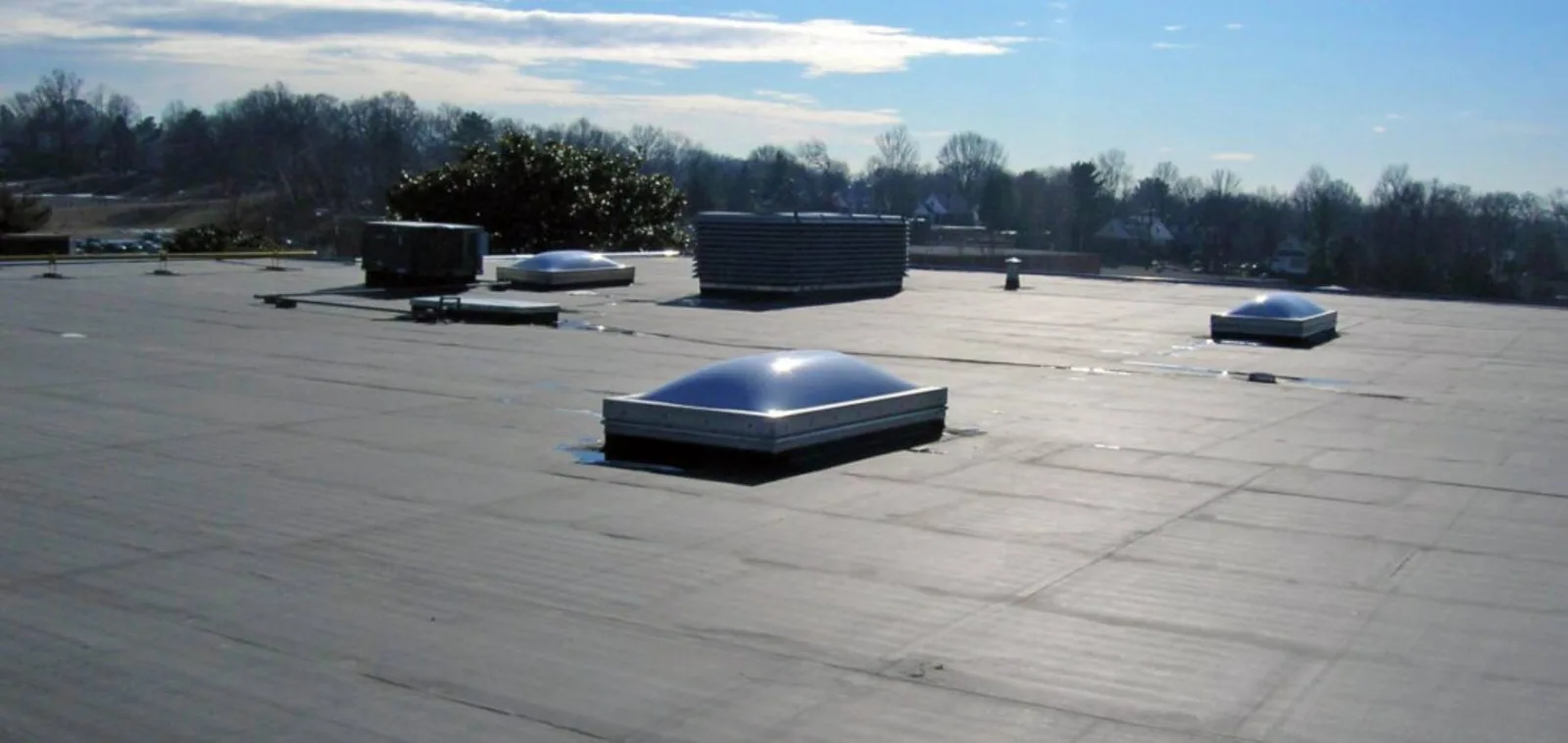
A cover board is a rigid panel, usually gypsum-based, high-density polyiso or fiber, laid over insulation to give the membrane a harder face. It resists punctures from foot traffic, supports adhered membranes, improves fire performance in some assemblies and spreads point loads. It earns its keep on roofs with frequent service access, such as rooftop equipment platforms or walkways between units.
Where snow is cleared by crews with tools, the cover board adds a margin against accidental damage. Officials warned after the February 2019 South Third Avenue red-tag that shoveling flat membrane roofs can cause leaks, and while we clear with plastic tools, a firm substrate lowers the risk. Cover board is also the layer that keeps a mechanically attached or adhered membrane from picking up the texture of the insulation underneath.
Find the Wet Insulation Before You Cover It
Any plan to add a layer rests on whether the existing insulation is dry. We use an infrared moisture survey, then core samples, to find saturated areas. Wet insulation does not dry reliably under a new membrane, and it makes the roof heavier, which matters in a county where snow load runs parcel by parcel, from 20 psf to well over 200 psf.
When the survey shows wet areas, we cut out and replace only what is wet if the rest is sound. When it shows saturation across most of the roof, a recover is the wrong move, and the answer becomes a full replacement with the reasons written into the report. Compressed insulation, which has been crushed by years of foot traffic or equipment, gets the same treatment because it has lost thermal value even when dry.
Fasten and Adhere for the Gust
Insulation is held down by mechanical fasteners, adhesive or ballast. Yakima County uses a design wind speed of 110, and the attachment pattern has to resist the uplift that wind creates, especially at corners and perimeters, where the fastener density rises. We follow the manufacturer's published patterns, increase them along the edges and confirm that the deck can hold the fasteners we plan to use. The 2019 pre-Thanksgiving gale reached 53 mph in Sunnyside, and a roof with a loose edge is the first thing a gust finds.
Ballasted and adhered systems each pose their own questions. Ballast adds dead load, which counts against the snow allowance on the roof, and adhesive needs a dry surface and a minimum temperature to cure. Because Yakima has a short cold-weather window, we plan insulation work for the warm months and keep materials covered on site until they are laid.
Commercial Roofing Questions
Can we add insulation without replacing the membrane?
Sometimes, if the roof is dry and sound enough to accept a recover system. We place new insulation and cover board over the existing membrane and install a new membrane above. Roofs with wet insulation, multiple prior layers or a weak deck are poor candidates, so we test first.
Does a tapered system cost much more than flat insulation?
It costs more for design and for the added panels, and the difference depends on the area and the amount of slope needed. Against that, a roof that drains avoids ponding damage and early membrane failure. We price flat and tapered options side by side.
What is the difference between cover board and a thicker insulation layer?
Insulation provides thermal resistance, and cover board provides surface strength and a better substrate for the membrane. Adding thickness does not protect the membrane from punctures, and a cover board adds little thermal value. Many assemblies use both.
Our cold storage roof has frost on the ceiling inside. Is that insulation?
Frost under a cold room ceiling usually means warm moist air is reaching a cold surface, which can come from a missing vapor retarder, an air leak at a penetration, or wet insulation. A moisture survey and a look at the interior ceiling tell us which. The fix may be as small as sealing a gap or as large as replacing a section.
How long does insulation last compared with the membrane?
Dry insulation can outlast several membranes, which is why a good recover or reroof keeps it where it is sound. Moisture, compression and age are what shorten its life. We measure condition during the survey and record the thermal value that remains.