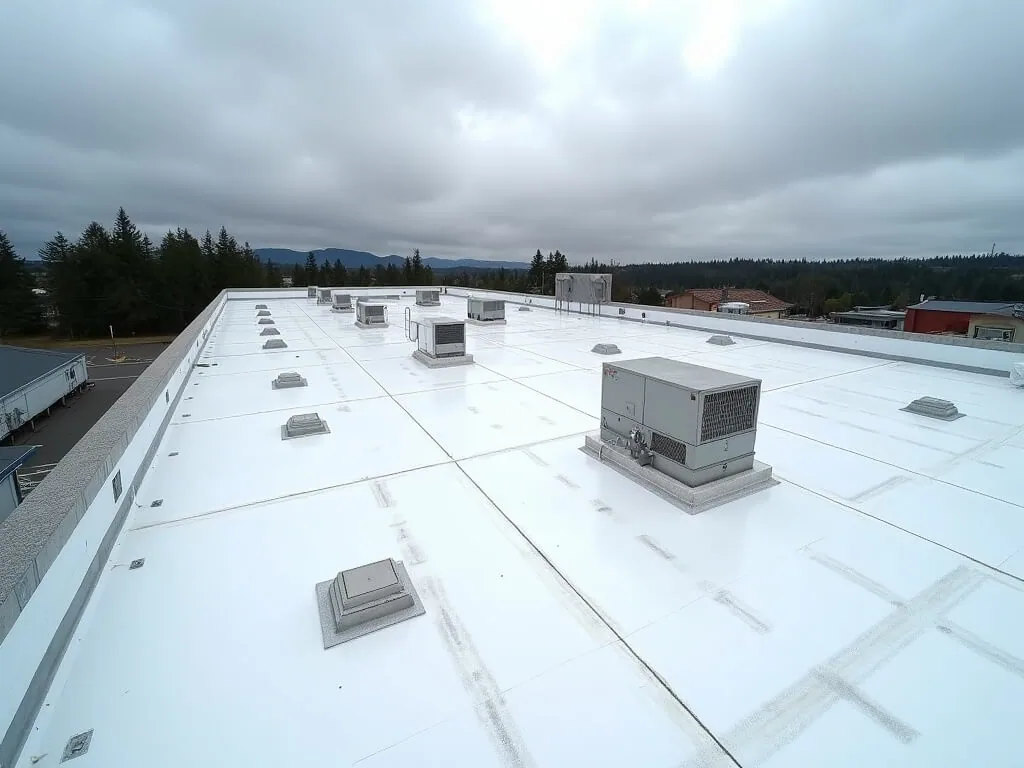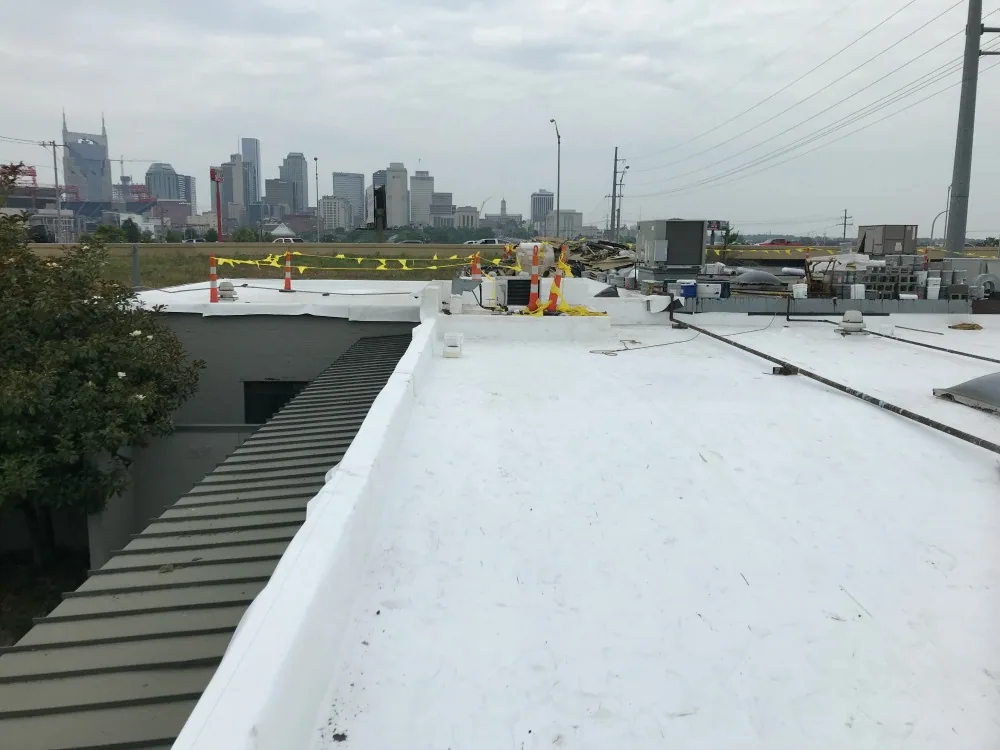
Spring inspection photos land in a property manager's inbox, and the one that stops the scroll shows a leaf-packed scupper with a stain fanning out below it on a white sheet. The note that comes with it names the manufacturer, Versico, and dispatch asks one thing: how does water leave this roof? Versico is a single-ply roofing maker whose commercial systems cover EPDM rubber, TPO and PVC thermoplastic membranes, along with the insulation and accessories that go under them. In Yakima, WA, where snowmelt lingers in low bays and cold nights refreeze drains, the answer to that question decides how long the membrane lasts.
We install, repair and maintain these categories of single-ply roof. With the label, the roof age, any drainage plan and the permit's design snow load, we can walk the roof with a level and tell you where the water goes.
Follow the Water Off the Roof
A flat roof is not flat. It is a slope of a quarter inch per foot or less, built from the deck, tapered insulation or the structure itself, aimed at drains and scuppers. When a bay deflects under snow, or a drain sits above the surface, the slope fails and the water stays. A single-ply sheet can survive a puddle, but standing water adds load and collects grit that wears at the seams.
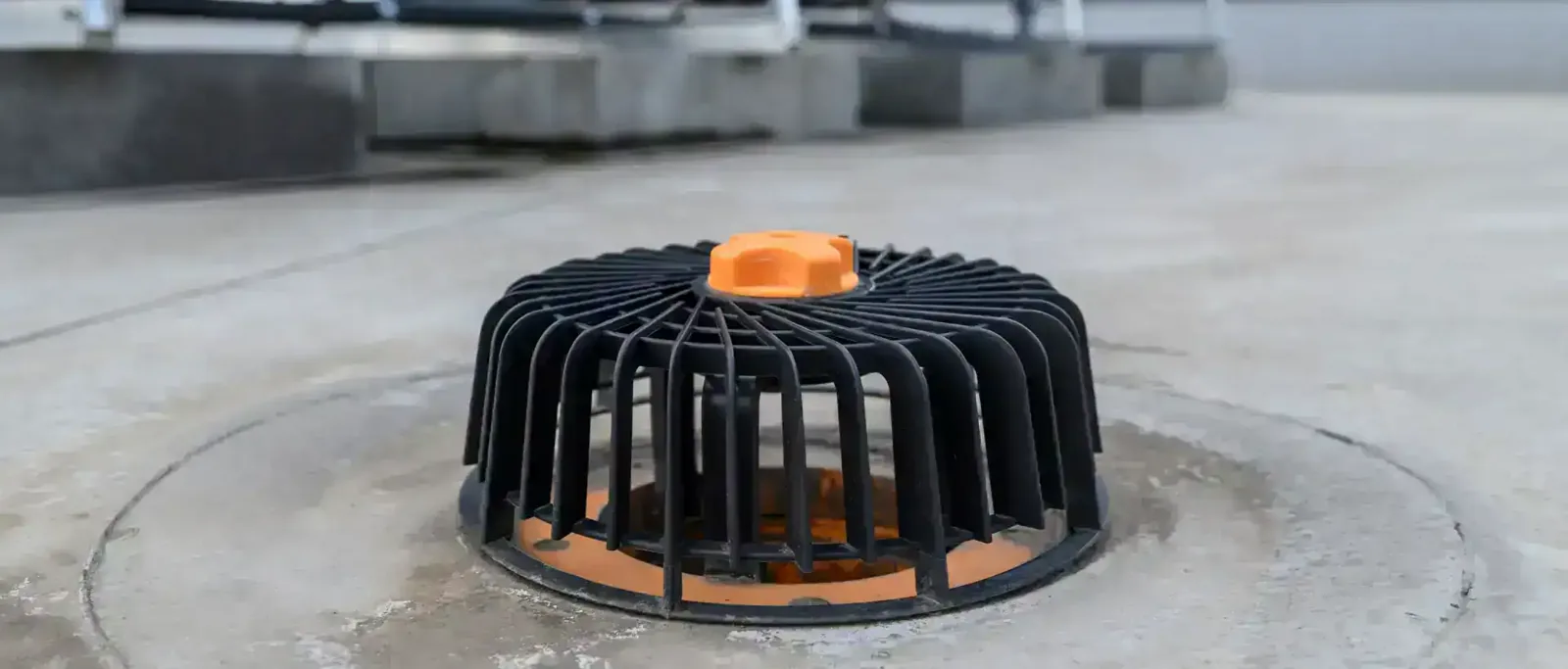
We measure the slope with a level and a string line, mark each pond on a roof sketch and trace the path from the pond to the nearest drain. On a dry day we sometimes run a hose from the high point and watch where the water goes, which shows blocked paths and false slopes faster than any drawing. Photos of each pond, with a tape measure for scale, go into the report. The fix may be a cleaned drain, a new sump, tapered insulation or a crickets-and-saddles layout around a curb. The drains themselves need attention, since leaves, fruit debris and ice block them. Our roof drains and scuppers visits clear each one and check the connection to the pipe.
Taper the Insulation to Correct the Slope
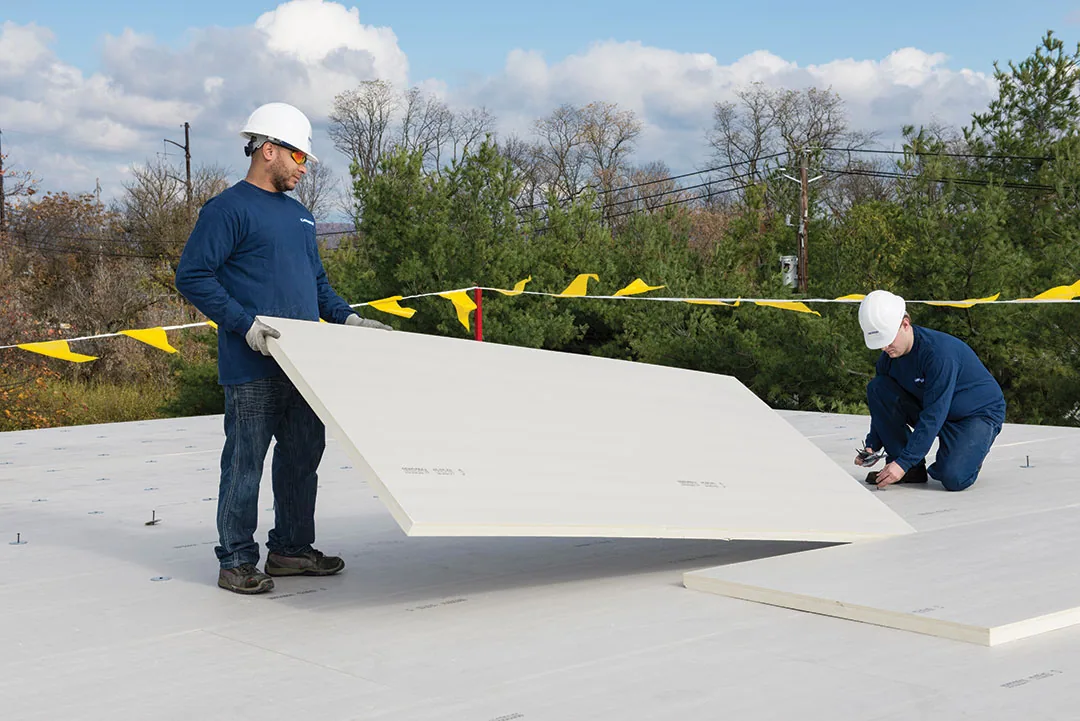
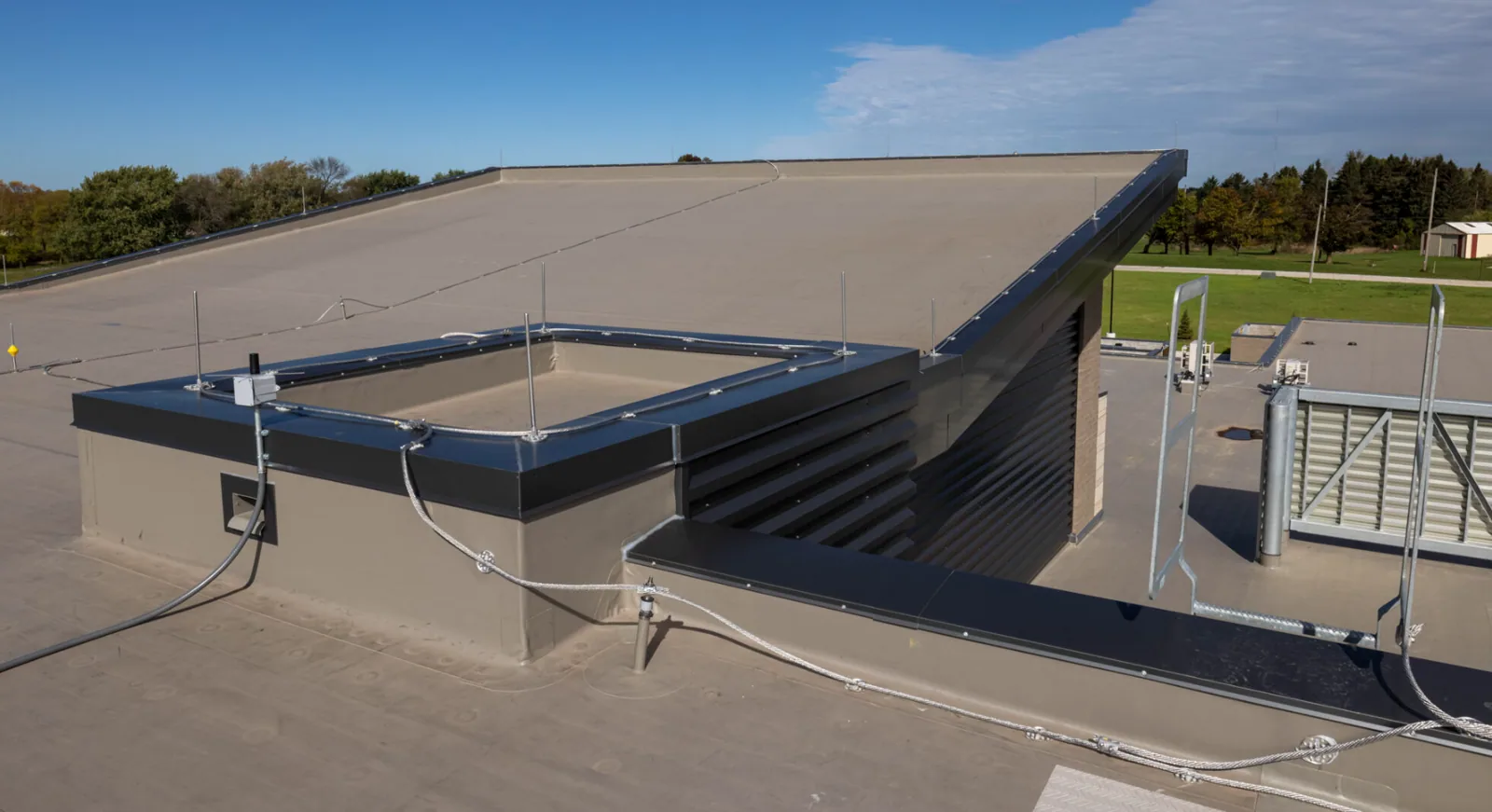
Tapered insulation is cut in wedges that add slope across the deck. On a replacement, it removes ponds that the old roof carried. On a recover, it can add slope over an existing roof, as long as the added thickness fits the parapet and the structure. The layout is drawn before the order, because every wedge is cut to a plan and a wrong board shows up as a ridge. Crickets, the small peaked boards behind curbs and penthouses, split water around obstructions, and saddles bridge the low line between two drains. Without them, the water that sheds off a rooftop unit's curb pools right behind it, which is where many repeat leaks begin.
A cover board and insulation layer also protects the membrane from foot traffic and hail. We fasten or adhere it according to the wind zone, and the county's design wind speed is 110. Extra weight from thick insulation counts against the parcel's design snow load, so the engineer's number goes on the drawing.
Pick the Family That Suits the Building
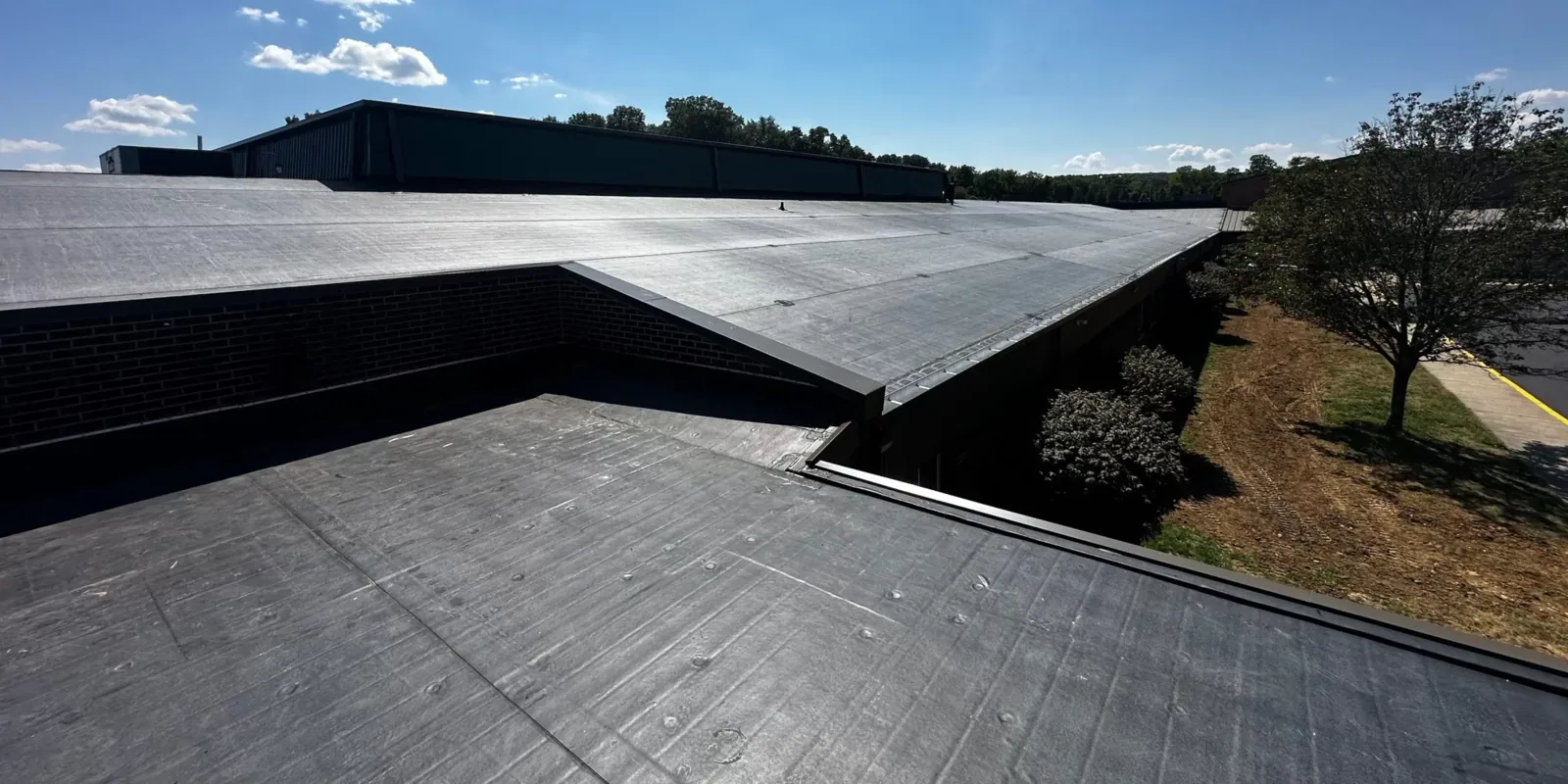
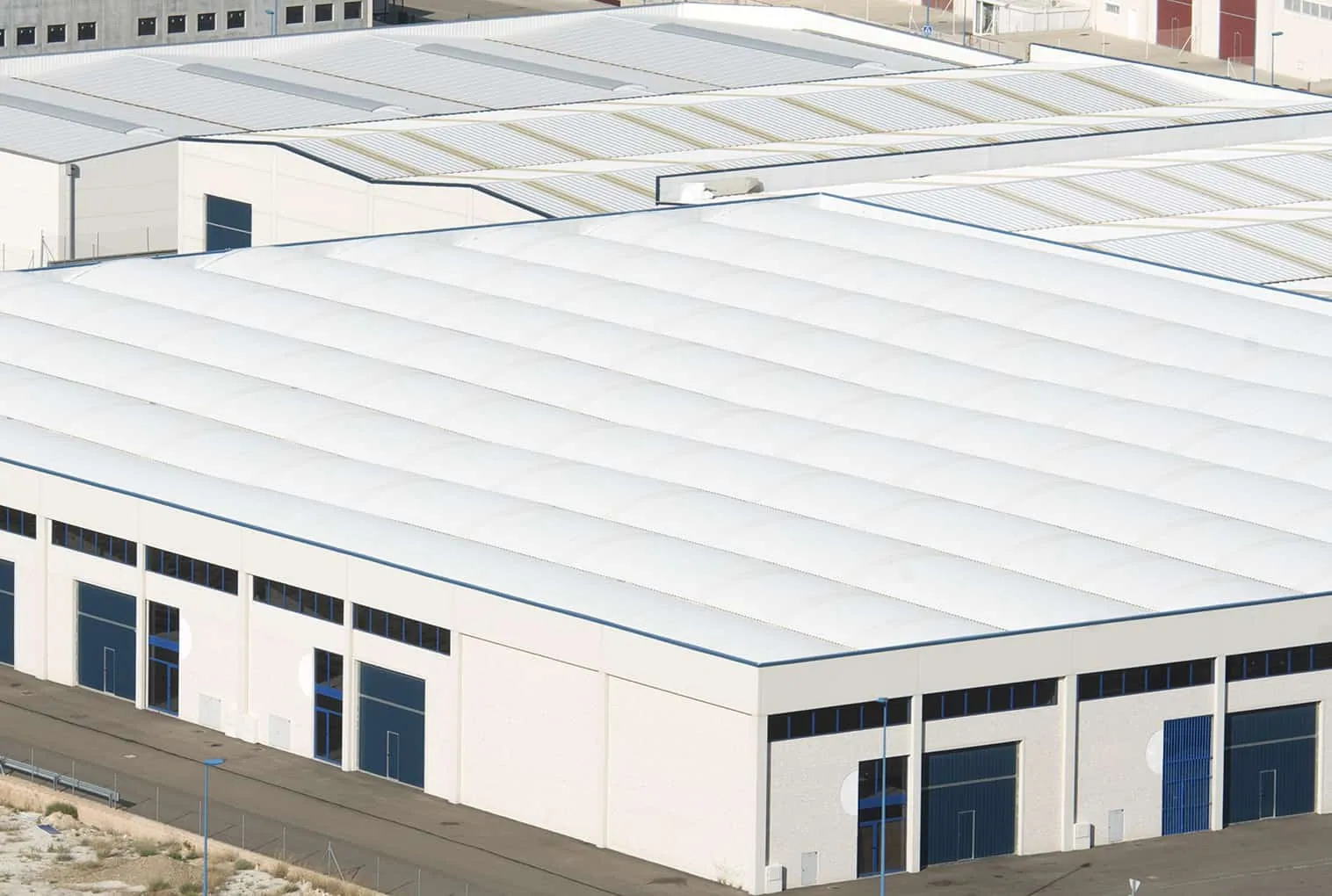
Single-ply membranes come in three families. EPDM is rubber with taped or adhered seams and good cold flexibility. TPO is a white thermoplastic with welded seams, popular for reflectivity. PVC is a thermoplastic with higher resistance to grease and chemicals. Each can be fully adhered, mechanically attached or ballasted.
The swing from minus 25 F on record to hot summer afternoons favors careful detailing over any one choice. We leave slack at corners, reinforce penetrations and fasten the perimeter heavily. Another maker such as Carlisle SynTec makes comparable sheets, so the choice comes from the building and the budget.
Protect the Roof Through the Snow Season
Snow comes off with plastic tools and a protective layer stays down. Before any clearing, we check the ceiling inside for sags and the doors for sticking.
Drains are a winter job too. Ice forms in the bowl, and meltwater from the next sunny afternoon backs up behind it. We open drains after a freeze and look at the pipe connections. Where a drain sits over a heated space, condensation on the pipe can drip into the ceiling and look like a leak, so we check the pipe wrap and the clamping ring at the same visit. A valley gale like the one in late November 2019 also leaves leaves and debris in drains, and a post-storm clearing is a short job that prevents a long one. For a plant near Zillah or a store in Union Gap, a short winter checklist, with who clears what and who calls us, prevents the usual surprise.
Keep a Record of Every Repair
A roof record lists each repair: date, location, cause, material and photo. Over time it shows patterns, such as a flashing that fails each spring or a drain that backs up each thaw. A pattern that repeats three seasons running is no longer a nuisance; it is a design problem, and the record is the evidence that justifies the larger fix to the owner, the lender or the board. The pattern tells you whether to repair again or to rebuild the detail.
The record also helps with the next owner or lender. A buyer reading a clean file knows the roof was cared for. We provide the record after every visit, and for a campus with several buildings, the Duro-Last and other makers' roofs on the same property go into the same table, ranked by risk and remaining life.
Commercial Roofing Questions
Why does water stand on my single-ply roof a week after the snow melts?
The slope is too flat, a drain is blocked or set high, or the deck has deflected under past snow load. We measure the roof with a level, mark the ponds and trace the cause. The fix may be a drain cleaning, a sump or tapered insulation. Standing water adds load, so it is worth correcting.
Can tapered insulation be added over an existing roof?
It can, if the old roof is dry, the deck is sound and the added height fits the parapets, curbs and flashings. The added weight must fit the design snow load. We check each limit, draw the layout and price the work with and without the tapered layer, so the owner sees what the slope costs and what the ponds cost if left alone.
What is the difference between a drain and a scupper, and why do both matter?
A drain takes water down through a pipe inside the building. A scupper is an opening through a parapet that lets water out. Many roofs have both, with scuppers as overflow. If drains block, scuppers keep water off the roof. We check that both are open and that the overflow sits at the right height.
Does ice at a drain damage the membrane?
Ice expands and can stress the drain body and the flashing around it. Water backs up and finds a weak seam. We clear ice carefully, without picks, and check the clamping ring and the flashing. A drain with repeated ice trouble may need heat tracing or a different location.
How do I decide between a recover and a tear-off for a single-ply roof?
The moisture scan decides. If the insulation is dry, the deck is sound and the snow load allows the weight, a recover saves cost and downtime. If the insulation is wet or the old sheet is badly shrunk, the roof comes off. We price both and show the findings.