A facility manager standing under a pool-hall ceiling on a January morning sees drops forming on the underside of the deck, and the first question dispatch asks is not about the roof surface. It is whether the drops are condensation or a leak. In a valley where highs stay below freezing about 19 days a year, a warm, wet room under a cold roof sweats, and the sweat can look exactly like a leak. Keep members out from under the drips and leave the roof alone until we sort the source.
Send the facility address, the plan of the pool, court and locker areas and the spaces that cannot close.
Tell Condensation From a Leak Before You Open Anything
A natatorium or steam room pushes moist air toward a cold deck, and a failed vapor retarder or a missing seal at a penetration lets that moisture reach insulation and metal. Condensation drips look like a roof leak, but they appear on cold, dry days with no water outside, and they follow the temperature, not the rain.
We test with a thermal scan from the interior, a moisture meter and a water test from the roof. If the source is vapor, the fix is a vapor retarder, a sealed penetration or a ventilation change, not a new membrane. If the source is water from outside, we trace the flashing. Saying which one it is saves a client from paying for the wrong repair.
Prevention beats repair. A pool hall wants a continuous vapor retarder, sealed penetrations and steady air movement across the underside of the deck. Locker-room exhaust that vents into the attic instead of through the roof feeds the same problem. We trace each duct to its outlet and seal any that end short. A fix to the airflow can save a roof that looked ready for replacement.
Respect the Long Span and the Light Deck
Gyms and courts need big clear spaces, so their roofs span long distances on trusses, beams or joists. Snow load is set parcel by parcel, and a gym that spans wide needs its drawings read before the first snow. A long, light roof reacts to snow that piles against a taller wall or a mechanical enclosure.
Staff should not shovel flat membrane roofs, because steel cuts the sheet and a long span reacts to uneven loads. If a court door sticks or a ceiling tile drops, close the court and call. Plastic tools clear it, a protective layer stays on the sheet and we check for deflection under the heaviest drift. A new unit swapped for an old one may weigh more, and a curb moved a few feet can land on a thin spot. Ask us before the mechanical contractor sets a heavier unit, and keep the weight data on the roof map.
Plan for 40 Hot Afternoons and Heavy Cooling Loads
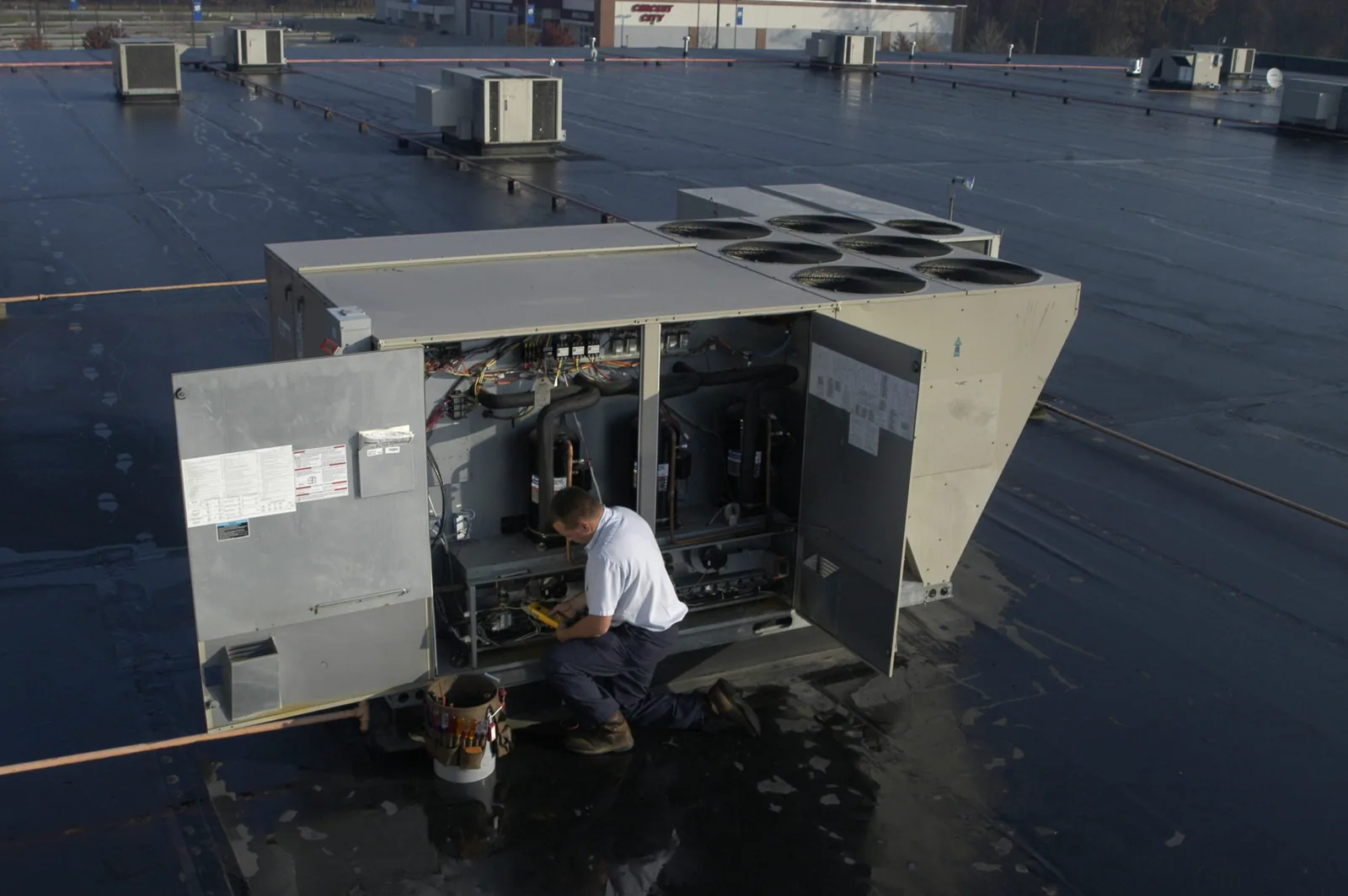
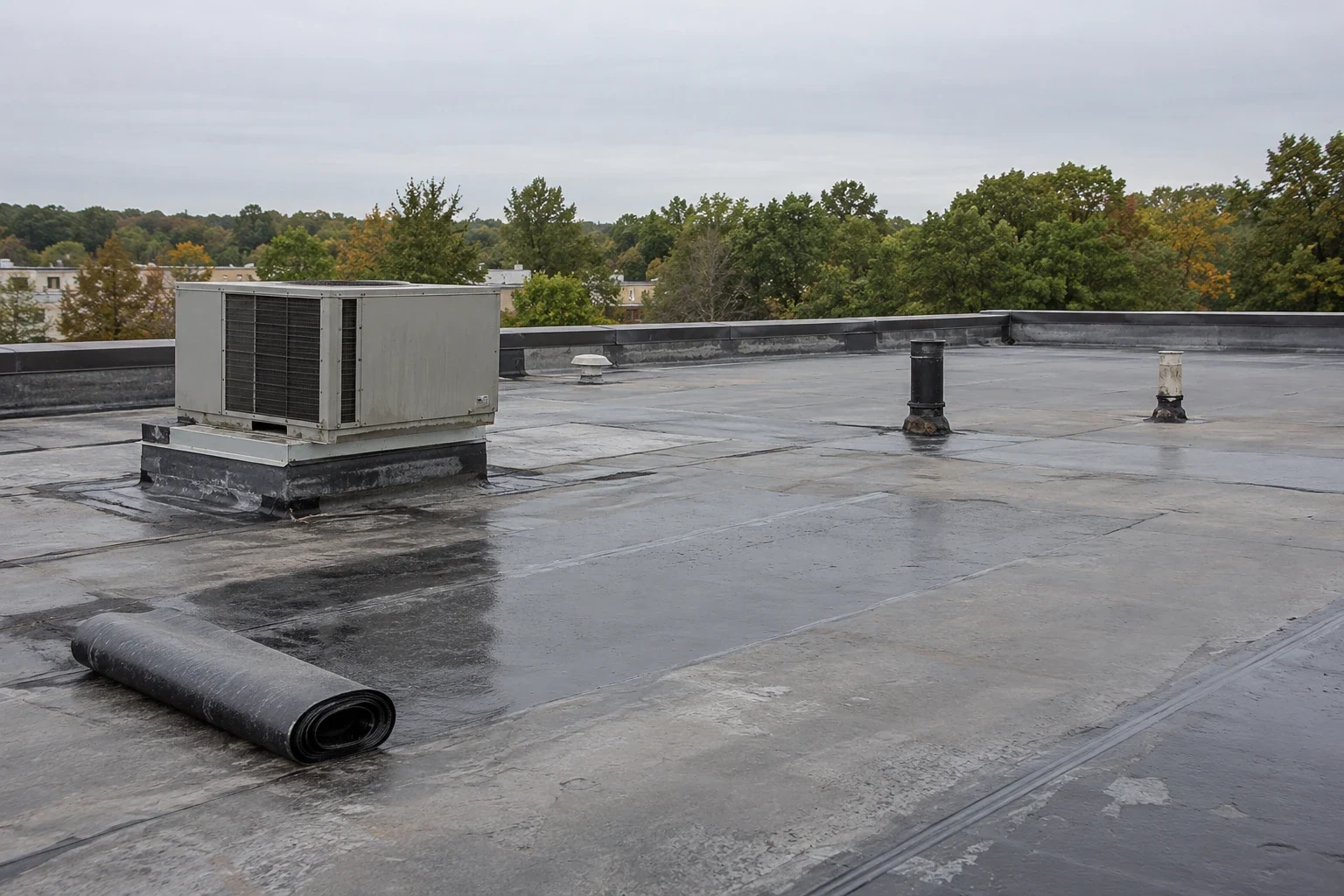
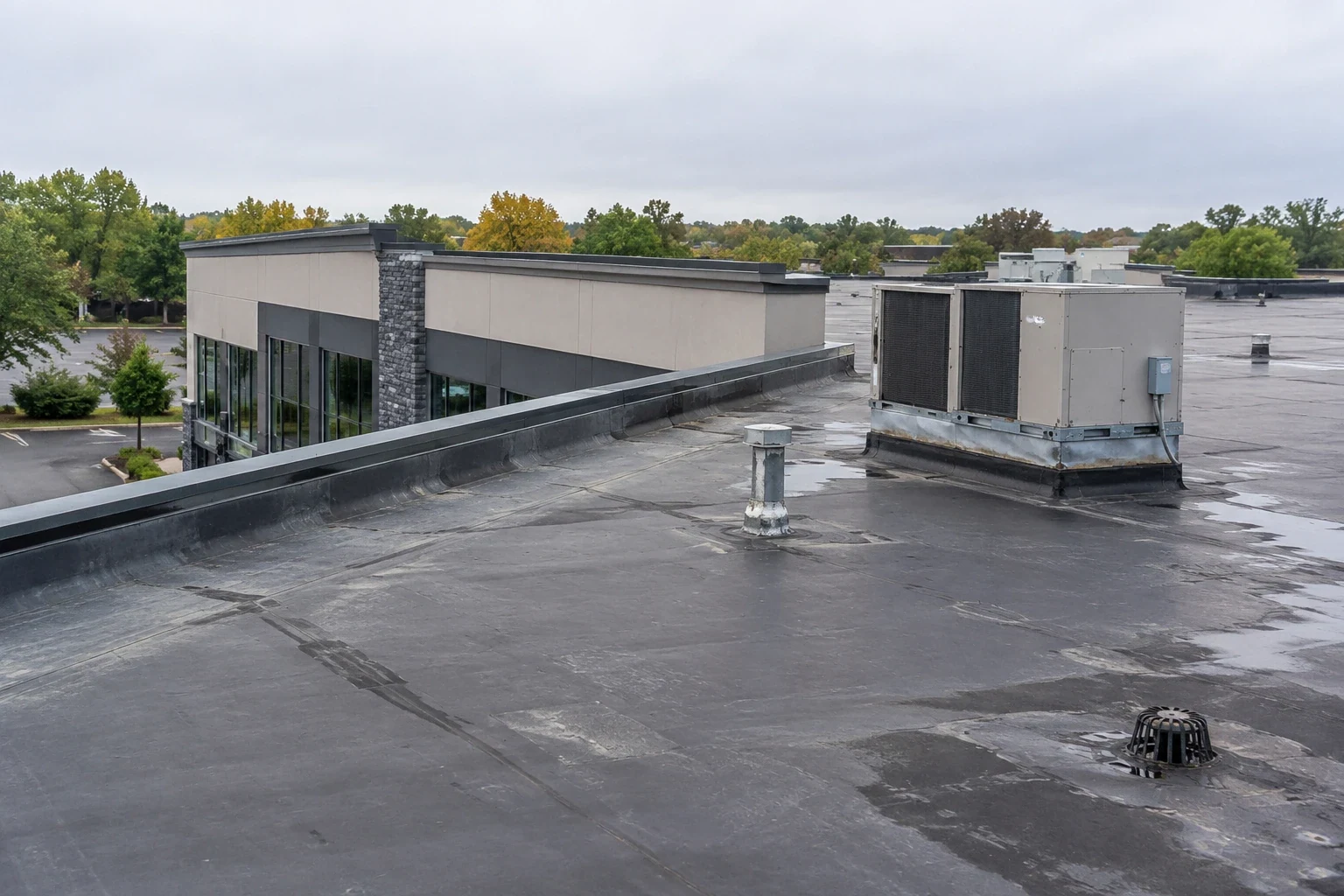
Hot afternoons, 90 F or more, number about 40 a year in Yakima, and 6 or so reach 100 F. A fitness building with a crowded floor and a pool uses its air handlers hard on those days, and a dark roof adds to the load. The first visit maps the rooftop equipment, with curbs, base flashings and sealant age recorded for each unit. The curb and support list becomes a bid line, and the mechanical contractor works from the same page. A reflective surface and better cover board and insulation can lower the cooling load, and we price those options beside the base scope.
Skylights over courts and lobbies add daylight and glare. Curbs and glazing joints move with the afternoon heat and give out first, so each line is probed in spring and resealed where it has opened.
Keep Members Dry and Classes Running
A fitness facility has peak hours at dawn, noon and evening, and a roof job has to avoid all three. We plan loud work for mid-morning and mid-afternoon, cover pool and court areas below an open section and keep a leak watch inside until the section is sealed. The front desk receives a daily list of the rooms affected.
Group classes, childcare and swim lessons add their own limits. We ask for the calendar and write the quiet hours into the bid. An occupied building reroofing plan sets the rules for staging, parking and entrances, so members can reach the door without stepping around a lift.
Locker-room entrances and pool decks carry slip hazards when a leak starts. Mats and cones go out first, and the front desk is told which door to close. Signs say why, and a named lead answers the phone.
Secure Canopies, Signs and Roof Edges
The late-November 2019 windstorm tested a county design wind speed of 110. Fitness buildings often have a tall front, a lobby canopy and signs that catch wind. After a gale, look from the ground at the canopy, the signs and the rooftop screens, and call before the next rain if anything sits crooked.
Caps, fasteners and sealant at the edges get checked, and the canopy is flashed as its own item and tested with water. Suburbs such as Terrace Heights, where newer commercial roofing is being added, and West Valley, an unincorporated suburb of greater Yakima, follow the same checks.
Each spring the interior gets re-scanned, the seams probed, the drains flushed and the photos refreshed, so a drip report in fall reads against a clean baseline and the cause is clear.
Choose the Path and Close With a Record
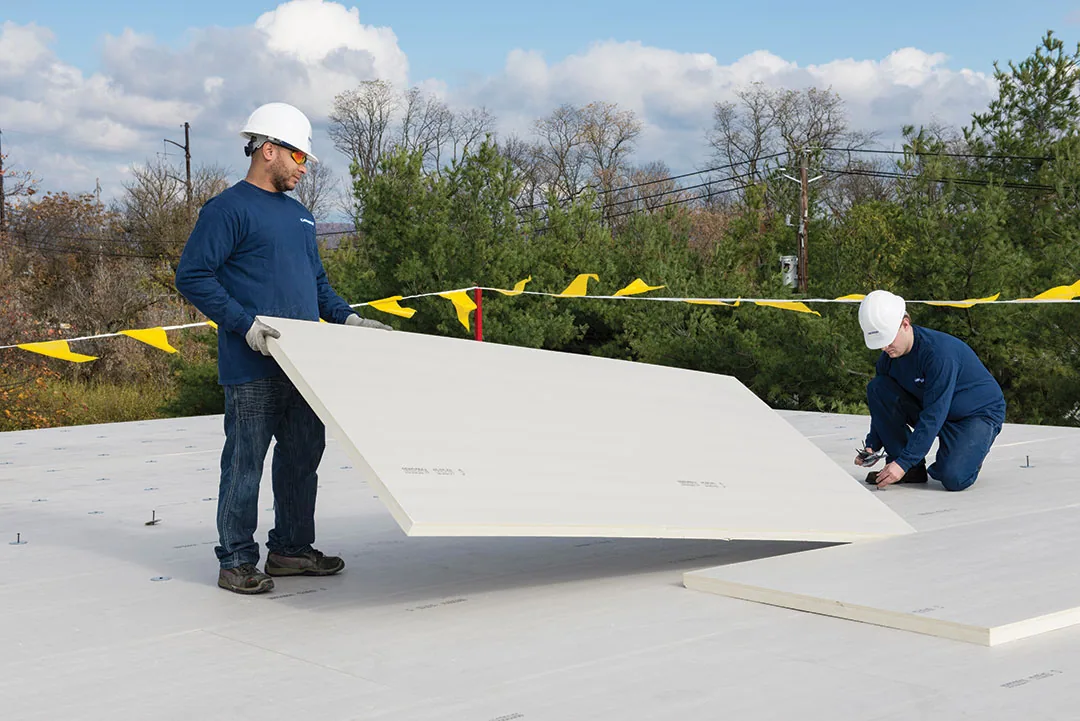
A dry roof with sound seams may take a recover, though spread moisture rules it out in that section. A new assembly follows the energy code Washington adopted in March 2024, and thicker board lifts flashing heights at every curb. At closeout the seams, canopy joints and drains are tested and the facility receives a roof map, photos and a penetration log. A school gym and a hotel pool deck can follow the same method.
Insurance reviews of a pool building ask about vapor control as well as the membrane. Thermal scans, moisture readings and the airflow notes we keep give an adjuster the evidence to separate condensation from storm damage.
A short note on the pool's operating hours and chemical storage helps the first visit. Chlorine vapor attacks sealant and fasteners above a natatorium, and knowing where the air handlers vent tells us which curbs to inspect first.
Commercial Roofing Questions
Drops are forming on the pool-hall ceiling. Is the roof leaking?
Not necessarily. Condensation forms when warm, wet air meets a cold deck, and it looks like a leak. Photograph the drops, note the outdoor temperature and whether it rained, then call. We scan, meter and test from the roof before deciding on a repair.
Who clears snow from the gym roof?
We do, or an engineer-approved crew. Steel shovels cut membrane and long spans react to uneven loads. We use plastic tools, leave a protective layer and check for deflection before and after.
Can classes continue during roof work?
Usually. We work above areas that can close, cover pool and court spaces and keep loud tasks to agreed hours. Peak hours at dawn, noon and evening stay quiet.
Does a better roof lower the cooling bill?
It can. A light, clean surface and thicker insulation reduce rooftop heat, so the air handlers work less on the hottest afternoons. We price those options beside the base repair so the owner can compare.
What documents should the facility keep?
Keep the roof map, the photos, the moisture readings and the penetration log together, and add the thermal scan, because it shows where vapor moves.