On a day when Yakima touches 100 F, a senior living administrator who notices a drip near a rooftop air handler faces two problems at once: the leak and the cooling plant that must keep running. Dispatch asks about the cooling first. Six or so afternoons a year pass 100 F in Yakima, and a community cannot lose its air handling on any of them. Keep residents away from the wet area, keep the unit running if it is safe and leave the roof alone.
Have the community address, the equipment schedule and the wings that house residents who cannot be moved ready, and the first visit follows from that list.
Protect the Cooling Plant on Hot Days
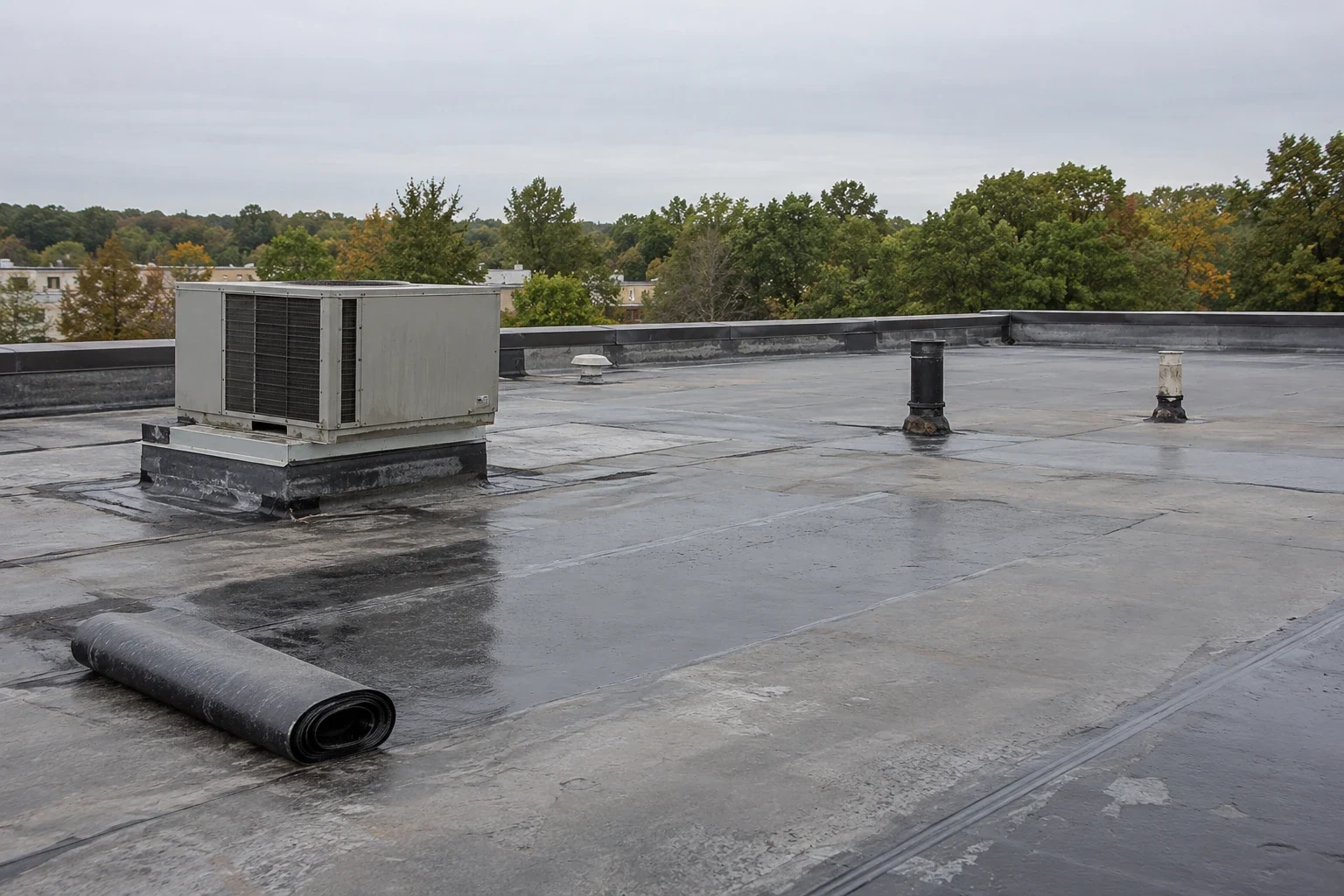
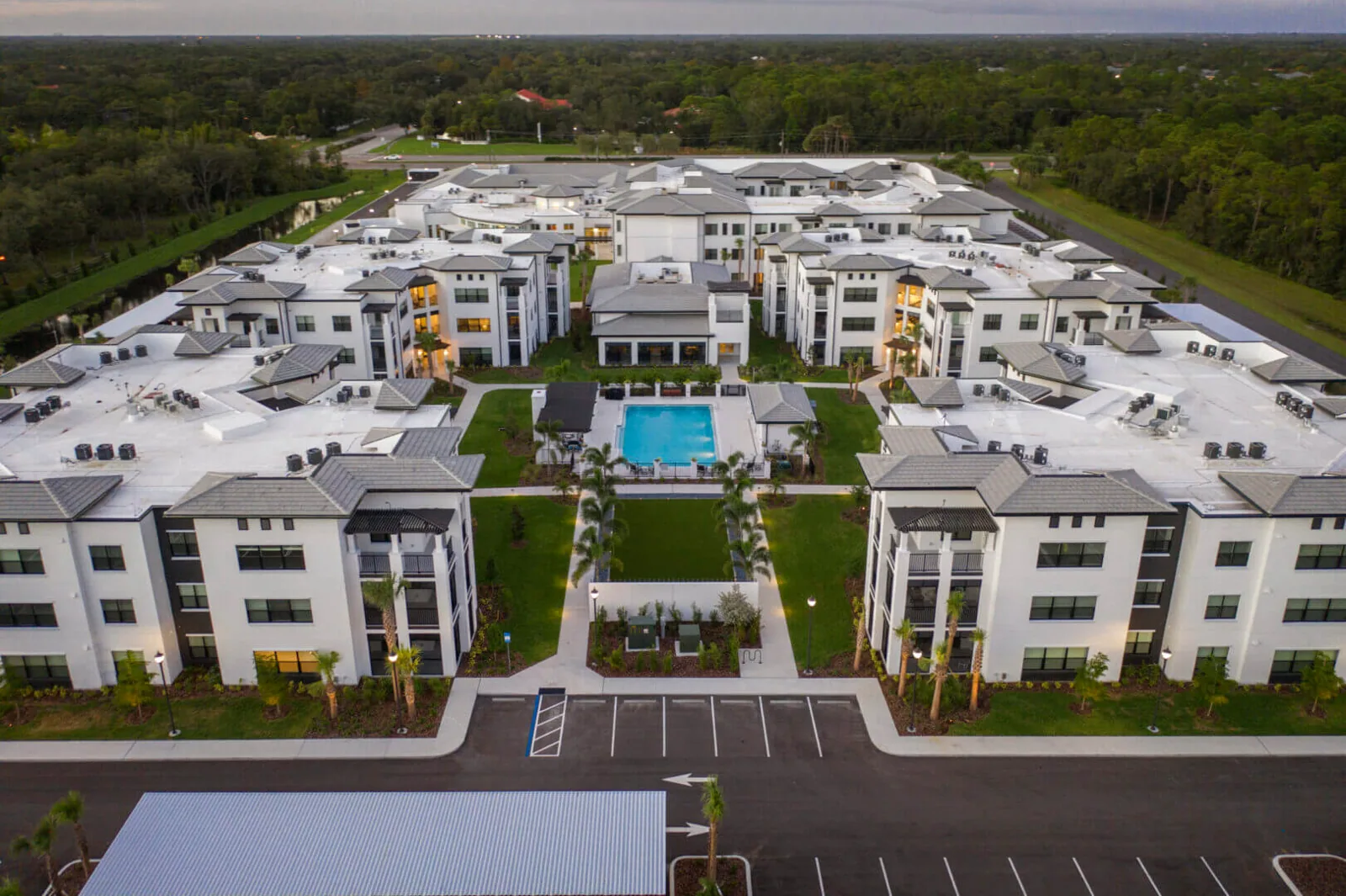
Around 40 afternoons a year reach 90 F, and Yakima hit its 113 F record on June 29, 2021. A senior living roof carries air handlers, exhaust fans and sometimes a chiller, each on a curb with its own flashing. The first visit maps the equipment, with curb height, base flashing and sealant age recorded unit by unit. A repair near an air handler is scheduled for the cool hours and coordinated with the maintenance lead, so the unit is never shut down on a hot afternoon. If a shutdown is unavoidable, we plan it for a cooler morning with the director's sign-off.
Temperature swings add a second reading. The valley's record low is minus 25 F, and the daily range between afternoon and dawn is wide in most seasons. Sealants and seams flex through that range, and a joint that opens on a cold January morning shows up as a stain on the first warm day. We keep a callback log of every stain report, so a pattern across seasons points to a single detail instead of a vague roof problem.
Plan Around Rest, Routine and Medical Needs
Residents rest in the afternoon, take meals on schedule and may depend on medical equipment. Noise, dust and odor reach them faster than they reach staff. Our occupied building reroofing plan sets quiet hours with the administrator, covers intakes with the mechanical contractor's sign-off and keeps dust inside a chute. Visitors and volunteers who come for activities should see an organized site: clear signs, a dry entrance and a named person to ask.
Heat-welded and cold-applied methods avoid open flame and cut odor. Loud tasks move to mid-morning. Hallways below the work get floor protection, and call buttons and fire alarms stay in service throughout. A single named lead on the roof reports to the administrator and can stop work at any hour.
Families visit, and they notice scaffolding, fencing and signs before they notice quality. We keep staging out of visitor parking and entrances, post clear notices and keep fencing tidy. The administrator can share a one-page summary of the work with families, and we supply it with dates, hours and a contact.
Emergency drills and fire inspections do not wait for a reroof. Escape routes stay clear, roof access points stay locked when the crew is away and the crew knows which exits residents use. Our daily plan names these constraints before the first day.
Clear Entrances and Walkways Below Steep Roofs
Snow slides from pitched wings onto walkways and entry canopies, and drift piles form against courtyard walls and mechanical enclosures. Each parcel carries its own design load, and Yakima's winter totals about 21.6 inches, mostly in December and January.
Residents and visitors should use cleared entrances only. Staff should stay off flat membrane roofs, because a steel blade cuts the sheet and the leak lands over a resident's room. Our crew clears with plastic tools, leaves a protective layer and checks ceilings for deflection signs. A courtyard can collect snow from surrounding roofs, and a drift there loads the low roof that faces it. Low roofs next to tall walls get checked first, since that step is where a drift grows deepest and where deflection shows.
Know the Valley's Healthcare Setting
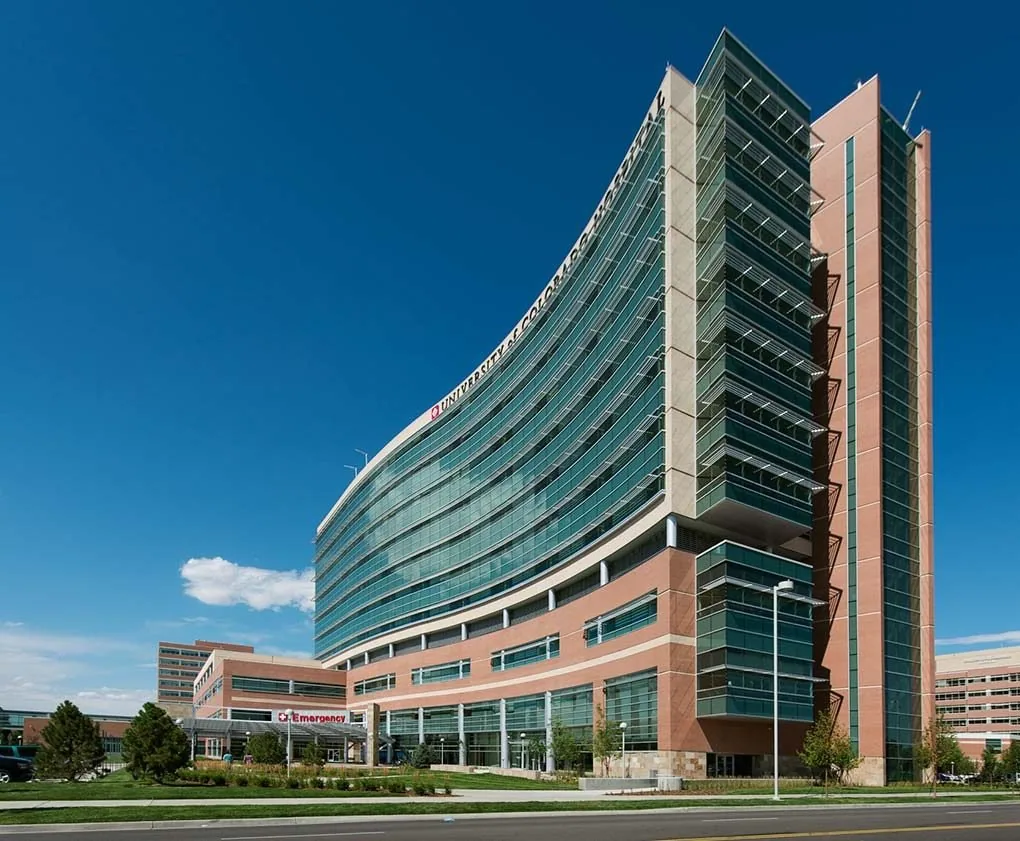
Yakima Valley Memorial Hospital is a 238-bed trauma center with a helipad and the city's largest employer at about 2,500 workers, and Astria Health runs facilities in Yakima, Sunnyside and Toppenish, employing about 1,200 people. Senior living communities sit in the same care setting, and an owner may ask for infection-control measures like a clinic's.
For that reason we ask for the community's construction policy before pricing. It tells us what barriers, intake covers and dust controls the owner expects. Work in Terrace Heights and West Valley follows the same steps. A medical office wing and a hospital campus follow the same intake rules.
Watch Courtyard Covers, Canopies and Gust-Lifted Edges
County design wind speed is 110, and the late-November 2019 windstorm leaned on every canopy in the valley. Entry canopies, courtyard covers and long eaves catch gusts, and a canopy leak drips on residents at the door. We flash canopies as their own item and test them with water.
From the ground after a gale, study the canopies, trim and rooftop screens. A crooked piece needs a call before the next rain, and the fix is a tightened run, new fasteners and a dated log entry.
Weigh Recover, Repair and Replacement
Where the insulation is dry and the seams are sound, a recover keeps dust and noise away from resident wings. Trapped moisture rules it out, and an infrared pass maps it without foot traffic. Better cover board and insulation can lower the cooling load on hot days, and any new assembly has to meet Washington's updated energy code. The closeout file, a roof map with photos and a penetration log, can serve an apartment complex under the same ownership. Owners who run several communities can compare condition grades across them and fund the worst roof first.
Reserve schedules matter to a board. A dated grade for each roof section, with a remaining-life estimate, lets it spread replacements across several years and fund the roof with the highest consequence first.
Staff handovers at shift change are a good time to brief the night team on which wing is under repair. A night nurse who knows where a tarp sits and whom to call does more for residents than any sign on the door.
Commercial Roofing Questions
What should the administrator do if an air handler curb leaks on a hot day?
Keep the unit running if it is safe, move residents away from the wet area and call dispatch with the unit number. We plan the repair for the cool hours and coordinate with maintenance, so cooling is never interrupted at the hottest point of the day.
How are residents protected from roofing noise and dust?
Quiet hours are set with the administrator, intakes are covered with the mechanical contractor's sign-off and dust stays in a chute. Loud tasks move to mid-morning and floors below the work are protected.
Can our staff clear snow from entrance canopies?
Not from above. Steel shovels cut membrane and slabs can slide. Call us, and we clear with plastic tools from a safe position while keeping the entrance closed to residents.
Does the roof affect the cooling bill?
It can. A light, clean surface runs cooler than a dark one, and thicker insulation lowers the load on the air handlers. We compare options with the cost drivers named so the owner can weigh them.
What documents should the community keep?
The roof map and photos belong in the building file, along with the moisture readings and penetration log, so later contractors know where curbs and intakes sit. A short note on which wings house residents who cannot be moved saves the next contractor a phone call.