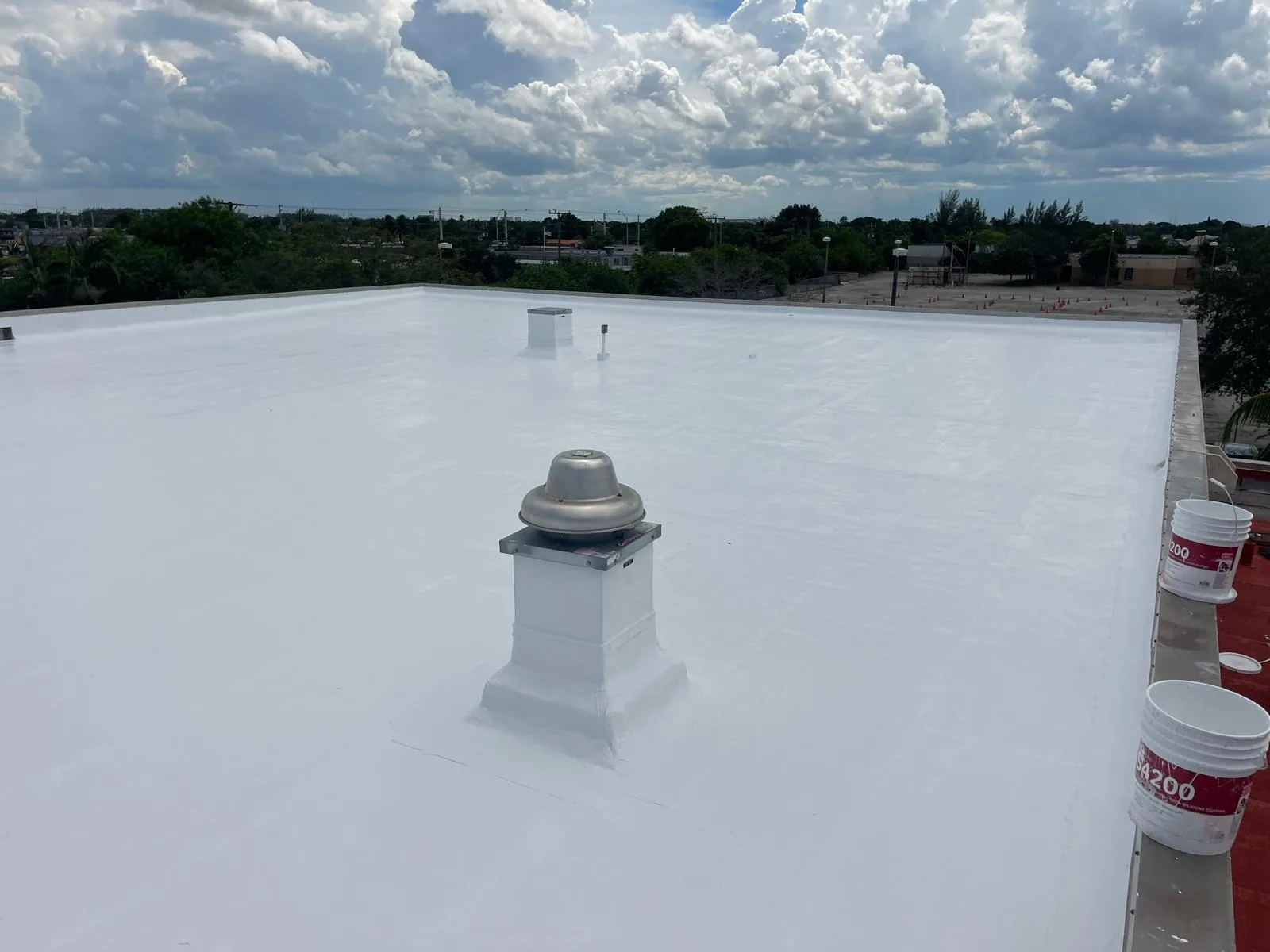
The first warm Monday in May brings a leasing agent's call about a store whose roof surface is chalking white dust onto the rooftop unit's panel door, and dispatch asks whether the roof drains fully after a thaw. That second question picks between the two main coating families. Acrylic is a water-based coating that dries into a flexible, reflective film. It is easy to apply, easy to recoat and gentle on the budget, and it performs well on roofs that shed water. It does not like to sit under a puddle.
In Yakima, WA, a dry climate with about 8 inches of precipitation a year and strong summer sun, acrylic is a practical way to extend a sound roof. We apply it over single-ply membranes, metal, modified bitumen and spray foam. It cannot repair a wet roof or a sagging deck. Bring the roof type, the age and any ponding spots, and we will tell you whether acrylic or silicone suits the building.
Choose Acrylic Only Where the Roof Drains
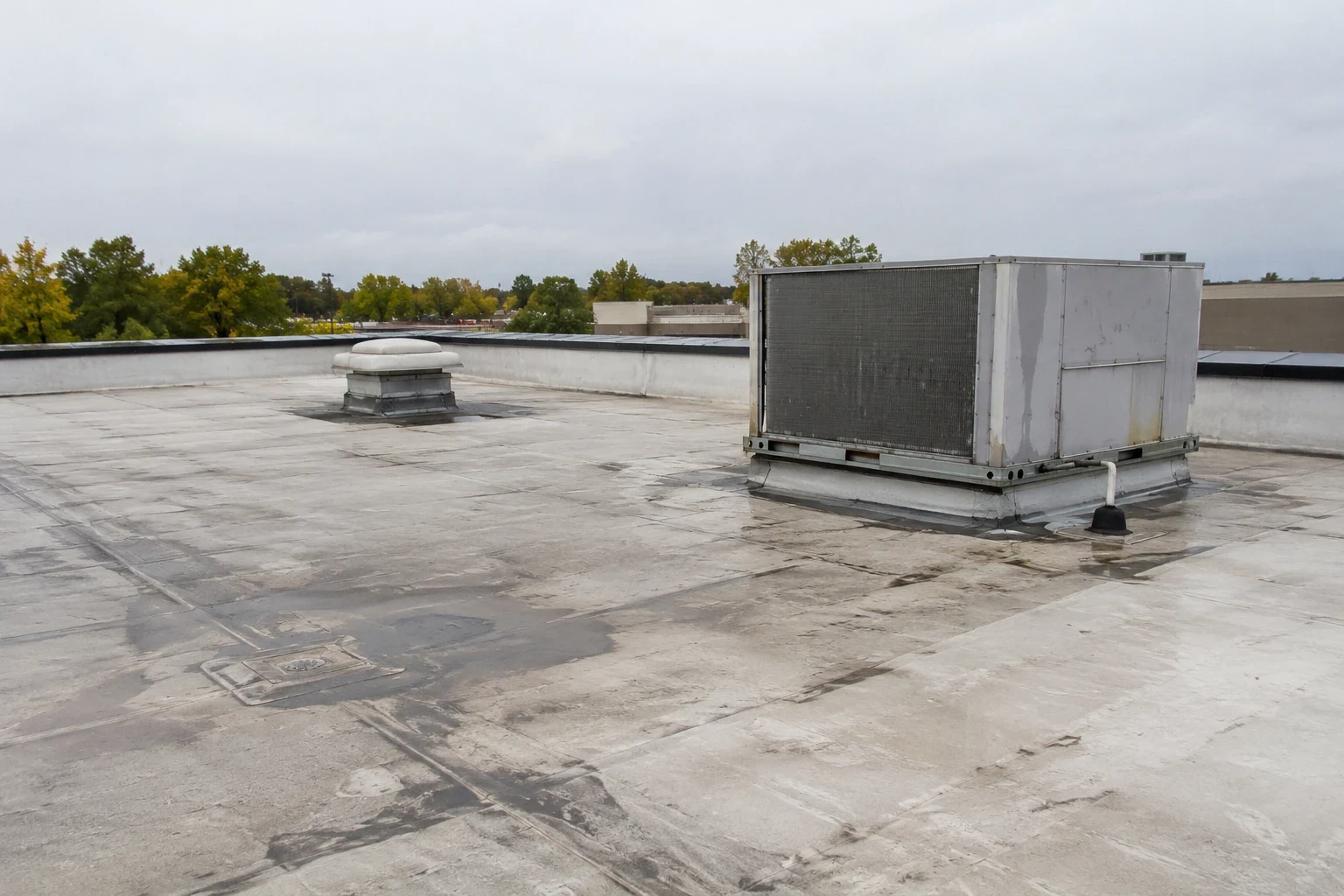
Water-based acrylic can soften and whiten when water stands on it for days. On a roof that ponds in the low bays after snowmelt, the coating can blister, lose adhesion and wash away in those areas. Silicone handles standing water better, which is why we ask the ponding question first. A roof with positive slope, clear drains and no low corners is a good acrylic candidate.
The upside is cost and simplicity. Acrylic goes on with common equipment, bonds to a wide range of clean surfaces and can be recoated years later with the same product. Property owners who want a reflective surface and a plan to renew it every several years often prefer it. The coating and restoration decision comes down to the roof drainage and the budget, and we lay both out in writing.
Respect the Cure Window
Acrylic cures by letting the water leave the film, so it needs warm, dry weather and several hours without rain, dew or cold. Applied on a cold evening, it can stay soft and wash out. Applied in direct blazing sun, it can skin over too fast. Summer afternoons in Yakima often pass 90 F, and the record low is minus 25 F, so the shoulder seasons offer the best coating days.
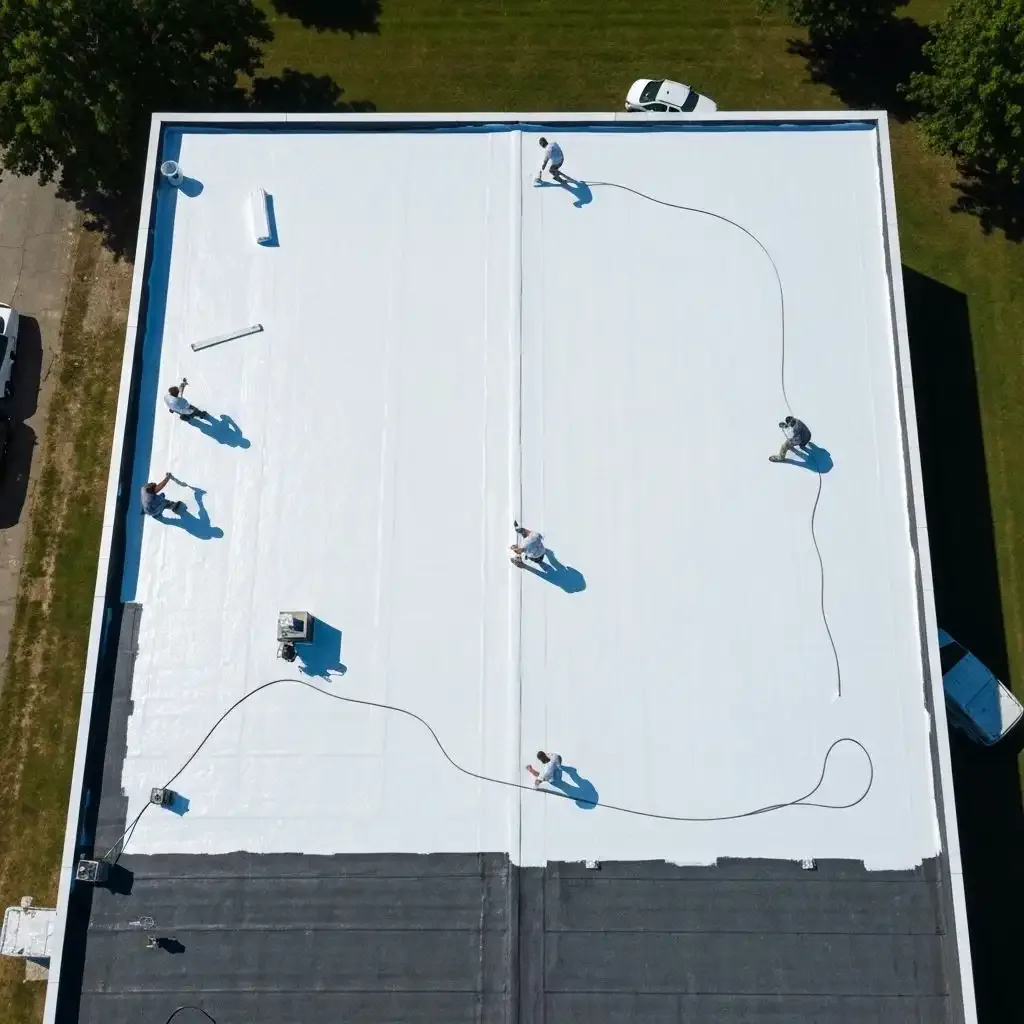
We pick days with a stable forecast, begin once the roof surface is dry, and finish with enough time for the film to set before the evening temperature falls. A thin film that rains on the first night is a thin film we have to redo, so we keep tarps ready and watch the sky from the first pass. Dew is the quieter enemy: a roof that feels dry at nine in the morning may still hold a film of moisture in shaded corners, so we check those corners by hand and wait for them to clear. Skipping that check is how a coating ends up with pinholes along the north parapet. On a big roof we work in sections and mark which sections have set, so the next crew member knows where not to step.
Build Thickness at Seams and Penetrations
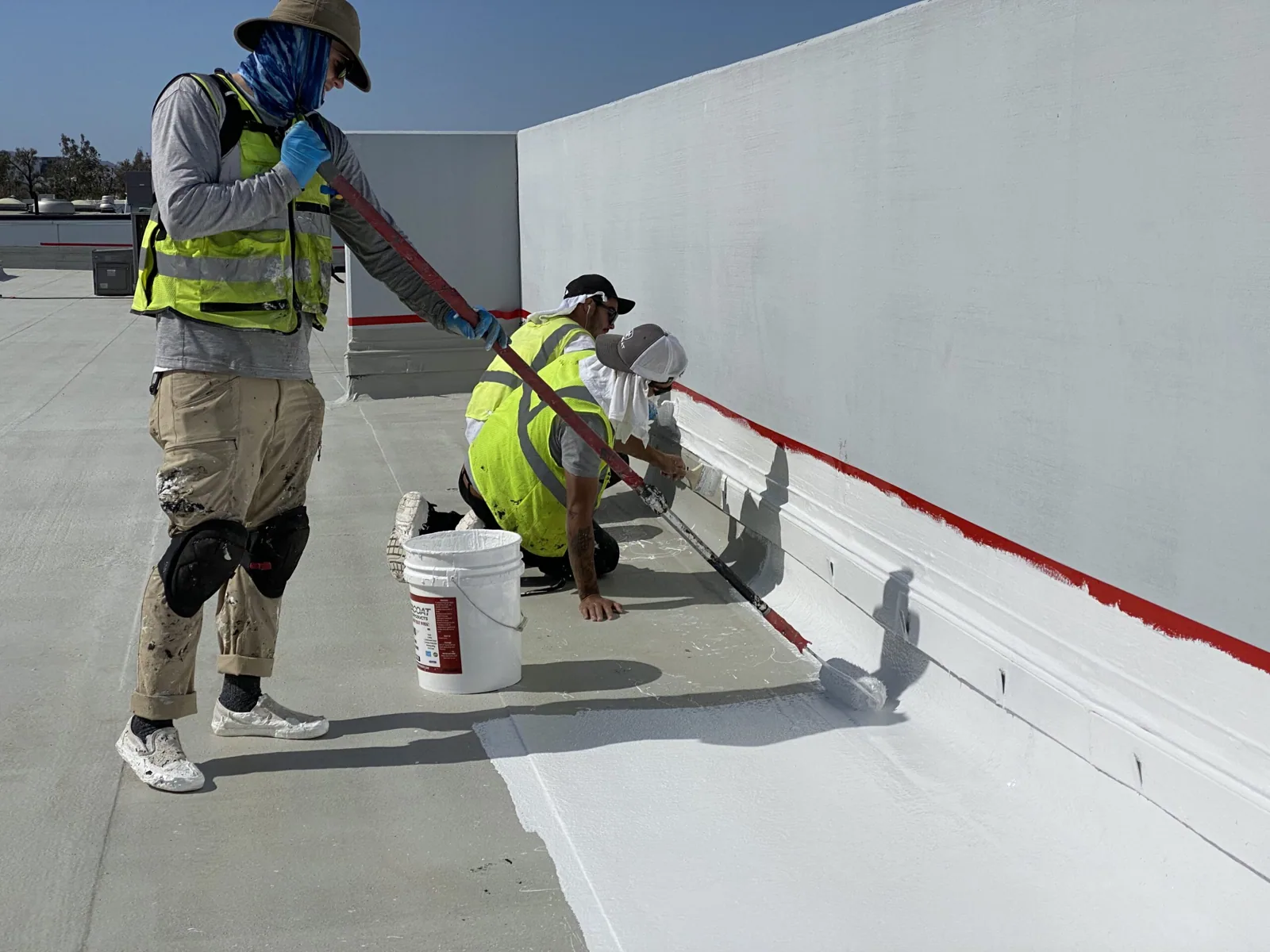
A coating is only as good as the coat at its weakest point. Seams, fasteners, corners and pipe boots get fabric reinforcement and extra material. The field gets two coats at the specified thickness, and we confirm with a wet-film gauge. A single thin coat looks white on the day, then wears down to the old surface in a few seasons.
Wind adds a test. Loose membrane edges flutter in a valley gale and crack the coating on top. Before we coat, we secure any lifted edge, re-seal laps and tighten fasteners, since a coat applied over a moving edge will crack within months. The county's design wind speed of 110 means edges need to be secured, not just coated.
Treat Winter as Part of the Coating Plan
Acrylic films are softer than silicone and can scuff under shovels. After the February 2019 storm that led to a red tag on a South Third Avenue building, officials warned that shoveling flat membrane roofs causes leaks, and a coated roof has an additional vulnerability, since the coating is the weather surface. Clear with plastic tools, leave a protective layer of snow, and keep ice melt away from the film.
Coatings add almost no weight, which is a real advantage on roofs close to their limit, where a recover would add dead load. In the spring we walk the roof, check the film for lifting at the seams and mark places where winter has opened a crack. A spot repair then costs far less than an unplanned full recoat, and the notes from each spring walk tell us whether the following season needs a wash, a seam touch-up or a full coat.
Schedule the Recoat Before the Film Is Gone
A coating is a maintenance item, not a one-time purchase. Acrylic wears gradually, and the right time to recoat is while the old film is still bonded, before the base roof is exposed. We measure thickness at a few spots each year and track the numbers in the callback log. A roof that is washed, inspected and recoated on schedule can keep its original membrane well beyond what an unprotected one would.
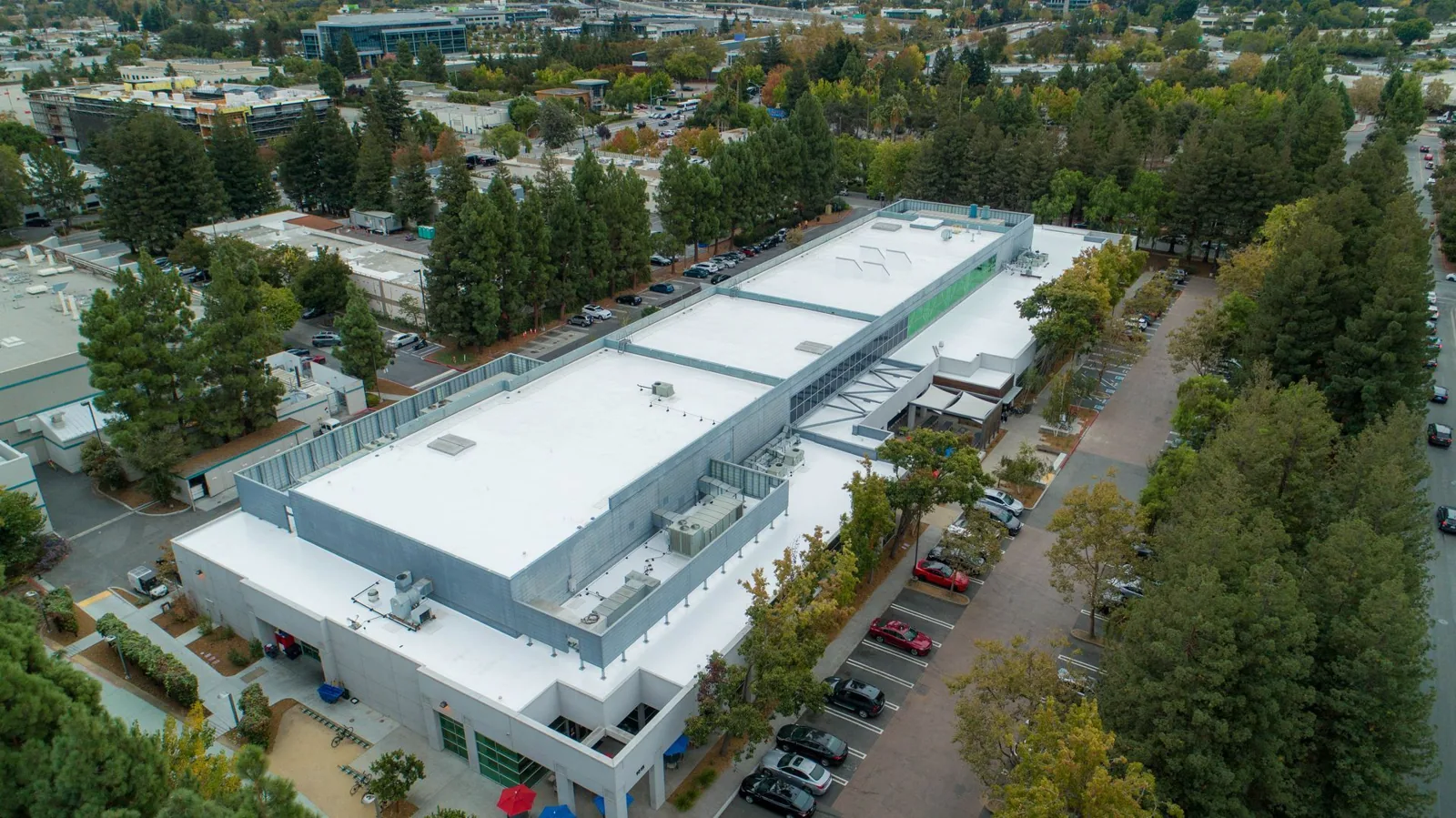
For retail roofs such as the big-box stores around Union Gap, a big box roof can often be coated in sections on a weekend, with store hours protected and rooftop unit access kept clear. Our preventive maintenance visits include a wash, a seam check and a thickness reading, so the recoat date arrives as a plan.
Commercial Roofing Questions
Which coating is better for a roof near Valley Mall, acrylic or silicone?
It depends on drainage. If the roof drains well after snowmelt and storms, acrylic gives a reflective surface at lower material cost and is easy to recoat. If low spots hold water for days, silicone is the safer choice. We walk the roof the day after a thaw, mark any standing water and recommend one or the other based on what we find.
How can I tell whether my old coating can be recoated?
We test it. A clean, adhered film with minor chalking takes a new coat after a wash. A film that peels in sheets, or sits over wet insulation, needs repair first. We pull a small adhesion sample and check the roof with a moisture scan before we commit to a recoat.
Will acrylic hold up through a Yakima winter with 19 freezing days?
A properly cured acrylic film stays flexible through freeze-thaw cycles, and the low snow total of about 21.6 inches a year is easier on it than a wetter climate would be. Trouble comes when the film cures too thin or when it is applied in cold. Mid-season application at the right thickness is the best protection.
Do you coat metal roofs with acrylic?
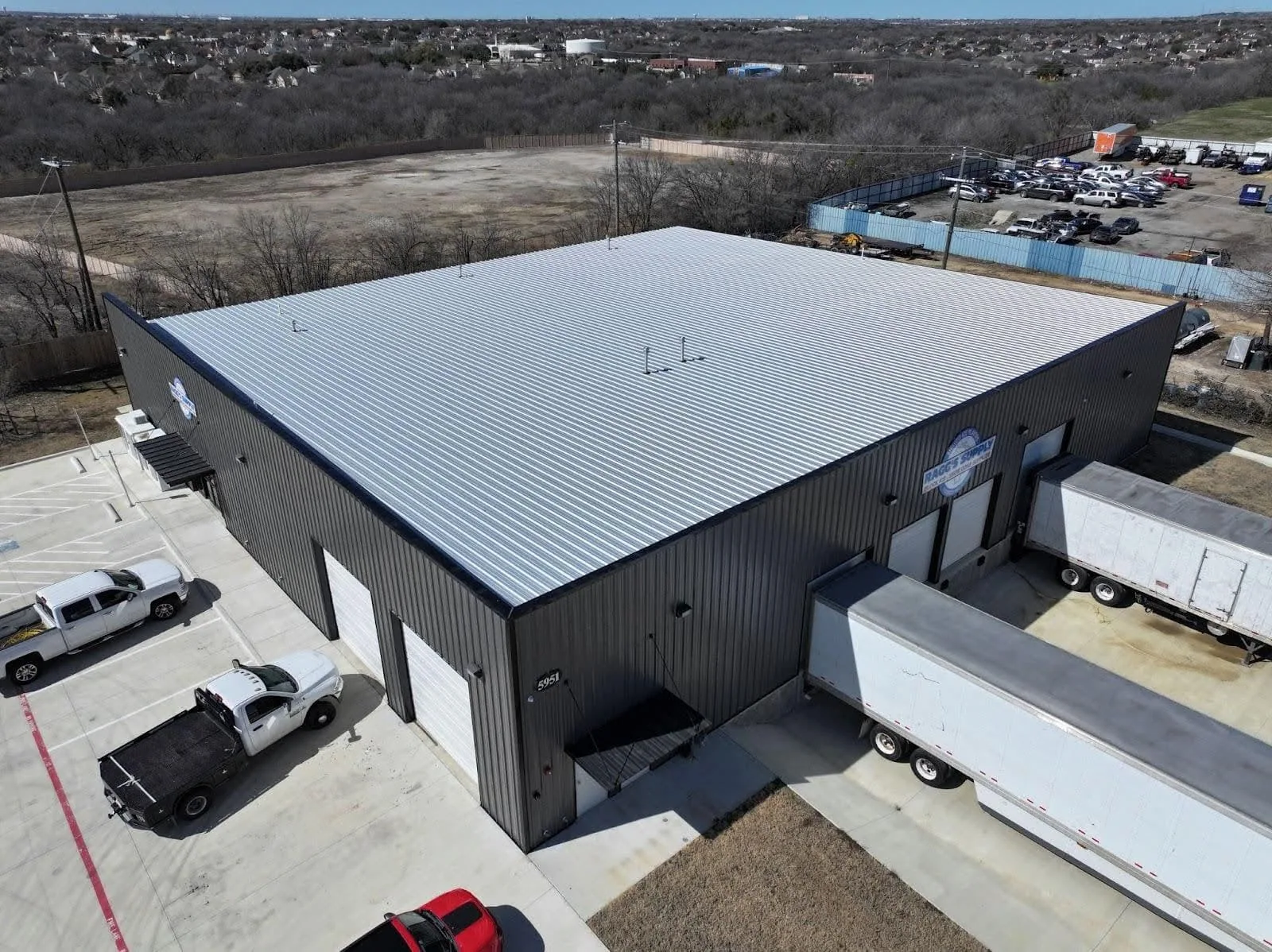
Yes, after the screws are tightened, the laps are sealed and rust is treated. A primer helps adhesion on bare metal. A metal roof with exposed fasteners benefits from the sealing, and the repairs that come first, such as backed-out screws and open laps, are the same ones we handle on any metal roof retrofit.
What if rain hits the roof the night after the coating goes on?
We monitor the forecast and cover fresh sections if rain looks close. A film that gets wet before it sets can wash off, so we remove damaged areas and recoat once the roof dries. This is why we avoid starting late in the day and why we book work in the dry season.