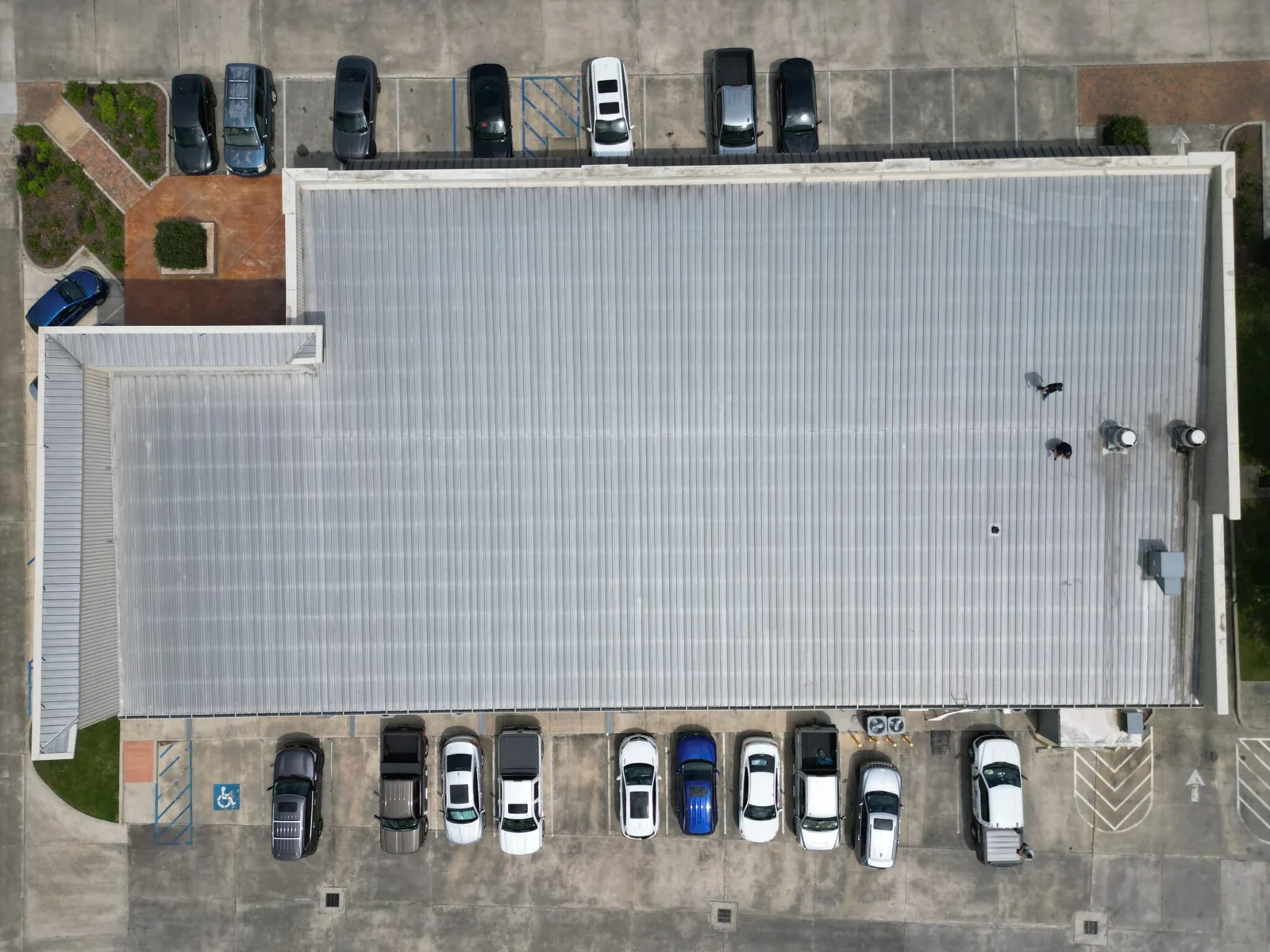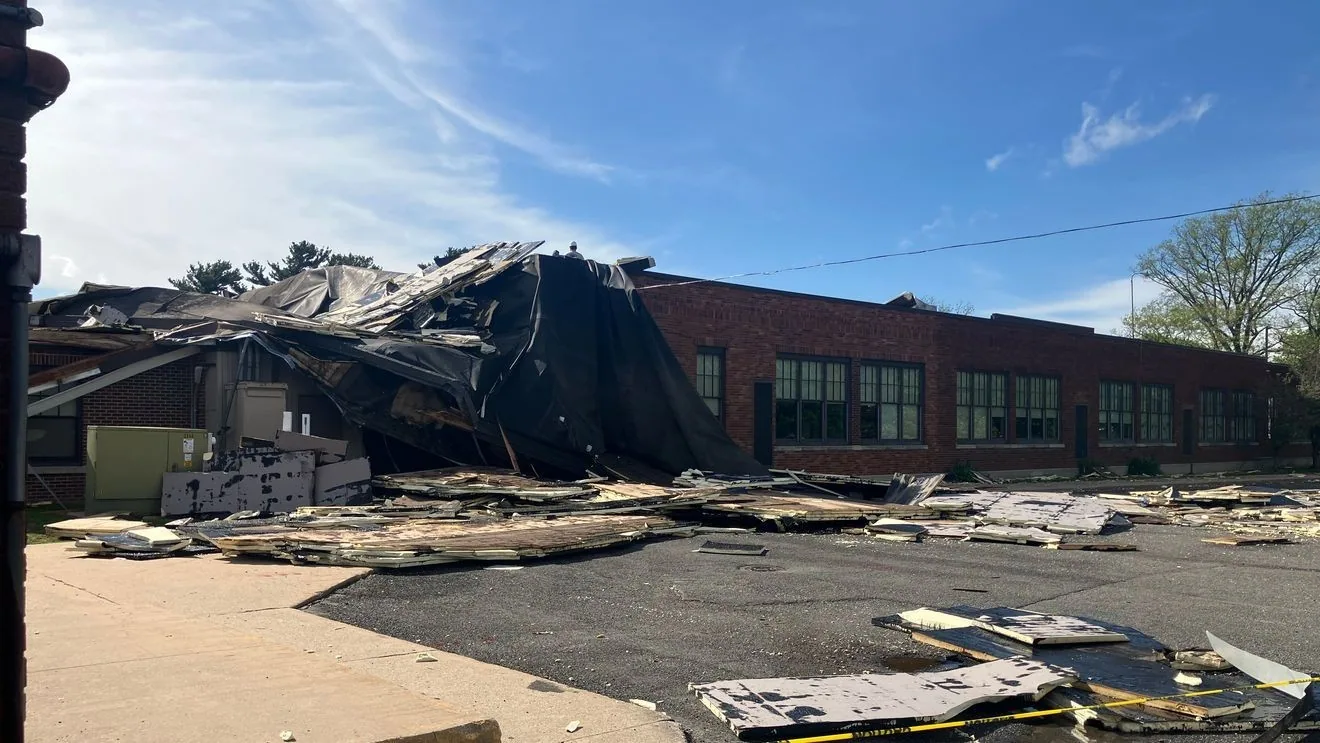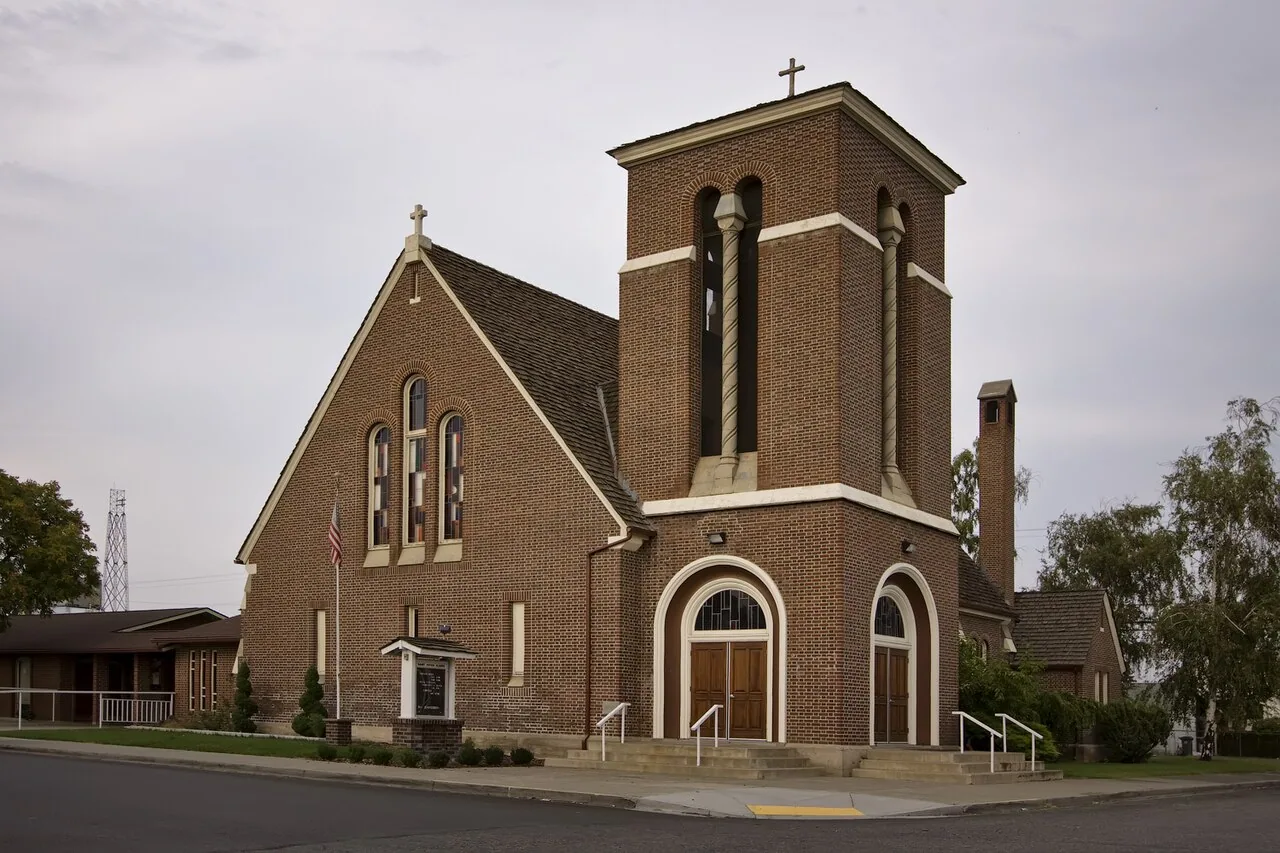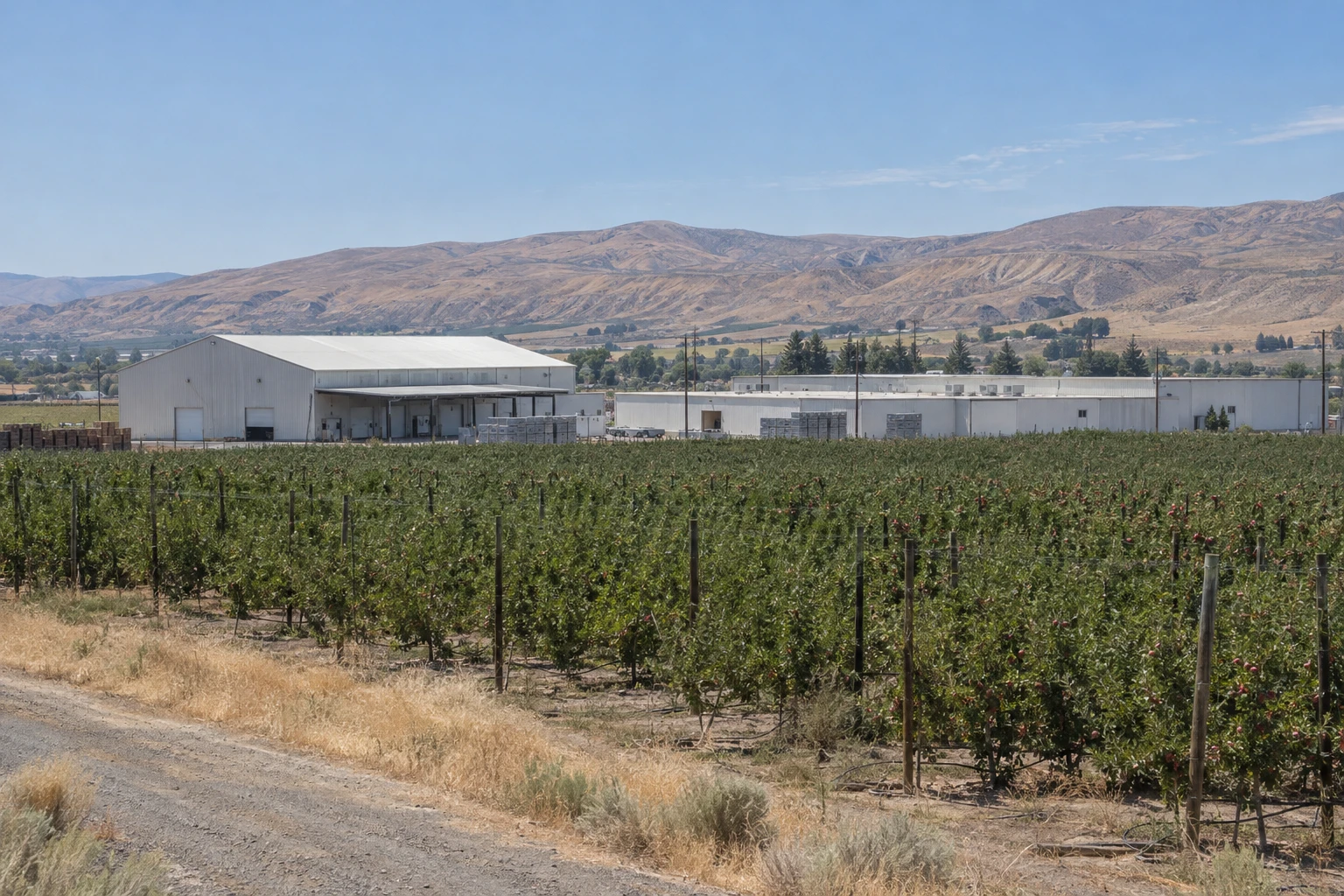
Donald is a largely agricultural community near Wapato, founded in 1910 as a rural railroad junction, with 172 residents in 2020. Whether a Donald roof covers a farm-service building, a storage space, a shop or a small office, the first thing dispatch asks on a call is what the building holds and whether the water is reaching it. Our crews repair, coat, recover and replace low-slope and metal roofs, and the phone is answered at any hour, holidays included. The weather that arrives is Yakima's: winter snow, long hot afternoons and gusts that test every edge. A roof in a small community needs a contractor who will drive out for one building and treat it like a portfolio.
Begin With an Inspection That Fits One Building
An owner with a single building does not need a program binder. A first visit is a walk of the whole roof with a camera: the surface, the seams or panel laps, the flashing at every opening, the edge metal and the drains. We probe anything soft or open and note its position on a simple sketch.
If the walk raises questions about moisture, we add an infrared scan after sunset and a few small core cuts. The result is a short written report that ranks what we found, with a photograph for each item and a price. A commercial roof inspection of this kind takes a few hours for a building of modest size, and the report is usable for a budget, an insurance conversation or a sale.
Access is part of what we write down: where the ladder or hatch is, how high the eave stands, whether a lift is needed and whether anything on the roof will not bear weight. A roof that has gone years without a visit can hide soft deck, and we test our footing as we go.
Restore Before You Replace When the Roof Is Sound Underneath
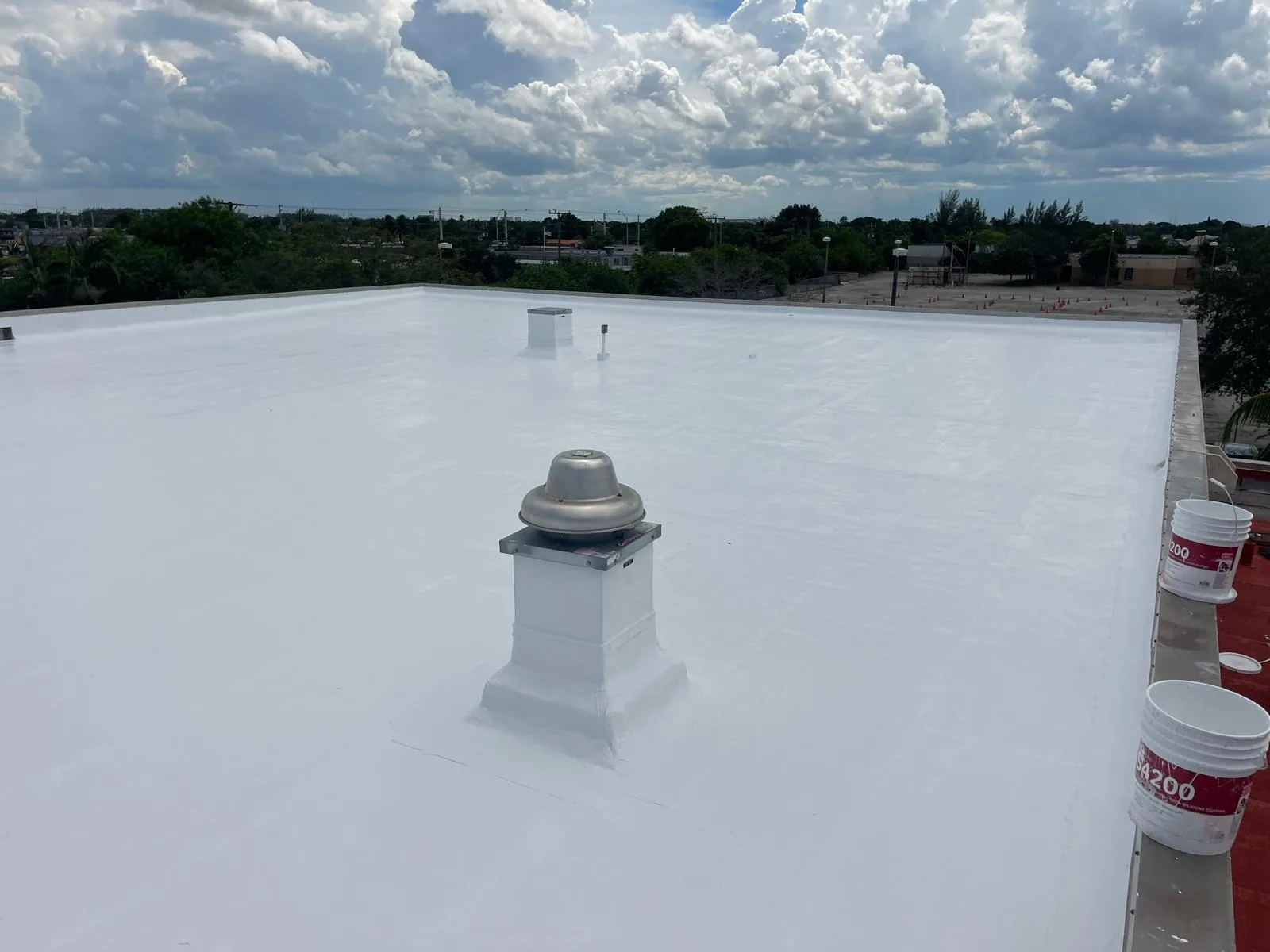
Some roofs are weathered but dry. A membrane that has chalked, a metal roof that has faded or a patchwork of old repairs may still protect what is below. A liquid-applied silicone coating seals seams, tolerates standing water and resists the sun, and it can stretch the life of a dry roof without a tear-off.
The condition for coating is dry insulation, so the moisture check comes first. We clean the surface, reinforce seams and fasteners and apply the coating at a measured thickness. If the scan shows wet insulation across a large part of the roof, we say so, and the better path becomes a recover or a replacement. Restoration is cheaper and quicker when it applies, and a poor choice when it does not.
Metal roofs follow the same logic. A sound metal roof with a worn finish can be cleaned, treated for rust and coated, and the fasteners can be replaced with sealing washers. A building older than its roof may have details that were never flashed well, and we rebuild those first, since a coating cannot bridge a gap.
Repair the Damage That Farm Work and Weather Cause
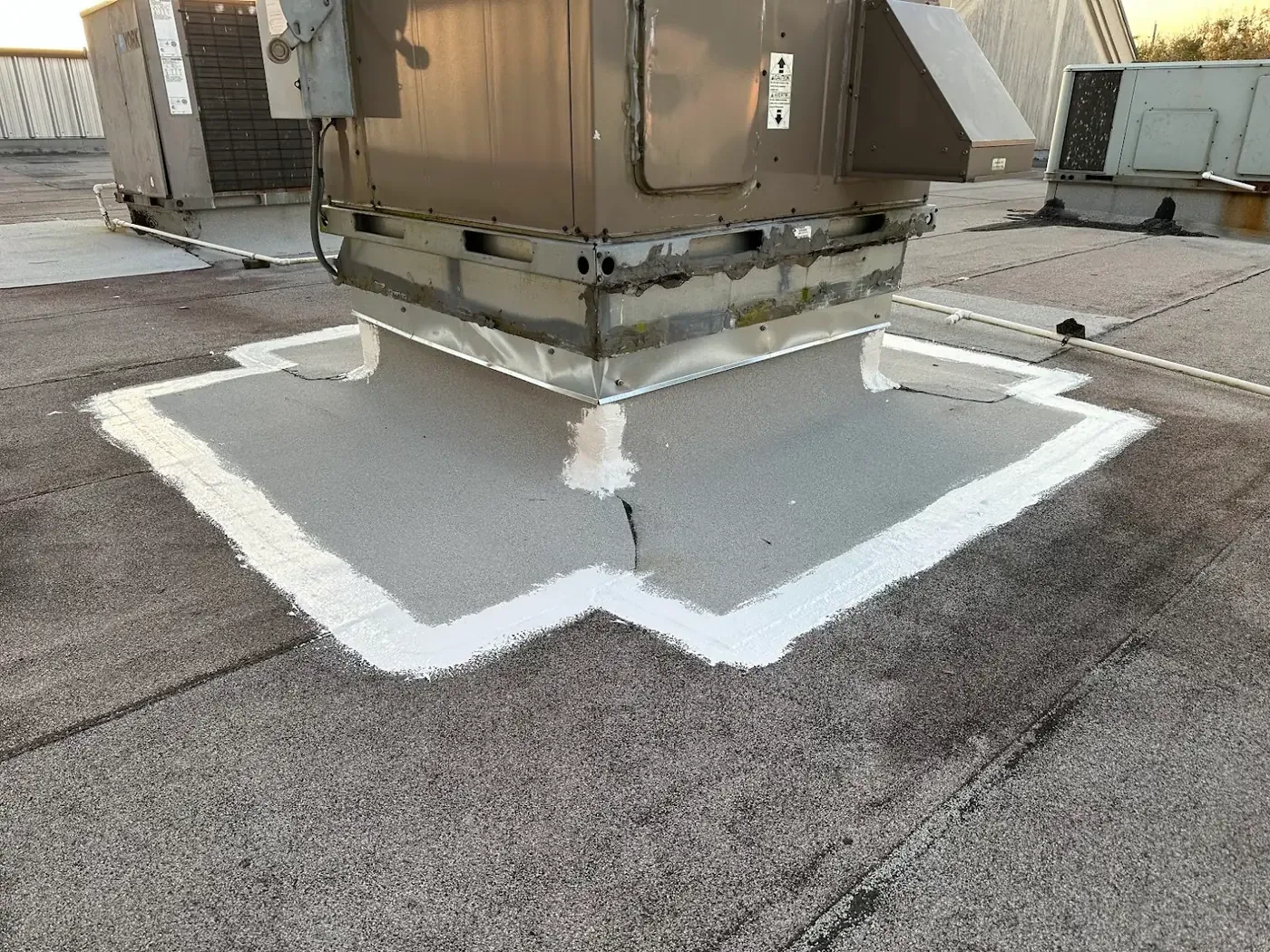
Roofs on working properties take knocks: dropped tools, equipment servicing, branches in a gale, hail or ice sliding from a higher wall. A small puncture in a membrane lets water into insulation unseen. We probe the area, test for moisture and patch with the same material, welding or bonding it to a cleaned surface with rounded corners that resist peeling.
Our membrane puncture repair includes protective pads along service paths and around equipment, so wear lands on a replaceable surface. After a storm, we sweep the roof, clear the drains and look for scars. Storms like the late-November 2019 windstorm scatter material across a roof.
Temperature governs the repair. Patches bond best on a clean, dry surface, and a hot afternoon of 90 F or more can soften adhesives, so crews start early. In winter we use cold-rated patches as a temporary cover and return in warmer weather to make the permanent repair.
Respect the Parcel Snow Load and Clear It Safely
A building in Donald has its own design snow load, and an owner who inherits a building may not have the drawings that state it. If the drawings are gone, an engineer can estimate capacity, and we flag that need when a roof shows sag.
When clearing is needed, we use plastic tools and work from the drift edge inward. We leave a protective layer in place because steel shovels cut membrane. A bulging wall or a sticking door is a reason to clear the area and call, which is the lesson of the South Third Avenue building in Yakima that drew a red tag under heavy snow in February 2019.
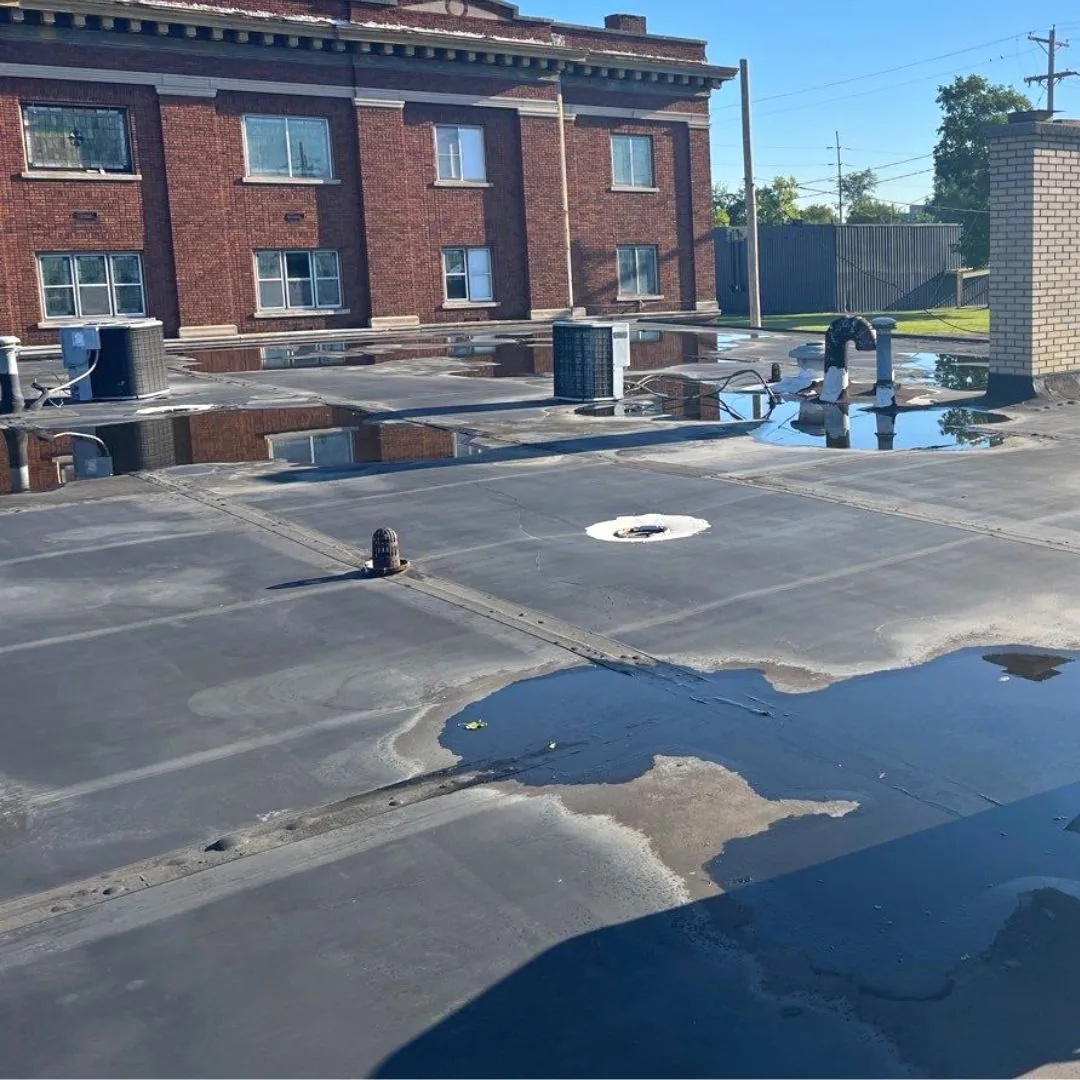
Ice needs attention as well. In a year with about 19 days of freezing highs, a drain that freezes shut turns a thaw into a pond. We open drains with warm water, clear scuppers by hand and keep snow cleared from around them so meltwater can leave.
Document a Loss So the Claim Goes Smoothly
When weather causes the damage, the record matters. Each damaged area gets a photograph with something in frame for scale, and the date and conditions go into the log. Removed material stays on site until the adjuster has looked at it. Our insurance claim assistance turns those notes into a scope, one line per item, and our storm damage repair crews work from that same scope, so the repair matches what the adjuster approved.
An owner near Wapato and Parker with more than one building gets a separate file for each event and each building, which keeps one roof's claim from tangling with another's.
Washington's 2021 code editions have applied since March 2024, so a repair that replaces much of a roof may need to meet current insulation values, and we state that in the scope before work starts, so the budget the owner approves is the one that applies.
Equipment sheds on working properties often have a single access ladder. Tell us where it stands and whether the ground below stays firm in wet weather, because a soft yard changes how we place the lift or the ladder.
Commercial Roofing Questions
We have one old building and a tight budget. What should come first?
An inspection with a moisture check, so we know what is failing and what is sound. The report ranks items, and we can start with the repairs that stop water at once. Larger projects can wait for a planned year.
How long does a coating last on a farm building roof?
It depends on the system, the thickness and the care the roof gets. Heat, UV and foot traffic wear a coating down, and an annual check with a recoat when the film thins keeps it working. We record the thickness and date so the schedule is clear.
Can you repair a metal roof without replacing the panels?
Often. We replace fasteners, reseal laps, treat rust and patch small holes. Rusted-through panels or a failed profile point toward replacement or a retrofit, and the clips and purlins get checked before that call is made.
A storm left debris on our roof. Should we clean it up ourselves?
Only from a safe position, and never on a snowy or wet roof. Debris can hide punctures and block drains. We prefer to sweep it, probe the surface and patch any damage in one visit.
Do you work in winter?
Yes, for emergency dry-in and repairs that tolerate cold. Adhesives, coatings and welded seams prefer warm, dry days, so permanent work for those materials waits for the window from late spring through early autumn.