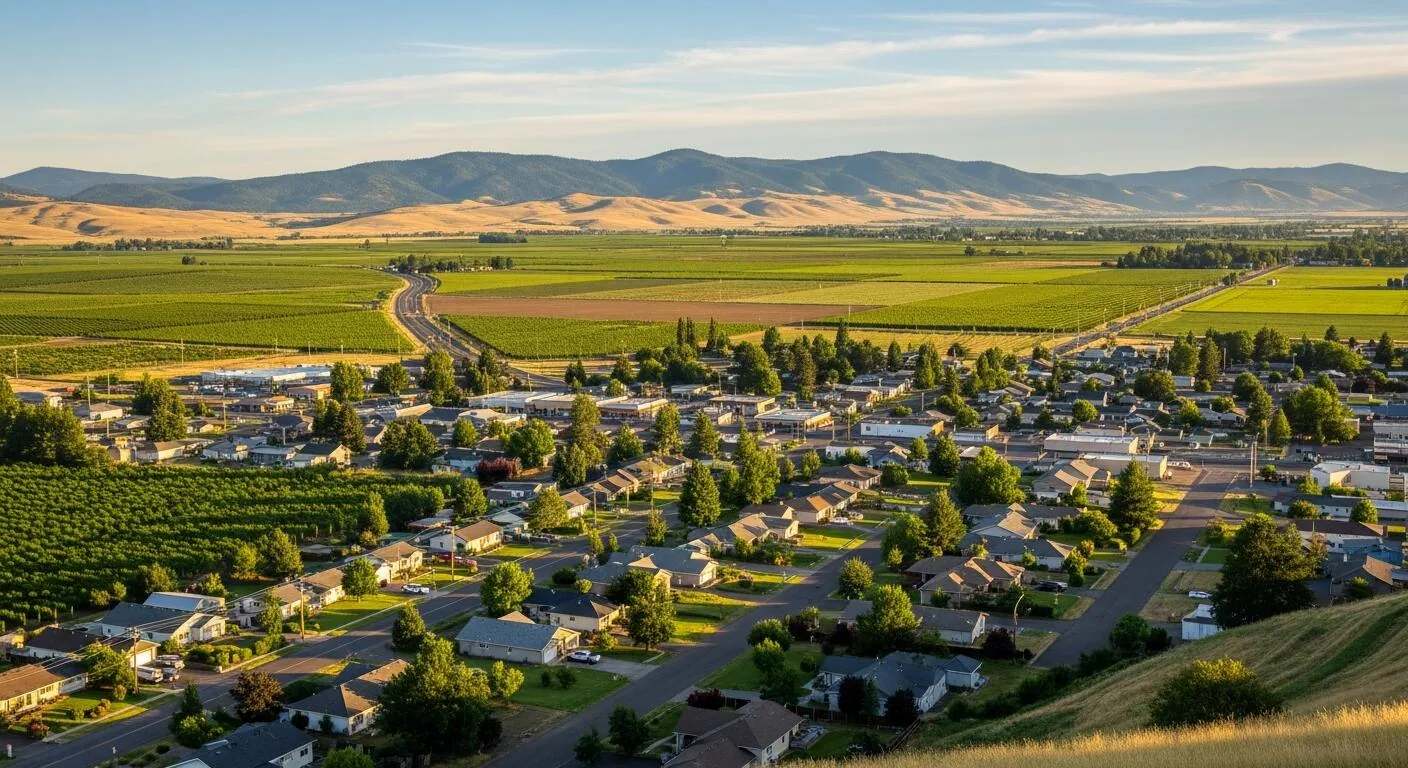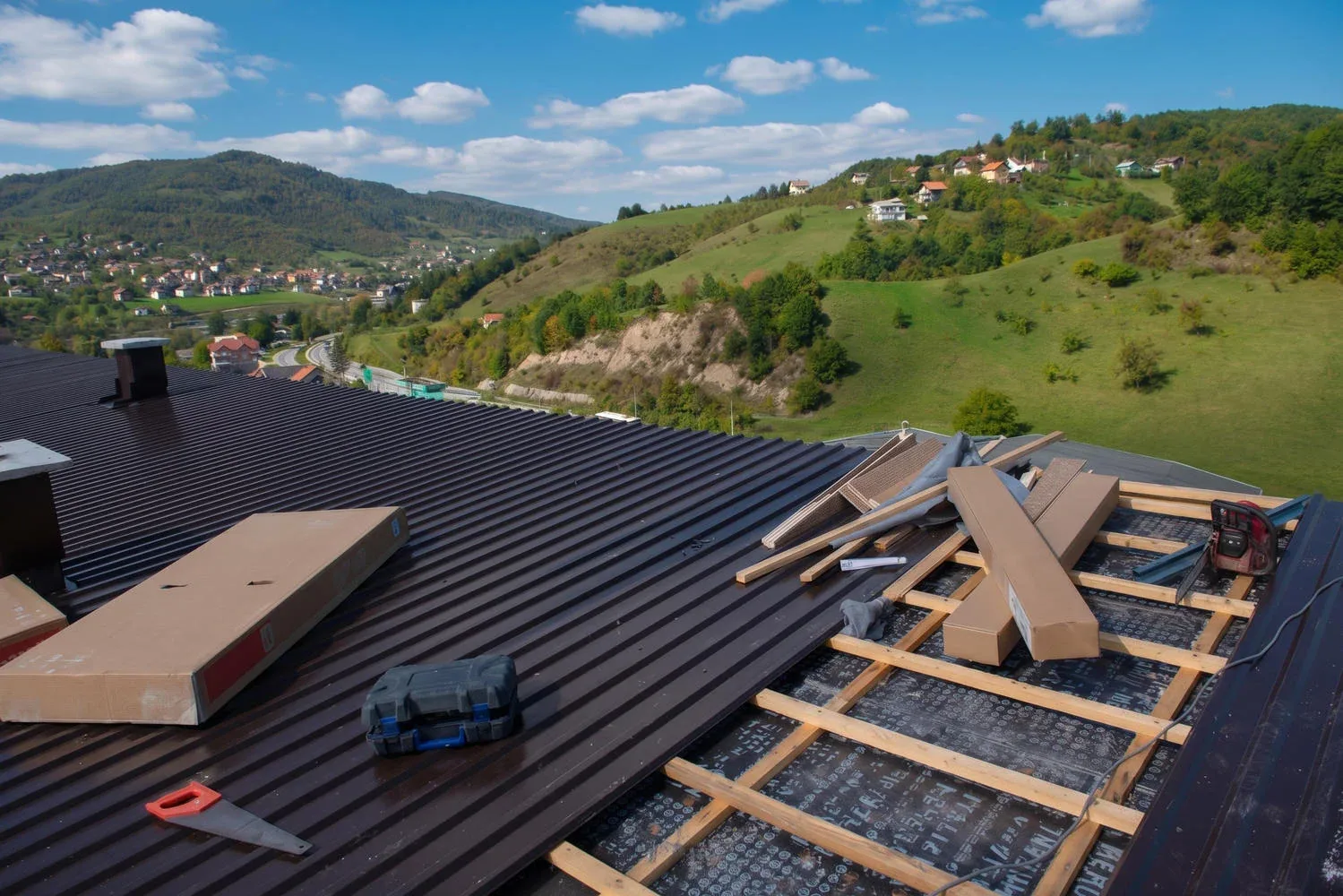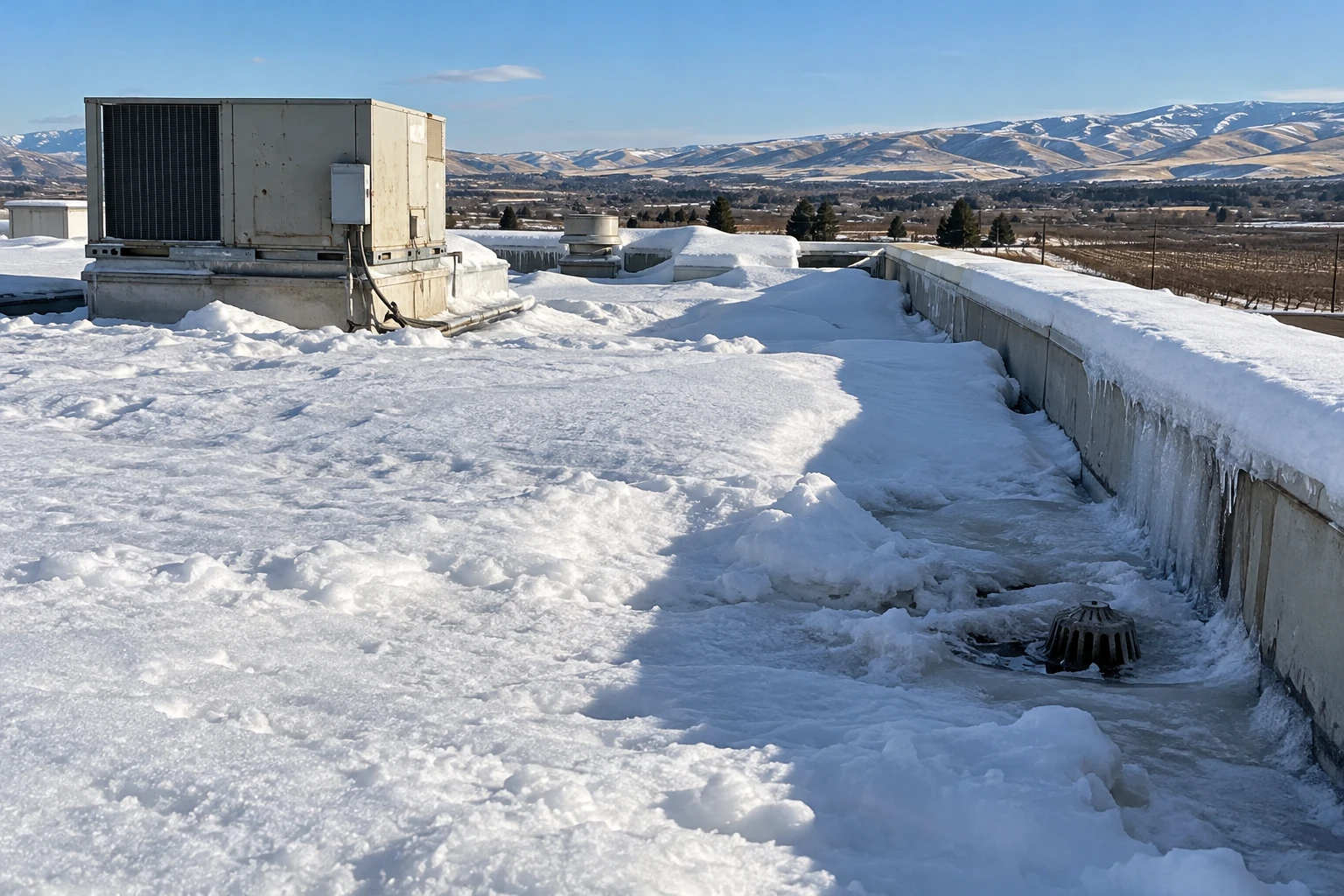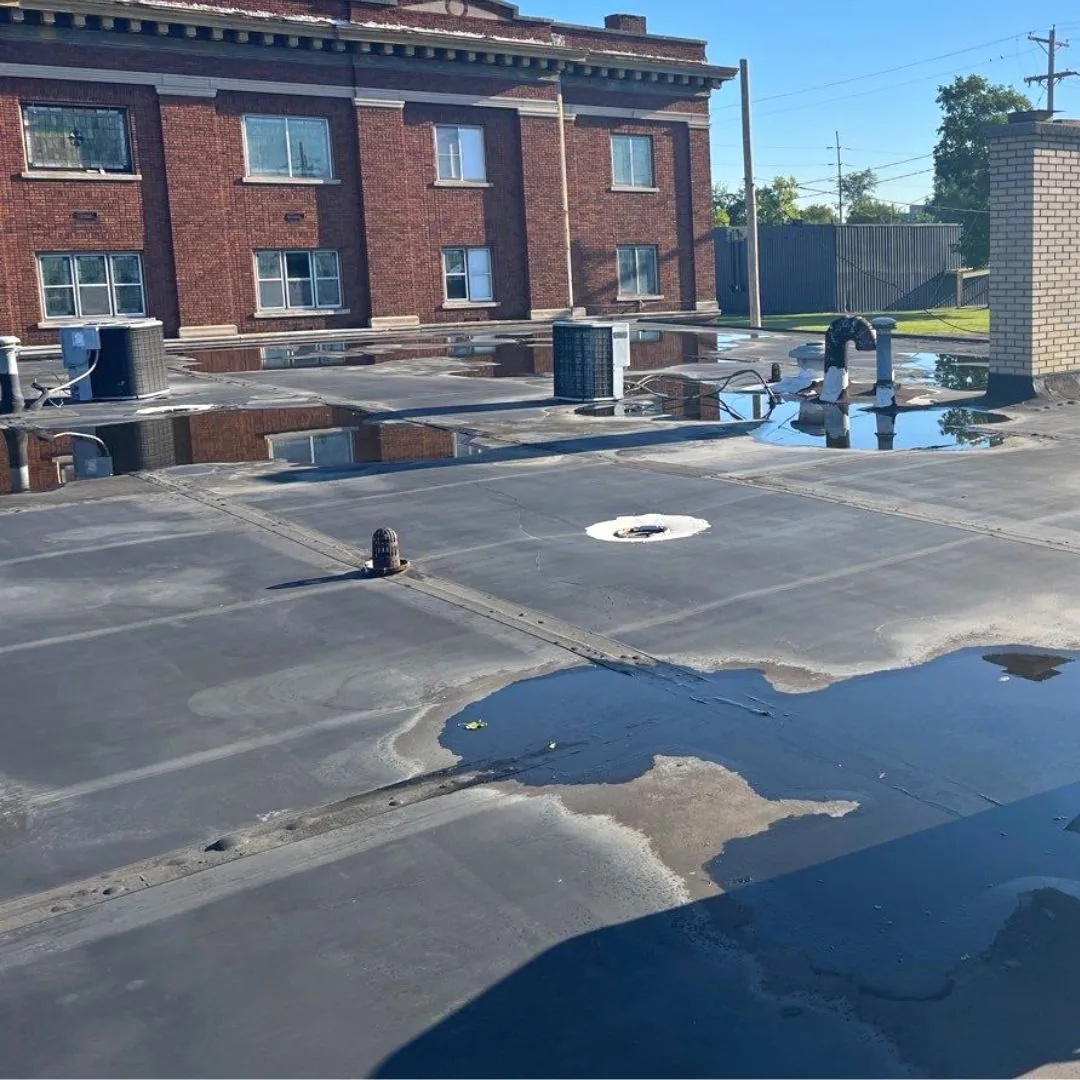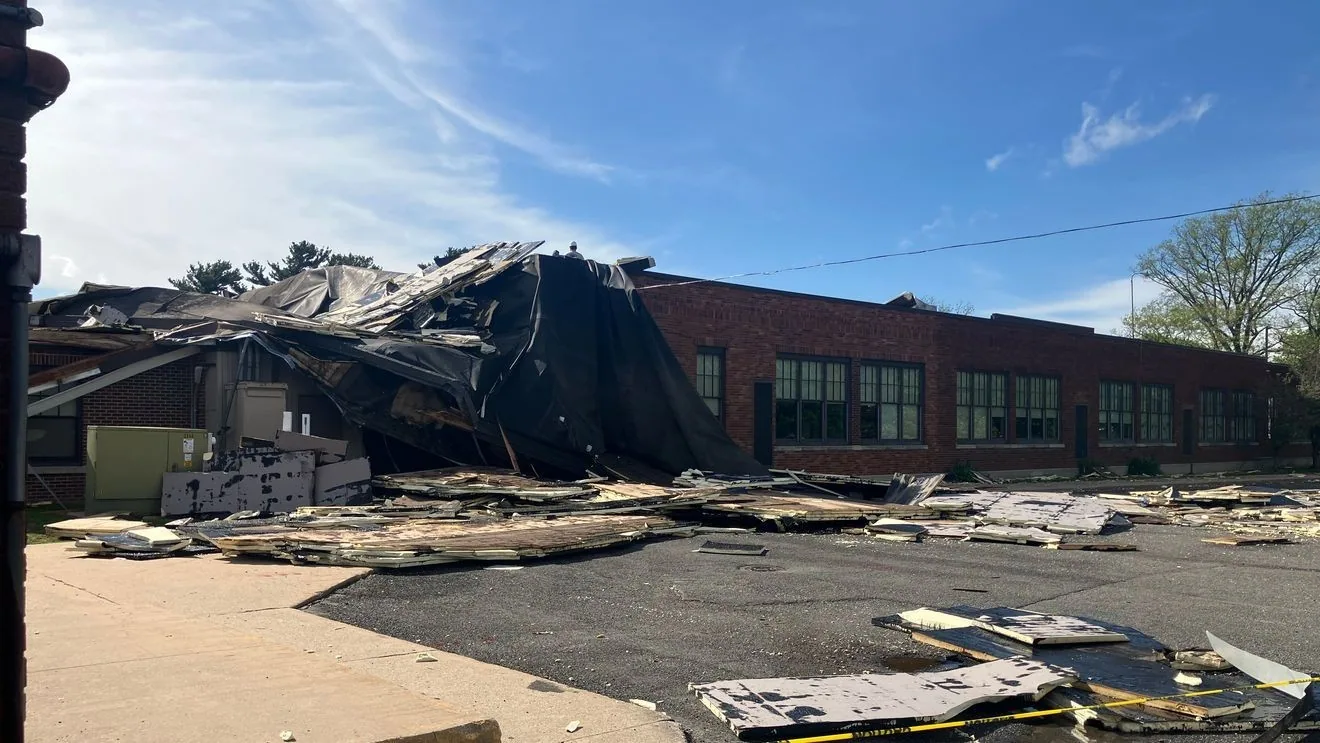
A gale crossed Yakima, WA in late November 2019, and the next morning facility offices across the valley were asking the same thing. The first question dispatch asks after a gale is not what blew off. It is what moved. A coping cap that shifted half an inch, a membrane edge that lifted and settled back, a rooftop unit panel that is now a little loose: those small movements let in the next rain, and nobody sees them from the parking lot. Storm repair here covers three weather types, wind, heavy snow and sudden heat, and each leaves a different kind of damage that needs a different kind of look.
Sort the Damage Into Urgent and Scheduled
Our first visit after a storm is triage. We separate openings that let water in tonight from damage that can wait for a proper repair window. A torn membrane over a cold room is urgent. A bent counterflashing on an unused wing is not. Sorting this way gets the dry-in done within hours and prevents the common error of spending a day on cosmetic fixes while a real opening stays uncovered.
Facility teams can speed this up by photographing ceilings, noting where water appears, and checking whether any door, window or wall has started to bind or crack. Those clues point to load problems that no tarp will solve. If the building shows distress, we say so before anyone steps on the roof, and the structural question goes to an engineer.
Roof access is the other early question. Snow and ice can hide skylights and open drains, and a deck that carried a heavy load for days may not tolerate more weight. We set up fall protection, test the deck at the hatch or ladder, and walk only where it is sound.
Trace Wind Damage From the Edges Inward
Yakima's record gust stands at 69 mph from May 1985, and the late-November 2019 windstorm still pushed Sunnyside to 53 mph. Wind lifts a roof from the perimeter, so we begin there. We check coping, fascia, edge metal and the first few feet of membrane, then follow any billowing toward the center of the field.
A lifted section tells us a lot. Torn fasteners, stripped plates and missing adhesive each point to a different fix, and a section that has billowed may have pulled the seams without tearing the sheet. Our wind damage repair work re-secures what moved, replaces what tore, and checks the surrounding roof so a second gust does not find the same weak point.
Read Snow Damage After the Thaw
Snow damage hides until the melt. A flat roof under a drift pile can deflect, and the membrane over that low spot may hold water for weeks afterward. Design snow load is set parcel by parcel, so one building's safe depth is another's overload, as the red-tagged commercial building on South Third Avenue showed in February 2019.
We check for ponding along drifts, split seams at the parapet, cracked flashing at the step-downs and bent drain strainers. Damage from snow and ice is repaired in the order the load traveled: structure and deck first, insulation next, membrane last.
Spot the Slow Damage That Heat Leaves Behind
Yakima set a record of 113 F in June 2021, and about 40 afternoons a year reach 90 F or more. A hot week followed by a cold night can open seams that a milder season would have left alone. After an extreme spell we inspect pipe boots, sealant at curbs and the lap seams of single-ply sheets, where expansion is hardest on the material.
A windstorm throws grit and branches that scar and puncture a membrane. We probe each suspect mark, because a scuff on the surface and a breach in the sheet look alike from a distance. A drone pass, offered through our drone roof inspection service, speeds that search across long roofs.
Repair in an Order That Holds Up to the Next Storm
Temporary repairs buy time, but they are not the fix. After dry-in, we write a scope that lists each damaged item, the repair method, and the order of work. Edges and fasteners come first, since the next gust will test them. Membrane patches follow, then flashing and sealant. Insulation that took on water is cut out and replaced before the final layer goes down.
We match materials to the existing system, so a patch on a thermoplastic sheet is heat-welded and a patch on a built-up roof is built with compatible plies. Large processing buildings need work in phases so the cold rooms and loading doors below keep running, and a hospital adds noise and access limits of its own. We confirm the phasing with your operations lead before the first panel opens.
Document Everything for the Claim File
Insurers ask what the storm did, not what the roof looked like before, so the record we create on the first day matters. We photograph every damaged area with a reference object for scale, log the time and the weather, and keep the removed materials until the adjuster has seen them. Our insurance claim assistance turns those notes into a scope your adjuster can follow line by line.
Owners of warehouse and distribution buildings along I-82 and in Union Gap can hold several open events at once, so we keep the files separate by event and date. If a second storm hits before the first claim closes, the damage from each stays traceable.
After the dry-in, ask the crew for the marked roof plan showing every item they touched. That plan is what lets the next storm's damage be told apart from this one's, and it spares the adjuster a second walk.
Commercial Roofing Questions
How quickly after a storm should we have the roof checked?
Call as soon as the weather settles and people can work safely. Small openings let in water with the next rain or thaw, and delay lets that water spread through insulation. Even if nothing leaks, a perimeter check within a few days catches lifted edges before a second gust finds them.
Does the storm repair need a permit in Yakima County?
Minor repairs usually do not, but replacing large areas or changing the roof structure can. The Washington State Building Code Council's 2021 code editions took effect statewide on March 15, 2024, and they govern new work. We review the scope against the current code and tell you before work starts whether a permit is required.
A tenant says the ceiling is damp but I see nothing outside. What now?
Water often travels along the deck and insulation before it shows in a ceiling, so the opening may sit well away from the stain. We scan the roof with moisture tools, trace the path back to the entry point, and repair that spot. A tarp over the stain itself rarely fixes the cause.
Will temporary repairs affect my insurance claim?
Reasonable steps to protect the building are normally expected, and our records show what was done and why. We keep the damaged materials and the photographs so the adjuster can compare the temporary work against the permanent scope. Check your policy language for the specific duties it sets after a loss.
Can you repair a roof under snow, or do we wait for a clear day?
Emergency dry-in goes ahead in almost any weather, because the opening has to be covered. Permanent repairs wait for a surface that is clean, dry and above the temperature range the materials require. We clear the work area with plastic tools, protect the membrane, and set the permanent work for the first suitable window.