A mechanic finishes a service call on a rooftop unit at the end of a 97 F afternoon, hears a small pop under his boot and sees a patch of the white surface give way. The call to dispatch comes the next morning, and the first question is whether it rained overnight. A puncture in a membrane is the smallest roof failure and one of the most common. In Yakima, WA, where a typical year brings only about 8 inches of precipitation, a small hole can go unnoticed for months, then show up in January when a thaw sends water through it into insulation that has been collecting damp since the fall.
Sort Punctures by What Made Them
Most punctures come from four sources. Foot traffic and dropped tools around rooftop equipment cause the first. Debris thrown by wind, such as branches, loose gravel and sheet metal, causes the second. Fasteners, nails and screws that back out of the deck from below or are carried onto the roof by a crew cause the third. Animals and falling ice cause the fourth.
Knowing the source tells us where to look for more. A tool strike near a unit means other marks along the service path. Wind debris means damage on the windward side. A fastener that backed out means others are probably on the way. We map the damage by pattern, which finds punctures that a quick walk-through would miss.
Ice is a seasonal cause worth naming. Meltwater refreezes into sharp ridges along parapets and drains, and a chunk that falls from a tall wall or an equipment cabinet can crush the sheet below it. Clearing ice with plastic tools, never with steel, avoids adding a second kind of damage to the first.
Protect the Paths Technicians Use Every Week
The most worn areas on any roof lie between the access hatch and the rooftop units. Repeated steps grind grit into the surface and soften the membrane, and a dropped wrench finishes the job. We install walk pads along those paths and around units, and we mark the paths on the roof plan so every trade sees them.
Foot traffic damage tends to be gradual, and it is the kind that preventive visits catch. Our maintenance visits look at the path to every unit, and the log records the wear. The units themselves, from refrigeration condensers to packaged air handlers, are a steady source of foot traffic. Any building with heavy mechanical systems, whether a hospital such as Yakima Valley Memorial or a retail center near Valley Mall in Union Gap, has these paths to protect.
Probe the Area and Test for Moisture Before Patching
A hole in a membrane lets water into the insulation, and the water travels. Before we patch, we check how far it spread. A moisture meter and an infrared scan after sunset show the damp area. If the insulation has taken on water, the patch alone will not hold, because the wet material below keeps pushing moisture upward.
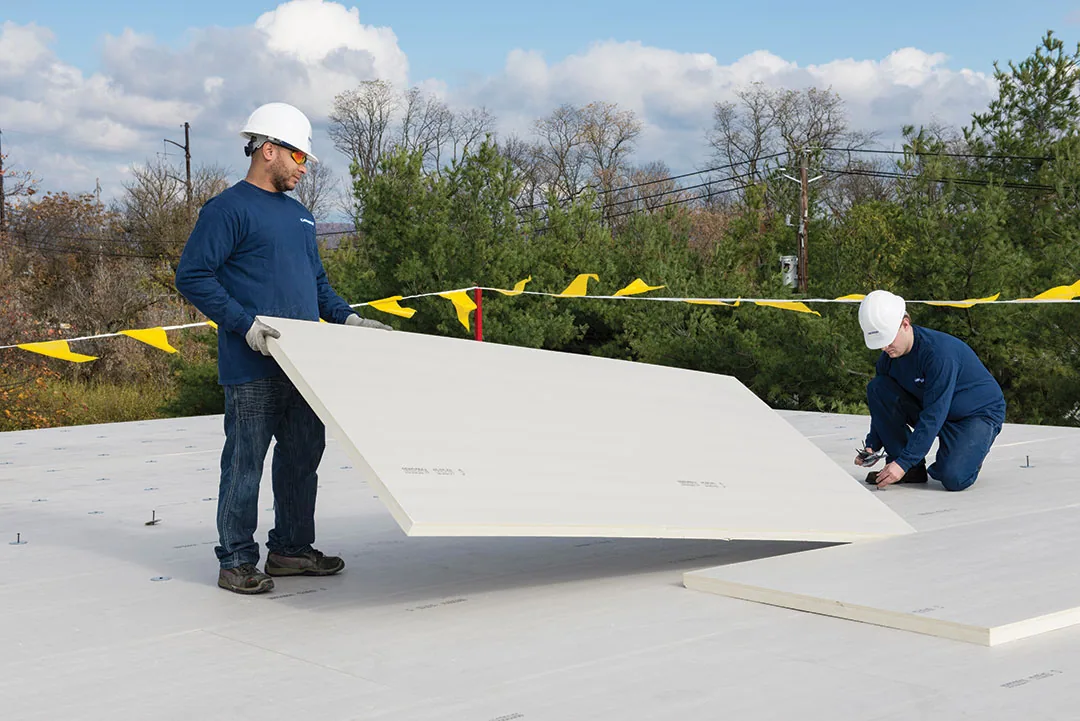
Where the survey shows damp insulation, we cut out and replace the saturated section before we close the membrane. The infrared moisture survey takes the guesswork out of this step, which matters on a puncture that has been open since last winter.
We also look under the patch location from inside, when the ceiling allows. A stain, a soft tile or a damp spot on a wall confirms the path water has taken and tells us how long the hole has been open.
Patch with the Same Material and a Margin of Sound Sheet
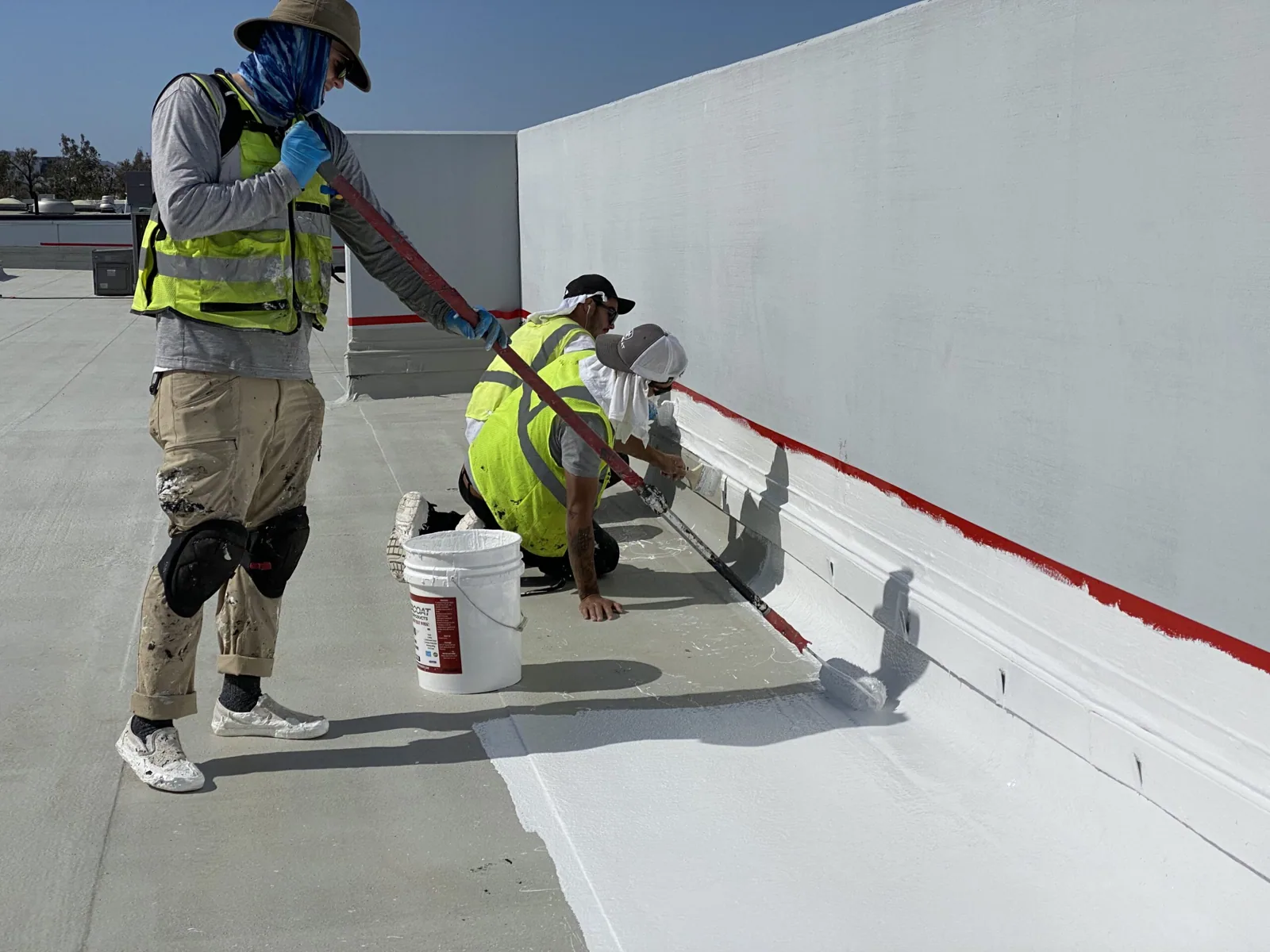
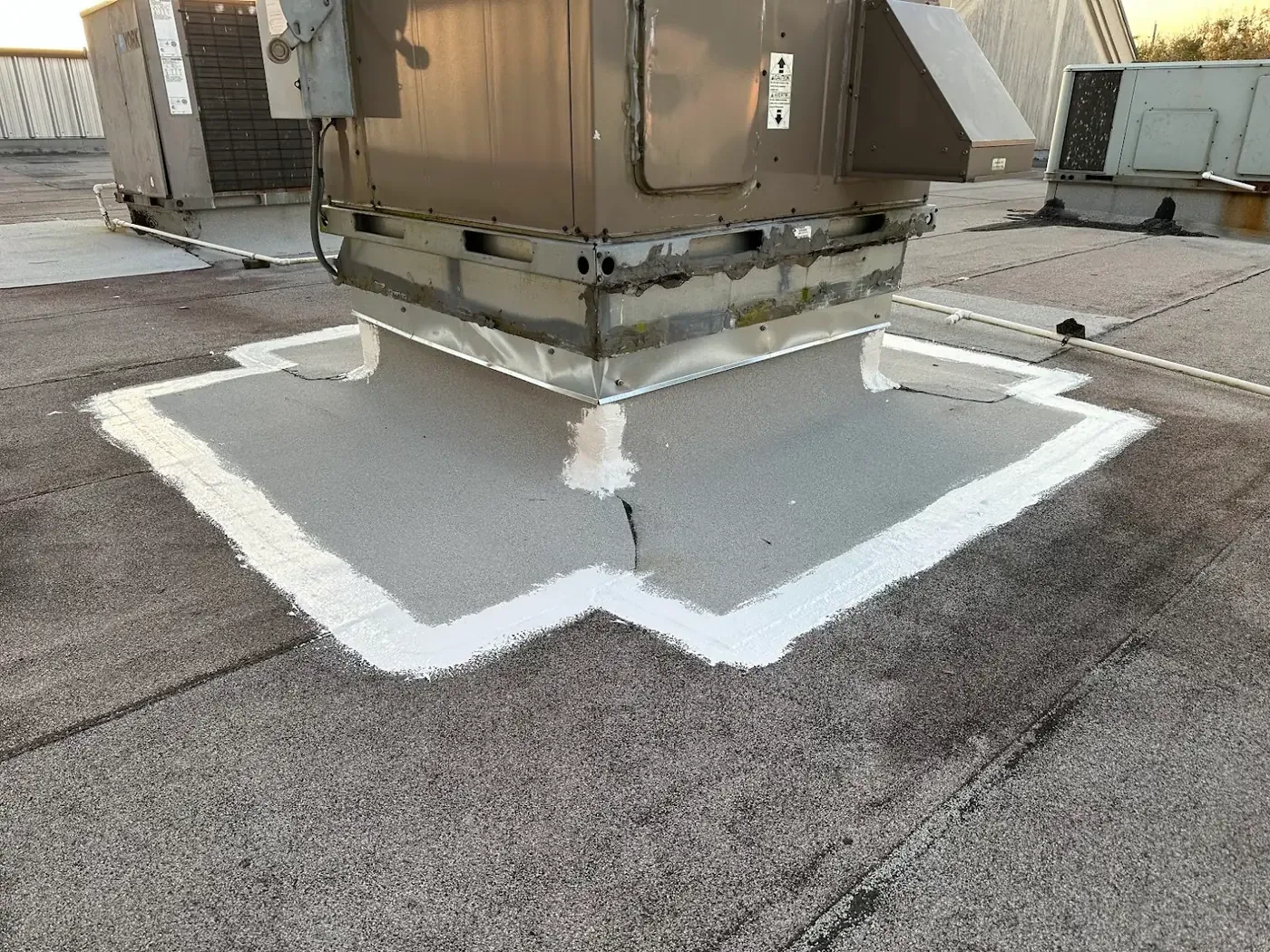
Patch materials must match the roof. On a thermoplastic roof, we heat-weld a cut piece of the same membrane, rounded at the corners and extending several inches past the damage in every direction. On EPDM, we use primer and a cured or uncured patch rated for the sheet. On modified bitumen and built-up roofs, we lay a patch of compatible plies into fresh bitumen.
A small round hole in a good sheet takes a simple patch. A long cut, a crushed area or a puncture through reinforcement takes more. We clean the area, round the patch corners to prevent peeling, roll the edges and probe the finished seam. Corners that are square lift under foot traffic, and rounded ones resist it.
Temperature governs the work. Adhesive patches need a minimum surface temperature to cure, and a welded patch needs a dry sheet. In cold weather we use cold-applied products, protect the repair from moisture and return in warmer weather to inspect it. Every patch gets a date and a location on the roof plan.
Clear Wind-Blown Debris After Every Major Gust
Windstorms like the one that crossed the valley in late November 2019, which pushed Sunnyside to 53 mph, throw material around. Gravel from a nearby lot, tree limbs from the orchard edge and loose sheet metal from a neighbor's building can land on a roof and puncture it. After a gale, we sweep the roof and probe any scar or dent.
Clearing debris also protects drains. A branch that has not punctured the membrane may still block a scupper, and the next thaw will test it. We record what was removed and the damage found, which supports a claim if the storm qualifies. The wider set of effects belongs to wind damage repair, and we move from one to the other as the survey shows.
Add Protection Where the Roof Is Used as a Work Surface
Some roofs serve as storage or work platforms. Where pipes, conduit or equipment stand on the membrane, we install pads, supports and sacrificial layers. Where a roof carries regular traffic, a thicker membrane or a cover board beneath it adds resistance to punctures. A walk-path layout drawn for the roof keeps the damage where it can be replaced cheaply, and a seam failure beside a worn path is a sign the pad needs to be wider.
Commercial Roofing Questions
How big does a hole have to be before it needs a professional repair?
Any break in the membrane is worth a proper repair, because small holes let in water and spread. A temporary patch from a hardware store may hold for a short time, but it seldom bonds to an aged sheet. We recommend a welded or compatible patch, tested before we leave.
A technician damaged the roof during a service call. What should we do?
Photograph the area, note the date and name of the company, and tell the property manager at once. Do not walk on the damaged area. We repair and document the damage, and the record helps you recover the cost from the responsible party.
Can a puncture cause a leak that appears far from the hole?
Yes. Water can travel along the deck or through the insulation before it reaches a ceiling. We trace stains back along the likely path and test with moisture tools. The hole may be many feet from the stain.
Will a puncture repair void my warranty?
A repair that follows the manufacturer's method and uses compatible materials normally keeps the warranty intact. Some warranties require notice or an approved repair method. Check the terms and let us know if there are special conditions.
What can we do to reduce punctures on a roof with frequent service visits?
Install walk pads along each route, keep tools off the membrane, and ask service contractors to follow marked paths. A quick photo before and after each visit helps hold everyone accountable. Our maintenance reports include a section on wear along the paths.