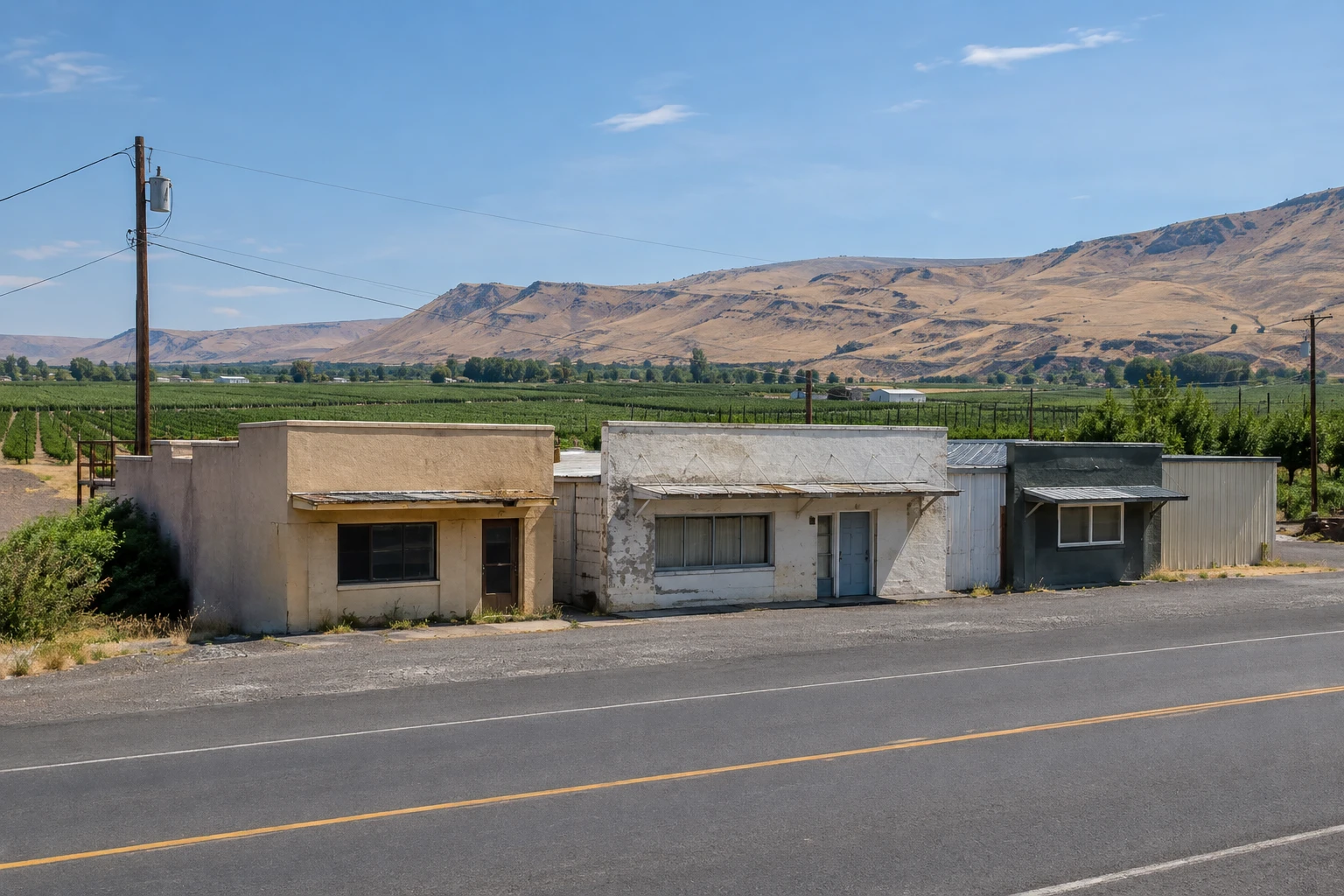
A call at four in the afternoon on a 100 F day usually opens with a smell: hot membrane, softened tar, the faint sweetness of a seam that has let go. When a manager in Eschbach phones about it, the first question dispatch asks is which side of the building runs hottest inside, because heat reaches the weak joint before water does. Eschbach is a census-designated place in Yakima County, about 1.4 square miles in size at 1,289 feet, and it counted 441 residents in 2020. Open a window for airflow, move stock away from the hot wall, and leave the roof alone until the crew checks it.
We repair, coat, recover and replace commercial roofs, and our storm line answers around the clock.
Track the Heat Cycle Through the Whole Afternoon
Yakima's record high, 113 F, came on June 29, 2021, the cold record is minus 25 F, and ordinary summers add dozens of afternoons past 90 F. That spread is why a single membrane faces so much movement in a year. By midafternoon a dark roof can run far hotter than the air, and by midnight it has cooled and pulled back. The swing works on every lap, every flashing and every sealant bead, and over several summers the weakest joint opens.
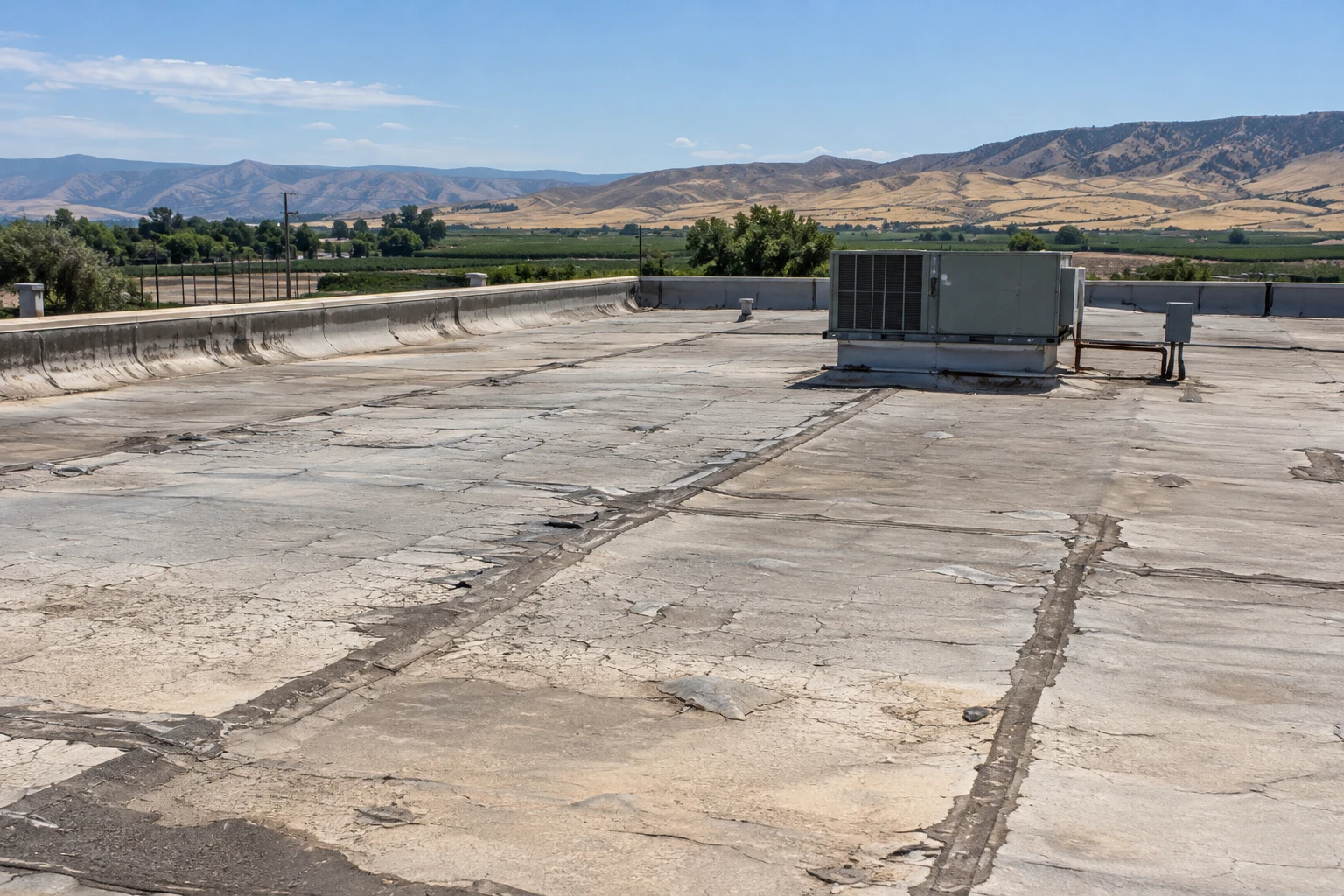
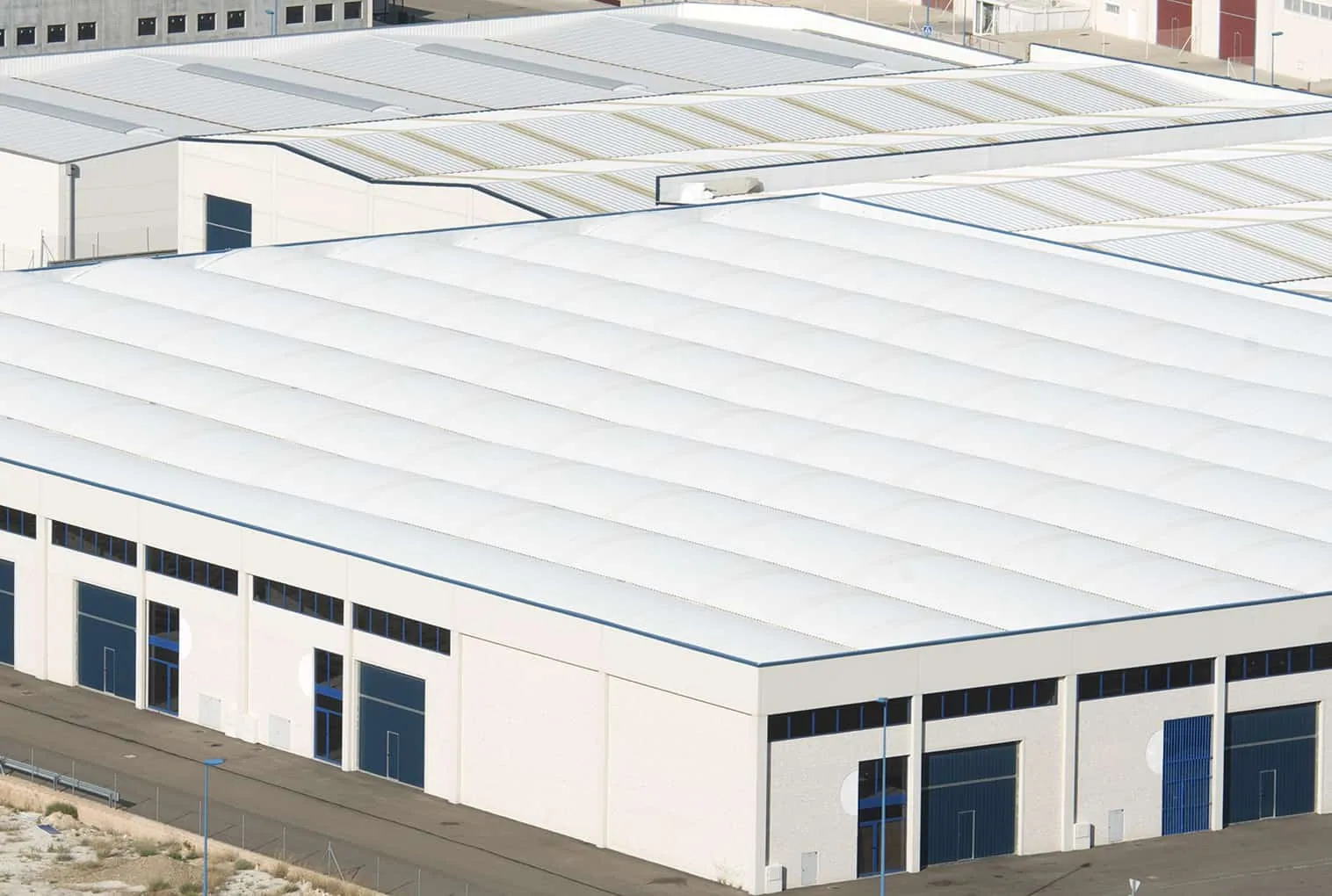
Our first walk looks for signs of that movement: shrunken or wrinkled membrane near walls, cracked flashing compound, fasteners backing out of metal panels and blistered coating. We record each with a photo and a location so the repair is specific. For a roof with surface wear and a sound deck, we compare heat and UV repair against a reflective coating and tell you which costs less over the next several seasons. Before the crew arrives, note which rooms run warmest inside.
Size the Work to a Small-Footprint Building
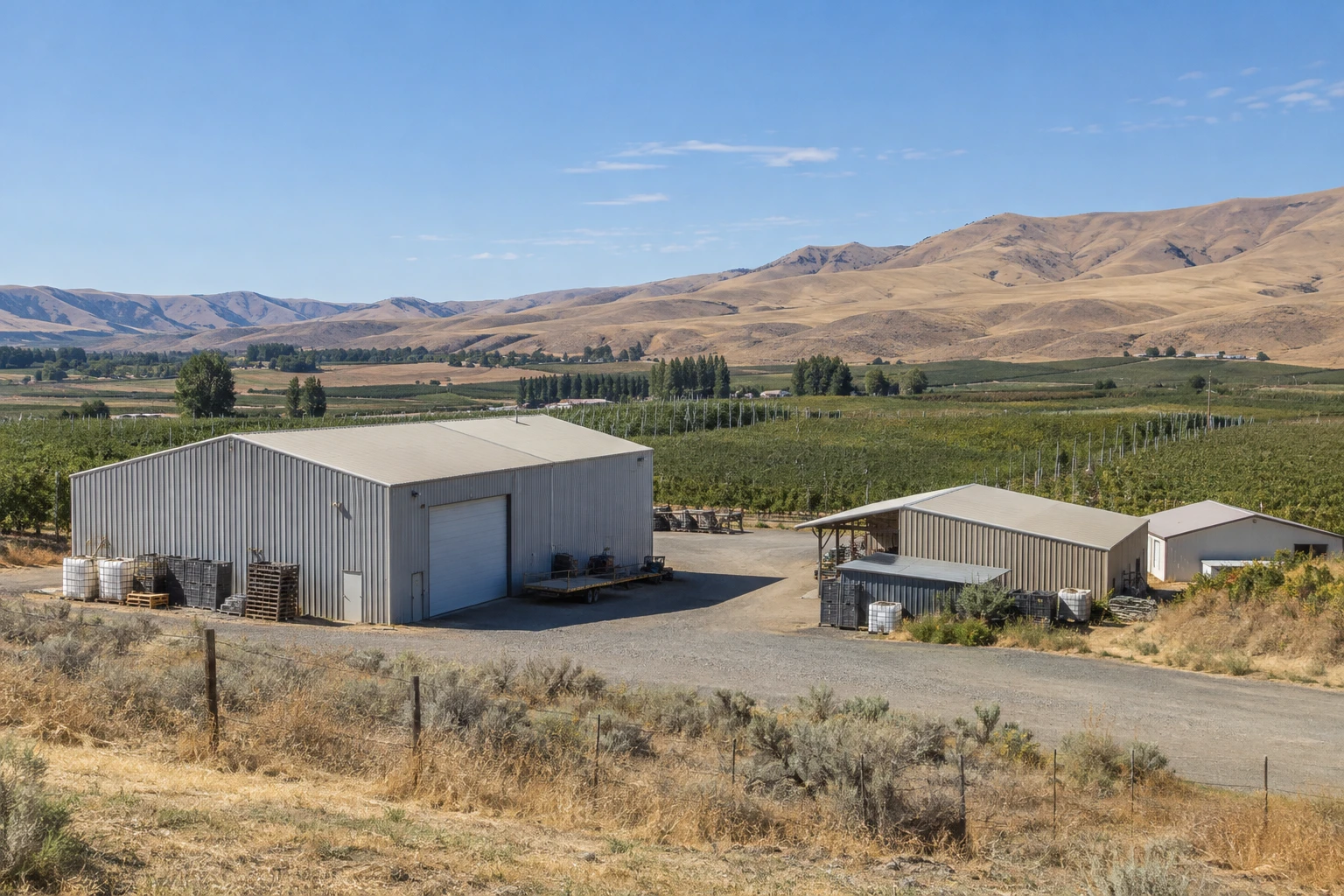
The census recorded 400 residents in 2000, 415 in 2010 and 441 in 2020, so Eschbach has grown slowly. The question for any small commercial building is the same: what does the roof protect, and what can the owner spend on it this year. A small footprint changes the work. A crew can often finish a repair or a recover in days, and a single-ply system such as TPO or a standing seam panel suits a compact roof without long staging.
Access shapes the length of the day: a crew needs a clear path for hoses, material and debris, a place for a dumpster or a chute, and a way to keep customers or staff out of the drop zone. Tell us where parking is tight and when deliveries arrive, and we place the staging where it does not block either.
Cost drivers on a small roof are plain: how much old material comes off, whether the insulation is wet, how many penetrations need new flashing, and how the crew reaches the roof. A single lift position or ladder run can change the price more than the square footage. Send photos of any equipment on the roof and tell us the type of deck underneath, if you know it, and we will bring the right fasteners.
Clear Snow Without Cutting the Membrane
Snow arrives mostly in December and January, and design load is set parcel by parcel, with engineering required above 70 psf. Ask the building department or your drawings for the number before the first heavy storm, since a roof that carries 20 psf cannot take what one engineered for 70 can.
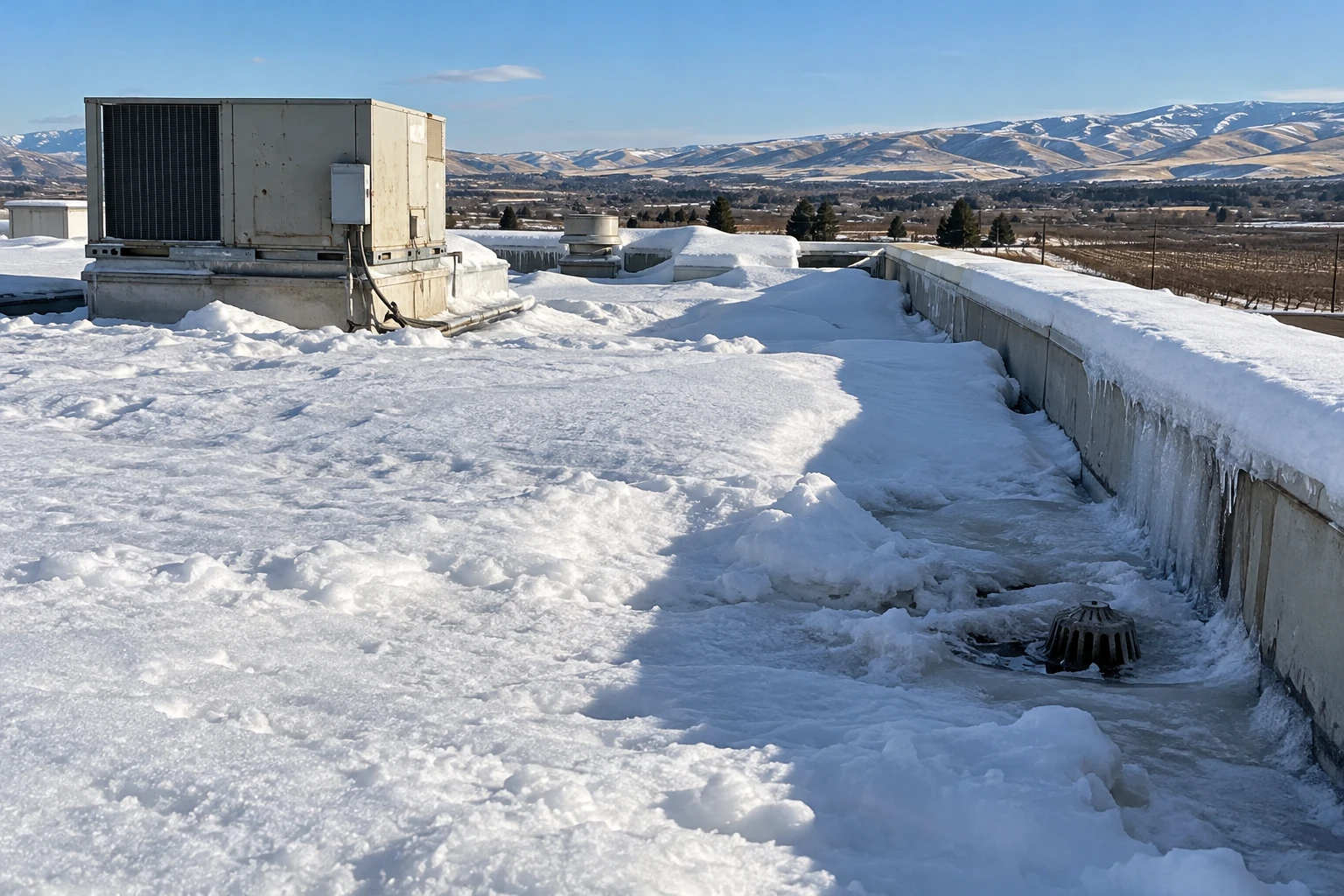
Keep steel shovels off flat membrane; a bulging wall got a Yakima building on South Third Avenue red-tagged under snow in February 2019. We clear with plastic tools and leave a protective layer of snow on the sheet. Watch for drifts at parapets, at a taller wall and around rooftop units. Do not climb up yourself; call, and give dispatch the depth you can see from the ground. Our snow and ice damage repair begins with the load and then moves to the leak.
Secure the Edges Before the November Gust
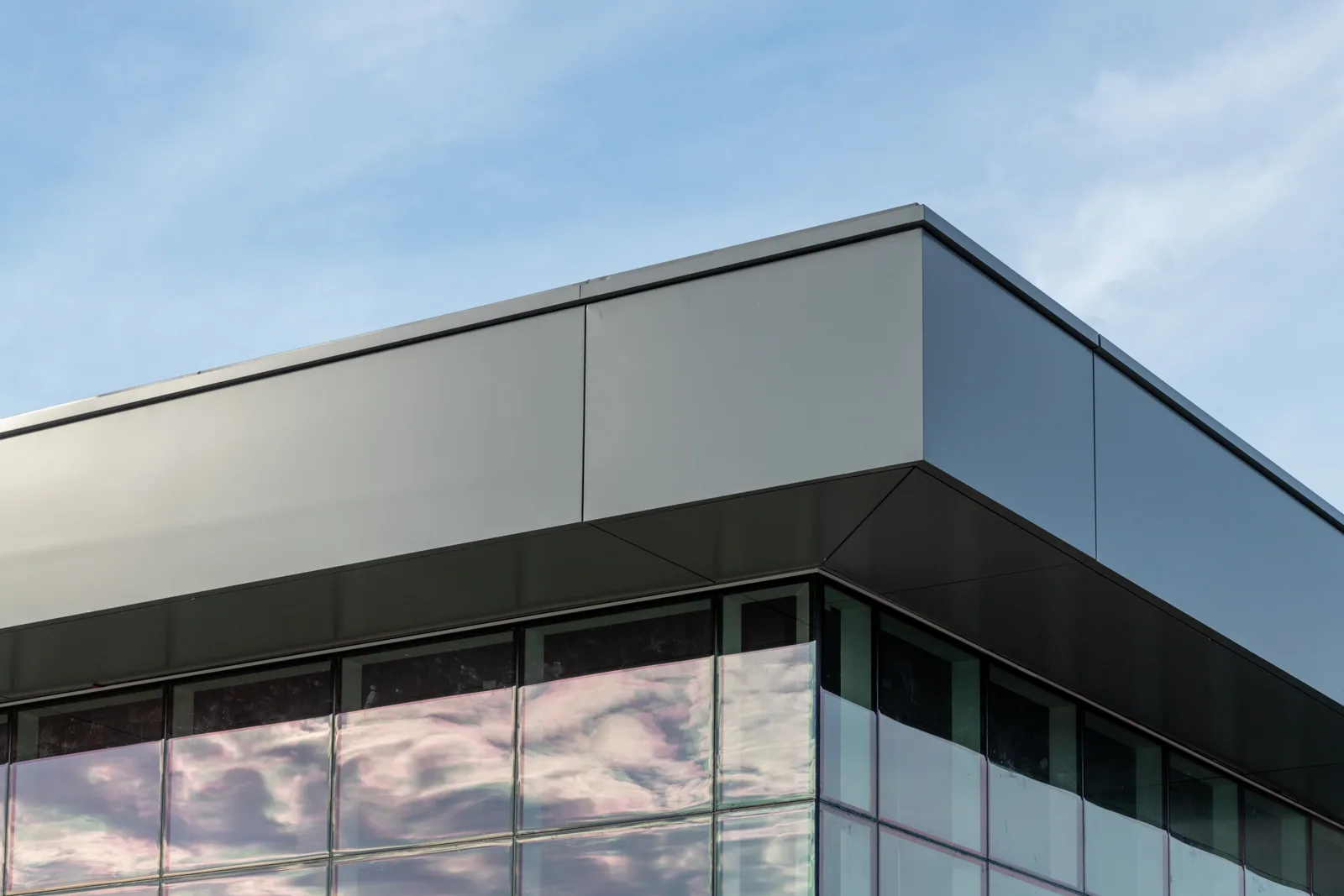
Yakima's record gust stands at 69 mph from May 1985, and county design wind speed is 110. A building at 1,289 feet meets wind at its corners and eaves, so we examine the edge metal, the coping joints, the gutter hems and the first row of fasteners. A gust-lifted edge that is still tight can be re-fastened for little; one that has peeled costs far more.
Washington's 2021 code editions took effect on March 15, 2024. That matters when a repair grows into a replacement, since insulation and edge details on a new roof follow the current editions. We confirm what applies to your building before we price. The edge metal and coping details are where we spend the most time on a windy-site walk.
Schedule Around the Valley's Neighbors
Eschbach lies in the Yakima area, with Gromore and Terrace Heights among the nearby communities we also serve. Interstate 82 is the main freeway through the valley and U.S. 12 crosses northern Yakima, so crews and trucks come in by a route we confirm when you call.
If several small buildings share ownership, a written report that ranks each roof by condition helps you spend in the right order. That report can become a roof condition report with photos, the type of failure, the repair and its rough cost drivers, and we log every callback so the next visit starts from the last one.
Owners of a single small building can keep a one-page roof sheet with the age, the system, the last repair date and the contact for keys. Handing it over at the door shortens every visit and gives the next owner a start.
Commercial Roofing Questions
The roof smells like hot tar on summer afternoons. Is that a sign of failure?
It is a sign the surface is working hard, and it often shows a membrane or mastic that has softened. We look at seams, flashing and old repairs first. If the material is sound and only worn, a reflective coating can help. If it is cracked or lifting, a repair comes first. Open interior windows for air and keep stock away from the hottest wall until we visit.
Our building is small. Is a full replacement overkill?
Not always, and not usually. A replacement makes sense when insulation is wet in many places or the deck is damaged. Otherwise a recover or a targeted repair costs less and takes fewer days. We show both on one page with the cost drivers, so you can see what each choice buys.
What does a snow call from Eschbach need to include?
Send the address, what you can see of the snow depth and drifts, and the design load if you know it. Tell us which rooms must stay open. We will say what to leave alone and plan the first visit around the heaviest drift.
Do wind gusts really matter on a low building?
Yes, because wind lifts the edges of a low roof just as it lifts a tall one. Edge metal, coping and the first fastener row are the points that fail. A quick check after any storm catches a loosened piece before the next gust takes it.
How do we decide between a coating and a new membrane?
Start with moisture. A scan and a few cores tell us if the insulation is dry. Dry and well bonded points to a coating; wet points to replacing that section. We then compare the cost over several seasons rather than one invoice.