A property manager in Gleed phones at dusk to say the roof is popping, a sharp tick every few seconds as the day's heat leaves the building. Dispatch answers with a question about the surface: is it a metal panel, a single-ply membrane or a coated old roof? Each one makes a different sound when it cools, and each one hints at a different weakness. Gleed is a census-designated place of about 5.4 square miles with 2,873 residents in 2020, and it is counted among the Upper Valley communities near Yakima, WA. We treat a roof here as a Yakima Valley roof: dry most of the year, loaded with snow for a few weeks, and cooked by a run of afternoons past 90 F. The building in front of us decides the details.
Listen to What the Roof Does at Dusk
The valley's day-night swing is the quiet stress on a commercial roof. Yakima records large daily temperature changes, and a membrane that expands under afternoon sun contracts again after dark, tugging on every fastener, seam and flashing it touches. The ticking sound at dusk is the roof moving against its attachments.
Some movement is normal. Movement that has opened a seam, pulled a flashing off a curb or split a sealant bead is not. On a first walk we press along lap seams, look for wrinkles that radiate from penetrations and measure how far counterflashing has pulled off a parapet. Metal panels get a different check, at the clips and end laps where thermal movement concentrates. A short list of small repairs now keeps a commercial roof repair from becoming a replacement later.
Start With What the Building Is, Not the Zip Code
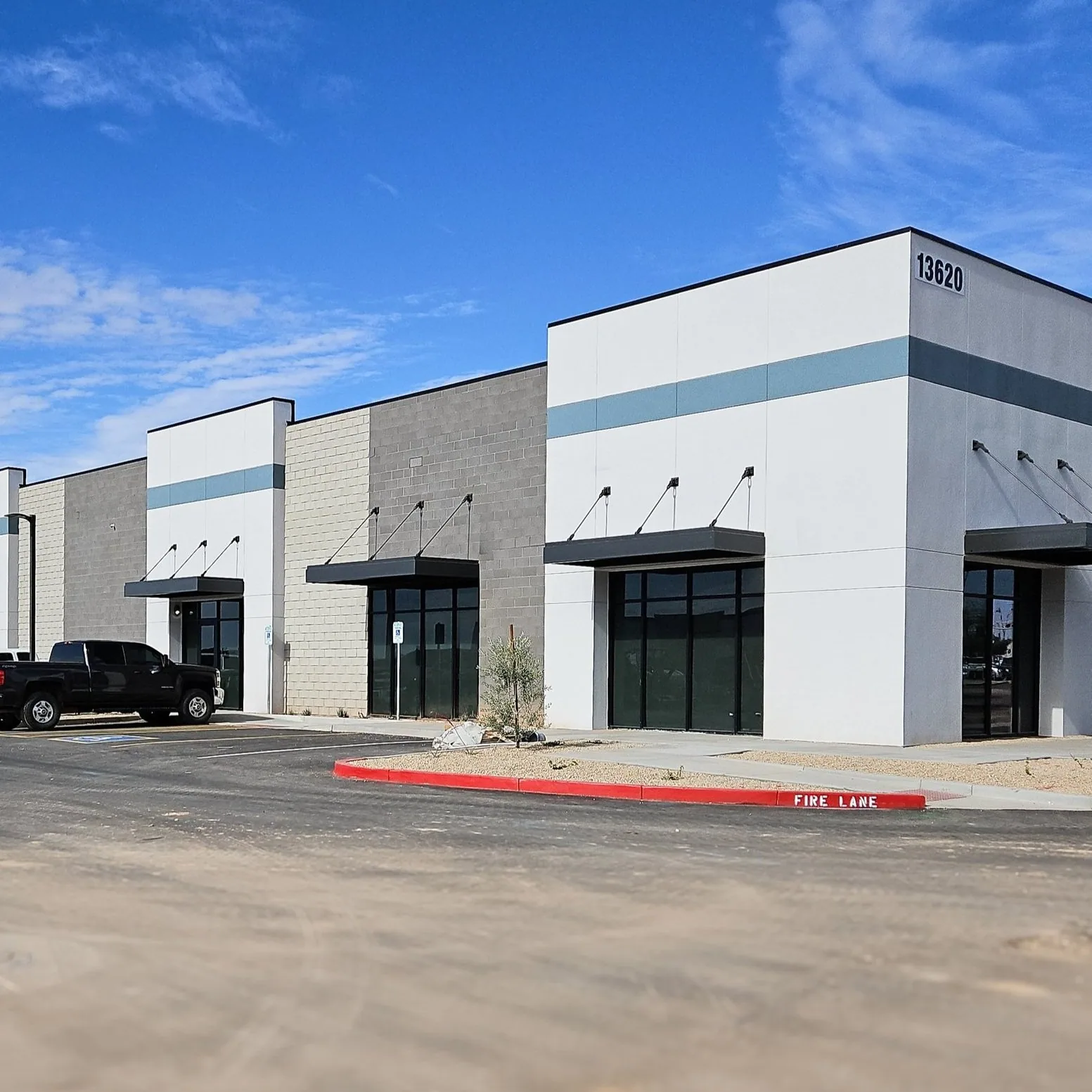
Gleed is a small place, and we do not assume a building type from its size. A strip of shops, a farm-supply barn, a light-industrial shed and an office building each want a different roof, so we ask before we assume. So our first call asks plain questions: what does the building hold, how old is the roof, and has it been patched?
From the answers we choose the first step. A low-slope roof over offices gets a moisture scan and a seam check. A metal-roofed shed gets a fastener and sealant review. A building with several roof levels gets a drainage review at each step-down, since water and snow from the higher roof lands on the lower one. For a small flex or storage building, the flex industrial roofing approach works well: simple, durable and priced for the building, not for a showpiece.
Weigh a Coating Against a Full Replacement
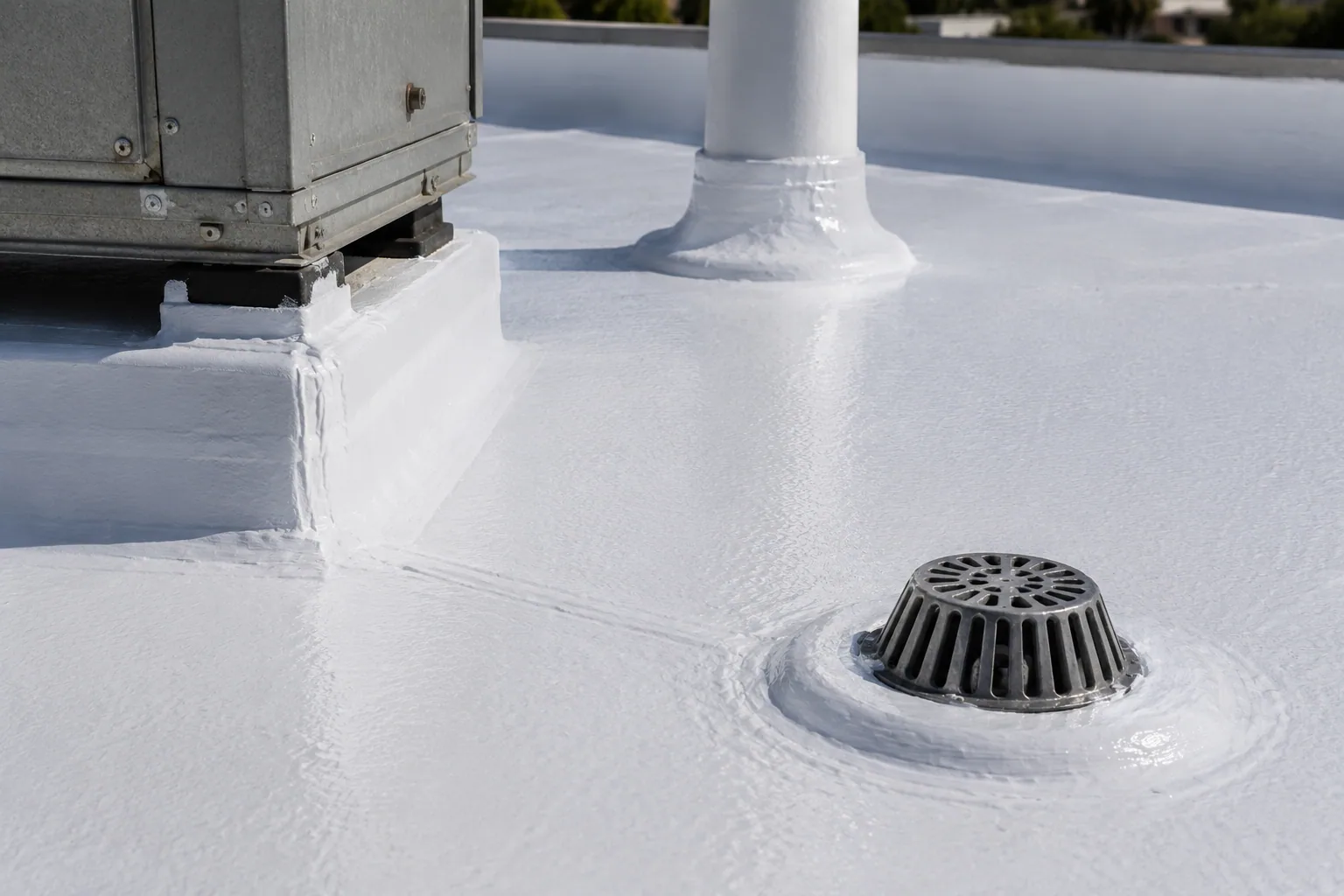
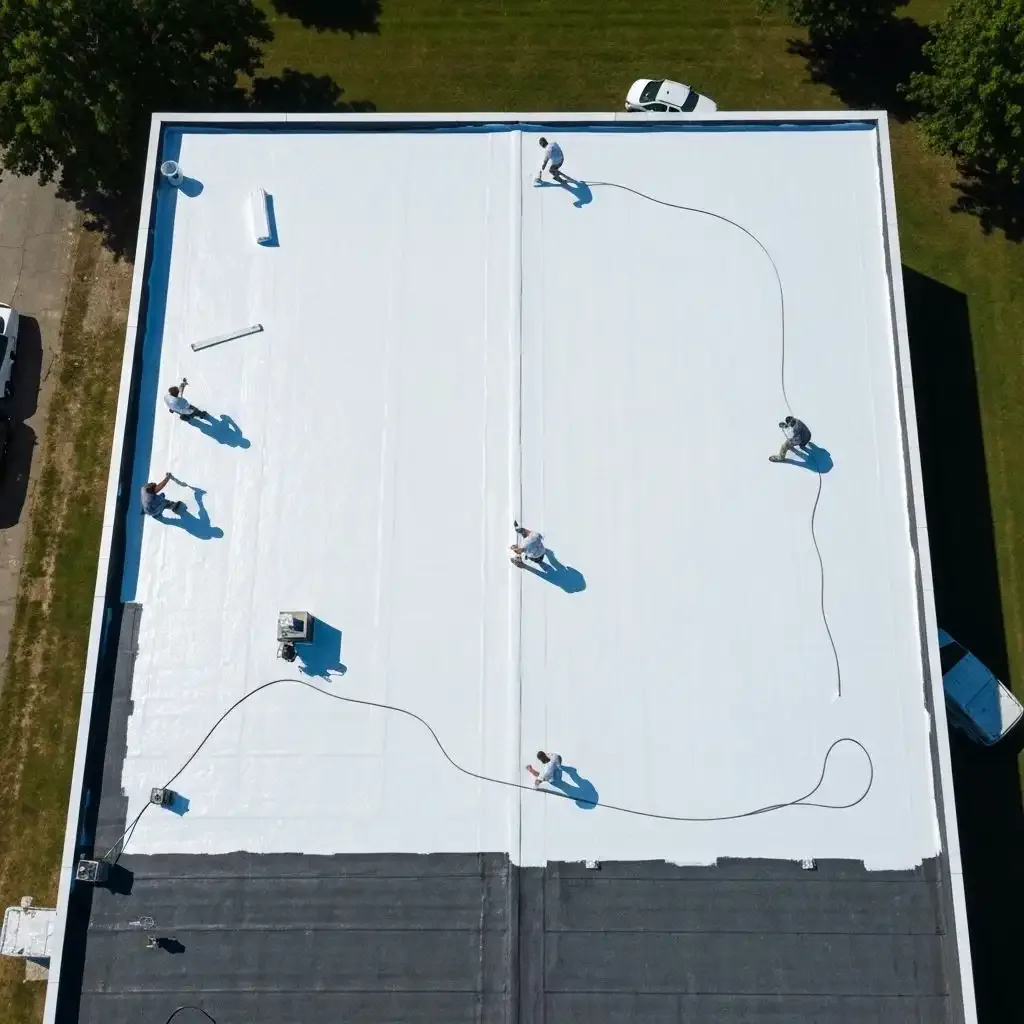
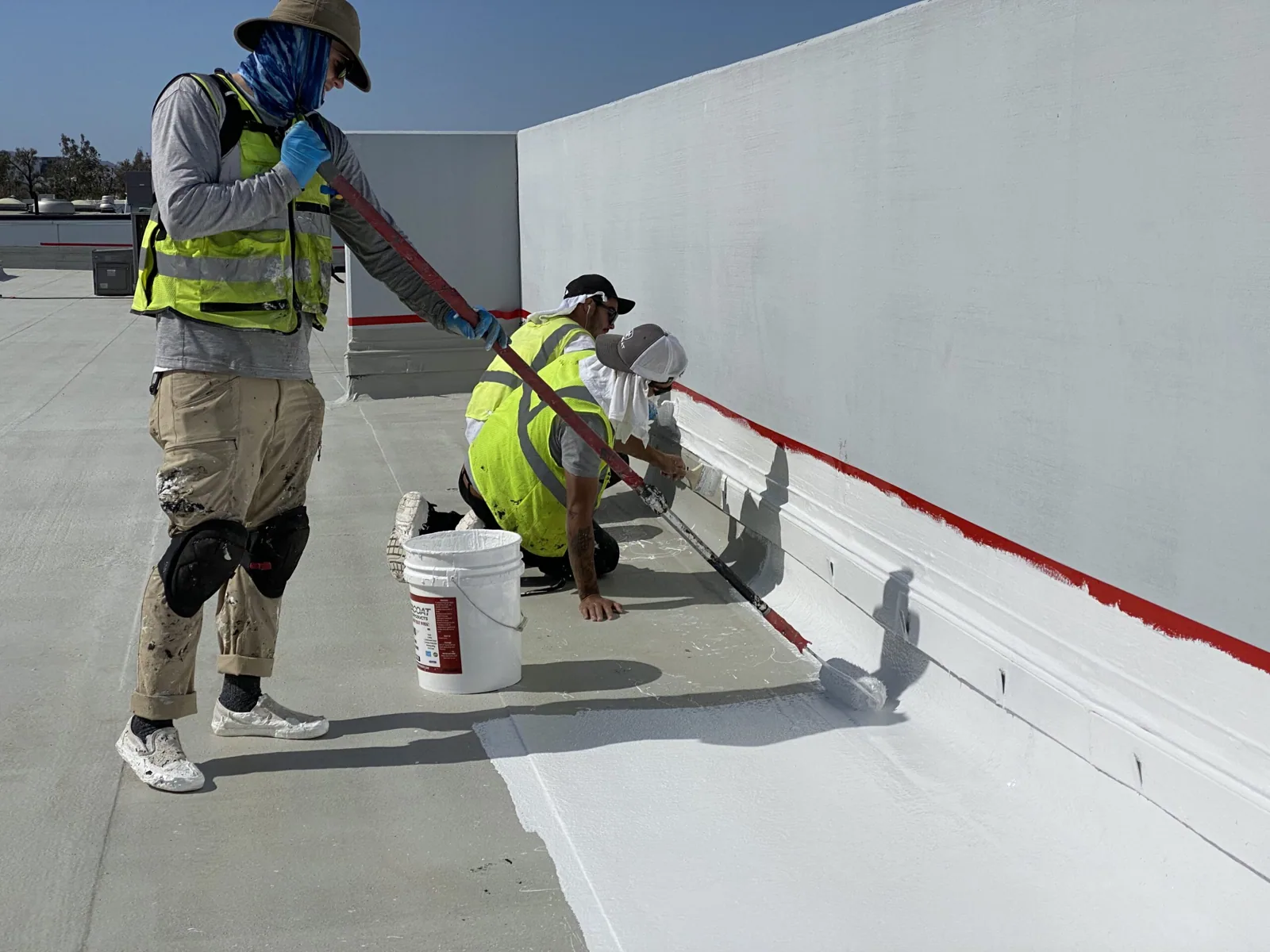
Many small commercial roofs in the valley reach a point where the membrane is weathered but the insulation underneath is dry. That is the moment a roof coating restoration competes with replacement, and the numbers favor coating when the roof qualifies. A coating costs less than tear-off, adds a reflective surface and extends the life of a roof that is otherwise sound.
It does not rescue every roof. We test for trapped moisture before any coating goes down, check that the membrane is firmly adhered and look at ponding, since standing water shortens the life of some coatings. Silicone resists ponding well; acrylic is lighter and works where water drains. When the scan shows saturated insulation, the wet area comes out first, then the coating follows. The estimate separates the repair, the surface prep and the coating so you see what each step costs.
Brace for the December and January Snow
December and January bring most of Yakima's snow, and the county sets design load parcel by parcel, so the permit for your own building is the right source for its number, with engineering required past 70 psf.
If snow builds up, the question is where. Drifts form against parapets, rooftop units and walls that rise above a lower roof. We check those spots first, along with drains and scuppers that must stay open for meltwater. Steel shovels cut flat membrane, so we clear with plastic tools and leave a protective layer. Staff should stay off the roof and report any sagging ceiling, new crack or door that sticks. For a flat roof with older seams, a short preventive maintenance visit in October is cheaper than an emergency call in January.
Reach Gleed From the Upper Valley Side
Crews serving Gleed also cover nearby Upper Valley places such as Ahtanum and Naches, which lets us combine inspections for owners with more than one building. Selah, with its apple and juice processing plants, and the big-box retail roofs of Union Gap show how varied the valley's buildings are, and the same inspection habits apply to every one of them.
An owner with a single building gets the same level of detail as an owner with ten. We photograph each roof area, list the defects in the order they should be fixed and price each item. If a roof has years left, we say so and give a maintenance schedule. If it does not, we give the replacement options, the likely disruption and the cost drivers. Emergency crews answer around the clock, so a Gleed storm call gets the same first-hour response as any other.
Owners who rent to several small businesses can keep one shared page listing each tenant's rooftop equipment and the date it was installed. That page is the quickest way to tell a new penetration from an old one when a stain appears.
Commercial Roofing Questions
Our Gleed building has a membrane that wrinkles near the rooftop units. Should we worry?
Wrinkles around penetrations are worth a close look. They can mean the membrane has shrunk, the insulation under it has shifted, or the attachment is loosening. We press the area, check for open seams, and measure how far the membrane has pulled from the curb. If the surface is intact and dry, a reinforcement strip and new sealant at the curb solve it. If the wrinkles spread, the attachment pattern needs attention before the next storm.
What does a first roof visit include for a small commercial building?
We walk the whole roof, photograph every defect and test for moisture at suspect spots. We check the edge metal, flashings, drains and rooftop equipment, then look at the interior ceiling for stains. You receive a written list sorted by urgency, with a price for each repair and an estimate of remaining life. If nothing needs fixing now, we say so and propose a maintenance interval for the next few seasons.
Is it worth coating a roof that has already been patched several times?
Sometimes. Patches show where water has gotten in, and if the insulation under them is dry, a coating can unify the surface and seal the weak points. If the patched areas sit over wet insulation, the coating will trap that moisture and fail early. We scan the roof for wet areas, cut samples where needed and report what we find. Then you can decide between a coating, a partial replacement and a full tear-off.
What is the best time of year to replace a commercial roof here?
Late spring and early fall give the widest working window. Membranes bond best in moderate temperatures, and the valley's dry weather helps crews finish sections. Midsummer heat above 90 F narrows adhesive time, and winter snow stops work. Book early, since good weeks fill quickly, and send the permit snow load so the design accounts for it. If a leak forces your hand, we make the building watertight first and schedule the full job for better weather.