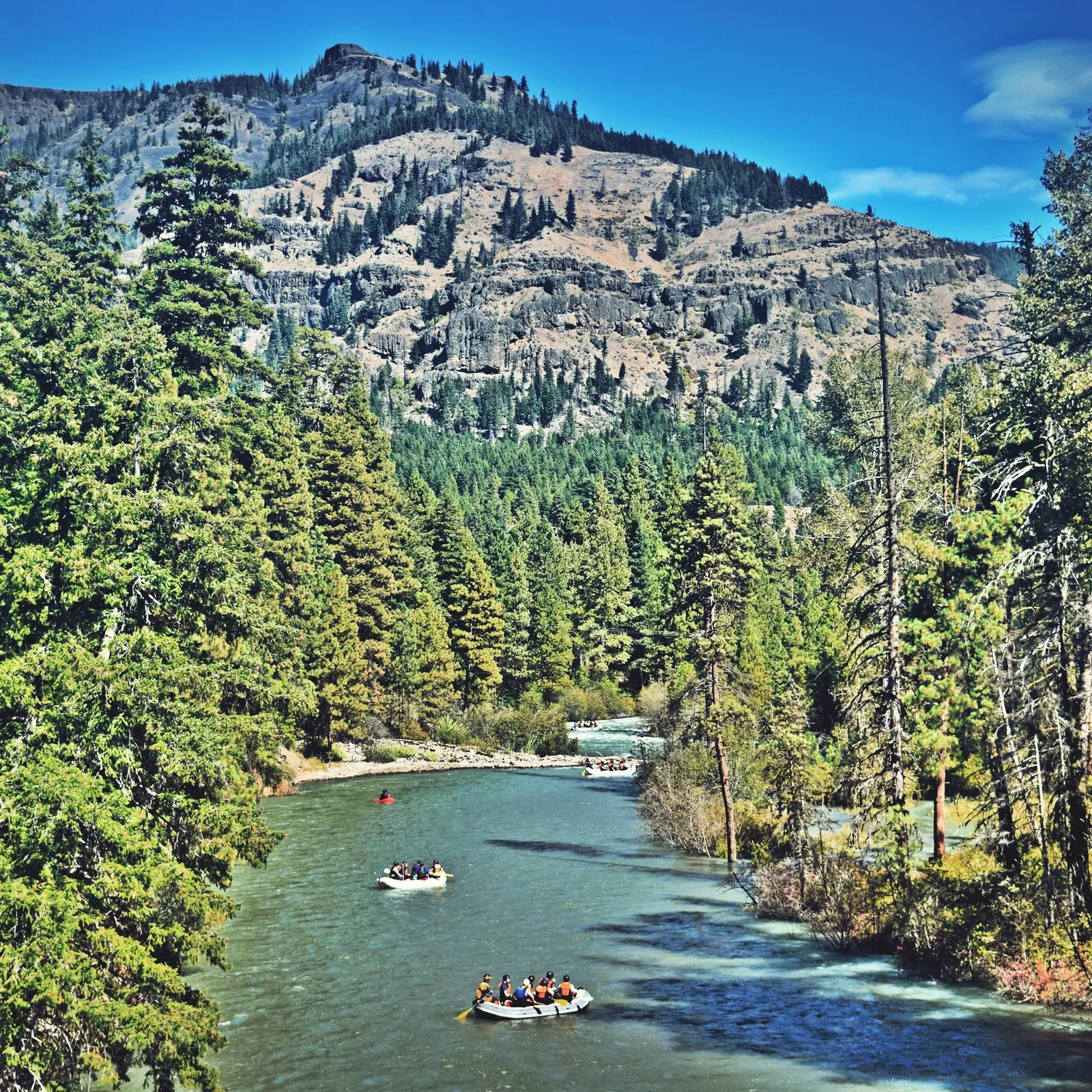
A first-hour call from Naches in the middle of a February storm sounds like a cold-room supervisor asking whether a ceiling that never sweated before should be dripping. Dispatch asks what changed: the weather, a door left open, a defrost cycle, a roof penetration someone opened last month. Naches sits along the Naches River near the eastern Cascade foothills at about 1,453 feet elevation, is known for apples, cherries and pears, and had 1,084 residents in 2020. It is also named among the Upper Valley communities near Yakima, WA. A fruit-handling building holds its temperature against a roof that sees heavy snow, hot afternoons and wide swings, and a small change in the roof shows up fast inside.
Trace the Drip Back to What Changed
Dripping at a cold-room ceiling is not always a leak from above. Condensation forms when warm humid air meets a cold surface, and a door left open during a loading rush can carry enough moisture to drip for days. A genuine roof leak shows after rain or snowmelt and follows the weather, while condensation follows operations.
We separate the two by checking the timing and the pattern. Stains that track under the roof's seams or drains suggest a roof leak, and wet patches near doors, ducts and conduit suggest an air path. A thermal scan from inside can show where cold air escapes, and a scan from the roof side finds saturated insulation. If a penetration was opened for a new line, we inspect its seal and flashing. The fix may be a vapor seal inside, a flashing outside or both, and we tell you which. Keep the door closed more than usual during the check, and photograph the drip at different hours.
Fit the Roof to How a Fruit Building Runs
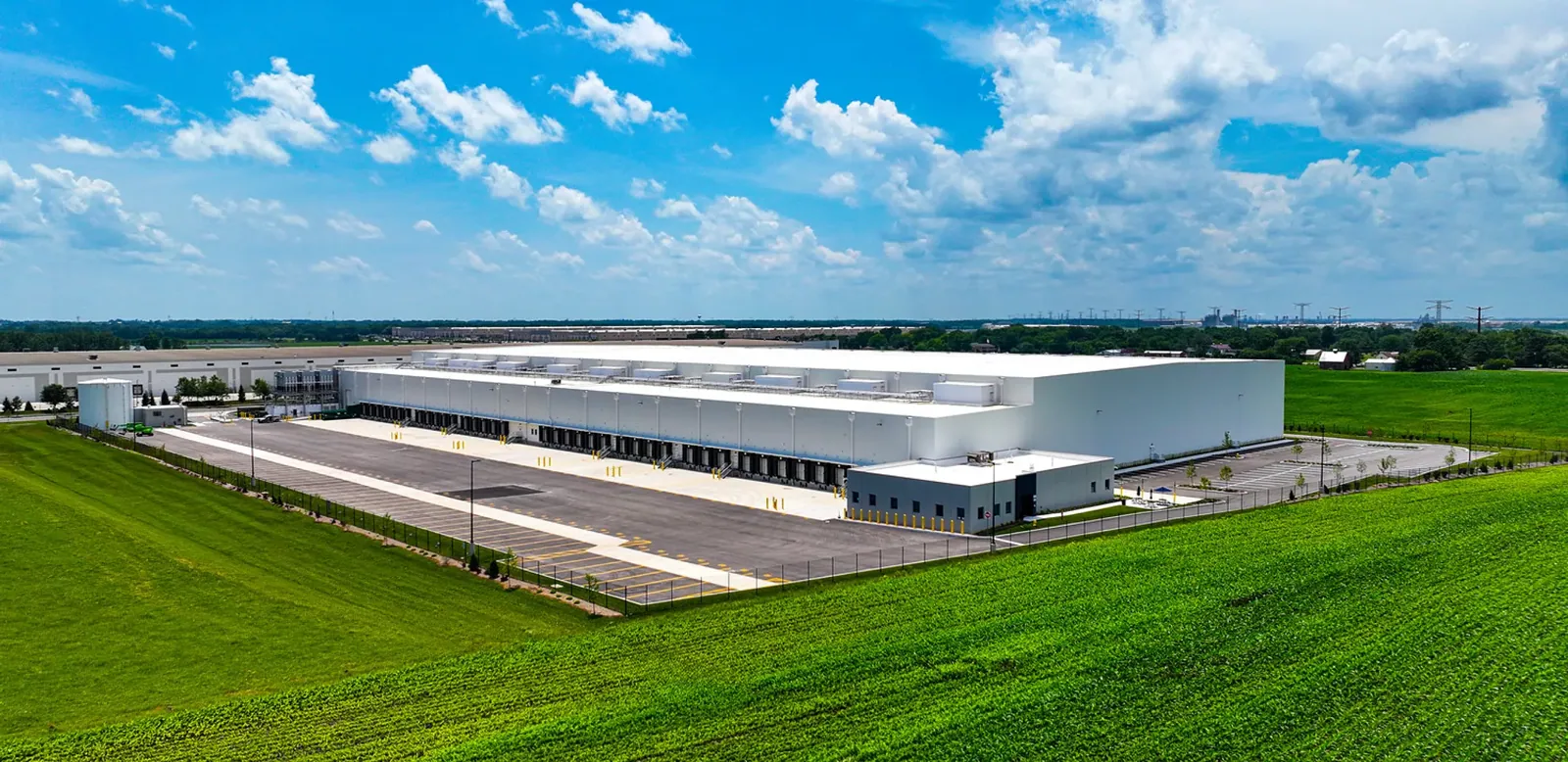
Fruit-handling buildings around the valley include packing, cold storage and processing space, and the largest operators in the market employ over a thousand people. Naches is known for apples, cherries and pears, and any building that supports that work has to protect product from water, dust and temperature swings.
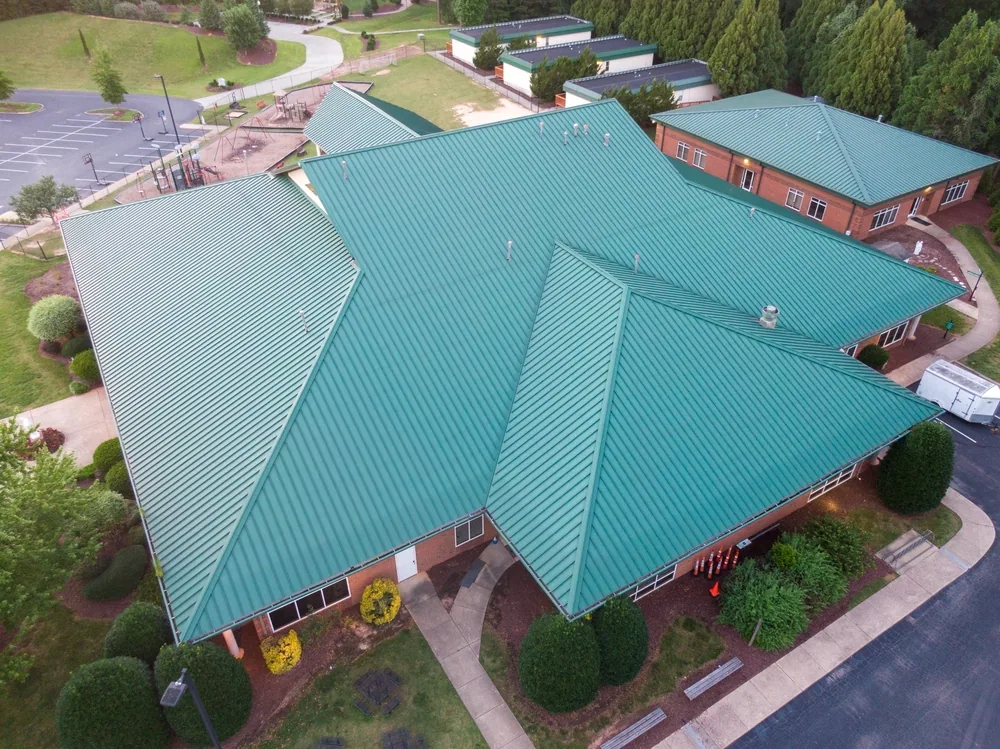
We do not assume what a particular building holds. We ask: is it cold storage, ambient storage, packing or equipment space? A cold storage roof needs a continuous vapor seal and a membrane that tolerates cold temperatures below it, while an ambient storage building needs durable edges and good drainage. For a packing space, the biggest concern is often condensation and rooftop exhaust deposits. Our written scope names the system, the insulation, the details at each penetration and the order of work, so the plant manager can plan product flow around it.
Read Snow Load at the Foothill Edge
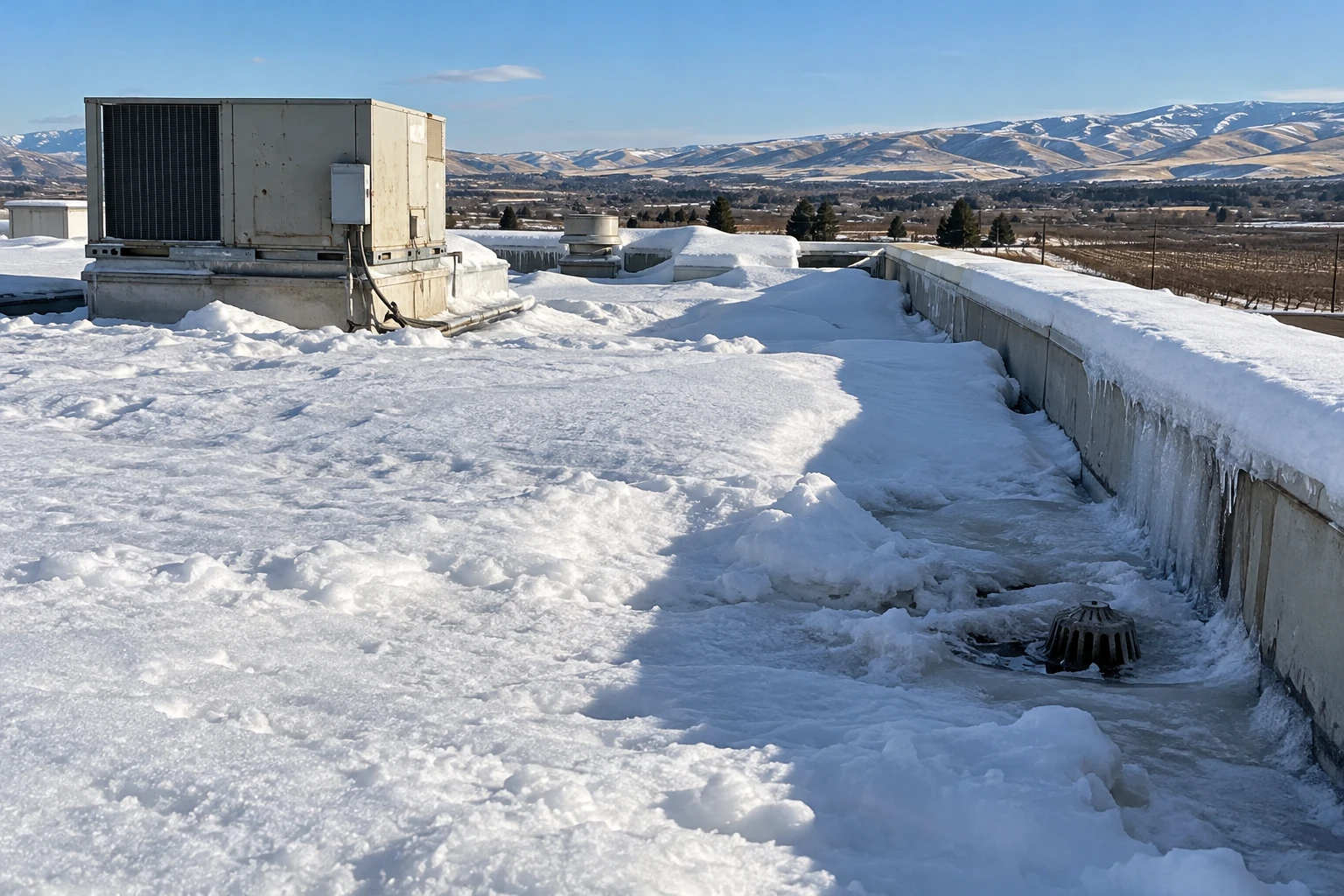
Snow lands mostly in December and January, and the county sets the load behind it parcel by parcel, with engineering above 70 psf and a design wind speed of 110. For a building in Naches near the foothills, the permit is the only reliable source for the design load, and we ask for it first.
A building with a long clear span, a stepped roofline or a tall mechanical room collects drifts in predictable places. Look at the interior: a ceiling that bows, a door that rubs, a crack at a column all hint at deflection. If clearing is needed, we use plastic tools and leave a protective snow layer, because steel shovels cut flat membrane. Our snow and ice damage inspection follows the thaw and checks the membrane, seams and drains. Checks for wind damage come with it.
Keep Gutters and Scuppers Open Through Leaf Season
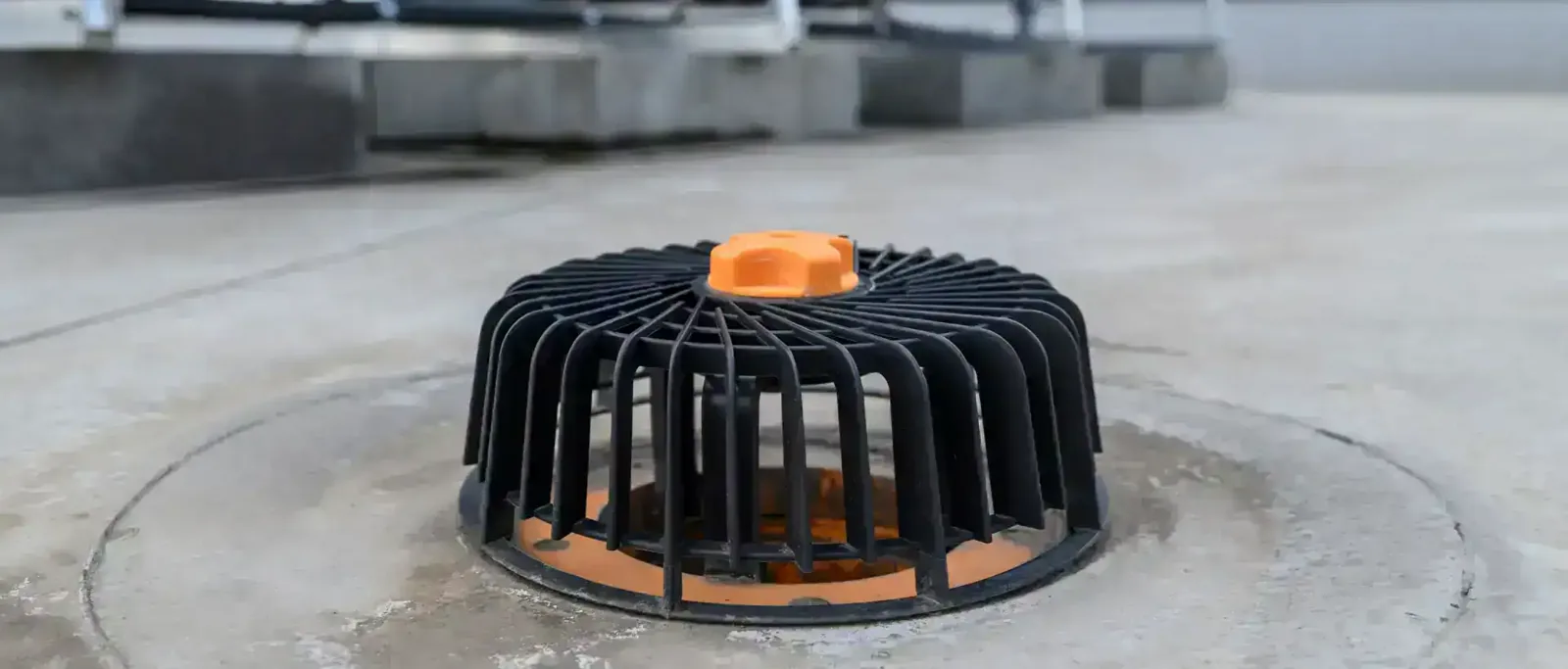
A building near orchards and river trees collects leaves, blossoms and debris on its roof, and that debris finds its way into gutters, scuppers and drains. A blocked drain turns a rain shower into a ponding event, and ponded water adds weight, ages the membrane and freezes in winter.
We schedule a fall cleaning and inspection before the snow, checking strainers, overflow scuppers and downspouts. Roof drains and scuppers that are undersized or cracked get replaced. Gutters that sag get re-hung with the right brackets and slope. Edge metal gets checked for loose fasteners at the same visit. If water ponds for more than two days after a rain, we look at the deck for deflection and at the insulation for compression, since a low spot is a structural question as well as a drainage one. A cleaned drain in October prevents most winter emergencies, and a photograph of each cleared drain goes into the maintenance file so the next visit starts from a known baseline.
Sequence Replacement Around the Fruit Calendar
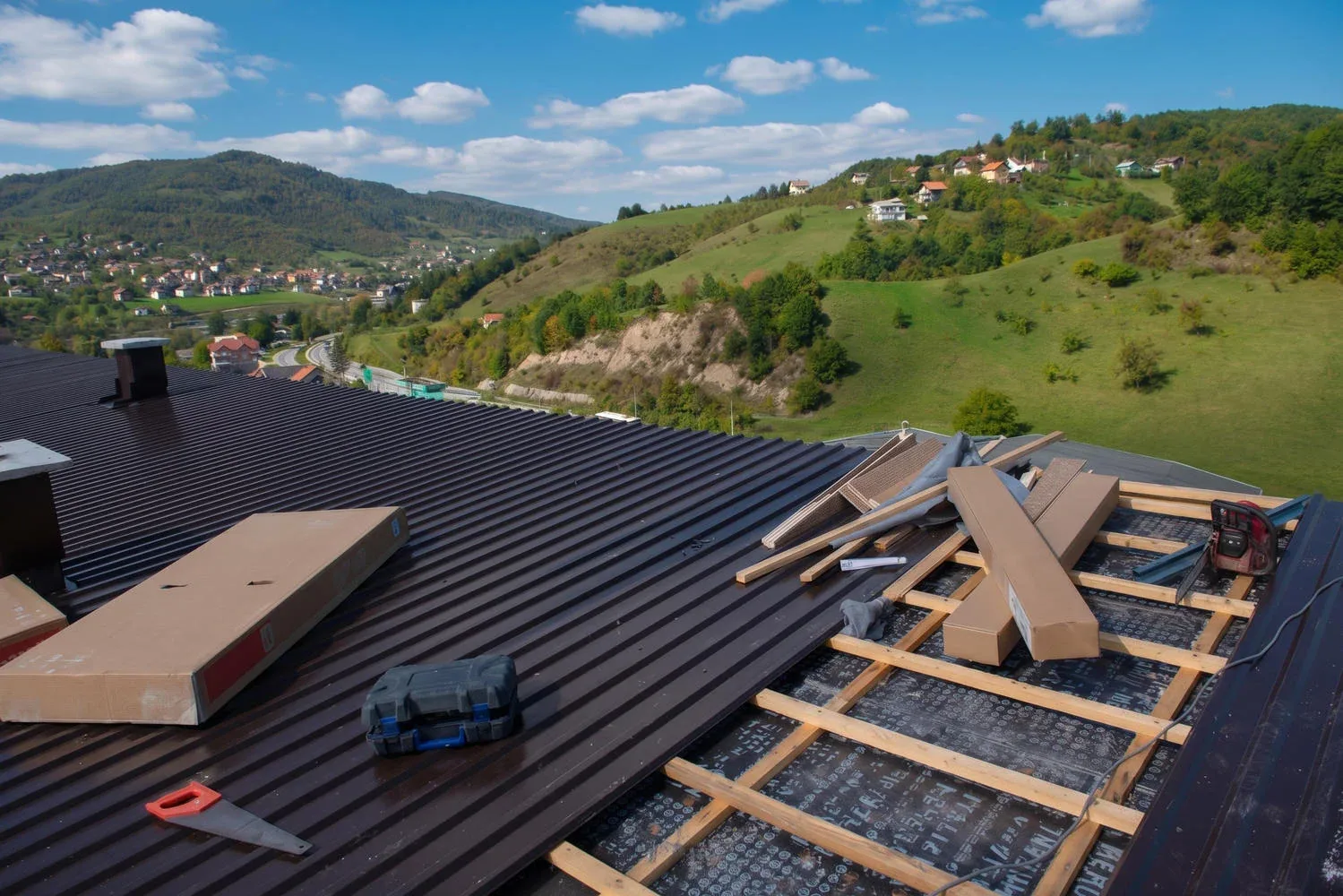
The busy season for a fruit building runs through harvest and packing, so reroofing belongs in the quiet months. We ask for the calendar and plan tear-off in sections that can be dried in each day, using a commercial roof replacement plan with staging away from loading docks and intakes. When a building cannot close at all, strip-by-strip work keeps operations going.
Heat shapes the schedule too. Hot afternoons, which Yakima logs by the dozens, change how adhesives and welds behave on a deck. Nearby places such as Tieton, Cowiche and Nile share this calendar, and an owner with more than one building in the Upper Valley can have the roofs inspected in one trip. Emergency response runs around the clock, holidays included, so a storm during harvest still gets a first-hour answer. When the crew arrives, a single contact on your side who can authorize access to the roof and the interior spaces below keeps the first visit short and the dry-in quick.
Commercial Roofing Questions
How do we tell condensation from a roof leak in a Naches cold room?
Watch the timing. Drips that show up after rain or snowmelt and follow the weather point to the roof. Drips that follow door openings, defrost cycles or humid days point to air movement. Photograph the drip at different hours and note what was happening inside. We confirm the cause with a thermal scan and a roof-side inspection, and then repair the vapor seal, the flashing or both.
Can a cold storage roof be replaced while product stays in the building?
In many cases, yes, with a plan. We work in sections, close each one to the weather daily and keep debris and hot work away from intakes and open doors. The existing roof is removed only where it can be replaced the same day. You will need to tell us about refrigeration lines and conduit at the deck, and we will coordinate with your refrigeration contractor for any disconnects.
Our gutter overflows every spring. What can be done?
First we find out why. Debris, undersized downspouts, a gutter pitched backward or a roof that sheds more water than the gutter was sized for can each cause overflow. We clear and test the system, correct slope and brackets, and recommend larger gutters or additional downspouts if capacity is the issue. Overflow at an eave can also soak the wall below, so we check the fascia and wall for damage.
Does a coating work on a metal roof with rust spots?
Often yes, after preparation. We remove loose rust, treat the metal, replace failed fasteners and seal laps, then apply a coating system matched to the panel. The coating reflects heat and seals small gaps, and it can add years to a sound metal roof. If panels are badly corroded or the structure beneath is weak, replacement or retrofit is the better path, and we show you photographs of what we find.