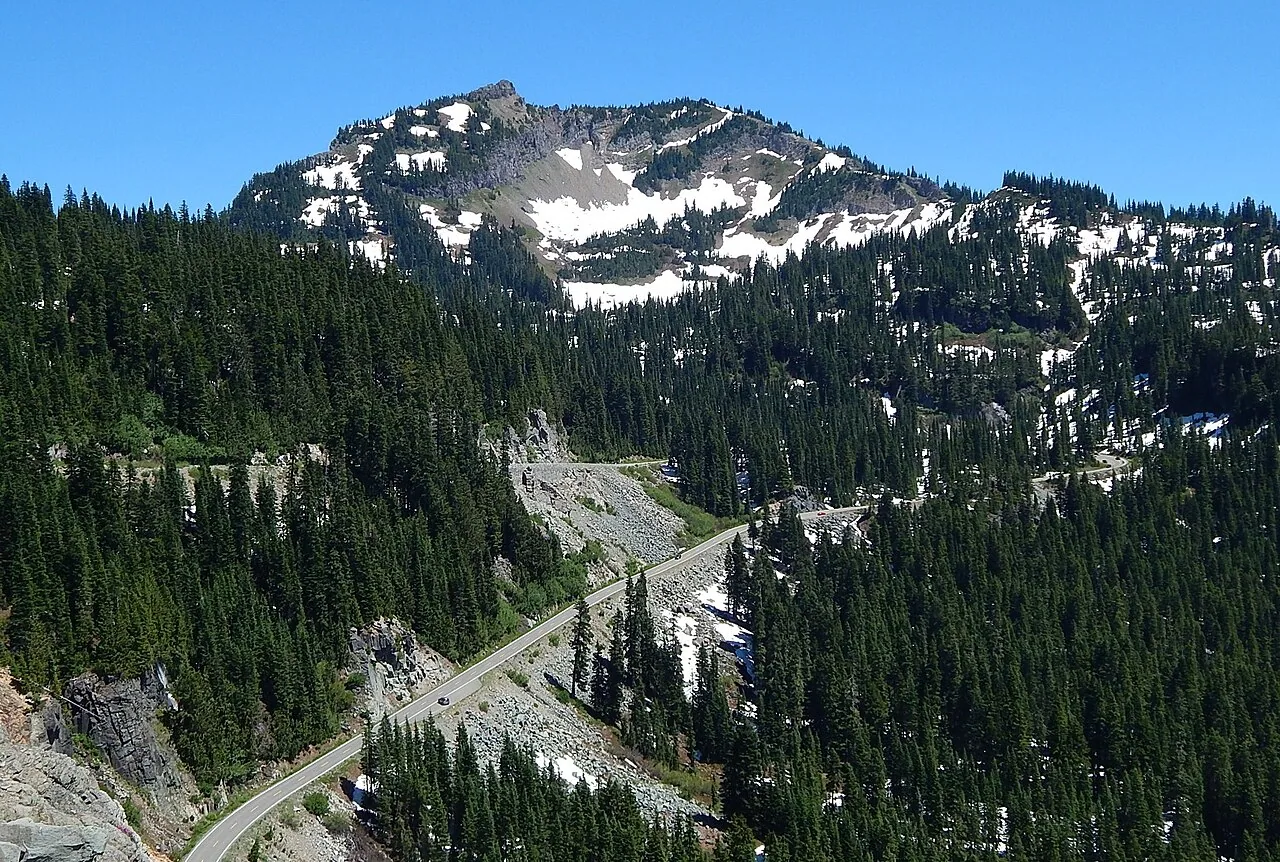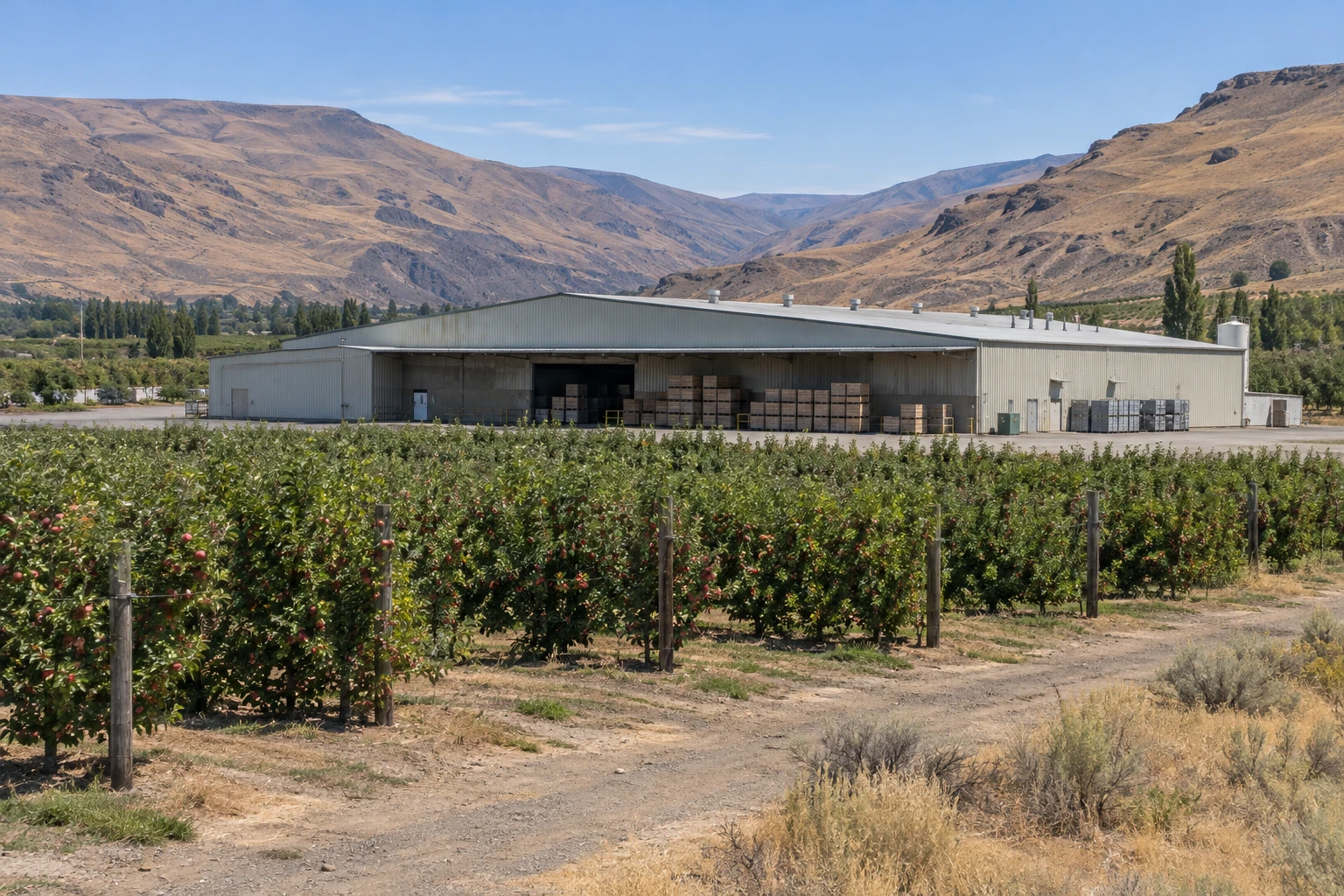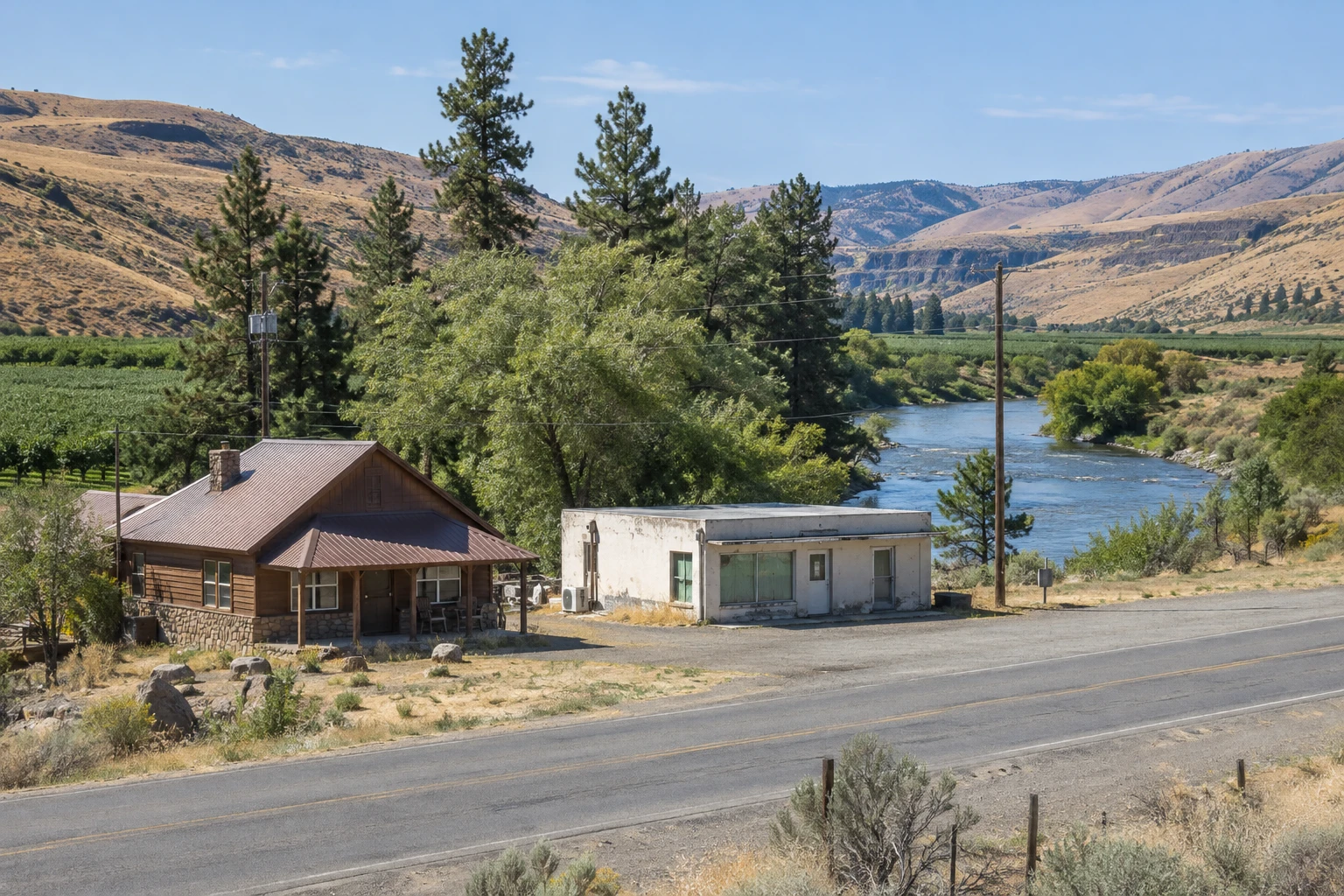
Nile sits in the Nile Valley beside the Naches River, about 35 miles northwest of Yakima, at roughly 2,008 feet, higher than Yakima, so snow exposure is greater. With 146 residents in 2020, it is a place where one building matters, and the question dispatch asks on a winter call is how much snow the roof holds right now and how long it has held it. Flat and metal roofs in Nile are repaired, recovered, coated or replaced by our crews, and the line is answered at any hour, holidays included. Yakima, WA's winter, with 21.6 inches of snow a year and most of it in December and January, is the baseline; a roof in Nile should be read against its own parcel load, which the county sets lot by lot.
Read the Roof's Design Load Before the Snow Reaches It
Greater snow exposure raises the stakes on a design value that many owners have never read. The number lives on the permit set or the structural drawings. Yakima County requires engineering above 70 psf, and a roof near that line has less spare capacity than one far below it. We ask for the paper before the first storm and write the number into the roof record.
Where the paper is missing, we say so and suggest an engineer's review for any building that matters. The same record lists the drift zones, which are the parapets, penthouses and step-downs where snow stacks, and the rooftop equipment whose weight adds to the total. When a storm arrives, the owner knows which areas to watch and what the threshold is. Waiting to learn the design load until the roof sags is the costliest way to find out.
Rooftop equipment deserves its own line. Units, ducts, conduit and pipe supports add concentrated weight, and snow packs around them. If a unit was added after the original design, we raise the question with the engineer, because the roof may carry a different load than the drawings show.
Plan for a Longer Winter and a Shorter Work Season
Higher ground keeps snow longer and starts the cold sooner. Yakima counts about 19 days a year with freezing highs, and a higher site may see a longer run. That squeezes the months when adhesives, coatings and welded seams can be applied. The dry window from late spring through early autumn is the one to use.
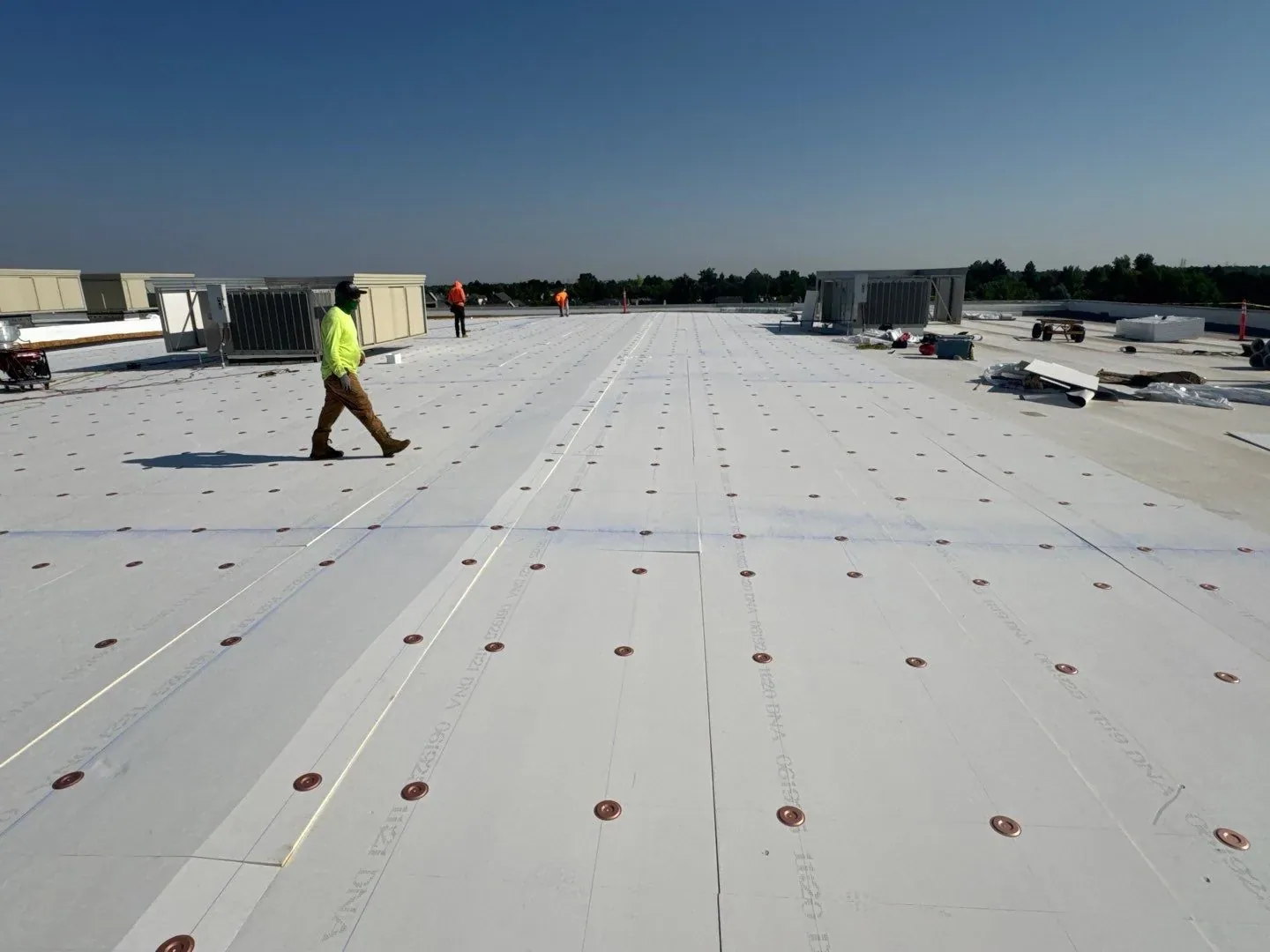
We book larger reroofs early so materials are on site and crews are ready when the surface is clear and warm. Orders for membrane, insulation and edge metal take weeks. A project that starts late slides into the first storm. Smaller repairs that tolerate cold, such as mechanical fastening and cold-rated patches, can go ahead in the shoulder months, and emergency dry-in goes ahead in any weather.
Short days add to the pressure. In deep winter, daylight shrinks the working window, and a crew that arrives late in the afternoon can do little more than secure what is open. We plan work in blocks that finish with the building watertight before dark, even when that means a smaller scope each day.
Keep Meltwater From Refreezing Where It Does Harm
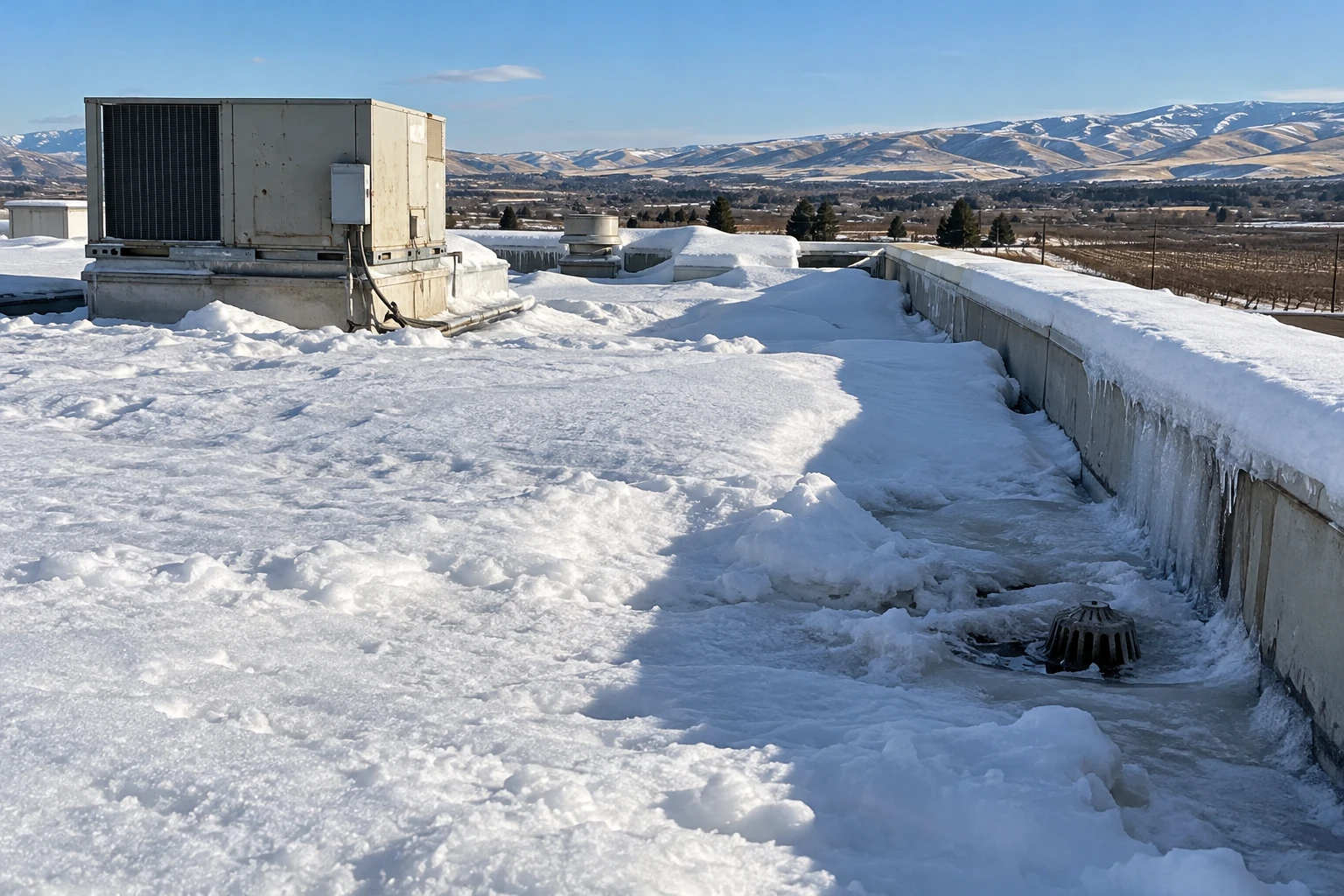
On a winter roof, ice forms where meltwater meets a cold edge, a clogged drain or an unheated gutter. It lifts edge metal, backs water under laps and builds a dam that holds the next melt on the roof. We open drains and scuppers before the first hard freeze and check that gutters are fastened to carry a load of ice.
The cause is often inside the building. Heat that escapes through a poorly insulated roof edge melts snow from below, and the water refreezes at the eave. We look at insulation and air sealing at the perimeter. A snow and ice damage inspection after the thaw reviews seams, flashing and drains, and it finds the splits and cracks that a heavy winter leaves.
Gutters carry special risk at this elevation. Ice loads them, and when a load is heavy enough the gutter drags at its brackets and the elbow of a downspout can split once the water inside freezes solid. Gutters are hung with closer spacing, in heavier gauge, with outlets directed away from walkways, since ice at a doorway is a hazard to people.
Choose a Roof That Sheds Snow Rather Than Carries It
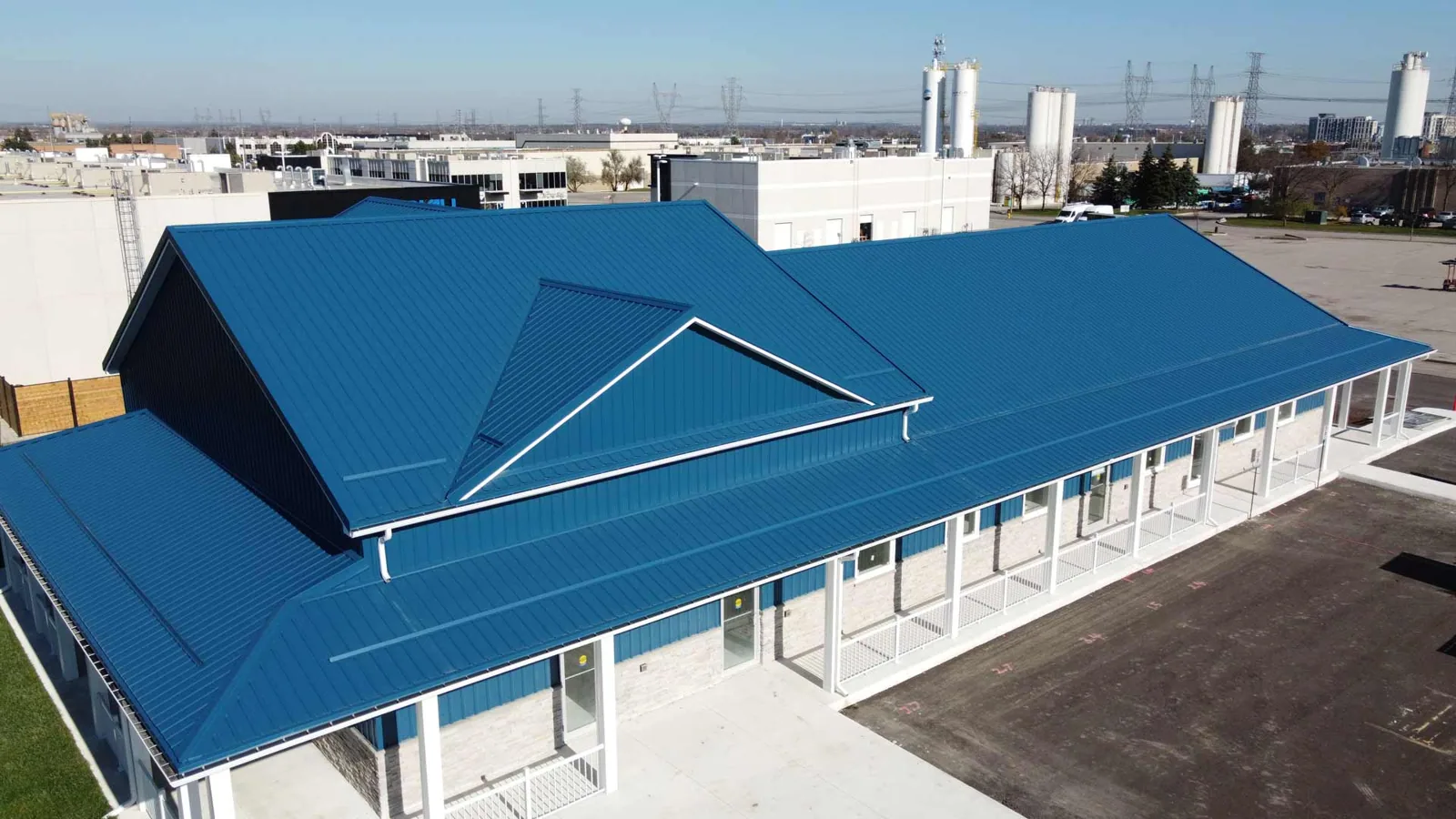
On a new roof or a replacement, slope and surface matter in a snowy site. A standing seam metal roof sheds snow and has concealed fasteners that do not back out. Snow retention devices hold it where sliding would endanger a doorway or equipment. On a low-slope roof, tapered insulation helps water move to drains instead of ponding under the snow.
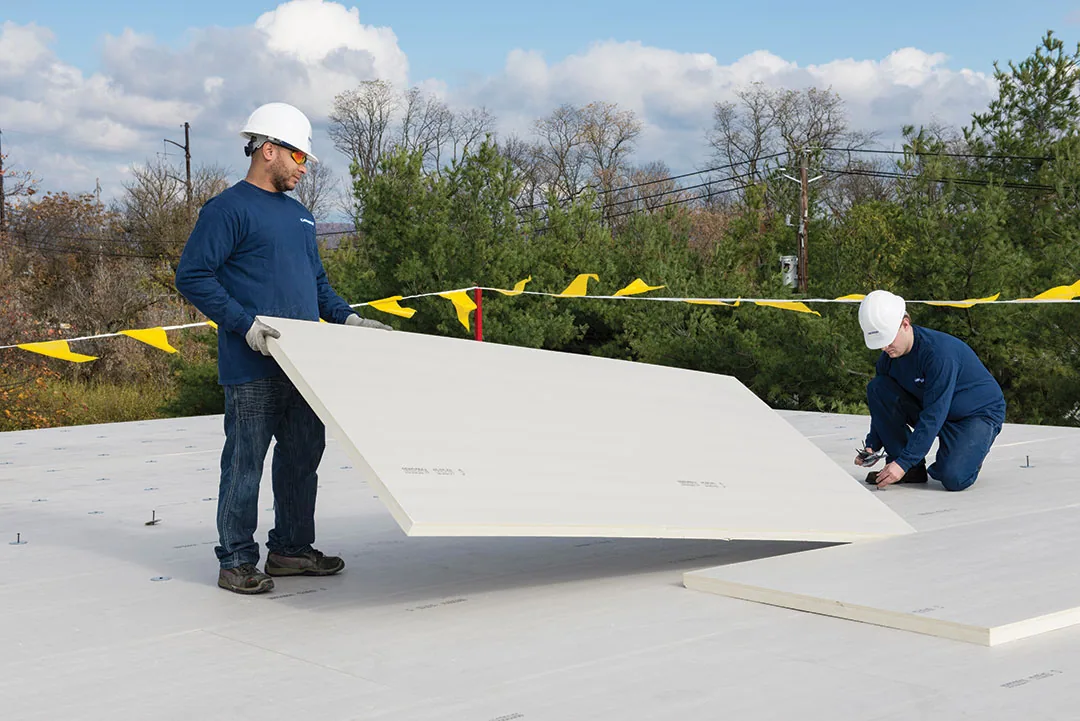
Insulation adds to the weight of the assembly and to its energy performance. Washington's code editions adopted in March 2024 mean a larger reroof may need to meet current insulation values. We balance that against the load allowance, and we select a cover board and insulation build-up that fits both limits.
Whatever the system, the details decide. Edges, curbs, pipe boots and drains each need flashing that can take the movement of a cold roof, where metal and membrane shrink at different rates. We build those joints to move, with slip joints and flexible boots, and we test them with water before leaving.
Keep a Response Plan for the Nights the Road Is Slow
Winter can slow the drive to Nile. We plan for it by building a response plan with the owner ahead of the season: who calls, what photographs to send, what to do before a crew arrives and which building areas to keep clear. Our emergency line is answered at any hour, and the plan shortens the first call.
Owners with property in Naches, Cowiche or elsewhere along the river can include those buildings in the same plan, and a maintenance program adds a visit before the first snow and another after the thaw. Each visit ends with a dated report and photographs, so the next storm response starts with facts.
Records close the loop after a storm. Photographs of the snow depth, the sag and the repairs, with dates, give an insurer what it needs and give the next inspector a baseline. We keep a copy and give the owner a copy.
Commercial Roofing Questions
How do we know when the snow on our roof is too heavy?
Compare the estimated weight to the design load on your permit. Weight comes from depth and density, and wet or drifted snow is much heavier than powder. Warning signs include sticking doors, a sagging ceiling, new wall cracks or a bulge. If you see any, clear the area and call.
Is it better to install snow guards or leave the roof bare?
Guards are worth considering where sliding snow could land on a door, a walkway or equipment. On a low-slope roof they are less common. We look at the pitch, the surface and what lies below, then recommend a system or none.
Can a roof be replaced at this elevation, or does it have to wait for spring?
Large projects usually wait for the dry window. Emergency dry-in and certain repairs can go ahead in cold weather. We schedule a reroof for late spring through early autumn, and we order materials early so the project starts when the weather allows.
What does an ice dam do to a commercial roof?
It holds meltwater on the roof, where it can seep under laps and flashing and into insulation. It also lifts edge metal. We clear the dam carefully, fix the cause, whether heat loss or a blocked drain, and repair the damage.
Do you offer a seasonal checkup for a single building?
Yes. Two visits a year, one before the first snow and one after the thaw, suit most buildings. Each visit covers drains, seams, flashing and edges, and ends with a short written report.