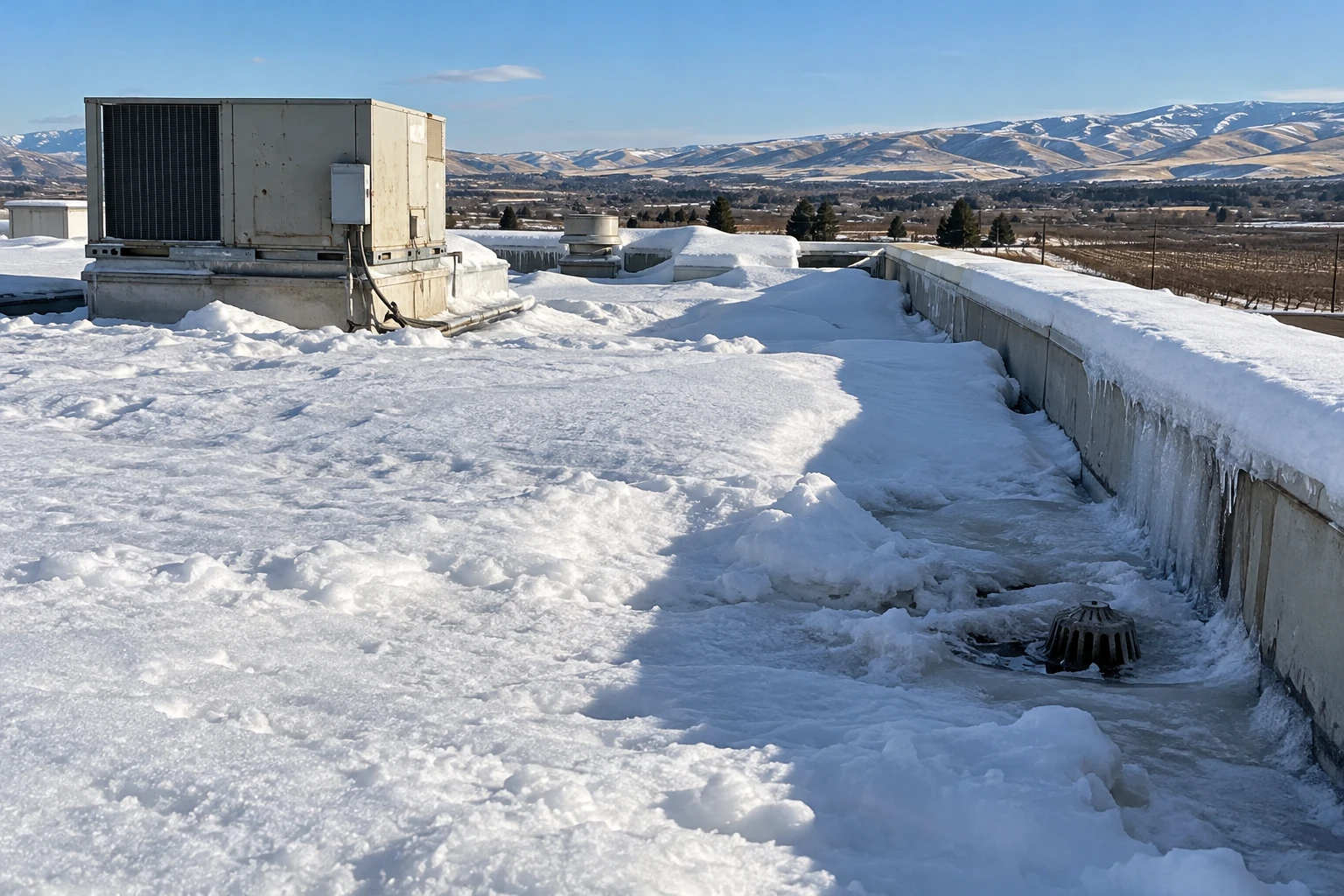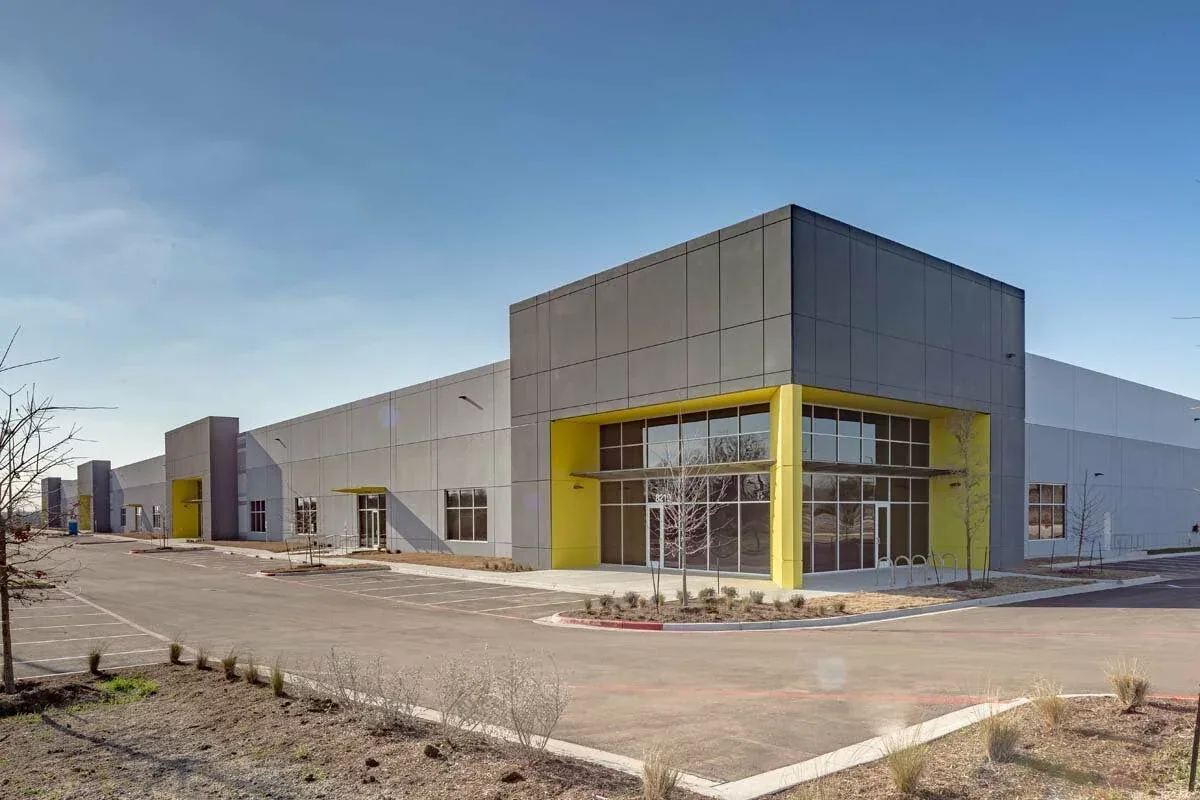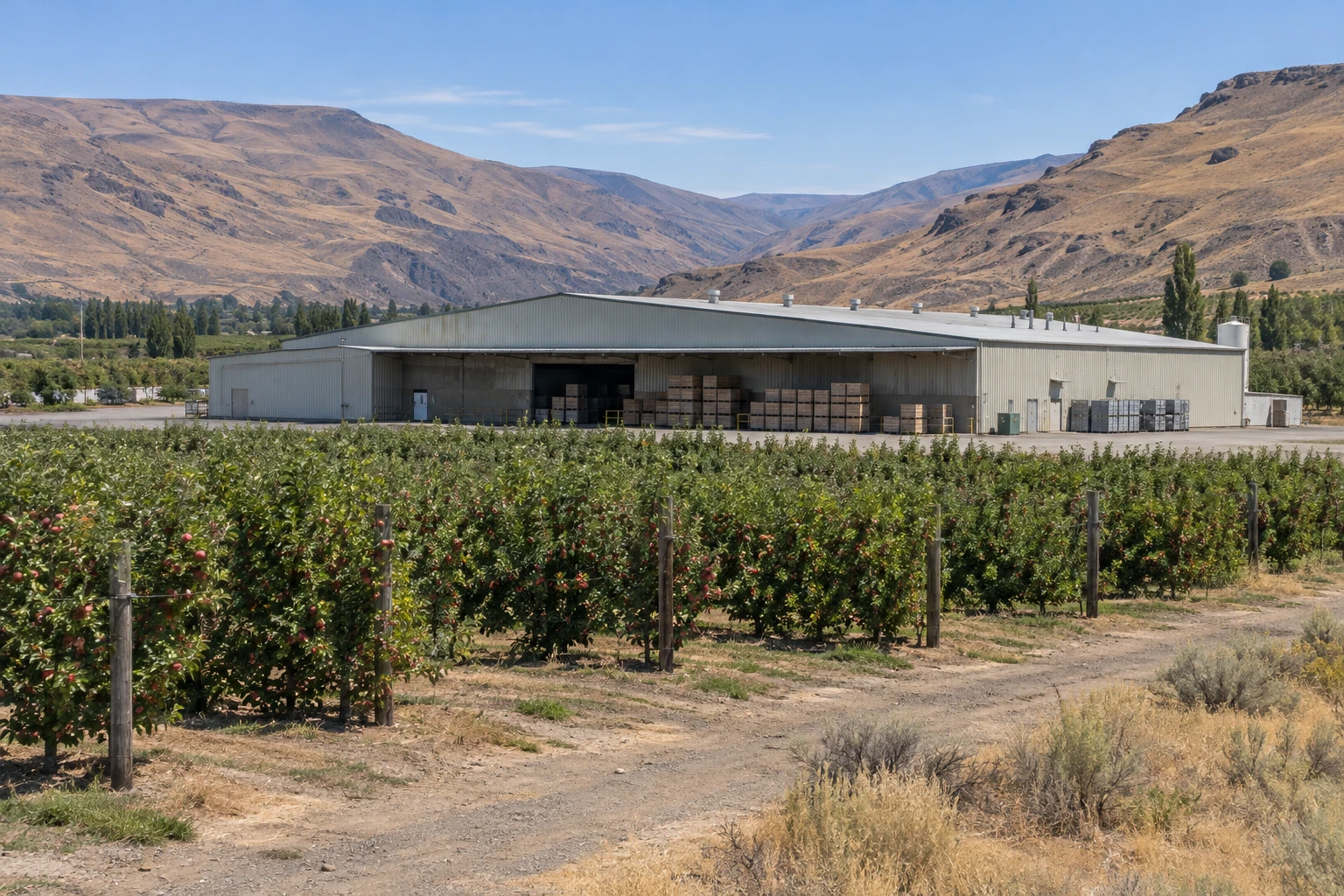
The phone rings in Tieton on a January morning after three days of hard freeze followed by a warm rain, and the caller says water is coming through a warehouse ceiling along one wall. Dispatch asks one thing: is the roof edge still frozen? A frozen eave blocks the path that meltwater would normally take, so the water backs up under the membrane or behind the edge metal and finds the nearest seam. Tieton sits near where the Tieton River meets the Naches River at about 1,923 feet elevation, and its largest employers historically were cool warehouses for Yakima Valley fruit. Any low-slope building handles this kind of thaw badly when its drains and edges are not clear, and a warehouse-style building with a long eave line has a lot of edge to keep open.
Open the Drainage Path During a Freeze-Thaw Week
The swing from a hard freeze to a warm rain is when roofs surprise their owners, and Yakima counts about 19 days a year when the high never clears freezing. Snow melts on the warm center of the roof, runs to the cold edge and refreezes. The ice that forms blocks scuppers and gutters, and the next melt has nowhere to go.
Our response is to open the path in a way that does not damage the roof: warm water or steam at drains, careful removal of ice from scuppers and gutter mouths, and no chisels near the membrane. Then we find where the water entered. Common culprits are edge metal that no longer laps tightly, a gutter that pulls the fascia away, and a low spot where water has stood. A snow and ice damage repair deals with the entry point and the conditions that caused the backup, so the next thaw has a clear route.
Treat Cool-Warehouse Roofs as Insulation Problems First
Cool warehouses for fruit are buildings that keep produce cold, and a roof over a cold space has the opposite stress to an office roof: warmth and humidity push from outside toward the cold interior. Whether any building in Tieton still serves that use is not something we assume, but a building that holds anything cold will show the same symptoms: frost at the ceiling, sagging insulation, rust on the underside of the deck.
We begin with the vapor seal, then the insulation, then the membrane. A moisture scan at dusk marks saturated areas, and cores confirm the layers. A warehouse roof with dry insulation and a tired membrane may be a candidate for a recover, while a roof with soaked insulation needs those sections removed. We write the scope with square footage of wet area and the cost drivers, so you see what each decision does to the budget.
Plan Roof Work for Buildings Put to New Uses
A 2007 revitalization plan called Mighty Tieton brought new uses to the town, including a mosaics studio. A building that changes use may keep its roof while everything beneath it changes: a studio with kilns or ventilation, a gallery with skylights, a shop with new rooftop equipment. Each of those alters how the roof is loaded, vented and drained.
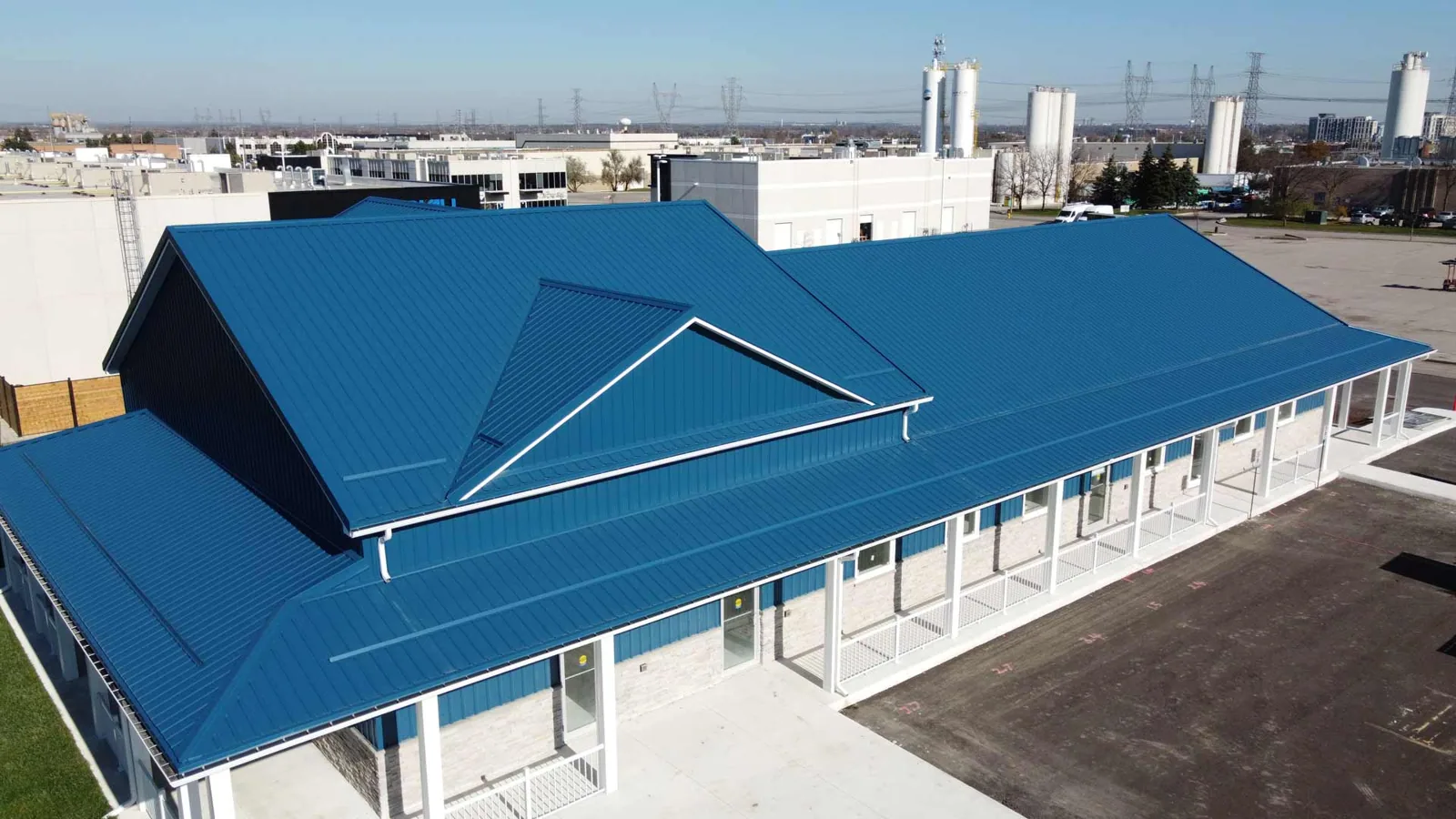
When a building gets a new use, we compare the roof to what it now carries. New rooftop units need curbs and flashing, skylights need proper curbs, and exhaust fans need sealed penetrations. We also check that the structure can handle the new equipment with snow on top. For roofs under a creative or public-facing use, appearance counts too, so a standing seam metal roof or a clean white membrane can serve both function and look. Tell us the building's present use and plans, and we write the scope around them.
Account for the River Valley Setting
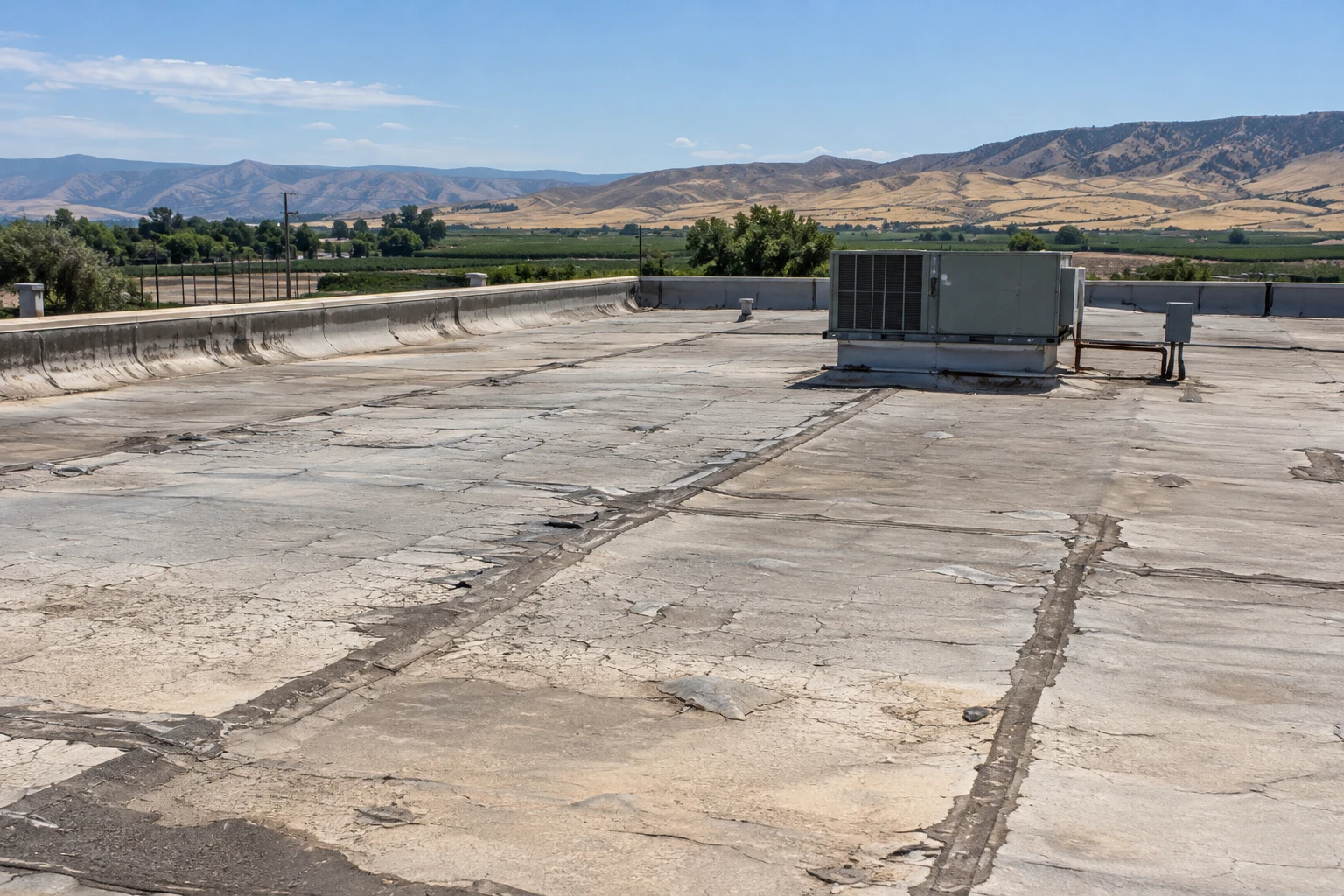
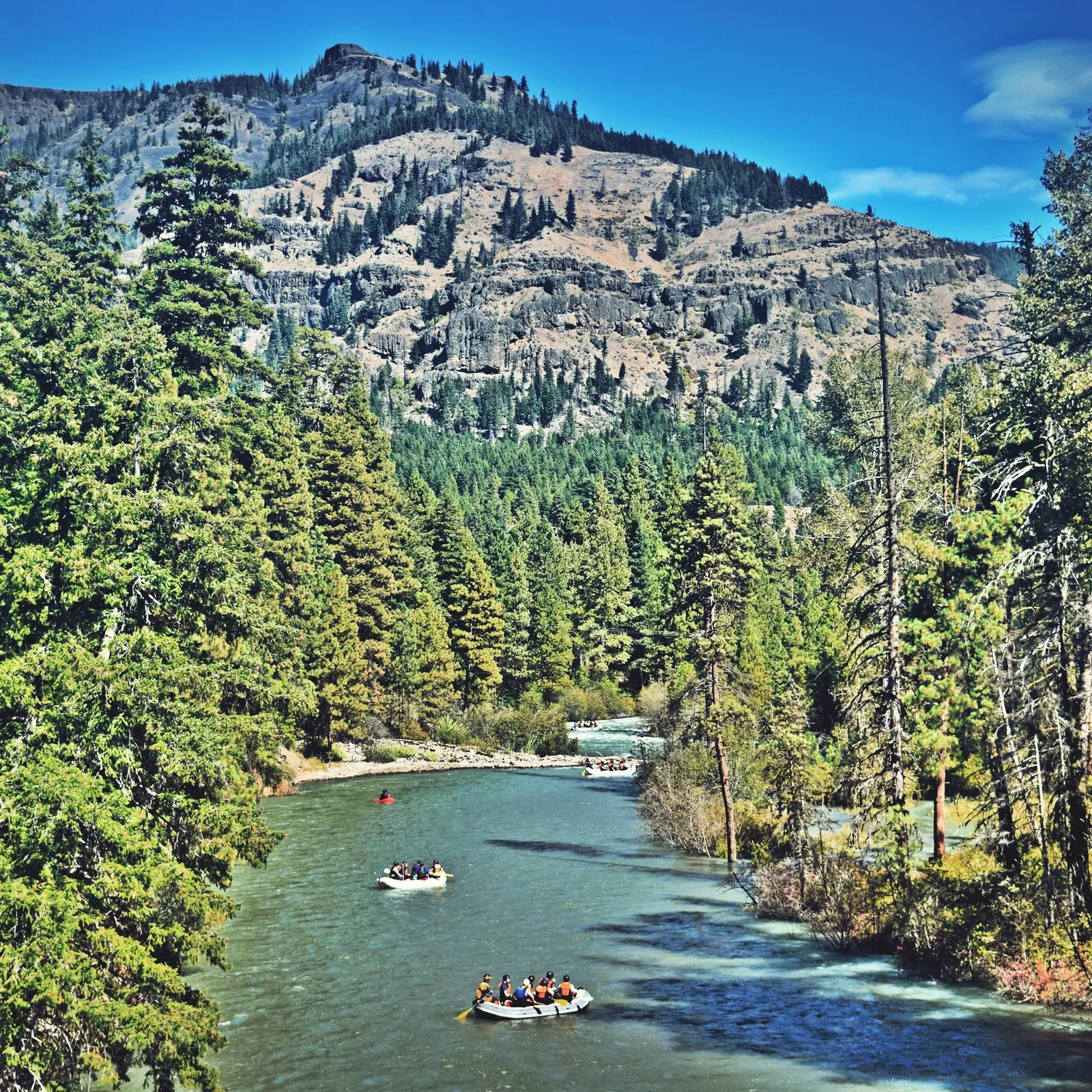
A building near the Tieton and Naches rivers is still a Yakima Valley building, and the large daily swing Yakima records is the pattern its roof lives with. Nights can be cold while afternoons reach 90 F or higher, as they do on dozens of days a year at Yakima.
That swing works flashings, seams and sealants harder than steady weather does. We look at counterflashing that has pulled away from walls, sealant bead cracks, membrane edges that have curled and fasteners that have backed out. Thermal movement is the slow wear that makes a roof leak in its fifteenth year instead of its twentieth. A heat and UV damage repair scope adds reflective coatings or heat-reflective membranes where the surface has aged, so the roof moves less with the sun.
Group Visits Across the Upper Valley
Tieton shares the Upper Valley fruit economy with Naches and Cowiche, and we group visits across these towns to cut travel and cost. An owner with two or three buildings can have all of them inspected on one day, and we deliver one report with a ranked list.
Snow planning belongs in that report. The county sets snow load parcel by parcel, and most of Yakima's snow falls in December and January. Clear with plastic tools and leave a protective layer, because steel shovels cut flat membrane. A preventive maintenance visit before winter checks drains, edges and flashings, and it costs far less than an emergency call during a freeze-thaw week.
Buildings reused as studios or galleries sometimes hide old mechanical openings above the ceiling. A walk of the attic or plenum with a flashlight, before the roof visit, often locates the pipes and ducts that need flashing outside.
Commercial Roofing Questions
Water backs up at our eave every thaw. Can the building be fixed, or do we just live with it?
It can be fixed. Ice dams form when heat escaping through the roof melts snow that then refreezes at the cold edge. We look at insulation and air leaks that let heat reach the roof deck, edge detail that traps water, and gutter capacity. Sealing air leaks and adding insulation reduce the melt, and a corrected edge detail gives water a path out. Heat tape is a short-term aid only.
We converted part of an old warehouse to a studio. What roof checks should we do?
Compare the load and the penetrations. Any new equipment, kilns, fans or skylights need correct curbs and flashings, and the structure should handle their weight with snow on top. We also check vapor control, since a heated, humid interior under a roof built for cold storage can condense at the deck. A moisture scan and a walk of the roof tell us what to change before the next winter.
What does a recover involve, and when is it a bad idea?
A recover adds new insulation or cover board and a new membrane over the existing roof. It saves tear-off and keeps the building in use, but it only works if the existing layers are dry and the deck is sound. If a scan shows saturated insulation, or if the structure cannot carry the added weight, tear-off is the right call. We take cores and run scans before recommending either, and we put the findings in writing with photographs of each core so the decision is easy to review with a manager or lender.
Which parts of a roof should we check ourselves after a storm?
From the ground and the interior only. Look for debris on the roof, bent edge metal, gutters pulled away from the wall, ceiling stains and drips. Photograph anything unusual with the date. Do not climb a wet or snowy roof. Send us the photographs and the building address, and we will decide whether a same-day visit is warranted or whether the item can wait for scheduled inspection.