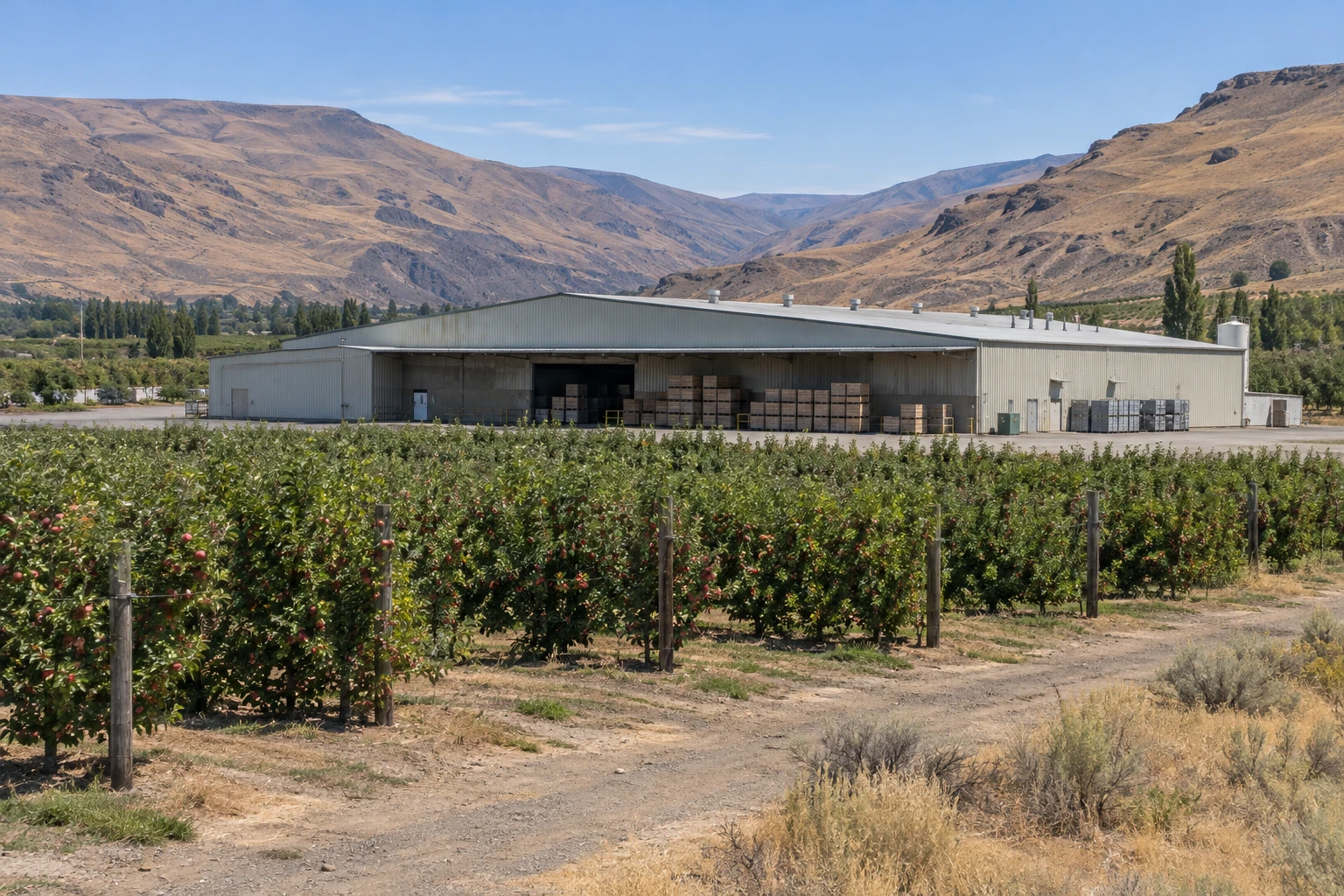
Spring wind comes up the valley, and a Cowiche orchard manager calls because a sheet of roof membrane is rippling over the equipment shed. Dispatch asks how long it has been moving, because a membrane that billows keeps pulling at every fastener under it. Yakima, WA recorded its strongest gust, 69 mph, in May 1985, and the November 2019 windstorm reached 51 mph there. Cowiche is known for apple crops, most people in the area work in agriculture, and the town sits at about 1,749 feet elevation near the Cascade foothills northwest of Yakima. Roofs over orchard and farm-support buildings are open to the weather on every side, so they take wind first and take it hardest at the edges.
Stop the Billow Before It Becomes a Blow-Off
A membrane that ripples in wind is telling you its attachment is failing. In an adhered system the bond lets go in patches; in a mechanically attached system the fasteners pull through or back out. Either way, each gust pulls a little more of the membrane loose, and a bigger gust finishes the job.
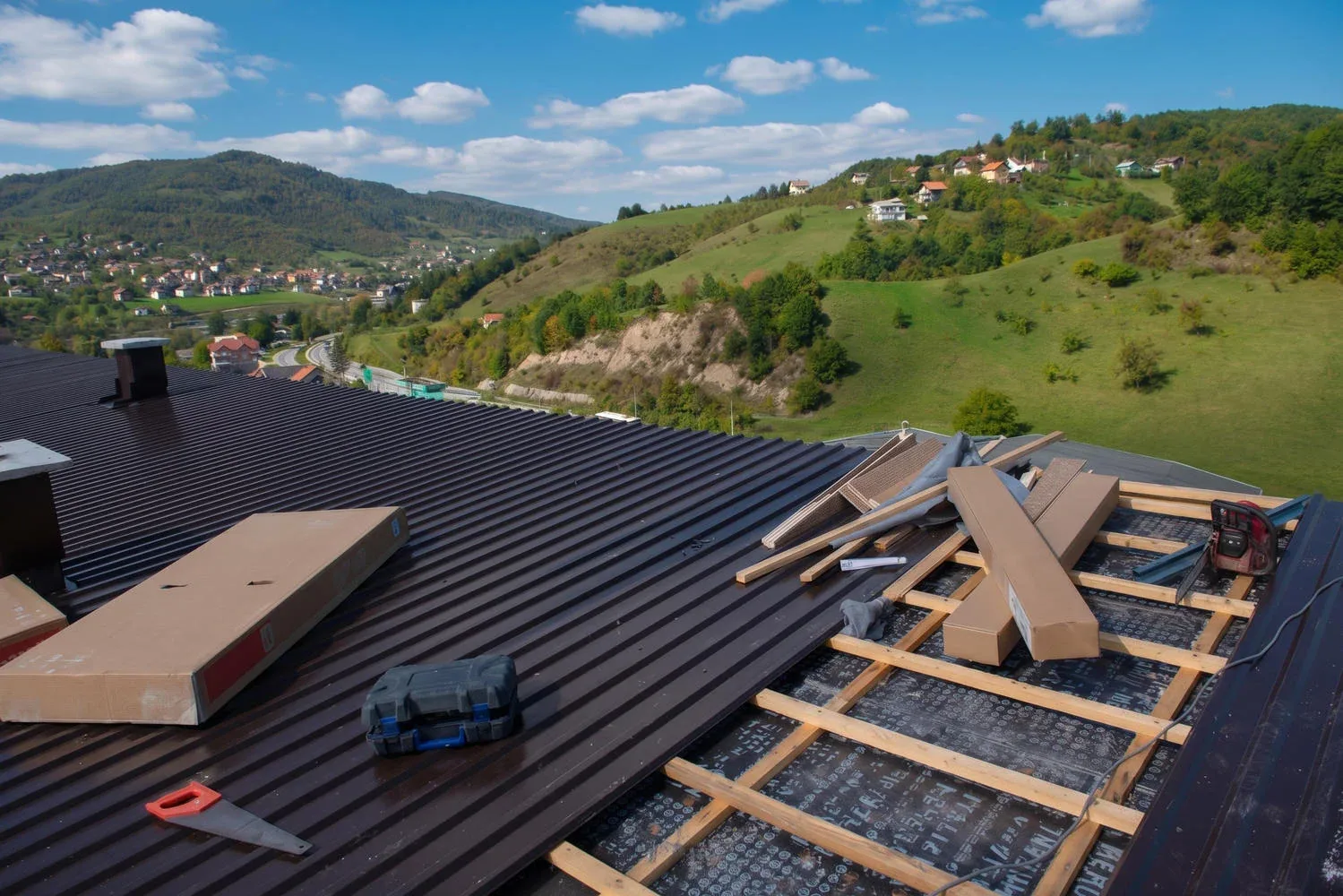
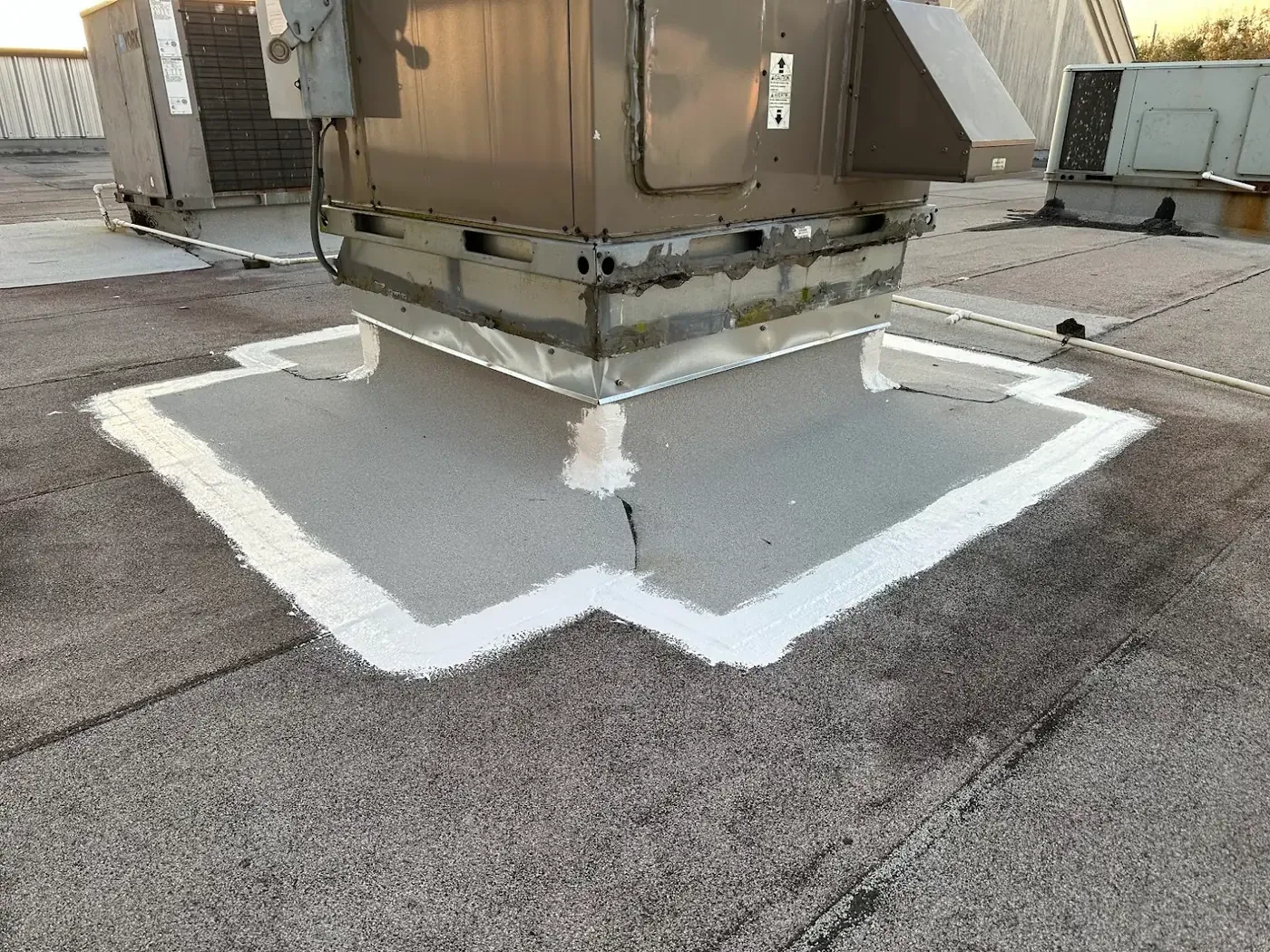
The first step is to reduce the load: secure the loose area with temporary ballast or battens and tarps, and remove loose debris that could become a missile. The second step is to find the extent of the damage by pressing and probing around the billowing area. We usually find that the problem runs further than the visible ripple. Permanent repair means re-adhering or re-fastening the membrane, adding fastening at the perimeter where uplift concentrates and replacing edge metal. Our wind damage repair work puts perimeter and corners first. Keep people away from the edge below until it is secured, park vehicles and move bins out of the fall zone, and tell dispatch whether the building is a shed, a packing space or a storage room so the crew brings the right materials for the temporary hold.
Think of the Roof as Part of an Irrigated Orchard Operation
Irrigation water arrived in Cowiche in 1907 through the Tieton Irrigation Project, and orchards replaced wheat fields. Since then, the area has been defined by the fruit calendar: bloom, thinning, harvest, storage. A roof on an equipment shed, a packing space or a storage building supports that calendar, and its failure interrupts it.
That is why we ask about the calendar before we ask about the roof. When is the building in full use? When is it quiet? What stays inside during winter: equipment, bins, product? The answers drive the plan. A quiet window lets us schedule replacement with room to spare, and a busy window calls for emergency-only response. A roof capital plan lays out which roofs to repair, coat or replace over several years, so the work can be spread across seasons and budgets rather than forced by a leak in the middle of harvest.
Consider Foam or Coating for Irregular Roofs
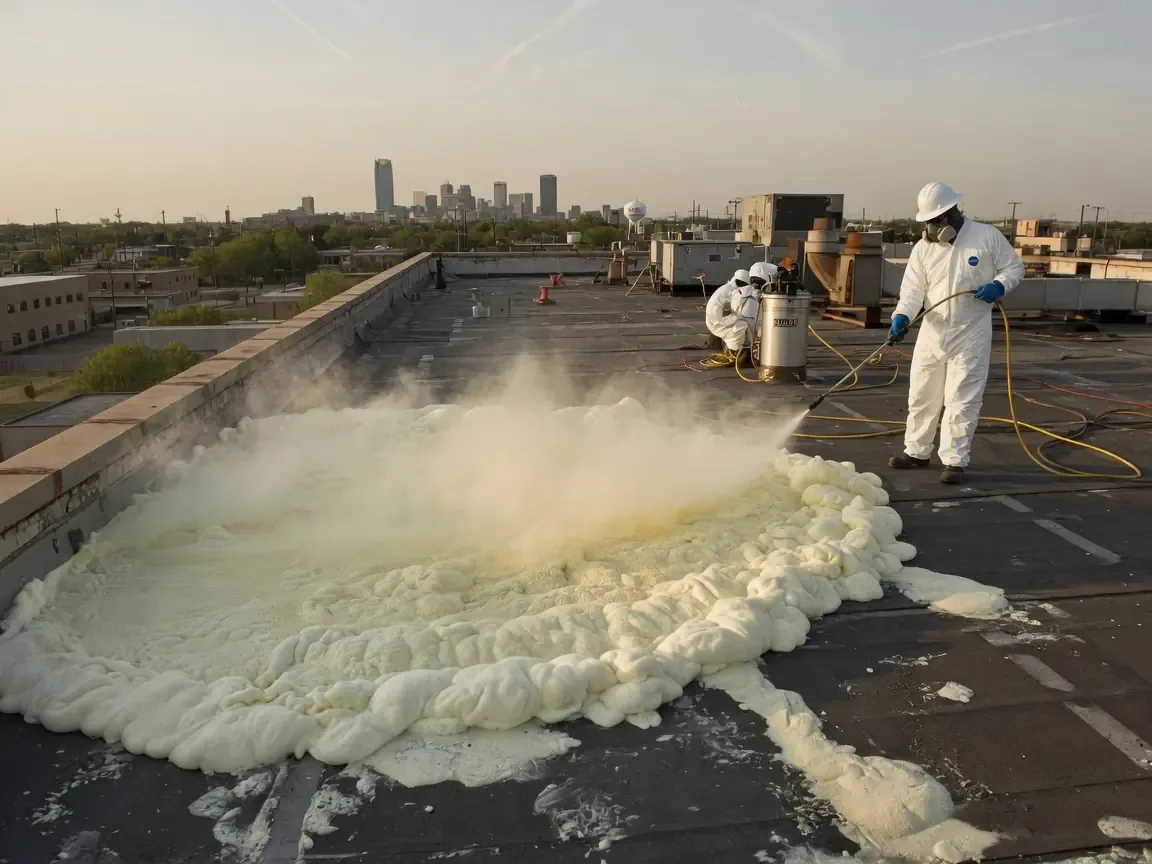
Farm-support buildings often have roofs with odd shapes, many penetrations and additions built over the years. Sheet membranes need cutting and detailing at every corner. A sprayed system flows around the shapes and cures into a continuous surface. Spray polyurethane foam roofing adds insulation and a continuous layer, protected by a coating that resists UV.
It does not suit every roof. Foam needs a dry, clean base and a stable day for spraying, since wind carries overspray, and it needs recoating on a schedule. For a sound but weathered membrane, an acrylic roof coating can restore reflectivity and seal small gaps for less money than replacement. We test for moisture first and describe both options with their costs, expected life and maintenance, so the owner can choose with a clear picture.
Check Foothill Snow Loads Against the Permit
Orchard country gets its snow mostly in December and January, and the load a roof must carry is whatever its own parcel's permit says, with an engineer needed past 70 psf. Because Cowiche sits near the Cascade foothills, the permit for the building is the number to rely on rather than a number borrowed from the city.
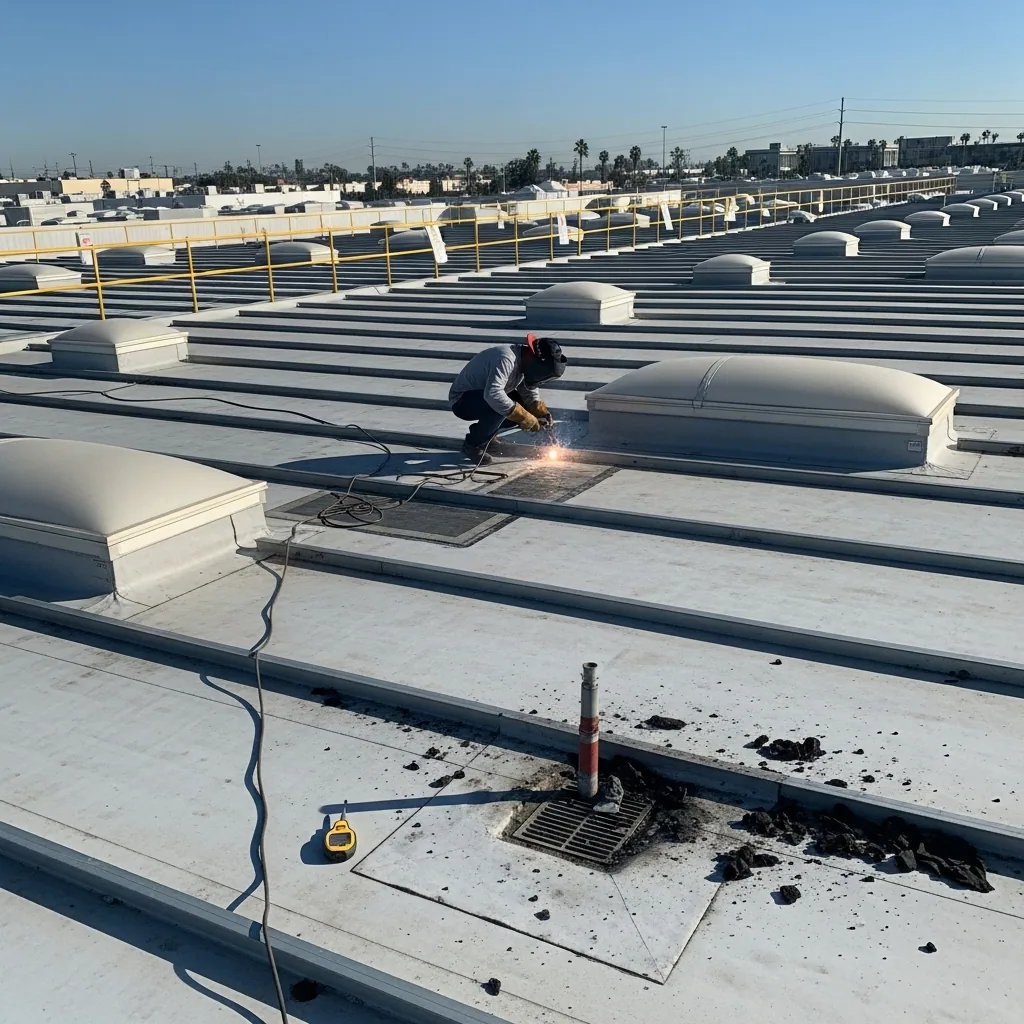
Look for drifts at the tall side of a stepped roof, around rooftop equipment and on the lee side of walls. Inside, watch for sagging ceilings and doors that stick. We clear with plastic tools and keep a protective layer, because steel shovels cut membrane. Afterward, a membrane puncture repair handles any cuts or punctures left by ice, debris or tools. If the loss includes damage from a storm, claim documentation starts with dated photographs, and the crew can add a measured sketch of the affected area so the insurer sees the extent at a glance. Ice that sat on a membrane for weeks tends to leave small cuts at seams, so we probe those first.
Document Storm Damage the Way an Insurer Will Read It
After a windstorm or heavy snow, the paperwork matters almost as much as the repair. An insurer wants to know when the event happened, what the roof looked like before and what the damage is. Photographs with dates, a written description and records of earlier maintenance support the claim.
We photograph and measure the damage, describe the cause in plain language and itemize repairs, separating storm damage from age-related wear. Our roof insurance claim assistance prepares that documentation. Emergency measures like tarping should be done promptly and the receipts kept. Owners with buildings in Tieton or Naches as well can have all of them documented on one visit, which speeds the claim and reduces the cost of each inspection.
Commercial Roofing Questions
Our Cowiche shed roof flaps loudly in wind. Is it safe to leave it until Monday?
If the sound is panels or membrane moving, treat it as urgent. A roof that flaps is losing its attachment, and a stronger gust can remove it entirely. Keep people clear of the area, move equipment out from under the loosest section if you can do it safely, and call the first-hour line. We secure the roof the same day and plan the permanent fix when conditions allow.
Is foam roofing a good idea on a building with many pipes and vents?
It can be, because the sprayed material flows around penetrations without needing cut and sealed flashing at each one. The base must be dry and clean, and the roof must be sound enough to carry the foam. A protective topcoat is required against UV, and recoating is part of the maintenance plan. We inspect penetrations first and tell you whether foam, a membrane or a coating fits better.
How do we budget for roof work across several farm buildings?
Start with condition grades. We inspect each building, rate the roof from sound to failing, and estimate remaining life. Then we rank the work by consequence: a roof over equipment or stored product comes before a shed with low-value contents. The plan spreads costs over several years, with repairs where they extend life and replacement where they do not. You can adjust as the farm calendar and cash flow change.
What happens to the old roofing material when a roof is replaced?
It is loaded into containers and hauled to a disposal site, usually the same day it comes off, so debris does not blow around the property. We protect plantings and equipment with covers, use magnets to pick up fasteners and sweep the grounds at the end of each day. If the old roof has multiple layers, disposal is a visible part of the cost, and we list it separately so you can see where the money goes.